
What Does a Very High Triglyceride Level Indicate?
A very high triglyceride level — generally meaning a result at or above 500 mg/dL, and especially one climbing past 1,000 mg/dL — indicates that your bloodstream is carrying a genuinely large amount of fat, far more than your body can efficiently clear or store, and it shifts the conversation from ordinary cardiovascular risk management into something more immediate: a real, measurable risk of acute pancreatitis, a sudden and potentially severe inflammation of the pancreas. This is different from the far more common scenario of a "high" triglyceride result in the 150 to 499 range, which mostly matters for long-term heart health and usually responds well to lifestyle changes over months. A very high result is its own distinct category, with its own set of usual causes, its own visible physical signs, and its own noticeably more urgent treatment timeline. This article explains what the numbers actually mean, why blood can visibly change in appearance at these levels, what typically causes triglycerides to climb this high in the first place, and what happens next, practically speaking, once a result like this one is actually found.
If a very high triglyceride result comes with severe, persistent upper abdominal pain, nausea, or vomiting, that combination can signal acute pancreatitis and needs prompt medical evaluation — don't wait for a routine follow-up appointment to address new symptoms like these.
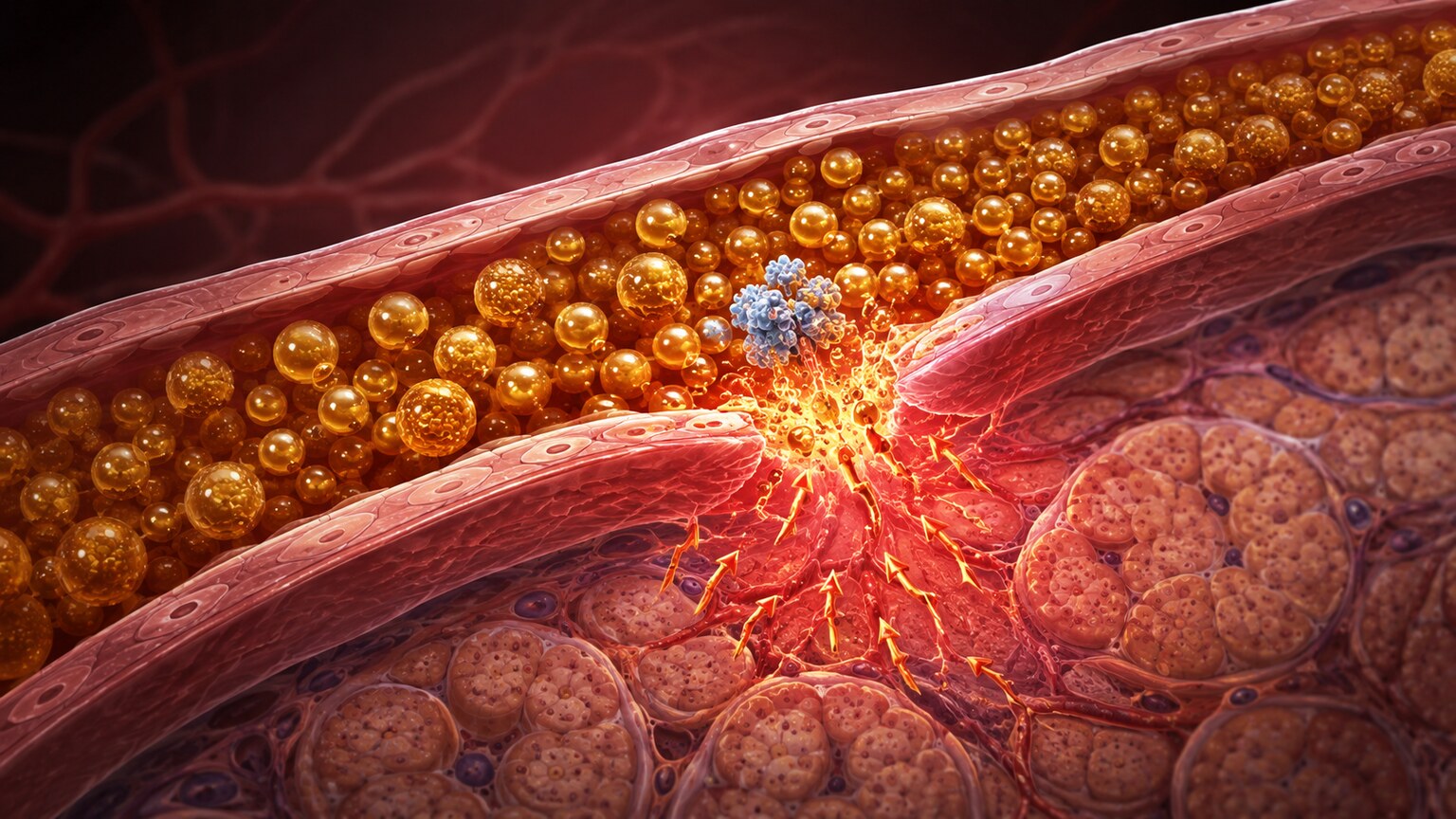
Figure 1. Pancreatic lipase breaks down excess circulating triglycerides into free fatty acids, which can directly injure nearby capillary walls and trigger acute pancreatitis when levels climb high enough.
What Counts as "Very High" — Understanding the Thresholds
Triglyceride results are generally grouped into categories, and the labels matter because each one carries a different clinical meaning. A normal fasting triglyceride level sits below 150 mg/dL. Borderline-high runs from 150 to 199, and high runs from 200 to 499 — both of these ranges are meaningful mainly for long-term cardiovascular risk and are typically addressed with diet, exercise, and sometimes medication over a period of months. Very high triglycerides, by contrast, is the category starting at 500 mg/dL, and it's where the clinical picture changes meaningfully: this is the range where pancreatitis risk starts becoming a real, actively monitored concern rather than a distant, long-term consideration. Above 1,000 mg/dL, sometimes described as severe or extremely high, that pancreatitis risk rises sharply enough that many clinicians treat the result itself, even without symptoms yet present, as something requiring prompt attention rather than routine follow-up. Levels above 2,000 mg/dL, while less common, carry a correspondingly higher risk and are generally managed with the same urgency as an active medical concern.
It helps to understand why the threshold sits specifically around 500 to 1,000 mg/dL rather than at some other number. Under normal conditions, dietary fat is packaged into chylomicrons in the intestine and quickly cleared from the bloodstream within hours by an enzyme called lipoprotein lipase, which breaks the particles down efficiently enough that fasting triglycerides stay comfortably low most of the time. As triglycerides climb into the very high range, that clearance system becomes progressively overwhelmed — lipoprotein lipase has a functional ceiling on how much triglyceride-rich material it can process in a given period, and once circulating levels exceed what the enzyme can keep up with, particles begin backing up in the bloodstream in ever-larger numbers. This backup isn't just a matter of a bigger number on a lab report; it directly increases the odds that a meaningful quantity of those particles will end up passing through the pancreas's dense capillary network, which is the specific anatomical detail that connects an abstract lab value to a very concrete organ-level risk.
It's also worth noting that triglyceride levels can shift meaningfully within the same person from one draw to the next, sometimes even day to day, depending on recent food intake, alcohol consumption, and how well any underlying condition is currently controlled. Someone whose triglycerides typically sit in the high-but-not-alarming 300 to 400 range can spike into the very high category after a period of poor blood sugar control, a few days of heavier drinking, or starting a new medication — which is part of why a single very high result, especially one that seems out of step with someone's usual pattern, is generally repeated fairly quickly rather than treated as a fixed, permanent state.
This variability also explains why triglycerides are sometimes described as the most volatile of the standard lipid panel values. Total cholesterol and LDL tend to shift slowly, over months, in response to sustained dietary or medication changes, while triglycerides can move substantially within days in response to a single stretch of unusually heavy eating, drinking, or poor blood sugar control. That responsiveness cuts both ways: it's part of why triglycerides can spike alarmingly fast under the wrong circumstances, but it's also exactly why they tend to respond so quickly once the underlying trigger is addressed, which is genuinely reassuring news for anyone facing a very high result for the first time.
Why Very High Triglycerides Can Turn Blood Visibly Milky
One of the more striking, tangible aspects of very high triglycerides is that the blood itself can visibly change in appearance — a phenomenon lab professionals call lipemia, and severe cases are sometimes described using the older term "lactescent," meaning milk-like. At high enough concentrations, the triglyceride-carrying particles in blood, called chylomicrons and very-low-density lipoproteins (VLDL), become so numerous that they scatter light passing through the blood sample, turning normally clear, straw-colored plasma into something cloudy, creamy, or in extreme cases, a thick, opaque, almost mayonnaise-like consistency.

Figure 2. Lab staff can often recognize severe hypertriglyceridemia visually, before any result is even reported, from the cloudy or creamy appearance of a freshly drawn blood sample.
This isn't just a curiosity — it has real practical consequences in the lab. Severely lipemic samples can interfere with a range of other blood tests that rely on optical or chemical methods, sometimes producing falsely altered results for things like sodium, amylase, or certain liver tests, which is part of why a visibly lipemic sample often prompts a lab to flag the result and sometimes request a repeat draw after additional fasting or dietary changes. For clinicians, this visible clue is sometimes the very first indication that a triglyceride result is going to come back extremely high, even before the actual number is available — a lab technician recognizing a cloudy sample can flag it for urgent processing precisely because of what that appearance typically means.
The degree of cloudiness tends to track fairly closely with the actual triglyceride concentration, giving experienced lab staff a rough, informal sense of severity well before formal results are back. A sample that's only mildly hazy might correspond to triglycerides somewhere in the high hundreds, while a sample that looks distinctly like diluted milk, or in the most extreme cases separates into a visible cream-colored layer floating on top of the red blood cells after sitting undisturbed for a while, typically corresponds to triglycerides well into the thousands. This layering happens because chylomicrons, the largest and lowest-density of the triglyceride-carrying particles, are buoyant enough to rise to the top of a stationary blood sample over time, essentially separating themselves out by density in a way that mirrors how cream naturally separates from unhomogenized milk — a visual that, once seen, makes the underlying biology of "too much fat in the blood" difficult to forget.
The Real Danger — Acute Pancreatitis
The single most important reason very high triglycerides get taken so seriously is their well-established link to acute pancreatitis, a sudden inflammation of the pancreas that can range from mild and self-limited to severe, requiring intensive hospital care. Triglyceride-driven pancreatitis is thought to develop when pancreatic lipase, an enzyme whose normal job is to help digest dietary fat, encounters the enormous excess of circulating triglyceride-rich particles and breaks them down into large quantities of free fatty acids directly within the pancreas's own small blood vessels. Those free fatty acids are directly toxic to the capillary walls and surrounding pancreatic tissue at high enough concentrations, triggering local inflammation, tissue injury, and, in more severe cases, the kind of self-sustaining inflammatory cascade that makes pancreatitis such a serious condition.

Figure 3. Sudden, severe, boring pain in the upper abdomen, often radiating to the back, is the hallmark symptom of acute pancreatitis triggered by extremely high triglycerides.
The classic symptom pattern is severe, steady pain centered in the upper abdomen, often described as boring straight through to the back, frequently accompanied by nausea and vomiting that doesn't bring relief. Because this presentation can resemble several other causes of abdominal pain, a triglyceride level is one of the routine blood tests ordered whenever someone presents with symptoms suggestive of pancreatitis, specifically because triglyceride-induced pancreatitis is common enough — accounting for a meaningful share of all pancreatitis cases, behind only gallstones and alcohol as leading causes — to be on every clinician's shortlist. The risk of pancreatitis rises steeply as triglycerides climb past 1,000 mg/dL and continues rising further above 2,000 mg/dL, which is exactly why a very high result, even one discovered incidentally on routine bloodwork with no symptoms yet present, is treated as a genuine opportunity for prevention rather than something to note and revisit later.
Once pancreatitis does develop from this mechanism, its clinical course looks essentially the same as pancreatitis triggered by gallstones or alcohol, since the downstream inflammatory process is the same regardless of what started it — the distinguishing feature is really just the trigger and, correspondingly, part of the treatment plan. Severity can range considerably: many cases are mild, involving a few days of hospitalization for pain control, fluids, and bowel rest before symptoms resolve, while more severe cases can involve complications like pancreatic tissue death, infection, or organ dysfunction requiring intensive care. Recurrent episodes are a particular concern with triglyceride-driven pancreatitis specifically, since each episode raises the risk of chronic pancreatic damage over time, and someone who has had one triglyceride-induced pancreatitis episode without adequately addressing the underlying cause faces a meaningfully elevated risk of experiencing it again — which is a major part of why long-term triglyceride management, not just recovery from a single acute episode, is treated as the real goal once someone has been through this once.
Already have a triglyceride number from a recent test, but not sure if it's actually good or bad for you? Just plug it in and see instantly.
🧮 Try the Free CalculatorVisible Skin Signs at Extreme Levels — Eruptive Xanthomas
At the more extreme end of the spectrum, usually well above 1,000 mg/dL and often above 2,000, triglycerides can accumulate visibly in the skin, producing small, firm, yellowish-red bumps called eruptive xanthomas. These typically appear in clusters on the buttocks, the backs of the arms, the thighs, and other pressure-bearing areas, sometimes surrounded by a faint red halo, and they can appear relatively suddenly over the course of days to weeks as triglyceride levels climb. Unlike some skin findings that require specialized testing to interpret, eruptive xanthomas are often immediately recognizable to a clinician on sight, and their sudden appearance is sometimes what actually prompts the bloodwork that reveals a dramatically elevated triglyceride level in the first place, particularly in someone who hadn't had recent lipid testing.

Figure 4. Eruptive xanthomas — clusters of small, firm, yellowish bumps — can develop within days as triglyceride-laden particles accumulate directly in the skin at extremely high levels.
Encouragingly, these skin deposits are one of the more reversible signs of severe hypertriglyceridemia: once triglyceride levels come down with treatment, eruptive xanthomas typically fade and resolve over the following weeks, unlike some other cholesterol-related skin deposits that can persist for years even after lipid levels normalize. A related but distinct finding, lipemia retinalis, can occur at similarly extreme triglyceride levels, where the blood vessels in the retina — visible during an eye exam — take on a pale, creamy appearance instead of their normal red color, offering yet another physical, visible clue to just how much fat is circulating in the bloodstream at that moment.
Because eruptive xanthomas and lipemia retinalis are both physical exam findings rather than lab values, they occasionally play a genuinely useful diagnostic role of their own: a clinician who notices either finding during a routine visit, before any bloodwork has even been ordered, has a strong, specific reason to order triglyceride testing right away rather than waiting for a standard annual panel. This is particularly relevant for people who haven't had recent lipid testing for whatever reason — perhaps they're relatively young and otherwise healthy, or haven't seen a doctor in some time — since eruptive xanthomas can be the very first outward sign that something significant has been building internally, sometimes for months, without producing any other noticeable symptom.
The Most Common Causes — Metabolic and Lifestyle Drivers
In the large majority of cases, very high triglycerides don't appear out of nowhere — they develop when an underlying metabolic condition, sometimes one a person already knows they have, combines with a secondary trigger to push levels dramatically upward. Poorly controlled diabetes is among the most common underlying drivers, since insulin plays a central role in how the body clears triglyceride-rich particles from the blood, and when insulin resistance or insulin deficiency is severe, that clearance process breaks down substantially. This is why a person with known diabetes who has been running very high blood sugars for a stretch of time — from illness, medication changes, or simply falling behind on management — can see triglycerides climb into the very high range surprisingly quickly, sometimes even into a dangerous range within days to weeks.
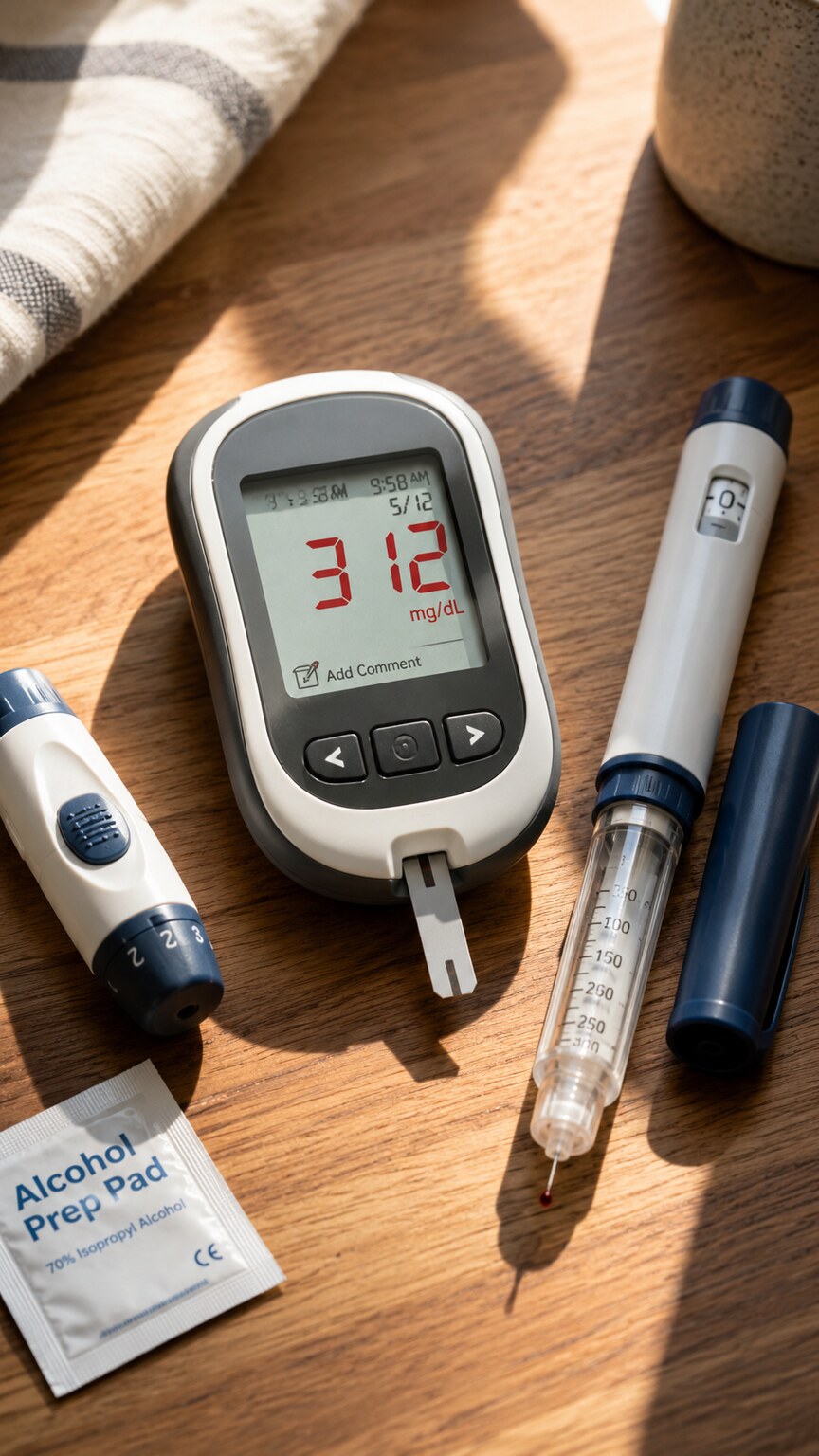
Figure 5. Poorly controlled diabetes is one of the most common drivers of very high triglycerides, since impaired insulin function directly slows how quickly the body clears fat particles from the blood.
Beyond diabetes, other well-documented contributors include obesity, particularly with excess abdominal fat; heavy alcohol consumption, which the liver processes in a way that directly increases triglyceride production; uncontrolled hypothyroidism, which slows the metabolic clearance of fat particles; nephrotic syndrome, a kidney condition that alters how the body handles fats and proteins; and pregnancy, which naturally raises triglycerides somewhat but can occasionally push levels into a genuinely concerning range in susceptible individuals. Several medications are also well-established secondary triggers, including oral estrogen, tamoxifen, corticosteroids, certain retinoid medications used for skin conditions, some antipsychotics, and select medications used to treat HIV — a detail worth mentioning to a prescribing provider if a new medication coincides with a sharp rise in triglycerides on routine bloodwork. Most people with very high triglycerides have more than one of these factors overlapping at once, which is part of why identifying and addressing every contributing factor, rather than assuming a single cause, tends to produce the best results.
Alcohol deserves a closer look given how often it factors into these cases, since its effect on triglycerides is somewhat different from its more widely known effects on the liver generally. When the liver processes alcohol, it prioritizes breaking down the alcohol itself over its normal fat-processing functions, and one of the byproducts of that alcohol metabolism directly promotes increased triglyceride production within liver cells, which then get packaged and released into the bloodstream as VLDL particles. This effect can be surprisingly pronounced in someone who already has an underlying tendency toward high triglycerides, meaning a pattern of heavier drinking — even without reaching the threshold typically associated with liver disease — can be enough on its own to push an already-elevated triglyceride level into the very high range. This is one of the more common and most reversible scenarios encountered clinically: triglycerides that spike into the thousands during a period of heavier drinking, then fall substantially, sometimes back to a much more modest baseline, within weeks of stopping.
Obesity contributes through a related but distinct mechanism worth understanding on its own terms. Excess fat tissue, particularly visceral fat stored around the abdominal organs, is metabolically active in a way that promotes insulin resistance throughout the body, and insulin resistance, as covered earlier, directly impairs how efficiently the body clears triglyceride-rich particles from the blood. This creates a self-reinforcing cycle in some people: excess weight promotes insulin resistance, insulin resistance raises triglycerides, and elevated triglycerides are themselves associated with further metabolic dysfunction over time. Breaking that cycle is part of why even modest, sustained weight loss — often cited in the range of 5 to 10 percent of body weight — can produce a meaningfully larger drop in triglycerides than the same percentage of weight loss produces for other lipid values like LDL cholesterol, making it one of the more effective lifestyle levers available for someone whose very high triglycerides are driven substantially by excess weight and insulin resistance.
When Genetics Are the Cause — Familial Chylomicronemia and Related Syndromes
In a smaller but clinically important subset of cases, very high triglycerides trace back to an inherited disorder affecting how the body processes fat particles at a fundamental level. Familial chylomicronemia syndrome, a rare genetic condition caused by a deficiency in lipoprotein lipase — the enzyme responsible for breaking down and clearing chylomicrons from the blood — produces severe, often lifelong triglyceride elevations that can be difficult to control even with aggressive lifestyle changes, since the underlying clearance machinery itself isn't functioning properly. This genetic form typically shows up earlier in life, sometimes in childhood, and often runs recognizably in families, distinguishing it from the far more common "multifactorial" pattern where several everyday metabolic and lifestyle factors combine to push triglycerides high in someone who doesn't carry a specific inherited defect. Because true familial chylomicronemia syndrome requires a different treatment approach — focused heavily on extremely strict dietary fat restriction rather than the standard medications used for more common causes, since those standard medications work through the same lipoprotein lipase pathway that isn't functioning in this condition — genetic and specialist evaluation is generally recommended for anyone with very high triglycerides that don't respond as expected to standard treatment, particularly when there's a family history of similar extreme results or childhood pancreatitis.
A related but distinct and more common pattern, sometimes called multifactorial chylomicronemia syndrome, involves a milder genetic predisposition — a person carries some degree of reduced lipoprotein lipase function, though not a complete deficiency — that, on its own, might never produce more than moderately elevated triglycerides. But when that mild genetic tendency combines with one or more of the secondary triggers already discussed, such as poorly controlled diabetes or heavy alcohol use, the two factors compound each other, producing an extreme elevation that neither the genetic tendency nor the secondary trigger would likely cause on its own. This distinction matters clinically because it explains a pattern doctors see often: two people with similar diabetes control or similar drinking habits can end up with dramatically different triglyceride levels, simply because one of them also carries an underlying genetic predisposition that amplifies the effect of the secondary trigger. Identifying this kind of combined pattern, when it's present, helps set realistic expectations for treatment, since someone with an underlying genetic component may need more sustained, multi-pronged management even after the secondary trigger has been addressed.
How It's Diagnosed and What Doctors Check Next
Confirming a very high triglyceride result and figuring out its cause generally starts with a repeat fasting lipid panel, since triglycerides are especially sensitive to recent food intake and can appear falsely elevated after a non-fasting draw. Beyond the repeat measurement, a clinician will typically review blood sugar control (including HbA1c for anyone with or at risk for diabetes), thyroid function, kidney function, liver function, and a detailed medication and alcohol history, since so many of the common secondary causes are identifiable through this kind of standard workup.
The fasting requirement deserves a bit more explanation than it usually gets, since it's genuinely central to getting an accurate triglyceride number. Because dietary fat is absorbed and packaged into chylomicrons within hours of eating, a triglyceride level drawn after a recent meal — particularly a fatty one — can be substantially higher than a person's true fasting baseline, sometimes dramatically so. This is different from most other components of a standard lipid panel, like total and LDL cholesterol, which are far less affected by recent food intake, which is part of why triglycerides specifically carry such a strict fasting requirement even on panels where other values could technically be interpreted reasonably well without fasting. A result that looks alarmingly high on a non-fasting sample sometimes turns out to be far more modest once measured properly after a genuine 9-to-12-hour fast, which is one of the first and simplest things a clinician checks before assuming a result reflects a person's true, resting metabolic state.

Figure 6. A repeat fasting lipid panel, along with blood sugar, thyroid, and kidney testing, is the standard next step for confirming a very high triglyceride result and identifying its underlying cause.
If the initial workup doesn't clearly explain the severity of the elevation, or if there's a personal or family history that raises suspicion for a genetic cause — very early onset, recurrent pancreatitis, or triglycerides that remain extremely high despite good control of diabetes and other secondary factors — referral to a lipid specialist for more specialized genetic and metabolic testing becomes the appropriate next step. This more thorough workup matters because it directly shapes treatment: a straightforward case driven by uncontrolled diabetes and heavy alcohol use responds to a very different plan than a genetic lipoprotein lipase deficiency does, even though both can produce an identically alarming number on the initial lab report.
Imaging occasionally plays a role as well, particularly if there's any concern that pancreatitis has already begun or if a clinician needs to assess whether a prior episode has left lasting damage. A CT scan or ultrasound of the abdomen can identify pancreatic swelling, fluid collections, or other complications associated with active or past pancreatitis, information that helps guide both immediate treatment decisions and longer-term monitoring. For someone who has had a prior episode of triglyceride-induced pancreatitis, this kind of imaging sometimes becomes part of a periodic monitoring plan even once triglyceride levels have been brought under control, since the goal shifts from just managing the lab value to also tracking whether the pancreas itself has fully recovered.
How Very High Triglycerides Are Treated
Treatment priorities shift depending on how high the level is and whether pancreatitis is an active concern. For someone with a very high level but no symptoms, the immediate focus is usually a combination of dietary fat restriction, addressing any underlying secondary cause — improving blood sugar control, stopping or reducing alcohol intake, treating hypothyroidism, or reviewing medications that might be contributing — alongside medication specifically aimed at lowering triglycerides, most commonly fibrates, prescription-strength omega-3 fatty acids, or niacin, chosen based on the specific clinical picture. For someone presenting with active pancreatitis symptoms and an extremely high triglyceride level, hospital-based treatment typically includes fasting to rest the pancreas, intravenous fluids, and often an insulin infusion, since insulin actively promotes the breakdown and clearance of triglyceride-rich particles regardless of whether diabetes is present — in the most severe cases, a procedure called apheresis, which mechanically filters triglyceride-rich particles directly out of the blood, may be used to bring levels down quickly. Across all of these approaches, the underlying goal is the same: get levels down out of the danger zone as safely and efficiently as the clinical situation demands, then shift toward the longer-term management needed to keep them from climbing back into that range again.
Dietary fat restriction in this specific context looks noticeably different from ordinary "eat less fat" advice, since the goal during an acute very-high-triglyceride episode is often to reduce total dietary fat dramatically — sometimes to as little as 10 to 15 percent of total daily calories in the most severe cases — because essentially all dietary fat gets packaged into the same chylomicron particles that are already overwhelming the bloodstream. This is a short-term, intensive measure rather than a permanent way of eating, and it's usually relaxed to a more moderate, sustainable fat intake once triglycerides have come down out of the danger range and the underlying cause has been addressed. Reducing simple sugars and refined carbohydrates matters as well, since excess carbohydrate intake gets converted into triglycerides in the liver through a separate pathway, meaning a diet that's technically low in fat but still high in sugar and refined starch can still keep triglycerides elevated. Long-term follow-up typically involves repeat lipid panels every few months initially, tapering to less frequent monitoring once levels have stabilized in a safer range, giving both the patient and their clinician ongoing confirmation that whatever combination of lifestyle change, underlying-condition treatment, and medication is being used is actually working as intended.
Choosing between the available medications also depends heavily on what's actually driving the elevation. Fibrates tend to be the first-line choice specifically for very high triglycerides, since they work primarily by increasing the activity of lipoprotein lipase, directly addressing the clearance bottleneck responsible for the dangerous buildup in the first place. Prescription-strength omega-3 fatty acids, taken at doses well beyond what an over-the-counter fish oil supplement provides, work through a somewhat different mechanism, reducing how much triglyceride the liver produces and packages into VLDL particles in the first place. Niacin, once used more widely, has become a less common first choice due to its side-effect profile, though it remains an option in certain situations. None of these medications are considered a substitute for identifying and treating an underlying secondary cause — they're most effective, and often most safely used, as one part of a broader plan that also addresses whatever is driving the elevation in the first place.
Frequently Asked Questions
At what triglyceride level does pancreatitis risk become significant?
Pancreatitis risk starts rising meaningfully above 500 mg/dL and increases substantially past 1,000 mg/dL, with the highest risk seen above 2,000 mg/dL. There's no single number that guarantees pancreatitis will or won't occur, but this general pattern is why very high triglycerides, particularly above 1,000, are treated as an urgent finding.
Can very high triglycerides come down quickly once treatment starts?
Yes, often faster than many people expect. Dietary fat restriction alone can produce a meaningful drop within days, and hospital-based treatments like an insulin infusion or apheresis for severe, symptomatic cases can lower triglycerides substantially within 24 to 48 hours, since these particles are actively cleared from the blood once the underlying clearance process is supported.
Is a very high triglyceride level always caused by diet?
No. While diet plays a role, most cases of very high triglycerides involve an underlying metabolic condition like poorly controlled diabetes, heavy alcohol use, uncontrolled hypothyroidism, certain medications, or, less commonly, an inherited disorder affecting fat clearance. Diet alone rarely pushes triglycerides into the very high range without one of these additional factors involved.
Do eruptive xanthomas or milky blood always mean pancreatitis is happening?
No — they're signs of the underlying severe triglyceride elevation itself, not proof that pancreatitis has occurred. They do indicate levels are high enough that pancreatitis risk is significant, which is why their appearance is generally treated as a prompt for urgent triglyceride testing and treatment rather than symptoms to simply monitor.
If I've had triglyceride-induced pancreatitis once, will it happen again?
It can, particularly if the underlying cause isn't fully addressed, which is why recurrence prevention becomes the central focus after a first episode. With consistent management of the underlying driver — whether that's blood sugar control, alcohol reduction, or ongoing medication — and regular monitoring to keep triglycerides out of the very high range, the risk of a repeat episode drops substantially compared to leaving the underlying cause unaddressed.
Do I need to see a specialist, or can my primary care doctor manage a very high triglyceride level?
Many straightforward cases, especially those clearly tied to diabetes, alcohol use, or a specific medication, can be managed effectively by a primary care provider working through the standard workup and treatment steps described above. Referral to an endocrinologist or lipid specialist becomes more likely when the elevation is extreme, doesn't respond as expected to initial treatment, recurs despite good control of known secondary causes, or when a genetic cause is suspected based on family history or age of onset.
Conclusion
A very high triglyceride level is one of the clearer cases where a lab number translates directly into a specific, well-understood physical risk: as levels climb past 500 mg/dL, and especially past 1,000, the danger of acute pancreatitis becomes real enough that clinicians treat the result itself as a reason to act, not just a data point to revisit at the next annual check-up. Whether the underlying driver turns out to be uncontrolled diabetes, heavy alcohol use, an untreated thyroid condition, a medication side effect, or a rarer inherited fat-processing disorder, the path forward follows a consistent, reassuringly logical progression: bring the number down quickly enough to reduce immediate risk, identify what's actually driving it, and treat that underlying cause thoroughly enough that the level doesn't simply climb right back up once the immediate situation has been addressed. A visibly cloudy blood sample or a sudden cluster of skin bumps might be unusual things to notice about your own body, but both are the body's own way of showing, quite literally, that something genuinely needs attention.
Perhaps more than most lab findings, a very high triglyceride result rewards prompt follow-through rather than a wait-and-see approach — the same combination of dietary change, underlying-condition treatment, and, when needed, medication that brings a dangerously high level down safely also happens to be exactly what keeps it from climbing back into that same risky territory later. Treating the number seriously the first time it appears is, in a very real sense, the most effective and most durable way to make sure it never has to be treated as a genuine emergency the second time around.
Still Not Sure What Your Results Mean?
Upload your labs and get a complete, visual, plain-language interpretation of every biomarker — delivered to your inbox in under 15 minutes.
Get My ReportThis article is for educational purposes only and does not constitute medical advice. If you are experiencing severe abdominal pain, nausea, or vomiting, seek prompt medical evaluation. Always consult your healthcare provider regarding your specific lab results.