
What's the Connection Between Triglycerides and Fatty Liver?
Yes — high triglycerides and fatty liver are two of the closest partners in metabolic medicine, and understanding one genuinely helps you understand the other. Triglycerides are the main form of fat your body stores and moves through the bloodstream, and your liver is the factory that builds most of them. When that factory starts producing more fat than it can ship out, some of it stays behind and accumulates inside liver cells — the condition doctors call fatty liver, or more precisely, hepatic steatosis. The relationship runs in both directions: a liver already clogged with fat tends to overproduce and mishandle triglycerides, and chronically high triglycerides, especially the kind driven by insulin resistance, are one of the strongest signals that fat is piling up in the liver in the first place. This article walks through exactly how that loop works, why a single blood test can't always tell the whole story, and what the research actually shows about breaking the cycle. None of this requires a background in biology to follow — every mechanism below is explained the way it would be to a curious friend, not a medical student, because understanding why these two results move together is what actually makes them easier to act on.
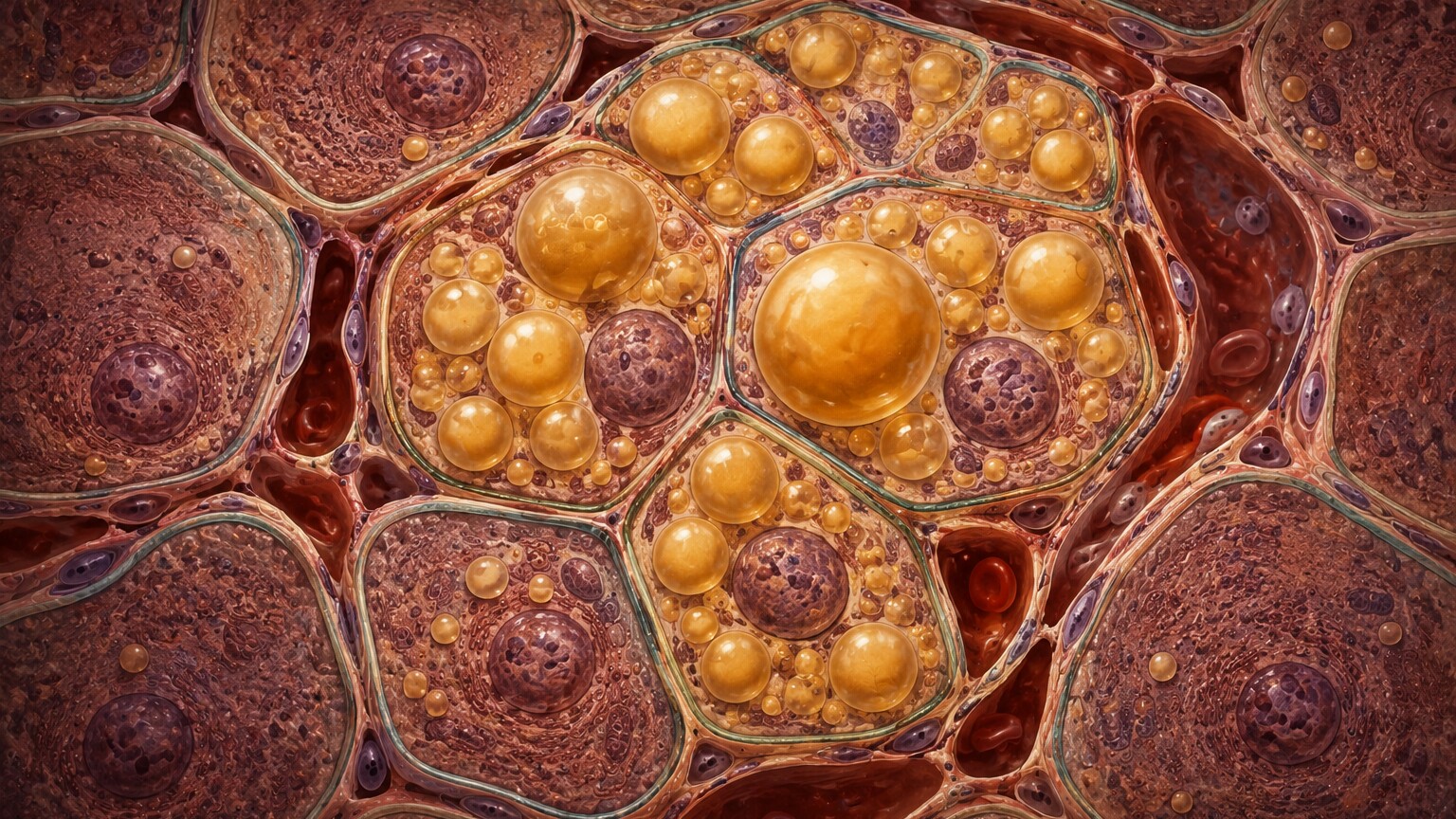
Figure 1. Macrovesicular steatosis: triglyceride droplets accumulating inside individual hepatocytes, the defining feature of fatty liver.
How the Liver Normally Handles Triglycerides
To understand what goes wrong, it helps to picture what's supposed to happen. Every time you eat, your digestive system breaks food down into smaller pieces, and any fat you eat — along with any extra carbohydrate and protein your body doesn't need immediately for energy — eventually makes its way to the liver in one form or another. The liver's job is to package that raw material into triglycerides, which are simply three fatty acid chains attached to a small backbone molecule called glycerol, essentially the body's standard shipping container for stored energy. Fat itself can't dissolve in blood any more than oil dissolves in water, so the liver wraps bundles of triglycerides in a protein coat, creating a particle called VLDL, short for very-low-density lipoprotein. Think of VLDL as a delivery truck: the liver loads it up with triglyceride cargo and sends it out into the bloodstream, where muscle and fat tissue can pull the fatty acids off to burn for energy or store for later. In a well-functioning system, the liver keeps a small, temporary supply of fat on hand and exports the rest almost as fast as it's made, which is exactly why a healthy liver looks smooth and uniform rather than streaked with fat on imaging.
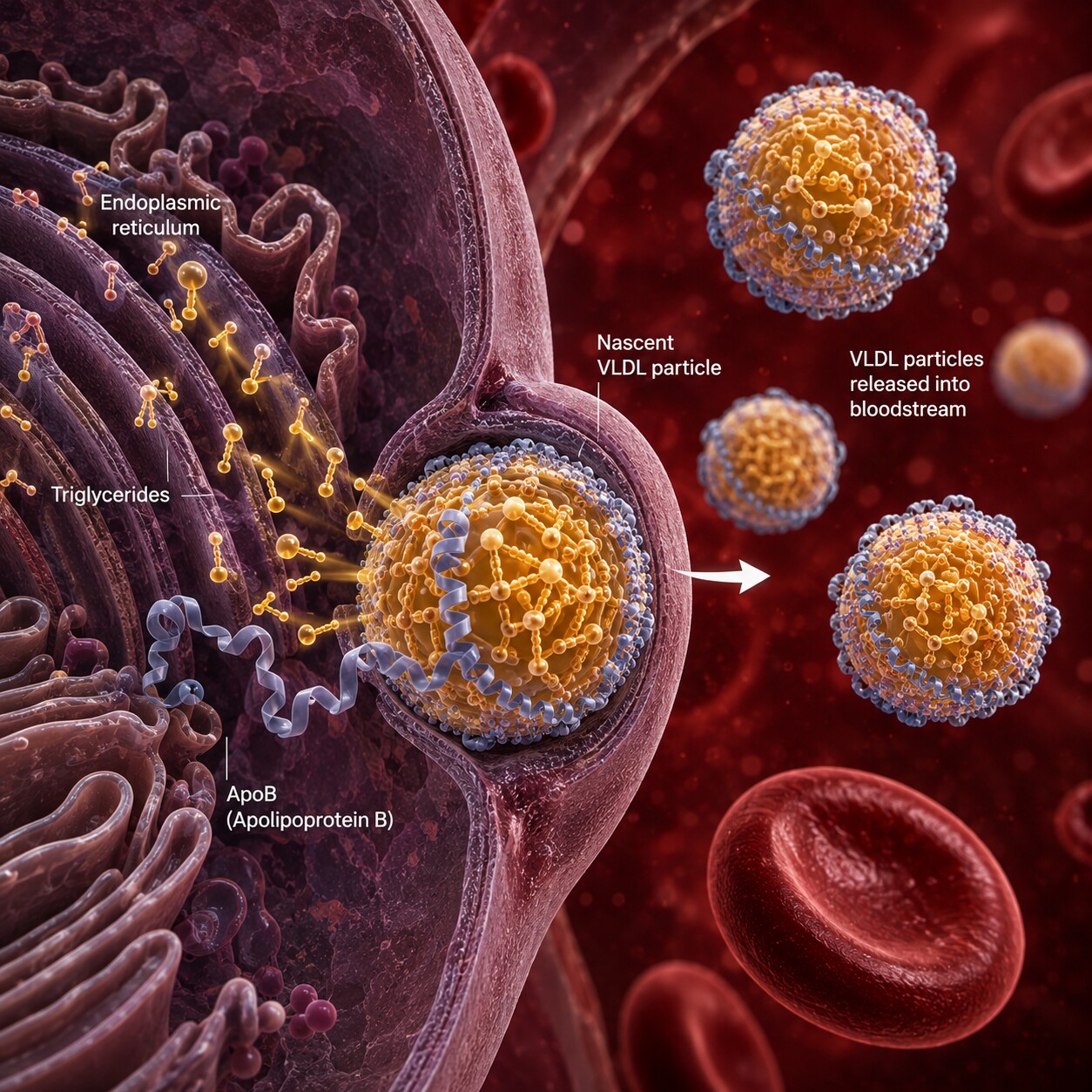
Figure 2. VLDL particles are the liver's export vehicle, wrapping triglycerides in a protein coat so they can travel through blood.
This export system, though, has a ceiling. The liver can only assemble and release VLDL particles so quickly, and that speed depends on having enough of a specific transport protein called apolipoprotein B, along with a functioning enzyme system to load triglycerides into the particle correctly. When the amount of fat arriving at the liver — from diet, from the body's own fat tissue, or from the liver's own sugar-to-fat conversion process — outpaces how fast VLDL can be built and shipped, the surplus doesn't just disappear. It gets stored inside the liver cells themselves, first as small droplets and eventually, if the imbalance continues, as larger fat droplets that visibly displace the cell's normal internal structure. This is the starting point of fatty liver, and it's also precisely the situation in which blood triglycerides tend to run high, because a liver working overtime to export fat pushes out more VLDL-carried triglycerides than a liver that isn't under this kind of pressure.
There's a second half to this equation that's just as important as production: clearance. Once VLDL particles are released into the bloodstream, an enzyme called lipoprotein lipase, anchored to the walls of tiny blood vessels in muscle and fat tissue, acts like a toll booth, snipping fatty acids off the passing triglyceride cargo so tissues can absorb and use them. A triglyceride result on a lab report isn't just a measure of how much the liver is producing — it's the net balance between production and this clearance process. When lipoprotein lipase activity is impaired, which happens with poorly controlled diabetes, certain genetic variants, some medications, and even short-term factors like a very high-fat meal saturating the system, triglycerides can climb even without the liver producing anything unusual. This is worth knowing because it means two people with an identical blood triglyceride number can have very different underlying liver situations — one driven mainly by overproduction, the other mainly by sluggish clearance — which is part of why doctors often look at the broader clinical picture rather than treating the number as a single, self-explanatory data point.
What "Fatty Liver" Actually Means
Fatty liver, medically called hepatic steatosis, is diagnosed when fat makes up more than about 5% of the liver's total weight — a threshold established through decades of biopsy and imaging research. In recent years, the medical field has shifted its preferred terminology from NAFLD (non-alcoholic fatty liver disease) to MASLD (metabolic dysfunction-associated steatotic liver disease), a change meant to center the condition on its actual metabolic cause — insulin resistance, obesity, and dysregulated lipid handling — rather than defining it by what it isn't (alcohol use). This isn't just a labeling exercise; it reflects a broader recognition that fatty liver is fundamentally a metabolic disease that happens to show up in the liver, much the same way triglycerides are a metabolic marker that happens to show up in a blood tube. The two conditions share the same upstream drivers, which is a major reason they travel together so often. Estimates suggest that fatty liver now affects roughly a quarter to a third of adults in the United States, making it the most common liver condition in the country, and a substantial share of those individuals also carry elevated triglycerides on routine bloodwork, often discovered incidentally during a checkup rather than because of any liver-related symptom, since early fatty liver typically causes no symptoms at all.
It's worth being precise about the difference between simple fatty liver and its more serious cousin, because the terms get used loosely in everyday conversation. When fat accumulates in liver cells without significant inflammation or scarring, the condition is sometimes called simple steatosis, or MASL. In a meaningful minority of people, roughly 20 to 30% by most estimates, that fat accumulation progresses to a more aggressive form called MASH (metabolic dysfunction-associated steatohepatitis, formerly NASH), where the liver isn't just storing fat but actively inflamed by it, with immune cells infiltrating the tissue and early scarring, or fibrosis, beginning to form around the fat-laden cells. This distinction matters enormously for prognosis: simple fatty liver on its own rarely progresses to serious liver disease, while MASH is the form capable of advancing over years or decades into cirrhosis, permanent scarring that impairs the liver's ability to function, and in a smaller subset of cases, liver cancer. Triglycerides don't distinguish between these two stages on their own — a blood test can't tell a doctor whether someone has simple fat storage or active inflammation — which is exactly why persistent elevation, especially alongside other metabolic risk factors, is treated as a prompt to look closer rather than a diagnosis in itself.
The Two-Way Loop Between High Triglycerides and Liver Fat
The relationship between triglycerides and fatty liver isn't a simple one-way cause and effect — it's closer to a feedback loop where each side reinforces the other, and the hub connecting them is a condition called insulin resistance. Insulin's normal job includes telling fat tissue to hold onto its stored fat rather than releasing it into the bloodstream. When cells throughout the body — muscle, fat tissue, and the liver itself — stop responding properly to insulin's signal, fat tissue starts leaking free fatty acids into circulation even when the body doesn't need extra fuel. Those fatty acids travel straight to the liver, which is anatomically positioned to receive blood returning from the intestines and, in this case, an oversupply of fat as well. At the same time, insulin resistance in the liver itself does something almost paradoxical: it blunts insulin's ability to shut down the liver's own sugar production, while leaving intact — or even amplifying — insulin's signal to convert excess sugar into new fat through a process called de novo lipogenesis, literally "new fat from scratch." The liver ends up simultaneously flooded with fatty acids arriving from fat tissue and manufacturing even more fat internally from circulating glucose and fructose, a combination that overwhelms its export capacity and drives both liver fat accumulation and a surge in triglyceride-carrying VLDL particles released into the blood.
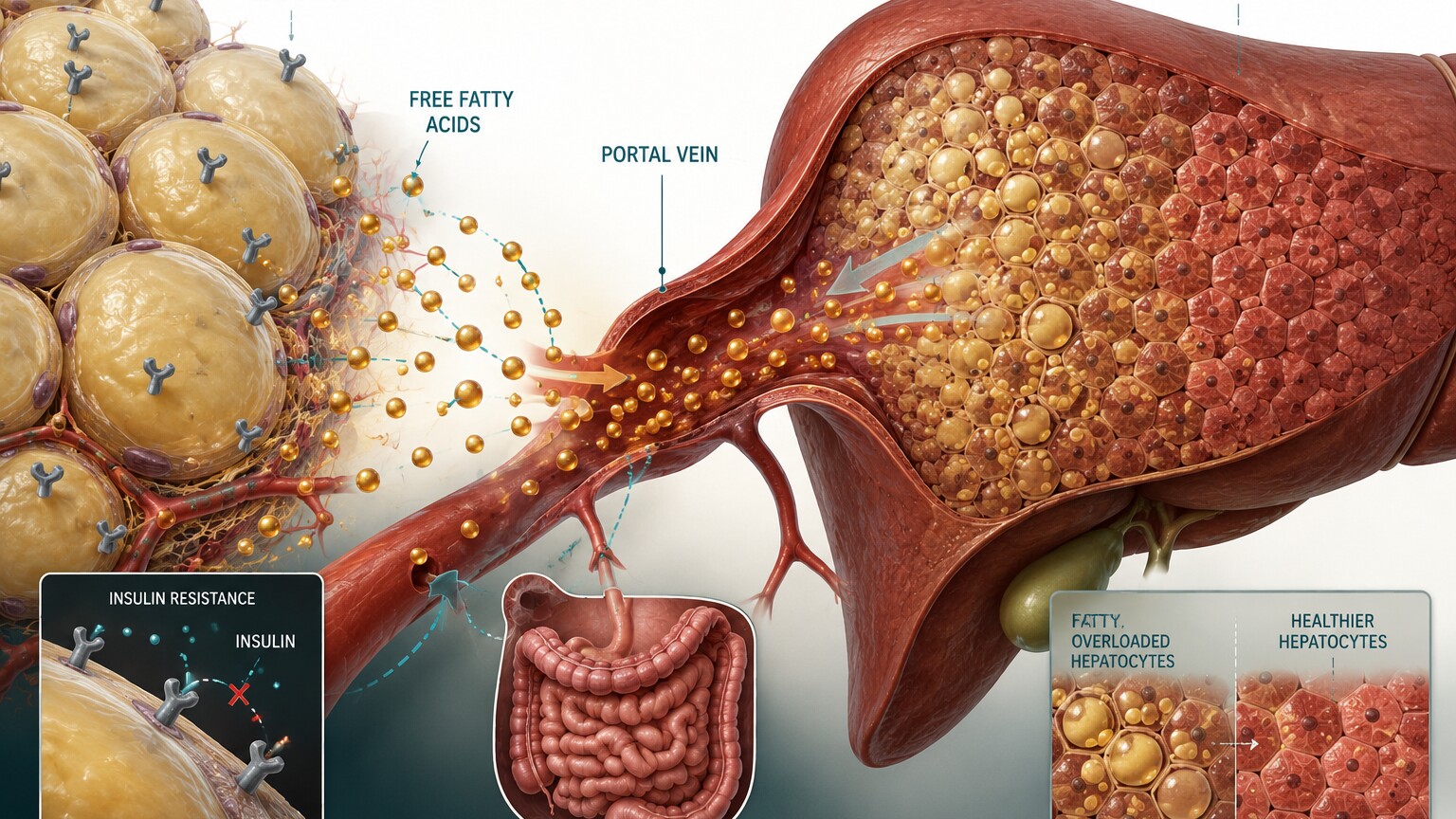
Figure 3. Insulin-resistant fat tissue releases excess free fatty acids that travel through the portal vein straight into the liver.
This is why researchers increasingly describe fatty liver and high triglycerides less as two separate findings and more as two visible symptoms of one underlying process: a body that has become resistant to insulin's normal fat-regulating signals. It also explains a pattern that confuses a lot of people when they first see their own labs — someone can have completely normal LDL cholesterol, the number most people associate with heart risk, while still having significantly elevated triglycerides and a liver already showing meaningful fat accumulation on imaging. The triglyceride-liver connection runs through insulin resistance and fat metabolism, a track that's related to, but distinct from, the LDL cholesterol pathway that dominates most public conversation about "bad cholesterol."
Already have a triglyceride number from a recent test, but not sure if it's actually good or bad for you? Just plug it in and see instantly.
🧮 Try the Free CalculatorHow Doctors Actually Diagnose Fatty Liver
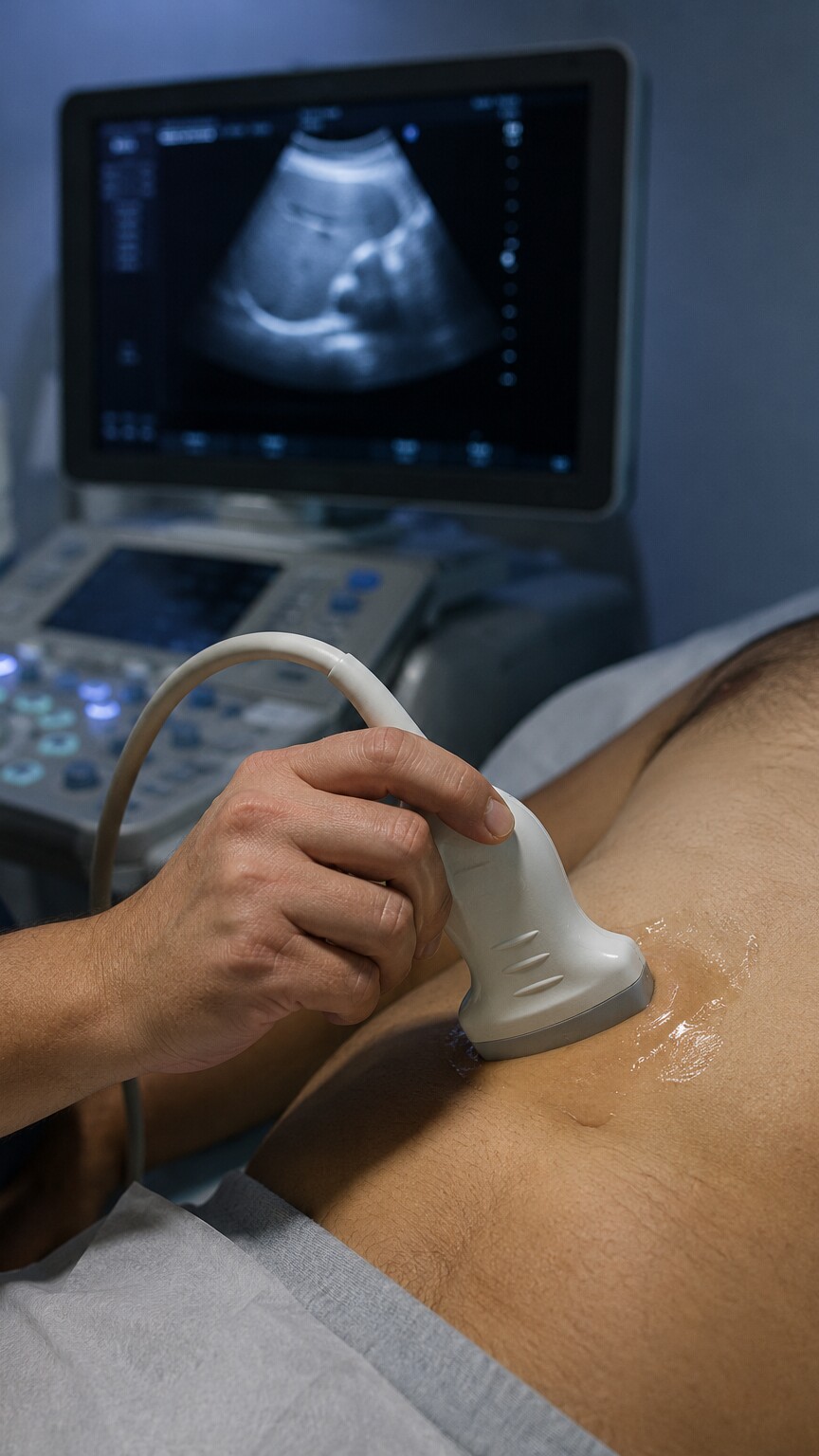
Figure 4. Abdominal ultrasound is typically the first imaging test used to detect fat accumulation in the liver.
A blood triglyceride result never diagnoses fatty liver on its own — it's a clue, not a verdict. Fatty liver itself is usually first suspected because of a mildly elevated liver enzyme on routine bloodwork, most often ALT (alanine aminotransferase), or because imaging ordered for an unrelated reason happens to show a liver that looks brighter and more uniform than normal on ultrasound, a pattern radiologists describe as increased echogenicity. Standard abdominal ultrasound is usually the first step because it's widely available, inexpensive, and doesn't involve radiation, but it's a relatively blunt instrument: it can reliably detect fat once it makes up roughly a third or more of the liver, but it isn't sensitive enough to catch milder degrees of fat accumulation, and it can't tell a doctor how much scarring, or fibrosis, might already be developing underneath that fat.
When more precision is needed, clinicians increasingly turn to a specialized ultrasound technique called vibration-controlled transient elastography, often known by the brand name FibroScan, which measures both how much fat is present and how stiff the liver tissue has become — stiffness being a proxy for scarring. MRI-based techniques, particularly one called MRI-PDFF (proton density fat fraction), are considered the most accurate non-invasive way to quantify liver fat, though cost and availability limit how often they're used outside of research settings or more complex cases. In the minority of cases where the diagnosis remains unclear or advanced disease is suspected, a liver biopsy — removing a tiny sample of tissue with a needle — remains the definitive way to directly examine the degree of fat, inflammation, and fibrosis under a microscope, though it's reserved for situations where the answer genuinely changes management, since it's more invasive than any of the other options.
None of these tests happen in a vacuum — most people arrive at a liver assessment because something else prompted the conversation first. A common real-world sequence looks like this: a routine annual physical includes a basic metabolic panel and lipid panel, the triglyceride result comes back at, say, 220 mg/dL, and the primary care provider notices this alongside a slightly elevated ALT that's gone unremarked for a year or two. That combination — rather than either result alone — is often what triggers the referral for an ultrasound or a FIB-4 calculation, which is why patients sometimes describe the diagnosis as coming "out of nowhere" even though, in hindsight, the triglyceride number had been quietly climbing on paper for some time before anyone connected the dots.
Why Your Triglyceride Number Doesn't Always Match Your Liver Fat
It's tempting to assume that if triglycerides are high, liver fat must be high too, and vice versa — but the real relationship is looser than that, and it's worth understanding why. Triglycerides measured in a standard blood draw reflect what's currently circulating in the bloodstream, carried mostly by VLDL particles the liver has already exported. Liver fat, by contrast, is what's currently sitting inside liver cells, waiting to either be exported, burned for energy, or accumulate further. A liver that's extremely efficient at exporting fat can maintain a high triglyceride number in the blood while keeping relatively less fat trapped inside itself; a liver that's become sluggish at export, on the other hand, might retain a large amount of internal fat while producing only moderately elevated blood triglycerides, because it simply isn't shipping fat out as fast. This is one reason clinicians don't rely on triglycerides alone to assess liver health, and instead combine it with liver enzymes, imaging, and increasingly a calculated score called FIB-4, which combines age, AST, ALT, and platelet count into a single number that helps estimate the likelihood of significant liver scarring without needing a biopsy.
That said, at a population level, the correlation between elevated triglycerides and the presence of fatty liver is strong and consistent across large studies — it just isn't a perfect one-to-one relationship for any single individual. A triglyceride level above roughly 150 mg/dL (the standard clinical cutoff for "borderline high") is one of the diagnostic criteria used to define metabolic syndrome, a cluster of conditions — including excess abdominal fat, high blood pressure, elevated blood sugar, and low HDL cholesterol — that travels closely with fatty liver in the research literature. In practical terms, this means an elevated triglyceride result is a meaningful early warning sign worth taking seriously, even before a person has any liver-specific test done, precisely because it often shows up before liver enzymes or symptoms ever do.
The FIB-4 score mentioned above deserves a bit more explanation, since it's become one of the more common tools used to triage who needs a specialist referral. It's calculated from four values already sitting on a routine blood panel — age, AST, ALT, and platelet count — combined into a single number through a specific formula, with no additional test or appointment required. A low FIB-4 score is reassuring and generally rules out significant scarring with reasonable confidence, while a high score prompts referral to a liver specialist (a hepatologist) for further evaluation, often with elastography or, less commonly, biopsy. The appeal of FIB-4 is that it can be calculated retroactively from labs someone already has sitting in their chart, including a triglyceride and liver enzyme panel drawn for an entirely different reason, which is part of why it's become a standard first screening step rather than something reserved for people already known to have liver disease.
Genetics: Why Some People Develop This Loop More Easily Than Others
Not everyone with a poor diet develops fatty liver, and not everyone with fatty liver has an obviously poor diet — a mismatch that puzzled researchers until genetic studies identified a handful of gene variants that meaningfully change how the liver handles fat, independent of lifestyle. The best-studied of these is a variant in a gene called PNPLA3, which codes for an enzyme involved in breaking down stored triglycerides inside liver cells. People carrying a specific variant of this gene, found in roughly a quarter of the general population and at even higher frequency in people of Hispanic descent, have a liver enzyme that's less efficient at releasing stored fat, causing triglycerides to accumulate inside liver cells more readily even at a similar body weight and diet compared to people without the variant. A second gene, TM6SF2, works through a different mechanism, affecting how efficiently the liver can package and export triglycerides as VLDL in the first place — interestingly, one version of this variant is associated with more liver fat but, because less fat gets exported into the bloodstream, sometimes with slightly lower blood triglycerides, a pattern that illustrates just how important it is not to read blood triglycerides as a perfect stand-in for what's happening inside the liver itself. These genetic factors don't override the influence of diet, weight, and activity level — they act more like a dial that makes someone more or less sensitive to those same lifestyle inputs, which is part of why two people with similar habits can end up with very different liver fat and triglyceride results.
Fructose, Sugar, and Alcohol: Feeding Both Conditions at Once
Diet plays an outsized role in this story, and one nutrient in particular deserves special attention: fructose, the type of sugar found naturally in fruit but consumed in far larger, more concentrated amounts through table sugar and high-fructose corn syrup in sodas, sweetened beverages, and processed foods. Unlike glucose, which can be used by nearly every cell in the body, fructose is metabolized almost exclusively by the liver, and it's processed through a pathway that bypasses the normal regulatory checkpoints that control how much new fat the liver is allowed to make. In practice, this means a large fructose load — the kind delivered by a single sugary soda — pushes the liver's de novo lipogenesis machinery into overdrive, generating new triglycerides directly from sugar with very little braking mechanism to stop it. Multiple controlled studies have shown that high fructose intake increases both liver fat and circulating triglycerides within a matter of weeks, and reducing added sugar reliably reverses at least part of that effect.

Figure 5. A single 12-ounce soda can deliver over 20 grams of fructose, metabolized almost entirely by the liver and converted directly into new fat.
Alcohol interacts with this same system in a strikingly similar way, which is exactly why the older terminology drew such a sharp line between "alcoholic" and "non-alcoholic" fatty liver in the first place, even though the underlying liver biology looks remarkably similar under a microscope. Like fructose, alcohol is metabolized primarily by the liver, and its breakdown byproducts favor fat synthesis while simultaneously suppressing the liver's ability to burn fat for fuel. Even moderate regular drinking measurably raises triglycerides in many people, and the combination of a diet already high in refined carbohydrates with regular alcohol intake tends to compound liver fat accumulation faster than either factor alone. This doesn't mean occasional dessert or a glass of wine is dangerous — the dose and pattern matter far more than any single exposure — but it does explain why a full accounting of diet, not just fat intake, matters when someone is trying to understand why their triglycerides or liver fat are elevated.
Why This Loop Raises Cardiovascular Risk, Not Just Liver Risk
It's worth stepping back from the liver specifically to note why this connection matters so much in the first place: both elevated triglycerides and fatty liver are independently associated with higher cardiovascular risk, and having both together compounds that risk beyond what either predicts on its own. Triglyceride-rich VLDL particles don't just carry fat — as they circulate and get progressively stripped of their triglyceride cargo by lipoprotein lipase, they're converted into smaller, denser remnant particles and eventually into LDL particles that tend to be smaller and more prone to squeezing into and lodging within artery walls than the large, fluffy LDL particles seen in someone with normal triglycerides. This is one reason someone can have an LDL cholesterol number that looks acceptable on paper while still carrying meaningfully elevated cardiovascular risk, if that LDL is accompanied by high triglycerides and a preponderance of these smaller, denser particles — a pattern often summarized by the ratio between triglycerides and HDL cholesterol, which many cardiologists watch as an informal proxy for this particle-size issue even outside of specialized particle testing.
Fatty liver adds its own independent contribution on top of this. A liver already burdened with fat and inflammation tends to produce a less favorable overall lipid profile, contributes to systemic low-grade inflammation, and is increasingly recognized in the cardiology literature as a marker — and possibly a direct contributor — of atherosclerosis, the buildup of plaque inside artery walls that underlies most heart attacks and strokes. Large studies following people with fatty liver over time have found that cardiovascular disease, not liver failure, is actually the most common cause of death in people with fatty liver, which reframes the whole condition: for most people, a fatty liver diagnosis is less about the liver failing years down the road and more about it functioning as an early warning system for the same insulin resistance and lipid abnormalities that quietly raise heart disease risk in the meantime.
Fasting Matters: Why Timing Changes Your Triglyceride Test
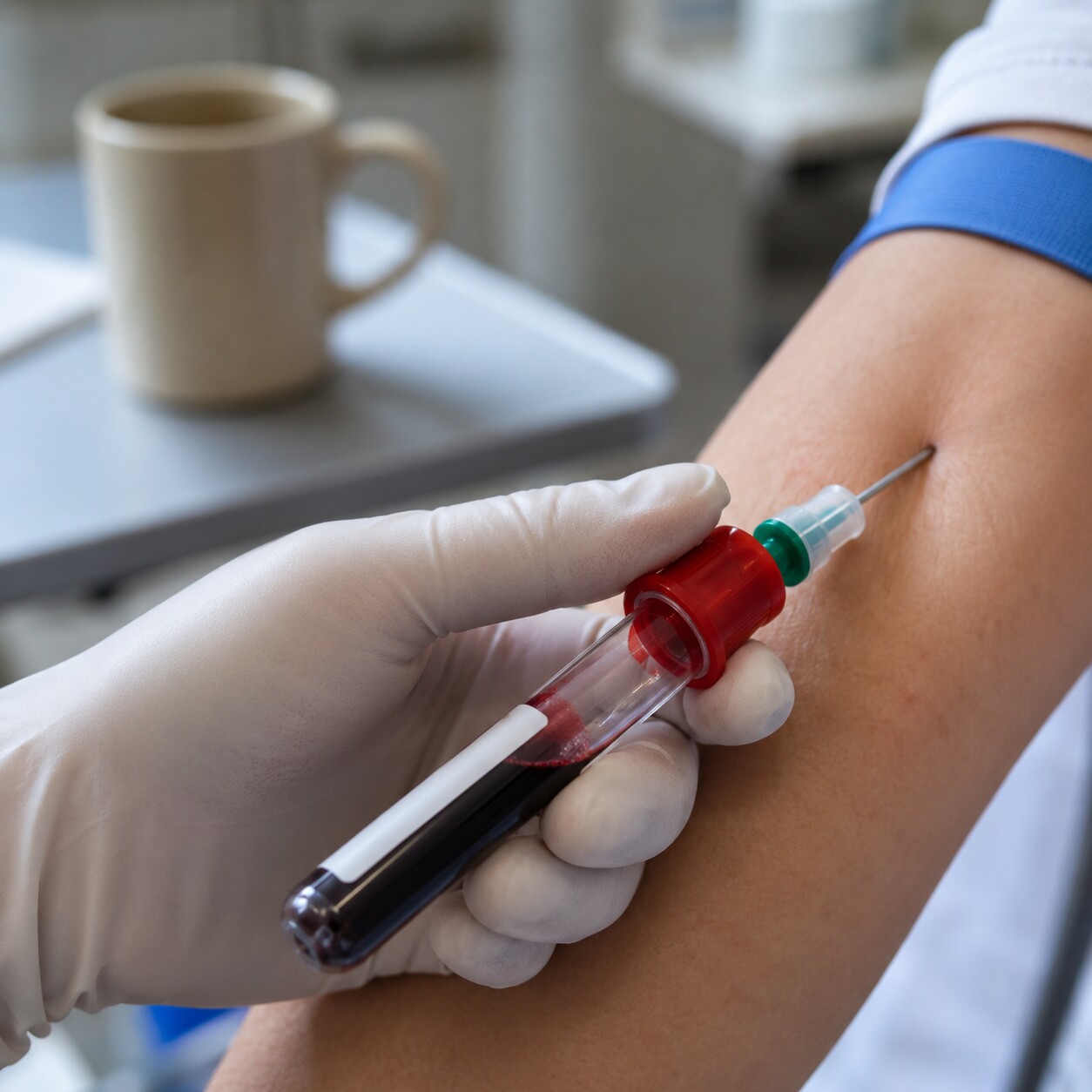
Figure 6. A 9-to-12-hour fast is standard before a lipid panel because triglycerides rise sharply and temporarily after eating.
One detail trips up a lot of people trying to make sense of their own triglyceride result: whether the blood draw happened while fasting. Triglycerides rise substantially — often doubling or more — for several hours after any meal containing fat or carbohydrate, simply because the intestine is actively packaging dietary fat into transport particles called chylomicrons and releasing them into the bloodstream at the same time the liver is doing its own VLDL export. For this reason, most standard lipid panels are still ordered as a fasting test, typically requiring 9 to 12 hours without food, so the number reflects a stable baseline rather than a temporary post-meal spike. Some newer clinical guidelines have moved toward accepting non-fasting triglyceride results for general screening, since a non-fasting number still carries useful information about how the body handles fat overall — but when a result is borderline, unusually high, or being used to help distinguish a genuine metabolic problem from a simple post-lunch spike, a fasting recheck remains the more reliable way to interpret what's actually going on.
This is also part of why a single triglyceride number, taken in isolation, can be misleading. A fasting triglyceride level that's persistently elevated across more than one test is a far more meaningful signal of an underlying liver and metabolic issue than a single non-fasting reading taken after a heavy meal. If a result looks unexpectedly high, the first reasonable step is usually to ask whether the test was fasting, and if there's any doubt, to repeat it under proper fasting conditions before drawing conclusions.
What Actually Lowers Both Triglycerides and Liver Fat
The encouraging part of this whole picture is that the same interventions tend to improve both conditions simultaneously, because they target the shared root cause — insulin resistance and excess fat delivery to the liver — rather than treating triglycerides and liver fat as two separate problems requiring two separate solutions. Weight loss is the single most effective intervention studied to date: research consistently shows that losing roughly 5% of body weight begins to reduce liver fat, and losing 7 to 10% is associated with measurable improvement in liver inflammation for many people with fatty liver, alongside meaningful drops in triglycerides. The mechanism lines up cleanly with everything described above — less stored body fat means less free fatty acid spillover into the bloodstream, which means less raw material arriving at the liver to be converted into triglycerides or stored as liver fat in the first place.
Cutting back on added sugar and refined carbohydrates, particularly fructose-heavy beverages, directly reduces the de novo lipogenesis pathway described earlier, often producing measurable improvement in both triglycerides and liver fat within just a few weeks — faster than most other dietary changes. Replacing some saturated fat with unsaturated fat, particularly the omega-3 fatty acids found in fatty fish like salmon and sardines, has a well-documented triglyceride-lowering effect, and at higher, prescription-strength doses, omega-3s are FDA-approved specifically for treating severely elevated triglycerides. Regular aerobic exercise reduces liver fat even in people who don't lose significant weight, because working muscle pulls fatty acids out of the bloodstream to use as fuel, easing the burden on the liver independent of any change on the scale — this is one of the more surprising findings in the research, since it means exercise's benefit to the liver isn't just a side effect of weight loss. For triglycerides specifically high enough to raise concern about pancreatitis, or for fatty liver that's progressed to the point of significant inflammation, a doctor may add medication — fibrates or high-dose omega-3 prescriptions for triglycerides, and in some cases newer classes of diabetes medications, including GLP-1 receptor agonists, which have shown notable benefit for liver fat in recent large trials — but lifestyle changes remain the foundation every treatment plan builds on, because they address the upstream insulin resistance that drives both problems at once.
Sleep and stress, while less commonly discussed, also play a measurable role in this picture. Poor sleep quality and short sleep duration have been linked in multiple studies to worse insulin sensitivity within days, and chronic sleep disruption is independently associated with both higher triglycerides and greater liver fat, likely because sleep loss shifts hormones like cortisol and growth hormone in directions that favor fat storage and impair the body's ability to regulate blood sugar. None of this means sleep or stress management alone will resolve significantly elevated triglycerides or established fatty liver, but it explains why a comprehensive approach — one that treats diet, movement, sleep, and, when appropriate, medication as pieces of the same underlying puzzle — tends to outperform any single intervention pursued in isolation. The timeline for improvement also varies meaningfully by target: triglycerides typically respond within two to six weeks of a genuine dietary change, since the liver's fat-production machinery adjusts relatively quickly, while measurable improvement in liver fat on imaging more often takes three to six months of sustained change, and reversal of any existing fibrosis, when it happens at all, tends to take considerably longer still.
Frequently Asked Questions
Can I have fatty liver even if my triglycerides are normal?
Yes. Because blood triglycerides reflect what the liver has already exported rather than what's currently trapped inside it, it's possible to have meaningful liver fat with a triglyceride result that falls within the normal range, especially early on. Liver enzymes and imaging remain necessary to directly assess the liver itself — a normal triglyceride number lowers the likelihood of fatty liver but doesn't rule it out.
How high do triglycerides need to be before fatty liver becomes a concern?
There's no single cutoff that guarantees fatty liver, but risk rises steadily as triglycerides climb, and a fasting level above 150 mg/dL — the metabolic syndrome threshold — is a reasonable point at which to discuss liver assessment with a healthcare provider, particularly alongside other risk factors like excess abdominal weight or elevated blood sugar.
Is fatty liver reversible once it's diagnosed?
In its earlier stages, yes — fat accumulation in the liver without significant scarring is generally considered reversible with sustained weight loss, dietary changes, and increased physical activity. Once significant fibrosis (scarring) has developed, some of that damage may become permanent, which is part of why catching and addressing fatty liver early, often prompted by an elevated triglyceride result, matters so much.
Does having high triglycerides mean I'll definitely develop fatty liver?
No single result guarantees an outcome. High triglycerides significantly raise the statistical likelihood of fatty liver being present or developing, especially when they're persistent across multiple fasting tests, but genetics, overall diet pattern, activity level, and other individual factors all influence whether and how quickly liver fat actually accumulates in any one person.
Will lowering my triglycerides with medication also fix my fatty liver?
Not necessarily on its own. Some triglyceride-lowering medications, like fibrates, act mainly on how the body clears triglycerides from blood rather than on the upstream fat delivery and production happening in the liver, so they can improve the blood number without meaningfully changing liver fat. This is part of why lifestyle changes that address the shared root cause remain central even when medication is also being used.
Conclusion
Triglycerides and fatty liver aren't two unrelated numbers that happen to show up on the same person's chart — they're two visible expressions of the same underlying process, one measured in a blood tube and the other seen on an ultrasound or biopsy. Insulin resistance sits at the center of both, driving fat tissue to release excess fatty acids, pushing the liver to manufacture new fat from sugar, and overwhelming the liver's normal capacity to package and export that fat as triglycerides. The relationship isn't perfectly one-to-one for any single person on any single day, which is exactly why doctors look at triglycerides alongside liver enzymes, imaging, and the broader metabolic picture rather than any one number in isolation. The genuinely good news is that the interventions that help — weight loss, reduced added sugar, regular exercise, and, when needed, targeted medication — tend to improve both conditions together, because they treat the shared cause rather than chasing two separate symptoms. If there's one takeaway worth carrying out of this article, it's that a triglyceride result is rarely just about triglycerides — it's a window into how the liver, the organ quietly running the body's fat-management system, is coping with everything arriving on its doorstep.
Still Not Sure What Your Results Mean?
Upload your labs and get a complete, visual, plain-language interpretation of every biomarker — delivered to your inbox in under 15 minutes.
Get My ReportThis article is for educational purposes only and does not constitute medical advice. Always consult your healthcare provider regarding your specific lab results.