
Why Do Some Infections Require Repeat Cultures?
If you've ever had a culture drawn once, treated your infection, and then been asked to come back days or weeks later for another one, it's natural to wonder whether something went wrong the first time. Usually, nothing did. A culture is a snapshot — it tells a lab exactly what was growing in that one sample, at that one moment, under those specific conditions. It doesn't automatically tell anyone what happens next: whether the bacteria are actually gone, whether they're hiding somewhere a single sample couldn't reach, or whether the organism identified the first time is even the one still causing trouble. Repeat cultures exist to answer the questions a single culture structurally cannot, and the reasons behind them range from confirming that a dangerous bloodstream infection has genuinely cleared, to catching bacteria that only shed into a sample intermittently, to simply redoing a test that got contaminated on its first attempt. This article walks through the real, specific clinical reasons a second — or third, or fourth — culture sometimes becomes medically necessary, and what each one is actually trying to find out.
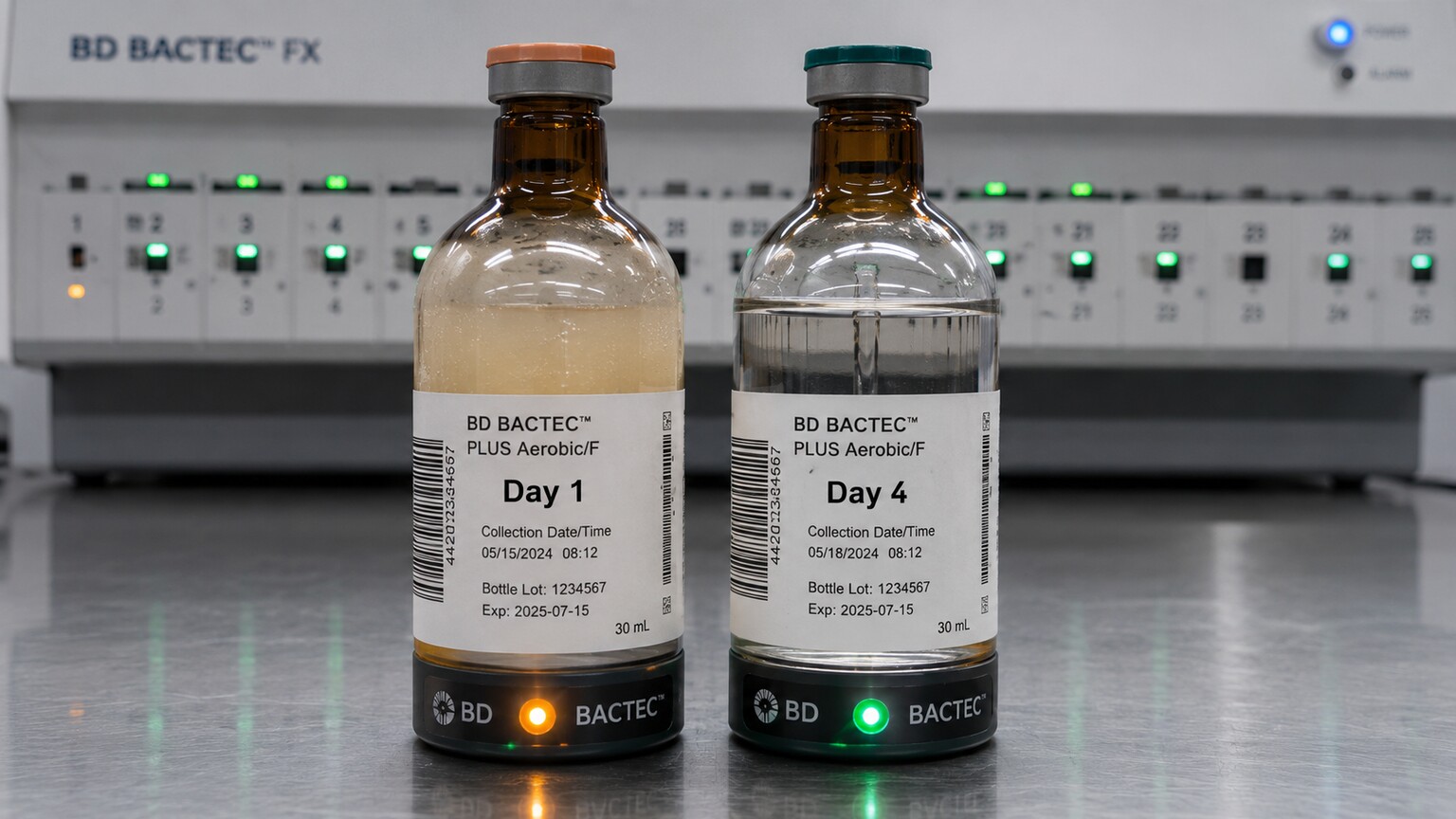
Figure 1. Serial blood cultures drawn days apart are compared directly — persistent growth signals ongoing bacteremia, while a sterile follow-up culture is one of the criteria used to confirm the bloodstream infection has cleared.
Curious what the rest of your lab results are telling you? Upload your results and get a complete, plain-language breakdown in under 15 minutes.
Analyze My ResultsA Culture Is a Snapshot, Not a Movie
It helps to start with what a culture actually is, mechanically, because the reasons for repeating one all trace back to this same basic limitation. A culture takes a sample from wherever an infection is suspected — blood, urine, a wound, sputum, spinal fluid — and gives any bacteria present ideal conditions to multiply on a nutrient-rich gel or in a nutrient-rich broth, usually for 18 to 72 hours depending on the organism. What grows tells the lab what was alive and reproducing in that sample at that exact moment it was collected. What it cannot tell anyone, by design, is what's happening an hour later, a day later, or a week later — because that would require a second sample, taken at that later point in time, run through the exact same process again.
Think of it less like a photograph of a stationary object and more like a single frame pulled from a long, ongoing event. One frame can tell you a lot — who's in the room, what they're doing right at that instant — but it cannot tell you whether that person is walking in or walking out, whether they arrived a minute ago or have been there for hours, or what they'll be doing five minutes from now. A repeat culture is simply a second frame, taken later, so the two together can show a trend instead of a moment. Sometimes that trend is what actually matters clinically — not "was there bacteria here once," but "is there still bacteria here now, and is the amount going up or down."
This distinction between a single moment and a trend shows up constantly in medicine outside of infections too — a single blood pressure reading in a doctor's office says less than a week of home readings taken at the same time each day, and a single glucose value says less than a pattern tracked over weeks. Cultures work the same way. The first one establishes a baseline: an organism was present, and it had a certain sensitivity profile to certain drugs. Every culture drawn after that is really asking a comparison question — is this the same picture as before, a better picture, or a worse one — and that comparison is only possible because the first sample exists to compare against. Without it, a second culture would just be another isolated snapshot rather than part of an actual timeline.
It's also worth understanding that not all repeat cultures are prompted by uncertainty or a bad sign. Some are simply built into the structure of how a particular infection is normally managed, ordered on a fixed schedule from the moment treatment begins, regardless of how the patient happens to be feeling that day. Others are reactive — ordered specifically because something about the clinical picture didn't line up with what the first result predicted, whether that's a fever that won't break, a wound that isn't healing as expected, or symptoms returning after they'd already resolved. Knowing which category a particular repeat culture falls into can make the whole process feel far less alarming; a scheduled, protocol-driven recheck is a very different situation than a repeat test ordered because something specific raised a flag.
Confirming a Bloodstream Infection Is Actually Gone
One of the most well-established reasons for repeat cultures involves bacteremia — bacteria circulating in the bloodstream, which is confirmed initially by a positive blood culture. For certain organisms, most notably Staphylococcus aureus, guidelines specifically call for follow-up blood cultures every two to four days after treatment starts, continuing until at least one comes back completely sterile. This isn't routine caution for its own sake; S. aureus bacteremia has an unusually strong tendency to seed distant sites in the body — heart valves, bones, joints, other organs — if it isn't cleared quickly and completely, and persistent positive cultures despite antibiotics are one of the clearest warning signs that this is happening. A patient can feel noticeably better within a day or two of starting treatment — fever down, energy improving — while blood cultures drawn during that same window are still growing bacteria, because feeling better and being sterile are not the same finding, and only one of them is confirmed with certainty by a lab result rather than a symptom.
The number of days it takes to reach that first sterile follow-up culture is itself a piece of clinical information, not just a formality on the way to a "cured" checkbox. Bacteremia that clears within a day or two of starting the right antibiotic behaves very differently, statistically, than bacteremia that's still growing bacteria on day five or six despite treatment that should be working. The second pattern — called persistent bacteremia — pushes doctors to look harder for a hidden source: an infected heart valve, an abscess tucked somewhere imaging hasn't found yet, or a piece of hardware (a joint replacement, a pacemaker lead, a catheter) that bacteria have colonized and are being continuously reseeded from. None of that distinction would be visible from a single blood culture drawn once at the very beginning — it only becomes visible by comparing that first result against the ones that follow.
The length of treatment itself is often calculated directly from the date that first sterile culture is confirmed, rather than from the date treatment started. For S. aureus bacteremia without a clearly identified deep source, a common approach is to count two full weeks of antibiotics starting from the day of the first negative blood culture — not the day treatment began. That means two patients who both started the same antibiotic on the same day could end up with different total treatment durations if one of them cleared their bloodstream faster than the other. This is a very concrete example of why the repeat culture isn't a side detail; it's the anchor point the entire treatment plan is built around, and without it, a doctor would essentially be guessing at when the clock on "how long is enough" should actually start.
Why Bacteria Hiding in Biofilms Force Repeat Testing
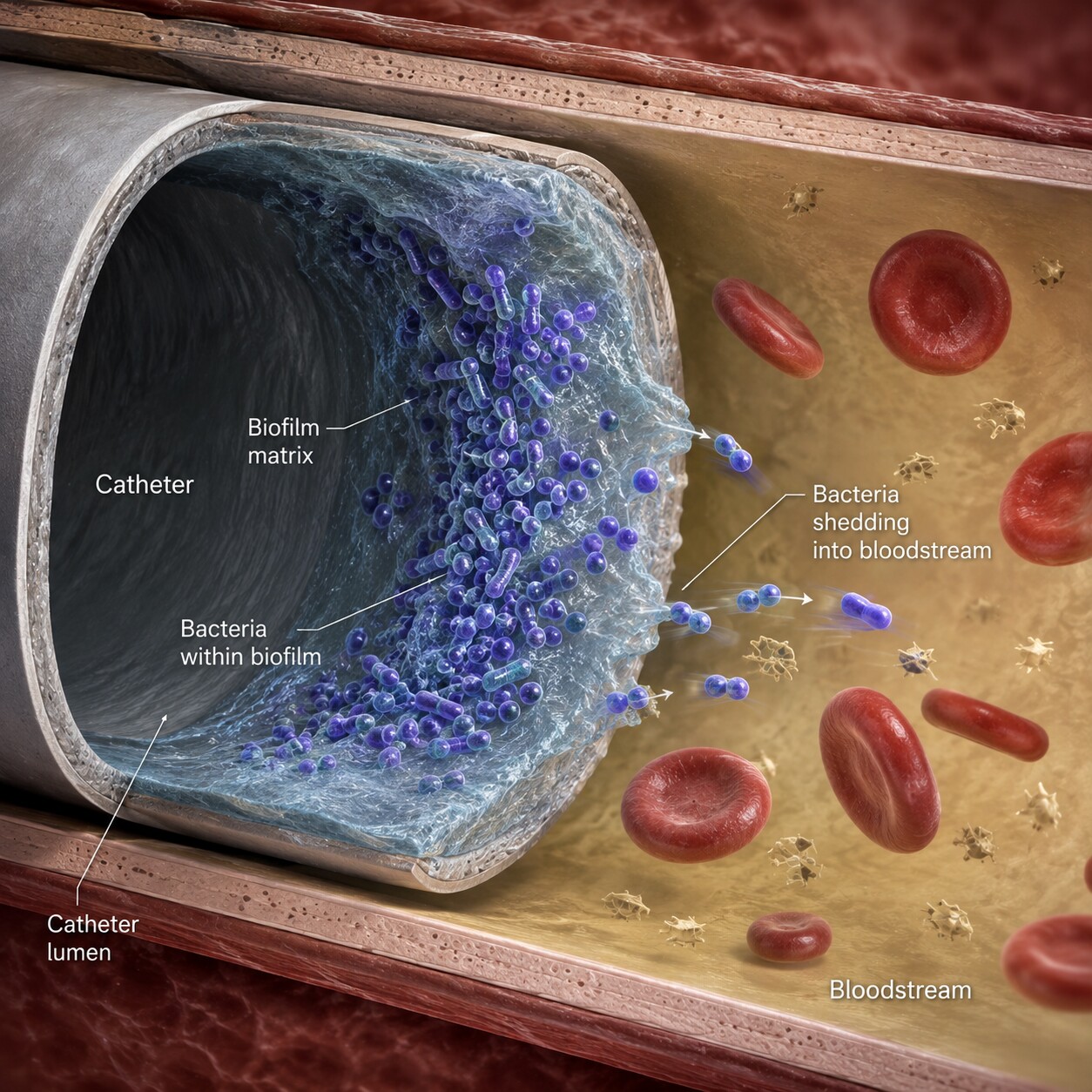
Figure 2. Bacteria colonizing a catheter surface organize into a biofilm, a protective matrix that shields them from antibiotics and lets them shed into the bloodstream intermittently rather than continuously.
Some bacteria don't circulate freely and evenly through the body the way a simple mental model of "infection" might suggest. Once bacteria attach to a surface — a central venous catheter, a urinary catheter, an artificial heart valve, a joint replacement — many species build a biofilm: a self-produced, slimy matrix of sugars and proteins that physically encases the bacterial colony and sticks it firmly to that surface. Inside a biofilm, bacteria behave almost like a different organism entirely. They multiply more slowly, they're dramatically harder for antibiotics to penetrate, and critically for this topic, they don't release themselves into the bloodstream in a steady, continuous stream — they shed in irregular pulses, sometimes triggered by mechanical disturbance, catheter flushing, or changes in blood flow around the device.
This irregular shedding is exactly why a single blood culture can come back completely clean even when a catheter-related bloodstream infection is very much still present. If a sample happens to be drawn during a lull between shedding events, the blood in that particular tube may genuinely contain zero bacteria, even though the catheter tip is still coated in an active colony. A repeat culture — sometimes several, sometimes drawn simultaneously from different sites for comparison — gives bacteria another, and then another, opportunity to be caught mid-shed. This is also part of why device-related infections are notoriously difficult to fully resolve with antibiotics alone; the drug has to reach bacteria that are actively hiding behind their own matrix, and no single negative culture, drawn at one moment, can be trusted to mean the device is clean.
Doctors sometimes get around this uncertainty with a technique called paired or "differential time to positivity" cultures — drawing one blood sample directly through the suspect catheter and another, at the same time, from a separate vein elsewhere in the body, then comparing how quickly each one turns positive in the lab's automated incubator. If the sample drawn through the catheter turns positive significantly faster than the one drawn from a normal vein — often by two hours or more — that timing gap is itself evidence the catheter is the true source, since a much higher concentration of bacteria sitting right at the catheter tip will multiply to a detectable level faster than a lower concentration circulating more broadly. This is a good example of how a repeat sample isn't always just "the same test again" — sometimes it's collected deliberately differently from the first one, specifically to extract a piece of information a single sample never could have provided on its own.
When the First Sample Was Contaminated or Ambiguous
Not every repeat culture exists because of anything happening inside the patient's body — sometimes the first sample itself was the problem. Skin, and the surface of almost anything a sample passes through on its way to a collection tube, carries its own resident population of harmless bacteria. A blood draw, a urine collection, or a wound swab that picks up even a small amount of this normal surface flora can produce a culture that grows something, but that something isn't necessarily the organism actually causing the patient's symptoms. Labs are generally good at recognizing the telltale signs of contamination — certain organisms like coagulase-negative staphylococci growing in only one of several blood culture bottles drawn from different sites, for instance, is a classic contamination pattern rather than a true infection — but the signal isn't always clean-cut.
When a result sits in that ambiguous middle ground — not obviously contamination, not a textbook clean single-organism growth either — the most reliable way to resolve the uncertainty is simply to draw another sample, collected as carefully as possible, and see what grows the second time. If the same organism appears again, that consistency is itself meaningful evidence it's real. If a completely different organism shows up, or nothing grows at all, that points back toward the first result having been a contamination event. This is one of the more mundane reasons for a repeat culture, but it's also one of the most common, since even a well-performed sample collection can occasionally pick up incidental bacteria that have nothing to do with the actual clinical picture.
This is also why proper collection technique matters so much, and why a repeat sample sometimes comes with more specific instructions than the first one did — a nurse or phlebotomist thoroughly disinfecting the skin before a blood draw, or giving detailed clean-catch instructions before a urine sample, isn't excess caution, it's a direct attempt to prevent exactly the kind of ambiguous result that would otherwise require redoing the whole test. Urine cultures are a particularly common site for this problem, since a midstream urine sample naturally passes across skin and mucosal surfaces on its way out, picking up small amounts of normal flora along the way almost by default. A result showing several different types of bacteria growing at low counts, rather than one organism growing at a high, clinically significant count, is the classic laboratory signature of this kind of mixed, low-confidence contamination — and it's a pattern experienced lab staff recognize immediately as "collect this one again" rather than something to build a treatment decision around.
Tuberculosis and the Need for Serial Sputum Cultures
Few infections illustrate the need for repeat cultures more clearly than tuberculosis, caused by Mycobacterium tuberculosis — a bacterium that grows so slowly in culture that a single result can take weeks to come back, and treatment decisions genuinely cannot wait that long to be made once, and then never revisited. Standard TB treatment protocols call for sputum samples to be collected and cultured on a recurring schedule throughout the course of therapy, which typically runs six months or longer, specifically to track whether the bacteria are actually dying off as expected or whether they're persisting despite the drugs being taken correctly.
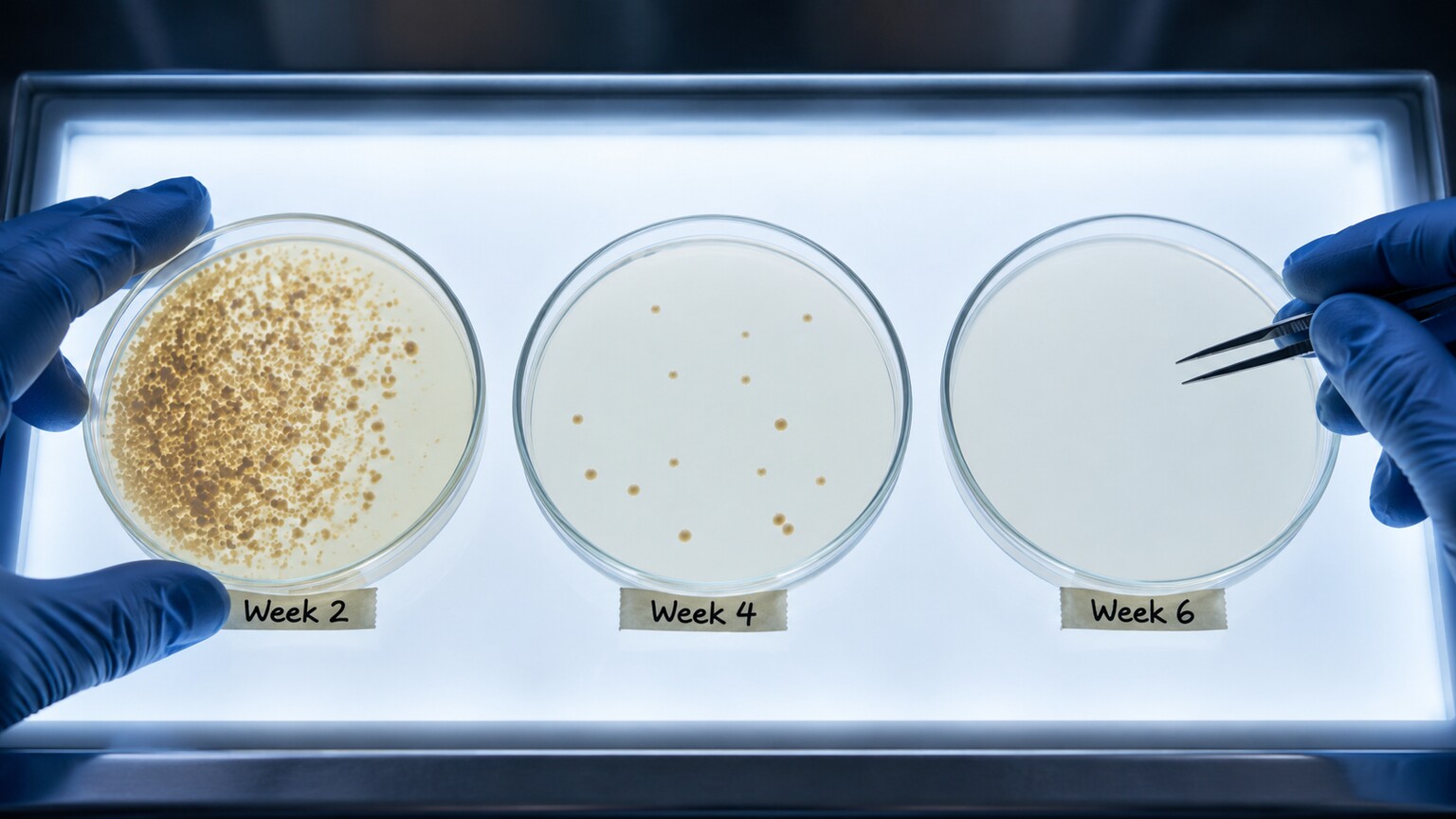
Figure 3. Sequential sputum cultures collected weeks apart track whether Mycobacterium tuberculosis is still viable, with two consecutive negative cultures typically required to document treatment response.
A key benchmark clinicians watch for is "culture conversion" — the point at which a patient's sputum cultures switch from growing the bacterium to consistently not growing it. Because a single negative result could theoretically be a fluke of sampling (much like the biofilm example above, TB bacteria in the lungs aren't perfectly evenly distributed in every cough sample), guidelines typically require two consecutive negative cultures, collected at least a week apart, before treatment response is considered confirmed. If cultures are still growing M. tuberculosis after two months of appropriate treatment, that's treated as a meaningful red flag suggesting possible drug resistance, poor medication adherence, or a diagnosis that needs re-examining — and none of that pattern would be visible without the repeated testing that built the timeline in the first place.
Part of why TB relies so heavily on repeated, spaced-out cultures rather than a single test comes down to how slowly this particular bacterium grows compared to more familiar infections. A routine bacterial culture for something like strep throat or a urinary tract infection can show visible results within a day. M. tuberculosis divides roughly once every 15 to 20 hours under ideal laboratory conditions — compared to about every 20 minutes for a fast-growing bacterium like E. coli — which is why traditional solid-media TB cultures can take up to six to eight weeks to definitively confirm no growth at all. Faster liquid culture systems have shortened this considerably, often to one to three weeks, but even that timeline means a single culture simply cannot deliver real-time answers the way faster-growing infections can. Serial testing spaced across the many months of TB treatment is, in a real sense, the only practical way to track progress against a bacterium this slow — there's no version of this monitoring that could be compressed into one test taken at one point in time.
Recurrent UTIs — Telling a Relapse Apart From a New Infection
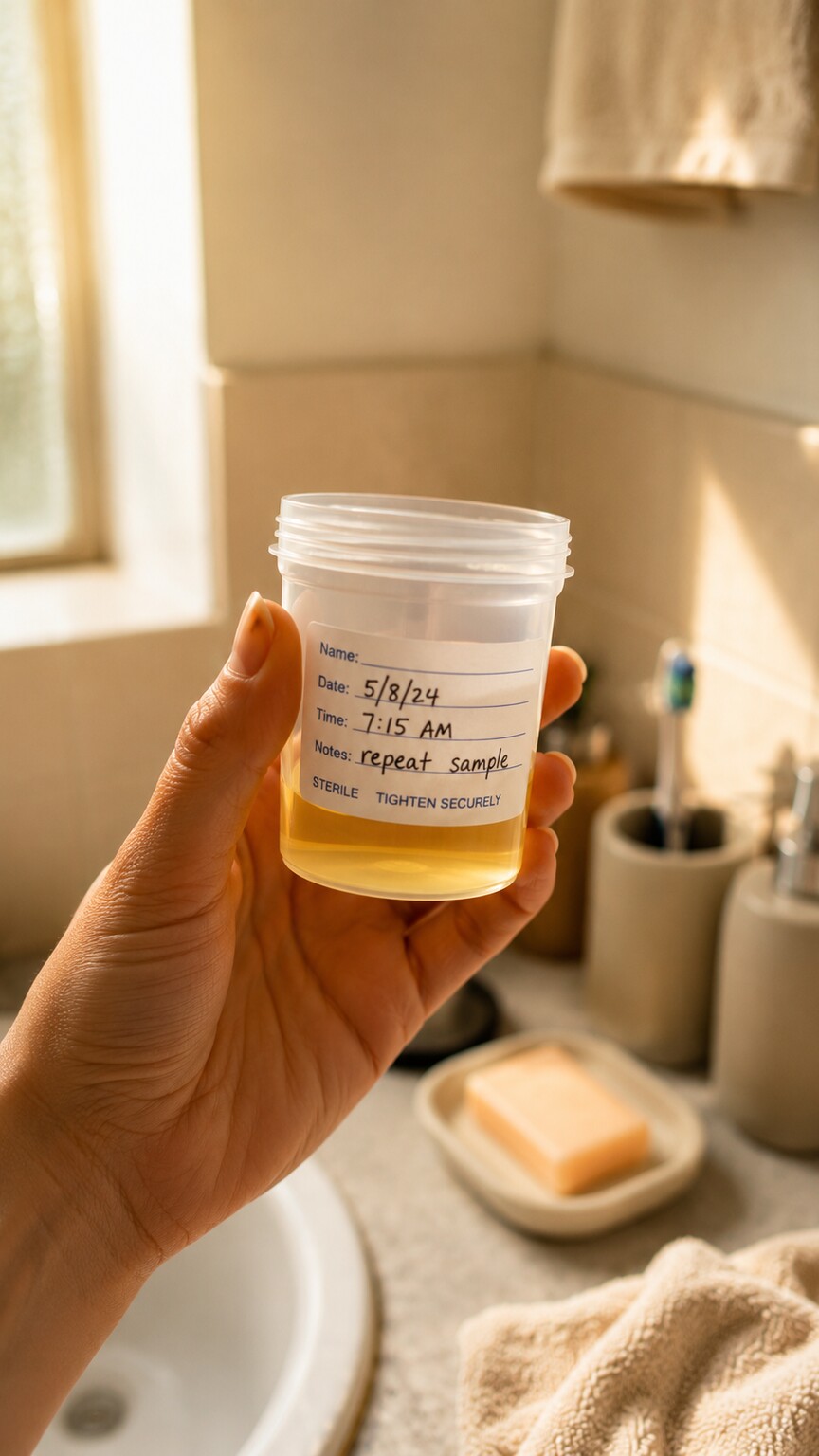
Figure 4. A second clean-catch urine sample, collected after finishing antibiotics, is what distinguishes a true relapse of the same organism from a new, unrelated infection.
Urinary tract infections that keep coming back are another common trigger for repeat cultures, and here the specific question being answered is whether a new infection is truly new, or whether it's the same one resurfacing. Doctors generally split recurrent UTIs into two categories: relapse, where the exact same bacterial strain that caused the original infection was never fully cleared and simply regrows once antibiotics stop, and reinfection, where a genuinely different bacterial strain — sometimes even the same species — establishes a brand-new infection some time after the first one resolved. These two situations can produce identical symptoms but call for very different responses, since a relapse suggests the original treatment course, dose, or duration wasn't adequate to fully eliminate that specific bacterial population, while a reinfection points toward other contributing factors, like anatomy, hygiene practices, or an underlying condition that keeps making the urinary tract vulnerable to new bacteria.
A repeat urine culture, collected shortly after finishing antibiotics and again if symptoms return, is what actually distinguishes the two. If the second culture grows the same organism with the same antibiotic sensitivity pattern as the first, that consistency points toward relapse — meaning the original bacteria simply weren't fully eradicated, sometimes because they were hiding in a place the drug didn't reach well, like deeper into bladder tissue. If it grows a different organism, or the same species with a different resistance pattern, that points toward reinfection instead. This distinction directly shapes what happens next — a relapse might call for a longer treatment course or a different drug class next time, while frequent reinfection might prompt a doctor to look into contributing anatomical or behavioral factors rather than simply repeating the same antibiotic over and over.
There's a subtler reason repeat urine cultures matter too, especially for anyone labeled with "recurrent UTIs" more broadly: the definition itself — generally two infections within six months, or three within a year — can only be confirmed by comparing culture results across that whole window, not by any single episode on its own. Someone might reasonably assume every bout of burning and urgency is "another UTI," when a repeat culture at that later point sometimes reveals no significant bacterial growth at all, meaning the symptoms have a different cause entirely, such as irritation, inflammation, or another condition that mimics UTI symptoms without an active bacterial infection behind it. In that sense, the repeat culture isn't only confirming a relapse or a reinfection — sometimes it's ruling infection out altogether, which is just as clinically useful as confirming it, since treating a non-bacterial cause with another round of antibiotics wouldn't help and would expose the body to a drug it doesn't actually need.
Endocarditis and Other Infections That Demand Close Monitoring
Infective endocarditis — an infection of the heart's inner lining or valves — deserves its own mention because it combines several of the reasons above into one especially high-stakes scenario. Bacteria growing on a heart valve behave somewhat like bacteria in a biofilm: they're embedded in a structure called a vegetation, made of bacteria, platelets, and fibrin clumped together on the valve surface, which can shield the deepest layers of the colony from both the immune system and circulating antibiotics. Because of this, and because a heart valve that remains actively infected poses a serious ongoing risk of the infection spreading elsewhere in the body through the bloodstream, guidelines specifically call for follow-up blood cultures during treatment — not just at the start, to make the diagnosis, but repeated afterward, to confirm the bacteria have actually stopped growing.
Persistently positive blood cultures in someone being treated for endocarditis are treated as a serious clinical signal, sometimes prompting a switch in antibiotics, further imaging to check whether the vegetation has grown or a valve has been more extensively damaged, or in some cases a conversation about surgical intervention to physically remove infected tissue that antibiotics alone haven't been able to sterilize. As with bacteremia in general, none of this can be assessed from a single culture drawn on the day of diagnosis — the entire monitoring strategy depends on comparing that first result against a series of later ones to see whether the infection's trajectory is actually improving.
Diagnosing endocarditis in the first place also depends on repetition rather than a single result, which is a detail worth understanding on its own. The diagnostic criteria used by cardiologists and infectious disease specialists specifically call for multiple separate blood cultures, drawn at different times and ideally from different sites, all growing the same organism, before a diagnosis is confirmed with real confidence — a single positive blood culture, on its own, is considered too easy to explain away as a contamination event to build a diagnosis of a heart valve infection around. Multiple cultures growing the identical organism, drawn independently, make a contamination explanation far less plausible, which is exactly the kind of certainty a diagnosis this serious needs before committing a patient to weeks of intravenous antibiotics or a conversation about heart surgery.
Feeling Better Isn't the Same as a Culture Turning Negative
It's worth spending a moment on why doctors lean on repeat cultures instead of simply trusting how a patient feels, because this can seem, at first glance, like unnecessary extra testing. Symptoms and lab results genuinely can move on different timelines. Fever, pain, and fatigue are driven largely by the body's inflammatory response to infection, and that response can start settling down within a day or two of starting an effective antibiotic — well before every last living bacterial cell has actually been cleared from the body. This gap between "feeling better" and "being sterile" is exactly why persistent bacteremia can catch a patient off guard: they may feel closer to normal by the third day of treatment, with no idea that a blood culture drawn that same morning is still growing the organism, simply because inflammation and bacterial load, while related, don't fall in perfect lockstep with each other.
The reverse can also happen — a patient can feel lingering fatigue or mild residual symptoms well after a repeat culture has already turned sterile, since some symptoms take time to fully resolve even once the underlying infection is gone, the same way a bruise can still be tender for days after the injury that caused it has stopped happening. Repeat cultures exist precisely because neither the patient's subjective sense of improvement nor the doctor's clinical exam can substitute for direct evidence of whether bacteria are still alive and multiplying — that's a question only a culture can answer with real certainty, and it's a question worth re-asking at set points during treatment rather than only once at the very beginning.
Why an Initial Negative Culture Doesn't Always End the Question
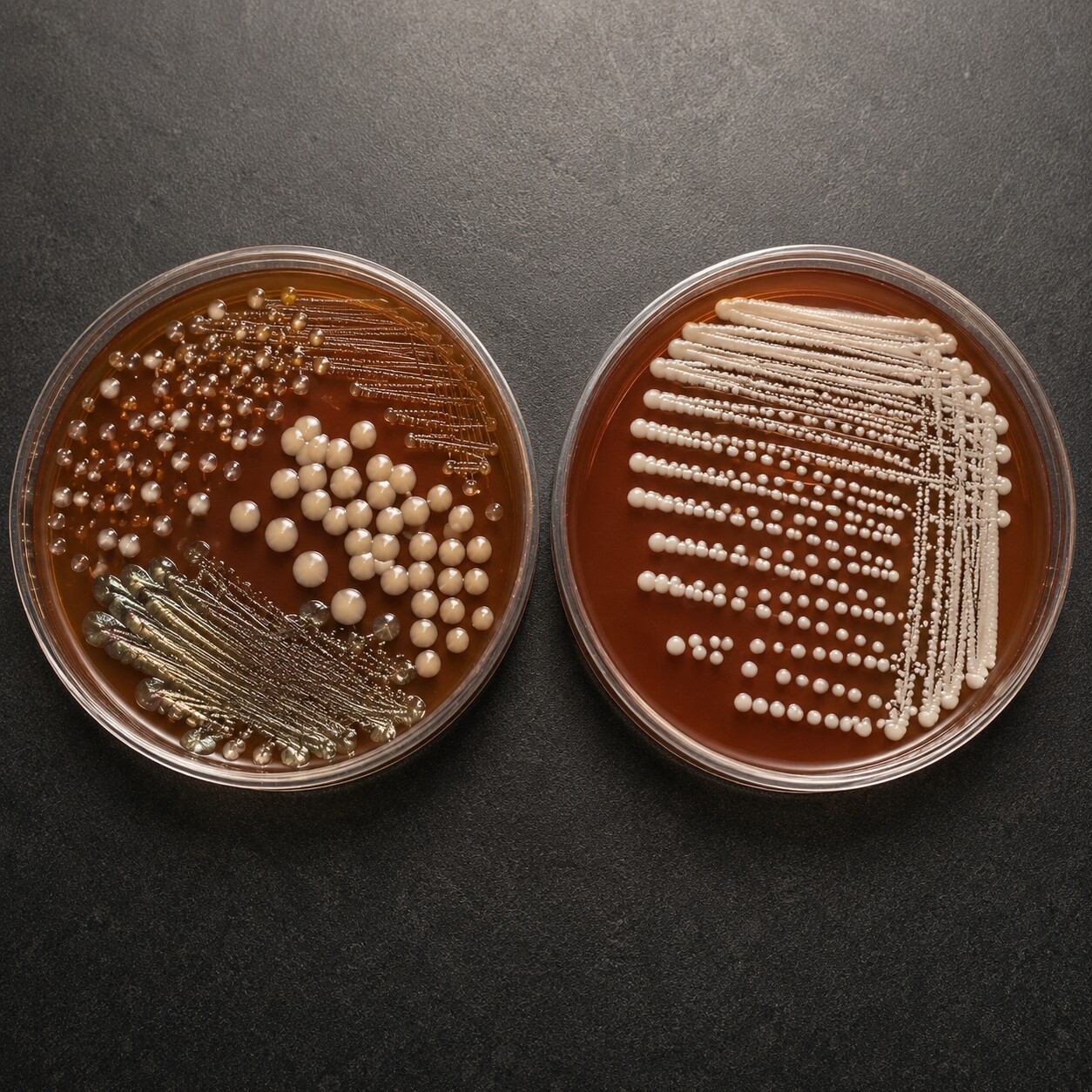
Figure 5. A culture contaminated with multiple bacterial types from skin or the surrounding environment can mask the true infecting organism, making a repeat sample necessary to identify a single, dominant pathogen.
A negative culture feels like it should be reassuring, and often it is — but a single negative result carries real limitations worth understanding, especially when symptoms strongly suggest an infection is present. If antibiotics were already started, even briefly, before a sample was collected, that alone can be enough to suppress bacterial growth just enough to produce a false negative, since the culture process depends entirely on live, reproducing bacteria being present in the sample. A sample that was collected, handled, or transported incorrectly — left at room temperature too long, or not processed quickly enough — can also lose viable bacteria along the way, again leading to a "no growth" result that reflects a problem with the sample rather than a true absence of infection.
Location matters here too. A sample taken from the edge of a wound or abscess might miss bacteria concentrated more deeply within it; a single blood culture might be drawn during one of those biofilm-related lulls described earlier. When a negative culture doesn't line up with a strong clinical picture — persistent fever, worsening pain, imaging findings that suggest an active infection — doctors don't simply accept the negative at face value and move on. A repeat sample, sometimes collected differently (deeper into a wound, from a different vein, with antibiotics briefly paused if it's safe to do so), gives the bacteria another real chance to show up if they're genuinely there, rather than treating one inconclusive result as the final word.
How Doctors Decide When to Stop Repeating a Culture
Repeat cultures aren't ordered indefinitely — there's a clinical endpoint to all of this, and it depends heavily on which of the scenarios above is actually in play. For bacteremia, the standard is typically at least one confirmed sterile follow-up culture, sometimes more depending on the organism and how complicated the case is. For tuberculosis, it's generally two consecutive negative cultures spaced at least a week apart. For a device-related infection, it may involve continued negative cultures even after the device itself has been removed, to confirm the bloodstream has actually cleared rather than assuming removal alone solved the problem. For a straightforward, uncomplicated UTI that responds well to treatment and doesn't return, there may be no repeat culture at all — the entire question of relapse versus reinfection only becomes relevant once symptoms actually come back.
What ties all of these endpoints together is the same underlying principle: a repeat culture is ordered when there's a specific, answerable question that a single result genuinely cannot resolve on its own — is this truly gone, is this the same organism as before, was the first sample even reliable, is a slow-growing bacterium actually responding to treatment. Once that specific question has a clear answer, the repeat testing stops, because the whole point was never testing for its own sake — it was closing a real gap in what a single snapshot could show.
Cost and practicality factor into this decision too, even though they rarely get discussed openly. Every additional culture means another blood draw, another lab fee, another few days of waiting for a result — none of which a responsible clinician orders casually. This is part of why repeat cultures tend to cluster around situations where the stakes of being wrong are genuinely high: a bloodstream infection that could seed the heart valves if it isn't truly cleared, a slow-growing bacterium that could develop resistance if treatment is stopped too early, a device that's expensive and invasive to replace if it turns out to still be infected. For lower-stakes, self-limited infections that respond predictably to a standard course of antibiotics, a single culture followed by resolving symptoms is often perfectly sufficient, and ordering a repeat test would add cost and inconvenience without adding any real clinical value.
Frequently Asked Questions
Does needing a repeat culture mean my first treatment failed?
Not necessarily. Many repeat cultures are built into standard protocols from the start — for example, follow-up blood cultures for certain bloodstream infections are routine regardless of how well treatment appears to be working. A repeat culture is often planned monitoring, not a sign that something went wrong the first time.
Why did my urine culture come back negative even though I still have symptoms?
This can happen if antibiotics were started before the sample was collected, if the sample wasn't handled optimally, or if bacteria simply weren't present in high enough numbers in that particular sample. A repeat sample, sometimes collected before starting or restarting antibiotics, can help resolve the mismatch between a negative result and ongoing symptoms.
How many days apart are repeat blood cultures usually drawn?
For confirming clearance of certain bloodstream infections like Staphylococcus aureus bacteremia, follow-up cultures are typically drawn every two to four days until at least one comes back sterile. The exact interval depends on the organism, the clinical situation, and how the patient is responding to treatment.
Is a repeat culture the same test done twice, or something different?
It's the same laboratory process — a new sample is collected and processed exactly like the first one. What's different is the timing: comparing what grows now against what grew before is what reveals a trend, which a single culture, taken in isolation, cannot show on its own.
Can bacteria become resistant between the first and second culture?
Yes, though it's not the most common reason for a repeat culture. Bacteria can occasionally develop new resistance during treatment, which is one reason a repeat culture sometimes includes a fresh sensitivity panel rather than assuming the original results still apply — particularly if an infection isn't responding as expected.
Conclusion
A single culture answers a single, narrow question: what was growing in this exact sample, at this exact moment. Almost everything that actually matters clinically after an infection is diagnosed — whether it's truly gone, whether it's the same organism causing a relapse, whether a slow-growing bacterium like tuberculosis is responding to months of treatment, whether a device or heart valve is still harboring bacteria that a single blood draw simply missed — requires comparing that one snapshot against another, taken later. Repeat cultures aren't a sign of a missed diagnosis or a failed first attempt; they're how modern infectious disease medicine turns a single frame into an actual timeline, which is often the only way to know with real confidence whether an infection is getting better, staying the same, or quietly persisting somewhere a single test couldn't see.
If you've been asked to provide a follow-up sample for an infection you thought was already treated, it's a reasonable and specific question to ask your doctor exactly what that particular repeat culture is trying to confirm — whether it's clearance, a resistance recheck, or distinguishing a relapse from something new. Understanding the specific gap a repeat test is meant to close can turn what feels like a frustrating extra step into a clear, logical part of making sure treatment actually worked.
Still Not Sure What Your Results Mean?
Upload your labs and get a complete, visual, plain-language interpretation of every biomarker — delivered to your inbox in under 15 minutes.
Get My ReportThis article is for educational purposes only and does not constitute medical advice. Always consult your healthcare provider regarding your specific lab results.