
What Does a Positive Blood Fungal Test Indicate?
A positive fungal test found on skin or a nail almost always describes a genuinely slow-moving, uncomfortable but only rarely urgent kind of infection. A positive fungal test drawn directly from blood, however, represents an entirely different category of clinical finding altogether, describing a fungus that has genuinely made it all the way into the bloodstream itself, from where it can then travel to and actively seed essentially any organ anywhere in the entire body. This fundamental distinction is exactly why a positive blood fungal result ends up moving so much faster and more urgently through the entire healthcare system than that exact same organism, found instead on skin, would ever realistically move. This article walks through why a positive blood culture is treated so differently from a superficial result, candidemia as the single most common cause of a positive blood fungal test, how the blood sample is actually collected and why timing matters, how doctors distinguish a genuine bloodstream infection from contamination introduced during collection, other organisms beyond Candida that can show up in blood, non-culture blood tests like beta-D-glucan and galactomannan that can detect invasive fungal infection faster than a culture can grow, why identifying the exact species changes the treatment plan, antifungal susceptibility testing, why a positive result prompts such an urgent clinical response, and what happens with follow-up blood cultures once treatment has started.
Why a Positive Blood Result Is Treated So Differently

Figure 1. Once a fungus reaches the bloodstream, it gains direct access to essentially every organ in the body, which is exactly why a positive blood culture is treated with far more urgency than a skin or nail finding.
Skin and nails are colonized by a wide variety of fungi essentially constantly throughout ordinary life, and even a genuinely confirmed skin or nail infection generally stays reasonably contained to that one specific location, spreading only quite slowly, gradually over many months if left completely untreated for an extended period. Blood, by clear contrast, is normally considered entirely sterile — there's genuinely no fungus of any kind that's ever supposed to be present there under any ordinary circumstance whatsoever, which means a confirmed, genuinely positive blood culture always represents a real, active infection process rather than some kind of normal, expected background finding simply waiting to be interpreted within a broader context.
Once a fungus genuinely enters the bloodstream, a condition broadly and generally called fungemia, it immediately gains the practical ability to travel virtually anywhere blood actually flows throughout the body, seeding entirely new infection sites in organs like the heart, the eyes, the kidneys, the brain, or the bones, through a process doctors specifically call hematogenous dissemination. This is precisely why a genuinely positive blood fungal culture prompts such an urgent, immediate clinical response, quite unlike the far more measured, unhurried pace typical of an ordinary skin or nail diagnosis — untreated bloodstream fungal infection carries a genuinely high, well-documented mortality risk that continues increasing with every single additional hour that appropriate treatment ends up being delayed.
Candidemia: The Most Common Cause of a Positive Blood Fungal Culture
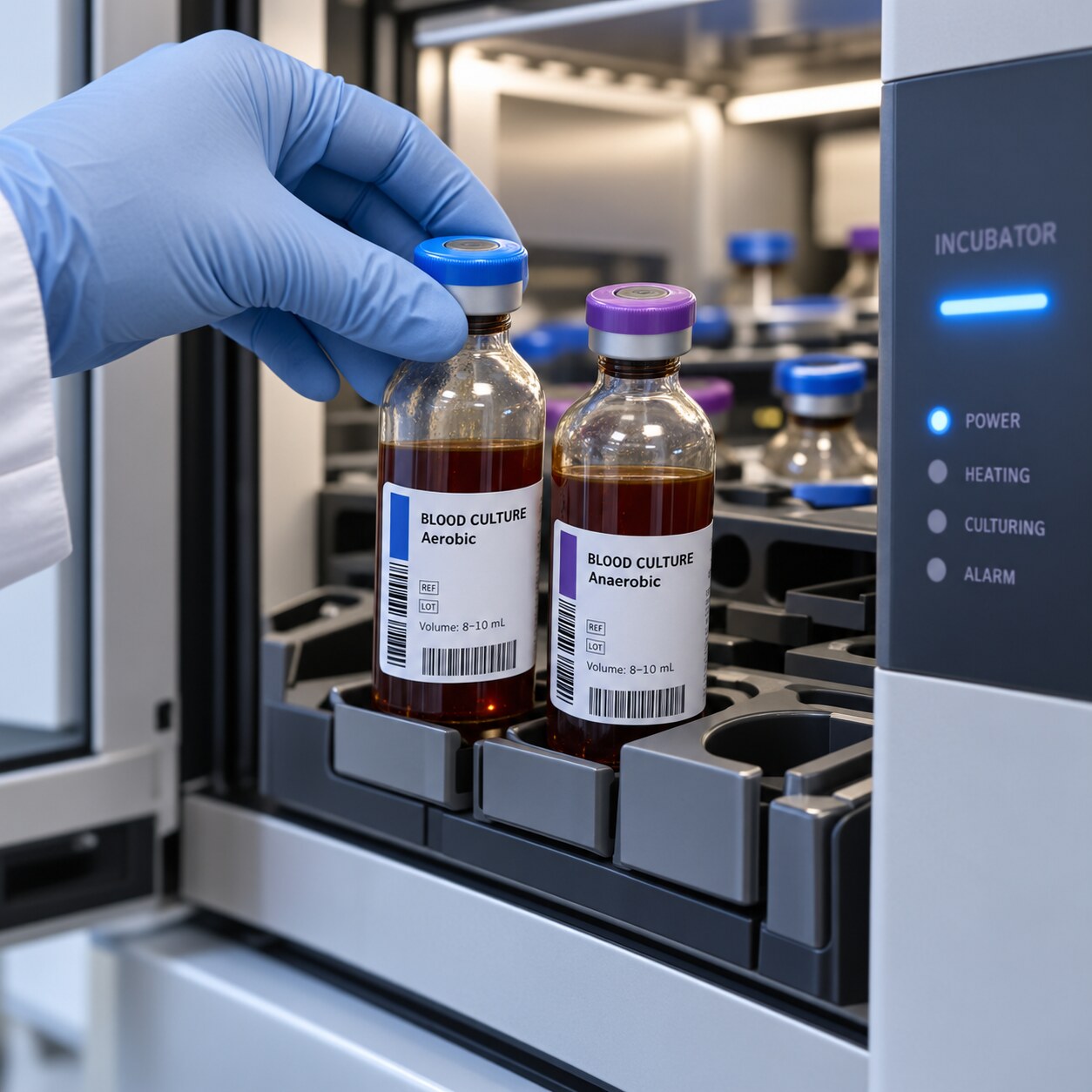
Figure 2. Candidemia, a Candida bloodstream infection, is by far the most common cause of a positive fungal blood culture, most often affecting people who are already hospitalized and critically ill.
Candidemia, a bloodstream infection caused by Candida yeast, accounts for the large majority of positive fungal blood cultures. Candida normally lives entirely harmlessly on skin and mucous membranes throughout the body, and it typically only manages to reach the bloodstream once a person's usual, otherwise reliable protective barriers become genuinely compromised in some way — most commonly through a central venous catheter, which provides a direct, unnatural path straight from the skin surface into a major vein, or alternatively following significant abdominal surgery, where gut bacteria and fungi can occasionally cross over into the bloodstream during the procedure itself.
Candidemia is consequently seen overwhelmingly, disproportionately in people who are already hospitalized, particularly within intensive care units specifically, and in people carrying significant established risk factors like recent broad-spectrum antibiotic use (which meaningfully reduces competing bacteria and allows Candida to overgrow unchecked), poorly controlled diabetes, or an already weakened immune system from another underlying cause. This pattern is exactly why candidemia is considered one of the more serious hospital-acquired bloodstream infections tracked closely by infection control programs, rather than something that typically develops in an otherwise healthy person going about ordinary daily life.
Curious what your own lab results are actually telling you? Upload your results and get a complete, plain-language breakdown in under 15 minutes.
Analyze My ResultsHow the Sample Is Collected, and Why Timing Matters
A blood culture for suspected fungal infection is drawn using strict sterile technique, since the whole point of the test is to determine whether organisms are genuinely present in the blood itself, and any contamination introduced during collection undermines that goal directly. The skin at the draw site is cleaned thoroughly with an antiseptic, and blood is typically drawn into two separate sets of culture bottles from two different sites, a detail covered in more depth in the next section.
Timing matters in a specific, practical way: fungal cultures generally take longer than bacterial cultures to show visible growth, often several days rather than the roughly 24 to 48 hours typical for many bacteria, since fungi generally grow more slowly under standard culture conditions. This growth delay is a genuine practical limitation of culture-based testing, and it's exactly why the faster, non-culture blood tests discussed later in this article have become such a valuable complement to traditional blood cultures in situations where speed genuinely matters.
Why Two Culture Sets From Two Different Sites Matter
Drawing blood cultures from two separate sites, rather than a single site, isn't simply about collecting more volume — it directly supports the true-versus-contamination distinction covered in the next section. If the exact same organism grows from blood drawn at two genuinely separate sites, contamination becomes a much less likely explanation, since it would require the same skin organism to be independently introduced during two separate, carefully performed sterile collection procedures rather than just one.
This is exactly why a single blood culture set, drawn from just one site, is generally considered less definitive on its own than a matched pair drawn from two separate sites at roughly the same time, and why hospital protocols for suspected bloodstream infection typically specify drawing multiple sets as a standard part of the ordering process rather than leaving it to individual clinician preference each time.
Distinguishing a True Positive From Contamination
Because skin naturally harbors some fungal and bacterial organisms even after careful cleaning, a small percentage of blood cultures come back positive not because of a genuine bloodstream infection, but because a small number of skin organisms were introduced into the sample during collection itself. Distinguishing a genuine bloodstream infection from this kind of contamination is a real, practical challenge doctors and lab staff work through deliberately rather than something a single culture result answers on its own.
Several distinct clues genuinely help make this difficult distinction in practice: organisms recovered consistently from more than one separately drawn blood culture set are far more likely to reflect a real, true infection than an organism appearing in only a single one of several sets drawn around roughly the same time; how quickly the culture turns positive after being placed in the incubator also carries information, since a true bloodstream infection with a substantial number of organisms circulating tends to turn positive faster than a small number of contaminating organisms would; and the specific organism identified matters too, since some species are considered inherently more likely to represent genuine infection than others that are more classically associated with skin contamination. Doctors weigh all of these factors together, alongside the patient's actual symptoms and clinical risk factors, before concluding a positive result reflects a true, active infection rather than a contaminated sample.
Beyond Candida: Other Organisms in a Blood Fungal Test
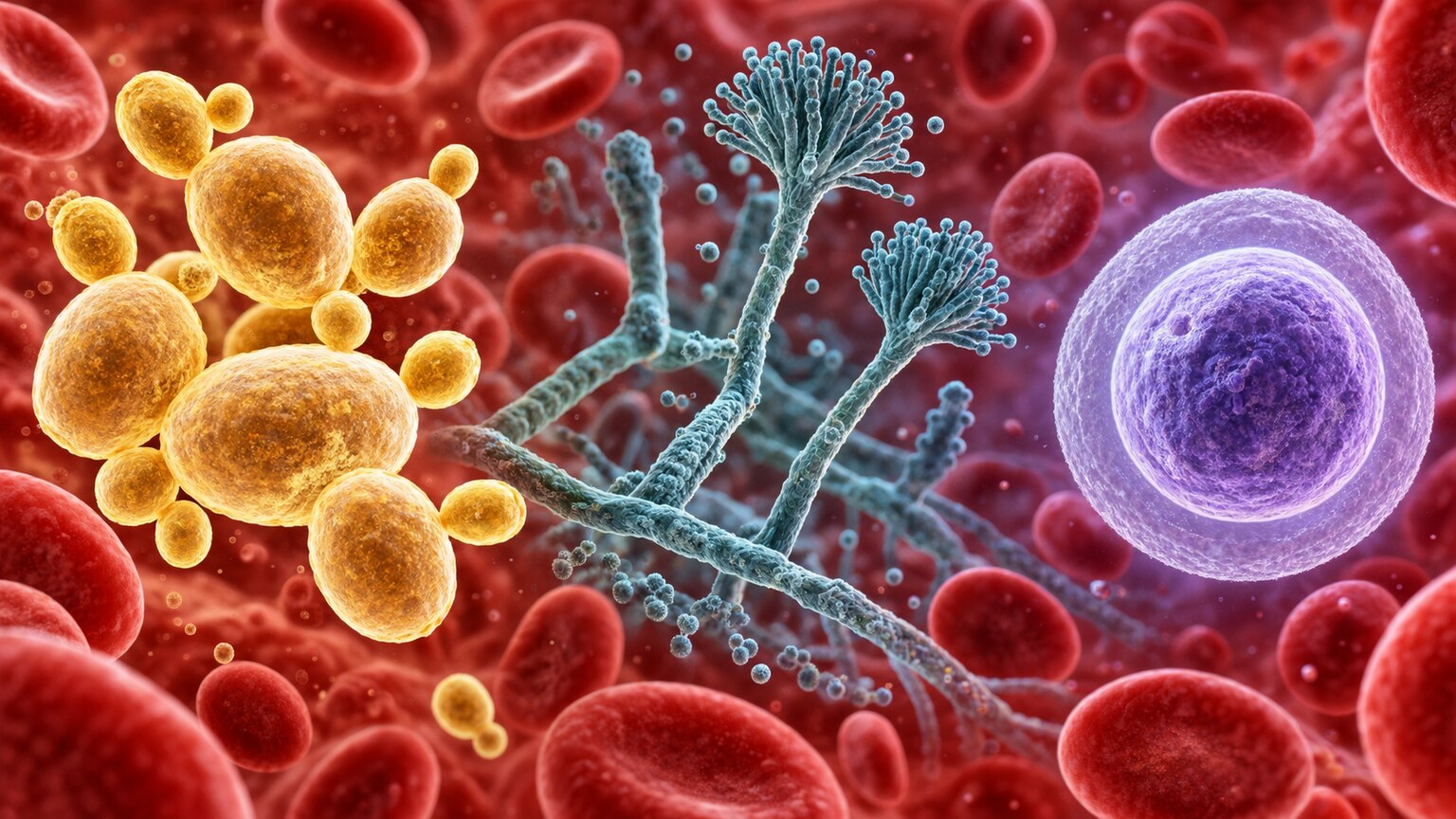
Figure 3. While Candida dominates positive blood fungal cultures, Aspergillus and Cryptococcus can each appear in blood under specific circumstances, each requiring a genuinely different treatment approach.
While Candida accounts for the majority of positive fungal blood cultures, other organisms show up under more specific circumstances. Aspergillus, a mold that typically causes lung infection, can occasionally be detected in blood, particularly in severely immunocompromised patients, though it's actually recovered from blood culture less reliably than Candida is, which is part of why the non-culture blood tests discussed in the next section play a particularly important supporting role for detecting Aspergillus specifically. Cryptococcus, an organism most associated with infection in the brain and its surrounding membranes, can also be detected directly in blood, generally in the context of advanced immune suppression, and a positive result for this organism specifically prompts an urgent evaluation for spread to the central nervous system.
Each of these organisms requires a genuinely different antifungal medication approach, which is exactly why species-level identification, covered in more detail further down this article, matters so directly for treatment — the specific organism named in a positive result isn't just a scientific label, it's the single piece of information that most directly shapes which medication gets started.
Non-Culture Blood Tests: Beta-D-Glucan and Galactomannan

Figure 4. Beta-D-glucan and galactomannan tests detect fungal cell wall components directly in blood, often returning a result well before a culture would show visible growth.
Because fungal cultures take days to grow, several non-culture blood tests have become valuable additions to the diagnostic toolkit, detecting fragments of the fungus itself rather than waiting for it to reproduce into a visible colony. Beta-D-glucan, a structural component found broadly in the cell wall of many different fungal species including both Candida and Aspergillus, can be detected directly in a patient's blood using a specific, dedicated antigen assay, often returning a usable result well before a culture would ever show any visible growth at all, making this particular test especially useful in situations where a genuinely rapid answer matters most.
Galactomannan, a distinctly different cell wall component fairly specific to Aspergillus and a small handful of closely related molds, serves a genuinely similar early-detection purpose specifically for that particular organism, which turns out to be especially valuable clinically given just how much less reliably Aspergillus actually tends to grow in standard blood culture conditions compared to Candida. Neither of these particular tests actually replaces a traditional blood culture entirely on its own, since neither one can provide the same level of precise species-specific identification or allow for direct antifungal susceptibility testing the way an actual live culture can, but they're frequently used together alongside culture, particularly in genuinely high-risk patients, specifically to help catch a real invasive infection potentially several days earlier than simply waiting for culture results alone would ever realistically allow.
Why Some Candida Species Are Considered Higher Priority Than Others
Not all Candida species are viewed with the exact same level of concern once identified. A small number of specific species have become a significant public health focus in recent years due to their ability to resist multiple antifungal drug classes simultaneously and to spread readily between patients in healthcare settings, in a way most other Candida species don't. When one of these particular higher-priority species is identified from a blood culture, it prompts not just an urgent treatment response for the individual patient, but also specific infection-control measures aimed at preventing spread to other patients in the same healthcare facility.
This distinction is exactly why a positive blood fungal result doesn't only trigger a clinical treatment conversation — depending on the specific species identified, it can also trigger a parallel infection-control and public-health conversation entirely separate from, but running alongside, the direct medical care of the individual patient involved.
Why Species Identification Changes the Treatment Plan
Once a blood culture genuinely turns positive, the laboratory then works carefully to identify the specific organism recovered down to the exact species level, a further process that typically takes an additional full day or two beyond that initial positive result before it's actually complete and available to the treating team. This particular step matters enormously in practice because genuinely different Candida species, and entirely different fungal genera altogether, tend to respond quite differently to specific antifungal medication classes, and starting the wrong drug class from the outset can realistically mean several extra days of ineffective, wasted treatment while a genuinely dangerous, ongoing infection continues spreading unchecked in the meantime.
Some Candida species respond reliably to a first-line antifungal medication class, while others carry well-documented, sometimes intrinsic resistance to that same class, requiring a different medication from the start. This is exactly why a treating physician often adjusts the initial antifungal regimen once species identification comes back, even if a patient has already been started on a reasonable initial choice based on the most statistically likely organisms before that specific identification was available.
Antifungal Susceptibility Testing
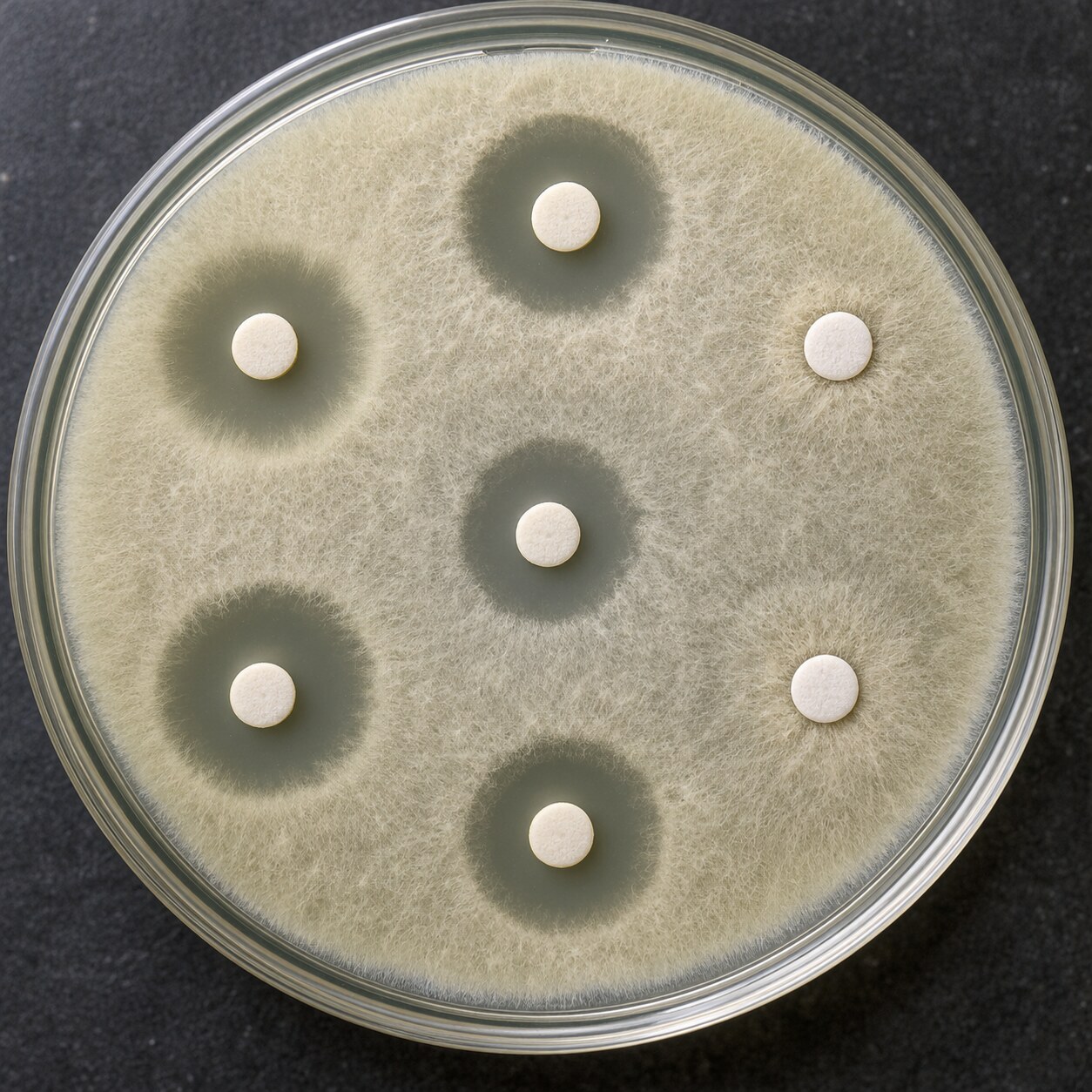
Figure 5. Susceptibility testing exposes the specific organism recovered from a patient's blood to several antifungal medications directly, confirming which drugs will actually work before treatment is finalized.
Beyond simply identifying which species is present, the laboratory can perform antifungal susceptibility testing, directly exposing the specific fungal isolate recovered from a patient's own blood to several different antifungal medications to see which ones actually inhibit its growth. This particular test provides a genuinely more personalized, individualized answer than species identification alone ever could, since real resistance can develop within a given species due to a patient's own prior antifungal exposure history, meaning two entirely different people infected with the exact same Candida species can sometimes require genuinely different treatment regimens based purely on their own individual isolate's specific susceptibility pattern.
Susceptibility testing takes additional time beyond initial identification, so treatment typically starts based on the most statistically likely effective medication for the identified species before the full susceptibility result is available, then gets adjusted if the susceptibility result suggests a different medication would work better. This staged approach — treat confidently with the best available information immediately, then carefully refine that treatment further as more specific laboratory information gradually arrives — is a genuinely consistent theme running throughout how a positive blood fungal result actually gets managed clinically from start to finish, rather than a single one-time decision made and left unchanged.
Why a Positive Result Prompts Such an Urgent Response

Figure 6. Antifungal treatment is typically started as soon as a bloodstream infection is genuinely suspected, often before final species identification returns, since delayed treatment measurably worsens outcomes.
Extensive research on candidemia specifically has repeatedly, consistently shown that every single additional hour of delay before starting genuinely appropriate antifungal treatment measurably worsens a patient's overall outcomes, which is exactly why treatment for any suspected bloodstream fungal infection is typically started empirically right away — based carefully on the most statistically likely organism and that specific patient's own individual risk factors — the moment infection is genuinely suspected clinically, rather than cautiously waiting for definitive culture confirmation to fully arrive first.
This same underlying urgency also directly explains why a central venous catheter, whenever one is present, is so frequently removed as soon as candidemia is either confirmed or strongly, reasonably suspected clinically, since the catheter itself is very often the actual physical source continuously seeding fresh organisms into the bloodstream, and simply leaving it in place can make genuinely clearing the infection considerably more difficult overall, regardless of how appropriate and well-chosen the selected antifungal medication itself actually is.
What Happens After Treatment Starts: Follow-Up Blood Cultures
Once appropriate antifungal treatment genuinely begins, follow-up blood cultures are drawn at regular, periodic intervals specifically to confirm the bloodstream is actually clearing as expected, rather than simply assuming treatment is working correctly just because it's already been started and the patient seems to be improving symptomatically. Persistently positive follow-up cultures despite several full days of already appropriate antifungal therapy are taken quite seriously by the treating team, prompting doctors to carefully reconsider whether the original catheter source has genuinely, fully been removed, whether meaningful resistance has since emerged during treatment, or whether the infection has already seeded a deeper, harder-to-reach site, like the heart valves or the spine, that would require a considerably longer treatment course or additional surgical intervention well beyond medication alone.
Overall treatment duration for candidemia is typically measured in full weeks rather than just days, and is generally counted starting specifically from the date of the first genuinely negative follow-up blood culture, rather than counted from whenever treatment first happened to begin, precisely because reliably confirming the infection has actually, genuinely cleared matters considerably more in practice than simply completing some fixed, arbitrary calendar-based treatment course regardless of the actual clinical response.
Screening High-Risk Patients Before a Positive Culture Ever Appears

Figure 7. Because candidemia can be difficult to catch early through symptoms alone, many intensive care units use structured risk-scoring tools to identify which critically ill patients warrant closer fungal surveillance.
Given how serious and fast-moving candidemia can be, many intensive care units use structured risk-prediction tools to identify which patients warrant closer surveillance or even preemptive antifungal treatment before a positive culture ever confirms the diagnosis. These scoring systems typically combine factors already discussed throughout this article — presence of a central line, recent major surgery, broad-spectrum antibiotic exposure, and evidence of Candida colonization at multiple body sites — into a single risk score that helps guide how aggressively a clinical team should pursue fungal-specific testing and, in some cases, treatment.
This proactive, risk-based approach exists because waiting for a positive blood culture in the highest-risk patients can mean waiting several days longer than is really safe, given how directly delayed treatment correlates with worse outcomes in this specific infection. Understanding that some patients receive antifungal treatment based on a high-risk profile alone, before any culture has actually turned positive, helps explain why not every candidemia diagnosis follows the exact same culture-first sequence described elsewhere in this article.
Common Misconceptions About a Positive Blood Fungal Test
One common misconception is that a positive blood fungal culture always means definitively confirmed infection with no room for doubt. As covered throughout this article, contamination during collection is a real, well-recognized possibility that doctors and lab staff actively work to rule out using several established clues before treating a result as a confirmed true infection.
A second misconception is that a positive blood fungal test is inherently rare or unusual. While far less common than positive bacterial blood cultures overall, candidemia specifically is one of the more frequently encountered hospital-acquired bloodstream infections in intensive care settings, tracked closely by infection control programs precisely because it occurs often enough to warrant that level of ongoing attention.
A third misconception is that treatment simply waits for the complete, final laboratory result before starting. In reality, treatment for a suspected bloodstream fungal infection typically begins empirically based on clinical suspicion and risk factors well before species identification or susceptibility results are available, then gets refined as more specific laboratory information arrives.
A Practical Comparison of the Main Blood Fungal Findings
Candidemia is by far the most common finding, typically linked to a central line or recent surgery in a hospitalized patient, treated with an antifungal chosen based on species and susceptibility. Aspergillus in blood is rarer and less reliably recovered by culture, usually relying more heavily on galactomannan testing for detection in severely immunocompromised patients. Cryptococcus in blood is generally seen in advanced immune suppression and specifically prompts evaluation for spread to the central nervous system. A contaminated result reflects skin organisms introduced during collection rather than true infection, distinguished through multiple culture sets and growth-timing clues. A high-risk-score preemptive treatment scenario is the one situation on this list where treatment begins without any positive culture at all, based entirely on an accumulated risk profile. Recognizing which of these five scenarios best matches a specific clinical picture is close to the actual diagnostic reasoning process a treating physician works through in real time.
How This Differs From a Positive Fungal Finding in Urine or Sputum
It's worth briefly distinguishing a positive blood fungal test from a positive fungal finding in urine or respiratory secretions like sputum, since these other body sites carry meaningfully different implications. Candida found in urine, for instance, very frequently reflects simple colonization of a urinary catheter rather than a true urinary tract infection, let alone a bloodstream infection, and is treated far more conservatively in most cases, often requiring no treatment at all beyond catheter care. Similarly, Candida grown from a sputum sample usually reflects normal oral and airway colonization rather than genuine lung infection, since Candida only rarely causes true pneumonia even in immunocompromised patients.
Blood stands apart from both of these other sites specifically because it's normally completely sterile, with no expected baseline colonization at all, which is exactly why a positive blood result carries a fundamentally different, more urgent interpretation than a positive result from a site that's expected to harbor some baseline fungal presence under entirely normal, healthy circumstances.
Why Eye Exams Are Part of the Standard Follow-Up After Candidemia
One specific, genuinely sometimes surprising standard step routinely taken after any confirmed candidemia diagnosis is a dilated eye examination, performed by an ophthalmologist specifically looking for Candida endophthalmitis, an infection of the interior of the eye that can develop when the bloodstream infection seeds the eye during its circulation throughout the entire body over time. This particular complication matters enough to warrant a dedicated, genuinely routine screening step because it can develop with minimal early symptoms, yet can still threaten vision permanently if it isn't caught early and treated promptly enough.
This eye exam is a clear, genuinely concrete example of the broader hematogenous dissemination concept already discussed earlier in this article — a true bloodstream infection is never confined to the blood itself alone, and systematically checking those specific organs already known to be common seeding sites, the eyes prominent among them, is a standard, deliberate part of thoroughly and properly managing any confirmed bloodstream fungal infection, rather than some optional extra step that could reasonably be skipped over.
Frequently Asked Questions
Is a positive blood fungal test always a true infection?
Not always. A small percentage of positive blood cultures reflect contamination introduced during collection rather than a genuine bloodstream infection, which is why doctors weigh several specific clues, including results from multiple culture sets, before concluding a result is truly positive.
Why does treatment start before the final species identification comes back?
Delays in starting appropriate antifungal treatment measurably worsen outcomes in bloodstream fungal infections, so treatment typically begins empirically based on the most statistically likely organism, then gets adjusted once species identification and susceptibility results are available.
Why would a central line be removed after a positive blood fungal test?
A central venous catheter is often the actual source continuously seeding Candida into the bloodstream, so it's typically removed as soon as candidemia is confirmed or strongly suspected, since leaving it in place can make clearing the infection considerably harder.
What's the difference between a blood culture and a beta-D-glucan test?
A blood culture grows the actual organism, allowing species identification and susceptibility testing, but takes days. Beta-D-glucan detects a fungal cell wall component directly, often returning a result faster, but can't identify the specific species on its own.
How long does treatment for candidemia typically last?
Treatment duration is typically measured in weeks and is generally counted starting from the first negative follow-up blood culture, rather than from when treatment first began, to confirm the bloodstream has genuinely cleared.
Why do I need an eye exam after being diagnosed with candidemia?
Candida can seed the interior of the eye during its circulation through the bloodstream, causing an infection with minimal early symptoms that can threaten vision. A dilated eye exam is a standard screening step to catch this early.
Can antifungal treatment start before any culture is positive at all?
Yes, in high-risk patients. Structured risk-scoring tools used in intensive care settings can identify patients warranting preemptive antifungal treatment based on risk factors alone, before a culture confirms the diagnosis.
Does finding Candida in urine mean the same thing as finding it in blood?
No. Candida in urine very often reflects simple colonization, particularly around a urinary catheter, and is treated far more conservatively than a positive blood culture, which always represents a genuine bloodstream finding.
Why Newer Molecular Tests Are Starting to Change the Timeline
Beyond the antigen-based tests already covered, newer molecular technologies capable of identifying the fungal species directly from a positive culture bottle, or in some cases directly from whole blood without waiting for a culture to grow at all, are increasingly being adopted in larger hospital systems. These technologies can compress the timeline from sample collection to species-level identification from several days down to just hours in some cases, meaningfully shortening the empirical-treatment window during which a patient is receiving a reasonable but not yet confirmed medication choice.
These considerably faster molecular methods haven't fully replaced traditional culture-based identification and susceptibility testing quite yet, partly due to cost and availability concerns, and partly because culture still reliably provides a genuinely living organism that can be directly tested against a full panel of antifungal medications in a way some newer molecular methods simply can't yet fully replicate today. Even so, the general trend in this specific area of laboratory medicine is clearly toward faster, more direct detection methods, gradually narrowing the historically significant gap between when a bloodstream fungal infection begins and when it's definitively identified.
How Recurrent Candidemia Gets Investigated Differently
When candidemia occurs more than once in the same patient, particularly after apparently successful treatment of a first episode, the workup shifts to specifically investigating why the infection recurred rather than simply repeating the same initial treatment approach. Common explanations include a persistent, undrained source like an infected heart valve or an abscess that wasn't fully addressed during the first treatment course, a central line that was replaced but became colonized again, or, less commonly, a genuinely different underlying immune vulnerability that predisposes a specific patient to repeated episodes.
Recurrent candidemia often prompts additional imaging, specifically looking for a deep-seated source like an abscess or infected heart valve that a first round of treatment may have failed to fully address, alongside a more thorough review of the patient's overall immune status. This more thorough second-round investigation reflects a broader clinical principle already touched on earlier in this article: a positive result is genuinely most useful when interpreted within a fuller clinical picture, and a recurrence specifically prompts building that fuller picture out considerably further than a single, first-time episode typically requires.
Why Mortality Statistics for Candidemia Get Cited So Often
Candidemia is frequently discussed alongside sobering mortality statistics, and it's worth understanding why these numbers get cited so consistently across medical literature on this topic. Studies have repeatedly found that candidemia carries a meaningfully higher mortality rate than many bacterial bloodstream infections, a difference attributed to a combination of factors: the patients who develop candidemia are often already critically ill from an underlying condition, diagnosis genuinely takes longer than for many bacterial infections due to the culture growth delays already discussed, and antifungal medications historically had a narrower range of options compared to the antibiotic arsenal available for bacterial infections.
These statistics aren't cited to be alarming for its own sake — they're specifically what drives the urgency, the empirical treatment approach, and the risk-based preemptive screening covered throughout this article. Understanding the reasoning behind why candidemia is treated with this level of urgency, rather than just being told that it is, makes the entire clinical approach described in this piece considerably easier to follow as a coherent, well-reasoned system rather than a series of disconnected precautions.
Putting the Full Picture Together
Taken together, every element covered in this article — the sterility of normal blood, the specific vulnerability created by a central venous catheter, the deliberate distinction between true infection and contamination, the layered use of both culture and non-culture testing, species identification, susceptibility testing, and the systematic screening for distant spread — reflects one consistent underlying theme: a positive blood fungal result is treated as a genuinely urgent, systemic finding precisely because the bloodstream itself is the one place in the body a fungus was never supposed to reach in the first place.
For anyone processing a recent positive blood fungal result, whether their own or a family member's, understanding this overall framework — why the urgency, why the staged testing sequence, and why the follow-up steps like eye exams and repeat cultures all exist — helps turn an intimidating, unfamiliar diagnosis into a coherent, logical sequence of well-reasoned medical decisions, rather than a confusing set of disconnected actions happening all at once.
Conclusion
A positive blood fungal test indicates something genuinely different from a positive skin or nail result — a fungus with direct access to the bloodstream and, through it, to essentially any organ in the body. Whether the underlying cause is candidemia linked to a central venous catheter, a rarer organism like Aspergillus or Cryptococcus, or a result still being confirmed as a true infection rather than contamination, the urgency, the layered testing process, and the treatment approach all reflect just how differently the body, and the medical system responding to it, treats a fungus once it crosses from skin or mucous membranes into blood itself.
Still Not Sure What Your Results Mean?
Upload your labs and get a complete, visual, plain-language interpretation of every biomarker — delivered to your inbox in under 15 minutes.
Get My ReportThis article is for educational purposes only and does not constitute medical advice. Always consult your healthcare provider regarding your specific lab results.