
What's the Connection Between Diabetes and Recurrent Fungal Infections?
If you have diabetes and you keep getting the same fungal infection back — a yeast infection that clears with treatment and returns a month later, athlete's foot that never fully goes away, a toenail that stays thick and discolored no matter what you try — the two things are almost certainly connected, and not in a vague "your immune system is a little run down" way. The link is specific and largely biochemical: fungi that normally live quietly on your skin and mucous membranes are, at their core, organisms that eat sugar, and poorly controlled diabetes floods the exact places they live with more of it — in your blood, in your sweat, in your urine, in the thin film of moisture on your skin. At the same time, elevated blood sugar quietly dials down the specific immune cells whose job is to keep those fungi in check at those surfaces. The result is an environment that is simultaneously better food and weaker resistance, which is why the infections don't just happen once — they recur. This article walks through exactly how that works, which lab numbers tie the two conditions together, why "recurrent" is the word that matters most, and what actually interrupts the cycle rather than just treating each flare as it comes.
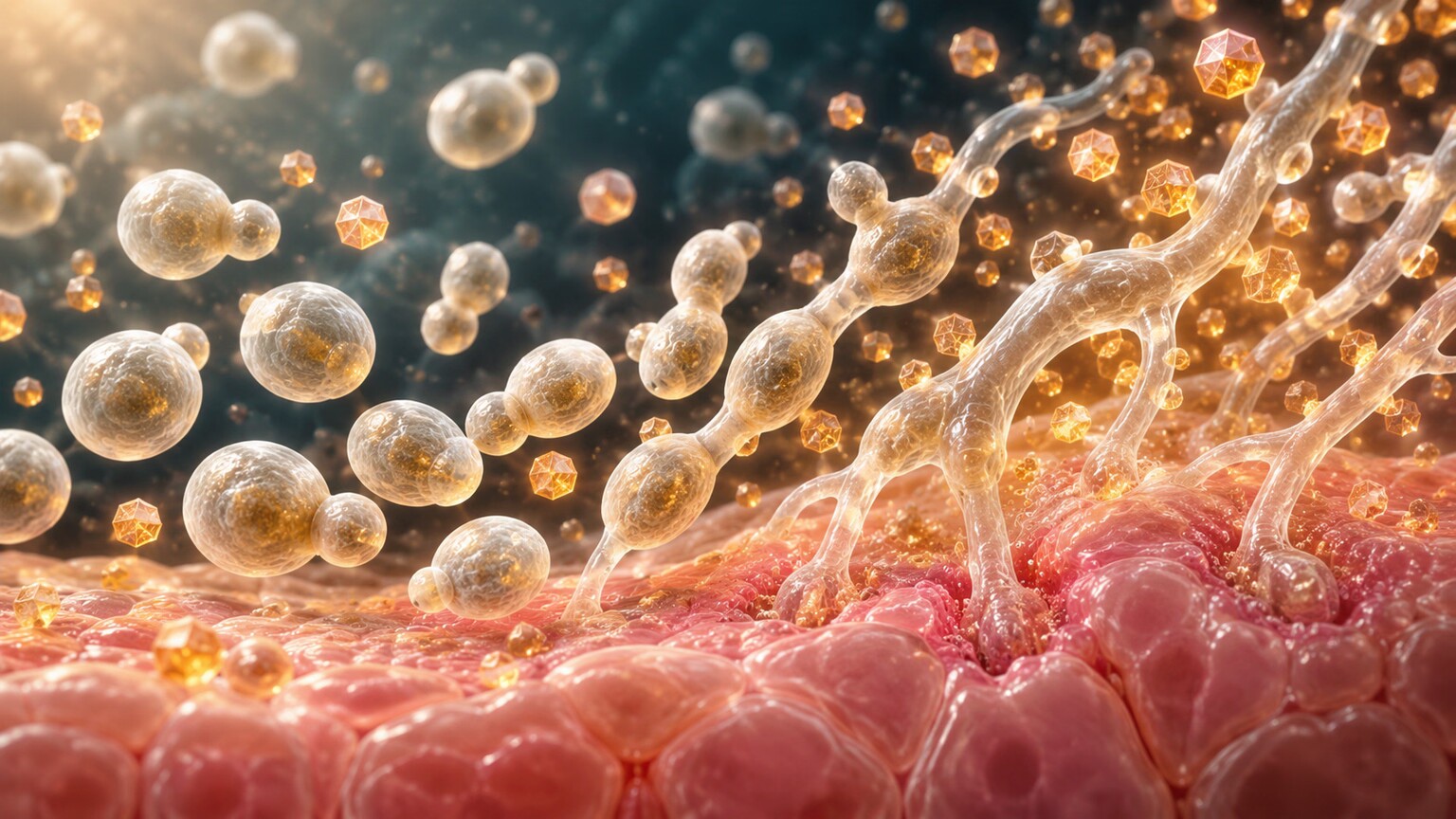
Figure 1. Candida species are sugar-fermenting organisms; in a glucose-rich tissue environment they multiply faster and switch from a rounded yeast form into invasive, thread-like hyphae that penetrate tissue.
Why Sugar and Fungus Go Together — The Basic Biology
To understand the connection, it helps to start with what a fungus actually is at the cellular level. The fungi that cause the everyday infections people with diabetes deal with — mostly a yeast called Candida, plus the skin-and-nail fungi collectively called dermatophytes — are living cells that get their energy the same fundamental way your own cells do: by breaking down sugar. Glucose, the specific sugar that circulates in your blood, is the preferred fuel for nearly every one of these organisms. When glucose is abundant, they grow faster, divide more often, and build more of the structures they use to stick to and invade tissue. When glucose is scarce, they slow down, stay dormant, or get outcompeted by the ordinary bacteria that share the same real estate on your body. This isn't a quirk of one species — it's close to a universal rule across the fungal kingdom, which is part of why "keep the sugar down" turns out to be one of the most effective antifungal strategies there is, even though it isn't a drug.
In a person without diabetes, blood sugar is held in a fairly narrow band — roughly 70 to 140 milligrams per deciliter (a unit that just means how many milligrams of glucose are dissolved in each tenth of a liter of blood) across the normal ups and downs of eating and fasting. The tissues throughout the body, including the skin and the moist linings of the mouth, gut, and genitals, are bathed in fluid that reflects that blood level. So even the fungi that do live on a healthy person — and Candida lives on most healthy people, in small, harmless numbers — are working with a limited, tightly rationed sugar supply. They persist, but they don't take over.
In poorly controlled diabetes, that band is broken. Blood sugar can sit at 200, 300, or higher for hours at a time, day after day. Every tissue exposed to that blood — and every drop of the fluids those tissues produce — carries a proportionally higher glucose load. From the fungus's point of view, the environment has gone from a rationed food supply to an open buffet. And crucially, this is a chronic change, not a one-time spike: the elevated sugar is there week after week, month after month, giving a fungal population time to grow, establish itself, form the dense communities called biofilms that resist both the immune system and antifungal drugs, and dig into tissue in a way a brief exposure never would.
There's a second, subtler biochemical effect worth knowing. Research on Candida specifically has shown that high glucose doesn't just feed the organism — it changes its behavior. In a sugar-rich environment, Candida switches on genes that build adhesins, the molecular "grippers" it uses to latch onto human cells, and it's more likely to transition from its round, relatively harmless yeast form into the invasive, thread-like filament form called a hypha that actively burrows into tissue. So high sugar makes the organism not only more numerous but more aggressive — better at sticking, better at invading, and better at forming the protected communities that make an infection hard to fully clear. That behavioral shift is a big part of why the infections in diabetes tend to be more stubborn and more likely to come back than the same infection in someone with normal blood sugar.
Glucose in Places It Shouldn't Be: Skin, Sweat, and Urine
The clearest way high blood sugar drives fungal infection is by putting glucose directly onto the body surfaces where fungi live. This happens through three main routes, and each one maps to a specific type of recurrent infection.
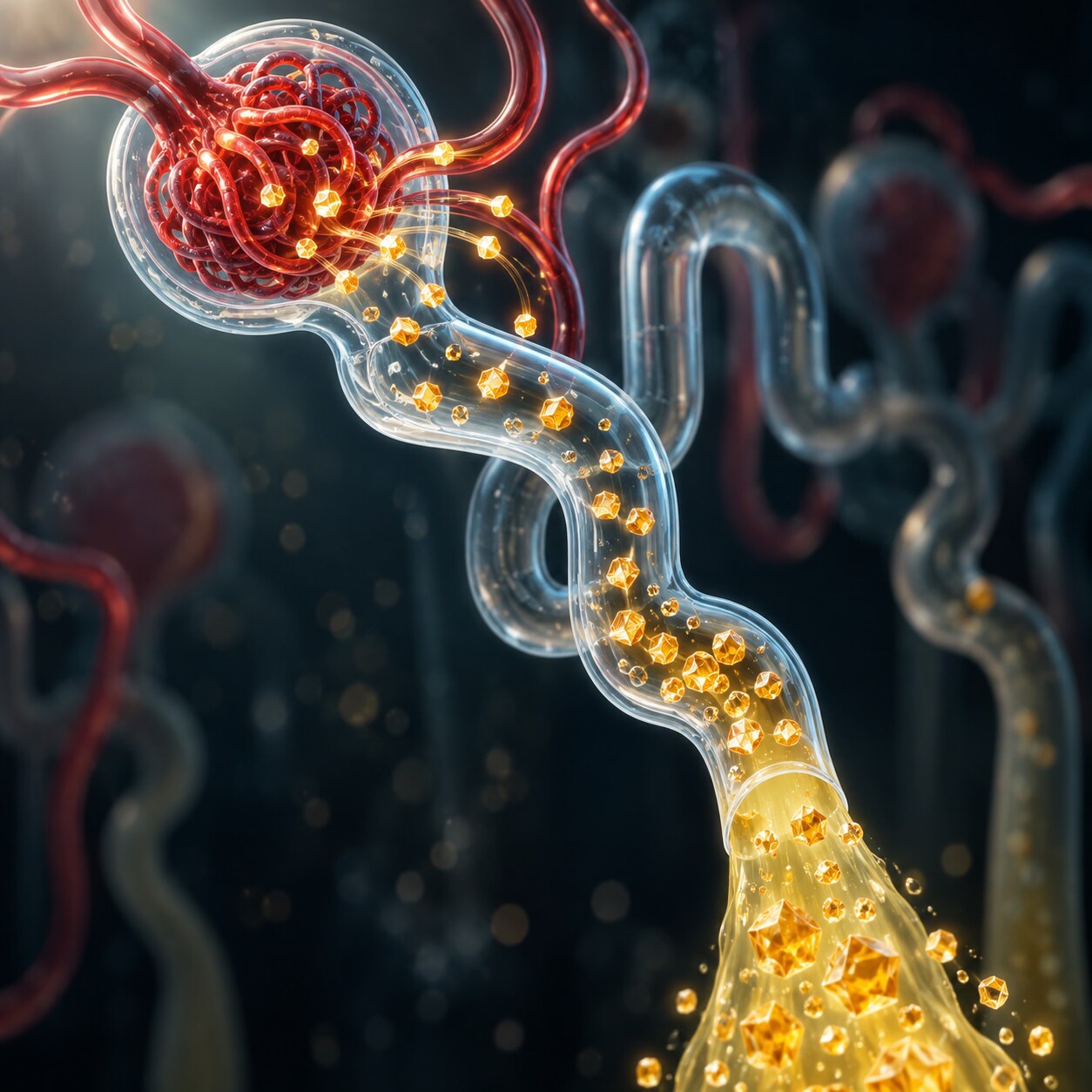
Figure 2. When blood glucose exceeds roughly 180 mg/dL, the kidney's reabsorption capacity is overwhelmed and glucose passes into the urine — a condition called glycosuria that turns the urinary and genital tract into a sugar-rich environment.
Glucose in the urine (glycosuria). Your kidneys filter your entire blood volume many times a day, and glucose is one of the substances that passes through the filter and then gets actively pulled back into the blood so none is wasted. But this reabsorption system has a ceiling. Once blood glucose climbs above roughly 180 milligrams per deciliter — a threshold called the renal threshold for glucose — the reabsorption machinery is saturated and can't keep up, so the excess glucose stays in the urine and leaves the body that way. That urine then passes through, and pools briefly in, the urethra and the genital area. For someone with poorly controlled diabetes, that means the entire lower urinary and genital tract is repeatedly rinsed with sugar-water, several times a day. Candida thrives in exactly that setting, which is why recurrent vaginal yeast infections in women, and yeast infections of the head of the penis (a condition called balanitis) in men, are among the most common signals of undiagnosed or poorly controlled diabetes. The connection is direct enough that a first-ever yeast infection in an older adult, or a yeast infection that keeps coming back despite correct treatment, is a recognized reason for a doctor to check blood sugar.
Glucose in sweat and on the skin. The skin isn't a passive barrier — it's covered in a thin film of moisture, oil, and dissolved substances, and in diabetes that film carries more glucose than normal, both from sweat and from the fluid that seeps between skin cells. Fungi that live on skin, especially in the warm, damp folds where skin touches skin — under the breasts, in the groin, between the buttocks, in the web spaces between the toes, under a hanging abdominal fold — get a richer food supply there. This is why intertrigo, a red, sometimes raw fungal rash in the skin folds, is so common in diabetes, and why athlete's foot between the toes is both more frequent and harder to clear. The skin folds are also warmer and more humid than open skin, so the sugar arrives in an environment that already favors fungal growth; diabetes just adds fuel to a fire that was already easy to light there.
Glucose in the tissue itself. Even below the surface, the living tissue of someone with chronic high blood sugar is glucose-enriched. This matters most for infections that get past the outer layer — a fungal nail infection where the organism is living in and under the nail plate, feeding partly on the nail's keratin but also on the glucose-rich tissue of the nail bed underneath, or a skin infection that has moved from the surface into the deeper layers. The organism in those locations isn't just sitting in sugary sweat; it's surrounded by sugar-rich tissue fluid on all sides, which sustains it through treatment attempts that would starve it out in a person with normal blood sugar.
Not sure whether your glucose, A1c, or urinalysis results actually explain the infections you keep getting? Upload your results and get a complete, plain-language breakdown in under 15 minutes.
Analyze My ResultsHow High Blood Sugar Weakens the Cells That Normally Keep Fungi in Check
Feeding the fungus is only half of the story. The other half is that chronically elevated glucose measurably impairs the specific part of your immune system that patrols body surfaces for fungi — mainly a type of white blood cell called the neutrophil.

Figure 3. Chronic hyperglycemia impairs neutrophil chemotaxis, phagocytosis, and the oxidative burst — the three steps by which these cells locate, engulf, and kill fungal invaders.
Neutrophils are the immune system's first responders. When a fungus starts to grow somewhere it shouldn't, chemical distress signals go out, and neutrophils are supposed to crawl toward the source (a process called chemotaxis), engulf the fungal cells (phagocytosis), and then destroy them internally with a burst of reactive oxygen — essentially a controlled chemical explosion inside the cell, called the oxidative burst or respiratory burst. In someone with well-controlled blood sugar, this system handles the small fungal populations that constantly test the body's surfaces without the person ever noticing.
Chronic high glucose degrades every one of those steps. Neutrophils from people with poorly controlled diabetes move more slowly toward chemical signals, engulf fewer organisms, and generate a weaker oxidative burst when they do. The reasons are biochemical: excess glucose leads to the formation of sticky glucose-protein complexes called advanced glycation end products (AGEs) that interfere with cell function; it shifts the cell's internal chemistry in ways that blunt its signaling; and it can lower the calcium signaling that neutrophils rely on to activate. There's also evidence that high glucose impairs a specific antifungal weapon called the neutrophil extracellular trap — a web of DNA and antimicrobial proteins that neutrophils fling out to snare and kill fungal filaments they're too small to swallow. Add it up and the local defense that's supposed to catch a fungal infection while it's still microscopic is operating at a fraction of its normal capacity.
This immune effect is dose-dependent and reversible in a way that matters for daily life. Studies looking at neutrophil function against blood glucose levels generally find the impairment becomes meaningful once blood sugar is chronically running above about 200 milligrams per deciliter, and that bringing glucose back toward normal restores much of the lost function within days to weeks. That's the biological basis for a piece of advice that sounds almost too simple: the single most powerful thing most people with diabetes can do to stop recurrent fungal infections is to get their average blood sugar down and keep it there, because doing so simultaneously starves the organism and rearms the cells that fight it.
It's worth being precise about what this does and doesn't mean. Diabetes does not "destroy" the immune system the way advanced HIV or chemotherapy does — someone with diabetes is not at high risk for the rare, life-threatening fungal infections of the lungs or bloodstream that define true immune collapse, at least not from the diabetes alone. What diabetes does is produce a localized, partial weakening, concentrated exactly at the skin and mucous surfaces, and paired with a richer food supply at those same surfaces. That specific combination is why the pattern in diabetes is recurrent surface infections — thrush, vaginal yeast, jock itch, athlete's foot, fungal nails — rather than the deep, invasive infections seen in profound immune suppression.
The Most Common Pattern: Recurrent Yeast Infections
For many people, the first noticeable sign that diabetes and fungal infection are linked is a yeast infection that keeps coming back. In women, this usually means recurrent vulvovaginal candidiasis — the itching, burning, and thick discharge of a vaginal yeast infection — defined as "recurrent" when it happens four or more times in a year. In men, the equivalent is recurrent candidal balanitis, redness, itching, and sometimes a shiny or peeling appearance of the glans, often worse after sex or after urinating. Both are overwhelmingly caused by Candida, and both are strongly associated with elevated blood sugar and, especially, with glucose in the urine.

Figure 4. Four or more yeast infections in a year is the clinical definition of recurrent vulvovaginal candidiasis, and it is a recognized reason to screen for previously undiagnosed diabetes.
The recurrence pattern in diabetes is distinctive. A yeast infection in someone with normal blood sugar is usually a one-off — some trigger (a course of antibiotics, a hormonal shift, a stretch of tight synthetic clothing in hot weather) tips the local balance, Candida overgrows, treatment clears it, and it doesn't return because the underlying environment has gone back to normal. In poorly controlled diabetes, the treatment still works on the visible infection, but the environment that produced it — sugar in the urine, sugar in the tissue, blunted local immunity — is unchanged the day treatment ends. So the surviving Candida, including any that rode out the treatment inside a biofilm, simply regrows. The person experiences this as an antifungal that "stopped working" or an infection that's "resistant," when what's actually happening is that the medication is doing its job on the organism but nothing has changed about why the organism had the advantage in the first place.
There's an important practical consequence. When recurrent yeast infections are driven by diabetes, the durable fix is glucose control, not a stronger or longer antifungal. Studies of recurrent vulvovaginal candidiasis consistently show that in people with diabetes, improving glycemic control — bringing the HbA1c down, eliminating glycosuria — reduces recurrence far more reliably than escalating antifungal therapy does. This is also why a doctor seeing a patient with stubbornly recurrent thrush or vaginal yeast will often order a blood sugar test or an HbA1c even if the patient came in only about the infection: the infection is frequently the messenger, and the message is about metabolism.
Oral thrush — creamy white patches on the tongue and inner cheeks that leave a raw surface when scraped off — follows the same logic. It's less common than genital yeast infection in otherwise healthy adults with diabetes, but it climbs sharply when blood sugar is very poorly controlled, when someone also wears dentures (which trap a warm, moist, sugar-exposed surface against the gum), or when a dry mouth from diabetes-related nerve or salivary changes removes the natural rinsing and antifungal action of saliva. Recurrent oral thrush in an adult who isn't on inhaled steroids and doesn't have another obvious cause is, again, a recognized prompt to check for diabetes.
Skin and Nail Fungus in Diabetes — And Why It's More Than Cosmetic
Beyond yeast, the other major category is infection by dermatophytes — the group of fungi that specialize in living on keratin, the tough protein that makes up the outer skin, hair, and nails. These are the organisms behind athlete's foot (tinea pedis), jock itch (tinea cruris), ringworm on the body (tinea corporis), and fungal nail infection (onychomycosis). All of them are more common, more extensive, and more persistent in diabetes.

Figure 5. In diabetes, a fungal toenail is a portal for bacterial infection: the cracked skin and lifted nail edge let bacteria into tissue that heals slowly because of reduced circulation and nerve sensation.
The reasons overlap with everything above — more surface glucose, weaker local immunity — but diabetes adds two factors that specifically worsen foot fungus. The first is peripheral neuropathy, the nerve damage that develops over years of high blood sugar and reduces sensation in the feet. Someone who can't fully feel their feet is less likely to notice the early itch, cracking, or scaling of athlete's foot, so the infection is often well established by the time it's found. The second is peripheral arterial disease, the narrowing of the blood vessels that supply the legs and feet, also driven by long-term high blood sugar. Reduced blood flow means fewer immune cells reaching the skin of the feet, slower delivery of any oral antifungal medication to the nail bed, and slower healing of the small breaks in the skin that fungal infection causes.
This is where fungal foot infection in diabetes stops being cosmetic. Athlete's foot creates tiny fissures in the skin between and under the toes. A fungal toenail lifts and thickens the nail, creating a gap and often a sharp edge that abrades the neighboring toe. Both of those are entry points for bacteria. In a person with normal circulation and sensation, a little bacteria getting into the skin of the foot is handled quietly. In a person with diabetes, reduced blood flow and blunted immunity mean that bacterial entry can progress to cellulitis (a spreading skin infection), a foot ulcer, or a deeper infection that becomes limb-threatening. This is precisely why diabetic foot care guidelines put so much emphasis on treating even "minor" fungal infections of the feet and on daily visual foot checks — the fungus itself rarely does the serious damage, but it reliably opens the door for something that can.
Fungal nail infection in diabetes is also genuinely hard to cure, and it's worth understanding why so expectations are realistic. The organism lives in and under the nail plate, a structure with essentially no blood supply of its own; oral antifungal drugs reach it slowly, by diffusing from the nail bed and incorporating into new nail as it grows. In diabetes, the nail often grows more slowly and the blood supply to the nail bed is reduced, so both the drug delivery and the "grow out the infected nail" process are impaired. Cure rates for fungal toenails are modest even in healthy people and lower in diabetes, which is why the practical goal is often control — keeping the infection from spreading, keeping the skin intact, preventing it from becoming an entry wound — rather than a perfectly clear nail.
SGLT2 Inhibitors — A Modern Piece of the Puzzle
There's a category of diabetes medication that deserves its own section here, because it creates the fungal-infection risk deliberately, as a side effect of how it works. SGLT2 inhibitors — drugs with names ending in "-flozin," such as empagliflozin, dapagliflozin, and canagliflozin — lower blood sugar by blocking the kidney's glucose-reabsorption machinery on purpose. Instead of pulling filtered glucose back into the blood, the kidney is forced to let a large amount of it leave in the urine. This is an effective way to lower blood sugar and has real benefits for the heart and kidneys, which is why these drugs are now widely prescribed. But the mechanism means that anyone taking one has glycosuria — glucose in the urine — by design, all the time, even when their blood sugar is well controlled.
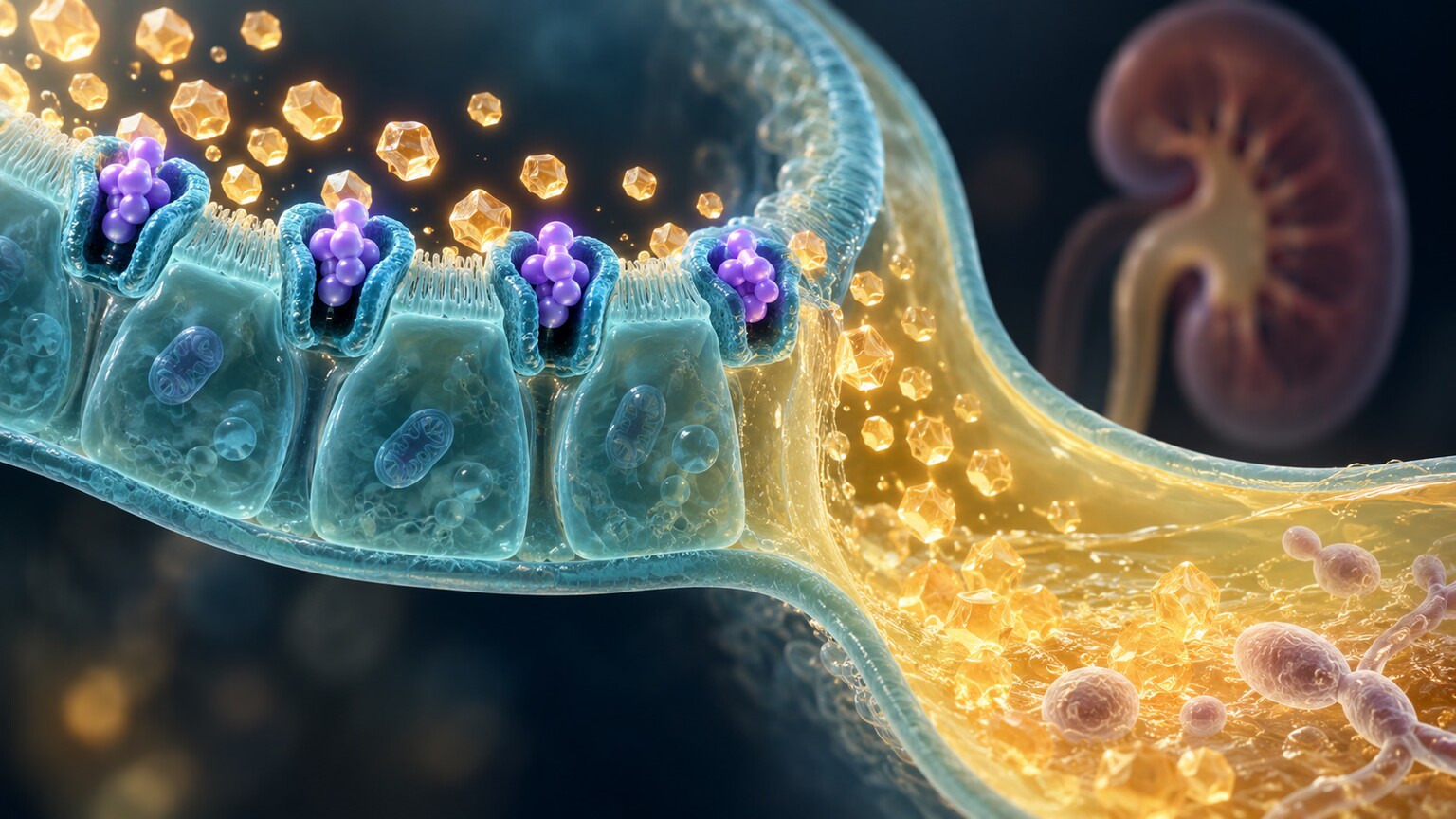
Figure 6. SGLT2 inhibitors lower blood sugar by forcing the kidney to excrete glucose in the urine; this deliberate glycosuria roughly triples the rate of genital yeast infections, especially in the first months of treatment.
The predictable consequence is a well-documented increase in genital yeast infections. Across the large clinical trials of these drugs, genital mycotic infection — vaginal yeast infection in women, candidal balanitis in men — occurs roughly three to four times as often in people taking an SGLT2 inhibitor as in those taking a placebo or a different diabetes drug. The risk is highest in the first few months of treatment, higher in women than in men, higher in people who are uncircumcised, and higher in anyone who has had genital yeast infections before. Urinary tract infections, some of which are fungal, are also modestly more common.
This matters for interpreting a recurrent-infection pattern. If someone with diabetes started getting yeast infections around the same time they started a "-flozin" drug, the medication is very likely the direct cause, and the fix isn't necessarily better blood sugar control — their sugar may already be fine — but rather targeted prevention (careful genital hygiene, prompt treatment of the first symptoms, sometimes a short course of preventive antifungal in the first months) or, if the infections are frequent and severe enough, a conversation with the prescribing doctor about whether a different class of diabetes medication would serve them better. The important point is that the connection between diabetes and fungal infection here runs through the treatment, not just the disease, and that distinction changes what to do about it.
The Rare but Serious End: Mucormycosis and Diabetic Ketoacidosis
Almost everything in this article is about common, treatable, surface-level infections. But there's one uncommon, dangerous fungal infection with such a strong and specific link to diabetes that it's worth knowing exists: mucormycosis, sometimes called by its older name "zygomycosis." It's caused by a group of molds found in soil and decaying organic matter, and in most healthy people, breathing in their spores does nothing. In a person with severely uncontrolled diabetes — particularly one in a state called diabetic ketoacidosis, or DKA, where a lack of insulin has forced the body to burn fat for fuel and flooded the blood with acidic ketones — those spores can establish an aggressive, fast-spreading infection, most often starting in the sinuses and spreading toward the eye and brain (rhino-orbital-cerebral mucormycosis).

Figure 7. In diabetic ketoacidosis, acidity releases iron from its carrier proteins, and Mucorales fungi use a specialized uptake system to scavenge that free iron for growth while invading blood-vessel walls.
The reason this specific fungus and this specific state of diabetes go together is a beautiful, grim piece of biochemistry. Mucorales molds need iron to grow, and normally the body keeps its iron locked tightly to carrier proteins where fungi can't reach it. The acidic environment of ketoacidosis loosens that binding, releasing free iron into the blood. On top of that, high glucose and acidity together impair the specific immune cells that would otherwise contain these molds, and the acidosis also seems to switch on a fungal iron-uptake system that lets the organism scavenge the newly available iron efficiently. High sugar to feed general growth, free iron to feed this fungus specifically, and suppressed immunity to remove the resistance — DKA assembles all three at once.
Mucormycosis is genuinely rare, and it is not something a person with reasonably controlled diabetes needs to worry about day to day. It's included here for one practical reason: the warning signs deserve to be known. New one-sided facial pain or swelling, a black or discolored area on the roof of the mouth or inside the nose, sudden vision changes, or a dark nasal discharge — especially during or shortly after an episode of very high blood sugar or DKA — are a medical emergency, not something to watch for a few days. Caught early, mucormycosis is treatable; caught late, it is often not. Knowing it exists, and knowing it's specifically a disease of badly uncontrolled diabetes, is another concrete reason the routine goal of keeping blood sugar in range matters.
Which Lab Tests Connect the Two — and What "Recurrent" Actually Signals
If you're trying to understand your own situation from your lab results, a handful of specific numbers tie diabetes and fungal infection together, and it's worth knowing what each one is actually telling you.
Fasting glucose and random glucose. These measure the sugar in your blood at a single moment — fasting means after roughly eight hours without eating, random means any time. A fasting glucose of 126 milligrams per deciliter or higher on two occasions, or a random glucose of 200 or higher with symptoms, meets the diagnostic threshold for diabetes. For the fungal connection specifically, what matters is that values consistently above roughly 180 mean you're likely spilling glucose into your urine, and values consistently above roughly 200 mean your neutrophils are probably underperforming. A single high reading doesn't establish either, but a pattern of them explains a pattern of infections.
HbA1c (glycated hemoglobin). This test measures the percentage of your hemoglobin — the oxygen-carrying protein in red blood cells — that has glucose permanently stuck to it. Because red blood cells live about three months, HbA1c reflects your average blood sugar over roughly the past 8 to 12 weeks, not just today. It's the single best number for the fungal question, because recurrent infection is a chronic-exposure problem, and HbA1c is the chronic-exposure measurement. An HbA1c of 6.5% or higher is diagnostic for diabetes; for someone already diagnosed, an HbA1c that's drifted up into the 8s or 9s is a strong predictor of recurrent yeast and skin infections, and bringing it back toward 7 or below is the intervention most likely to stop them.
Urine glucose (on a urinalysis). A standard urinalysis includes a dipstick pad that changes color if glucose is present. In a person not on an SGLT2 inhibitor, any glucose in the urine means blood sugar has recently been above the renal threshold — it's direct evidence of the exact mechanism driving recurrent genital and urinary yeast infection. In a person on an SGLT2 inhibitor, glucose in the urine is expected and doesn't carry the same meaning, which is one reason it's important for the lab and the doctor to know what medications you're taking when interpreting the result.
The fungal culture or KOH prep itself. These tests confirm that what you have is fungal and identify the species. That matters for the diabetes connection in a specific way: recurrent infection with the same species over time points toward an unchanged underlying environment (your blood sugar), while infection with an unusual or drug-resistant species might point toward something else, such as repeated antifungal exposure selecting for resistance. If your cultures keep growing ordinary Candida albicans and the infections keep returning, the problem is almost certainly the environment, not the organism.
The word "recurrent" is doing a lot of work in all of this. A single fungal infection is common and usually means little about your metabolism. The same infection returning three or four times a year, or never fully clearing despite correct treatment, is the pattern that specifically implicates diabetes — because recurrence is what you get when the treatment works on the organism but the environment that favored it is still there. If your infections are recurrent and your blood sugar hasn't been checked recently, that combination is the single clearest reason to have it tested.
When a Fungal Infection Is the First Clue of Undiagnosed Diabetes
It's worth stating plainly, because it surprises people: for a meaningful number of adults, a recurrent fungal infection is how their diabetes gets found. Type 2 diabetes develops gradually and often silently — blood sugar can be elevated for years before the classic symptoms (excessive thirst, frequent urination, unexplained weight loss, fatigue) become obvious enough to prompt testing. But the fungal consequences of that elevated sugar can show up earlier, because Candida responds to glycosuria long before a person notices they're drinking and urinating more than usual.
The scenarios where this happens are fairly consistent. A woman in her 50s who has never had a yeast infection in her life suddenly gets three in six months. A man develops recurrent balanitis and, on questioning, mentions he's also been unusually thirsty. Someone's athlete's foot, previously a mild seasonal nuisance, becomes a year-round problem that spreads to the nails. A person keeps getting angular cheilitis — cracked, sore corners of the mouth, often fungal — that won't stay healed. In each case, the fungal infection is a visible symptom of an invisible metabolic change, and a blood sugar test ordered because of the infection ends up being the test that makes the diagnosis. This is a good outcome, not a bad one: catching diabetes through a yeast infection means catching it years earlier than a person might have otherwise, when the damage to nerves, kidneys, eyes, and blood vessels is still preventable.
If you're reading this because you have recurrent fungal infections and you haven't had your blood sugar checked in the last year or so, that's the practical takeaway. Ask for a fasting glucose and an HbA1c. It's a routine, inexpensive blood test, and if the infections really are being driven by elevated sugar, that test is the first step toward actually fixing them rather than treating each one as it comes.
What Actually Breaks the Cycle
Pulling the mechanisms together points to what actually works, and it's a short list. The centerpiece is glycemic control: getting average blood sugar down, keeping the HbA1c in the target range your doctor sets (usually around 7% or below for most adults), and eliminating the day-to-day spikes that push glucose above the renal threshold and into the urine. Everything else is secondary to this, because glycemic control is the one intervention that addresses both halves of the problem at once — it removes the fungus's extra food supply and it restores neutrophil function.
Around that centerpiece, a few targeted measures help. Treating each infection fully and correctly the first time — completing the entire course of antifungal, not stopping when symptoms fade — reduces the reservoir of organisms that regrow. Keeping the skin folds, feet, and groin clean and as dry as possible removes the moisture fungi need; this means drying thoroughly after bathing, changing out of damp clothing promptly, wearing moisture-wicking socks and breathable footwear, and treating excessive sweating if it's a problem. For people on SGLT2 inhibitors, prompt attention to the first symptoms of a genital infection, careful hygiene, and a discussion with the prescriber about preventive options can make the difference between a manageable side effect and a reason to stop an otherwise beneficial drug. For fungal nails, realistic goals and consistent low-level management — keeping nails trimmed and thinned, treating the surrounding skin, watching for any break in the skin — matter more than chasing a complete cure.
And for anyone whose infections keep returning despite doing these things, the answer is usually to look harder at the glucose control rather than to escalate the antifungal. A recurrent fungal infection in diabetes that isn't responding to standard treatment is, far more often than not, a sign that the blood sugar is still running higher than it should be — which is frustrating to hear, but also genuinely hopeful, because it means the fix is something you and your care team can actually work on, not a stubborn organism you're stuck with.
Frequently Asked Questions
Can prediabetes cause recurrent fungal infections, or does it take full diabetes?
Prediabetes — blood sugar elevated but below the diabetes threshold — can contribute, though usually less dramatically. The fungal-feeding and immune effects scale with how high and how sustained the blood sugar is, so someone with prediabetes whose sugar frequently spikes into the 180s after meals may spill enough glucose into the urine to encourage yeast infections, while someone with only mildly elevated fasting numbers may not. Recurrent infections are a reasonable reason to have prediabetes evaluated and addressed rather than just monitored.
If I get my blood sugar under control, will my recurring infections actually stop?
For infections genuinely driven by high blood sugar, yes — often within a few months. Restoring normal glucose removes the fungus's extra food supply and lets neutrophil function recover, both of which reduce recurrence. Fungal nail infections are the exception: an established nail infection often needs its own treatment even after blood sugar improves, because the organism is entrenched in a structure with little blood supply. But new infections and skin/genital recurrences typically drop off substantially once the HbA1c is back in range.
Does eating sugar directly feed a yeast infection?
Not in the direct way the phrasing suggests. Dietary sugar matters only to the extent that it raises your blood sugar; the fungus is feeding on the glucose in your blood, tissue, and urine, not on sugar sitting in your gut. In someone without diabetes whose body keeps blood sugar in a normal range regardless of diet, a sugary meal doesn't meaningfully change the glucose available to a genital or skin yeast infection. In someone with diabetes, reducing sugar and refined carbohydrate intake helps mainly because it helps control blood glucose overall.
I started a "-flozin" diabetes drug and now I keep getting yeast infections. What should I do?
This is a known, expected effect of SGLT2 inhibitors — they cause glucose in the urine by design, which encourages genital yeast. Talk to your prescriber. Options range from prompt treatment and preventive hygiene measures, to a short preventive antifungal course during the highest-risk early months, to switching to a different class of diabetes medication if the infections are frequent or severe. Do not stop the medication on your own, especially if it was prescribed for heart or kidney protection, but do raise it as a real problem worth solving.
My doctor ordered a blood sugar test because of a yeast infection. Is that normal?
Yes, and it's good practice. Recurrent or first-onset genital yeast infection in an adult, recurrent oral thrush without another cause, and worsening or spreading skin and nail fungus are all recognized reasons to screen for undiagnosed or poorly controlled diabetes. The infection is often the earliest visible sign of elevated blood sugar, and catching diabetes this way means catching it early.
Conclusion
The connection between diabetes and recurrent fungal infections isn't mysterious and isn't primarily about a weakened immune system in the general sense. It's about sugar being in the wrong places at the wrong concentrations, chronically — in the blood, the tissue, the sweat, and especially the urine — where it acts as fuel for organisms that eat sugar for a living, while the same elevated glucose measurably slows down the neutrophils that are supposed to keep those organisms in check at exactly those surfaces. Better food plus weaker defense equals infections that don't just happen, but recur.
That framing points directly at what helps. Antifungal treatment clears the infection you can see, but it does nothing about the environment that produced it, which is why the infections come back. Glycemic control does address that environment — it's the one intervention that starves the fungus and rearms the immune cells simultaneously — and it's the reason a doctor treating stubbornly recurrent thrush, yeast, or foot fungus will so often want to check an HbA1c. If your infections keep returning and your blood sugar hasn't been looked at recently, that test is the most useful next step: not because the infections aren't real, but because for a great many people, they're the visible edge of something that's very much worth catching and worth fixing.
Still Not Sure What Your Results Mean?
Upload your labs and get a complete, visual, plain-language interpretation of every biomarker — delivered to your inbox in under 15 minutes.
Get My ReportThis article is for educational purposes only and does not constitute medical advice. Recurrent infections and abnormal blood sugar should be evaluated by a healthcare provider. If you develop sudden facial pain or swelling, vision changes, or a dark discoloration inside the nose or mouth — particularly during an episode of very high blood sugar — seek emergency care immediately. Always consult your healthcare provider regarding your specific lab results.