
What's the Link Between Immune Health and Fungal Infections?
Fungi are everywhere — in the soil outside, in the dust in your home, on your skin, and even inside your gut and mouth right now, quietly living there without causing any trouble. Most people breathe in mold spores or carry small colonies of yeast every single day and never get sick from it. The reason has almost nothing to do with luck and almost everything to do with your immune system, which spends its days constantly detecting, containing, and clearing fungal organisms before they can ever become an infection you'd notice. When a fungal infection does take hold — especially one that's severe, recurrent, or shows up somewhere the body doesn't usually tolerate it, like the bloodstream, lungs, or brain — it's often less a story about an unusually aggressive fungus and more a story about an immune system that, for one of several identifiable reasons, wasn't able to do its job. Understanding that link changes how you read a fungal diagnosis: not as bad luck, but as a signal worth paying attention to.
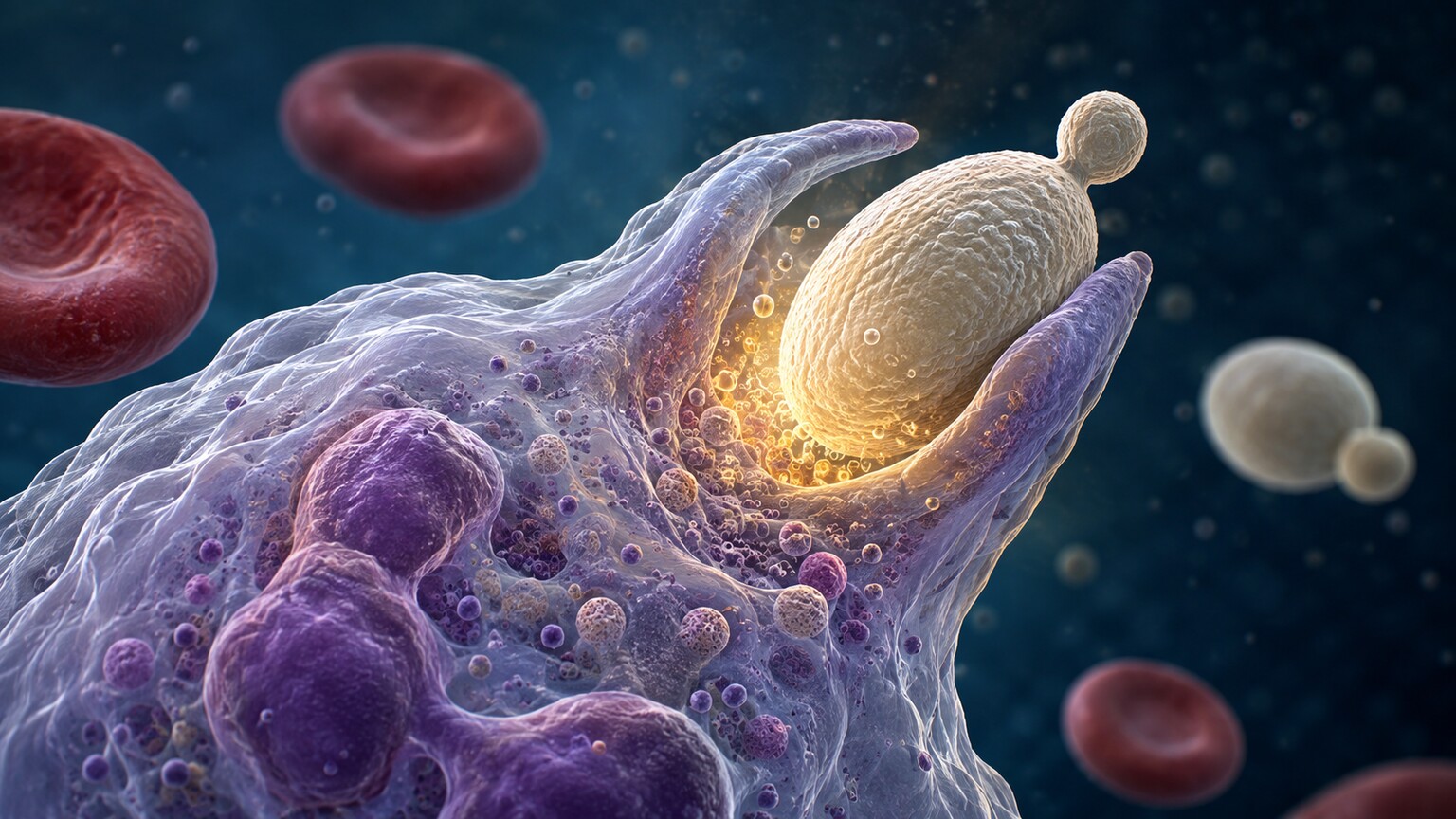
Figure 1. A neutrophil engulfing Candida albicans yeast cells, one of the immune system's first and fastest lines of defense against fungi.
Curious what your own lab results are really telling you? Upload them and get a complete, plain-language breakdown in under 15 minutes.
Analyze My ResultsWhy Your Immune System Is the Real Gatekeeper Against Fungi
Fungi occupy a strange middle ground in the world of infectious disease. Unlike bacteria, fungal cells are structurally much closer to human cells — both are "eukaryotic," meaning they package their genetic material inside a nucleus and share many of the same basic cellular machinery. That similarity is exactly why fungal infections are so hard to treat with drugs: it's difficult to find a target that kills a fungus without also harming the person carrying it, which is part of why there are far fewer antifungal drug classes than antibiotic classes. Because medicine has a limited toolkit against fungi once an infection is established, prevention becomes disproportionately important — and the body's own immune surveillance is, in practice, the primary reason serious fungal disease is uncommon in the general population. Every day, you inhale hundreds to thousands of mold spores, primarily a very common environmental fungus called Aspergillus, and your airway's immune defenses clear essentially all of them before they can germinate into anything resembling an infection. The same is true of the yeast Candida, which lives as a normal, harmless resident on your skin, in your mouth, and in your digestive tract for your entire life. It only becomes a problem when something changes the balance — either the fungus gets an opportunity it didn't have before, or the immune system that normally keeps it in its place stops doing so effectively.
The Body's Layered Defenses Against Fungi
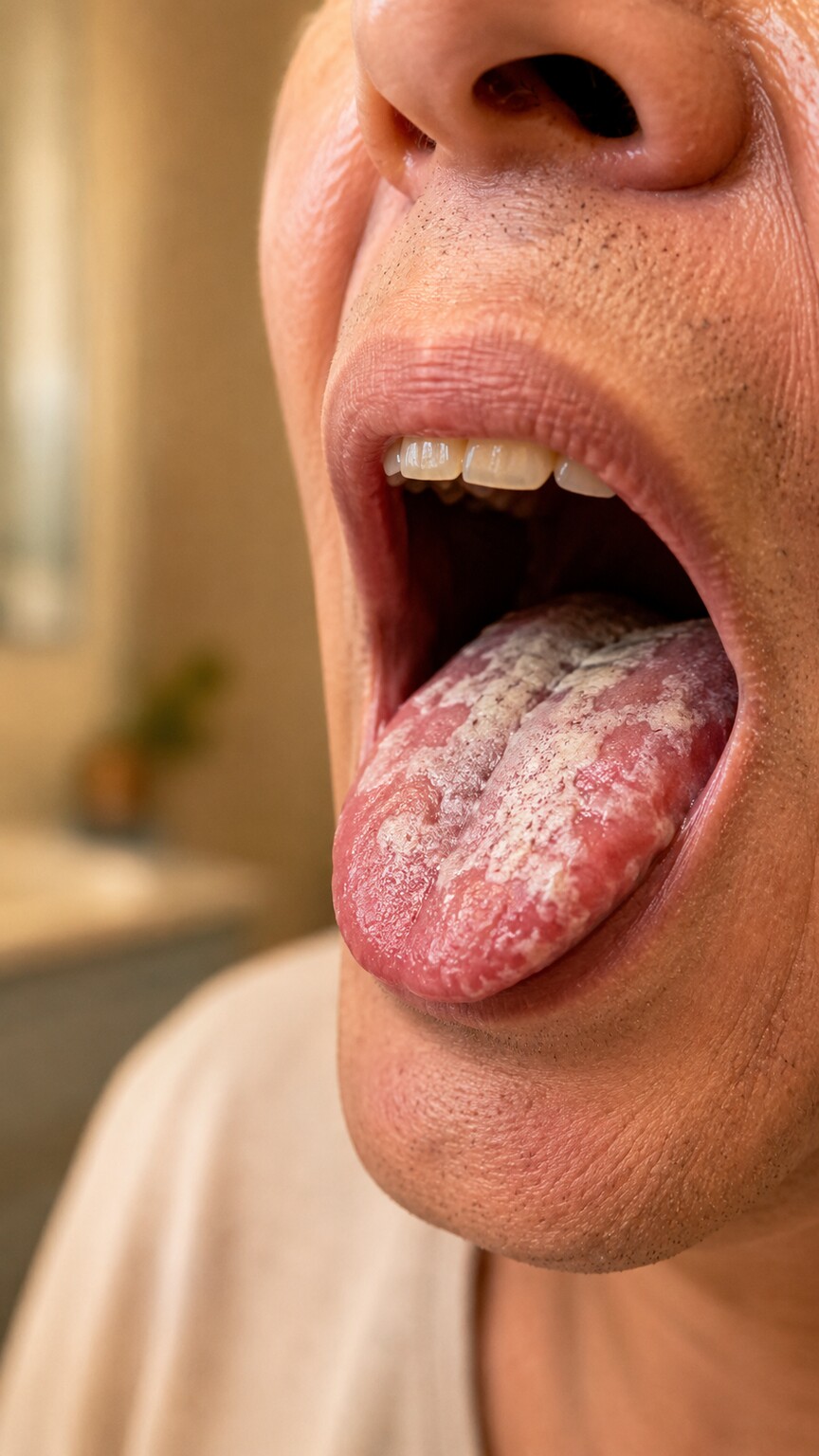
Figure 2. Oral thrush — visible Candida overgrowth on the tongue — often surfaces first when T-cell immunity or mucosal barriers weaken.
Your defense against fungi isn't a single mechanism; it's a layered system, and understanding the layers is the key to understanding why different kinds of immune weakness lead to different kinds of fungal infection. The first layer is purely physical: intact skin, and the mucus-coated linings of your mouth, airway, gut, and genital tract, form a barrier that fungi simply can't cross under normal conditions. Beneath that sits the innate immune system — fast-acting, non-specific defenders that respond within minutes to hours. Neutrophils, the most abundant white blood cell in your bloodstream, are the single most important of these for fungi; they swarm to a site of fungal invasion, engulf the organism, and release enzymes and reactive molecules that destroy it. Macrophages perform a similar job at a slower pace and are especially important in the lungs, where specialized macrophages patrol the air sacs looking for inhaled spores. Then there's the adaptive immune system — slower to activate but far more targeted, built around T cells that "learn" to recognize specific fungi and coordinate a more precise response. A particular subset called Th17 cells has turned out to be central to fungal immunity specifically; these T cells produce a signaling molecule called interleukin-17 that recruits neutrophils to mucosal surfaces and keeps Candida in check at the skin, mouth, and gut lining. People with rare genetic defects in the Th17 pathway develop a condition called chronic mucocutaneous candidiasis — persistent, hard-to-clear Candida infections of the skin, nails, and mouth — which is itself powerful evidence of exactly how much this one arm of immunity matters for containing this one type of fungus.
It's worth sitting with just how much day-to-day work these barriers do without you ever noticing. The mucus lining your airway isn't passive — it's constantly being swept upward by microscopic hair-like structures called cilia, carrying trapped spores and particles up toward your throat to be swallowed or coughed out, long before any spore has a chance to settle and germinate. Saliva contains antimicrobial proteins that actively suppress fungal growth in the mouth, which is part of why conditions that reduce saliva production — certain medications, radiation to the head and neck, or autoimmune conditions like Sjögren's syndrome — are independently associated with more frequent oral yeast overgrowth, even in people whose broader immune system is otherwise intact. The skin's outermost layer is also mildly acidic and relatively dry, both of which are inhospitable to most fungi, which is why fungal skin infections cluster so heavily in the body's naturally warmer, moister folds — between the toes, in the groin, under the breasts — where that dryness advantage is lost. None of these barrier mechanisms get much attention compared to neutrophils or T cells, but they're doing an enormous amount of quiet, continuous work, and when they're disrupted — by a dry mouth, by broken skin, by a breathing tube in an intensive care unit bypassing the airway's natural filtering — fungi that would otherwise never get a foothold suddenly have a direct route in.
What Happens When These Defenses Break Down
Because fungal defense depends on several distinct and somewhat independent systems — physical barriers, neutrophils, macrophages, and T-cell-driven responses — different kinds of immune compromise open the door to different kinds of fungal infection. This is one of the most clinically useful facts in all of infectious disease, because the specific fungus a person develops often points directly back to which part of their immune system is struggling. A collapse in neutrophil numbers, called neutropenia, is most strongly linked to invasive mold infections, particularly Aspergillus, because neutrophils are the primary cells that stop inhaled spores from germinating in the first place. A collapse in T-cell function — most classically seen in advanced, untreated HIV infection — is most strongly linked to Candida overgrowth at mucosal surfaces and to Cryptococcus, a yeast that specifically preys on weakened T-cell surveillance to spread to the brain. High-dose corticosteroids, taken for conditions ranging from autoimmune disease to organ transplant rejection prevention, blunt both neutrophil function and T-cell activity simultaneously, which is why long-term steroid use shows up again and again as a risk factor across nearly every serious fungal infection in the medical literature. And chronic conditions like poorly controlled diabetes impair neutrophil function more subtly — the excess glucose actually interferes with how effectively these cells can move toward and kill invading organisms — which is part of why diabetes so consistently appears as a risk factor for both minor and serious fungal disease alike.
Beyond Neutropenia, HIV, and Steroids — Other Immune Risk Factors Worth Knowing
Neutropenia, advanced HIV, and high-dose corticosteroids get most of the attention because they're the clearest, most dramatic examples of the immune-fungal link, but they're far from the only ones. Newer classes of medication called biologics — drugs like anti-TNF therapies used for rheumatoid arthritis, Crohn's disease, and psoriasis — work by blocking a specific inflammatory signal, and in doing so, they can also blunt the immune response that normally contains certain fungi, including some regional fungi that are otherwise held in check without anyone noticing. Malnutrition, particularly low protein intake, undermines the body's ability to manufacture new immune cells and antibodies at the rate an active infection demands, which is one reason fungal infections can be more frequent and more severe in people with malnutrition, whether from chronic illness, eating disorders, or limited access to adequate food. Age matters too, in both directions: newborns, especially those born prematurely, have an immune system that hasn't yet fully matured, making them more susceptible to invasive Candida; and older adults experience a gradual, well-documented decline in immune function called immunosenescence, in which T-cell responses become slower and less robust even without any specific diagnosed illness, contributing to the higher rates of fungal skin and nail infections seen with advancing age. Pregnancy also shifts the immune system in ways that favor tolerating the fetus, which incidentally makes vaginal yeast infections more common during pregnancy than at almost any other time in a person's life. None of these factors are as dramatic as a neutrophil count near zero, but together they explain a large share of the fungal infections that don't fit neatly into the "severely immunocompromised" category, yet still trace back to some genuine, identifiable dip in immune capacity.
Candida — The Opportunist Already Living On and In You

Figure 3. Chemotherapy frequently drives neutrophil counts down temporarily, opening a window during which fungal organisms that are normally contained can invade.
Candida deserves special attention because it is, by a wide margin, the fungus most people will actually encounter in some form during their lifetime — and because its behavior maps almost perfectly onto the state of a person's immune system at any given moment. In someone with normal immunity, Candida albicans and related species live quietly as part of the normal microbial community in the mouth, gut, and vagina, kept in balance by competing bacteria, an intact mucosal barrier, and a low-grade but constant surveillance from Th17-driven immunity. A short course of antibiotics can temporarily disturb that balance by wiping out the competing bacteria, which is why a vaginal yeast infection so commonly follows antibiotic treatment even in someone with an entirely normal immune system — this is a case where the fungus gets an opportunity through a disrupted microbial neighborhood rather than through immune failure itself. But when T-cell immunity is meaningfully suppressed — through advanced HIV, high-dose steroids, chemotherapy, or immunosuppressant drugs used after organ transplants — Candida can move beyond its usual boundaries. Oral thrush, the white, slightly raised patches that coat the tongue and inner cheeks, is one of the clearest visible signs of this shift and is common enough in untreated HIV that it's considered a classic warning sign prompting HIV testing when it appears in someone without an obvious other explanation. In the most severe cases, when neutrophils are also depleted — such as during chemotherapy-induced neutropenia — Candida can cross from the gut lining directly into the bloodstream, causing invasive candidiasis, a genuinely dangerous, potentially life-threatening infection that requires immediate antifungal treatment and is watched for closely in hospitalized patients with low blood counts.
The Gut Microbiome's Quiet Role in Keeping Candida in Check
One layer of Candida control that rarely makes it into everyday conversation is the sheer competitive pressure of the trillions of bacteria that share the same real estate. In the gut, on the skin, and in the vagina, Candida exists alongside a dense community of bacterial species that compete with it for nutrients and physical space, and that community also helps train and calibrate the local immune response. Broad-spectrum antibiotics, prescribed for a bacterial infection somewhere else in the body entirely, don't distinguish between the bacteria causing that infection and the beneficial bacteria keeping Candida in check — wiping out large portions of that competing population can let Candida expand into the space that opens up, which is the mechanism behind the well-known link between a course of antibiotics and a subsequent yeast infection. This is a genuinely different pathway from T-cell or neutrophil dysfunction: the immune system in this scenario may be working perfectly normally, but the ecological balance it depends on to keep any single organism from dominating has been disrupted from the outside. It's a useful reminder that "immune health" isn't only about white blood cell counts and antibody levels — it also includes the broader internal ecosystem the immune system has learned to coexist with, and disturbances to that ecosystem can produce a fungal infection every bit as real as one caused by a weakened T cell.
Aspergillus and the Lungs — When Neutrophils Disappear
Aspergillus is a mold that essentially everyone inhales on a routine basis without ever knowing it, since its spores are microscopic and airborne almost everywhere, particularly around soil, compost, and construction dust. In a person with a functioning immune system, lung-based macrophages and any neutrophils recruited to the site destroy inhaled spores before they can germinate into the branching, thread-like structures called hyphae that allow the fungus to actually invade tissue. The entire calculation changes when neutrophil counts drop sharply, which happens most often during intensive chemotherapy for blood cancers like leukemia, during the period immediately following a bone marrow or stem cell transplant, or with certain rare congenital immune disorders. Without enough functioning neutrophils on patrol, inhaled Aspergillus spores are free to germinate directly inside the lung tissue, producing invasive pulmonary aspergillosis — hyphae growing directly through lung tissue and, in advanced cases, into blood vessel walls, which can cause the infection to spread to other organs and can also cause life-threatening bleeding into the lung. This is precisely why oncology and transplant units track a patient's absolute neutrophil count, or ANC, so closely; a sustained ANC below 500 cells per microliter is one of the single strongest predictors of invasive fungal infection in medicine, and clinicians will often start preventive antifungal medication proactively once a patient's neutrophil count is expected to stay that low for more than a handful of days, rather than waiting for symptoms to appear.
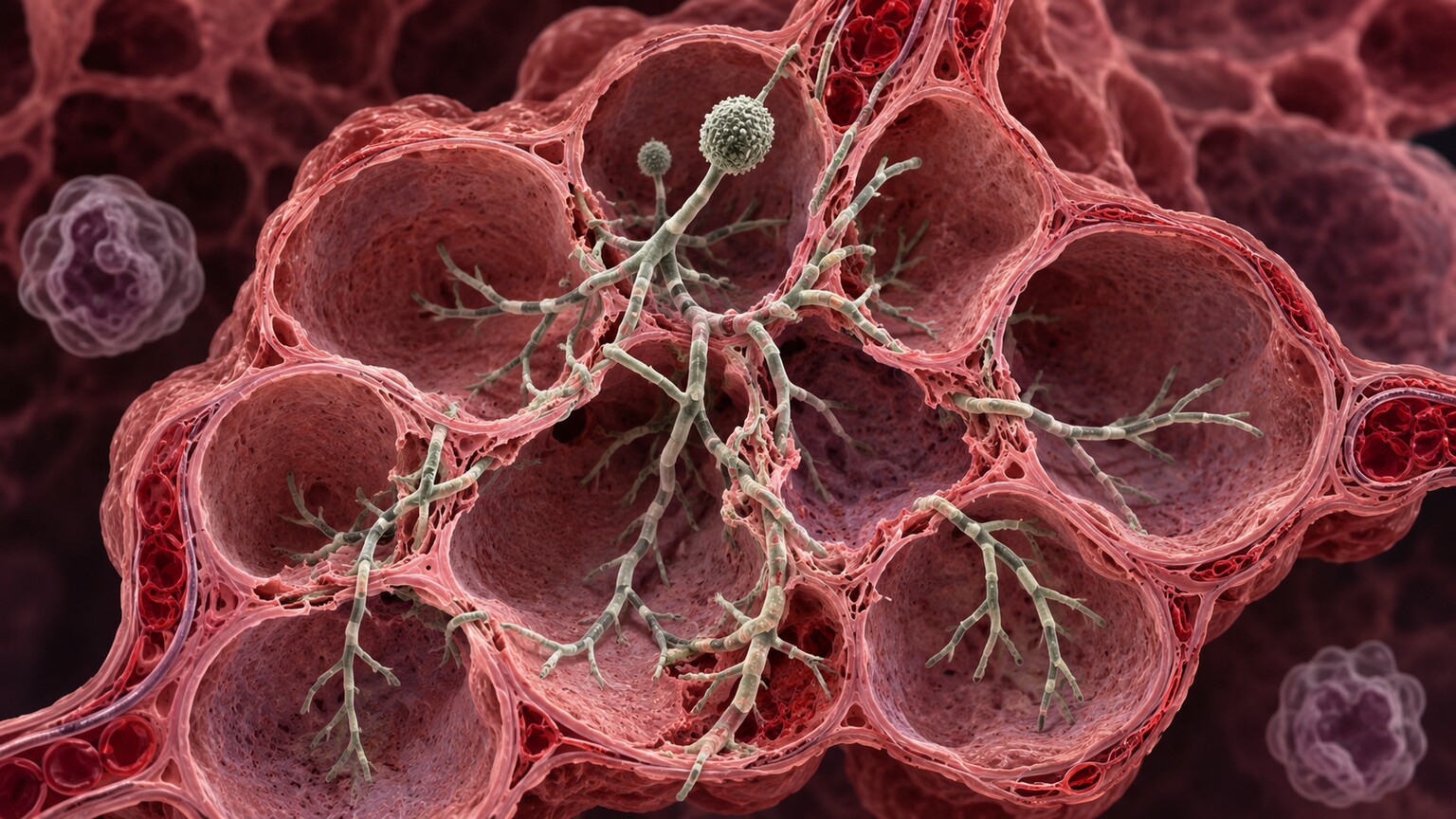
Figure 4. When neutrophil counts fall too low, inhaled Aspergillus spores can germinate directly inside lung tissue, producing branching hyphae that invade the alveoli.
Preventing this outcome, rather than reacting to it, has become a significant part of modern cancer and transplant care. Many treatment centers now start patients on prophylactic antifungal medication proactively, timed to the period when neutrophil counts are expected to be at their lowest, rather than waiting for a fever or a suspicious finding on a chest scan. Regular chest imaging, sometimes paired with a blood test that detects a fungal cell-wall component called galactomannan, helps catch early invasive aspergillosis before it becomes extensive, since earlier detection during this particular infection is strongly linked to better outcomes. None of this prevention would matter nearly as much if neutrophils weren't doing the vast majority of the protective work under normal circumstances — the entire strategy exists specifically to substitute vigilant monitoring and medication for the natural surveillance that a depleted neutrophil population can no longer provide on its own.
Cryptococcus and the Brain — A Marker of Advanced Immune Suppression
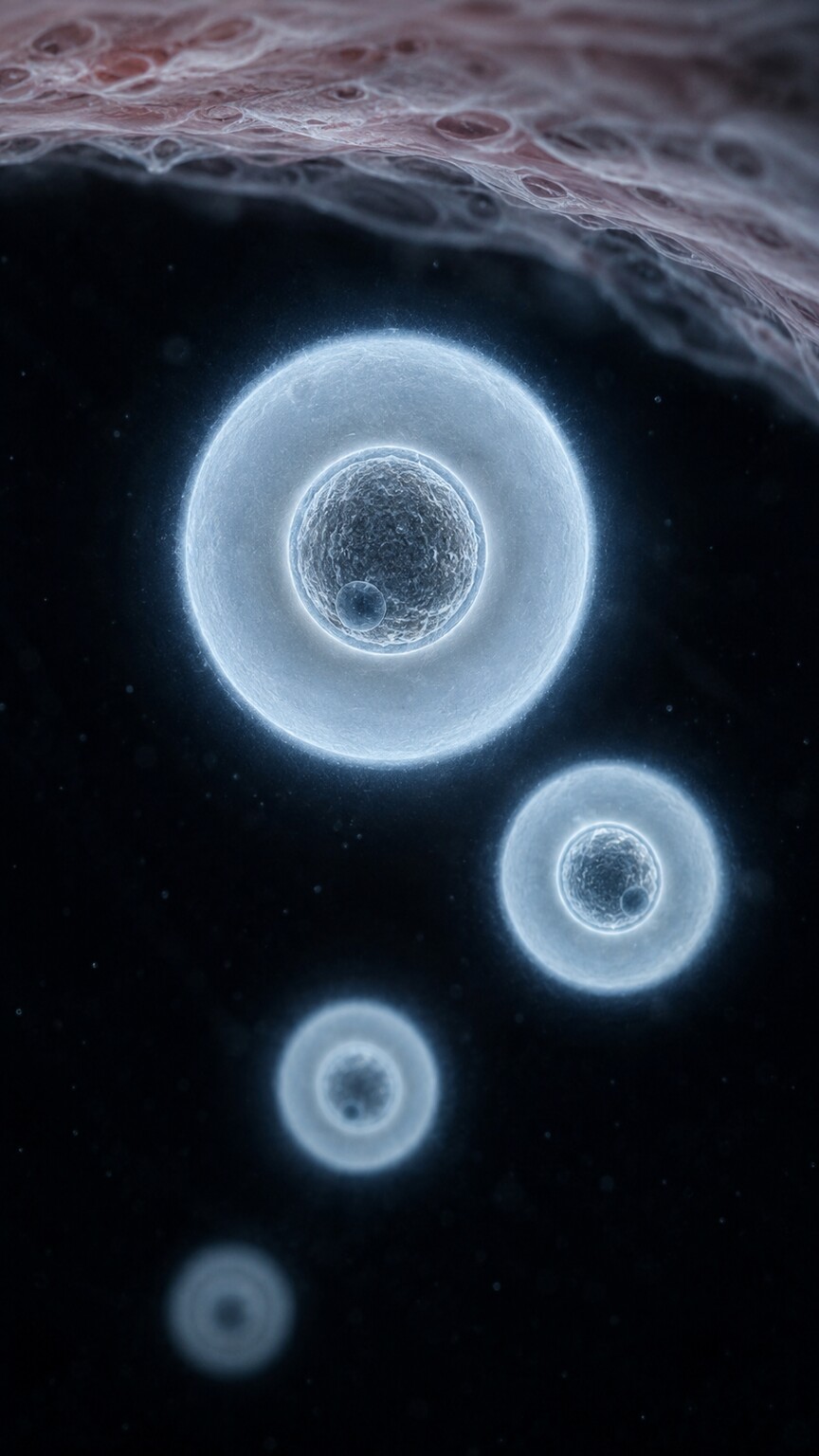
Figure 5. Cryptococcus neoformans, encased in a thick protective capsule, can travel from the lungs to the fluid surrounding the brain when T-cell surveillance is severely diminished.
Cryptococcus neoformans is a yeast found in soil contaminated with bird droppings, and most people who inhale it clear the exposure without ever noticing a symptom, contained quietly by the lung's local immune defenses. In someone with severely reduced T-cell immunity — the textbook scenario being advanced, untreated HIV with a CD4 count that has fallen well below 200 cells per microliter — that containment can fail. The organism has a distinctive polysaccharide capsule surrounding it that actively interferes with the immune system's ability to recognize and engulf it, making it unusually good at evading exactly the kind of T-cell-coordinated response that would normally keep it contained in the lungs. Once past that containment, Cryptococcus has a striking tendency to travel specifically to the central nervous system, causing cryptococcal meningitis — inflammation of the membranes surrounding the brain and spinal cord — which is one of the leading causes of death among people with advanced, poorly controlled HIV worldwide. The reason this particular infection is so tightly linked to immune status, rather than simply being "bad luck" from an environmental exposure everyone shares, is that the capsule specifically neutralizes cell-mediated immunity; it's a fungus that has, in a sense, evolved to exploit exactly the kind of immune gap that severe T-cell depletion creates, which is why its appearance is treated clinically as a marker of profound immune suppression and typically prompts an urgent search for — and treatment of — the underlying cause.
Because the stakes of this particular infection are so high, and because the delay between exposure and symptoms can stretch for weeks, diagnosis typically involves a lumbar puncture to sample the cerebrospinal fluid directly, looking for the organism itself under a microscope using a stain called India ink, along with a specific test that detects the yeast's capsule antigen with high sensitivity. Elevated pressure inside the skull is a common and dangerous complication of cryptococcal meningitis, caused partly by the sheer volume of yeast and capsule material accumulating in the fluid spaces around the brain, and managing that pressure — sometimes with repeated drainage of cerebrospinal fluid — is often as critical to survival as the antifungal medication itself. Recovery, when it happens, still depends heavily on whether the underlying immune suppression can eventually be addressed; antifungal treatment alone, without restoring at least some T-cell function over time, tends to leave a person vulnerable to relapse.
When the Immune System Is Only Locally or Mildly Weakened — Skin, Nails, and Diabetes

Figure 6. Nail and skin fungal infections are usually far less serious than invasive disease, but they occur more often and heal more slowly when diabetes or local circulation problems are present.
Not every fungal infection reflects the kind of severe, systemic immune compromise seen in neutropenia or advanced HIV. Dermatophytes — the group of fungi responsible for athlete's foot, ringworm, jock itch, and most fungal toenail infections — live only in the dead, keratin-rich outer layer of skin, hair, and nails, and they don't need a deeply weakened immune system to establish themselves; a warm, moist environment like a sweaty shoe or a communal shower floor is often opportunity enough on its own. That said, immune and metabolic health still shift the odds noticeably. Diabetes is the clearest example: chronically elevated blood sugar impairs neutrophil function at exactly the surfaces — feet, skin folds, nail beds — where these fungi tend to take hold, and it also damages the small blood vessels and nerves that would otherwise help detect and heal a minor infection early. That combination is a major reason diabetic foot care guidelines place so much emphasis on daily foot checks; a fungal nail infection that would be a cosmetic nuisance for most people can, in a person with diabetes and reduced circulation, become the entry point for a more serious secondary bacterial infection. Older adults, people who take antibiotics frequently, and anyone with poor peripheral circulation for other reasons also tend to see these infections more often and find them slower to resolve — a much gentler, more common illustration of the same underlying principle seen in far more severe form with Aspergillus and Cryptococcus: fungi are opportunists, and they take whatever opening the immune system leaves them, whether that opening is small and local or large and systemic.
What Changes Once a Fungal Infection Is Actually Diagnosed
Once a clinician confirms a fungal infection, treatment usually runs on two parallel tracks rather than one. The first and most urgent is killing the fungus itself, with the specific antifungal drug, dose, and duration depending heavily on which organism is involved and how deep the infection has gone — a topical antifungal cream is enough for athlete's foot, while invasive candidiasis or aspergillosis typically requires weeks of intravenous or high-dose oral antifungal therapy, sometimes started before lab confirmation is even back if the clinical suspicion is strong enough that waiting would be dangerous. The second track, easy to overlook but just as important long term, is addressing whatever opened the door in the first place. For someone with chemotherapy-induced neutropenia, that might mean growth factor medications to help the bone marrow rebuild neutrophil production faster, alongside careful monitoring until counts recover on their own. For someone newly diagnosed with HIV during a workup for cryptococcal meningitis, that means starting antiretroviral therapy — though timing matters here in a way that surprises many people, since starting HIV treatment too early during active cryptococcal infection can sometimes trigger a dangerous inflammatory rebound, so specialists often stagger the two treatments deliberately. For someone on long-term steroids, it might mean working with the prescribing doctor to taper to the lowest effective dose once the underlying condition allows it. This second track is, in a very real sense, the more important one for preventing what happens next — treating the current infection without addressing the underlying immune gap tends to set the stage for a repeat episode.
It's also worth noting that the direction of this relationship can run both ways over time. Recurrent fungal nail infections are sometimes the first visible clue that leads to a diabetes diagnosis in someone who hadn't yet been tested, since the infection can show up before other, more commonly recognized symptoms like excessive thirst or fatigue become noticeable. Podiatrists and primary care providers are trained to notice this pattern specifically — a stubborn, recurrent fungal infection in a middle-aged or older adult with no other obvious explanation is a reasonable enough trigger to check a fasting glucose or hemoglobin A1c, simply because the two conditions turn up together often enough that ruling one out while managing the other is considered good practice.
How Doctors Assess Immune Status When a Fungal Infection Shows Up
Because the link between immune function and fungal disease is so consistent, a fungal infection that seems disproportionately severe, unusually located, or resistant to standard treatment often triggers a broader look at the immune system rather than being treated purely as an isolated infection. In a hospitalized patient, that typically starts with a complete blood count, specifically the absolute neutrophil count, since neutropenia is such a strong and immediate predictor of invasive mold and yeast infections. In someone with risk factors for HIV, or with unusual infections like cryptococcal meningitis or widespread oral thrush without an obvious other cause, an HIV test and, if positive, a CD4 T-cell count become central to understanding both the infection and the underlying vulnerability that allowed it. For people on immunosuppressant medications after a transplant or for autoimmune disease, doctors weigh the specific drug, its dose, and how long it's been used, since different immunosuppressants blunt different arms of immunity to different degrees. Blood glucose and hemoglobin A1c are checked when diabetes is a plausible contributor, particularly with recurrent skin, nail, or genital fungal infections. In every one of these situations, the fungal infection itself is treated with antifungal medication, but the underlying immune assessment is what actually prevents the next infection — because as long as the gap in defense remains open, the risk of recurrence stays elevated regardless of how effectively any single episode is treated.
Can Someone With a Healthy Immune System Still Get a Fungal Infection?
Yes, absolutely — and it's worth being clear about this, because the relationship between immune health and fungal infection is about probability and severity, not an absolute rule. Superficial infections like athlete's foot, ringworm, and vaginal yeast infections are extremely common in people with entirely normal, healthy immune systems; they reflect local conditions — moisture, friction, an antibiotic course, shared surfaces — more than any deficiency in overall immunity. Even some of the more serious fungal infections have forms that can occur in healthy people under the right environmental circumstances: certain regional fungi found in specific soil types, for example, can cause real illness in otherwise healthy travelers or outdoor workers who inhale a large enough exposure, even though these same fungi rarely trouble anyone with only routine, low-level exposure. What immune health changes isn't whether a fungal infection can ever happen to a healthy person — it changes how likely a given exposure is to become an infection at all, how severe that infection tends to be if it does happen, how far it's likely to spread beyond its original site, and how much medical intervention is typically needed to clear it. A healthy immune system converts what would otherwise be a serious systemic threat into, at most, a localized nuisance that resolves with a topical treatment — which is exactly why unusually severe, recurrent, or oddly located fungal infections are treated by clinicians as a signal worth investigating rather than dismissing as bad luck.
Family and personal history play a smaller but still relevant role in this evaluation. A person with recurrent, hard-to-clear Candida infections since childhood, especially involving the nails and skin in a pattern that doesn't respond to standard antifungal courses, may eventually be referred for genetic or specialized immunology testing looking for a defect in the Th17 pathway described earlier — these cases are rare, but recognizing the pattern early can meaningfully change the long-term management approach. In most everyday situations, though, the evaluation stays practical and proportionate to the infection at hand: a single case of athlete's foot in an otherwise healthy adult doesn't warrant an immune workup, while a second episode of invasive candidiasis in someone already known to have low neutrophil counts absolutely does. Clinicians are, in effect, calibrating how hard to look for an underlying cause based on how unusual the infection itself is for the person experiencing it.
Frequently Asked Questions
Does having a fungal infection automatically mean something is wrong with my immune system?
No. Common, localized infections like athlete's foot, ringworm, or a single vaginal yeast infection usually reflect local moisture, friction, or a recent antibiotic course rather than a deeper immune problem. It's the pattern that matters more than any single episode — infections that are unusually severe, keep recurring, show up in unexpected locations like the bloodstream or brain, or don't respond to standard treatment are what typically prompt a broader immune evaluation.
Which lab values do doctors actually check to assess fungal infection risk?
The most common starting point is a complete blood count with an absolute neutrophil count, since low neutrophils are strongly tied to invasive mold and yeast infections. Depending on the clinical picture, doctors may also check an HIV test with CD4 count, blood glucose or hemoglobin A1c, and review any immunosuppressant medications a person is taking, since each of these affects a different part of fungal immunity.
Can improving overall health lower the risk of fungal infections?
Yes, to a meaningful degree. Keeping diabetes well controlled, working with a doctor to use the lowest effective dose of immunosuppressive medications when possible, keeping skin dry and clean, and treating chronic conditions that affect circulation all support the specific immune defenses discussed above. None of this eliminates risk entirely, especially for people who need immunosuppressive treatment for another serious condition, but it does meaningfully reduce how often opportunistic fungi find an opening.
Conclusion
The throughline across every fungus discussed here — Candida, Aspergillus, Cryptococcus, and the far more common dermatophytes behind everyday skin and nail infections — is that none of them are inherently unstoppable. Each one is, at its core, an organism that a functioning immune system is already built to handle, using tools that were refined over an enormous span of evolutionary time specifically because environmental and commensal fungi have always been part of the landscape humans live in. What changes the outcome isn't the aggressiveness of the fungus so much as the size of the opening it's given, which is precisely why the same organism can be a non-event for one person and a life-threatening emergency for another standing right next to them. Fungi are patient, opportunistic organisms, and the human immune system spends every day quietly winning the contest against them — through intact skin and mucus barriers, fast-acting neutrophils, vigilant macrophages, and a T-cell response fine-tuned over a lifetime of exposure. When that system is intact, fungal disease is either avoided altogether or stays confined to minor, easily treated infections of the skin and nails. When it's disrupted — by low neutrophil counts during chemotherapy, by advanced HIV eroding T-cell defenses, by long-term steroids or transplant medications, or by the slower erosion of poorly controlled diabetes — the specific fungus that takes hold, and how seriously it behaves, tends to trace directly back to which part of that layered defense gave way. That's why an unusual, severe, or recurrent fungal infection is rarely just about the fungus itself; it's frequently the immune system's way of surfacing a vulnerability that deserves its own attention, evaluation, and, where possible, treatment. Anyone facing a fungal infection that doesn't fit the ordinary, mild pattern has good reason to talk with a healthcare provider about what it might be revealing about their broader immune health — not because every infection points to something serious, but because the ones that don't fit the usual pattern are exactly the ones worth a closer, more deliberate look.
Still Not Sure What Your Results Mean?
Upload your labs and get a complete, visual, plain-language interpretation of every biomarker — delivered to your inbox in under 15 minutes.
Get My ReportThis article is for educational purposes only and does not constitute medical advice. Always consult your healthcare provider regarding your specific lab results.