
What Causes a Viral Test to Give a False Negative?
A false negative happens when a viral test comes back saying you're not infected, when in reality, you actually are. It's genuinely more common than most people would initially realize, and it isn't usually, on its own, a sign that anything went wrong at the laboratory itself — it's typically the predictable result of a handful of specific, well-understood factors: testing too early before the virus has multiplied to a detectable level, an imperfectly collected sample that simply didn't capture enough viral material, or, less often, a technical limitation of the test itself. Genuinely understanding exactly how and why these specific false negatives happen matters a great deal, because it directly changes what a negative result should actually, honestly mean to you in the moment — sometimes it's genuinely reassuring, and sometimes it's simply too early to tell, and the difference between those two situations comes down to a few concrete, checkable details about your specific test and timing.
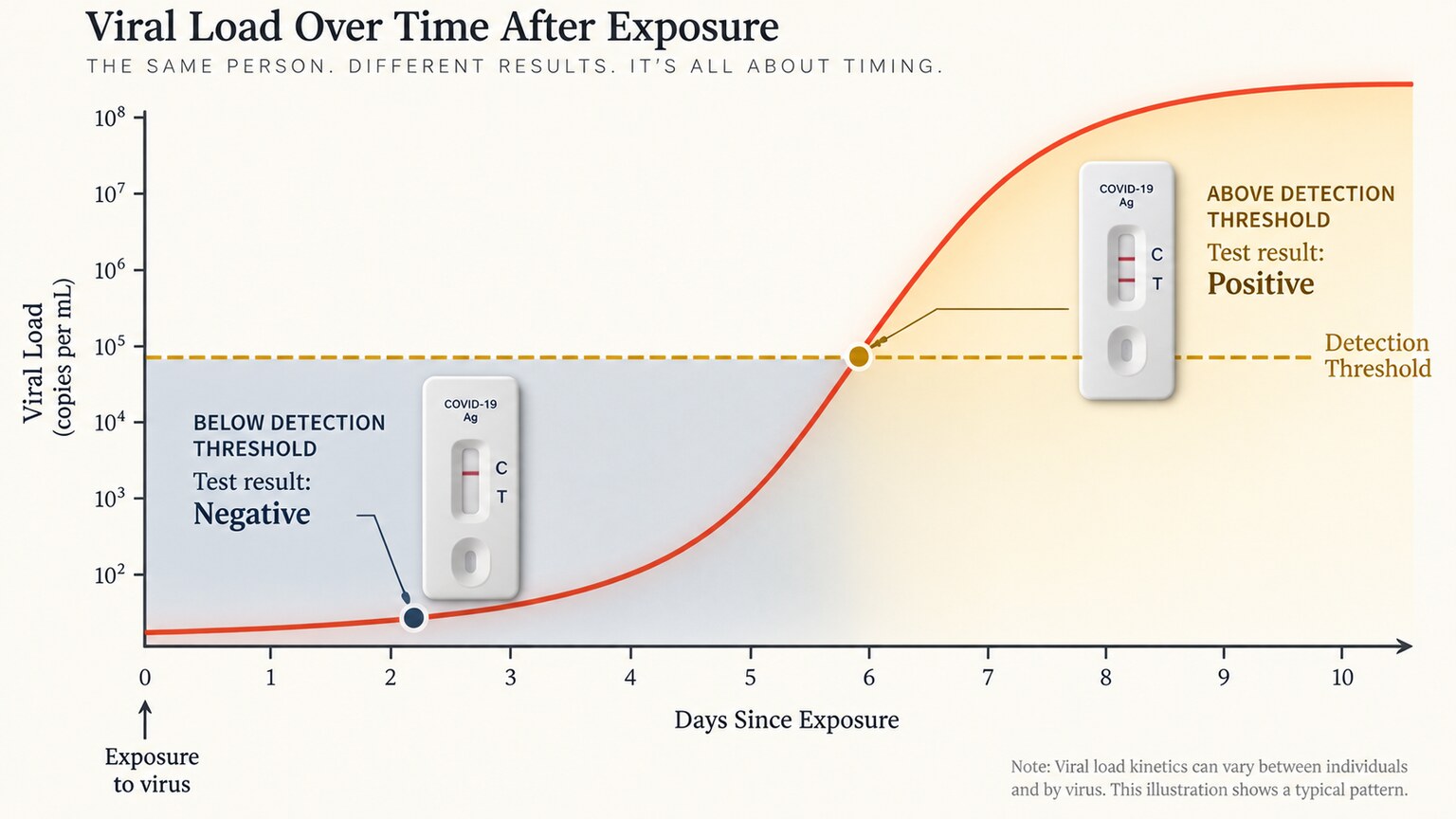
Figure 1. Viral load typically must rise above a test's specific detection threshold before an infection becomes detectable, which is why testing too early after exposure often produces a false negative.
Curious what your own recent lab results actually mean? Upload them and get a complete, plain-language breakdown in under 15 minutes.
Analyze My ResultsWhy Timing Is the Single Biggest Factor
Every viral infection, regardless of exactly which specific virus happens to be involved, tends to follow a fairly similar basic biological pattern after initial exposure occurs: the virus first enters the body, begins replicating inside cells, and gradually builds up in concentration — what's measured as "viral load" — until it reaches a high enough level to reliably trigger a positive test result. The period between actual exposure and the point where viral load becomes reliably detectable is called the window period, and testing during this window is, by a wide margin, the single most common cause of a false negative result. For many respiratory viruses, this window can span anywhere from one to several days, meaning someone who was just exposed yesterday and tests today may genuinely be infected, but simply doesn't yet have enough viral material present in their body for the test to detect. This is precisely why public health guidance for many viral tests recommends testing again after 24 to 48 hours if an initial result comes back negative but exposure or symptoms make infection likely — not because the first test was performed incorrectly, but because biology itself hadn't caught up to the test's detection capability yet.
How Sample Collection Technique Affects the Result
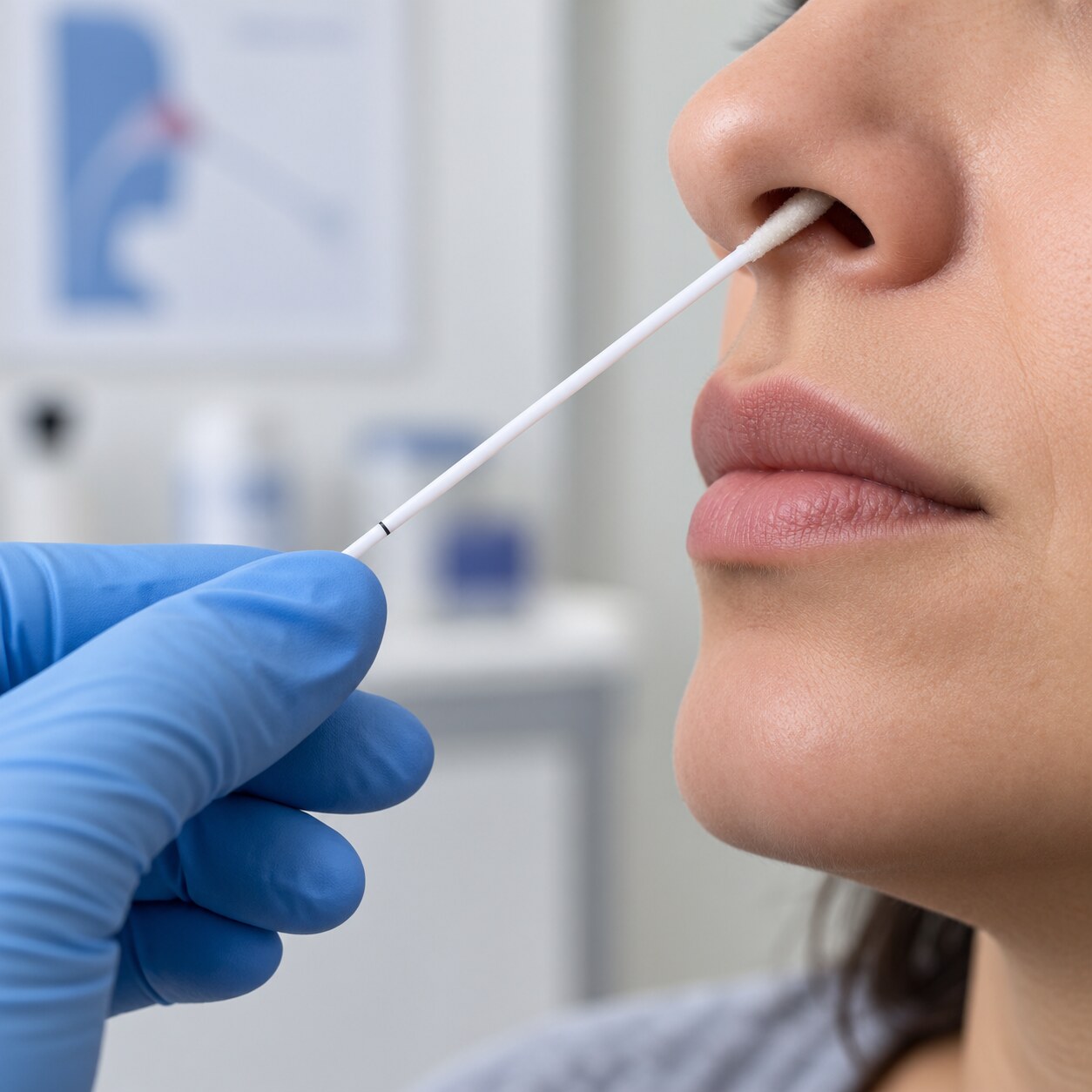
Figure 2. Proper swab technique, including adequate depth and rotation against the nasal mucosa, is essential for collecting enough viral material to produce an accurate result.
Even in cases where viral load in the body is genuinely high enough to detect, a test can still come back falsely negative if the physical sample itself doesn't contain enough viral material — a problem that traces back to how, not when, the sample was collected. For a nasal or nasopharyngeal swab, this means the swab needs to make firm, deliberate contact with the mucosal surface deep enough in the nasal passage, rotated several times to pick up an adequate quantity of cells and viral particles, rather than a quick, shallow pass that primarily collects mucus without enough cellular material. Studies comparing self-collected swabs to those performed by trained healthcare workers have found meaningfully higher false-negative rates in self-collected samples, particularly among people testing themselves for the first time without clear instructions, which is part of why many test kits now include detailed step-by-step collection diagrams and why some testing sites still prefer supervised or provider-collected samples for anything beyond routine home screening.
Why Viral Load Naturally Rises and Falls Over the Course of an Infection
Beyond the initial window period, it's worth understanding that viral load isn't a single fixed number throughout an infection — it follows a predictable rise-and-fall curve, and a false negative can occur on either side of that curve. During the early replication phase, viral load climbs, typically peaking somewhere around the time symptoms become most noticeable for many respiratory viruses, though the exact timing varies considerably by virus type. After the peak, viral load generally declines as the immune system brings the infection under control, and it's entirely possible for someone to test negative during this later declining phase despite having been clearly positive just days earlier, and despite still experiencing lingering symptoms. This later-stage negative is a genuinely different situation from an early false negative — it usually does reflect declining, non-transmissible or minimally transmissible viral levels, rather than a testing failure — but it illustrates why the same word, "negative," can mean meaningfully different things depending on exactly where in the infection's timeline the sample was taken.

Figure 3. Viral load rises, peaks, and then declines over the course of an infection, meaning a negative result can reflect either a too-early test or a later, resolving one.
PCR Versus Antigen Tests: Why Sensitivity Differs So Much
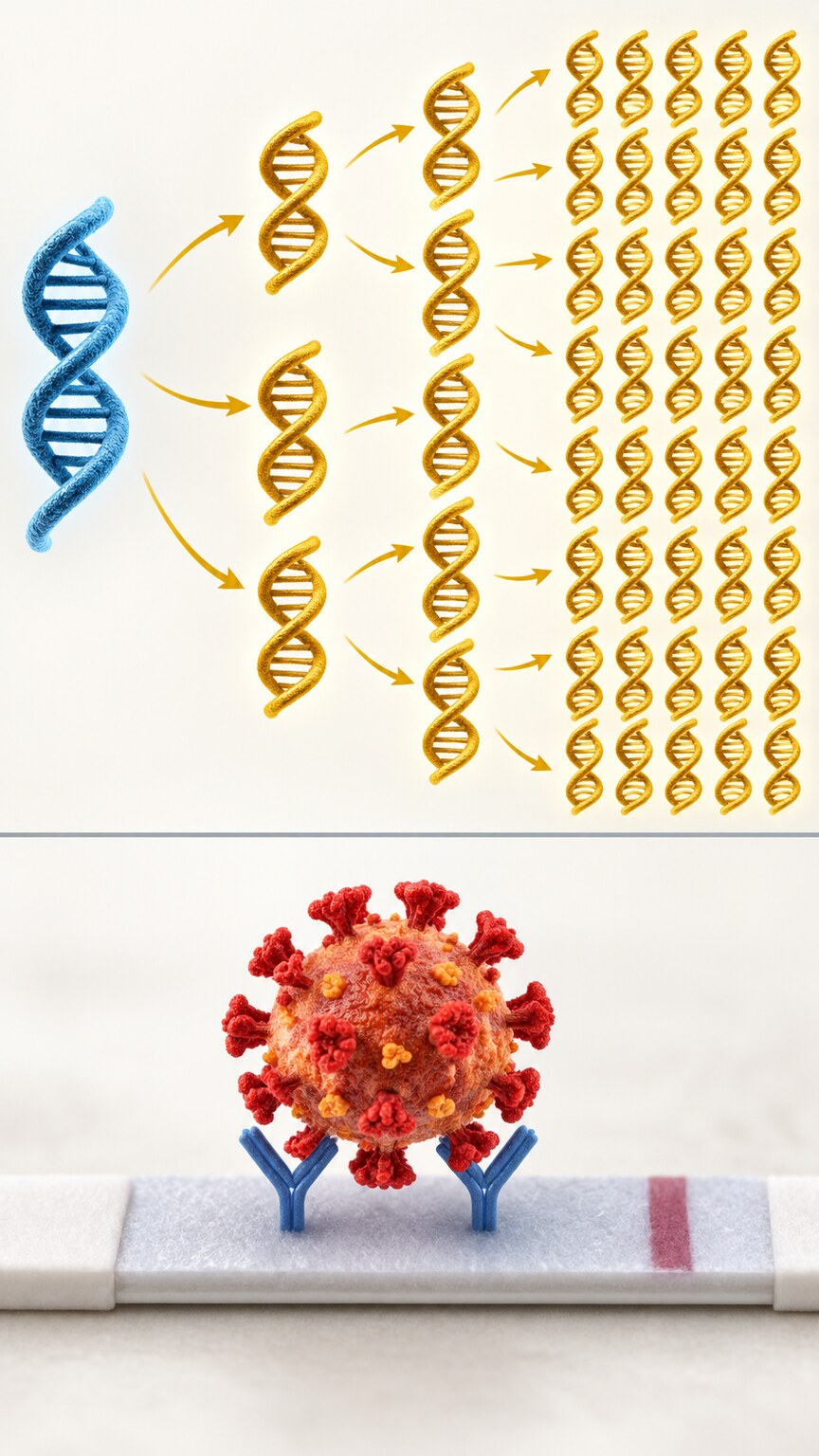
Figure 4. PCR tests amplify small amounts of viral genetic material to detectable levels, while antigen tests detect viral proteins directly without amplification, requiring a higher starting viral load.
Not all viral tests currently available are equally good or equally capable at detecting genuinely low levels of circulating virus, and understanding the core technical difference between the two most common test types explains a large part of why false negatives happen more often with one than the other. PCR (polymerase chain reaction) tests work by repeatedly copying tiny fragments of viral genetic material until there's enough to detect — a process called amplification — which allows PCR to reliably find even very small amounts of virus, making it the more sensitive of the two main test types. Antigen tests instead look directly for viral proteins without any amplification step, meaning they generally require a substantially higher viral load to produce a positive result. This difference in sensitivity is exactly why antigen tests carry a meaningfully higher false-negative rate than PCR, particularly early in an infection when viral load hasn't yet climbed very high — a limitation manufacturers and health agencies address by recommending serial antigen testing (testing again a day or two later) rather than relying on a single antigen test result to rule out infection.
How Sample Storage and Transport Can Degrade a Specimen
Exactly what happens to a given sample between the moment of collection and its actual laboratory analysis can also meaningfully affect whether a genuine infection gets accurately detected, particularly for tests that aren't processed immediately on-site. Viral genetic material and proteins can degrade over time, especially if a sample is exposed to inappropriate temperatures, delayed too long in transit to a laboratory, or stored without the proper preservation liquid (called viral transport media) that most swab-based collection kits are designed to use. A sample left at room temperature for an extended period, or one that freezes and thaws unexpectedly during shipping, can lose enough viral integrity to produce a false negative even though the original specimen, if tested immediately, would have shown a clear positive. This is part of why standardized collection kits specify exact storage temperatures and maximum transport windows, and why laboratories reject and request recollection of samples that arrive outside those specified conditions rather than processing a potentially compromised specimen.
Viral Mutations and Why Some Tests Miss Certain Variants
A somewhat more technical, considerably less commonly discussed cause of false negatives involves the exact specific genetic sequence a given test happens to be designed to detect in the first place. Many PCR tests work by targeting one or more specific, short segments of a virus's genetic code, and if a viral variant develops a mutation within exactly that targeted segment, the test's detection chemistry may fail to bind properly to the altered sequence, producing a false negative despite the person being genuinely infected with that variant. This exact scenario has been documented and publicly tracked by health agencies during the emergence of new viral variants, which is part of why many PCR tests are specifically designed to target multiple separate genetic segments simultaneously (called multi-target assays) — if a mutation affects one target, the others typically still detect the virus, providing a built-in safeguard against this particular failure mode. Regulatory agencies also continuously monitor emerging variants specifically for this kind of detection failure and can require test manufacturers to update their designs if a widely circulating variant is found to evade an existing test's targets.
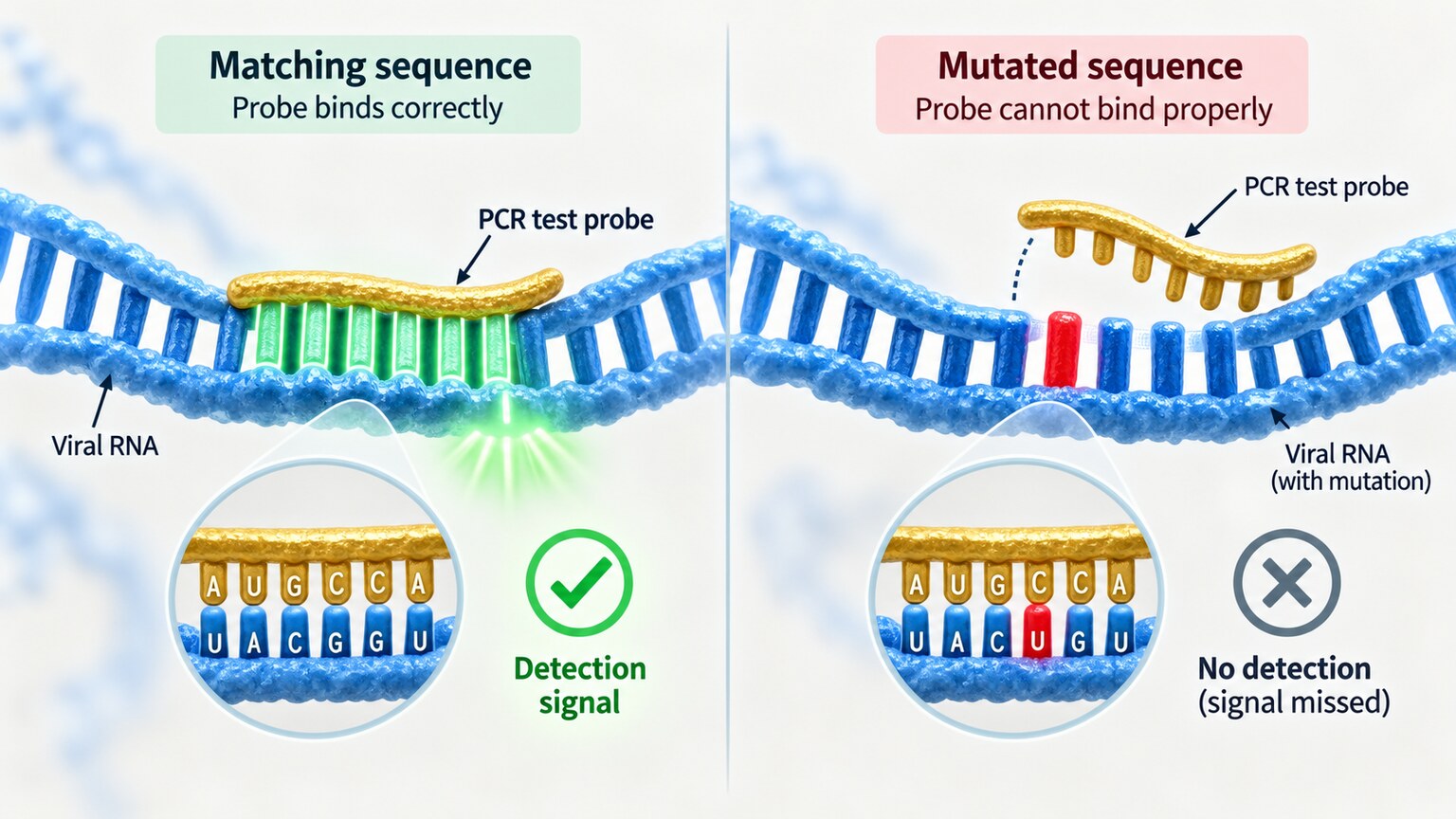
Figure 5. A mutation in the specific genetic segment a PCR test targets can occasionally prevent proper detection, which is why many modern tests target multiple genetic segments simultaneously as a safeguard.
Which Body Site You're Swabbed at Also Matters
Beyond swab technique alone, the exact specific anatomical site being physically sampled can also meaningfully influence whether a genuine infection gets detected, since different respiratory viruses don't always concentrate evenly across the entire respiratory tract at every stage of infection. A nasopharyngeal swab, which reaches further back into the nasal cavity toward the throat, has historically been considered the gold-standard collection site for many respiratory viruses because that region tends to harbor consistently higher viral concentrations than a shallower anterior nasal swab, which only samples the front portion of the nostril. Saliva-based tests and throat swabs offer their own tradeoffs: some viruses concentrate more heavily in saliva or the oropharynx at certain points in an infection, while others are detected more reliably from the nasal passages, meaning a test validated and optimized for one collection site may perform differently, and occasionally produce a false negative, if used with a different, non-validated collection site instead. This is part of why test manufacturers specify an exact, validated collection site in their instructions, and why substituting an easier but non-validated site (using a throat swab with a test designed and validated only for nasal swabs, for example) can meaningfully increase the chance of a missed result.
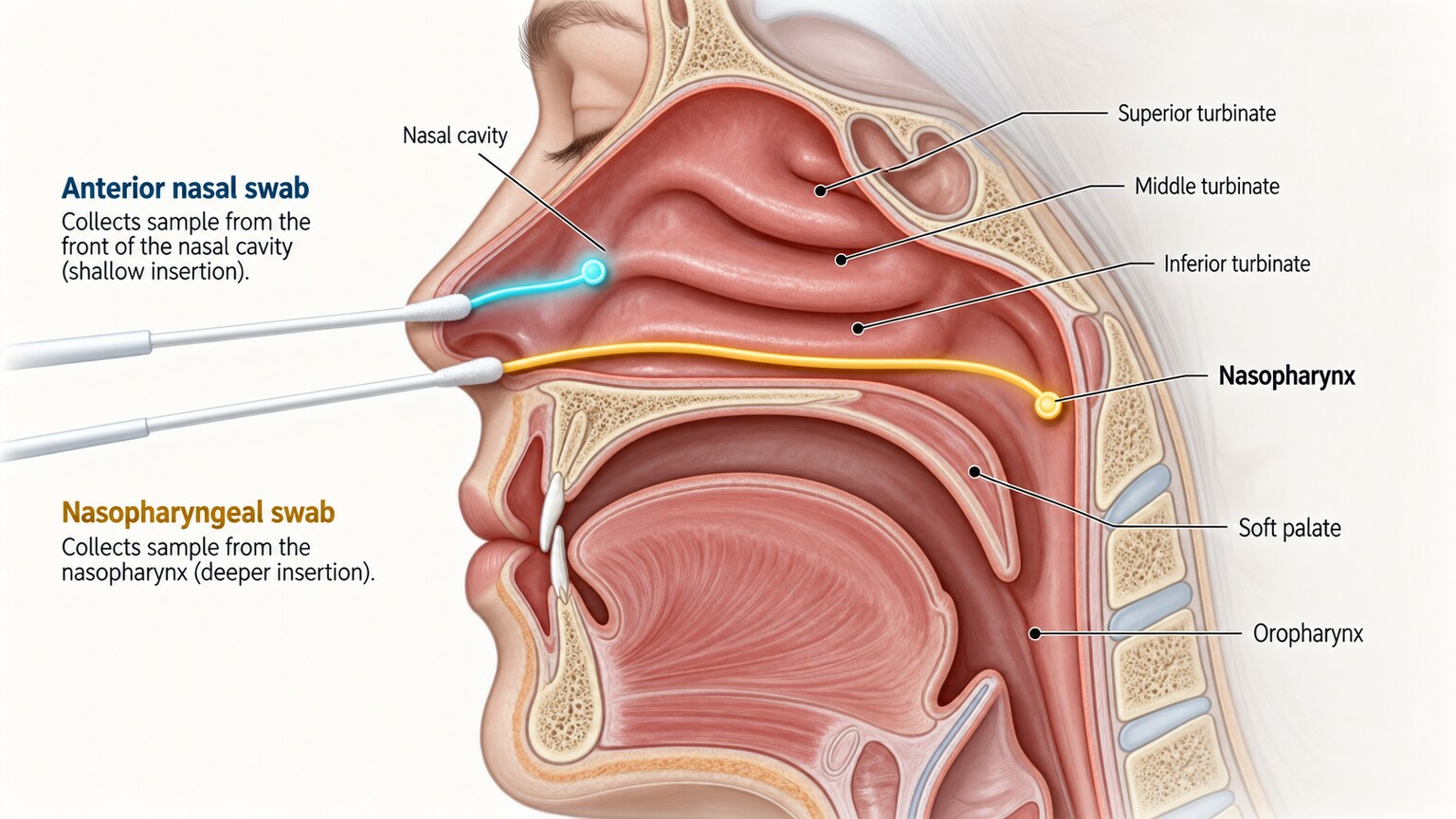
Figure 6. The nasopharyngeal collection site, reaching further back toward the throat, has historically shown more consistent viral concentrations for many respiratory viruses than a shallower anterior nasal swab.
Symptomatic Versus Asymptomatic Testing: Does It Change the Odds of a False Negative?
Whether or not someone has active symptoms at the specific time of testing meaningfully affects the overall odds of a false negative occurring, largely because symptom onset tends to correlate with rising viral load for many respiratory viruses. Testing at the very first sign of symptoms, or before any symptoms appear at all in someone who was recently exposed, generally carries a higher false-negative risk than testing several days into a symptomatic illness, when viral load has typically had more time to climb well above the test's detection threshold. This is one of the more counterintuitive but well-supported pieces of practical guidance in this entire topic: someone who tests negative on the very first day of mild symptoms shouldn't necessarily treat that result as final, since testing again after a day or two of continued or worsening symptoms often provides a more reliable answer, precisely because viral load has had additional time to rise into a more readily detectable range.
How Multiplex Panels Add Another Layer of Nuance
Many modern, widely used respiratory testing panels don't test for just a single virus at a time — they're designed as multiplex panels that simultaneously screen for several different respiratory pathogens (for example, testing for multiple different viruses and sometimes certain bacteria in a single run), and this design choice introduces its own specific considerations relevant to false negatives. A given multiplex panel's overall accuracy depends heavily on each individual included pathogen's own specific detection chemistry performing correctly, and it's entirely possible for a multiplex panel to correctly detect one included pathogen while missing another present in the same sample, if that second pathogen's viral load happens to be below its own specific detection threshold at the time of collection, even though the first pathogen's threshold has already been cleared. Practically speaking, this means a negative result for one specific virus within a given multiplex panel doesn't necessarily say anything about the accuracy of that panel's results for a different virus also tested in the same run, and clinicians interpreting multiplex results generally consider each targeted pathogen's result somewhat independently rather than treating the panel as a single, uniform pass-or-fail determination.
What a "Positive Predictive Value" Actually Means for Interpreting Your Result
Beyond a given test's raw technical sensitivity alone, the actual likelihood that any specific negative result is genuinely accurate also depends heavily on something specifically called pre-test probability — essentially, how likely you were to actually have the infection before testing at all, based on symptoms, known exposure, and how much the virus is currently circulating in your community. In a period of low community transmission with no known exposure and no symptoms, a negative result is highly likely to be a true negative, simply because the baseline odds of infection were already low going in. During a period of high transmission, with a known close exposure or classic symptoms, that same negative result carries meaningfully more uncertainty, because the higher starting probability of infection means a false negative becomes statistically more likely to be the explanation for an unexpected negative result. This is part of why the same negative test result can reasonably be treated with very different levels of confidence depending entirely on the surrounding circumstances, rather than being interpreted as an absolute, context-free verdict.
Lab Errors: The Least Common, but Real, Cause
It's genuinely worth addressing this possibility directly, if only to put it into proper, accurate proportion, that a real laboratory error can also, on rare occasion, cause a false negative result — though it's considerably rarer than the timing, collection, and biological factors covered so far, and modern clinical laboratories run extensive quality-control measures specifically designed to catch it. Every properly run, accredited diagnostic laboratory routinely processes control samples alongside real patient specimens — samples with a known, pre-established result — specifically to verify that testing equipment and reagents are working correctly, and a batch of tests is generally invalidated and rerun entirely if its accompanying controls don't perform as expected. Human error, such as a mislabeled sample, a pipetting mistake during sample preparation, or a technical malfunction in automated testing equipment, remains possible in any laboratory process involving human operators and complex machinery, but accredited clinical laboratories are required to follow strict protocols and undergo regular external proficiency testing specifically to minimize this risk. When lab error is suspected as the explanation for an unexpected result, most laboratories can and will investigate a specific specimen's processing record upon request, though in practice, simply requesting a repeat test on a fresh sample is usually the faster, more practical path to resolving the uncertainty.
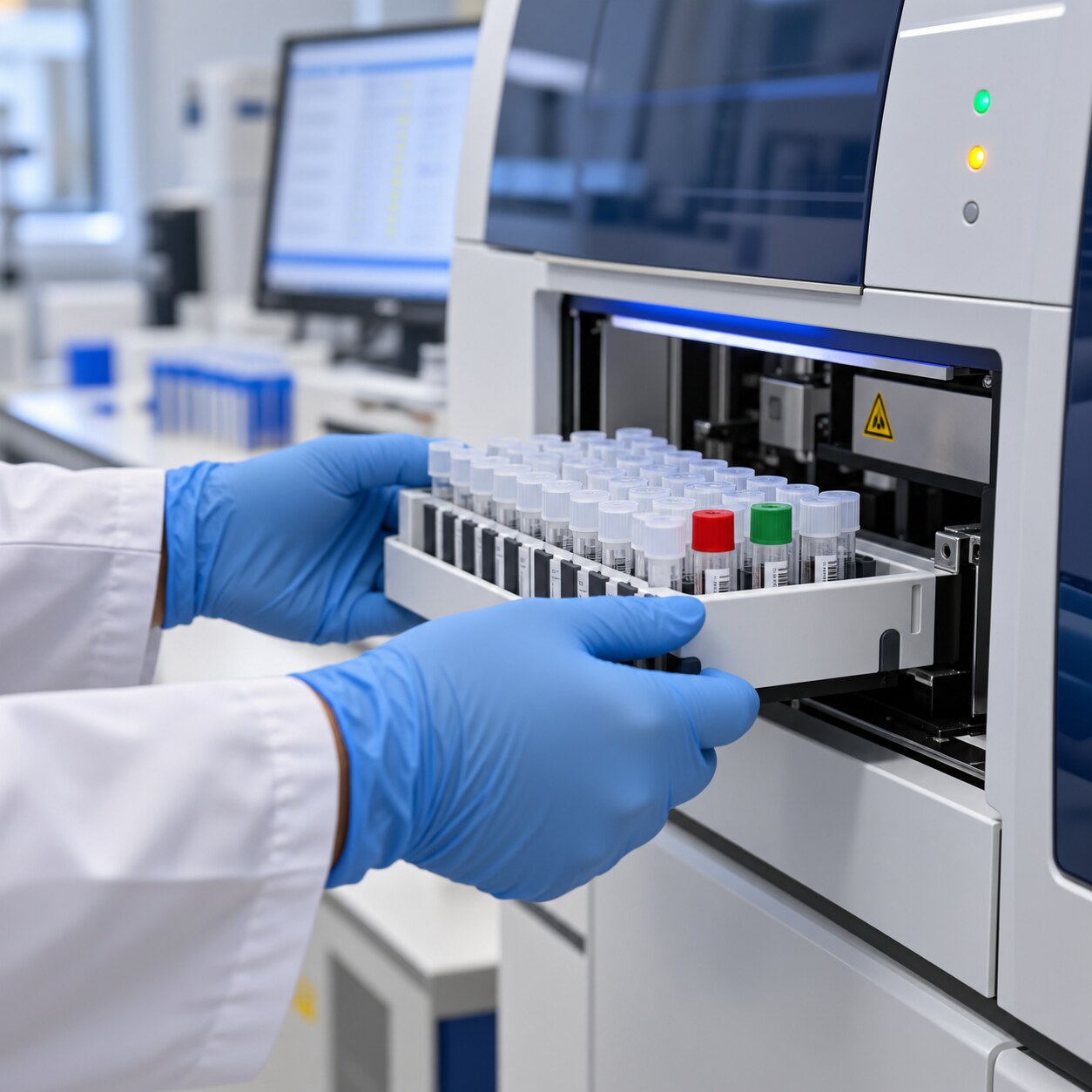
Figure 7. Accredited laboratories run known-result quality control samples alongside patient specimens specifically to catch and prevent equipment or reagent errors before they affect real results.
This exact same quality-control infrastructure is also precisely why a single unexplained false negative rarely, if ever, indicates a systemic laboratory problem — if testing equipment or reagents were genuinely malfunctioning, the accompanying control samples would typically fail as well, triggering an investigation before any patient results were ever reported. This distinction matters practically: an isolated, unexplained negative result in one person is far more likely to reflect the timing, collection, or biological factors covered throughout this article than an actual equipment or reagent failure, precisely because those systemic failures are designed to be caught by controls before results reach a patient at all.
What to Do If You Suspect a False Negative
If a given negative result simply doesn't match your actual symptoms, your known recent exposure, or your overall clinical suspicion in general, several concrete, genuinely practical steps can help resolve the uncertainty rather than simply guessing blindly. Retesting after 24 to 48 hours, particularly with a PCR test if the first test was an antigen test, takes clear advantage of both improving sensitivity and rising viral load as an infection progresses. Carefully ensuring proper, correct collection technique on any repeat test — following the kit's instructions precisely regarding swab depth, rotation, and duration — addresses the sample-quality factor rather directly. In situations where accuracy genuinely matters (before a high-risk gathering, before visiting someone medically vulnerable, or when symptoms are significant), choosing a provider-collected sample or a laboratory-based PCR test over a home antigen test reduces the risk that collection technique or test sensitivity is the reason behind an unexpected negative. Continuing to follow any relevant isolation or precaution guidance based on symptoms and exposure, even after a single negative result, remains reasonable specifically because of everything described throughout this article.
How Immunocompromised Patients Add Another Layer of Complexity
People living with weakened immune systems — whether due to an underlying medical condition, ongoing chemotherapy, organ transplant medications, or some other form of immunosuppressive treatment — present a genuinely distinct, separate set of considerations for false-negative risk, and in some cases, considerations that point in the opposite direction from what might be expected. In some immunocompromised patients, viral load can remain lower or rise more slowly than in someone with a fully functioning immune system, since immune activity itself contributes to some of the biological signals certain test types indirectly depend on, meaning standard testing windows and thresholds developed in immunocompetent populations don't always translate perfectly to this group. Conversely, some immunocompromised patients can experience prolonged viral shedding at unusually high levels for weeks or months after what would be a typical infection in someone else, complicating not false-negative risk during acute infection but rather the interpretation of what a positive result even means much later in an illness course. Because of this added complexity, clinicians managing immunocompromised patients often rely more heavily on repeated testing over time, combined with close symptom monitoring, rather than treating any single result — positive or negative — as definitive in the way it more reasonably could be treated in a person with typical immune function.
How At-Home Rapid Tests Compare to Laboratory-Based Testing
The widespread rise and adoption of at-home rapid antigen tests has made viral testing dramatically more accessible and convenient to the general public than it once was, and it's worth understanding clearly, and in real practical detail, exactly how their overall false-negative profile actually compares to more traditional laboratory-based PCR testing, since the tradeoffs involved are genuinely different from a simple "better or worse" comparison. At-home rapid tests genuinely combine two of the false-negative risk factors already discussed earlier in this article — antigen technology's inherently lower sensitivity compared to PCR, and self-collection technique without professional supervision — meaning their real-world false-negative rate in a single test tends to run measurably higher than a professionally collected PCR test processed in a laboratory. However, at-home tests do genuinely offer one meaningful, real counterbalancing advantage worth noting: because they're fast, inexpensive, and can be taken repeatedly without needing an appointment or lab visit, serial testing (meaning taking two or three tests over consecutive days) becomes genuinely practical in a way that repeated PCR testing usually isn't, and real public health research has found that this serial-testing strategy can substantially close the sensitivity gap with a single PCR test over the span of just a few days, even though any one single individual rapid test still remains genuinely less sensitive entirely on its own.
How Different Respiratory Viruses Vary in Their Typical Window Periods
Not every single respiratory virus follows the exact same, identical detection timeline as every other one, and understanding roughly how these windows differ helps calibrate expectations for any specific illness rather than applying one generic rule universally. Some viruses tend to have shorter, more compressed window periods, meaning viral load rises to detectable levels relatively quickly after exposure, often within a day or two, while others follow a slower, more gradual buildup that can take several days longer before reliably crossing a test's detection threshold. This variation matters practically because generic advice like "wait two days before retesting" may be more conservative than necessary for a fast-rising virus, or not conservative enough for a slower-rising one, which is part of why test manufacturers and public health guidance for specific illnesses often include virus-specific timing recommendations rather than a single universal rule applied identically across every possible respiratory pathogen. When in doubt about the appropriate timing for a specific illness or exposure, checking the specific guidance associated with that particular test or virus, rather than relying on general intuition, tends to produce more reliable results.
Why Public Health Guidance on Retesting Has Changed Over Time
Official public health recommendations for exactly how and precisely when to retest following an initial negative result have evolved rather noticeably over time as scientific understanding of false-negative mechanisms has deepened, and tracing that evolution helps explain why current guidance looks the way it does. Early in the availability of rapid antigen testing, a single negative test was sometimes treated with more confidence than later evidence supported, before large-scale studies had fully quantified how much sensitivity dropped during the earliest days of infection. As research accumulated demonstrating the serial-testing advantage described above, major health agencies revised their guidance to explicitly recommend repeat testing after an initial negative result in symptomatic individuals or those with known exposure, rather than treating one negative antigen test as sufficient grounds to rule out infection entirely. This evolution reflects a broader, ongoing pattern in diagnostic testing guidance generally: initial recommendations are necessarily based on the best available evidence at the time, and they get refined, sometimes substantially, as real-world performance data accumulates across millions of tests used under actual field conditions rather than only the controlled conditions of initial validation studies.
How to Talk to a Healthcare Provider About an Unexpected Negative Result
Bringing a genuinely specific, well-informed set of questions into a conversation about a negative result that doesn't seem to match your clinical picture tends to produce a considerably more useful discussion than simply asking whether the test can be trusted. Worth asking directly: how many days after symptom onset or known exposure the sample was actually collected, since that timing detail carries real interpretive weight; whether the test used was PCR or antigen-based, and if antigen, whether a follow-up PCR test would be reasonable given the clinical suspicion involved; whether a repeat sample collected with more rigorous technique, ideally by a trained provider, would help resolve any doubt about the original collection quality; and what the current level of viral circulation in the local community looks like, since that context directly affects how much weight a single negative result should reasonably carry. A provider who can address these specific factors, rather than offering a generic reassurance that "negative means negative," is providing genuinely individualized, clinically sound guidance rather than an oversimplified response.
What a False Negative Does Not Mean
It's equally, genuinely important to be just as clear and explicit about what a false negative result does not actually imply, since a nuanced topic like this one is easy to misread in either an overly dismissive or overly anxious direction. It does not mean viral testing in general is unreliable or not worth doing — the vast majority of properly timed, properly collected tests, particularly PCR tests performed several days into a symptomatic illness, are highly accurate, and false negatives cluster disproportionately around the specific, identifiable circumstances covered throughout this article rather than occurring randomly and unpredictably. It does not mean every negative result should be treated with suspicion or automatically retested, since doing so would be neither practical nor necessary for the large majority of testing scenarios where pre-test probability was already low. And it does not mean a false negative reflects any kind of personal failure in how a test was performed, even in cases where collection technique genuinely was the culprit — collection instructions are often unclear, unfamiliar, or physically uncomfortable to execute perfectly on a first attempt, and manufacturers bear real responsibility for the instructional clarity of their own products.
Why Understanding This Matters Beyond Any Single Test Result
Beyond simply helping interpret any one single specific test result, understanding the underlying mechanics of false negatives has genuinely broader relevance to how testing programs, workplace policies, and personal decision-making around illness and exposure are reasonably structured. Public health guidance that recommends symptom-based isolation regardless of test result, for instance, reflects direct awareness that a negative result taken too early doesn't rule out infection, and that waiting for symptoms to clarify the picture, combined with retesting, produces more reliable guidance than reflexively trusting a single early test. Workplace and school policies requiring a negative test before returning after a known exposure similarly benefit from awareness of window periods, since a policy requiring same-day testing immediately after exposure, without accounting for the days it typically takes for viral load to become reliably detectable, may provide a false sense of security rather than genuine risk reduction. Understanding these mechanisms, in other words, has value that extends well past any single individual's test result, shaping smarter policy and personal decisions built around how these tests actually behave rather than an idealized assumption that a test result is always instantly definitive.
Frequently Asked Questions
How soon after exposure can a viral test reliably detect an infection?
This varies by virus and test type, but many respiratory viruses have a window period of roughly one to several days after exposure before viral load reliably rises above a test's detection threshold. Testing too early during this window is the single most common cause of a false negative result.
Are antigen tests less accurate than PCR tests?
Antigen tests generally require a higher viral load to produce a positive result because they detect viral proteins directly without the amplification step PCR uses, making them somewhat more prone to false negatives, particularly early in an infection. This is why serial antigen testing over a couple of days is often recommended instead of relying on one result.
Can poor swab technique really cause a false negative?
Yes, genuinely. If a swab doesn't make firm, adequate contact with the nasal mucosa or isn't rotated enough to collect sufficient material, the sample may simply not contain enough viral genetic material or protein to detect, even if the person is genuinely infected with a high viral load.
If I test negative but still have symptoms, should I test again?
Generally, yes, especially if the first test was taken early in your symptoms or was an antigen test. Retesting after 24 to 48 hours gives viral load more time to rise into a reliably detectable range and can meaningfully improve the accuracy of the result.
Does the swab site (nose versus throat) actually make a difference?
Yes, in some cases. Different respiratory viruses don't always concentrate evenly across the respiratory tract, and a test validated for one collection site may perform less reliably if used with a different, non-validated site. Following the specific collection instructions for your test matters more than it might seem.
Are at-home rapid tests less reliable than lab-based PCR testing?
A single at-home rapid antigen test generally has a higher false-negative rate than a laboratory PCR test, due to both lower antigen sensitivity and self-collection technique. However, taking two or three rapid tests over consecutive days can substantially close that sensitivity gap.
Can a genuine laboratory error cause a false negative?
It's possible but relatively rare, since accredited laboratories run known-result quality control samples alongside patient specimens specifically to catch equipment or reagent problems before they affect results. An isolated unexplained negative is far more likely to reflect timing, collection, or biological factors than an actual lab error.
Practical Takeaways Worth Remembering
Distilled down to just the practical essentials, a handful of key takeaways genuinely summarize most of what actually matters for interpreting any individual viral test result. First, timing relative to exposure and symptom onset is usually the single biggest factor influencing whether a negative result can be trusted, more so than any other single variable discussed throughout this article. Second, collection technique genuinely matters, and following instructions carefully, or opting for provider-collected samples when accuracy is critical, meaningfully reduces one of the more controllable sources of false negatives. Third, test type matters — PCR is generally more sensitive than antigen testing, and serial antigen testing over consecutive days can help close much of that gap when PCR isn't readily available. And finally, context matters just as much as the test itself: the same negative result reasonably carries different weight depending on symptoms, known exposure, and how much a given virus is currently circulating in the surrounding community, meaning no single test result should be interpreted in a vacuum, separate from these surrounding circumstances.
Conclusion
Taken together, a false negative viral test result almost always has a concrete, genuinely understandable explanation behind it — testing too early in the infection's timeline, an imperfectly collected sample, the inherent sensitivity limits of certain test types, or occasionally a genetic mismatch between a viral variant and the test's specific target. None of these explanations mean the test failed randomly or that testing is unreliable in general; they simply mean a single negative result needs to be interpreted alongside timing, symptoms, exposure history, and test type, rather than treated as an automatic, context-free guarantee. Understanding these mechanisms turns a confusing or worrying negative result into something genuinely actionable — specifically, knowing when it's reasonable to trust it, and when retesting is the smarter next step.
Still Not Sure What Your Results Mean?
Upload your labs and get a complete, visual, plain-language interpretation of every biomarker — delivered to your inbox in under 15 minutes.
Get My ReportThis article is for educational purposes only and does not constitute medical advice. Always consult your healthcare provider regarding your specific lab results.