
What Does an Undetectable Viral Load Mean?
An undetectable viral load means the amount of virus in your blood has dropped so low that a laboratory test can no longer measure it — not that the virus is completely gone from your body. That distinction matters more than it might sound like it should. For someone managing HIV with daily antiretroviral therapy, hepatitis C during treatment, or a transplant recipient being monitored for a virus like CMV, "undetectable" is one of the most reassuring words a lab report can contain, but it's also one of the most misunderstood. It's a statement about the limits of a machine's sensitivity as much as it is a statement about your health, and understanding exactly what it does and doesn't mean is the difference between reading your results with real, grounded confidence and either underestimating or overestimating what they're telling you. This guide walks through what viral load testing actually measures, what "undetectable" technically means at the lab bench, why it isn't the same as "cured," what it means for daily life, transmission risk, pregnancy, and long-term health, and what to do if a result isn't moving in the direction it should.
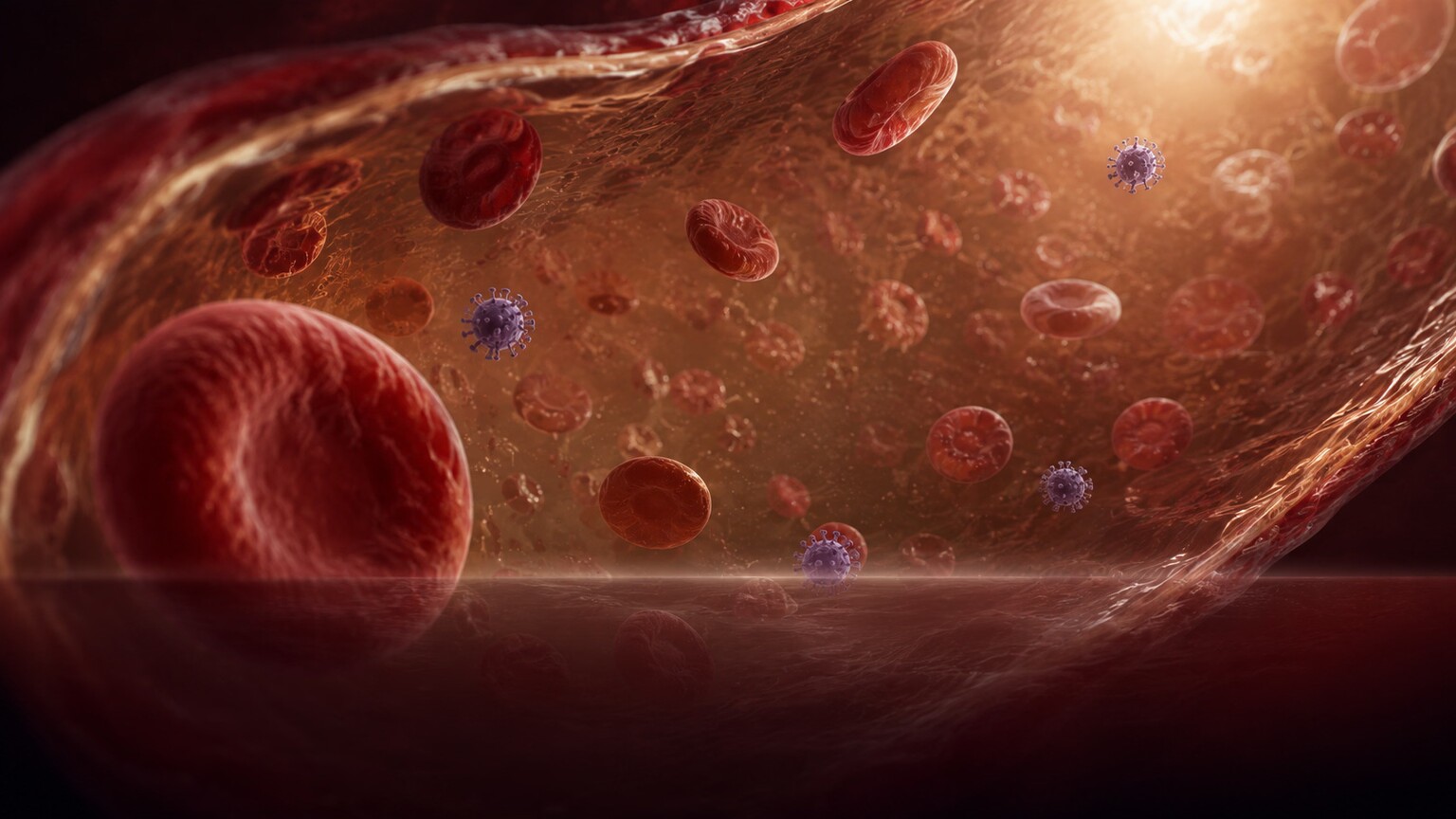
Figure 1. An undetectable result means viral particles have dropped below the number a lab assay is technically able to count, not that none remain in the body.
What "Viral Load" Actually Measures
A viral load test counts how many copies of a specific virus's genetic material — RNA or DNA, depending on the virus — are present in a measured volume of your blood, typically expressed as "copies per milliliter." It's a direct headcount of active viral replication happening in your bloodstream at the moment the sample was drawn, which makes it fundamentally different from an antibody test. An antibody test asks "has your immune system ever encountered this virus?" and can stay positive for life even after an infection has been cleared or successfully treated. A viral load test asks a much more immediate question: "how much active virus is circulating right now?" That real-time quality is exactly why viral load is the test of choice for monitoring how well a treatment is working — it responds to changes in days to weeks, giving both patients and providers a fast, direct readout of whether a therapy is doing its job.
The most common context people encounter this term is HIV management, where viral load has become the central number used to judge how well antiretroviral therapy is controlling the virus. But the same basic concept applies to several other chronic or persistent viral infections: hepatitis C treatment success is measured by whether viral load becomes undetectable and stays that way, hepatitis B is monitored similarly in people on long-term suppressive therapy, and organ transplant recipients are regularly screened for viruses like cytomegalovirus (CMV) and Epstein-Barr virus (EBV), which can reactivate when the immune system is suppressed by anti-rejection medication. In every one of these situations, "undetectable" carries a similar core meaning, even though the specific virus, treatment, and clinical stakes differ.
Viral Load vs. CD4 Count — Two Different Questions About HIV
For people managing HIV specifically, viral load is almost always discussed alongside a second, very different number: CD4 count. It helps to be clear about what each one is actually telling you, since it's easy to blur the two together when they show up on the same lab report. Viral load measures the enemy — how much active virus is circulating in the blood right now. CD4 count measures the defense — specifically, the number of CD4 T-cells, a type of white blood cell that HIV specifically targets and destroys, circulating in a given volume of blood. A healthy immune system typically maintains a CD4 count in the range of 500 to 1,500 cells per cubic millimeter of blood; HIV, left uncontrolled, gradually depletes this number over years, and a count that falls below 200 defines a diagnosis of AIDS, marking a point where the immune system has been damaged enough to leave the body vulnerable to certain serious opportunistic infections it would normally be able to fight off easily.
The relationship between the two numbers over the course of treatment tells a coherent story. Before treatment, viral load tends to be high and CD4 count tends to be trending downward, reflecting an infection actively damaging the immune system. Once effective antiretroviral therapy brings viral load down to undetectable, CD4 count typically stops declining and, for most people, begins a gradual recovery over months to years, often climbing back into a healthy range as the immune system gets a chance to rebuild without the virus actively destroying new cells. This is why providers often order both tests together, particularly earlier in treatment: viral load confirms the medication is working against the virus, while CD4 count confirms the immune system is actually recovering as a result — two related but genuinely distinct pieces of the same overall picture.
What "Undetectable" Actually Means at the Lab Bench
Every viral load test has something called a limit of detection — the smallest number of viral copies per milliliter the specific assay being used is technically capable of reliably identifying. For modern HIV viral load tests, that limit is commonly somewhere around 20 to 50 copies per milliliter, though the exact number depends on which specific assay a lab uses. When your result comes back "undetectable," it means the test looked for viral genetic material and didn't find enough to register above that technical floor — it does not mean the number is a confirmed zero. This is a genuinely important distinction: a person with 15 copies/mL and a person with 0 copies/mL would both be reported as "undetectable" on a test with a 20 copies/mL threshold, because the assay simply can't distinguish between those two situations. It can only tell you the number is below the line it's capable of drawing.

Figure 2. Viral load testing uses PCR to copy small amounts of viral genetic material millions of times over, allowing even a tiny number of viral particles to be counted accurately.
The technology behind this is called polymerase chain reaction, or PCR — the same core method used for many infectious disease tests, including the nasal-swab tests that became widely familiar during the COVID-19 pandemic. PCR works by taking a small sample of genetic material and copying it millions of times over in a controlled series of heating and cooling cycles, effectively amplifying a tiny, otherwise undetectable signal into something a machine can measure with precision. This amplification is what makes modern viral load testing so sensitive compared to older methods, but it also means the test still has a mathematical floor — at extremely low levels, there simply isn't enough starting genetic material for even millions-fold amplification to produce a signal the instrument can distinguish from background noise. Different assays, and different labs, may report slightly different limits of detection, which is part of why a "lower than yours" comparison between two people's undetectable results, drawn on different machines, isn't really a meaningful comparison at all.
It's worth noting that assay sensitivity has improved substantially over the decades since viral load testing first became routine clinical practice. Early HIV viral load tests in the 1990s had detection limits in the range of 400 to 500 copies/mL, meaning a great deal of low-level viral activity would have been reported as "undetectable" that today's far more sensitive assays, with limits closer to 20 copies/mL, would actually catch and report as a real, low number. This steady improvement in sensitivity is part of why comparing a viral load result from years ago to a current one isn't always a straightforward apples-to-apples comparison, and it's also part of why "undetectable" as a clinical benchmark has become a genuinely more reassuring, more thoroughly verified state over time, even though the word on the page hasn't changed.
Undetectable Does Not Mean Cured — the Reservoir Problem
For a chronic infection like HIV, an undetectable viral load is a sign that treatment is working exceptionally well, but it is not the same thing as the virus being eliminated from the body. HIV has a particular ability that makes lifelong treatment necessary even after the virus becomes undetectable in blood: it can insert a DNA copy of itself directly into the genetic material of certain long-lived immune cells, most notably resting memory CD4 T-cells, and then go completely dormant inside them. These dormant, infected cells form what's called a latent reservoir — cells that aren't actively producing new virus, and therefore aren't being targeted by either the immune system or antiretroviral medications, which only work against actively replicating virus.
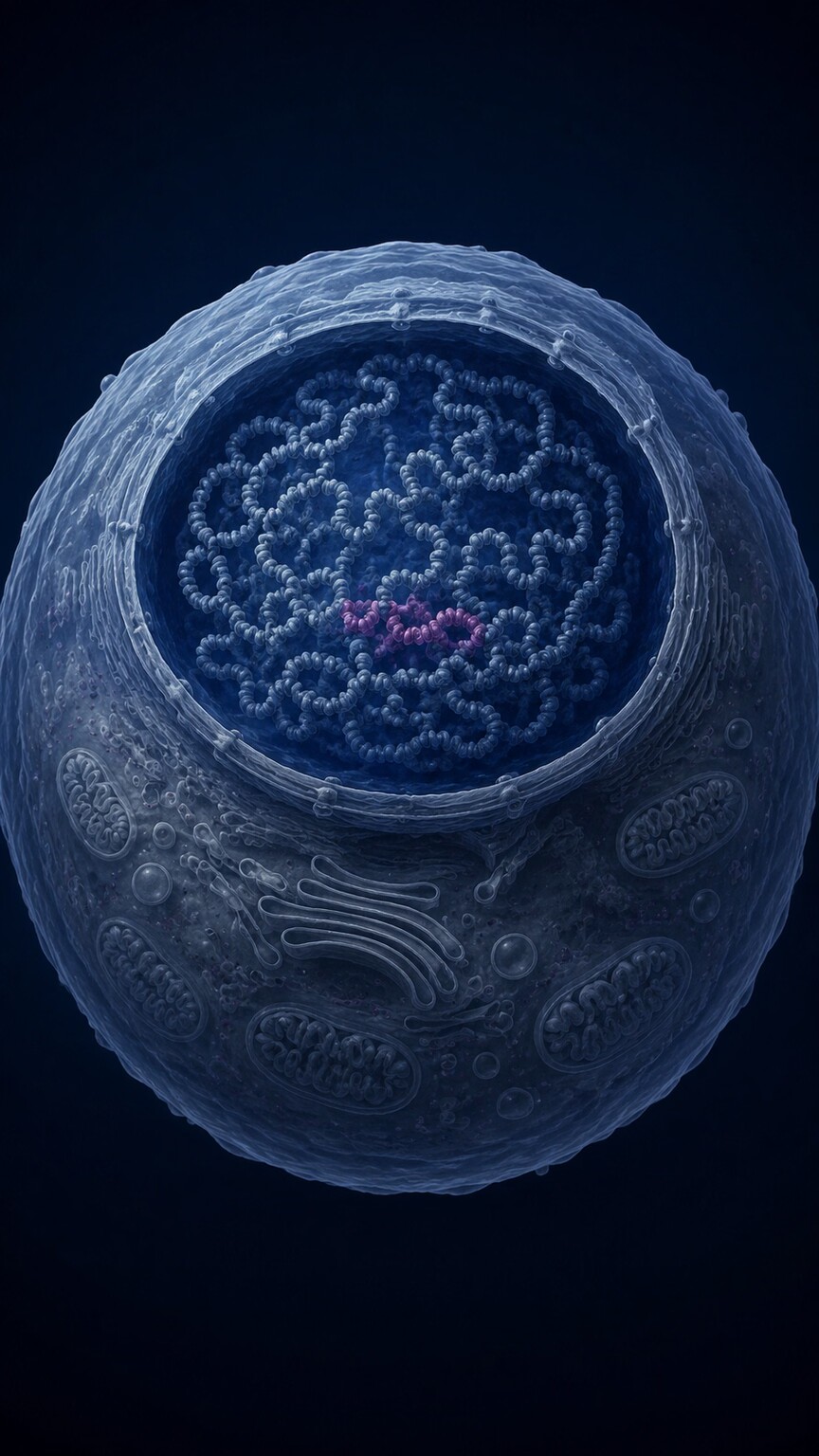
Figure 3. HIV can integrate into the DNA of long-lived resting CD4 T-cells and remain dormant there, forming a latent reservoir that antiretroviral therapy cannot reach.
This is precisely why stopping antiretroviral therapy, even after years of an undetectable result, leads to viral rebound in nearly everyone who tries it — the reservoir cells are still there, and once medication pressure is removed, some of them reactivate and begin producing new virus again, typically within weeks. Current HIV treatment doesn't cure the infection because it can't reach and eliminate this dormant reservoir; it simply keeps actively replicating virus suppressed so effectively, for as long as treatment continues, that the immune system stays protected, transmission risk drops to effectively zero, and the person can expect a near-normal lifespan. Ongoing scientific research into a genuine HIV cure is largely focused on finding ways to either eliminate this latent reservoir entirely or train the immune system to control it without daily medication — meaningful progress has been made in research settings, but this remains an active area of investigation rather than an available clinical treatment as of now.
A useful way to picture the reservoir is as a small number of sleeper cells scattered throughout the body rather than an active battlefield. Estimates suggest that even after years of fully suppressive treatment, a person can still carry anywhere from several hundred thousand to a few million latently infected cells, spread across the bloodstream and tissues like lymph nodes and the gut. That might sound alarming next to a viral load report reading "undetectable," but the crucial detail is that these cells are, for the most part, transcriptionally silent — not producing new virus, not triggering ongoing immune activation, and not detectable by the very test that reports the exciting undetectable result in blood, since a standard viral load test only measures free virus circulating in plasma, not integrated viral DNA sitting dormant inside a cell's genome. This is also why researchers looking for a cure have had to develop entirely different, far more specialized laboratory techniques than a standard clinical viral load test to even measure the size of a person's reservoir in the first place, since the tools built for routine patient monitoring were never designed to detect something that, by definition, isn't producing anything to detect.
Curious what the rest of your lab results actually mean? Upload your results and get a complete, plain-language breakdown in under 15 minutes.
Analyze My ResultsHow Long It Takes to Become Undetectable After Starting Treatment
For someone newly diagnosed with HIV and starting antiretroviral therapy for the first time, the timeline to reach an undetectable viral load is fairly predictable, though it varies somewhat based on the starting viral load, the specific medication regimen, and how consistently doses are taken. Most people see a rapid initial drop in viral load within the first two to four weeks of starting effective treatment, often by more than 90%, as the medication blocks the virus from completing its replication cycle in newly infected cells. Reaching a fully undetectable result — below the assay's limit of detection — typically takes between one and six months for most people on modern regimens, with the majority reaching that point by around the three-month mark.

Figure 4. Consistent daily adherence to antiretroviral therapy is the single largest factor in how quickly, and how durably, a person reaches an undetectable viral load.
Consistency in taking medication exactly as prescribed is, by a wide margin, the single biggest factor influencing this timeline. Missing doses gives the virus repeated opportunities to keep replicating at low levels, which slows the decline and, over enough missed doses, can allow drug-resistant viral strains to emerge — a genuinely important reason why adherence matters even once someone starts feeling completely healthy and symptom-free. Providers typically check viral load roughly one month after starting or changing a regimen to confirm it's dropping as expected, then again around three months, and then every three to six months once someone has been stably undetectable for a while, since routine monitoring both confirms continued treatment success and catches any early signs of a problem well before symptoms would ever appear.
The starting viral load at diagnosis also plays a role in how the early timeline unfolds. Someone diagnosed with a very high starting viral load — sometimes seen during acute, early infection, when the virus is replicating with little resistance from an immune system that hasn't yet mounted a full response — may simply have further to travel numerically before crossing the detection threshold, even if the medication is working exactly as well as it would for someone who started treatment with a lower baseline number. This is one more reason a single early viral load result, especially one drawn very close to diagnosis, is best interpreted as a starting point for a trend rather than a verdict on how treatment is going; what matters most is the trajectory over the following weeks and months, not the size of the very first number on its own.
Undetectable = Untransmittable (U=U) — What the Science Actually Shows
One of the most significant findings in HIV research over the past two decades is what's now widely known by the shorthand U=U: Undetectable equals Untransmittable. Multiple large, rigorously designed studies — following thousands of couples where one partner was living with HIV and the other was not, over tens of thousands of instances of condomless sex — found zero linked HIV transmissions from a partner who had a sustained, confirmed undetectable viral load. This wasn't a small or preliminary finding; it was consistent and robust enough that major public health bodies, including the CDC, now state clearly that a person with a durably undetectable viral load has effectively no risk of sexually transmitting HIV to a partner.
The evidence behind this conclusion came from several landmark studies conducted independently across different countries and populations, which is part of why the finding is considered so reliable rather than a single study's fluke. The PARTNER and PARTNER2 studies, conducted across multiple European clinics, followed both same-sex and different-sex couples for years, cataloging tens of thousands of condomless sex acts with a partner whose viral load was undetectable, and found zero within-couple transmissions in either study. A separate study, Opposites Attract, conducted primarily in Australia, Thailand, and Brazil, followed male couples with the same design and reached the same result. Taken together, these studies represent one of the largest, most carefully designed bodies of evidence in HIV prevention research, which is exactly why U=U moved from a promising hypothesis to a firmly established public health message over the course of the 2010s.

Figure 5. Reliable, uninterrupted access to antiretroviral medication is what sustains the undetectable status that makes U=U protective.
The key word in that finding is "sustained." U=U's protective effect applies specifically to a viral load that has been undetectable and stable for at least six months, confirmed with regular testing and consistent medication adherence — it doesn't apply to someone newly starting treatment whose viral load is still declining, or to someone who has recently missed a significant amount of medication and whose viral load may have crept back up without them yet knowing it. This is exactly why routine, ongoing viral load monitoring remains important even for people who feel completely well and have been undetectable for years: the protective status U=U describes is a reflection of consistent, current suppression, not a one-time achievement that lasts forever regardless of what happens afterward.
It's also worth being precise about what U=U covers and what it doesn't. The research behind it specifically evaluated sexual transmission, which is why public health guidance frames the message around sex. It doesn't directly address needle-sharing during injection drug use, a separate transmission route with its own risk profile, and it doesn't mean other sexually transmitted infections are no longer a consideration — an undetectable HIV viral load has no bearing on the risk of transmitting or acquiring something like chlamydia, gonorrhea, or syphilis, since those are entirely separate organisms with their own transmission dynamics. U=U is a specific, well-evidenced statement about HIV transmission risk specifically, not a blanket statement about sexual health risk in general, and it's most useful when understood with that precision rather than as a vague, all-purpose reassurance.
Undetectable Viral Load During Pregnancy
Viral load takes on particular importance during pregnancy for a person living with HIV, since it directly affects the risk of passing the virus to a baby during pregnancy, birth, or breastfeeding — what's called perinatal or mother-to-child transmission. Without any treatment at all, the risk of a baby acquiring HIV from a parent living with the virus during pregnancy and delivery is significant, historically estimated at roughly 15% to 45% depending on the specific circumstances. With modern antiretroviral therapy started early and maintained consistently through pregnancy, bringing viral load to undetectable well before delivery, that risk drops to well under 1%, making effective treatment one of the most impactful interventions in the entire field of HIV prevention.
Because of how much this number matters for delivery planning, viral load is monitored more frequently during pregnancy than in typical ongoing care, often checked each trimester and again close to the expected delivery date. A viral load that is undetectable or very low near delivery generally allows for a standard vaginal delivery, while a higher viral load closer to delivery may lead a care team to recommend a scheduled cesarean delivery specifically to reduce transmission risk during the birth process itself, since prolonged exposure to blood and bodily fluids during vaginal delivery is one of the higher-risk moments for transmission when viral load isn't well controlled. After birth, an infant born to a parent with HIV typically receives a short course of preventive antiretroviral medication and is tested at intervals over the following months to confirm they have not acquired the virus, an approach that, combined with an undetectable maternal viral load, has made mother-to-child HIV transmission a genuinely rare outcome in settings with access to consistent prenatal care and treatment.
Other Viruses Where "Undetectable" Matters
While HIV is the context most people associate with this term, "undetectable" carries real clinical weight for several other viral infections as well, though the underlying meaning shifts slightly depending on whether the goal is lifelong suppression or an actual cure.
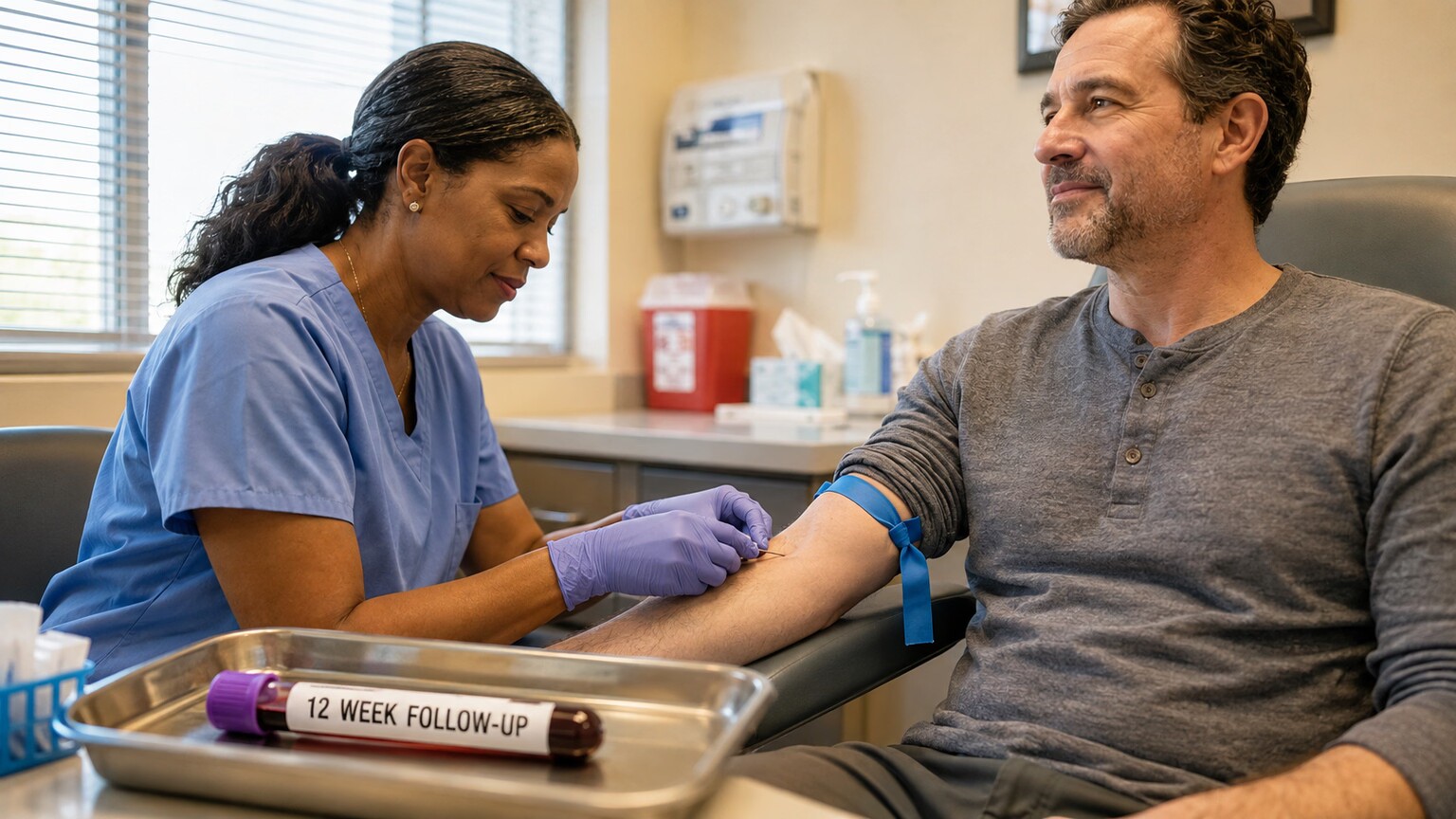
Figure 6. A hepatitis C viral load drawn twelve weeks after finishing treatment, and found undetectable, is what defines a sustained virologic response — the standard definition of cure.
Hepatitis C is a genuinely different story from HIV in one crucial way: modern direct-acting antiviral medications can actually cure it. An undetectable hepatitis C viral load measured twelve weeks after completing an eight-to-twelve-week course of treatment is called a sustained virologic response, or SVR, and it's the standard definition of a hepatitis C cure — over 95% of people treated with current medications achieve it. Unlike HIV, hepatitis C doesn't establish the same kind of long-lived, integrated latent reservoir, which is exactly why a sustained undetectable result here means something different, and considerably more final, than it does for HIV: once SVR is confirmed, treatment stops entirely and the infection is genuinely gone.
Hepatitis B sits somewhere in between. Most adults who are treated for chronic hepatitis B can achieve an undetectable viral load on long-term suppressive antiviral therapy, similar in concept to HIV management, but a true functional cure (clearing a specific viral marker called HBsAg) is uncommon with current medications, so many people remain on treatment indefinitely to keep the virus suppressed. Transplant recipients represent yet another context: viruses like CMV and EBV are extremely common and usually dormant in the general population, but immunosuppressive medication given to prevent organ rejection can allow them to reactivate, so transplant teams routinely monitor viral load for these specific viruses and adjust antiviral medication or, in some cases, temporarily reduce immunosuppression if levels rise, aiming to bring the result back to undetectable before it causes organ damage or serious illness.
COVID-19 offers one more useful point of comparison, even though it isn't typically described using the term "viral load" in routine clinical reporting the way HIV or hepatitis C are. The same PCR technology used for chronic viral load testing is what powers a standard COVID-19 PCR test, and in research settings, that same test can be used quantitatively to track how quickly a person's viral level declines during an acute infection, typically becoming undetectable within one to three weeks for most people, faster with treatment and in people with strong immune responses, slower in people who are immunocompromised. The key difference from HIV is that COVID-19 is an acute infection for most people, meaning the immune system generally clears it entirely without any lasting reservoir, rather than requiring ongoing suppressive treatment the way a chronic infection does — a useful reminder that "the same underlying test" can mean something quite different depending on whether the infection it's tracking is acute and self-resolving or chronic and reservoir-forming.
What Can Cause a Result to "Blip" or Become Detectable Again
People on stable, long-term suppressive therapy sometimes see an occasional low-level detectable result after a long stretch of undetectable readings — commonly called a "blip." A single blip, especially a low one that resolves on the very next test without any change in medication, is usually not a sign of treatment failure; it can result from normal biological variability, a recent illness or vaccination temporarily activating the immune system in a way that briefly stirs up latent virus, or simple lab-to-lab or run-to-run variability near the assay's detection threshold, where a result can bounce just above and just below the line from one test to the next without anything meaningful having changed.
A genuinely different, and more concerning, pattern is a viral load that rises consistently across two or more consecutive tests, especially if it climbs to a substantially higher level rather than hovering just above the detection limit. This kind of sustained rebound is more likely to reflect either missed medication doses or the emergence of a drug-resistant viral strain that the current regimen can no longer fully suppress, and it typically prompts a provider to review adherence, check for drug interactions, and consider resistance testing to guide a possible change in medication. The distinction between a harmless single blip and a genuine, sustained rebound is exactly why providers interpret viral load trends over several tests rather than reacting dramatically to any single number that pops up above zero.
Illness and vaccination deserve a specific mention as blip triggers, since they surprise people fairly often. Any event that broadly activates the immune system — a cold, the flu, a routine vaccine, even a dental procedure in some documented cases — can transiently increase general immune cell activity throughout the body, including in the very cells where HIV's latent reservoir resides. That burst of activation can occasionally nudge a small number of reservoir cells into briefly producing detectable virus before the immune system and ongoing medication bring it back under control, usually within a few weeks. Providers are generally aware of this pattern and, if a person happens to have had a viral infection or vaccine shortly before a blip was detected, that context often factors directly into how much concern the result warrants and whether an early repeat test is worth scheduling before assuming anything has gone wrong with the treatment itself.
What to Do If Your Viral Load Isn't Becoming Undetectable
If a viral load isn't declining as expected after starting treatment, or rebounds after previously being undetectable, the first and most common thing a provider will explore is medication adherence — not as an accusation, but because it's genuinely the most frequent explanation, and an honest conversation about barriers to taking medication consistently (side effects, cost, forgetting doses, difficulty with a pill schedule) usually opens the door to a practical fix, whether that's a simplified once-daily regimen, a reminder system, or addressing an access or affordability issue directly.
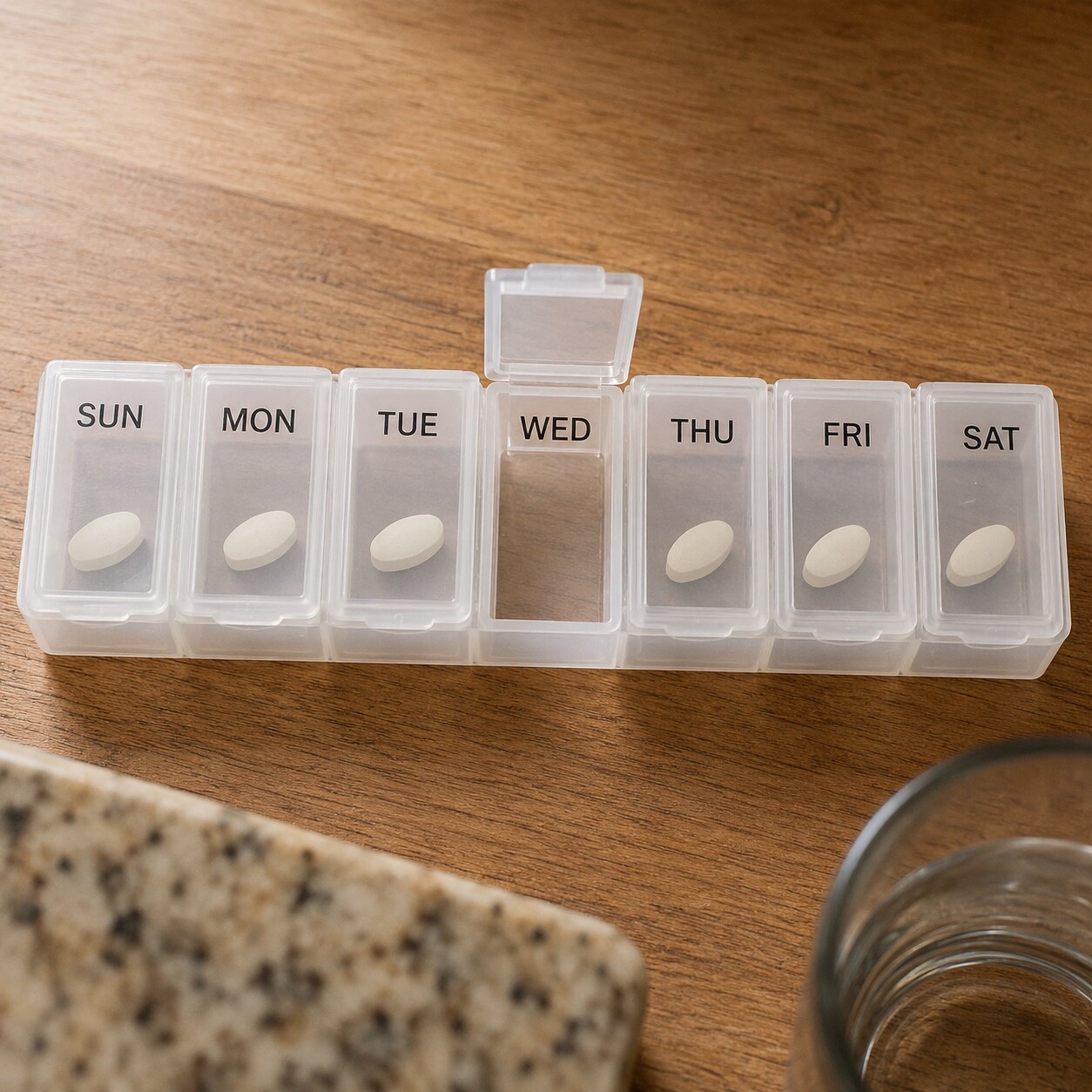
Figure 7. Even a small number of missed doses can give a virus enough opportunity to resume replicating, which is why occasional gaps matter more than they might seem to.
If adherence genuinely isn't the issue, the next step is usually resistance testing, which analyzes the virus's genetic sequence to check whether it carries mutations that make it less susceptible to the specific medications in the current regimen — a real possibility, particularly for people who have been on treatment for many years or who acquired a drug-resistant strain from another person. Based on that result, a provider can switch to a different combination of medications more likely to achieve suppression. It's worth emphasizing that a viral load that isn't yet undetectable, or that has become detectable again, is a solvable clinical problem in the vast majority of cases with the treatment options available today — it calls for a conversation and a plan, not panic, and reaching back out to a provider promptly rather than waiting for the next scheduled visit is generally the right move.
Practical barriers deserve just as much attention as biological ones in this conversation, since they're often the actual root cause behind inconsistent adherence. Cost and insurance coverage gaps, side effects that make a particular medication hard to tolerate day to day, mental health challenges like depression that make any daily routine harder to sustain, unstable housing that disrupts a consistent schedule, and simple pill fatigue after years on the same regimen are all common, well-documented reasons adherence slips — and every one of them has a practical response available through a provider or care team, whether that's a patient assistance program, a switch to a more tolerable medication, a referral for mental health support, or a simplified dosing schedule. Framing a wavering viral load as a signal to problem-solve together, rather than as a personal failure, tends to produce far better long-term outcomes than framing it as noncompliance alone, and most providers experienced in chronic viral disease management approach it exactly that way.
Frequently Asked Questions
If my viral load is undetectable, do I still need to take my medication?
Yes, for HIV specifically. An undetectable result reflects ongoing, effective suppression by your current medication — it isn't a cure, and stopping treatment allows the virus to rebound from the latent reservoir in nearly everyone who tries it, typically within weeks. Hepatitis C is different: once a sustained virologic response is confirmed after finishing a treatment course, no ongoing medication is needed.
Can an undetectable viral load become detectable again on its own, with no missed doses?
Occasional single "blips" can happen even with perfect adherence, often due to normal biological variability, a recent illness, or lab-level fluctuation near the detection threshold, and usually resolve on the next test without any change needed. A sustained rise across multiple consecutive tests is a different pattern and warrants a closer look with your provider.
Does U=U apply the moment my viral load first becomes undetectable?
No. The protection described by U=U applies specifically to a viral load that has been undetectable and stable for at least six months, with regular testing confirming it's staying that way. It doesn't apply during the initial months after starting treatment, while the viral load is still declining toward that threshold.
Is an undetectable hepatitis C result the same thing as HIV's undetectable status?
Not quite. For hepatitis C, an undetectable result twelve weeks after finishing treatment (sustained virologic response) means the infection is actually cured, since hepatitis C doesn't form the same kind of long-lived latent reservoir HIV does. For HIV, undetectable means effectively suppressed but not eliminated, requiring ongoing treatment to maintain.
Does U=U mean I no longer need to worry about other sexually transmitted infections?
No. U=U applies specifically to HIV transmission risk and doesn't extend to other sexually transmitted infections, which are caused by entirely different organisms with their own transmission dynamics. An undetectable HIV viral load has no effect on the risk of acquiring or transmitting something like chlamydia, gonorrhea, or syphilis.
Conclusion
An undetectable viral load is one of the genuine success stories of modern medicine — for HIV, it means a treatment is working so well that the virus can't be measured, transmission risk drops to effectively zero with sustained suppression, and a near-normal lifespan becomes realistic; for hepatitis C, it can mean the infection is gone entirely. But the word carries real technical nuance underneath it: it describes a test's detection limit, not a biological zero, and for viruses capable of establishing a latent reservoir, it describes suppression rather than cure. Understanding that distinction doesn't diminish how significant an undetectable result is — it just makes it possible to hold both truths at once: this is genuinely excellent news, and it's also a result that depends on continuing exactly what got you there, whether that's a daily pill, a routine monitoring schedule, or an honest conversation with a provider the moment something about that routine starts to slip.
Still Not Sure What Your Results Mean?
Upload your labs and get a complete, visual, plain-language interpretation of every biomarker — delivered to your inbox in under 15 minutes.
Get My ReportThis article is for educational purposes only and does not constitute medical advice. Always consult your healthcare provider regarding your specific lab results.