
Recent Antibiotic Use Can Affect Stool Culture Accuracy
If you've been on antibiotics anytime in the last few weeks and your doctor has now asked for a stool culture, there's a detail worth knowing before you drop that sample off: the test you're about to take was designed to catch bacteria in the act of multiplying, and antibiotics are designed to do exactly the opposite. A stool culture doesn't scan your gut for the genetic fingerprint of a germ the way a home pregnancy test scans for a hormone — it actually tries to grow the bacteria that's making you sick, out in the open, on a dish, so a lab technician can watch it multiply and identify it. If the bacteria that caused your illness has already been knocked down, slowed, or partially killed off by a course of antibiotics still working through your system, it may simply refuse to grow when the lab gives it the chance — even though it's still very much present in your gut and still capable of making you feel terrible. That's not a flaw in the test. It's a mismatch between what the test needs (living, dividing bacteria) and what recent antibiotics leave behind (bacteria that are wounded, dormant, or too few in number to multiply on cue). Understanding this mismatch is the difference between reading a "no growth" result as reassuring news and reading it correctly — as a result that might simply need a second look.
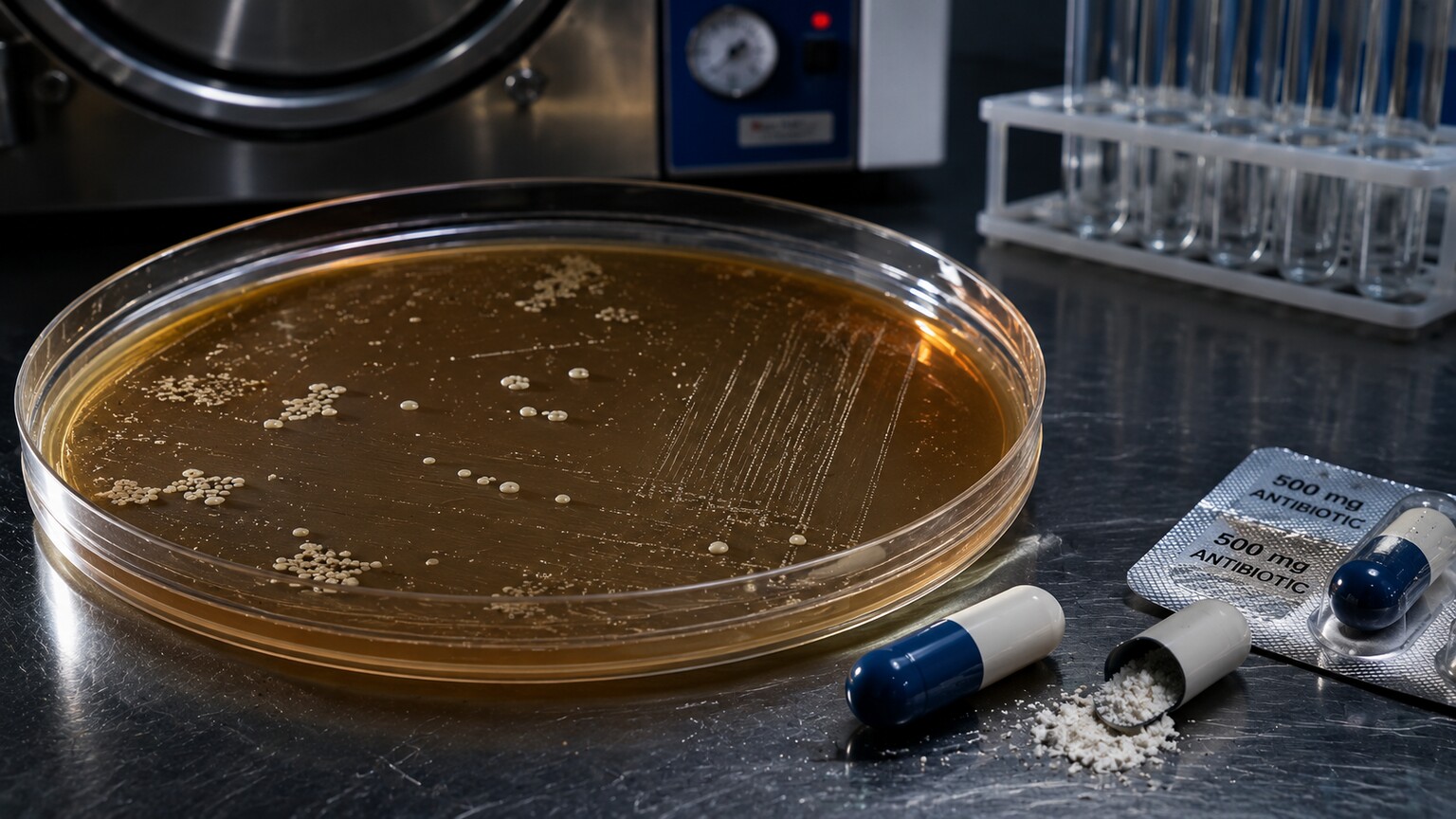
Figure 1. A stool sample collected while antibiotics are still active in the gut can show sparse or absent colony growth even when the causative bacteria are still present at low, non-culturable numbers.
What a Stool Culture Is Actually Trying to Catch
To understand why antibiotics throw a wrench into this particular test, it helps to know what the test is actually doing behind the scenes. When your sample arrives at the lab, a small amount of it gets smeared onto a shallow dish filled with a nutrient-rich gel called culture media — think of it as an extremely well-stocked buffet designed specifically to make bacteria feel at home. Different types of media are formulated to favor different bacteria; some contain dyes and chemicals that let harmless gut bacteria grow but block or color-change specific troublemakers like Salmonella or Shigella, which is how technicians tell them apart from the trillions of normal, harmless bacteria that live in every healthy gut. The dish then goes into an incubator set to body temperature for one to several days, giving any live bacteria in the sample the time and warmth they need to divide over and over, from a handful of invisible cells into a visible colony you could see with the naked eye — a small round or irregular smear, sometimes shiny, sometimes matte, depending on the species. No colony, no result. That single requirement — that the bacteria has to still be alive and capable of dividing when it lands on that dish — is the entire vulnerability antibiotics exploit.
This is different from other stool tests you may have heard of, like a PCR panel, which looks for small fragments of bacterial DNA rather than requiring the bacteria to grow. DNA can sometimes be detected even from bacteria that antibiotics have already killed, since dead cells can still leave genetic debris behind for a short while. A culture has no such safety net. It only reports what successfully multiplies in front of it, which means it's uniquely sensitive to anything — antibiotics, time in transit, improper storage — that reduces the number of live, dividing bacteria in the sample before it ever reaches the dish.
Why Antibiotics and Bacterial Culture Are Fundamentally at Odds
Antibiotics work in one of two broad ways: some are bactericidal, meaning they directly kill bacteria outright, usually by rupturing the cell wall or disrupting DNA replication so thoroughly the cell can't survive. Others are bacteriostatic, meaning they don't necessarily kill the bacteria on the spot but instead stall its ability to divide — effectively pausing the population in place rather than eliminating it. Both effects are exactly what a stool culture cannot tolerate. A bactericidal drug reduces the total number of live bacteria in your gut, sometimes by 90% or more within days, so even if the sample is collected while some bacteria technically remain alive, there may simply not be enough of them left to reliably show up in the small volume the lab actually tests. A bacteriostatic drug is arguably worse for testing purposes in one specific way: the bacteria are still alive and could theoretically be detected by other methods, but because they can't divide, they will never form the visible colony a culture depends on — from the lab's perspective, a bacteriostatic drug can make a real, active infection look identical to a truly clean stool sample.
There's a helpful, if slightly odd, comparison here: imagine trying to count how many people are at a party by listening for how loud the music gets over time — if the music (bacterial growth) has been turned down or muted (suppressed by antibiotics), you might conclude the party is empty even though the room is still full of people standing quietly. The stool culture is listening for that "loudness" of growth, not directly counting bacteria one by one, and antibiotics are extremely effective at turning the volume down without necessarily clearing the room.
What the Research Actually Shows
This isn't a theoretical concern dreamed up to cover for an imperfect test — it's a pattern that clinical microbiology has documented for decades, going back to some of the earliest large-scale studies on stool culture yield in patients being evaluated for infectious diarrhea. Researchers comparing patients who had recently taken antibiotics against those who hadn't consistently found a measurably lower rate of positive cultures in the recently-treated group, even when both groups had clinically similar symptoms and were ultimately diagnosed with the same conditions through other means. This gap between "clinically has the infection" and "culture actually caught it" is exactly what clinicians mean when they talk about a test's sensitivity — the percentage of true infections a test successfully identifies — and recent antibiotic exposure is one of the most well-established factors known to drag that percentage down for growth-based testing.
Public health and infectious disease guidelines have absorbed this lesson directly into how testing gets recommended. Reference protocols used by clinical laboratories routinely list recent antimicrobial therapy as a factor that can produce a false negative culture, and many laboratory handbooks explicitly instruct staff to note antibiotic history on the sample requisition precisely because it changes how a subsequent negative result should be weighted by the ordering physician. This is also part of why outbreak investigations — say, a cluster of foodborne illness traced back to a specific restaurant or product — often specifically ask affected individuals whether they'd taken any antibiotics before providing a sample, since a wave of false negatives during an active outbreak could seriously undercount how many people were actually affected and mask the true scope of what's happening.
The Timing Window — How Long Antibiotics Keep Interfering
One of the most common questions labs get is some version of, "It's been a few days since my last pill — is that long enough?" The honest answer is that it depends on several overlapping factors, but the general guidance most clinical microbiology references converge on is that antibiotic effects on stool culture sensitivity can persist for roughly two to four weeks after the last dose, and sometimes longer for drugs that concentrate heavily in the gut or have a long half-life in the body. This isn't because the drug itself is still circulating for a month — most antibiotics clear from the bloodstream within a day or two of the last dose. It's because the antibiotic's damage to the gut's bacterial population, including whatever pathogen caused the original illness, can take weeks to fully recover from. A course of antibiotics doesn't just knock down the one bacterium your doctor was trying to treat; it usually disrupts a much wider swath of your gut's bacterial ecosystem, and that ecosystem needs time to rebuild before population sizes return to a level a routine culture can reliably detect.
This is also why the specific antibiotic matters. A short course of a drug that's poorly absorbed and passes through the gut quickly will interfere with culture accuracy for a shorter window than a drug that's specifically designed to concentrate in the intestines or that lingers in tissue for an extended period after the last pill. As a general rule of thumb, most labs and clinical guidelines recommend waiting at least 48 hours after the last dose of any antibiotic before collecting a stool sample for culture, and waiting two to four weeks whenever the clinical situation allows it, for the highest confidence in the result. When timing can't wait — because someone is acutely sick right now and a diagnosis is needed urgently — the sample gets collected anyway, but the lab and the ordering doctor both need to know a recent antibiotic course is in the picture so the result can be interpreted with that context in mind, rather than taken completely at face value.
False Negatives: A Clean-Looking Result That Isn't Telling the Whole Story
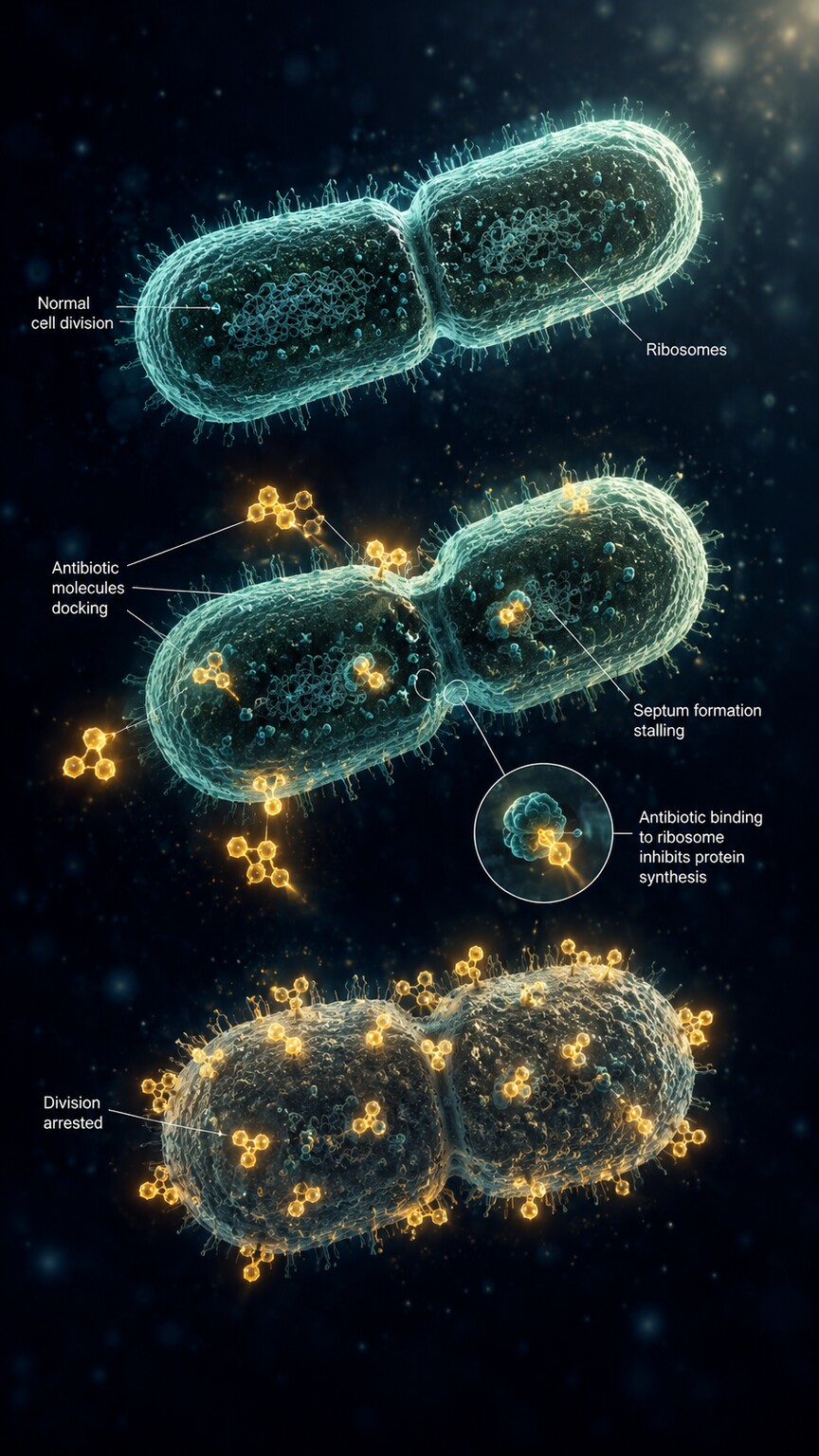
Figure 2. Bacteriostatic antibiotics bind to bacterial machinery and halt division without necessarily killing the cell, leaving live bacteria that still cannot form a visible colony on culture media.
A "false negative" in this context means the test comes back saying no significant bacteria were found, when in reality, a bacterial infection is still present and still the cause of ongoing symptoms. This matters enormously for how a result gets interpreted. If you're still having diarrhea, cramping, or fever a week after finishing antibiotics, and a stool culture comes back completely clean, that clean result doesn't necessarily mean the infection is gone or that something else is now responsible for your symptoms — it might simply mean the antibiotic suppressed the bacteria enough to prevent it from growing on the dish, without actually eliminating it from your gut. This is one of the more frustrating scenarios in gut infection care, because a negative test result naturally reads as good news to most people, when the more accurate read in this specific circumstance is "inconclusive, needs a repeat test or a different testing method."
Doctors who are aware of this pattern will often ask specifically about antibiotic history before deciding how much weight to put on a negative culture. If your symptoms started before you were prescribed antibiotics for an unrelated reason — say, a course for a sinus infection or a dental procedure — and your gut symptoms never actually improved, that timeline is a red flag that the culture might be underselling what's actually going on. In that situation, many clinicians will either repeat the culture after a longer antibiotic-free window, or switch to a molecular test like a gastrointestinal PCR panel, which doesn't depend on live bacterial growth and is far less vulnerable to this specific kind of interference.
Not All Antibiotics Interfere the Same Way
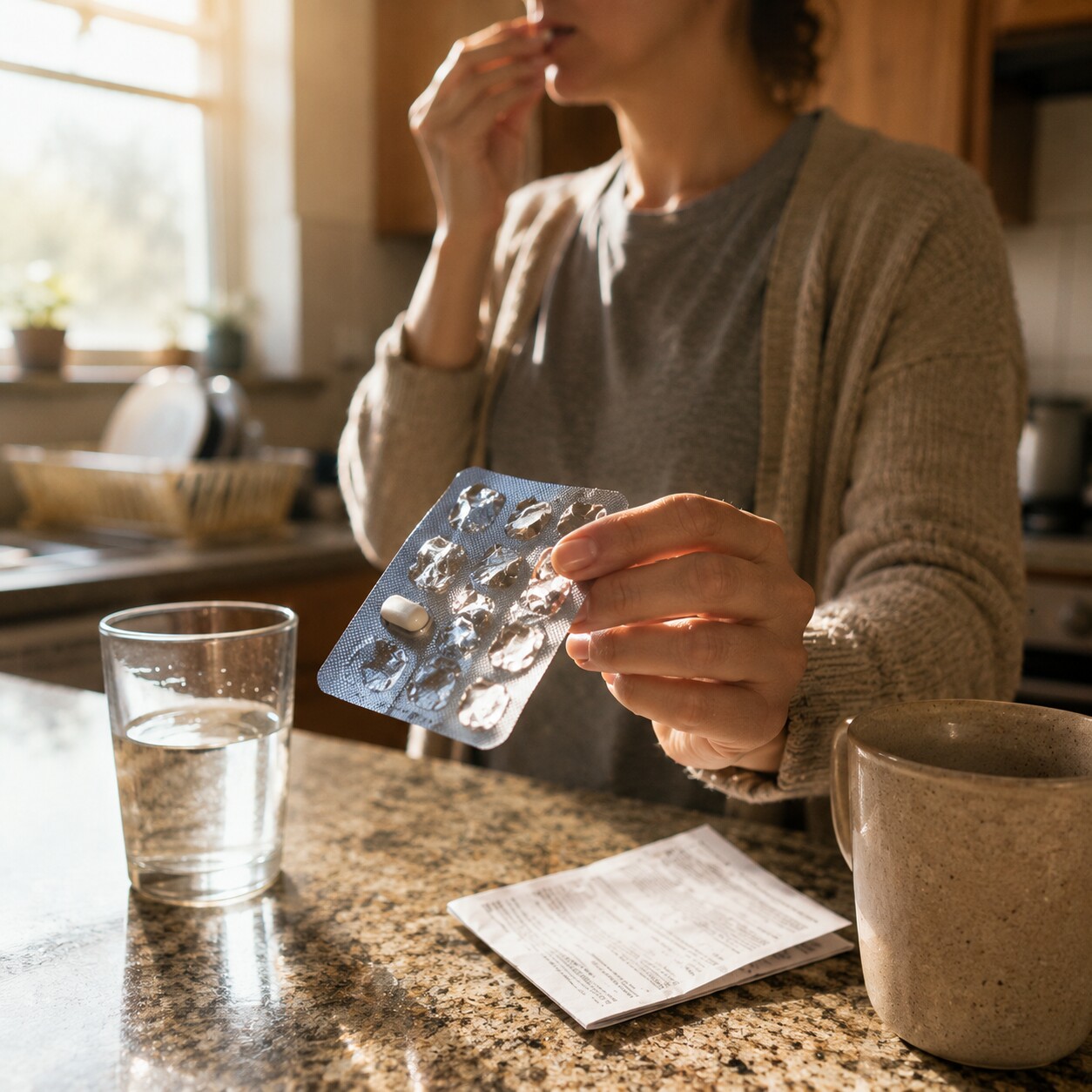
Figure 3. Oral antibiotics that concentrate heavily in the gastrointestinal tract, rather than being rapidly absorbed into the bloodstream, tend to suppress stool culture growth for the longest period after the final dose.
Not every antibiotic leaves the same fingerprint on your gut. Some, like certain penicillins and cephalosporins, are absorbed fairly efficiently into the bloodstream from the small intestine, meaning a smaller fraction of the active drug actually stays behind in the colon where stool cultures are effectively sampling from. Others — including many drugs specifically chosen to treat gut infections in the first place, like metronidazole, rifaximin, or certain fluoroquinolones — are formulated or naturally behave in a way that leaves high concentrations sitting directly in the intestinal tract for days after the last dose, which extends how long they continue suppressing bacterial growth in a stool sample. This is part of why a doctor's questions about which specific antibiotic you took, and for how long, aren't just background paperwork — the answer genuinely changes how much confidence to place in a stool culture collected shortly afterward.
There's also a dose and duration effect worth understanding. A single dose of an antibiotic given for an unrelated reason, like a pre-dental-procedure prophylactic dose, tends to have a much smaller and shorter-lived impact on stool culture sensitivity than a full 10- or 14-day therapeutic course aimed at treating an active infection. The longer and more sustained the antibiotic exposure, the more thoroughly the gut's bacterial population — including whatever pathogen might be present — gets suppressed, and the longer it takes for that population to recover to a level a culture can reliably catch.
The route the antibiotic takes into your body matters too, though maybe not in the direction you'd expect. It's tempting to assume that an antibiotic given by IV, bypassing the digestive tract entirely, would leave the gut untouched — but the opposite is often true. IV antibiotics still circulate through the bloodstream and get filtered through tissues throughout the body, including the intestinal wall, meaning a meaningful portion still ends up back in the gut. Oral antibiotics, on the other hand, pass directly through the intestines on their way to being absorbed, giving them even more direct, sustained contact with whatever bacteria happen to be living there. In practice, both routes can suppress stool culture growth — IV antibiotics simply tend to do it somewhat less aggressively than an oral course of the same drug, rather than not at all. It's also worth knowing that topical antibiotic creams or ointments used on skin, and antibiotic eye drops or ear drops, are absorbed in such small amounts systemically that they generally don't need to be mentioned in this context — the concern here is specifically about antibiotics that circulate through the body or pass through the digestive tract in meaningful concentrations.
Curious what the rest of your results are telling you? Upload them and get a complete, plain-language breakdown in under 15 minutes.
Analyze My ResultsA Stranger Possibility: Bacteria That Are Alive but Won't Grow
There's an even more unusual wrinkle to this story that microbiologists have studied for years, known as the "viable but non-culturable" state, often shortened to VBNC. Under certain kinds of stress — and sub-lethal antibiotic exposure is one well-documented trigger — some bacteria don't die and don't simply pause their division the way a typical bacteriostatic drug causes. Instead, they shift into a kind of dormant survival mode: their metabolism slows dramatically, they stop dividing, and by every standard laboratory test that depends on growth, they appear dead. Yet under the right conditions, some of these same bacteria can "wake up" later and resume normal activity, including, in some documented cases, regaining the ability to cause illness. Think of it less like a bacterium going to sleep and more like a seed lying dormant in dry soil — nothing about the standard tests can tell the difference between a seed that will never sprout and one that's simply waiting for rain.
This phenomenon is still an active area of microbiology research, and it isn't fully understood for every species relevant to human gut infections. But it illustrates a broader point that's easy to lose sight of when a lab report simply says "no growth": that phrase describes what happened on a specific dish, under specific conditions, on a specific day — not necessarily a complete, permanent verdict on every bacterium that might still be present in a person's gut. For most everyday infections and most patients, standard interpretation of a negative culture is perfectly appropriate. But in someone with a confusing, prolonged, or recurring illness, especially with a recent antibiotic history in the mix, this is one more reason clinicians sometimes look past a single clean result rather than treating it as the final word.
Why This Matters More for Some Infections Than Others
The stakes of a false negative aren't the same across every possible bacterial cause of gut illness. For a mild, self-limiting infection that was probably going to resolve within a few days regardless, missing it on a culture is more of an academic inconvenience than a clinical problem — nobody needed a specific treatment plan anyway. But for a handful of situations, the accuracy of that culture genuinely changes what happens next. Clostridioides difficile, commonly known as C. diff, is a particularly important example, though it comes with its own twist: C. diff testing usually isn't a traditional growth-based culture at all in most modern labs, but rather a toxin or PCR-based test, which is part of why C. diff detection tends to be less affected by recent antibiotics than a classic bacterial culture — though a recent antibiotic course is precisely what raises someone's risk of developing C. diff in the first place, since it wipes out the protective bacteria that normally keep C. diff in check.
Recurrent or persistent infections are where the antibiotic-interference problem shows up most often in practice. Someone who was treated empirically — meaning treatment started based on symptoms before a specific organism was ever confirmed — and who is still sick weeks later presents a genuinely tricky diagnostic puzzle. Is this a different infection that was never treated in the first place? Is it the original infection, incompletely cleared and now suppressed just enough to dodge detection? Or is it a non-infectious cause entirely, like post-infectious irritable bowel syndrome, which can persist for months after the original bacteria are long gone? A stool culture collected in this window, without the doctor knowing about the recent antibiotic course, risks steering the whole investigation in the wrong direction.
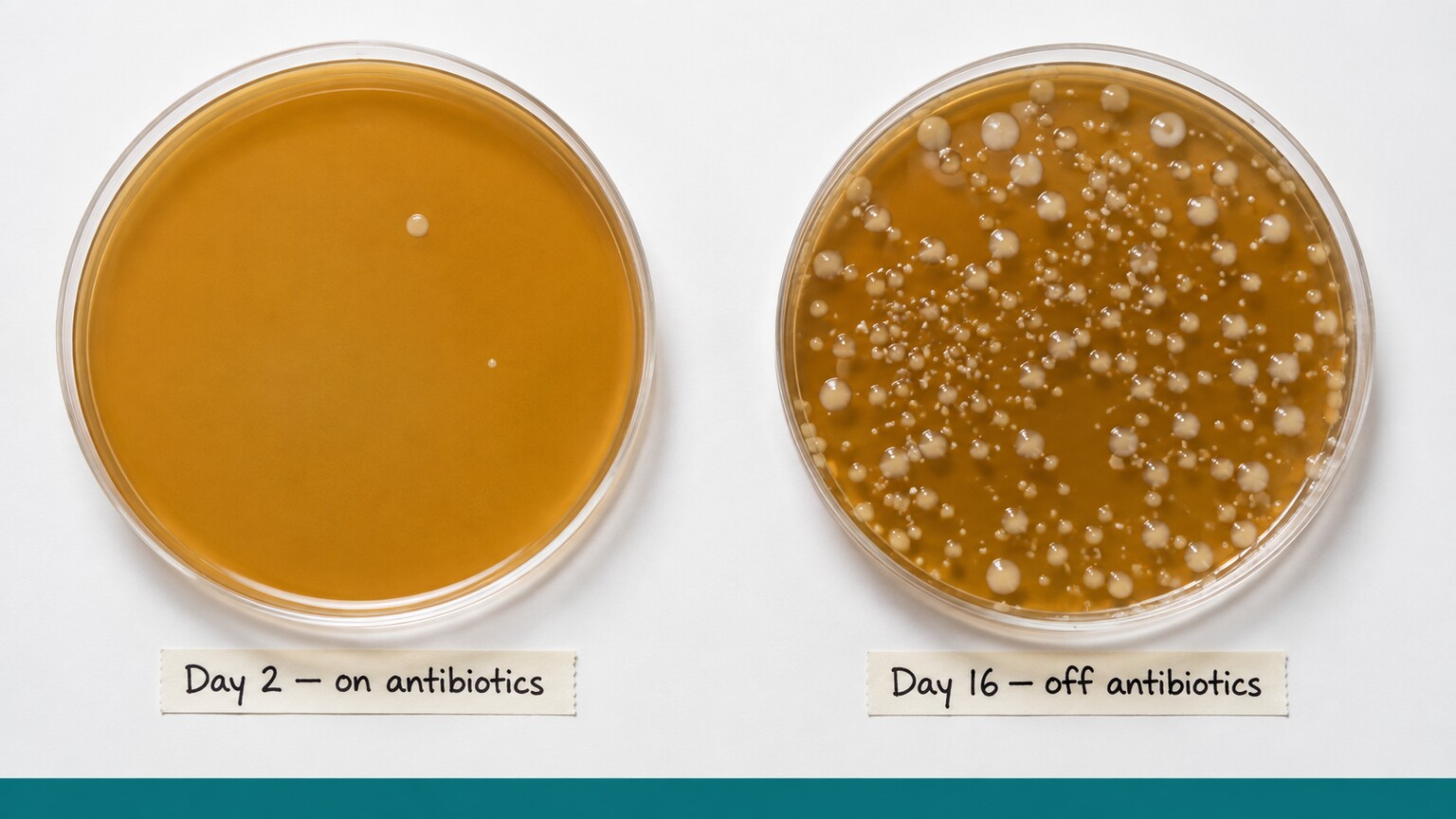
Figure 4. The same underlying infection can produce two very different culture results depending on whether the sample is collected while antibiotics are still active in the gut or weeks after they've cleared.
When Doctors Reach for a Different Kind of Test Instead
Because of exactly this limitation, many clinicians now lean toward multiplex gastrointestinal PCR panels when there's any meaningful chance recent antibiotics could muddy a culture result — particularly in hospitalized patients, immunocompromised patients, or anyone whose symptoms and treatment history don't line up cleanly. These panels work by detecting small, specific fragments of genetic material unique to a range of bacteria, viruses, and parasites all at once, directly from the stool sample, without requiring anything to grow first. Because there's no growth step, a PCR panel can sometimes detect bacterial genetic material even from organisms that antibiotics have already killed, since the DNA itself can persist in the sample for a period even after the bacteria producing it are no longer viable.
This doesn't make PCR testing perfect or a wholesale replacement for culture — culture still plays an essential role that PCR can't fully replicate, because growing the actual live organism is what allows a lab to test it against different antibiotics and tell a doctor which drug will actually work if treatment becomes necessary, something called susceptibility testing. A PCR panel can tell you a pathogen's genetic signature was present; it generally can't tell you whether that specific strain sitting in your gut right now is resistant to the antibiotic your doctor is considering next. This is exactly why, in more complicated or recurring cases, doctors sometimes order both tests together — the PCR panel for fast, antibiotic-resistant detection, and a culture for the deeper, treatment-guiding information that only a living, growable sample can provide.
Do Probiotics Complicate the Picture Too?
Many people who've just finished a course of antibiotics are also taking a probiotic supplement at the same time, often on their doctor's own advice, to help repopulate the gut with beneficial bacteria and reduce the risk of complications like C. diff. This raises a reasonable question: could the probiotic itself show up on a stool culture and muddy the picture further? In practice, this usually isn't a significant concern. The bacterial strains found in most commercial probiotics — typically species of Lactobacillus or Bifidobacterium, or a yeast called Saccharomyces boulardii — are not the disease-causing organisms a stool culture is specifically designed to screen for, and standard culture media is formulated to let the lab distinguish between normal, harmless gut flora and true pathogens regardless of whether some of that harmless flora arrived through food, supplements, or the body's own natural population. Where probiotics can matter more is in the general theme of this article: they're part of the broader story of a gut ecosystem trying to recover its balance after antibiotics, and mentioning them, alongside your antibiotic history, gives your doctor the fullest possible picture of what your gut has been through recently.
What to Tell Your Doctor or Lab Before You Give a Sample
The single most useful thing you can do to protect the accuracy of your own stool culture is simply to volunteer your recent antibiotic history clearly, even if nobody explicitly asks. It's easy to assume the electronic medical record already has this information, especially if the antibiotic was prescribed by the same office or system now ordering the culture — but that assumption breaks down constantly in real life, particularly when antibiotics were prescribed by an urgent care clinic, a dentist, a different specialist, or even picked up while traveling internationally, none of which may show up automatically in the chart of whoever ordered your stool test.
Be specific rather than general. "I finished amoxicillin about ten days ago for a sinus infection" gives your provider something concrete to weigh against your current symptoms and the test result, while "I think I took something a while back" doesn't give them much to work with. If you're not sure of the exact name, the pharmacy that filled the prescription can usually tell you within minutes, and it's worth the two-minute phone call before your appointment. This single piece of history can be the deciding factor between a doctor confidently ruling something out and a doctor appropriately keeping the door open for a repeat test.
If You're Already on Antibiotics and Need a Culture Anyway
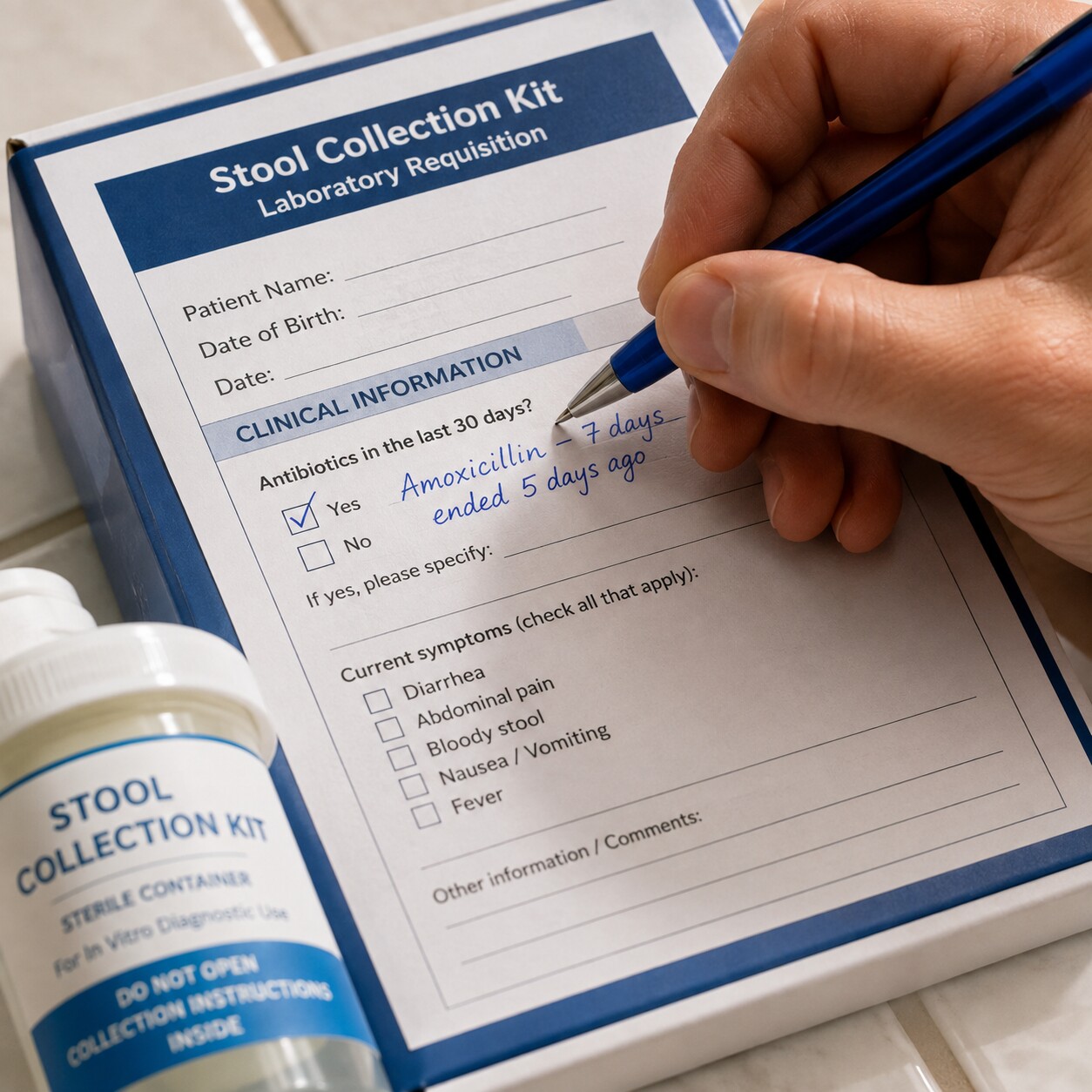
Figure 5. Requisition forms for stool culture typically include a field for recent antibiotic use, which the lab uses to flag the result as potentially affected before it reaches the ordering physician.
Sometimes waiting weeks simply isn't an option — someone is acutely ill right now, potentially dehydrated, running a fever, or showing signs that need an answer today rather than in a month. In these situations, the sample gets collected regardless of recent antibiotic exposure, because a same-day result, even an imperfect one, is often more clinically useful than a theoretically cleaner result that arrives too late to matter. What changes in this scenario is how the result gets used. A doctor who knows a patient is currently on antibiotics won't treat a negative culture as the final word; they'll factor in the whole clinical picture — how the person actually looks and feels, their vital signs, whether they're improving or worsening, and sometimes imaging or bloodwork — rather than leaning entirely on one test that they already know is working under unfavorable conditions.
Labs themselves are generally aware of this pattern too. Most stool culture requisition forms include a specific field asking whether the patient has taken antibiotics recently, and a "yes" answer there often prompts the lab to either extend the incubation time slightly, use enrichment broths designed to help suppressed bacteria recover and multiply before plating, or flag the report in a way that signals to the ordering physician that a negative result should be interpreted cautiously. None of this fixes the underlying limitation, but it does mean the system has some built-in awareness of the problem — awareness that only works, though, if the antibiotic history actually makes it onto that form in the first place.
How to Get the Most Accurate Result Possible
If your situation allows for any flexibility in timing, a few practical steps meaningfully improve the odds of getting a result you can actually trust. First, whenever it's medically appropriate to wait, aim for at least two weeks — and ideally closer to four — after your last antibiotic dose before the sample is collected, since this gives the gut's bacterial population, including any lingering pathogen, time to recover to detectable levels. Second, always disclose the specific antibiotic, dose, and duration to whoever is ordering the test, not just the fact that you took "something." Third, if your symptoms are ongoing and a first culture comes back negative shortly after antibiotics, don't treat that result as automatically final — ask specifically whether a repeat test, a different testing method like PCR, or simply more time would give a clearer answer, especially if nothing else about your situation has changed. And finally, if a repeat sample is recommended, try to collect it as soon as symptoms recur or worsen, since fresher samples reflect what's happening in your gut right now far better than one collected during a temporary lull.
None of this is about distrusting the test itself — a stool culture, collected under the right conditions, remains one of the most reliable tools available for identifying exactly which bacteria is behind a gut infection and, just as importantly, which antibiotics will actually work against it. The goal here is simply making sure the test gets a fair shot at doing what it's designed to do, by giving it a sample where the bacteria in question are still able to grow.
It's also worth remembering that this entire issue exists on a spectrum rather than as an on-or-off switch. A short, narrow-spectrum antibiotic course finished three weeks ago carries a very different level of concern than a broad-spectrum, gut-concentrated antibiotic finished three days ago — the first scenario may barely register as a factor at all, while the second genuinely warrants a conversation about timing or an alternate test before drawing firm conclusions from the result. Rather than trying to memorize which specific drugs behave which way, the simplest and most reliable approach is the one already outlined here: disclose the antibiotic, disclose the timing, and let your doctor and the lab weigh the specifics — that's a far more dependable safety net than trying to guess on your own whether a particular course was "significant enough" to mention.
Frequently Asked Questions
How soon after finishing antibiotics can I give an accurate stool sample?
Most labs and clinical guidelines suggest waiting at least 48 hours as an absolute minimum, but two to four weeks after the last dose gives the most reliable result, since the gut's bacterial population — including any lingering pathogen — needs time to recover to levels a culture can detect.
If my culture came back negative right after I finished antibiotics, could that be wrong?
Yes, it's possible. A negative result collected shortly after antibiotics can reflect suppressed bacterial growth rather than a truly clear gut, especially if your symptoms haven't fully resolved. Mentioning your recent antibiotic history to your doctor helps them decide whether a repeat test or a different testing method is worth considering.
Does a single antibiotic dose affect the test as much as a full course?
Generally, no. A single dose given for an unrelated reason, like dental prophylaxis, tends to have a smaller and shorter-lived effect on culture accuracy than a full multi-day treatment course, though it's still worth mentioning to whoever is ordering your test.
Why doesn't my doctor just use a PCR test instead of a culture to avoid this problem entirely?
PCR panels are less affected by recent antibiotics since they don't require live bacterial growth, but culture still plays a role PCR can't fully replace — it's the only method that lets a lab test which specific antibiotics will actually work against the bacteria found, information that becomes important if treatment is needed.
Do probiotics I'm taking after antibiotics affect my stool culture result?
Generally, no. Standard culture media is formulated to distinguish disease-causing bacteria from normal or supplemental gut flora, so common probiotic strains don't typically interfere with a culture's ability to detect true pathogens. Still, mentioning probiotic use alongside your antibiotic history gives your doctor a fuller picture of your gut's recent recovery.
What if I'm on IV antibiotics rather than pills — does that still matter for a stool culture?
Yes. IV antibiotics still circulate through the bloodstream and reach the intestinal lining, so they can suppress stool culture growth as well, generally to a somewhat lesser degree than an oral course of the same drug. It's still worth disclosing IV antibiotic use to whoever orders your culture.
Conclusion
A stool culture is only as trustworthy as the conditions the sample was collected under, and recent antibiotic use is one of the most common conditions that quietly skews the result — not by producing a wrong answer exactly, but by producing an incomplete one. Bacteria that are suppressed, weakened, or temporarily paused by a recent course of antibiotics can be genuinely present in your gut and genuinely responsible for ongoing symptoms, while still failing to show up on a dish designed to catch them in the act of multiplying. If you've taken antibiotics anytime in the past few weeks, the most useful thing you can do is simply say so, clearly and specifically, before your sample is collected — that one detail gives your doctor and your lab the context they need to read your result the right way, rather than taking a "no growth" report more literally than the circumstances actually allow.
Ultimately, good lab testing is a two-way conversation, not a one-way verdict handed down from a dish in an incubator. The more accurately your provider understands what your gut has recently been through — which antibiotics, for how long, and how you've felt since — the more accurately they can interpret whatever that dish ends up showing, or failing to show.
Still Not Sure What Your Results Mean?
Upload your labs and get a complete, visual, plain-language interpretation of every biomarker — delivered to your inbox in under 15 minutes.
Get My ReportThis article is for educational purposes only and does not constitute medical advice. Always consult your healthcare provider regarding your specific lab results.