
Why Is My Stool Culture Negative Despite Having Diarrhea?
A negative stool culture means one specific thing: the lab did not grow one of the handful of disease-causing bacteria it was specifically looking for. It does not mean your gut is infection-free, and it does not mean your diarrhea doesn't have a real, identifiable cause. Stool culture is a surprisingly narrow test — built to catch a short list of bacteria under a specific set of lab conditions — and the majority of diarrhea cases in the United States are actually caused by things a standard culture was never designed to detect in the first place: viruses, parasites, toxins, fragile bacteria that die before they reach the lab, and non-infectious conditions that have nothing to do with a pathogen at all. If your culture came back negative and you're still symptomatic, that's not a contradiction. It's usually the test doing exactly what it was built to do, on a target list that simply doesn't cover everything that can make you sick. Understanding what that target list actually includes — and, just as importantly, what it leaves out — is the difference between reading a negative result as reassurance and reading it as a dead end when it shouldn't be one.
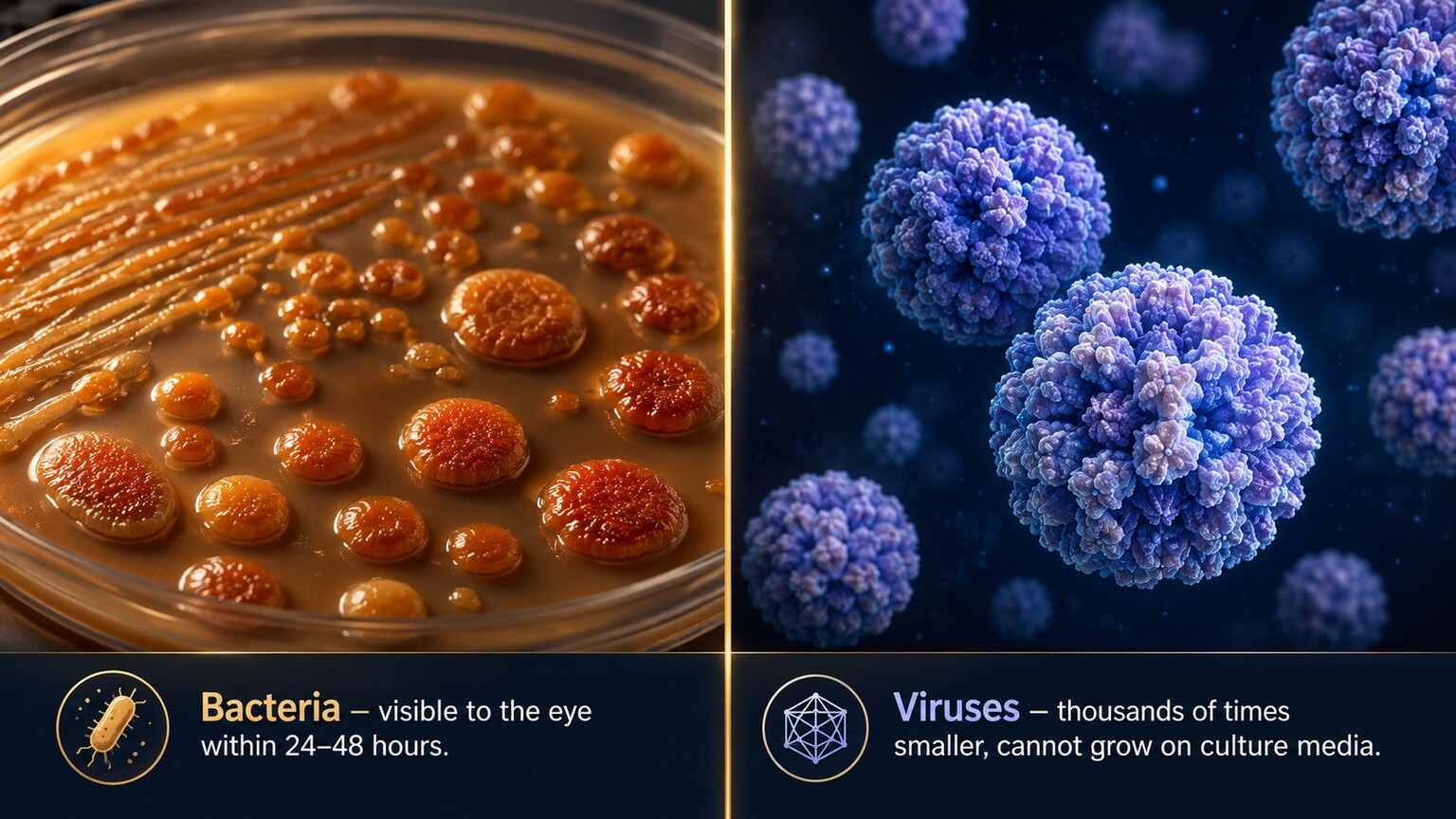
Figure 1. Norovirus and rotavirus particles are thousands of times smaller than bacteria and require an entirely different detection method than a bacterial culture.
Curious what the rest of your results are telling you? Upload them and get a complete, plain-language breakdown in under 15 minutes.
Analyze My ResultsWhat a Stool Culture Actually Tests For
A stool culture works by smearing a small amount of stool onto a set of specialized growth surfaces called culture media, then incubating them for one to several days to see what grows. But the media used aren't neutral — most labs use a "selective" panel specifically designed to encourage the growth of a short, targeted list of bacteria: usually Salmonella, Shigella, Campylobacter, and sometimes a specific strain of E. coli, depending on the lab's protocol and what the ordering doctor requested. Anything outside that target list either doesn't grow on the media at all, gets outcompeted by the trillions of normal, harmless bacteria that live in every person's gut, or simply isn't what the test was built to look for. This is by design, not a flaw — a stool sample contains an overwhelming number of organisms, and without a selective process, the lab would have no way to separate a handful of dangerous pathogens from the enormous, entirely normal bacterial population your intestines carry every day. The tradeoff is that "negative" only ever means "none of the specific organisms on this list were found" — it is never a blanket statement that nothing infectious is present.
It also helps to know that a lab report doesn't always say "negative" outright — it often says "no growth" or "no enteric pathogens isolated," phrasing that sounds absolute but means the exact same narrow thing. "No growth" describes what happened on that specific plate, under that specific incubation protocol, for that specific list of organisms the lab was set up to detect. It says nothing about whatever wasn't on the list to begin with. Some lab reports do specify which organisms were screened for directly in a footnote, and if you can access that detail on your own report, it's worth reading closely — a culture that screened only for Salmonella, Shigella, and Campylobacter is answering a much narrower question than one that also included a specific test for Shiga toxin-producing E. coli or Vibrio.
Timing matters here too, in a way that's separate from the sample-handling issues discussed further below. A standard stool culture typically takes two to three days to produce a final result, because bacteria need time to multiply into visible colonies before a lab technician can identify them — this isn't a step that can be rushed without risking a false negative from colonies that simply hadn't grown large enough yet to be detected and identified. Some slower-growing organisms may need even longer before the lab is confident enough in a "no growth" call to report it as final. That built-in delay is part of why a doctor facing a patient with severe, high-risk symptoms often starts supportive treatment, and sometimes empiric antibiotics, before the culture result is even back — the clinical picture in front of them can't always wait two to three days for microbiology to catch up, and a negative result that arrives after treatment has already started doesn't necessarily mean the treatment was unnecessary.
Viruses Cause Far More Diarrhea Than Bacteria Do
In the United States, viruses are responsible for the large majority of acute diarrhea cases, well outnumbering bacterial causes — norovirus alone is estimated to cause around 19 to 21 million illnesses a year, and it spreads with notorious efficiency through contaminated food, surfaces, and close contact, especially in group settings like schools, cruise ships, and daycare centers. Rotavirus, while less common in the U.S. since the introduction of the childhood vaccine, remains a major cause of severe diarrhea in young children worldwide and can still occur in unvaccinated kids and, less often, adults. Neither of these organisms is a bacterium, and neither one grows on a bacterial culture plate. Viruses are fundamentally different biological structures — they aren't cells, they can't reproduce on their own outside a living host cell, and they have no metabolism of their own to feed on the nutrients in a culture medium. A lab technician could incubate a norovirus-contaminated stool sample on bacterial culture media for a week straight and see nothing grow, not because the virus isn't there, but because the entire test system is built around something bacteria do that viruses simply cannot: independent cellular growth. Detecting a virus requires a completely different kind of test, typically a molecular assay called PCR (polymerase chain reaction) or a rapid antigen test, neither of which is part of a standard stool culture order.
Timing and Handling Can Cause a Real Infection to Be Missed
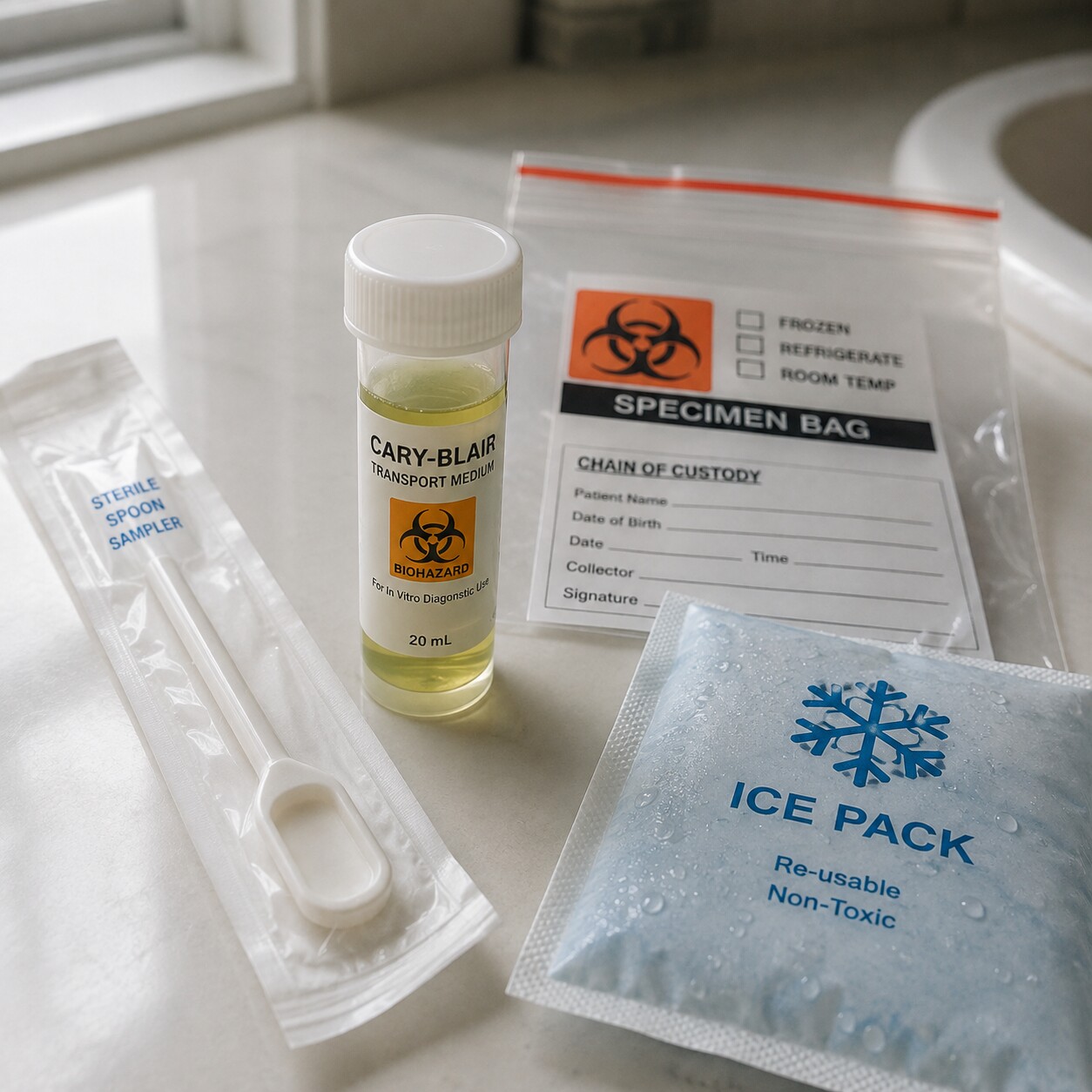
Figure 2. Fragile bacteria like Campylobacter and Shigella can die within hours if a sample sits too long before reaching the lab, even when properly sealed.
Some of the bacteria a culture is specifically designed to catch are genuinely fragile once they leave the human body. Campylobacter, one of the most common bacterial causes of diarrheal illness in the country, is notoriously sensitive to oxygen exposure, temperature swings, and drying out — it can lose viability within just a few hours if a sample isn't refrigerated promptly or transported quickly to the lab. Shigella behaves similarly, and both organisms are known in clinical microbiology literature for producing false-negative cultures specifically because of collection and transport delays rather than because the infection wasn't real. This is part of why specimen kits typically include very specific instructions: use the provided container, avoid contaminating the sample with urine or toilet water, and get it to the lab or a drop-off point within the stated window, often within one to two hours at room temperature or up to 24 hours refrigerated, depending on the transport medium included in the kit. If a sample sat out too long, got too warm, or took an extra day to reach the lab because of a weekend or a courier delay, a genuinely infected sample can culture as clean simply because the organism didn't survive the trip.
Some labs address this fragility by supplying a transport medium with the collection kit — a gel-like substance such as Cary-Blair medium, formulated specifically to keep fragile organisms viable at room temperature for longer than they would survive on their own. Not every kit includes it, though, and even with the right transport medium, the clock still matters: the longer a sample sits before processing, the more the balance shifts in favor of the hardier normal gut bacteria overwhelming whatever fragile pathogen might have been present in smaller numbers to begin with.
Some Food Poisoning Bacteria Never Need to Grow in Your Gut at All
There's an entire category of bacterial food poisoning where a stool culture was never going to find anything, even with perfect sample handling, because the bacteria responsible for the illness aren't actually the ones making you sick — a toxin they made earlier is. Staphylococcus aureus is the clearest example: when this bacterium multiplies in improperly refrigerated food, like potato salad or cream-filled pastries left out too long, it releases a heat-stable toxin directly into the food itself. By the time you eat it, the toxin is already there and already active, and it triggers vomiting and diarrhea by acting directly on the digestive tract, independent of whether any live Staph bacteria survive your stomach acid and reach the intestine in meaningful numbers. Bacillus cereus, associated with reheated rice, and Clostridium perfringens, associated with large batches of meat or gravy left at unsafe temperatures, work through similar preformed-toxin or rapid-toxin mechanisms. In every one of these cases, a stool culture can come back completely clean — not because the illness wasn't bacterial in origin, but because the bacteria themselves may already be gone or present in low numbers, having done their damage through a toxin rather than through an active, ongoing gut infection a culture is built to catch. These illnesses also tend to be short — usually resolving within 24 hours — which is one practical clue that distinguishes them from the longer-lasting infections a culture is actually designed to identify.
Some Bacteria Are Difficult to Grow Under Standard Lab Conditions
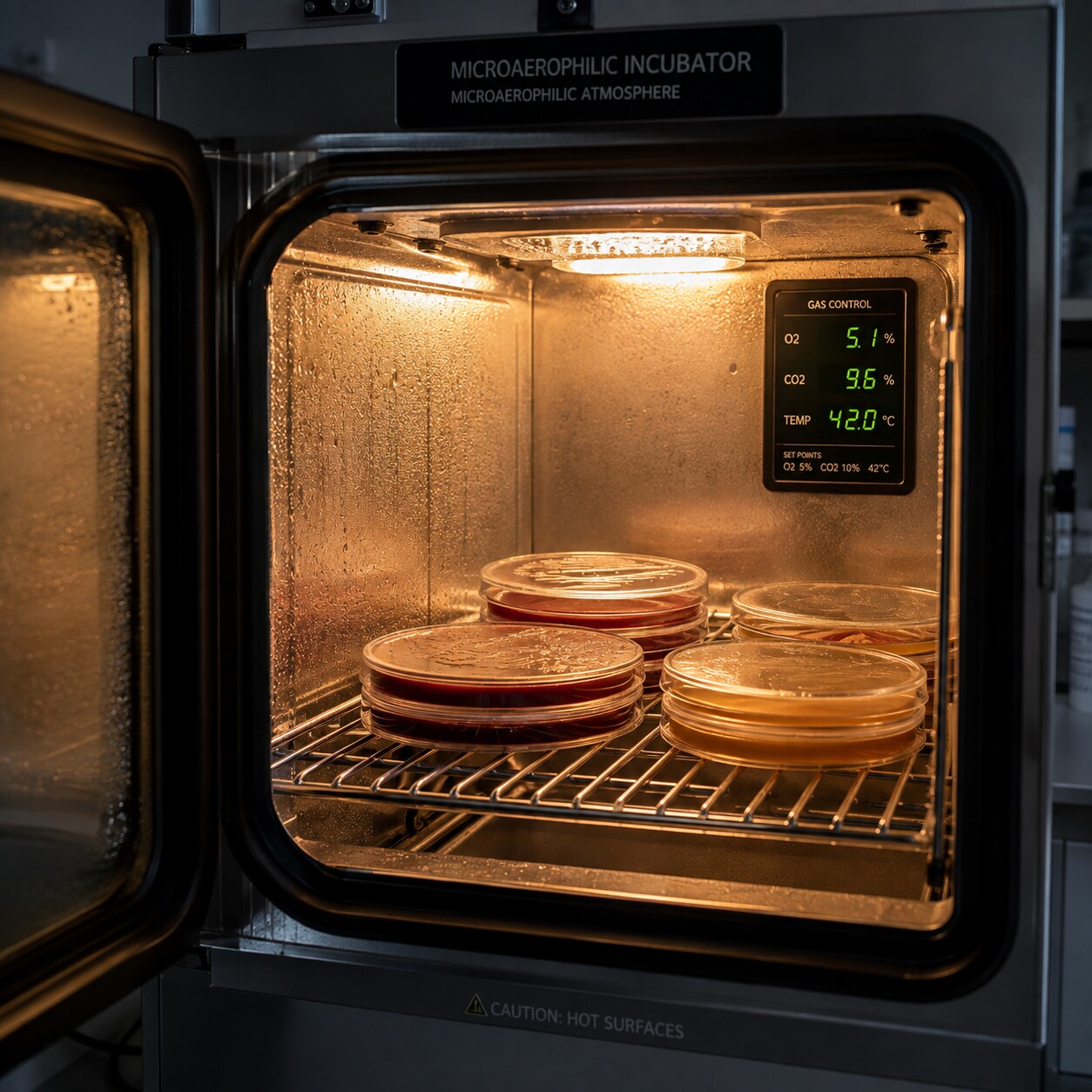
Figure 3. Campylobacter requires a low-oxygen, higher-temperature incubation environment that a standard aerobic culture setup may not provide.
Even when a fragile organism survives transport, it still has to grow under the exact conditions the lab provides — and not every disease-causing bacterium cooperates easily with standard incubation. Campylobacter is again a good example: it's a microaerophilic organism, meaning it needs a very specific, low-oxygen atmosphere (roughly 5% oxygen, rather than the 21% found in normal room air) along with an incubation temperature around 42°C, several degrees warmer than the standard 35–37°C used for most other stool pathogens. A lab that isn't specifically set up with a microaerophilic incubator, or that runs its standard panel at the usual temperature, can miss Campylobacter even when it's genuinely present in the sample. Certain E. coli strains present a different kind of challenge: many disease-causing and harmless E. coli look essentially identical on standard media, so detecting a specific dangerous strain, like Shiga toxin-producing E. coli, often requires a specialized medium (such as sorbitol-MacConkey agar) that the ordering doctor has to specifically request — a routine culture that wasn't told to look for it may not flag it at all. This is one of the clearest illustrations of a broader point: "negative" on a lab report describes the limits of the specific test performed, not a definitive statement about what is or isn't living in the gut.
Less common bacteria add another layer to this problem. Yersinia enterocolitica, a cause of diarrheal illness sometimes linked to undercooked pork or contaminated milk, grows best at cooler temperatures than most other stool pathogens and can require a specialized "cold enrichment" step — holding the sample at refrigerator temperature for days to weeks to selectively encourage its growth — that isn't part of a routine, fast-turnaround culture protocol. Aeromonas and Plesiomonas species, which can also cause gastrointestinal illness, particularly after exposure to fresh or brackish water, similarly require media and conditions that many standard panels don't automatically include. None of these organisms are exotic in the sense of being rare causes of illness worldwide, but they are exotic in the sense that a lab has to be specifically told, or specifically suspect them, to set up the right conditions to find them — and a general-purpose stool culture ordered without that context is simply not built to go looking.
Clostridioides difficile: A Case Where Culture Isn't Even the Right Tool
C. diff deserves its own explanation because it breaks the usual logic entirely. Clostridioides difficile is a bacterium that many people carry harmlessly in their gut without any symptoms, which means simply growing it on a culture plate doesn't tell a doctor anything useful — a positive culture could just mean it's present, not that it's making you sick. What actually causes illness isn't the bacterium's presence, it's two specific toxins the bacterium produces, called toxin A and toxin B, which damage the lining of the colon and trigger the inflammation, cramping, and diarrhea associated with C. diff infection. Because of this, most labs don't rely on a standard culture to diagnose active C. diff infection at all — they use a toxin-specific test instead, typically a PCR assay that detects the genetic material encoding the toxins, sometimes paired with an enzyme immunoassay that detects the toxin proteins directly. If a doctor ordered a routine bacterial culture rather than a C. diff-specific toxin test, a genuine, symptomatic C. diff infection can be completely missed, not because the test failed, but because it was never designed to answer that particular question in the first place.
C. diff is also worth raising specifically if diarrhea started or worsened within the past several weeks after taking any antibiotic, even one prescribed for something entirely unrelated, like a urinary tract infection or a dental infection. Antibiotics disrupt the normal balance of protective bacteria in the gut, and C. diff, being naturally resistant to many commonly used antibiotics, can take advantage of that disruption to multiply and produce its toxins in a way it couldn't when the normal gut flora was intact and competing against it. This connection is common enough that many hospitals and clinics will specifically ask about recent antibiotic use whenever a patient presents with new diarrhea, precisely because a standard stool culture wouldn't catch this particular cause even if it were run at the same time.
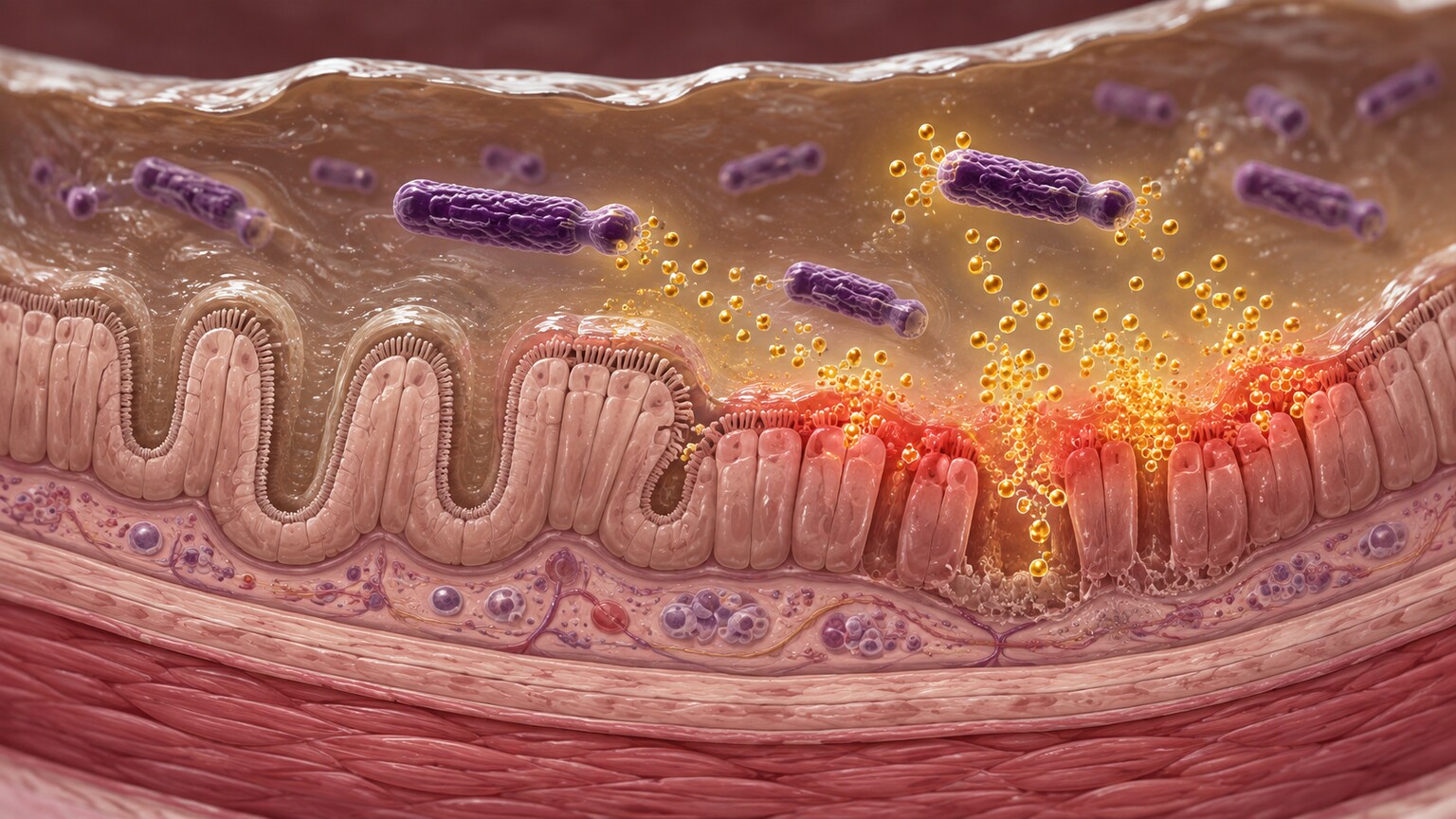
Figure 4. It's the toxins C. diff produces, not the bacterium's mere presence, that cause illness — which is why toxin-specific tests, not standard culture, are used to diagnose active infection.
Parasites Require an Entirely Different Kind of Exam
Parasitic causes of diarrhea, such as Giardia lamblia and Cryptosporidium, are single-celled or multicellular organisms, not bacteria, and they are never detected by a bacterial culture regardless of how long the sample incubates or under what conditions. Diagnosing them requires a separate test entirely: an ova and parasites (O&P) exam, in which a technician examines the stool directly under a microscope looking for parasite eggs, cysts, or the organisms themselves, or a stool antigen or PCR test that detects parasite-specific proteins or genetic material. Giardia is particularly known for a frustrating diagnostic quirk — it can be shed in the stool intermittently, meaning a single sample collected on the wrong day can miss it even with the correct test ordered, which is why providers sometimes ask for three separate stool samples collected on different days when a parasitic infection is strongly suspected. If your doctor only ordered a bacterial culture and diarrhea has persisted for more than a week or two, particularly after travel to an area with less reliable water treatment, camping or hiking near untreated water sources, or exposure to recreational lake or river water, a parasite-specific test is a reasonable next step to raise directly.
Entamoeba histolytica, the parasite responsible for amoebic dysentery, adds a further wrinkle: under a microscope, its cyst form can closely resemble Entamoeba dispar, a harmless look-alike species that never causes disease, meaning a standard O&P exam alone sometimes can't reliably tell the two apart. Distinguishing a genuinely dangerous infection from a harmless one in this case usually requires a more specific antigen or PCR-based test rather than microscopy alone. Cryptosporidium presents its own detection challenge because its cysts are extremely small and don't stain well with the routine methods used for most other parasites, so labs typically need to be told to run a specific acid-fast stain or antigen test to reliably catch it — another instance where the right answer depends on the lab being pointed toward the right target rather than running one generic test and hoping it covers everything.
When Diarrhea Isn't Infectious at All
Not every case of diarrhea has an infectious cause, and a negative culture is sometimes accurately reflecting exactly that — there's simply no bacterial pathogen to find, because none is causing the problem. Irritable bowel syndrome (IBS), inflammatory bowel disease (IBD, including Crohn's disease and ulcerative colitis), celiac disease, lactose or other food intolerances, certain medications, and even chronic stress can all produce diarrhea that looks and feels identical to an infection from the outside but has a completely different underlying mechanism. These conditions tend to stand out from infectious diarrhea in a few ways: symptoms often persist for weeks rather than resolving within several days, they may come and go in a recurring pattern rather than following a single acute illness, and they frequently aren't accompanied by fever, since fever is typically a sign the immune system is actively fighting an infection rather than managing ongoing inflammation or a functional digestive issue. For someone dealing with a persistent or recurring pattern like this, a negative culture isn't a dead end — it's actually a meaningful clue pointing the workup away from infection and toward these other, equally real explanations.

Figure 5. Chronic or recurring diarrhea without fever more often points toward conditions like IBS or IBD than toward an active bacterial infection.
Distinguishing between these non-infectious explanations usually isn't something a single stool culture can do, since that's simply not the question the test was designed to answer. A doctor working through a persistent, culture-negative case will typically look at the broader pattern instead: whether symptoms correlate with specific foods, whether there's a family history of IBD or celiac disease, whether stress or major life changes line up with symptom flares, and whether additional testing — blood work for celiac antibodies, inflammatory markers like fecal calprotectin, or in some cases a colonoscopy — points toward one of these conditions specifically. None of that workup depends on the stool culture being repeated or somehow more sensitive; it depends on a completely different set of tools built to answer a completely different question than "is a specific bacterium present."
How an Imbalanced Gut Microbiome Can Cause Symptoms Without a Single Named Pathogen
Beyond diagnosable conditions like IBS and IBD, there's a middle-ground explanation that doesn't fit neatly into either "infection" or "no infection at all": dysbiosis, a broad disruption in the normal balance of the trillions of bacteria that live in a healthy gut. Under ordinary circumstances, hundreds of different bacterial species coexist in a rough equilibrium, competing for space and resources in a way that keeps any single species from taking over. That balance can be knocked off course by a recent illness, a course of antibiotics, a major diet change, or extended travel, and when it is, the result can be loose stools, bloating, and digestive discomfort even though no single organism on a targeted pathogen list is responsible. A stool culture isn't built to detect this kind of broad ecological shift at all — it's designed to answer a yes-or-no question about a short list of named bacteria, not to characterize the overall composition of the hundreds of species that make up a normal microbiome. This is a genuinely different category of explanation from an active infection, and it's part of why "negative" and "nothing is wrong" aren't always the same statement, even when no dangerous pathogen is anywhere in the picture.
Researchers studying this kind of imbalance use specialized sequencing methods, not culture, to characterize which species are over- or under-represented in a given sample — tools generally reserved for research settings or specific specialist referrals rather than routine primary care, since there still isn't a single, universally agreed-upon definition of what a "normal" microbiome composition looks like for every individual. In everyday practice, dysbiosis-related symptoms are usually managed based on the pattern of symptoms themselves — diet adjustments, probiotics in some cases, treating an identified trigger like a recent antibiotic course — rather than by chasing a specific lab value the way an infection workup would.
Recent Antibiotic Use Can Suppress Bacterial Growth Too
If you started an antibiotic before the stool sample was collected — even for something unrelated, like a sinus infection or a dental procedure — that alone can be enough to cause a false-negative bacterial culture. Antibiotics work by killing or suppressing bacterial growth, and they don't selectively target only the organism they were prescribed for; a broad-spectrum antibiotic circulating in your system can suppress or kill off a coexisting gut pathogen right along with the intended target, reducing its numbers below what the culture can detect even though the infection technically hasn't fully cleared. This is one of the more commonly overlooked variables in a negative result, partly because patients don't always think to mention a recent, seemingly unrelated antibiotic course when a stool sample is being collected for a different symptom entirely. Over-the-counter bismuth subsalicylate products, taken by many people simply to calm an upset stomach before ever seeing a doctor, can interfere with certain stool test methods as well, since bismuth compounds have their own mild antibacterial properties and can also obscure results on some rapid antigen tests. If you've taken any antibiotic, or even a bismuth-containing product, in the one to two weeks before your sample was collected, it's worth mentioning explicitly to whoever ordered the test, since it directly affects how much weight a negative result should be given.
What Happens Next If Your Culture Is Negative but Symptoms Continue
When a standard culture comes back negative and diarrhea hasn't improved, the next step usually isn't to repeat the exact same test — it's to broaden what's being tested for. Many hospital and outpatient labs now offer a multiplex gastrointestinal PCR panel, a single molecular test that can simultaneously screen for a wide range of bacteria, viruses, and parasites from one stool sample, all in a matter of hours rather than the several days a traditional culture requires. This kind of panel can catch norovirus, rotavirus, Giardia, and Cryptosporidium in the same run as bacterial targets, closing many of the gaps a standard culture leaves open. If a PCR panel isn't available or wasn't ordered, a doctor might instead request a specific add-on test based on your symptoms and history: a C. diff toxin test if you've recently been on antibiotics, an O&P exam if there's a travel or untreated-water exposure history, or a repeat culture using specialized media if a fragile or fastidious organism like Campylobacter is still suspected. The right next test depends heavily on the details of your specific situation, which is exactly why sharing your recent travel, medication, water exposure, and symptom timeline with your provider matters as much as the original test result itself.
Multiplex PCR panels aren't without their own tradeoffs, which is part of why they haven't fully replaced traditional culture everywhere. Because these panels are so sensitive, they can sometimes detect very small amounts of genetic material from an organism that isn't actually the cause of current symptoms — for instance, from a low-level, asymptomatic carriage state, or from an infection that's already resolving. This is one reason some providers still confirm a PCR-positive bacterial result with a traditional culture before deciding on treatment, particularly when antibiotic susceptibility testing matters for choosing the right medication, since PCR detects genetic material but doesn't grow a live organism that can be tested against different antibiotics the way a culture can. In practice, this means PCR and culture often work best as complementary tools rather than one simply replacing the other — PCR for speed and breadth, culture for confirmation and susceptibility detail when it's needed.
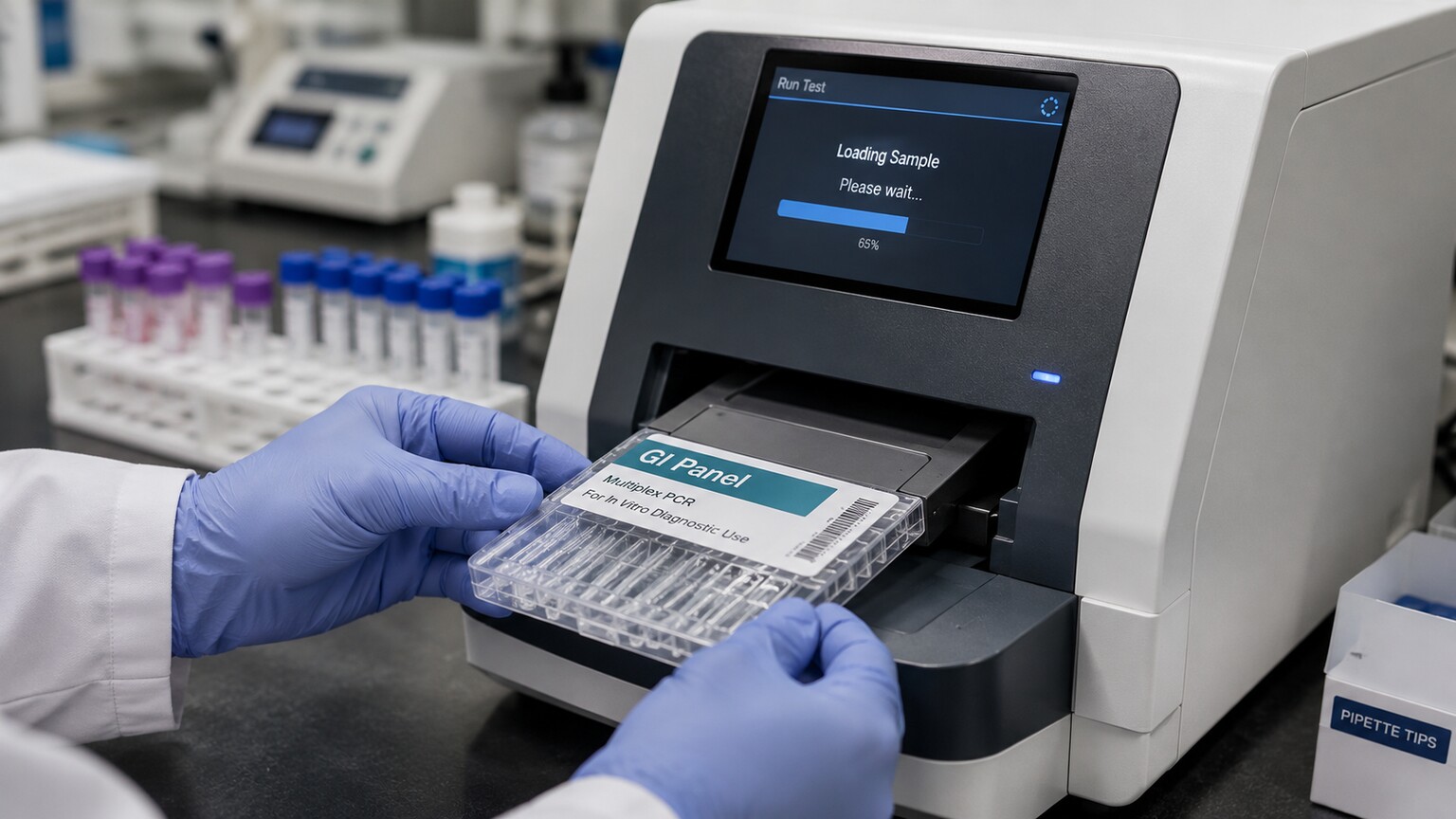
Figure 6. A multiplex GI PCR panel can screen for dozens of bacterial, viral, and parasitic targets from a single sample in hours, closing many of the gaps a standard culture leaves open.
Why Doctors Still Order Stool Cultures Given All These Limits
Given how many things a standard culture can't catch, it's fair to wonder why it remains the default first test for infectious diarrhea rather than something broader like a PCR panel. Cost is one straightforward reason: a traditional culture is generally far less expensive than a multiplex molecular panel, and for a healthy adult with a short, uncomplicated illness, the added cost of casting a wider net often isn't justified by the added information it would provide. Public health surveillance is another major factor that has nothing to do with an individual patient's treatment plan. Salmonella, Shigella, and certain other bacteria identified through culture are legally reportable to state and federal health departments in the U.S., and a live bacterial isolate — not just a PCR-detected genetic signature — can be sent on for further testing that helps track outbreaks, identify contaminated food sources, and monitor how resistant circulating strains are becoming to different antibiotics. A positive culture also directly enables susceptibility testing, exposing the live bacteria to different antibiotics in the lab to see which ones actually work against that specific strain, information a PCR test alone cannot provide since it never grows a living organism to test against. For all these reasons, a standard culture isn't an outdated tool being kept around out of habit — it does a specific job, for a specific set of organisms, that broader molecular testing doesn't fully replace, even as PCR panels become more widely available.
When to Seek Care Regardless of What the Culture Shows
A negative culture should never be the deciding factor in whether a symptom is taken seriously — the result describes what one specific test found, not how sick you actually are. Certain warning signs warrant medical attention independent of any lab result: diarrhea lasting more than a few days without improvement, blood or mucus in the stool, a fever above 102°F (38.9°C), signs of dehydration such as a significantly reduced need to urinate, dark urine, dizziness when standing, or an unusually dry mouth, and severe abdominal pain. These symptoms matter because they reflect what your body is actually experiencing, and they hold the same clinical weight whether the culture came back positive, negative, or was never sent for the specific organism actually responsible. Infants, adults over 65, pregnant patients, and anyone with a weakened immune system should generally have a lower threshold for seeking care, since these groups are more vulnerable to rapid dehydration and to complications from infections that a healthier adult might ride out without incident. If symptoms are persisting or worsening despite a negative result, that's a reasonable and important thing to go back to your provider about — not to second-guess the lab, but to make sure the next test ordered actually has a chance of finding what a standard culture was never built to catch.
Frequently Asked Questions
If my stool culture is negative, does that mean my diarrhea isn't from an infection?
Not necessarily. A standard culture only looks for a specific short list of bacteria. Viruses, parasites, C. diff toxins, and certain fragile or fastidious bacteria are not detected by a routine culture at all, so a negative result narrows down the possibilities without ruling out infection in general.
Should I ask for my sample to be retested?
Rather than repeating the identical test, it's usually more useful to ask whether a broader test makes sense — such as a multiplex GI PCR panel, a C. diff toxin test, or an O&P exam for parasites — based on your specific symptoms, recent antibiotic use, and any travel or water exposure history.
How long can diarrhea last before a negative culture stops being reassuring?
Most infectious diarrhea in healthy adults resolves within about a week. If symptoms continue beyond that, especially with blood in the stool, fever, or signs of dehydration, that's a reasonable point to revisit your provider regardless of what the original culture showed.
Can food poisoning be bacterial even if my stool culture came back negative?
Yes. Illnesses caused by preformed bacterial toxins, such as those from Staphylococcus aureus or Bacillus cereus, often resolve within a day and can leave little or no live bacteria behind to grow on a culture plate by the time a sample is collected. The toxin, not an ongoing bacterial infection, is what caused the illness.
Conclusion
A negative stool culture is a narrow, specific piece of information, not a verdict on your overall health. It tells you that a short list of targeted bacteria wasn't found under a particular set of lab conditions — it doesn't speak to viruses, parasites, toxins, fragile organisms that didn't survive transport, or non-infectious causes that were never on the test's radar to begin with. If your diarrhea is ongoing despite a clean culture, the most useful next step usually isn't doubting the lab, it's asking what else could be tested for and making sure your doctor has the full picture: your symptom timeline, any recent antibiotics, travel history, and water exposure. That context is often what turns an unhelpful "negative" into an actual answer. And whatever the next test ends up being, the same warning signs that always warrant attention — persistent fever, blood in the stool, or signs of dehydration — matter just as much after a negative result as they would after a positive one.
Still Not Sure What Your Results Mean?
Upload your labs and get a complete, visual, plain-language interpretation of every biomarker — delivered to your inbox in under 15 minutes.
Get My ReportThis article is for educational purposes only and does not constitute medical advice. Always consult your healthcare provider regarding your specific lab results.