
A Positive Result Doesn't Always Indicate Colon Cancer
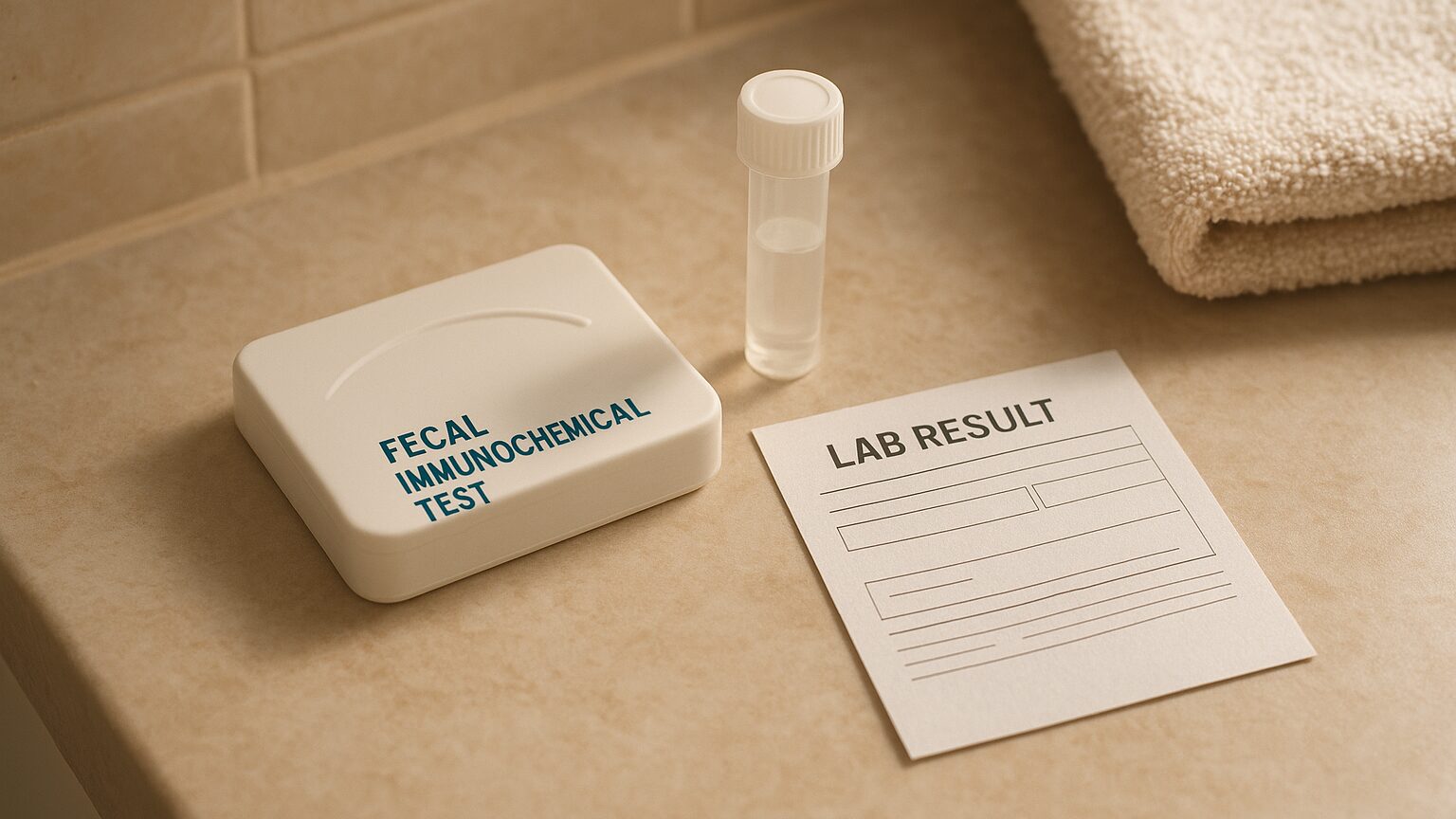
If your stool test came back positive for hidden blood, it's completely normal for your mind to jump straight to the worst-case scenario. But a positive fecal occult blood test — often shortened to FOBT, or the newer FIT version — is not a cancer diagnosis. It's a signal that some amount of blood was detected somewhere along your digestive tract, and there's a long list of far more common, far less frightening reasons that can happen, from hemorrhoids to a minor stomach irritation to something you ate. Colon cancer is one possible explanation among many, and even among people who test positive, most turn out to have a benign cause once they're evaluated further. That doesn't mean the result should be ignored — it means it deserves a closer look, not a panic.
Curious what the rest of your results are telling you? Upload them and get a complete, plain-language breakdown in under 15 minutes.
Analyze My ResultsWhat This Test Is Actually Looking For
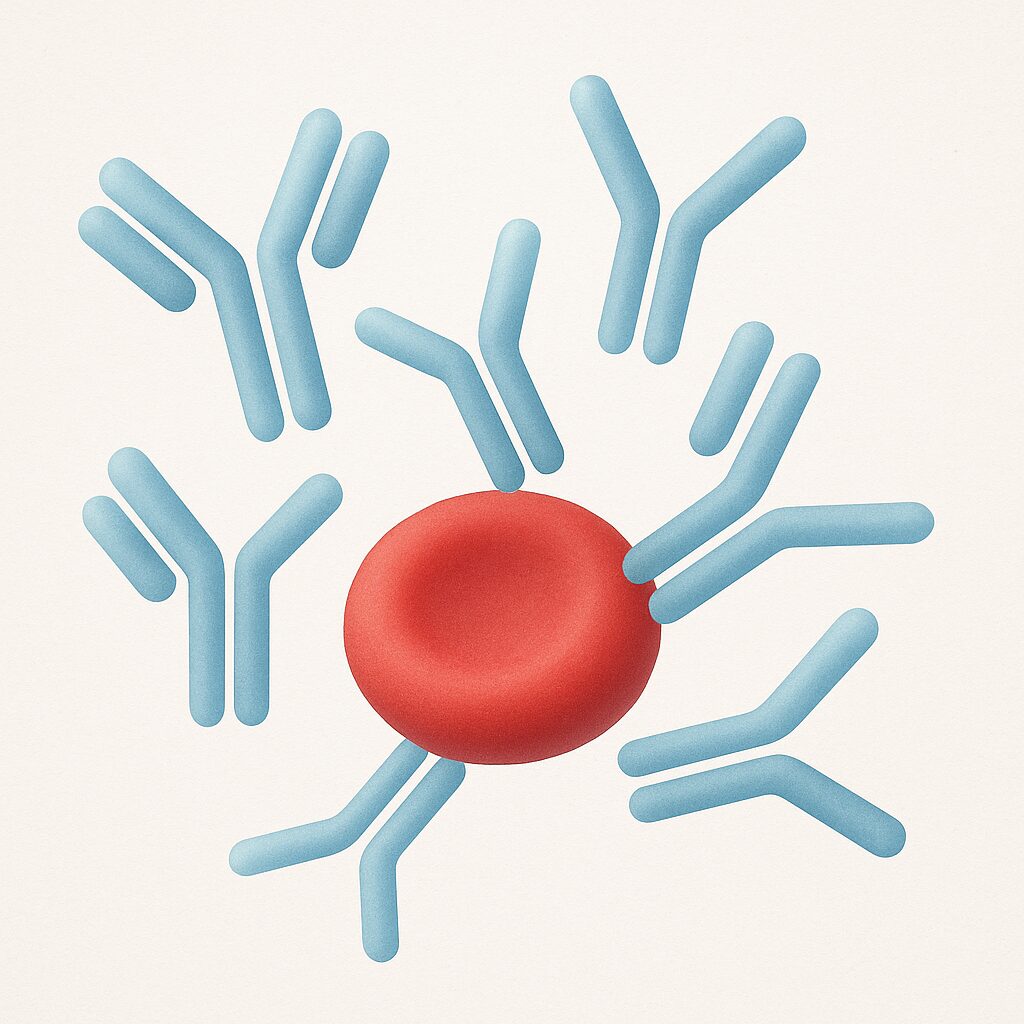
"Occult" simply means hidden — this test is designed to catch blood in your stool that's present in amounts far too small to see with the naked eye, long before it would ever show up as a visible red or dark streak. There are two main versions in use today. The older guaiac-based test (gFOBT) relies on a chemical reaction that detects the iron-carrying part of blood, which means it can occasionally react to blood from foods you've eaten, not just from your own digestive tract. The newer fecal immunochemical test (FIT) is more targeted — it uses antibodies that recognize human hemoglobin specifically, the protein in red blood cells that carries oxygen, and it largely ignores blood that may have come from animal sources in your diet. Because of that improved specificity, FIT has become the standard screening tool most labs and doctors rely on today. Either way, a positive result simply means the test detected blood — it says nothing on its own about where that blood came from or why it's there.
The Long List of Reasons Behind a Positive Result That Have Nothing to Do With Cancer
Blood can enter your stool from anywhere along a digestive tract that's roughly 25 to 30 feet long, and plenty of common, everyday conditions can cause a small amount of bleeding somewhere along that path. Hemorrhoids — swollen veins near the anus, something a huge portion of adults will experience at some point — are one of the most frequent causes, since they're delicate tissue that bleeds easily with straining or wiping. Small tears near the anus called anal fissures cause the same kind of minor, easily-triggered bleeding. Further up, peptic ulcers and gastritis (irritation of the stomach lining, often from infection or long-term use of pain relievers) can shed small amounts of blood that travel the rest of the way through your gut unnoticed until this test picks it up. Diverticulosis — small pouches that form in the wall of the colon, extremely common after age 50 — can bleed intermittently without causing any pain at all. Inflammatory bowel conditions like Crohn's disease or ulcerative colitis inflame the intestinal lining in a way that regularly produces this kind of hidden bleeding too. And colon polyps, small growths on the lining of the colon, can also bleed — importantly, most polyps are entirely benign, and only a subset ever have the potential to become cancerous over time if left alone for years.
Just How Often Does a Positive Result Actually Turn Out to Be Cancer?
This is the number most people actually want to know, and the honest answer is reassuring: in large screening studies, only a small minority of people with a positive FIT result are ultimately found to have colorectal cancer once they go through a follow-up colonoscopy. A meaningfully larger share are found to have polyps, and a substantial portion have no clear cause identified at all, or a clearly benign one like hemorrhoids. That doesn't mean the possibility of cancer should be brushed aside — colorectal cancer screening exists precisely because catching a cancer or a precancerous polyp early, before it causes any symptoms, dramatically improves the outcome. But statistically, a positive result is far more likely to trace back to something ordinary and treatable than to cancer itself.

Why Your Doctor Still Recommends a Colonoscopy Anyway
Even with those reassuring odds, a positive occult blood test almost always leads to a recommendation for a colonoscopy — a procedure where a doctor uses a thin, flexible camera to directly examine the inside of your colon. The reasoning is straightforward: this stool test can tell you that blood is present, but it can't tell you exactly where it's coming from or whether it's something that needs to be removed, like a precancerous polyp. A colonoscopy is the only way to see the entire lining of the colon directly, identify the actual source, and, if a polyp is found, remove it right then and there before it ever has the chance to develop into something more serious. Skipping that follow-up step because the odds of cancer feel low would mean giving up the one part of this whole process that actually prevents cancer, rather than just detecting it after the fact.
Things That Can Cause a False Positive
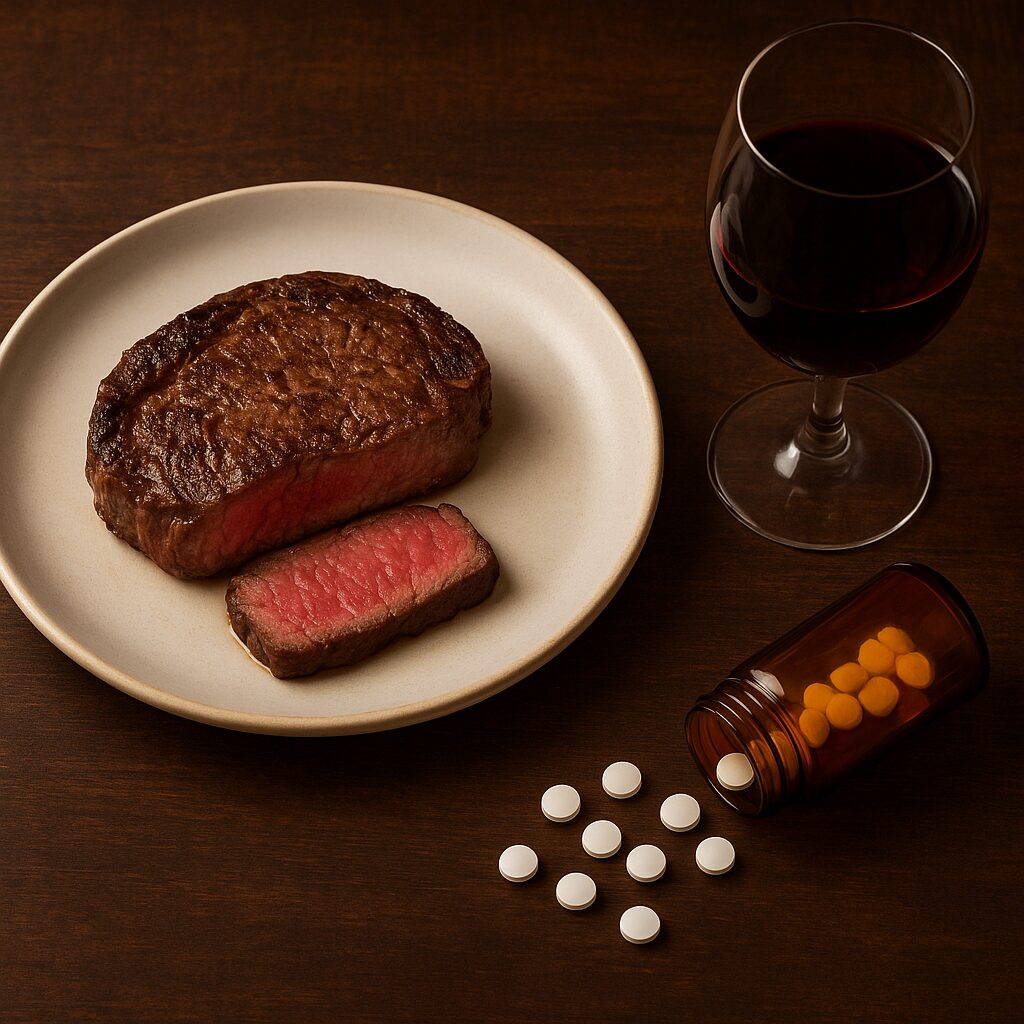
Certain everyday factors can trigger a positive result without any true bleeding from your digestive tract at all, particularly with the older guaiac-style test. Eating rare or undercooked red meat shortly before the test can occasionally register as a false positive, since the test reacts to iron in blood regardless of species. Certain raw vegetables, including turnips, radishes, and horseradish, contain compounds that can trigger a similar false chemical reaction. Regular use of aspirin, ibuprofen, or other NSAIDs can cause enough minor stomach irritation on their own to produce a true but ultimately minor and unconcerning source of blood. Blood-thinning medications don't cause bleeding by themselves, but they can make any minor, pre-existing source of bleeding more likely to show up on the test. And swallowed blood from something entirely unrelated to your gut — a recent nosebleed, bleeding gums, or dental work — can occasionally make its way into a stool sample. The newer FIT test is considerably more resistant to diet-related false positives, which is part of why it's become the preferred option, but no test is completely immune to interference, which is exactly why a single result is treated as a starting point rather than a final answer.
What Actually Happens After a Positive Result
Once your test comes back positive, the standard next step is a referral for a colonoscopy, usually scheduled within a matter of weeks rather than as an emergency. Before that appointment, your provider will typically ask about your diet, medications, and any symptoms like visible blood, changes in bowel habits, or unexplained weight loss, since that context helps them interpret the result. During the colonoscopy itself, the doctor examines the full length of the colon, and if anything unusual is found — a polyp, an area of inflammation, or a source of bleeding — it can often be addressed or biopsied during that same procedure. Most people who go through this process leave with a clear, specific answer for what was actually causing their result, which is often far less alarming than the uncertainty of not knowing.
Frequently Asked Questions
Should I be worried if my occult blood test came back positive?
It's worth taking seriously and following up on, but not a reason to panic. Most positive results trace back to common, treatable causes like hemorrhoids, minor stomach irritation, or benign polyps rather than cancer. The important step is completing the recommended follow-up testing rather than assuming the worst or ignoring it.
Can I retake the test before doing a colonoscopy to double-check?
Your doctor may sometimes repeat the test, but a single positive result — especially with a FIT test, which is less prone to false positives — is generally enough to warrant a colonoscopy referral rather than repeated stool testing. A colonoscopy is the only way to directly identify the actual source of the blood.
Does a positive result mean I definitely have a polyp or cancer?
No. A positive result only confirms that blood was detected somewhere in your digestive tract — it doesn't identify the cause on its own. Many people with a positive result have a colonoscopy that finds nothing more serious than hemorrhoids, diverticulosis, or no clear source at all.
Conclusion
A positive fecal occult blood or FIT test is a starting point for investigation, not a diagnosis in itself. Hemorrhoids, minor GI irritation, diverticulosis, benign polyps, and even certain foods or medications can all trigger a positive result long before colon cancer enters the picture, and most people who follow up find a straightforward, non-cancerous explanation. Still, that follow-up colonoscopy matters — it's the step that actually turns an uncertain result into a clear answer, and in the cases where something more serious is found, it's also the step that can catch it early enough to make a real difference.
Still Not Sure What Your Results Mean?
Upload your labs and get a complete, visual, plain-language interpretation of every biomarker — delivered to your inbox in under 15 minutes.
Get My ReportThis article is for educational purposes only and does not constitute medical advice. Always consult your healthcare provider regarding your specific lab results.