
Why Is My T4 Low Despite Normal TSH?
A low free T4 next to a normal TSH looks like a contradiction, because most people are taught that TSH and T4 always move in opposite directions — TSH goes up when T4 goes down, and vice versa, like a thermostat correcting the temperature. Most of the time, that's exactly how it works. But this particular combination — low T4, TSH sitting comfortably in range — breaks that pattern, and it almost always means the problem isn't with the thyroid gland itself. It usually points somewhere else entirely: the pituitary gland that sends TSH in the first place, a recent illness that temporarily scrambles the whole system, a medication interfering with either hormone, or sometimes nothing more than the timing and type of test that was run. None of those explanations are things a person could reasonably know without having them laid out, which is exactly why this result causes so much quiet worry.
TSH and T4 Are Supposed to Move in Opposite Directions — Here's Why
To understand why this pairing is unusual, it helps to picture the relationship between TSH and T4 the way you'd picture a thermostat controlling a furnace. The pituitary gland, a pea-sized organ tucked at the base of the brain, acts like the thermostat: it constantly measures how much thyroid hormone is circulating in the blood, and if that level drops too low, the pituitary releases more thyroid-stimulating hormone, or TSH, to push the thyroid gland — the furnace — to produce more. Free T4, or free thyroxine, is one of the two main hormones the thyroid gland actually makes and releases into the bloodstream (the other is T3), and it circulates unbound to any carrier protein, which is what makes it available for cells throughout the body to use. In the classic pattern of an underactive thyroid, T4 production falls, the pituitary notices, and TSH rises to compensate — so a low T4 almost always comes packaged with a high TSH. When that expected rise in TSH doesn't happen, the thermostat itself may not be reading the room correctly, and that reframes the entire question: it's not necessarily about the furnace anymore, it's about whether the thermostat is even getting an accurate signal to work from.
Central Hypothyroidism: When the Problem Sits in the Brain, Not the Neck
The most clinically important explanation for a low T4 with an inappropriately normal (or low) TSH is a condition called central hypothyroidism. Unlike ordinary hypothyroidism, where the thyroid gland itself is failing and the pituitary is correctly ramping up TSH in response, central hypothyroidism means the failure sits upstream — in the pituitary gland or in the hypothalamus, the brain region that signals the pituitary in turn. If the pituitary can't produce enough TSH, or produces TSH that's structurally weaker and less biologically active than it should be, the thyroid gland never receives the message to make more T4, even though the gland itself is perfectly capable of doing so. The TSH number on the lab report can look completely unremarkable — sometimes even sit right in the middle of the reference range — because the assay is simply counting molecules of TSH, not measuring whether those molecules are actually doing their job. This is precisely why relying on TSH alone as a thyroid screening test misses central hypothyroidism almost every time; it's a less common cause of low thyroid function than primary thyroid gland failure, but it's disproportionately likely to be the explanation specifically in this exact lab pattern — low T4, TSH that isn't rising to match.
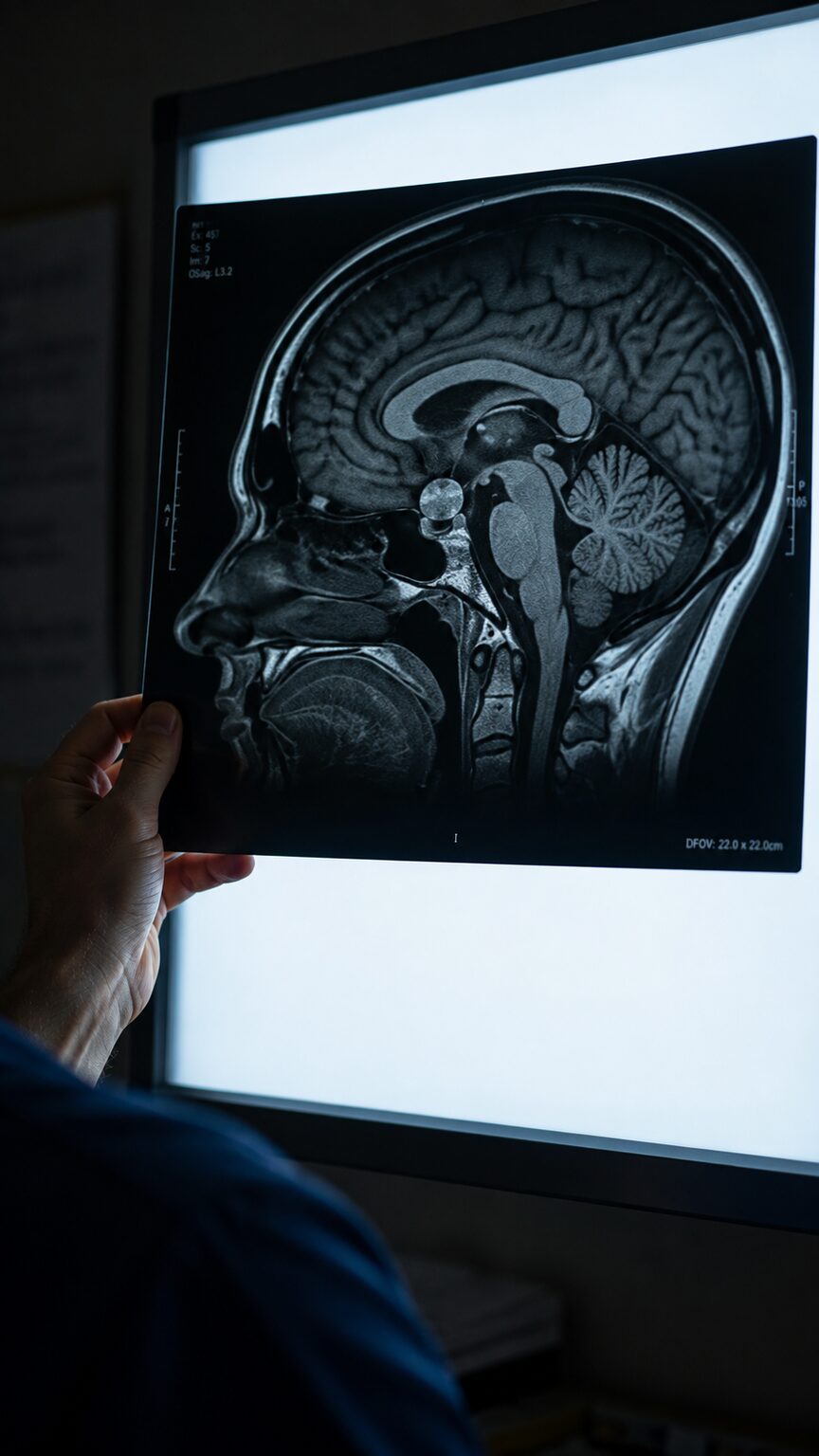
Figure 1. A pituitary adenoma or other structural lesion is one of the more common causes doctors investigate for central hypothyroidism.
Several underlying conditions can cause the pituitary to under-function in this way. A pituitary adenoma — a usually benign tumor growing within the gland — is one of the most frequent causes, and depending on its size it can physically compress the surrounding hormone-producing tissue. Sheehan syndrome, a rare complication of severe blood loss during childbirth that damages the pituitary, is another recognized cause, along with head trauma, radiation to the brain from prior cancer treatment, and certain infiltrative or autoimmune conditions that damage pituitary tissue directly. Because the pituitary produces several hormones beyond just TSH — including those controlling the adrenal glands and reproductive hormones — central hypothyroidism rarely travels alone. A doctor investigating this pattern will typically look for other signs of pituitary dysfunction at the same time: unexplained fatigue that doesn't track with the degree of thyroid abnormality, low blood pressure, irregular menstrual cycles, or low libido, since all of those can stem from the same upstream source.
Already have a free T4 number from a recent test, but not sure if it's actually good or bad for you? Just plug it in and see instantly.
🧮 Try the Free CalculatorNon-Thyroidal Illness: When Being Sick Temporarily Rewrites the Numbers
A far more common — and far less alarming — explanation is something called non-thyroidal illness syndrome, sometimes referred to as "sick euthyroid syndrome." This isn't a thyroid disease at all; it's a temporary adaptation the body makes during significant physical stress, such as a serious infection, recent surgery, a heart attack, or an extended hospital stay. During acute illness, the body shifts its hormone-handling machinery: less T4 gets converted into its more active form, more of it gets diverted toward an inactive variant, and the proteins that carry T4 through the bloodstream can also drop, all of which can pull the measured free T4 down. At the same time, the pituitary's TSH output can be blunted by the same stress response, so it doesn't rise to compensate the way it normally would. The result is a lab pattern that looks a great deal like central hypothyroidism on paper, but resolves entirely on its own once the underlying illness clears — which is why doctors are typically cautious about diagnosing a new thyroid problem in someone who was just critically ill, and why repeat testing several weeks after recovery is often the more informative next step rather than treating the illness-era numbers as a true baseline.

Figure 2. Acute illness can temporarily suppress both free T4 and the TSH response, a pattern that typically self-corrects after recovery.
Medications That Can Lower T4 or Blunt the TSH Response

Figure 3. High-dose glucocorticoids and biotin supplements are both documented interferents that can distort thyroid lab results.
Certain medications interfere with this system directly, either by lowering circulating T4 itself or by dampening how much TSH the pituitary is willing to release, regardless of what the thyroid gland is actually doing. High-dose glucocorticoids, such as prednisone used for inflammatory conditions or autoimmune flares, are well documented to suppress TSH secretion from the pituitary. Dopamine, sometimes given intravenously in intensive care settings to support blood pressure, has the same suppressive effect on TSH. Opioid medications, particularly with long-term use, have also been associated with blunted TSH output. Separately, certain anti-seizure medications, including phenytoin and carbamazepine, can lower measured free T4 levels by altering how thyroid hormone binds to its carrier proteins in the blood, without actually causing a true thyroid hormone deficiency in the tissues that use it. Biotin supplements, taken in high doses for hair, skin, and nail health, are a completely different kind of interference: they don't change the hormone levels themselves, but they can distort many thyroid immunoassays and produce a falsely abnormal-looking result in either direction, which is why most labs now recommend stopping high-dose biotin for at least 48 hours before a thyroid panel.
Assay Interference and Testing Timing — When the Number Itself Is Misleading
Sometimes the explanation has nothing to do with hormone biology at all and everything to do with how the test was measured. Free T4 assays work by isolating the small, unbound fraction of thyroxine in a blood sample, and that measurement can be thrown off by things like pregnancy, critical illness, or certain rare genetic variations in the proteins that carry thyroid hormone through blood — conditions that change how much T4 is bound versus free without reflecting an actual problem with thyroid output. Heterophile antibodies, unusual antibodies some people naturally carry that can interfere with lab immunoassays generally, are another recognized cause of a spuriously abnormal thyroid result. This is part of why an isolated, unexpected lab value — one that doesn't match how a person feels or what their history suggests — is often worth confirming with a repeat test, sometimes run with a different assay method or alongside a total T4 measurement, before drawing any conclusions about a new diagnosis.
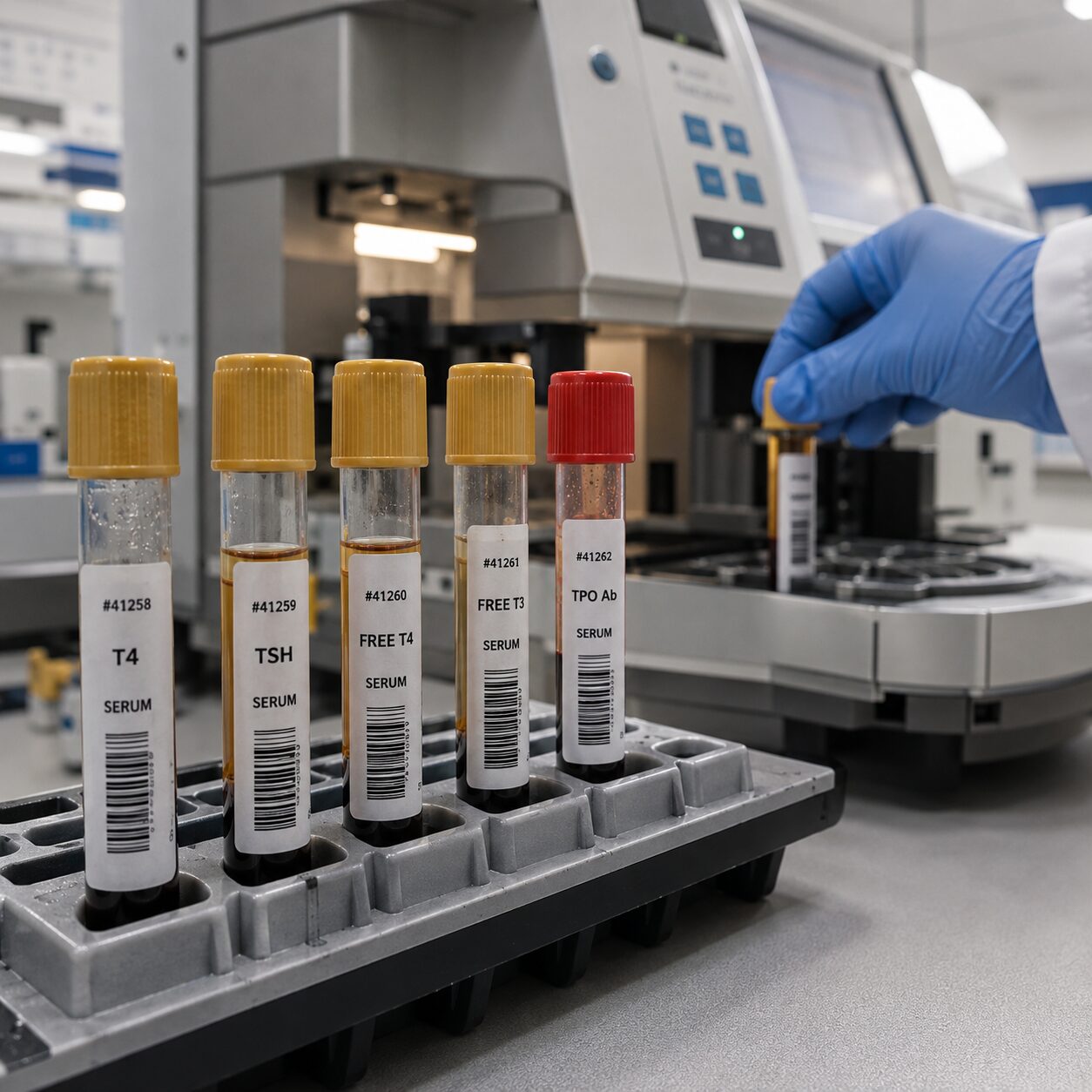
Figure 4. Assay-specific interference and unusual carrier-protein binding can distort a free T4 reading without reflecting true thyroid output.
Confirmatory testing usually involves more than repeating the same free T4 measurement in isolation. A doctor investigating this pattern will often add a total T4 level, which measures both the free and protein-bound thyroid hormone together and can help clarify whether a carrier-protein issue is skewing the free fraction. Free T3 may also be checked, since central hypothyroidism and non-thyroidal illness can affect T3 and T4 differently. If central hypothyroidism is genuinely suspected, the workup typically expands well beyond the thyroid axis alone — cortisol, prolactin, and reproductive hormones like LH and FSH are commonly checked together, since a pituitary that's under-producing one hormone has a meaningfully higher chance of under-producing others as well. In select cases, brain imaging with an MRI focused on the pituitary gland is used to look for a structural cause such as an adenoma.
Frequently Asked Questions
Is a low T4 with normal TSH always a sign of a pituitary problem?
No. While central hypothyroidism is the classic textbook explanation, it's actually one of the less common reasons for this pattern in everyday practice. Recent illness, certain medications, biotin supplements, and lab assay quirks are all more frequently the actual cause, especially in someone who otherwise feels well and has no other signs of pituitary dysfunction.
Should this result be treated as an emergency?
Generally not on its own. This is a "worth investigating soon" result, not a same-day emergency, unless it comes with red-flag symptoms like severe fatigue, very low blood pressure, confusion, or signs of adrenal insufficiency, which would warrant urgent evaluation given the pituitary's role in multiple hormone systems at once.
What should someone do first after seeing this result?
Mention any recent illness, hospitalization, new medications, or high-dose biotin supplements to the ordering provider, since any of these can fully explain the pattern. From there, repeat testing — sometimes with a total T4 or free T3 added — is the typical next step before considering pituitary-focused workup or imaging.
Putting the Pieces Together
A low free T4 next to a normal TSH is one of those lab combinations that looks alarming mostly because it breaks the pattern most people were taught to expect, not because it's inherently a worse result than ordinary hypothyroidism. The most reassuring explanations — a recent illness, a medication effect, high-dose biotin, or simple assay quirks — are also the most statistically common ones, and all of them tend to resolve or clarify with a bit of context and, often, a single repeat test. The less common but more significant possibility, central hypothyroidism, is exactly the kind of thing this specific pattern is good at flagging early, precisely because TSH alone would have missed it entirely. Either way, the right next step isn't to guess from the number alone — it's to bring the full picture (recent health history, medications, symptoms, and if needed, a repeat panel) to a healthcare provider who can trace which explanation actually fits.
Still Not Sure What Your Results Mean?
Upload your labs and get a complete, visual, plain-language interpretation of every biomarker — delivered to your inbox in under 15 minutes.
Get My ReportThis article is for educational purposes only and does not constitute medical advice. Always consult your healthcare provider regarding your specific lab results.