
Why Do TSH Levels Change During Pregnancy?
TSH shifts during pregnancy because pregnancy itself briefly rewires the feedback system that normally controls it. The biggest driver is a hormone called hCG (human chorionic gonadotropin) — the same hormone a home pregnancy test detects — which is structurally similar enough to TSH that, at the very high concentrations reached in early pregnancy, it weakly stimulates your thyroid gland on its own. That extra stimulation nudges thyroid hormone production up slightly, and your pituitary gland responds the normal way it always does when thyroid hormone rises: it dials TSH down. On top of this hCG effect, rising estrogen increases a carrier protein that binds thyroid hormone in the blood, your kidneys clear more iodine than usual, and — especially in the first trimester — your baby depends entirely on your thyroid hormone before their own thyroid gland is functional. All four of these forces shift together over the course of pregnancy, which is exactly why doctors use pregnancy- and trimester-specific reference ranges instead of judging a pregnant person's TSH against the standard non-pregnant range.
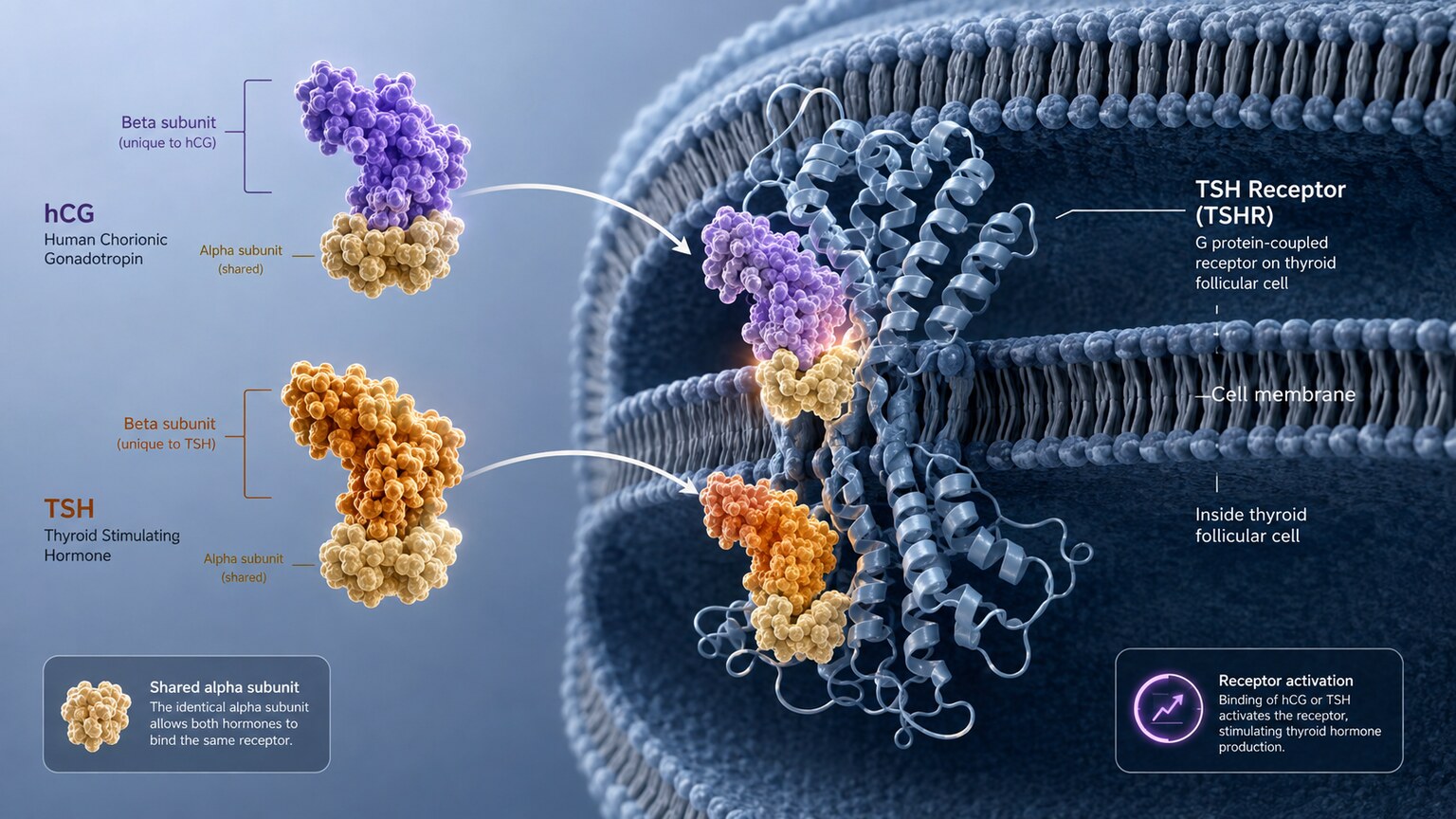
Figure 1. hCG and TSH share a nearly identical alpha subunit, allowing hCG to weakly activate the same thyroid receptor that TSH normally controls.
The Feedback Loop That's Being Disrupted
Before getting into what pregnancy changes, it helps to remember what TSH is doing in the first place. TSH, short for thyroid-stimulating hormone, is produced by your pituitary gland, a pea-sized structure at the base of your brain, and it functions as the control signal for your thyroid gland in your neck. When your thyroid hormone levels (T4 and T3) start to dip, your pituitary senses it and releases more TSH, prompting the thyroid to produce more hormone. When thyroid hormone rises, the pituitary senses that too and pulls back on TSH. It's a classic negative feedback loop, similar to a thermostat: TSH rises when the "room" (your thyroid hormone level) gets too cold, and falls when it gets too warm.
Pregnancy doesn't break this thermostat — it changes several of the inputs it's reacting to, all at once, and on a predictable timeline tied to specific pregnancy hormones and physiological changes. Understanding each of these individually is what makes an oddly-timed TSH result during pregnancy make sense instead of feeling alarming.
It also helps to know that this whole system doesn't operate in isolation from the rest of the body's demands during pregnancy. Overall metabolic rate rises measurably over the course of a healthy pregnancy — the body is, quite literally, building an entirely new organ system (the placenta) and growing a second, rapidly developing human being, both of which require more energy production, more oxygen delivery, and more raw material turnover than a non-pregnant body handles. Thyroid hormone is one of the primary regulators of that overall metabolic rate, which is part of why the whole thyroid axis gets recruited to do more work throughout pregnancy rather than staying static — the changes covered in this article aren't a malfunction, they're the expected cost of supporting two people's metabolism with one thyroid gland.
Already have a TSH number from a recent test, but not sure if it's actually good or bad for you? Just plug it in and see instantly.
🧮 Try the Free CalculatorDriver 1: hCG's Molecular Disguise — the First-Trimester TSH Dip
The single biggest reason TSH moves during pregnancy is hCG, the pregnancy hormone produced by the developing placenta almost immediately after implantation — it's the hormone that turns a home pregnancy test positive. hCG and TSH are both members of a small family of hormones that share an identical "alpha subunit," essentially one half of the molecule's structure, while differing in their other half (the "beta subunit") that gives each hormone its distinct identity. Because that shared alpha subunit is part of what allows a hormone to dock onto its target receptor, hCG at very high concentrations can weakly bind to and activate the very same receptor on thyroid cells that TSH normally activates — essentially a case of molecular mistaken identity, where the thyroid gland responds to hCG as if it were a small, extra dose of TSH.
hCG concentrations rise extremely fast in the first trimester, roughly doubling every two to three days in early pregnancy, and typically peak somewhere between weeks 9 and 12. During that peak window, the thyroid-stimulating effect of hCG is strong enough in many pregnant people to measurably increase thyroid hormone output, and — following the same feedback logic described above — the pituitary responds to that extra thyroid hormone by suppressing TSH. This is precisely why TSH is, on average, at its lowest point of the entire pregnancy during the first trimester, and why a TSH reading that would be flagged as too low outside of pregnancy can be a completely normal, expected finding at 10 weeks. In a smaller number of people, hCG's effect is strong enough to produce a temporary, self-limited overactive-thyroid picture called gestational transient thyrotoxicosis, which generally resolves on its own as hCG naturally declines after the first trimester, without needing the antithyroid medications used for other causes of an overactive thyroid.
How much any individual person's TSH actually dips depends heavily on how much hCG their particular pregnancy is producing at that moment, which is itself variable from one pregnancy to another and even between trimesters of the same pregnancy. Twin and multiple pregnancies, for instance, tend to produce substantially higher hCG concentrations than a singleton pregnancy, since more placental tissue is producing the hormone — and this is part of why TSH suppression tends to be more pronounced, and gestational transient thyrotoxicosis somewhat more common, in pregnancies with twins or higher-order multiples. Certain other conditions associated with unusually high hCG, such as hyperemesis gravidarum (severe, persistent pregnancy-related nausea and vomiting) and molar pregnancies, can produce an even more exaggerated version of this same TSH-suppressing effect, which is one of the reasons thyroid function is often checked as part of the workup when severe pregnancy nausea is being evaluated.
Driver 2: Estrogen Raises the Protein That Carries Thyroid Hormone
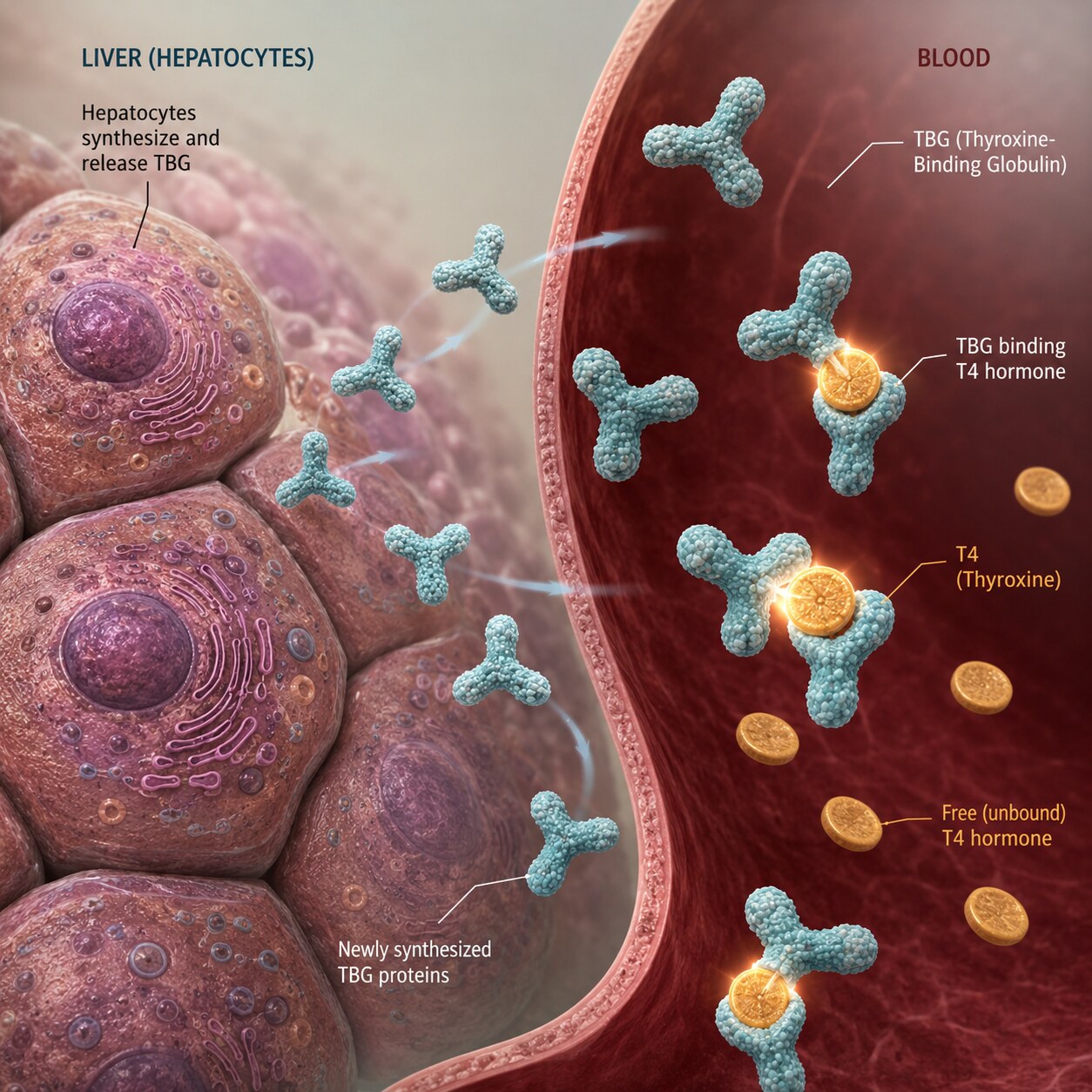
Figure 2. Rising estrogen during pregnancy prompts the liver to produce more thyroxine-binding globulin, increasing the total amount of T4 the body needs to keep enough hormone freely available.
Most of the thyroid hormone circulating in your blood at any given moment isn't floating freely — it's bound to a carrier protein called thyroxine-binding globulin, or TBG, produced by the liver. Only the small, unbound "free" fraction of T4 and T3 is actually available for your cells to use; the rest is essentially in storage, riding along on TBG until it's needed. Rising estrogen levels during pregnancy — similar to what happens with oral estrogen-containing birth control — stimulate the liver to produce significantly more TBG, and this starts early and continues climbing through much of the first half of pregnancy.
With more TBG in circulation, more thyroid hormone gets bound up and taken temporarily out of the "active," free-floating pool. To keep the free hormone level where it needs to be for normal metabolism, the thyroid gland has to produce more total hormone overall, which nudges the whole system, including TSH, to recalibrate around this new, higher-TBG baseline. This is one of the key reasons doctors specifically care about free T4 (the unbound, biologically active portion) during pregnancy rather than relying on total T4 alone — total T4 rises during pregnancy largely because of this TBG effect, and looking at total T4 without accounting for it can make thyroid hormone levels look artificially elevated even when the free, usable fraction is entirely normal.
TBG levels typically rise by roughly 50% over the course of a healthy pregnancy, reaching a new plateau by around the middle of the second trimester and generally staying there until delivery. Because this shift happens more gradually than the sharp, early hCG spike described above, its effect on TSH tends to unfold more slowly across the full length of pregnancy rather than being concentrated in one narrow window — it's one of the reasons TSH doesn't simply rebound straight back to a person's pre-pregnancy baseline the moment hCG starts to fall in the second trimester, since the TBG-driven increase in overall thyroid hormone demand is still very much in effect at that point. A useful analogy is a delivery service that's been given more trucks (more TBG) to move the same cargo (thyroid hormone) around the body — more of the cargo is now in transit at any given moment rather than sitting available at the destination, so the warehouse (the thyroid gland) has to produce more total product just to keep the same amount actually arriving where it's needed.
Driver 3: Your Baby Depends Entirely on Your Thyroid Hormone at First
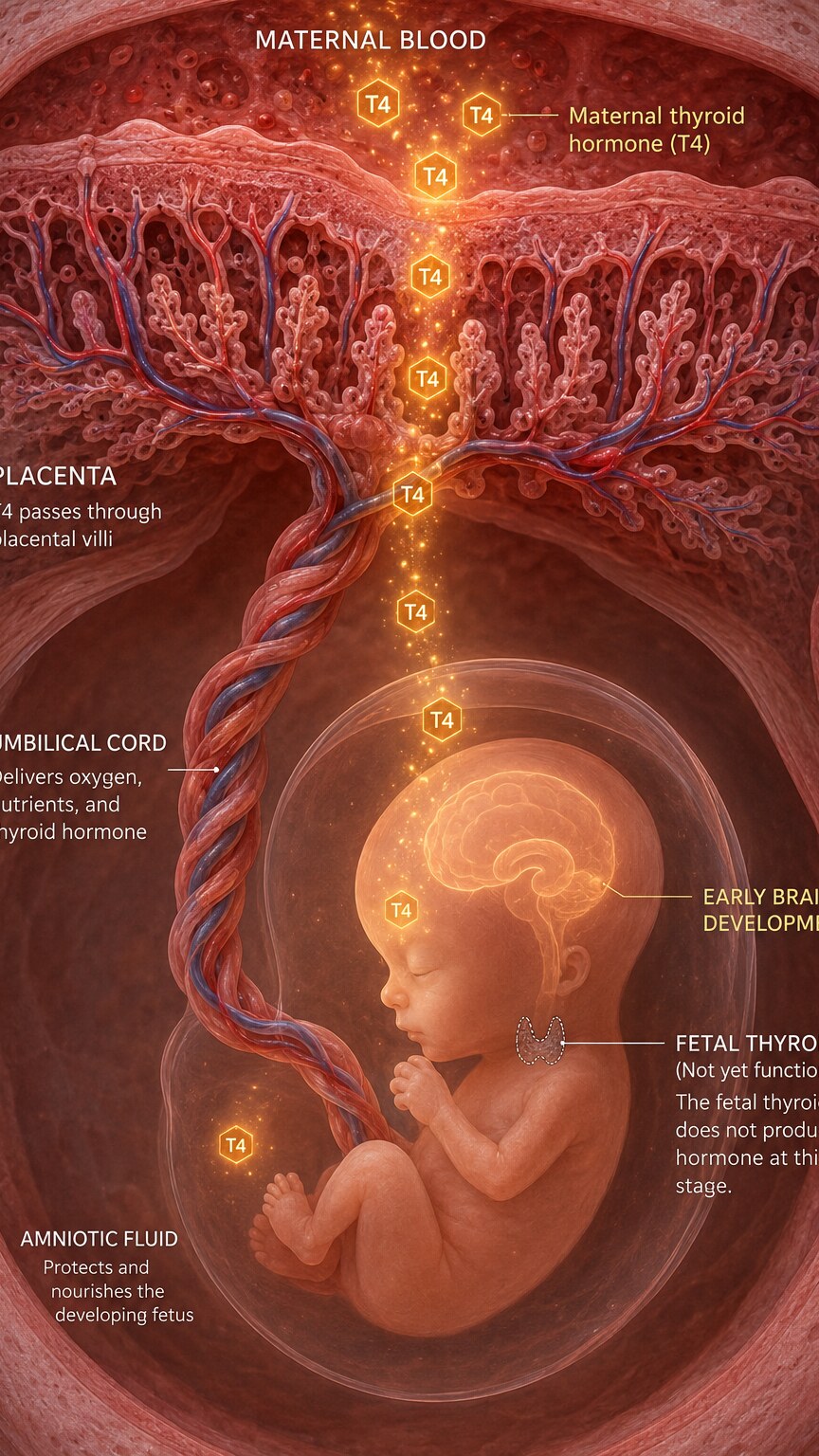
Figure 3. Until roughly weeks 10 to 12 of pregnancy, the fetal thyroid gland is not yet producing hormone on its own, so all thyroid hormone driving early fetal brain development crosses the placenta from the mother.
The fetal thyroid gland doesn't begin producing its own thyroid hormone until roughly weeks 10 to 12 of pregnancy, and even after that point, it takes additional weeks to reach full functional capacity. Before that developmental milestone, the fetus is entirely dependent on maternal thyroid hormone crossing the placenta — and this window happens to overlap with one of the most critical periods for early fetal brain development, when neurons are forming and beginning to organize. This dependence is a large part of why maternal thyroid status matters so much in early pregnancy specifically, and why untreated maternal hypothyroidism during this window has been associated in research with measurable effects on a child's later cognitive development.
It's worth being precise about what this does and doesn't mean in practice, since it's easy to read a statement like that and feel unnecessarily frightened by it. The research associations described above are largely drawn from populations with genuinely untreated, often more significant thyroid hormone deficiency sustained over meaningful stretches of pregnancy — not from the ordinary, mild, expected fluctuations in TSH that this article spends most of its time explaining. A TSH that's simply low from hCG, or one that's tracking a slightly different trimester-adjusted curve than a non-pregnant chart would suggest, is not the same clinical situation as unmonitored, untreated hypothyroidism. The entire reason trimester-specific testing and monitoring exist is to catch the small number of situations that genuinely need treatment while correctly leaving the much larger number of normal physiological variations alone.
To meet this added demand — supplying enough hormone for both the pregnant person's own metabolism and the developing fetus's needs — a healthy thyroid gland ramps up production, and overall thyroid hormone requirements increase by an estimated 30 to 50% over the course of pregnancy compared to the pre-pregnancy baseline. This is exactly why anyone already being treated for hypothyroidism before becoming pregnant typically needs a dose increase in their thyroid hormone medication once pregnancy is confirmed, often within the first several weeks, and why TSH is monitored more frequently throughout pregnancy than it would be otherwise — the target isn't a one-time correct dose, but keeping pace with a demand that keeps climbing.
Even after the fetal thyroid gland becomes functional around mid-pregnancy, it doesn't simply take over and relieve the mother's thyroid of its added workload. The fetal thyroid continues maturing gradually through the remainder of pregnancy, and the placenta itself plays an active, ongoing role in regulating exactly how much maternal thyroid hormone the fetus receives — a placental enzyme called type 3 deiodinase converts a meaningful portion of the T4 crossing the placenta into an inactive form, effectively acting as a safety valve that protects the fetus from receiving too much thyroid hormone at once while still allowing a controlled, steady supply through to term. This ongoing placental processing is itself part of why total maternal thyroid hormone output needs to stay elevated throughout pregnancy rather than tapering off once the fetal thyroid switches on, and it's a good example of how many of the systems discussed in this article — the mother's thyroid, the placenta, and the fetus — are functioning as one interconnected unit rather than three separate, unrelated processes.
Driver 4: Increased Iodine Loss Through the Kidneys

Figure 4. Because pregnancy increases how much iodine the kidneys filter out of the blood, adequate dietary iodine intake becomes more important for keeping up with the thyroid's higher hormone-production demands.
Iodine is the essential raw material your thyroid gland needs to actually build thyroid hormone — without enough of it, no amount of TSH stimulation can produce sufficient hormone. During pregnancy, the kidneys filter blood more aggressively as part of the broader increase in kidney blood flow that pregnancy causes, and this leads to a meaningfully higher rate of iodine being cleared out through urine compared to before pregnancy. Combined with the fetus's own need for iodine (which it also depends on the mother to supply, both directly and via the thyroid hormone that requires it), total iodine requirements during pregnancy increase substantially — health authorities generally recommend close to a 50% increase in daily iodine intake during pregnancy compared to the non-pregnant recommendation.
In regions or diets with only borderline-adequate iodine intake to begin with, this increased demand can tip someone into genuine iodine insufficiency during pregnancy even if they were doing fine beforehand, and insufficient iodine can itself contribute to a rising TSH, since the thyroid gland works harder (and the pituitary pushes it with more TSH) to compensate for the limited raw material available. This is one of the more overlooked reasons prenatal vitamins are formulated to include iodine, and why doctors sometimes specifically ask about iodized salt use, seafood and dairy intake, or a strict avoidance of iodized salt when investigating a pregnancy TSH result that doesn't fit the more typical hCG-driven pattern described above.
Iodine deficiency during pregnancy is a genuinely global concern rather than a niche one — the World Health Organization and other public health bodies have long identified inadequate iodine intake during pregnancy as one of the most common preventable causes of impaired fetal brain development worldwide, which is exactly why iodized salt programs were introduced so broadly across so many countries in the first place. In much of the United States and other countries with well-established iodized salt supplies, severe deficiency is uncommon, but milder, borderline iodine insufficiency during pregnancy specifically has still been documented in some population studies, in part because dietary patterns have shifted over recent decades toward more processed foods that often use non-iodized salt, and because some people avoid salt more generally for other health reasons without realizing iodized salt was their main dietary source. This is part of why most major prenatal vitamin formulations in iodine-sufficient countries still include iodine as a standard ingredient rather than treating it as optional.
How the "Normal" TSH Range Itself Changes by Trimester
Because all four of these forces shift the entire system in a fairly predictable pattern, professional guidelines — most notably from the American Thyroid Association — have long recommended using trimester-specific reference ranges for TSH during pregnancy rather than applying the same range used for non-pregnant adults. The general pattern across most reference ranges is a lower upper limit for TSH in the first trimester (reflecting the hCG-driven suppression described above), a gradual rise back toward more typical, non-pregnant-like values through the second trimester as hCG naturally declines, and continued movement toward the standard range by the third trimester.
It's worth knowing that more recent guidance has shifted away from a single fixed numeric range applied to every pregnant person everywhere, since hCG's suppressive effect and iodine status can vary meaningfully by population and even by individual lab methodology. Current recommendations favor labs establishing their own local, trimester-specific reference ranges whenever possible, or, when that isn't available, using a general first-trimester upper limit modestly below the standard non-pregnant upper limit as a reasonable working guide. The practical takeaway for anyone reading their own results is straightforward even without memorizing exact numbers: a TSH value flagged as abnormal by a standard, non-pregnant reference range printed on a routine lab report may not actually be abnormal at all once your specific trimester is taken into account — which is exactly why interpreting a pregnancy TSH result really does require knowing how far along the pregnancy is, not just the number itself.
This shift toward locally derived, population-specific ranges happened for good scientific reasons, not as an arbitrary change in guidelines. Early studies establishing pregnancy TSH ranges were sometimes conducted in populations with different average iodine intake, different rates of thyroid antibody positivity, or different lab assay methods than the population a given range was later applied to — and because TSH assays themselves can vary somewhat between manufacturers and lab platforms, a range validated on one instrument doesn't always translate perfectly to another. Applying an overly rigid, one-size-fits-all first-trimester cutoff to every population, in every lab, using every assay, risked either overdiagnosing and treating people who didn't need it, or missing people who genuinely did — both real, documented problems that the shift toward local range validation was specifically designed to correct.
What a Typical Pattern Looks Like Across the Three Trimesters
While exact cutoffs vary by lab, the general shape of a typical pregnancy TSH pattern is worth understanding descriptively, since it helps make sense of why the same person's TSH can look meaningfully different across two visits just a few months apart. In the first trimester, TSH tends to sit at its lowest point of the pregnancy, sometimes dipping below the lower limit used for non-pregnant adults, driven by the hCG peak described earlier. Moving into the second trimester, as hCG naturally declines from its peak, TSH tends to drift back upward, though usually still landing somewhat lower on average than a typical non-pregnant range, since TBG-driven demand is now near its own peak and still exerting some upward pressure on the system. By the third trimester, TSH in most healthy pregnancies has moved closer to, though not always fully back to, standard non-pregnant values, as hCG has fallen substantially from its early peak while the body has largely adapted to its new TBG baseline. None of these are hard, universal numbers — they're a general shape that helps explain why the same lab value can be unremarkable at one point in pregnancy and worth a second look at another.
Why Getting This Right Actually Matters
This isn't just an academic detail about hormone physiology — misreading a pregnancy TSH result in either direction carries real consequences. Genuine, undertreated hypothyroidism during pregnancy (a TSH that's truly elevated for that trimester, not just misjudged against the wrong reference range) has been associated with an increased risk of miscarriage, preeclampsia, preterm birth, and, tied back to the fetal dependence described earlier, potential effects on the child's neurocognitive development, particularly when it occurs or goes unaddressed during the first trimester. On the other side, an overactive thyroid during pregnancy — whether from an exaggerated version of the normal hCG effect or from an underlying condition like Graves' disease — has been linked to risks including preeclampsia, low birth weight, and, in more severe cases, maternal heart strain.
Because of these stakes, the goal isn't simply reacting to whichever direction a TSH number points, but correctly figuring out whether a given result reflects the normal, expected pregnancy pattern described throughout this article or a true underlying thyroid problem that needs treatment. This is exactly why the interpretation of thyroid results in pregnancy leans so heavily on trimester-specific context rather than a single universal cutoff, and why it's genuinely worth discussing directly with the provider managing your prenatal care rather than comparing your number to a generic non-pregnant chart found online.
It's also worth being aware that thyroid autoimmunity specifically, separate from the TSH-level questions discussed above, carries its own set of pregnancy-related risks. Even in people whose TSH and free T4 both fall within the expected range for their trimester, the presence of thyroid peroxidase antibodies (a marker of underlying autoimmune thyroid disease) has been associated in research with a somewhat higher risk of miscarriage and preterm birth compared to antibody-negative pregnancies with otherwise identical thyroid numbers. This is one of the reasons antibody testing sometimes gets added to the picture even when TSH and free T4 look reassuring on their own, particularly in people with a personal or family history that raises suspicion for underlying autoimmune thyroid disease, or a history of recurrent pregnancy loss without another clear explanation.
How Testing Is Typically Done During Pregnancy
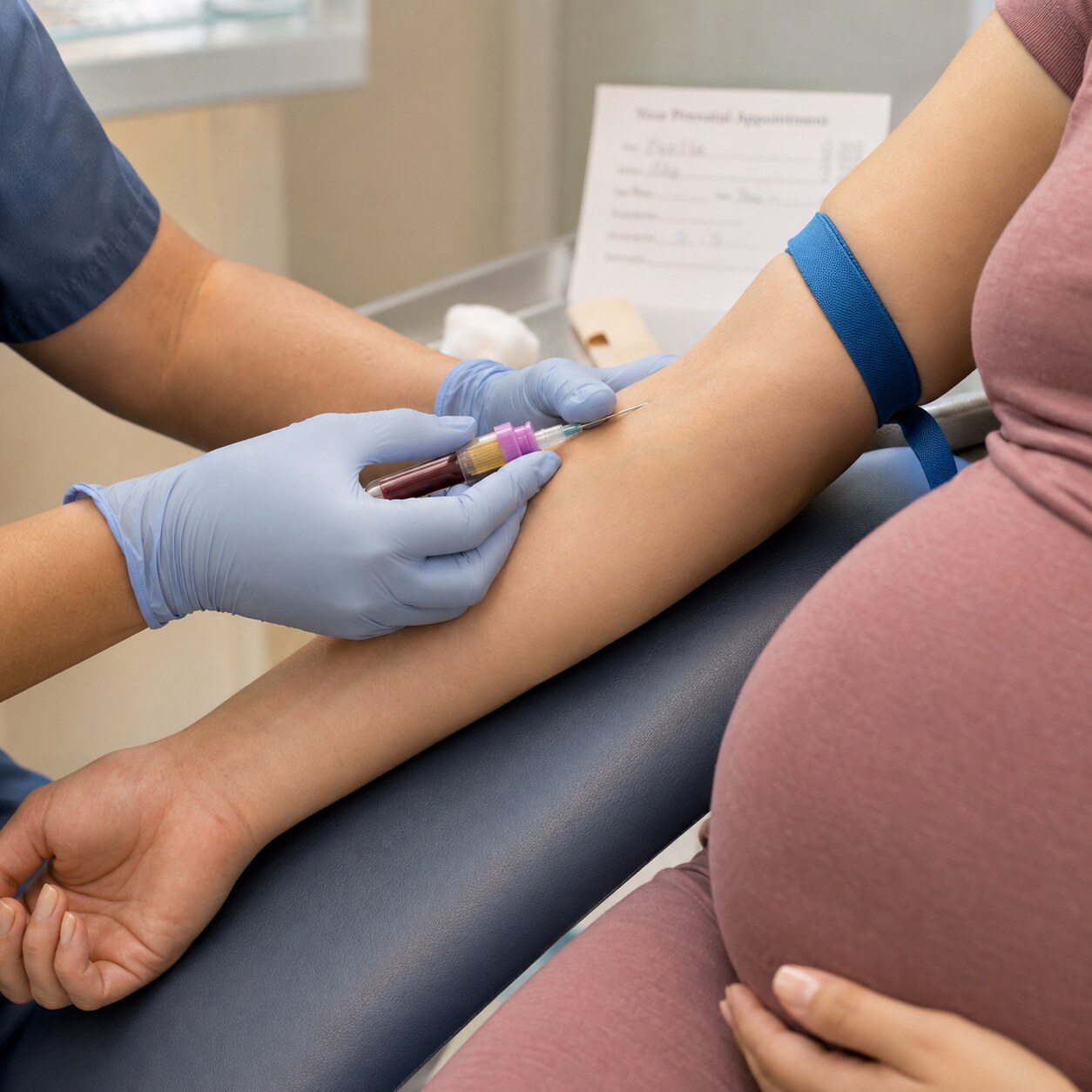
Figure 5. TSH is almost always ordered together with free T4 during pregnancy, since the two values interpreted together give a far more complete picture than either one on its own.
Universal thyroid screening for every pregnant person remains a topic of ongoing debate among professional societies, with some organizations recommending it broadly and others favoring a targeted approach focused on people with specific risk factors — a personal or family history of thyroid disease, type 1 diabetes or another autoimmune condition, a previous pregnancy complication linked to thyroid dysfunction, or symptoms suggestive of a thyroid problem. In practice, many obstetric providers check thyroid function as a routine part of early prenatal bloodwork regardless, simply because it's a low-cost, low-burden test with meaningful downstream implications if it turns out to be abnormal. The debate itself largely comes down to a cost-versus-benefit calculation at a population level — universal screening catches more cases overall but also flags more borderline results that ultimately don't need treatment, while targeted, risk-factor-based screening is more efficient but can miss cases in people without an obvious risk factor, which is simply an inherent tradeoff neither approach fully escapes.
When thyroid testing is done during pregnancy, TSH is almost always ordered together with free T4, precisely because of the interpretation issues described earlier — a TSH value alone, without knowing free T4 and without knowing the trimester, is genuinely difficult to interpret correctly on its own. If initial results are abnormal or borderline, thyroid antibody testing (most commonly thyroid peroxidase antibodies) may also be added, since autoimmune thyroid disease is both common and something that can specifically evolve during and after pregnancy, tying directly into what happens after delivery.
For someone entering pregnancy with a known thyroid condition, testing typically happens on a more structured, recurring schedule rather than as a one-time early check. A common pattern is testing shortly after pregnancy is confirmed, then roughly every four weeks through the first half of pregnancy while thyroid hormone requirements are climbing most steeply, with the interval sometimes lengthening in the second half of pregnancy once requirements have leveled off, unless a dose adjustment was recently made and needs a follow-up check sooner. For someone without a known thyroid condition and a normal initial screen, follow-up testing is generally driven by new symptoms or specific risk factors arising during the pregnancy rather than a fixed recurring schedule, since routine repeat screening in low-risk pregnancies hasn't been shown to add meaningful benefit over risk-based, symptom-driven testing.
After Delivery: TSH Can Shift Again

Figure 6. Postpartum thyroiditis, an inflammatory condition affecting roughly 5 to 10% of women, can cause TSH to swing again in the months after delivery, independent of the pregnancy-related changes described above.
TSH doesn't necessarily settle immediately once a baby is born. hCG drops off rapidly after delivery, TBG gradually returns toward its pre-pregnancy baseline over subsequent weeks, and thyroid hormone requirements fall now that the placenta and fetal demand are gone — all of which cause another, separate round of adjustment in the postpartum period. Layered on top of this expected recalibration, an estimated 5 to 10% of women develop postpartum thyroiditis, a temporary inflammation of the thyroid gland that classically produces a brief overactive-thyroid phase (with a correspondingly low TSH) in the first few months after delivery, often followed by an underactive-thyroid phase (with an elevated TSH) a few months after that, before typically resolving on its own within about a year.
Postpartum thyroiditis is thought to be driven by the same underlying autoimmune thyroid tendency that thyroid peroxidase antibody testing can sometimes flag during pregnancy, which is part of why that testing matters beyond the pregnancy itself — someone found to carry these antibodies during pregnancy has a meaningfully higher chance of developing postpartum thyroiditis afterward, useful information for a new parent who might otherwise mistake early postpartum thyroid symptoms for ordinary new-parent exhaustion.
Symptom overlap is exactly what makes postpartum thyroiditis so easy to miss without a blood test to confirm it. The early overactive-thyroid phase — with symptoms like anxiety, a racing heartbeat, difficulty sleeping, and unintended weight loss — can easily be attributed to the general stress and sleep deprivation of caring for a newborn. The later underactive-thyroid phase, with fatigue, low mood, and difficulty losing pregnancy weight, overlaps heavily with both normal postpartum recovery and postpartum depression, and the two can also coexist, since there's evidence linking postpartum thyroid dysfunction with a higher risk of postpartum mood symptoms. For most people, postpartum thyroiditis resolves fully within twelve to eighteen months without needing long-term treatment, though a meaningful minority go on to develop permanent hypothyroidism afterward, which is why some providers recommend a follow-up TSH check roughly a year after an episode of postpartum thyroiditis even once symptoms have settled down, simply to confirm thyroid function has genuinely normalized rather than assuming it has.
Frequently Asked Questions
Is a low TSH in early pregnancy always something to worry about?
No — a mildly low TSH in the first trimester is one of the most common and expected findings in pregnancy, driven by hCG's mild thyroid-stimulating effect. It's typically not treated and resolves on its own as hCG naturally declines after the first trimester. Your provider will interpret it alongside free T4 and your specific trimester rather than a standard non-pregnant reference range.
If I already take thyroid medication, will my dose need to change during pregnancy?
Often, yes. Because thyroid hormone needs typically increase by 30 to 50% over the course of pregnancy, many people already on thyroid hormone replacement need a dose increase, sometimes as early as the first few weeks after a positive pregnancy test. This is why TSH is usually monitored more frequently during pregnancy for anyone with a preexisting thyroid condition.
Can pregnancy actually cause a new thyroid condition, or does it just reveal one that was already there?
Both are possible. Pregnancy's hormonal shifts can temporarily produce thyroid changes, like gestational transient thyrotoxicosis, that resolve after delivery without representing an ongoing disease. But pregnancy can also be the first time an underlying, genuine thyroid condition gets caught through routine testing, or can trigger postpartum thyroiditis in someone with an existing autoimmune tendency that hadn't caused symptoms before.
Why does my lab report use a different "normal" range for TSH now that I'm pregnant?
Because the standard non-pregnant TSH reference range doesn't account for hCG's suppressive effect, especially in the first trimester, or the other pregnancy-related shifts described in this article. Trimester-specific ranges give a much more accurate picture of whether your result actually reflects a problem or simply the expected physiology of pregnancy at that stage.
Does morning sickness have any connection to my thyroid levels?
Yes, indirectly. Morning sickness is driven largely by the same rising hCG that also suppresses TSH, so the two commonly overlap in early pregnancy without one causing the other. In more severe, persistent nausea and vomiting (hyperemesis gravidarum), hCG levels tend to be especially high, which is why thyroid function is sometimes checked as part of the evaluation for unusually severe pregnancy nausea.
Conclusion
TSH moves during pregnancy because pregnancy changes what it's responding to — hCG briefly mimics TSH itself, estrogen increases the protein carrying thyroid hormone through the blood, your baby depends completely on your thyroid hormone before their own gland switches on, and your kidneys clear more iodine than before. All four shifts follow a fairly predictable timeline, which is exactly why doctors interpret pregnancy TSH results against trimester-specific ranges rather than the standard adult range, and why the same number can mean something completely different at 8 weeks than it would at 30 weeks, or outside of pregnancy altogether. If your own TSH came back flagged during pregnancy, the most useful next step is making sure whoever is interpreting it knows exactly how far along you are and has your free T4 result alongside it, since that context is what actually separates an expected pregnancy pattern from something that genuinely needs attention.
It's also worth remembering that none of these four drivers act in isolation — hCG's early suppression, TBG's slower-building climb, the fetus's growing demand, and iodine turnover are all happening at once, layered on top of each other on slightly different timelines, which is exactly why a single pregnancy can show a TSH pattern that looks different at 8 weeks, 20 weeks, and 36 weeks even though nothing has gone wrong at any of those points. Thinking of TSH during pregnancy less as a single number to hit and more as a moving target that shifts in a fairly predictable direction as pregnancy progresses tends to make the whole picture, and any individual result within it, considerably less confusing to sit with while waiting for your provider's interpretation.
Still Not Sure What Your Results Mean?
Upload your labs and get a complete, visual, plain-language interpretation of every biomarker — delivered to your inbox in under 15 minutes.
Get My ReportThis article is for educational purposes only and does not constitute medical advice. Always consult your healthcare provider regarding your specific lab results.