
Why Is My TSH Low But I Still Feel Tired?
You went into the doctor expecting to hear that your low TSH explained the exhaustion, the brain fog, the feeling of dragging yourself through the day. Instead, you were told a low TSH usually points the other way — toward a thyroid that's running too fast, not too slow — which is the opposite of how you feel. That mismatch is confusing and honestly a little frustrating: the number and your body seem to be telling two completely different stories. Here's the good news — this exact situation is common, it has real, well-understood explanations, and none of them mean your tiredness is "just in your head." This article walks through exactly why TSH and tiredness don't always line up, and what each possible explanation actually means for you.
Curious what the rest of your lab results are telling you? Upload them and get a complete, plain-language breakdown in under 15 minutes.
Analyze My ResultsA Simple Picture of What TSH Actually Is
TSH stands for thyroid-stimulating hormone, and the easiest way to understand it is to picture your brain as a thermostat and your thyroid gland as the furnace. Your thyroid, a small butterfly-shaped gland at the front of your neck, makes two hormones that control how fast your whole body runs its engine — how fast your heart beats, how warm you stay, how quickly you burn energy. Your brain (specifically a small structure called the pituitary gland) constantly checks how much of that thyroid hormone is circulating, the same way a thermostat checks the room temperature.
When thyroid hormone is running low, the pituitary sends out more TSH, like a thermostat cranking up the furnace when a room feels cold. When thyroid hormone is running high, the pituitary sends out less TSH, telling the furnace to back off. This is why the two numbers usually move in opposite directions: a high TSH usually means an underactive thyroid (the brain is shouting because the furnace is too weak), and a low TSH usually means an overactive thyroid (the brain is going quiet because the furnace is already blazing). This backwards relationship is the single most important thing to understand before anything else in this article makes sense.

Figure 1. The pituitary gland raises or lowers TSH to keep circulating thyroid hormone within a narrow target range, the same way a thermostat regulates a furnace.
So why would someone with a low TSH — a signal that thyroid hormone is plentiful or even excessive — still feel utterly drained? There isn't one single answer. There are several distinct, medically real situations where this exact mismatch happens, and figuring out which one applies to you is exactly what the rest of this article walks through.
Possibility 1: You're on Thyroid Medication and It's Slightly Overcorrected
This is one of the most common versions of this exact situation. If you take levothyroxine (a replacement for thyroid hormone your own gland used to make) for an underactive thyroid, your dose is adjusted based partly on your TSH number. If the dose creeps a little higher than your body actually needs, TSH can drop below the normal range even though you don't feel "wired" or overactive the way classic hyperthyroidism might suggest — you might instead feel tired, anxious, or just off, especially if the correction happened gradually.
Here's the part that trips people up: your body doesn't instantly "know" that thyroid hormone levels have changed. Cells throughout your body take time — sometimes several weeks — to adjust to a new hormone level, even after blood tests already reflect the change. A dose adjustment that looks perfect on paper today might not translate into feeling perfectly balanced for another month or two, which is exactly why doctors typically wait six to eight weeks before rechecking TSH after any dose change, rather than reacting to how you feel the very next day.

Figure 2. A thyroid hormone replacement dose that's slightly higher than needed can suppress TSH even while the body is still adjusting to the new level.
If you're on thyroid medication and your TSH comes back low, your doctor will typically also check your actual thyroid hormone levels (free T4, and sometimes free T3) rather than reacting to TSH alone, since TSH can lag behind or be affected by other factors covered later in this article. A slightly low TSH with normal thyroid hormone levels and no other symptoms of overactivity is often left alone and simply monitored, especially in people being treated for thyroid cancer where a lower TSH target is sometimes intentional.
It's also worth knowing that taking your dose at an inconsistent time, taking it with certain foods, coffee, calcium, or iron supplements (all of which can block how well it's absorbed), or even switching between brands of the same medication can shift your levels in ways that don't match how you actually feel day to day. This is one of the most fixable causes on this list, and it's usually the first thing worth reviewing with your doctor.
Possibility 2: An Overactive Thyroid Phase That Hasn't "Caught Up" With How You Feel Yet
Some thyroid conditions move through an early phase where the gland briefly leaks extra stored hormone into the bloodstream, causing TSH to drop, before settling into a longer-term pattern. This happens with certain types of thyroiditis (inflammation of the thyroid gland), including a version that can occur in the months after giving birth, and can also happen at the start of some autoimmune thyroid conditions. During this leak phase, blood tests can show a clearly low TSH and even high thyroid hormone, the classic signature of an overactive thyroid — but the person can still feel wiped out, foggy, and exhausted rather than energized, because the inflammation itself, combined with disrupted sleep from a racing heart or night sweats, is what's actually driving the tiredness, not a lack of thyroid hormone.
This is a genuinely important distinction: fatigue isn't exclusively a "low thyroid hormone" symptom. An overactive thyroid can absolutely cause exhaustion too, just through a different mechanism — burning through energy reserves faster than they can be replaced, disturbing sleep, and putting the body into a mildly stressed, revved-up state that isn't sustainable. Someone in this situation often describes feeling "tired but wired," unable to relax enough to actually rest even though they're running on empty.
These thyroiditis-related episodes typically follow a predictable arc if left to run their course: an initial phase of leaked hormone and low TSH lasting anywhere from a few weeks to a couple of months, sometimes followed by a temporary dip into the opposite direction (a brief underactive phase, with high TSH, as the gland's stores run low before recovering), before finally settling back to normal function in most people. Recognizing that this is a temporary, self-limited process rather than a permanent new diagnosis is often genuinely reassuring, though it doesn't make the weeks of feeling unwell in the middle of it any less real or exhausting while they're happening. Blood tests spaced a few weeks apart, rather than a single snapshot, are what actually reveal this arc and distinguish it from a more permanent thyroid condition.
Possibility 3: Central Hypothyroidism — When the Problem Sits in the Brain, Not the Gland
This is the possibility most people have never heard of, and it's one of the most important ones to understand, because it flips the usual TSH logic on its head. Everything explained so far assumes the thyroid gland and pituitary gland are both working correctly, just responding to different situations. But sometimes the problem is in the pituitary gland itself, or in a nearby brain structure called the hypothalamus that helps direct it. If that control center is damaged or underperforming — from a pituitary tumor, prior brain surgery or radiation, a significant head injury, or a handful of rarer conditions — it may simply fail to send out enough TSH, even when the body's actual thyroid hormone level is too low and genuinely needs boosting.
In this situation, TSH reads low or sometimes just "normal-looking" while actual thyroid hormone (free T4) is genuinely low — a true, honest hypothyroidism that the usual TSH-based screening can completely miss, because the very messenger that's supposed to sound the alarm is the part that's broken. Someone with this pattern can feel every classic symptom of an underactive thyroid — profound fatigue, feeling cold, weight gain, sluggish thinking — while their TSH result looks reassuringly low, which can lead to real confusion and delayed diagnosis if a doctor doesn't think to check free T4 directly.

Figure 3. In central hypothyroidism, the pituitary gland itself under-signals the thyroid, so TSH can appear low or normal even when actual thyroid hormone is genuinely deficient.
This is exactly why doctors take a persistent mismatch — a low or unremarkable TSH alongside classic, hard-to-ignore hypothyroid symptoms — seriously enough to look further rather than dismissing it once TSH alone looks "fine." Central hypothyroidism is far less common than the everyday, ordinary thyroid problems covered elsewhere in this article, but it's specifically the kind of possibility that a TSH-only test, without a supporting free T4 measurement, can completely miss. If you have a history of pituitary issues, unexplained headaches, vision changes, or other hormone irregularities alongside your fatigue, mentioning this specifically to your doctor is worth doing.
The workup for this usually involves checking free T4 directly rather than relying on TSH, and sometimes imaging of the pituitary gland if other hormone levels (like cortisol or reproductive hormones, which the pituitary also controls) look unusual too, since problems in this brain region rarely affect only one hormone system in isolation.
Possibility 4: Your Body Isn't Converting Thyroid Hormone Efficiently
Your thyroid mostly produces a hormone called T4, which is relatively inactive on its own — think of it as a raw ingredient. Your body then has to convert T4 into T3, the active form that actually does the work of speeding up your cells' engines, in tissues throughout the body, especially the liver and gut. TSH and even T4 blood levels can look completely normal or low while this conversion step itself is running poorly, meaning your cells simply aren't receiving enough of the active hormone they need, no matter how much raw T4 is floating around waiting to be converted.
Several everyday, common conditions can slow this conversion process down: chronic stress, poor gut health, certain nutrient deficiencies (particularly selenium and zinc, both required for the conversion enzyme to work), and even significant calorie restriction or crash dieting, which the body interprets as a signal to conserve energy by intentionally converting less active hormone. This is a genuinely debated area in medicine — standard TSH and T4 testing doesn't directly measure this conversion step, which is part of why some people with normal thyroid blood work still experience real, persistent, hypothyroid-like fatigue that conventional testing doesn't fully explain.
Serious illness can trigger a related, more dramatic version of this same slowdown, sometimes called low T3 syndrome or non-thyroidal illness syndrome. During a major infection, surgery, or other significant physical stress, the body deliberately dials down T4-to-T3 conversion as a protective, energy-conserving measure — similar to an emergency generator switching a building to essential power only. TSH and T4 can look low or unusual during this period purely because of the illness itself, not because of any underlying thyroid disease, and these values typically drift back toward normal on their own as the person recovers, without needing thyroid-specific treatment at all. This pattern is one more reason doctors are cautious about diagnosing a new thyroid condition purely from labs drawn during or immediately after a serious illness or hospital stay.
Possibility 5: Something Else Entirely Is Causing the Fatigue
Sometimes the honest answer is that the low TSH and the tiredness are simply two separate things happening in the same person at the same time, not one causing the other. Fatigue is one of the most common symptoms in all of medicine, and it has dozens of causes that have nothing to do with the thyroid at all: iron-deficiency anemia, low vitamin D or B12, undiagnosed sleep apnea, depression or anxiety, chronic stress, poor sleep quality, certain medications, or simply an unsustainable pace of life. A slightly low TSH found on the same panel as one of these other issues can be a red herring — a real but ultimately unrelated finding that happened to be discovered on the same blood draw as the actual explanation for the exhaustion.
This is exactly why a thorough doctor doesn't stop at one number. A complete evaluation of persistent fatigue typically includes a broader look — a complete blood count to check for anemia, iron studies, vitamin D and B12 levels, and a genuine conversation about sleep quality and mood — precisely because treating a mildly low TSH as the automatic explanation, while ignoring a real iron deficiency or untreated sleep apnea sitting right alongside it, would leave you exhausted no matter how perfectly your thyroid numbers eventually get tuned.

Figure 4. Because fatigue has so many possible causes, a thorough workup usually looks beyond thyroid labs alone to iron stores, vitamin levels, and sleep quality.
None of this means your low TSH is irrelevant — it just means it may not be the whole story, and sometimes it isn't the main character in the story at all. Untangling which piece is actually responsible for the fatigue is exactly the kind of puzzle a careful doctor is trained to work through, one plausible explanation at a time.
Possibility 6: A Supplement You're Taking Is Throwing Off the Test Itself
This possibility surprises almost everyone who hears about it for the first time, and it's become far more common as biotin (also sold as vitamin B7, or as part of "hair, skin, and nails" supplements) has grown popular. Biotin isn't a thyroid hormone and doesn't actually change how your thyroid or pituitary gland are working at all — but many TSH lab tests use a laboratory technique that biotin can directly interfere with, causing the machine to report a falsely low TSH number that doesn't reflect what's actually happening in your body in the slightest.
In other words, this isn't a case of your body's chemistry being unusual — it's the test itself being fooled by a completely unrelated vitamin sitting in your bloodstream at the moment of the blood draw. This has been recognized as a big enough problem that the FDA has issued public warnings about it, and most lab test instructions now recommend stopping biotin supplements for at least two days, sometimes longer for high-dose biotin, before a thyroid panel. If you take a daily multivitamin, a hair-skin-and-nails supplement, or a specific biotin supplement and nobody asked you about it before your blood draw, this is absolutely worth mentioning to your doctor, especially if your low TSH doesn't match anything else about how you feel or any other test result.

Figure 6. Biotin supplements can interfere with the lab technique used to measure TSH, producing a falsely low result that doesn't reflect the body's actual thyroid status.
This particular explanation is worth ruling out early precisely because it's so easy to fix: it requires no medication change, no further imaging, and no deeper investigation into the pituitary gland or conversion enzymes — just pausing the supplement for a few days and repeating the test. A repeat TSH that comes back completely different after stopping biotin is essentially confirmation that this was the whole explanation the entire time, and it's a genuinely common enough scenario that many endocrinologists ask about supplement use as one of their very first questions when a TSH result doesn't match the clinical picture. (For a deeper look at exactly how this interference happens at the lab-technique level, this site's companion article on how biotin supplements interfere with T4 test results walks through the mechanism in full.)
Biotin isn't the only substance capable of this kind of interference, though it's by far the most common one people encounter through everyday supplement use. Certain other supplements and, less commonly, specific medical conditions involving unusual antibodies in the blood, can also occasionally distort immunoassay-based lab results in ways that have nothing to do with true thyroid function. This is part of why an isolated, unexplained lab result that contradicts everything else about how you feel is always worth double-checking rather than automatically trusted as the final word.
How Doctors Actually Sort Through These Possibilities
Faced with a low TSH and ongoing fatigue, most doctors work through a fairly logical sequence rather than guessing. The first question is simple: are you currently on any thyroid medication? If yes, the dose, timing, and consistency of how you take it become the first thing reviewed, along with directly measuring free T4 (and often free T3) rather than relying on TSH in isolation. If you're not on medication, the next step is usually checking free T4 and free T3 directly to see whether your actual thyroid hormone levels are high, low, or normal — since, as covered above, TSH alone can be a misleading messenger in several of these scenarios.
Depending on those results, the workup branches in different directions. Thyroid antibody tests can reveal an autoimmune thyroid condition in an early or transitional phase. A careful medication and supplement history can uncover overcorrection, a conversion issue, or biotin interference before any further testing is even needed. And if thyroid hormone levels themselves look genuinely normal despite a low TSH and real symptoms, that's exactly the situation where a doctor starts widening the net toward pituitary function, nutrient levels, sleep, and mental health, rather than continuing to stare at the same thyroid panel expecting a different answer.
A good doctor treats this whole process less like a single test to pass or fail and more like a short list of suspects being ruled out one at a time, in order of how common and how easy to check each one is. That order matters: reviewing your medication and supplement routine costs nothing and takes minutes, while pituitary imaging is expensive, time-consuming, and only worth pursuing once the simpler, far more common explanations have genuinely been ruled out first.
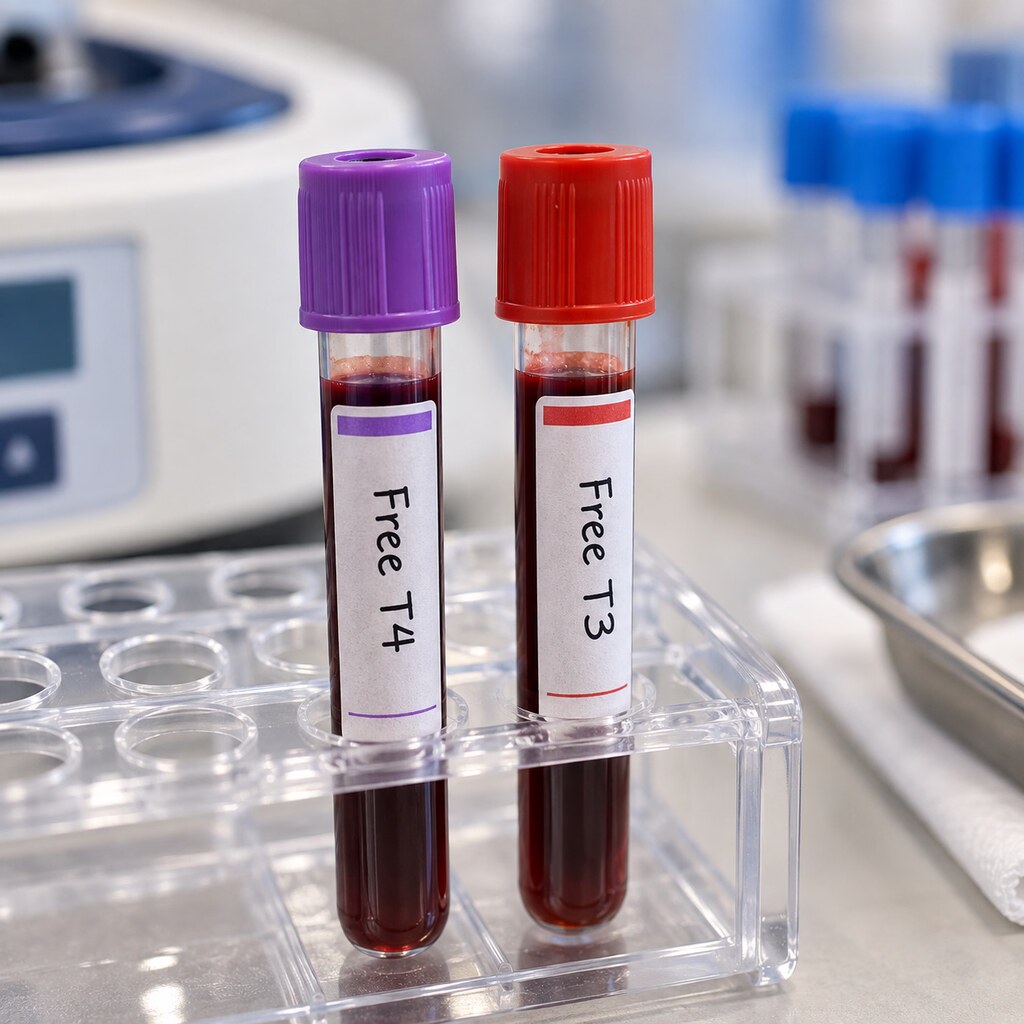
Figure 5. Checking free T4 and free T3 directly, rather than relying on TSH alone, is often the key step that clarifies a confusing symptom-lab mismatch.
This staged approach exists because chasing every possible explanation at once, for every patient, would mean unnecessary tests, cost, and anxiety for the majority of people whose situation turns out to be one of the more common explanations covered earlier. Your own history — whether you're on thyroid medication, whether you've recently had a baby, your diet and stress levels, and how long the fatigue has been going on — heavily shapes which branch of this investigation your doctor will reasonably start with first.
Timing also matters more than people expect. A single blood draw is a snapshot, and thyroid hormone levels can genuinely shift over weeks, especially during a thyroiditis flare or a recent medication change. A doctor may reasonably choose to simply recheck your levels in six to eight weeks before pursuing more extensive (and more expensive) testing, particularly if nothing in your history points urgently toward one of the rarer explanations like central hypothyroidism.
How urgently any of this gets investigated also depends heavily on severity and trajectory, not just the presence of a mismatch. Mild, stable fatigue alongside a mildly low TSH that's been essentially unchanged for months is treated very differently from rapidly worsening exhaustion, unexplained weight change, or new symptoms appearing alongside it — the second picture moves much faster toward the fuller workup described above, while the first picture often earns a more patient, watch-and-recheck approach precisely because most of the explanations in this article are common, manageable, and not urgent once correctly identified.
Why "Normal" Thyroid Hormone Doesn't Always Mean "Enough" for You Personally
There's one more layer to this puzzle worth understanding, because it explains why two people with identical TSH and free T4 numbers can feel completely different. Lab reference ranges are built from population averages — a wide band that covers what's considered typical across thousands of different people. But your own body may have a personal "sweet spot" that sits somewhere narrower within that wide range, and that sweet spot doesn't show up anywhere on a lab report. Someone whose body has always run comfortably with a free T4 toward the upper half of normal might genuinely start feeling sluggish and foggy if their level drifts down toward the lower half of that same "normal" range, even though every number on the page is still technically within bounds.
This matters most for people on thyroid replacement medication, where a dose adjustment can shift someone from their personal comfortable zone into a technically-normal-but-personally-suboptimal zone, and it's a real, if sometimes underappreciated, part of why fine-tuning thyroid treatment can take longer and more back-and-forth than people expect. It doesn't mean lab ranges are wrong or useless — they're still the essential starting point for catching genuine over- and under-treatment — but it does mean "your labs are normal" and "you should feel completely fine" aren't always the exact same statement, especially in the months right after a dose change.
What You Can Reasonably Do While You Wait for Answers
Living with unexplained fatigue while waiting for test results or a follow-up appointment is genuinely hard, so it helps to know what's actually useful in the meantime. Keeping a simple daily log of your energy levels, sleep quality, and any other symptoms (heart racing, feeling cold or hot, weight changes, mood) gives your doctor real information to work with at your next visit, rather than a vague "I've just been tired." If you're on thyroid medication, take it exactly as prescribed, at a consistent time, away from coffee, calcium, and iron supplements, and don't adjust your own dose based on how you feel — TSH testing exists precisely because how you feel and what's actually happening in your bloodstream don't always match, which is the entire premise of this article.
It's also worth pushing gently for a broader look if your fatigue is significant and your thyroid labs alone don't seem to be telling the full story. Asking directly "could we check my free T4 and free T3, not just TSH?" or "could we also check my iron and vitamin D while we're at it?" is a completely reasonable, informed question to bring to an appointment, not an overreach — you're simply asking for the same widened investigation described in the section above.
Basic lifestyle steps matter too, even though they won't fix a genuine hormone imbalance on their own. Consistent sleep and wake times, regular meals rather than skipped ones, and moderating caffeine later in the day all support your body's baseline energy regardless of what's ultimately found on your labs. None of this is meant to suggest lifestyle alone explains away real, medically caused fatigue — it's simply that stacking a poor sleep schedule and empty-calorie eating on top of an actual thyroid issue makes everything feel worse than the thyroid issue alone would, and cleaning up the basics makes it easier for you and your doctor to see how much of the fatigue is actually thyroid-related once those other variables are calmer.
Finally, be patient with the process without being passive about it. Thyroid-related fatigue investigations often take more than one visit to fully sort out, especially when the first round of labs doesn't provide a clean, obvious answer. Bringing your symptom log, asking specific follow-up questions, and being willing to wait the recommended six to eight weeks between medication changes and rechecks — rather than requesting constant retesting — actually gets you to a correct answer faster than repeatedly restarting the investigation from scratch every few days out of understandable anxiety.
Frequently Asked Questions
Can a low TSH ever mean my thyroid is underactive, not overactive?
Yes, in specific situations. If the pituitary gland itself isn't signaling correctly (central hypothyroidism) or if you're on thyroid medication that's been slightly overcorrected, TSH can be low even though your body genuinely needs more usable thyroid hormone. This is exactly why doctors often check free T4 directly rather than relying on TSH alone.
How long does it take to feel better after a thyroid medication dose adjustment?
Most people notice gradual improvement over four to eight weeks, since body tissues take time to adjust to a new hormone level even after blood levels change. This is also why doctors typically wait that long before rechecking labs after any dose change.
Should I ask for a free T3 test specifically?
It can be reasonable to ask, especially if TSH and free T4 look normal but you still feel significant, unexplained fatigue. Free T3 reflects the active hormone your cells actually use, and checking it can occasionally reveal a conversion issue that TSH and T4 alone would miss.
Could my fatigue have nothing to do with my thyroid at all?
Yes, this is genuinely common. Anemia, low vitamin D or B12, sleep apnea, depression, and chronic stress are all frequent causes of fatigue that can coexist with a mildly low TSH without being caused by it. A thorough workup typically looks beyond thyroid labs alone.
Is it normal for TSH to be temporarily low after having a baby?
Yes. Postpartum thyroiditis, an inflammation of the thyroid that can occur in the months after delivery, commonly causes a temporary phase of low TSH and high thyroid hormone, which can paradoxically come with significant fatigue due to disrupted sleep and the inflammation itself, before often settling back to normal over time.
Do I need to stop taking biotin before every blood test, not just thyroid tests?
Biotin interference is specifically documented for certain immunoassay-based tests, thyroid panels being one of the most commonly affected. Many labs recommend pausing biotin supplements for at least two days before any blood draw as a general precaution, but it's worth confirming directly with whoever orders your labs, since the exact recommendation can vary by test and by the specific lab processing your sample.
A Short Glossary of the Words You'll Actually Hear
TSH (thyroid-stimulating hormone) is the signal your pituitary gland sends to your thyroid, rising when thyroid hormone is low and falling when it's high. Free T4 is the main hormone your thyroid actually produces, measured in its active, unbound form. Free T3 is the more active hormone your body converts T4 into, and it's what actually speeds up your cells. Central hypothyroidism describes a rare situation where the pituitary gland itself fails to signal the thyroid correctly, so TSH can look misleadingly low or normal even when thyroid hormone is genuinely deficient. Thyroiditis simply means inflammation of the thyroid gland, which can temporarily push hormone levels and TSH in unexpected directions. And an immunoassay is the general lab technique used to measure many hormones, including TSH, which is exactly the kind of test that certain supplements like biotin can interfere with.
Together, these six terms cover almost everything your doctor will reference while sorting through a confusing TSH-and-fatigue mismatch like the one this article has been walking through, and having them in plain language makes it much easier to follow along with your own results rather than nodding along at unfamiliar words.
A Direct Word If This Mismatch Has Left You Feeling Dismissed
If you've been told your labs "look fine" while you continue to feel exhausted, it's completely reasonable to feel frustrated, and it doesn't mean the tiredness is imaginary or exaggerated. As this article has shown, a low TSH is genuinely compatible with real, explainable fatigue through several different, medically recognized pathways — an overcorrected medication dose, a transitional thyroiditis phase, a pituitary-level problem TSH alone can't detect, a conversion issue TSH doesn't measure, an unrelated supplement quietly distorting the test itself, or a completely separate cause hiding in plain sight on the rest of your bloodwork. You deserve a doctor willing to keep asking "what else could explain this" rather than closing the conversation the moment one number looks technically within range.
It's also worth remembering that persistence pays off here in a very literal sense. Many people who eventually get a satisfying answer to this exact mismatch describe needing a second opinion, a repeat test, or simply a more detailed conversation than their first appointment allowed. That isn't a failure of the first doctor so much as a reflection of how many genuinely different explanations this article has just walked through — no single provider gets to every one of them in a rushed fifteen-minute visit, and returning with specific questions, informed by exactly this kind of information, tends to move the conversation forward faster than starting over from scratch somewhere new.
Conclusion
A low TSH and ongoing exhaustion feel contradictory because TSH is popularly (and usually correctly) treated as a stand-in for "how's my thyroid doing overall" — but as this article has shown, that shorthand breaks down in several specific, well-understood situations: a thyroid medication dose that's crept slightly high, an inflammatory thyroiditis phase that hasn't settled yet, a pituitary gland that isn't signaling correctly, a conversion step that isn't working efficiently, a supplement quietly interfering with the test itself, or a completely unrelated cause of fatigue sharing the stage with an incidentally low number. The path forward isn't to distrust the test — it's to look at it alongside free T4, free T3, your medication history, your supplement list, and the rest of your bloodwork, rather than in isolation.
Once you understand which of these situations actually applies to you, the confusing mismatch between the number and how you feel stops being a mystery and starts being something you and your doctor can actually address, one specific, well-defined possibility at a time rather than one vague, frustrating shrug. That shift — from "my labs don't make sense" to "here's exactly which of these six explanations fits my situation" — is often the real turning point in finally getting your energy, and an honest answer, back.
Still Not Sure What Your Results Mean?
Upload your labs and get a complete, visual, plain-language interpretation of every biomarker — delivered to your inbox in under 15 minutes.
Get My ReportThis article is for educational purposes only and does not constitute medical advice. Always consult your healthcare provider regarding your specific lab results.