A Positive Result Doesn't Always Confirm Illicit Drug Use
Seeing the word "positive" next to a drug test can be genuinely alarming, especially when you know you haven't used anything you'd need to explain. Here's the part that gets left out of most conversations about drug testing: that first result is a screening tool, not a verdict. It's built to catch anything even remotely suspicious, which means it's also built to occasionally flag things that have nothing to do with illicit drug use at all — a decongestant, a poppy seed bagel, a prescription you take every day. A positive screen opens a conversation. It doesn't close one.
Curious what the rest of your urinalysis is telling you? Upload your results and get a complete, plain-language breakdown in under 15 minutes.
Analyze My ResultsWhy the First Test Isn't Meant to Be the Final Word
Most drug screens, whether ordered by an employer, a clinic, or a court, start with something called an immunoassay — a fast, inexpensive test that can process a sample in minutes rather than days. To work that quickly, immunoassays are deliberately built to prioritize sensitivity over precision. In plain terms, they're designed to catch every possible true positive, even if that means occasionally flagging something that isn't actually there. Think of it like a smoke detector calibrated to go off at the faintest whiff of smoke: it will absolutely never miss a real fire, but it's also going to occasionally shriek because you burned toast. A screening test working exactly as intended will produce some false alarms — that's the trade-off built into the design, not a malfunction.
How a Completely Legal Substance Can Trigger a Positive
Immunoassays work by using antibodies — proteins trained to recognize one specific molecular shape, almost like a lock built for one particular key. The problem is that plenty of legal, everyday substances happen to have a molecular shape close enough to the "key" that the antibody binds to them anyway, a phenomenon called cross-reactivity. The test isn't lying when it flags a result; it genuinely detected something that resembles its target closely enough to trigger a reaction. It just doesn't have the precision to tell the difference between the actual substance it's looking for and a close molecular cousin from something as ordinary as a cold medicine or an antidepressant.
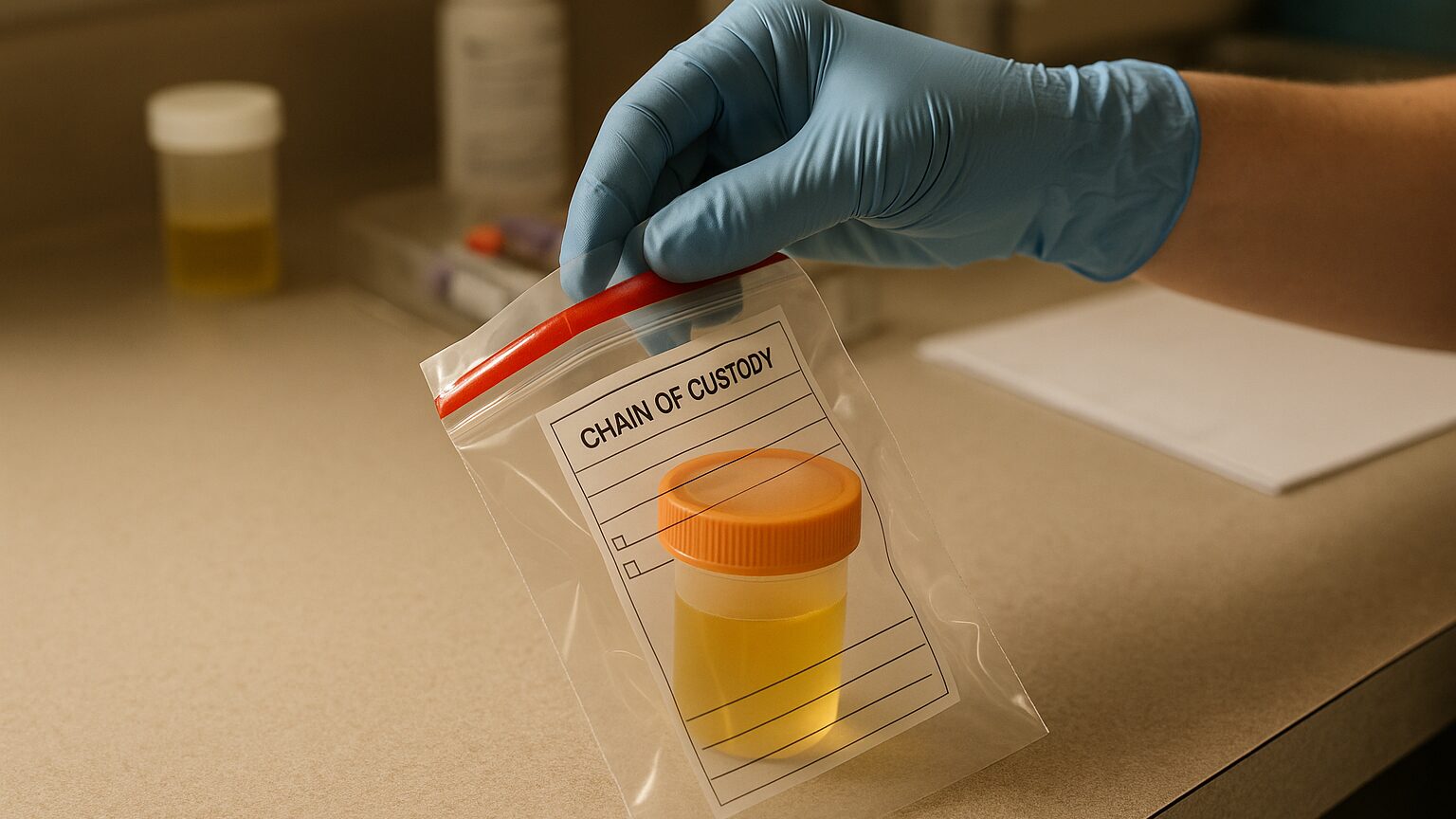
Common Everyday Culprits Behind a False Positive
A surprising number of ordinary items can cross-react with a standard drug panel. None of these guarantee a false positive, but they're documented, recognized causes worth knowing about:
- Decongestants like pseudoephedrine or phenylephrine, common in cold and allergy medicine, can trigger a positive for amphetamines.
- Certain antidepressants, including bupropion and trazodone, have been linked to false positives for amphetamines or methamphetamine.
- Poppy seeds, found in some baked goods, contain trace amounts of natural opiate compounds that can register as a positive for opiates.
- Cough suppressants containing dextromethorphan have occasionally cross-reacted with tests looking for PCP.
- Certain antihistamines, like diphenhydramine, have been associated with false positives for methadone or PCP in some assays.
- High-dose NSAIDs, such as ibuprofen, have in some cases triggered false positives for cannabinoids or barbiturates.
- CBD products that legally contain trace amounts of THC can occasionally push a cannabinoid test over its threshold.
If you're taking any prescription or over-the-counter medication regularly, it's worth mentioning it before a scheduled test — not because it will necessarily cause a problem, but because it gives whoever reviews the result useful context from the start.
The Safety Net: Confirmatory Testing
This is the detail that makes the whole system trustworthy: a positive immunoassay result is never treated as final proof on its own in any properly run testing program. It gets sent for confirmatory testing, typically using a method called gas chromatography-mass spectrometry, or GC-MS. Where the initial screen only recognizes a general shape, GC-MS actually separates and identifies the exact molecular structure of whatever is in the sample — the equivalent of going from "something that looks like a key fits" to reading the precise cut of that key under a microscope. This method is highly specific, and it's what separates a preliminary flag from a confirmed, actionable result. Reputable testing protocols will not report a definitive positive to anyone — an employer, a court, a physician — without this confirmatory step.

Why Cutoff Levels Also Matter
Every screening test is set to a specific concentration threshold, called a cutoff level. Anything below that concentration is reported negative, and anything at or above it is flagged positive, regardless of how it got there. This matters because incidental, non-recreational exposure to a substance is usually present at very low concentrations. A well-chosen cutoff is meant to filter out trace, meaningless amounts while still catching genuine use — but it's part of why context always matters more than a single number on its own.
Who Reviews This Before It Becomes Official
In regulated settings, like most workplace and federal testing programs, a positive screen doesn't go straight to an employer or agency. It first goes to a Medical Review Officer, a licensed physician trained specifically in interpreting drug test results. This person reviews the confirmatory result and, before anything is finalized, contacts the individual privately to ask whether there's a legitimate medical explanation — a current prescription, for example. If a valid explanation exists and checks out, the final report reflects that, rather than a flat positive. This step exists specifically to catch situations like the ones described above, and it's a far more common safeguard than most people realize.
What to Do If Your Result Comes Back Positive Unexpectedly
Staying calm and being specific is the most useful thing you can do. Ask whether the result you received is a preliminary screen or a confirmed result — those are two very different things. If it's a screen, ask whether confirmatory testing is standard procedure before anything becomes final. Make a list of every medication, supplement, and anything unusual you've eaten in the days before the test, including doses if you can recall them, and share that information with whoever is reviewing the result. Documentation, like a pharmacy printout or a prescription label, can make that conversation faster and more credible.
Frequently Asked Questions
Can prescription medication really cause a positive drug test?
Yes. Several common prescription medications, including certain antidepressants and some antihistamines, are documented to cross-react with standard immunoassay panels. This is exactly why confirmatory testing and medical review exist — to distinguish a prescribed medication from illicit use.
How accurate is confirmatory testing compared to the initial screen?
Confirmatory methods like GC-MS are far more specific than an initial immunoassay screen. Rather than detecting a general molecular shape, they identify the exact substance present, which is why they're considered the definitive step before any result is treated as final.
Should I tell the testing site about my medications before I'm tested?
It's generally a good idea to disclose any regularly used prescription or over-the-counter medications beforehand. It doesn't guarantee a different outcome, but it gives useful context to whoever ultimately reviews the result if anything unexpected comes up.
Conclusion
A positive drug screen is designed to be sensitive, not infallible — it's the first step in a process, not the process itself. Everyday medications, certain foods, and even some supplements can trigger a legitimate positive on the initial test without any illicit substance ever being involved. Confirmatory testing, cutoff levels, and, in regulated settings, a Medical Review Officer all exist specifically to separate a preliminary flag from an actual conclusion. If you're ever facing an unexpected result, the most productive move is asking where in that process the result currently stands, rather than assuming the first number is the final answer.
Still Not Sure What Your Results Mean?
Upload your labs and get a complete, visual, plain-language interpretation of every biomarker — delivered to your inbox in under 15 minutes.
Get My ReportThis article is for educational purposes only and does not constitute medical advice. Always consult your healthcare provider regarding your specific lab results.