
Can Hydration Level Affect Drug Test Results?
Yes — and it can happen completely by accident. Drinking a lot of water before a urine drug test, even for a perfectly innocent reason like nervousness, a workout, or just trying to "be prepared," can water down your sample enough that the lab can no longer trust the result either way. This isn't a rumor or an urban myth passed around online — it's a real, well-documented lab phenomenon with its own name, its own specific numbers labs check for, and its own set of consequences that have nothing to do with whether any drug is actually in your system. This article walks through exactly how hydration changes a urine sample, how labs catch it, and what actually happens next — including a genuine health risk that's more serious than most people realize.
Curious what the rest of your lab results are telling you? Upload them and get a complete, plain-language breakdown in under 15 minutes.
Analyze My ResultsWhat Your Kidneys Are Actually Doing With All That Water
To understand why hydration matters here, it helps to picture your kidneys as a filtering system that's constantly deciding how much water to keep in your body versus how much to send out as urine. Think of your kidneys like a coffee filter that's also a faucet: they filter waste out of your blood all day long, and depending on how much water you've had to drink, they either concentrate that waste into a small, strong-smelling amount of urine, or dilute it into a large, nearly clear amount, to keep the water level in your blood balanced.
When you're normally hydrated, your urine carries a certain concentration of dissolved substances — waste products, minerals, and, if present, drug metabolites (the leftover breakdown pieces of a substance after your body processes it). When you drink an unusually large amount of water in a short window, your kidneys respond by producing urine that is far more diluted than usual, the same way adding extra water to a glass of juice makes the juice taste weaker without changing how much juice was originally in the glass. The drug metabolites, if any are present, don't disappear — they're just spread out through so much extra water that their concentration drops, sometimes below the level a screening test is designed to reliably detect.
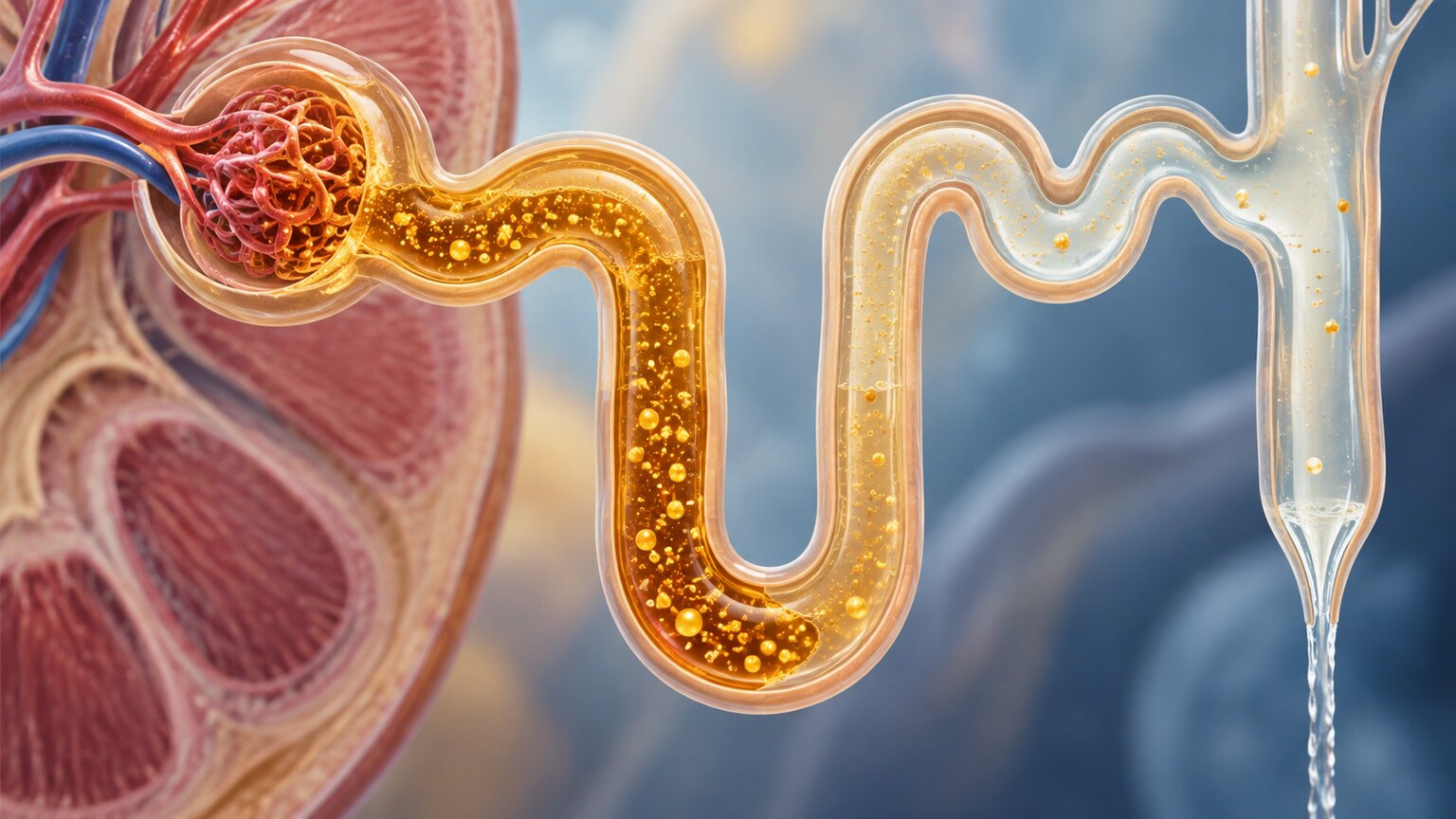
Figure 1. The kidney's filtering units, called nephrons, control how concentrated or diluted urine becomes based on how much water is circulating in the blood at that moment.
This is the entire mechanism behind everything else in this article: hydration doesn't remove anything from your body faster, and it doesn't "flush out" drugs in the dramatic way some people imagine. It simply changes the concentration of your urine sample at the exact moment it's collected — which matters enormously to a test that works by measuring concentration in the first place.
"Dilute" Is a Real, Specific Lab Category — Not Just a Guess
Labs don't rely on a technician eyeballing whether urine "looks watery." Every legitimate drug test sample goes through what's called specimen validity testing, a quick set of checks that happens before the sample is ever screened for drugs at all. Two of these checks matter most for hydration specifically: creatinine and specific gravity.
Creatinine is a waste product that muscles produce at a fairly steady rate all day, so it acts as a kind of internal yardstick — if your urine's creatinine level is unusually low, that's a strong sign the sample has been watered down, since a normally hydrated person's kidneys don't dilute creatinine away like that. Specific gravity measures how much heavier your urine is compared to plain water, based on everything dissolved in it; normally hydrated urine is noticeably "heavier" than water, while an overly diluted sample starts to weigh in almost as light as water itself. When both of these numbers fall below a defined cutoff, the lab doesn't call the sample negative or positive — it calls it "dilute," a distinct, specific category that means the sample cannot be reliably interpreted either way.
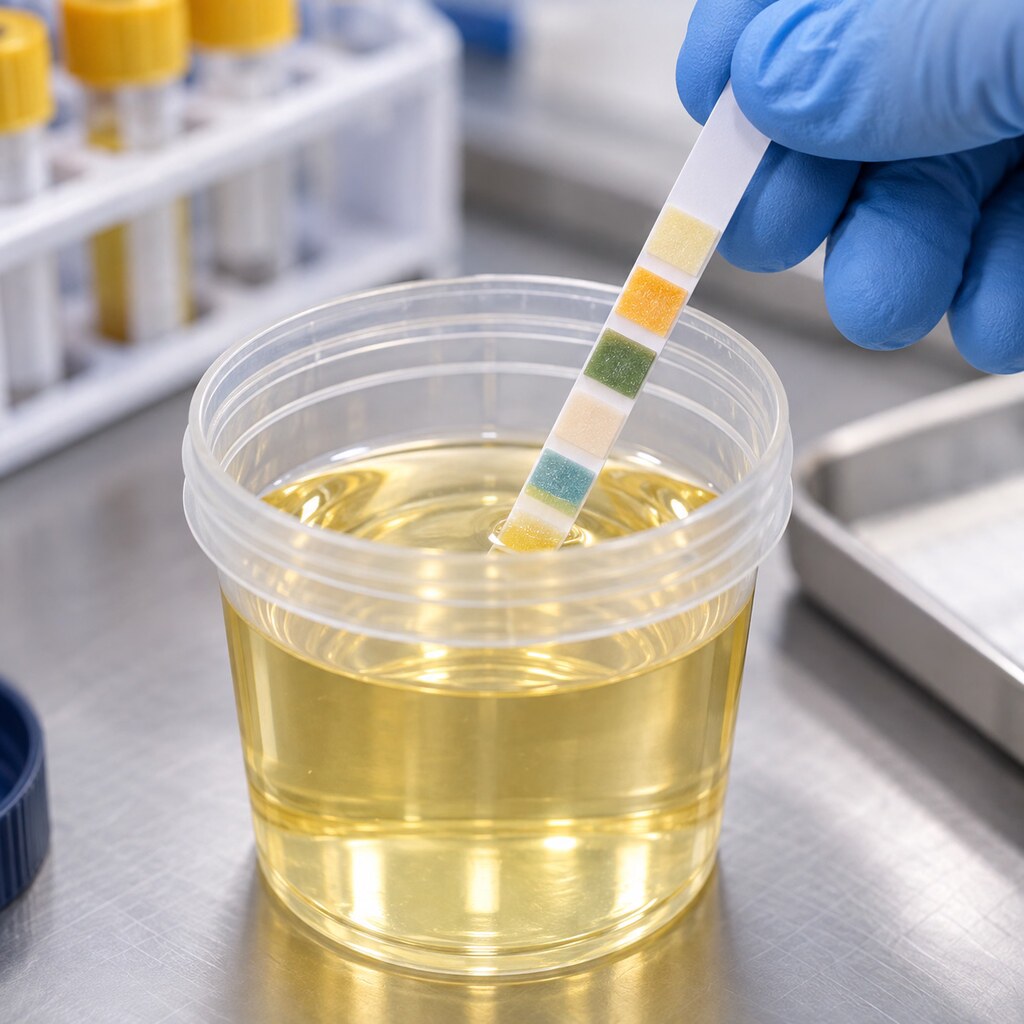
Figure 2. A specimen validity strip checks specific gravity and other markers within minutes of collection, flagging an overly diluted sample before drug screening even begins.
This validity check happens fast — often within minutes of you handing over the sample, using a simple test strip dipped directly into the collection cup, well before the sample ever reaches the more complex equipment used to actually screen for drugs. That speed matters practically: many testing sites will tell you immediately if a sample reads as too dilute, giving you the chance to provide a second sample on the spot rather than waiting days for a lab report that turns out to be unusable.
It's worth being precise about what "dilute" does and doesn't mean. It is not the same as a negative result, and it is not the same as a positive result — it's officially a "cannot be determined" outcome. Depending on the specific testing program's rules (workplace policy, a court-ordered test, or a clinical setting all handle this differently), a dilute result might simply trigger an immediate retest under supervision, or in stricter programs, it may be treated similarly to a refusal to test, which can carry real consequences even though no drug was ever detected or ruled out.
Innocent Overhydration Versus a Deliberate Attempt to "Beat" the Test
Here's the genuinely frustrating part of this whole topic: the lab test itself cannot tell the difference between someone who drank too much water by accident and someone who did it on purpose specifically to dilute out a substance they knew would otherwise show up. Both situations produce the exact same numbers on the exact same validity check, because the biology behind them is identical — extra water in, more diluted urine out, regardless of the reason behind it.
This is precisely why so many completely innocent people run into this problem unexpectedly. Someone who feels nervous before a scheduled test and drinks several bottles of water "just to be safe," someone who had an intense workout or a hot, sweaty commute and instinctively rehydrated heavily beforehand, or someone managing a medical condition that involves drinking large amounts of water throughout the day can all produce a dilute sample with zero intention of manipulating anything. From the lab's perspective, though, the result reads identically to someone attempting deliberate dilution, which is exactly why testing programs generally can't simply "trust" an explanation and move on — the validity check exists precisely because intent isn't something a lab instrument can measure.
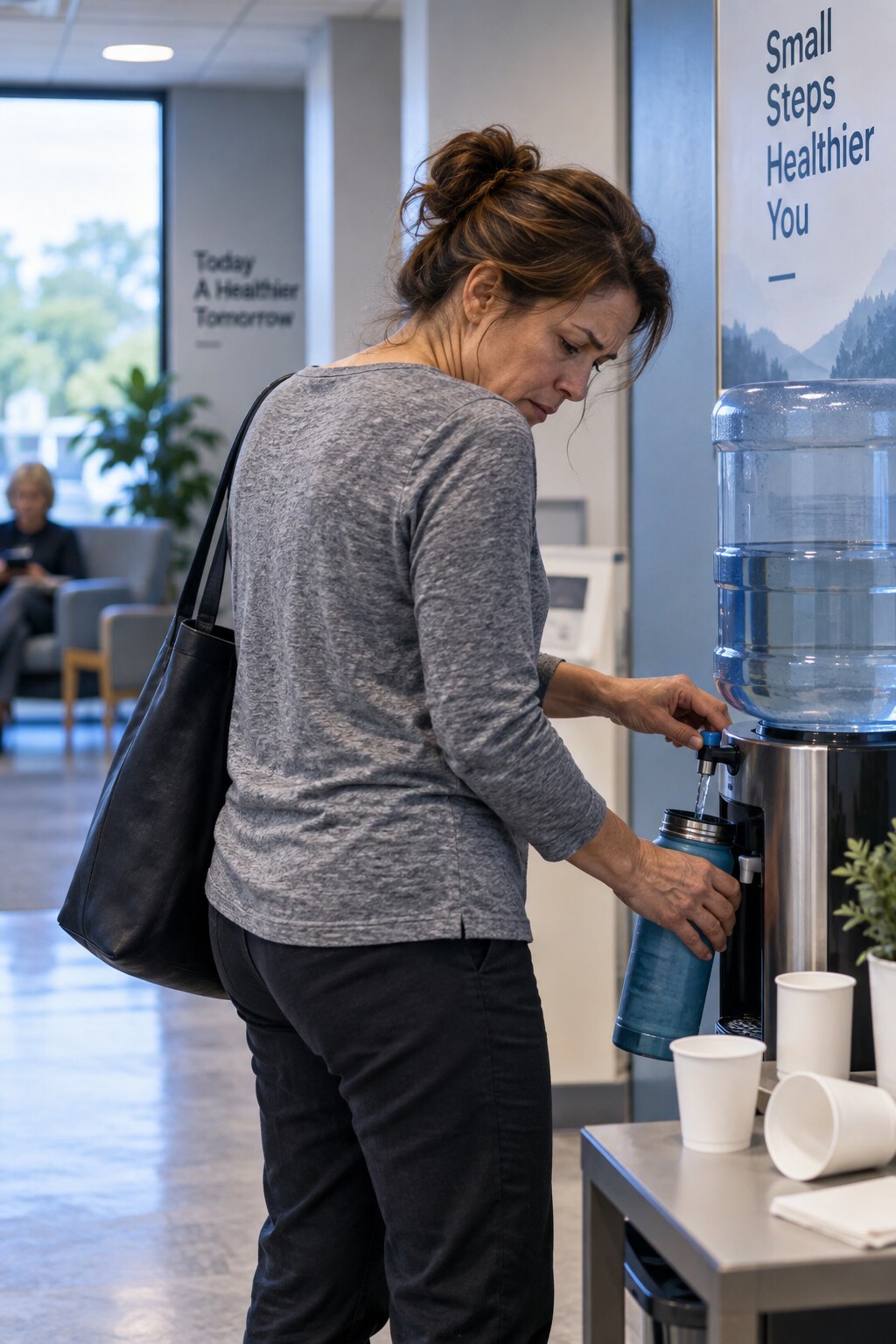
Figure 3. Nervous over-drinking before a scheduled test, without any intent to manipulate the outcome, produces the same diluted urine profile as a deliberate attempt.
This is also why testing programs generally treat a first dilute result differently from a repeated pattern of dilute results from the same person. One dilute sample, especially with a plausible explanation and no other red flags, is usually handled as a simple mistake requiring a supervised retest. A pattern of repeated dilute samples from the same individual, especially across multiple scheduled tests, understandably starts to look less like coincidence and more like an intentional pattern, which is why some programs escalate their response after repeat occurrences even without ever detecting an actual substance.
If you know in advance that you'll be tested and you're the anxious type prone to over-preparing, understanding this mechanism ahead of time is genuinely useful: drinking a completely normal, comfortable amount of water is fine and expected, but treating "drink as much water as possible beforehand" as a safety strategy is exactly the behavior most likely to backfire into an avoidable dilute result and an unnecessary retest.
The Health Risk Nobody Warns You About: Water Intoxication
Beyond the practical hassle of an invalidated test, there's a genuine, serious medical danger tied to this exact behavior that deserves direct attention: drinking extremely large amounts of water in a short period of time, the kind some people attempt specifically to try to dilute a test past the point of detection, can cause a real, sometimes life-threatening condition called water intoxication, medically known as hyponatremia.
Here's the simple version of why this happens: sodium is a mineral your body needs in a fairly precise, balanced concentration in your blood, and it plays a critical role in how your brain and muscle cells function. When you drink an extreme amount of water very quickly — well beyond what your kidneys can process and excrete in that same window — you dilute your blood's sodium level faster than your body can compensate, and cells throughout your body, including in your brain, start to swell as water rushes in to balance the concentration. Symptoms can include headache, nausea, confusion, and in severe cases, seizures or loss of consciousness, and documented cases of serious harm and even death from this exact water-loading behavior, attempted specifically to beat a drug test, exist in medical literature.
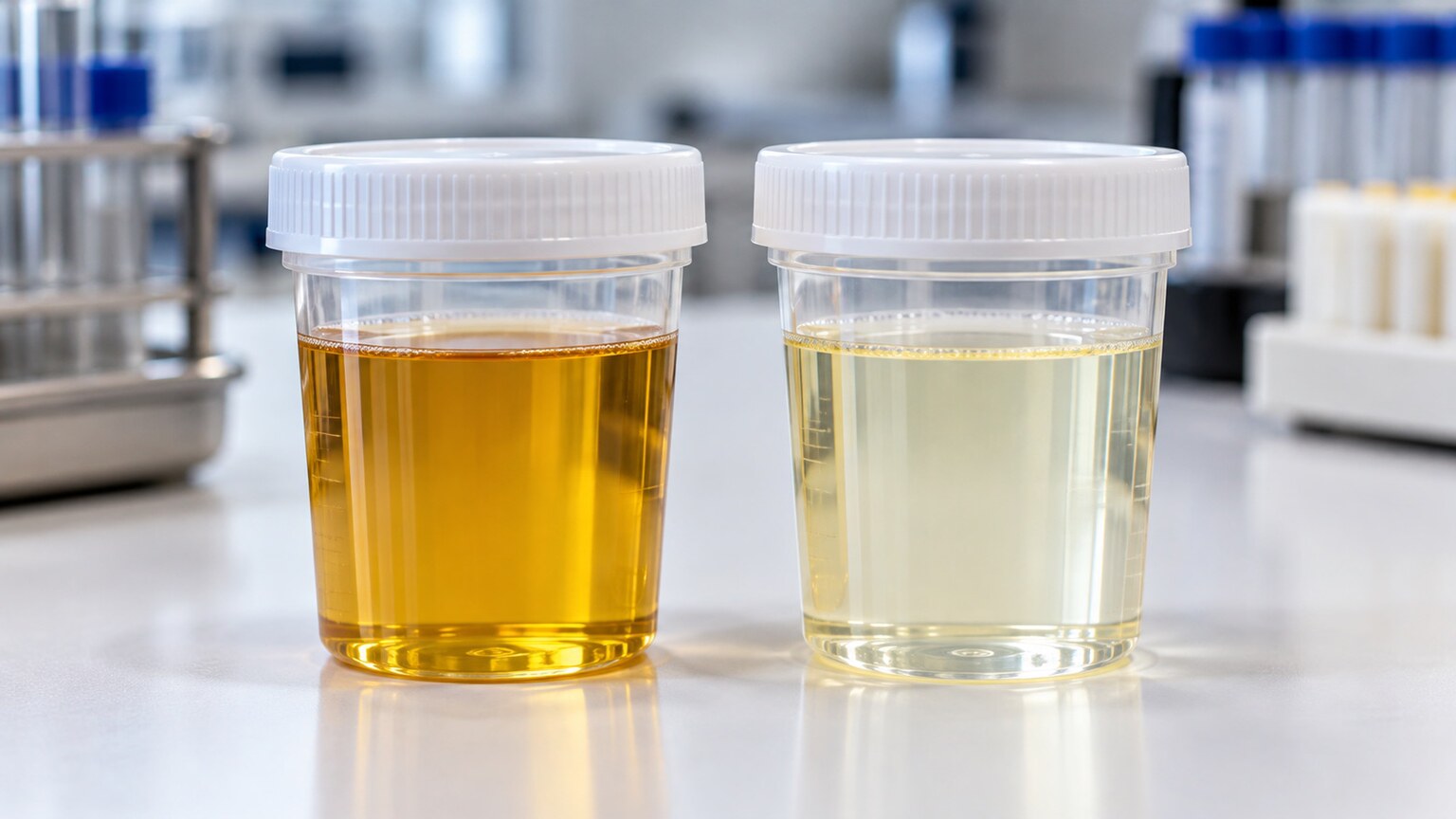
Figure 4. A normally concentrated urine sample appears distinctly yellow, while an overly diluted sample can look almost as clear as water — a visible clue labs also take into account.
This is the single most important safety message in this entire article: there is no safe amount of "extra" water that reliably guarantees passing a test you're worried about, but there absolutely is a dangerous amount of water that can genuinely put you in a hospital. If you are ever tempted to drink an unusually large volume of water quickly for this reason, understand that you are trading an already-uncertain shot at diluting a result for a real, physical health risk that has nothing to do with the test at all.
Why Labs Started Checking for This in the First Place
Specimen validity testing didn't always exist as a standard step — it developed specifically because dilution, and more aggressive tampering methods alongside it, became common enough that testing programs needed a systematic way to catch it rather than relying on a technician's instinct. As urine drug testing became widespread in workplaces, sports organizations, and legal settings starting in the 1980s and expanding through the following decades, an entire counter-industry emerged around it: products marketed as "detox drinks," instructions circulated for water-loading, and eventually even synthetic urine and additive products designed to mask or substitute a real sample entirely.
Regulatory bodies overseeing federally mandated testing programs responded by formalizing specimen validity testing as a required step, not an optional add-on, specifically naming dilution, substitution, and adulteration as three distinct categories a lab must screen for on every single sample. This history matters because it explains why the current system feels as rigorous as it does: today's creatinine and specific gravity checks exist as a direct, deliberate response to decades of exactly the kind of hydration-based strategy this article has been describing, refined over time specifically to close the gaps that people found and used, in much the same way that any security or verification system tends to tighten specifically around whatever weaknesses people have already discovered and exploited.
Understanding this history also reframes the whole topic usefully: the "loophole" of drinking extra water to dilute a sample isn't a secret modern discovery — it's one of the oldest, most well-known attempts to influence a drug test, and it's precisely because it's so well known that the checks against it are now so standardized and hard to slip past unnoticed. Anyone encountering this idea today, whether out of curiosity or genuine worry, is essentially rediscovering a decades-old approach that the entire testing industry has already spent considerable effort specifically designing around.
It's Not Just Plain Water — Other Everyday Things That Shift the Numbers
Water is the most direct and common way hydration status changes a urine sample, but it's not the only everyday factor that moves these same numbers. Caffeine and alcohol both have a mild diuretic effect, meaning they can increase how much urine your body produces relative to how much fluid you actually drank, which can nudge a sample toward the diluted end of the spectrum even without deliberately loading up on water. Certain prescribed medications, particularly diuretics used to manage blood pressure or fluid retention, work through a similar mechanism and can have the same effect as a normal, expected side effect of a medication you're supposed to be taking.
Timing matters too, in the opposite direction. The first urine you produce after waking up in the morning is naturally the most concentrated urine your body makes all day, since you haven't taken in any fluids for hours while your kidneys kept working through the night. This is exactly why many testing protocols specifically prefer or require a first-morning sample when possible — it's simply less likely to run into a dilute result through ordinary daily hydration patterns, no special effort required.
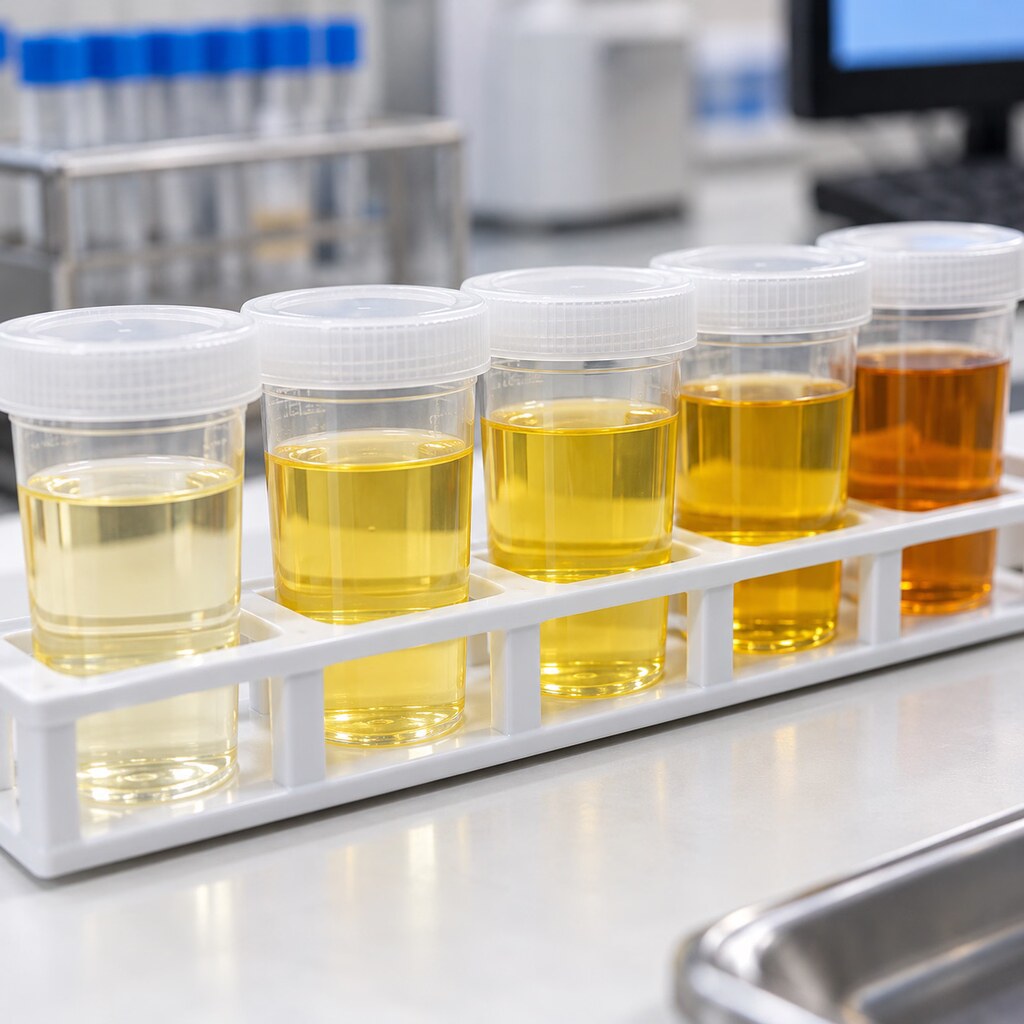
Figure 5. Creatinine testing on each sample gives the lab an internal reference point for how diluted a specimen truly is, independent of any drug screening result.
It's genuinely useful to know these everyday factors exist, because it reframes the whole topic away from "cheating versus not cheating" and toward something much more ordinary: your urine's concentration naturally shifts throughout a normal day based on completely unremarkable things like when you last ate, what you drank, the weather, and how much you exercised. A dilute result doesn't automatically mean anyone did anything wrong — it just means the sample, for any number of ordinary reasons, didn't fall within the specific concentration window the test needs to produce a trustworthy answer.
None of this means hydration habits should be treated as unpredictable or unmanageable, though. Drinking water at a normal, comfortable pace throughout an ordinary day, rather than in one large rushed sitting right before a test, keeps your body in the typical range labs expect and rarely causes any issue at all.
Does Hydration Affect Every Type of Drug Test the Same Way?
No, and this distinction genuinely matters if you've ever wondered why some testing situations seem far less forgiving about hydration than others. Everything described so far in this article applies specifically to urine testing, because urine is the one common sample type whose volume and concentration are directly, obviously controlled by how much fluid you drink. Blood tests work completely differently: a blood draw measures the actual concentration of a substance circulating in your bloodstream at that exact moment, and while being well-hydrated can very slightly shift blood volume, it does not meaningfully dilute a blood sample the way extra water dramatically dilutes urine, since your body tightly regulates blood composition through mechanisms far more precise than urine concentration.
Saliva testing is similarly resistant to this kind of manipulation. A saliva sample reflects what's present in your mouth and the surrounding tissue at the moment of collection, and while rinsing your mouth with water can temporarily wash away very recent, surface-level traces, it doesn't meaningfully change the underlying result the way urine dilution does, and most saliva collection protocols include a waiting period specifically to prevent this kind of temporary interference. Hair testing is the most resistant of all to any hydration-related effect, since it reflects substance exposure embedded in the hair shaft over weeks to months as the hair physically grew — no amount of drinking water on the day of the test can reach back and change something already locked into hair that grew in weeks earlier.
Understanding this matters because it explains why some testing programs specifically choose non-urine methods precisely to close this loophole. A program that suspects someone might attempt dilution, or that simply wants a more tamper-resistant method for a high-stakes situation, will often move to blood, saliva, or hair testing specifically because hydration games that work (sometimes) on a urine sample do essentially nothing against these other methods.
What Actually Happens After a Sample Comes Back Dilute
The specific next step depends heavily on the context of the test and the rules of the organization requesting it, but a few patterns are common across most settings. In many workplace and clinical situations, a dilute result simply triggers a request for a second sample, often collected under closer observation and sometimes with a recommendation to avoid drinking excessive fluids beforehand. This second sample is then evaluated the same way, and if it comes back within the normal concentration range, the process typically continues as if nothing unusual happened.
In stricter regulatory or safety-sensitive testing programs — certain federal, transportation, or court-ordered testing contexts — the rules can be considerably less forgiving. Some of these programs are required to treat a dilute result, especially a negative-dilute result under specific conditions, in a way that's functionally similar to a refusal to test, which can carry the same serious consequences as an actual confirmed positive, even though no substance was ever detected. This is precisely why understanding this mechanism in advance matters most for anyone facing this stricter category of testing — the margin for an innocent mistake is much smaller, and the stakes for one are much higher.

Figure 6. Headache, nausea, and confusion after rapidly drinking large volumes of water are early warning signs of hyponatremia, a genuine medical emergency.
If you're ever notified that a sample came back dilute and you know it was an honest mistake, the most useful thing you can do is stay calm, cooperate with whatever retest process is offered, and avoid repeating the same over-hydration pattern before the follow-up sample. Explaining the circumstances honestly to whoever is overseeing the process — a workplace administrator, a medical review officer, or a court liaison — is reasonable and often genuinely helps, even though the lab result itself can't be reinterpreted after the fact once it's already been marked invalid. Bringing a brief written note of the circumstances (a hot commute, a workout beforehand, a recent illness involving extra fluids) can also help the reviewing person distinguish your situation from a pattern worth further scrutiny, even though it won't change the original invalid result itself.
It's also worth asking, if you're facing a scheduled test and have a legitimate medical reason for drinking unusually large amounts of water (certain kidney conditions, diabetes insipidus, or medication side effects, for example), whether that context can be documented in advance. Having a medical explanation on file before testing, rather than after an unexpected dilute result, puts you in a much stronger position if the pattern comes up more than once, since a documented medical condition is treated very differently from an unexplained, repeated pattern with no clear cause behind it.
Why Deliberate Dilution Is a Much Less Reliable "Strategy" Than People Think
Beyond the health risk already covered, it's worth being direct about a practical reality: even setting aside the danger, deliberately over-hydrating to beat a test is a far less reliable approach than the internet often makes it sound, and labs have adapted specifically because this behavior became common enough to notice. Many testing programs now build the specimen validity check in as a mandatory first step precisely because dilution attempts became frequent enough to require a standardized, automatic response rather than relying on a technician's judgment call.
Some programs have also adopted what's sometimes called a lowered cutoff approach specifically for substances known to be commonly targeted by dilution attempts, meaning the detection threshold is set intentionally more sensitive than the standard cutoff, so that even a moderately diluted sample still has a reasonable chance of showing a positive result if the substance was genuinely present. Combined with same-day validity checks that can trigger an immediate, supervised retest before someone has a chance to prepare differently, the practical window for successfully diluting a result out of detection is considerably narrower than a quick internet search might suggest — and the retest itself often happens under more closely observed conditions specifically because a dilute first sample raises that possibility.
None of this is meant as a challenge or a "here's how to actually do it better" message — quite the opposite. It's meant to correct a common misconception: this isn't a reliable, low-risk trick that quietly works around a test. It's an approach that frequently fails on its own terms, sometimes creates more scrutiny rather than less, and, as covered above, can carry a real health cost regardless of whether it succeeds. The honest, evidence-based takeaway is that the perceived reward of this strategy simply doesn't match its actual, well-documented risk and unreliability.
A Practical, Sensible Hydration Approach Before a Scheduled Test
If you know a test is coming up, the most useful preparation has nothing to do with manipulating anything and everything to do with simply not disrupting your normal pattern. Drink water the way you would on any ordinary day in the twenty-four hours beforehand — enough to feel comfortable, not thirsty, and not forced. If your schedule allows it and the testing site doesn't require a specific time of day, a first-morning sample, as covered earlier, naturally works in your favor simply because of how concentrated overnight urine already is, with no special effort required on your part.
Avoid the two opposite extremes that both cause problems: showing up severely dehydrated, which can sometimes make it physically difficult to produce a sufficient sample volume at all and may delay the process, and showing up after rapidly drinking several large bottles of water in a short window beforehand, which is exactly the pattern most likely to trigger a dilute flag. A comfortable, moderate amount of fluid, consistent with your normal daily habits, is genuinely the simplest and most reliable approach in essentially every testing scenario this article has covered.
Frequently Asked Questions
Can drinking water actually make drugs disappear from a test faster?
Not in the way people often imagine. Hydration doesn't speed up how your body eliminates a substance — it simply dilutes the concentration of your urine sample at the moment it's collected, which can push a result below a detectable threshold without actually removing anything from your body faster.
Is a "dilute" result the same as a negative result?
No. A dilute result is officially a "cannot be determined" category, separate from both negative and positive. Depending on the testing program's rules, it typically requires a supervised retest and, in stricter programs, can carry consequences similar to a failed or refused test.
How much water is too much before a drug test?
There's no universally safe amount, since normal hydration varies by body size, climate, and activity level, but drinking multiple liters in a short window specifically to dilute a sample is both likely to trigger a dilute flag and genuinely dangerous, carrying a real risk of water intoxication.
Why does a first-morning urine sample matter for testing?
Urine produced first thing in the morning is naturally the most concentrated of the day, since your kidneys kept working overnight without any new fluid intake. This makes it less likely to read as dilute through ordinary daily hydration, which is why many testing protocols prefer it when possible.
Can medications or caffeine cause a dilute result on their own?
Yes, to a smaller degree. Diuretic medications, caffeine, and alcohol can all mildly increase urine output relative to fluid intake, nudging a sample's concentration lower, though this effect is generally less dramatic than deliberately drinking large volumes of plain water beforehand.
Does hydration affect blood, saliva, or hair drug tests the same way it affects urine tests?
No. Hydration has a meaningful, direct effect only on urine testing, since urine volume and concentration are directly tied to fluid intake. Blood, saliva, and hair testing are far more resistant to this kind of manipulation, which is one reason some testing programs deliberately choose these methods instead.
If I accidentally produce a dilute sample, does that mean I'll automatically fail?
Not necessarily. Many testing programs simply request a supervised retest after a first dilute result, especially when there's no other reason for concern. Consequences become more serious mainly in stricter regulatory or safety-sensitive programs, or after a repeated pattern of dilute results from the same person.
A Short Glossary of the Words You'll Actually Hear
Specimen validity testing is the quick set of checks, including creatinine and specific gravity, performed on a urine sample before it's screened for drugs, to confirm the sample is genuinely usable. Creatinine is a steady waste product from muscle activity used as an internal marker of how concentrated or diluted a sample is. Specific gravity measures how much heavier urine is compared to plain water based on everything dissolved in it. A dilute result is a specific lab category meaning the sample's concentration fell outside the range needed for a trustworthy positive or negative reading. And hyponatremia is the medical term for dangerously low blood sodium caused by drinking water faster than the kidneys can process it.
Understanding these five terms is genuinely enough to follow almost any conversation about a confusing or unexpected drug test result tied to hydration, and to separate the real, physiologically grounded mechanism from the myths that circulate about "flushing" substances out of the body. Knowing them also makes it much easier to read an actual lab report without confusion, since creatinine and specific gravity values are often printed right alongside the drug screening results themselves, even though they're answering a completely different question about the sample's usability rather than about any substance detected.
Who Is Actually Most at Risk From This Overhydration Pattern
Water intoxication from test-related over-hydration isn't equally likely for everyone, and understanding who faces the highest risk helps explain why this warning deserves to be taken seriously rather than dismissed as an exaggerated worst-case scenario. Smaller-bodied individuals generally have a lower total blood volume to dilute, meaning the same volume of rapidly consumed water shifts their blood sodium concentration more dramatically than it would in a larger person. People without much regular exercise or heat exposure, who aren't used to processing large fluid volumes quickly through sweat and normal kidney turnover, may also be more vulnerable than someone whose body regularly handles bigger fluid swings.
Certain existing health conditions raise the stakes further. Anyone with kidney disease, heart failure, or a condition already affecting how the body manages sodium and fluid balance is at meaningfully higher risk from a large, rapid water load, since their normal compensating mechanisms may already be strained before any extra water enters the picture at all. This is exactly why any pre-existing kidney or heart condition is worth mentioning to a healthcare provider if a testing situation ever makes you feel pressured to drink unusually large amounts of water quickly — the same behavior that's merely uncomfortable for one person can be genuinely dangerous for another.
None of this is meant to suggest that ordinary, comfortable hydration carries any of this risk — drinking normally throughout a regular day poses essentially none of this danger for anyone. The risk profile described here applies specifically to the rapid, excessive water-loading pattern this article has repeatedly cautioned against, not to everyday healthy hydration habits.
A Direct Word If You're Preparing for a Test Right Now
If you're reading this because you have a test coming up and you're anxious about it, the most useful thing this article can leave you with is simple: drink water the way you normally would on any other day. Stay comfortably hydrated, don't skip water out of fear of "adding more," but also don't treat a large, rushed volume of water as a strategy, since it's genuinely more likely to create an avoidable, stressful retest situation than to help you in any way — and in extreme cases, it can put your actual physical health at real risk. The system exists specifically to catch this exact pattern, which means the safest, simplest approach really is the most ordinary one.
It's also worth remembering that anxiety itself, separate from anything about hydration, is a completely normal reaction to any testing situation with real consequences attached, and that anxiety doesn't need to be solved through a physical strategy involving water at all. If nerves are the real driver behind the urge to over-prepare, addressing that directly — arriving a little early, bringing something to occupy your mind in the waiting area, or simply reminding yourself that a normal, unremarkable sample is exactly what's expected — tends to serve you far better than any workaround involving fluid intake ever could.
Conclusion
Hydration genuinely does affect a drug test result, but not through the dramatic "flushing out" mechanism many people assume — it works by diluting the concentration of your urine sample at the exact moment it's collected, which labs catch through specific, well-established checks like creatinine and specific gravity rather than guesswork. A dilute result isn't automatically evidence of wrongdoing, and it isn't automatically a passed test either — it's an unusable sample that typically means a retest, with real consequences in stricter testing programs, and this effect applies specifically to urine testing rather than blood, saliva, or hair collection.
Understanding this mechanism turns an anxious, high-stakes guessing game into something much more manageable: stay normally hydrated, understand what the lab is actually checking for and why those specific checks exist, and know that the genuine danger in this entire topic isn't the test itself — it's the temptation to drink far more water than your body can safely handle in an attempt to beat it. The most reliable, lowest-risk approach, backed by both the biology and the decades of regulatory history behind these testing protocols, remains the simplest one: treat the day of your test like any other ordinary day, and let your body's normal, well-regulated hydration pattern do exactly what it already does every single day without any special effort at all.
Still Not Sure What Your Results Mean?
Upload your labs and get a complete, visual, plain-language interpretation of every biomarker — delivered to your inbox in under 15 minutes.
Get My ReportThis article is for educational purposes only and does not constitute medical advice. Always consult your healthcare provider regarding your specific lab results.