
What Does an Inconclusive Drug Test Result Mean?
A drug test doesn't only report positive or negative. There's a genuinely distinct third category — inconclusive, or more precisely "invalid" in most laboratory terminology — that shows up when the specimen itself failed one of several quality checks a lab runs before it ever gets to the actual drug-detection portion of the test. This isn't a verdict on whether any particular substance is present in your system; it's the lab telling you it couldn't fully verify that the specimen it received is what it's supposed to be, or that it was in good enough condition to trust the drug-detection results that came out of it. Understanding exactly what triggers this outcome turns a confusing, sometimes anxiety-inducing report into something with a clear, specific explanation.

Figure 1. A drug test result actually falls into three possible categories, not two — negative, positive, and invalid or inconclusive, the last of which reflects a specimen quality problem rather than a drug-detection finding.
Specimen Validity Testing: The Step That Happens Before Drug Detection
Before a laboratory even begins looking for actual drugs or their metabolites, most standard drug testing protocols run a separate battery of checks called specimen validity testing, specifically designed to confirm the sample is genuine, undiluted, and unadulterated human urine at a normal temperature and concentration. This step exists because drug testing carries an obvious incentive for someone to interfere with a sample if they're worried about the result, and specimen validity testing is the lab's built-in defense against that kind of interference — as well as its way of catching entirely innocent problems, like an accidentally diluted sample, that have nothing to do with any deliberate attempt to affect the outcome.
Specimen validity testing typically checks four or five specific parameters: creatinine concentration (a marker of how concentrated the urine is), specific gravity (another concentration marker measured differently), pH (how acidic or basic the sample is), temperature (checked within minutes of collection, before the sample leaves the collector's sight), and, at many labs, a screen for the presence of specific adulterant chemicals known to interfere with drug detection. A sample failing any one of these checks doesn't automatically become an "inconclusive" result in every case — the specific outcome depends on which check failed and by how much, which is covered in detail below.
This entire process exists because of a genuinely important, decades-old lesson learned early in the history of workplace and legal drug testing: as soon as testing became common and consequential, an entire market of products emerged specifically marketed to help people beat it, ranging from simple household substances to purpose-built commercial "detox" kits sold openly online and in some retail stores. Laboratories and testing standard-setting bodies responded by developing and continuously updating this validity-checking layer specifically to keep pace with newly emerging evasion methods, which is why specimen validity testing today is considerably more sophisticated and multi-layered than it was when workplace drug testing first became widespread decades ago.
It's worth understanding that specimen validity testing and actual drug detection are performed as genuinely separate analytical processes on the same sample, often using different instrumentation and methods entirely. A sample can pass every validity check and still test positive or negative for the substances being screened, and conversely, a sample can fail a validity check regardless of whether any drug was ever present at all — the two questions, "is this specimen valid?" and "does this specimen contain detectable drugs?", are answered independently of one another, which is exactly why an inconclusive result carries no direct implication about drug use one way or the other.
Dilute Specimens: The Most Common Reason for an Ambiguous Result

Figure 2. Drinking unusually large amounts of water before a test — sometimes deliberately, often simply out of habit or nervousness — is the single most common cause of a dilute specimen result.
By far the most frequent cause of an ambiguous result is a dilute specimen, meaning the urine's creatinine and specific gravity both come back lower than the expected normal range, indicating the sample contains an unusually high proportion of water relative to normal urinary waste products. This can happen for entirely innocent reasons: someone genuinely nervous about an upcoming test who drinks large amounts of water beforehand, someone who happens to be well-hydrated from a workout or hot weather, or someone taking a diuretic medication for an unrelated medical reason can all produce a naturally dilute sample without any intention of affecting the result.
Laboratories generally distinguish between two tiers of dilution. A "dilute negative" result occurs when creatinine and specific gravity fall into a mildly reduced range, but the sample still tested negative for the substances being screened — in this case, many testing programs simply accept the result as a valid negative, sometimes with a note about the dilution, since a negative result on a diluted sample is still meaningful (a genuinely positive sample rarely tests fully negative even when diluted, since a truly negative result already indicates no detectable substance). A "substituted" or more severely diluted specimen, where creatinine and specific gravity fall far below the normal physiological range for human urine, is treated far more seriously, since a sample this dilute raises real questions about whether it's genuine urine at all, and this scenario much more commonly triggers an inconclusive or invalid classification requiring a new sample to be collected, sometimes under directly observed conditions.
The physiological reasoning behind these two distinct thresholds is worth understanding in a bit more depth. Human kidneys can only dilute urine so much under normal physiological conditions, even with genuinely excessive water intake, because the kidneys still need to excrete a certain minimum concentration of metabolic waste products regardless of how much water accompanies them. Creatinine levels below roughly 2 milligrams per deciliter, paired with a specific gravity below approximately 1.0010, generally fall outside what even extreme, intentional overhydration in a healthy person can normally produce, which is precisely why laboratories treat readings this low as raising a genuine question about whether the specimen is actually undiluted human urine at all, rather than water or another liquid substituted in its place, whether or not that substitution was deliberate.
Certain medical conditions and situations can also produce naturally dilute urine without any excessive water intake at all. Diabetes insipidus, a hormonal condition entirely distinct from diabetes mellitus, causes the kidneys to produce unusually large volumes of dilute urine regardless of fluid intake, and someone with this diagnosed condition may need to provide supporting medical documentation to a Medical Review Officer to explain a pattern of consistently dilute samples. Similarly, certain kidney conditions affecting the organ's concentrating ability, and simply being well-hydrated as a matter of everyday habit, can all contribute to naturally lower creatinine and specific gravity readings without reflecting any attempt to affect a test result.
Curious what the rest of your lab results are telling you? Upload your results and get a complete, plain-language breakdown in under 15 minutes.
Analyze My ResultsAdulteration: When the Sample Shows Signs of Deliberate Tampering
Adulteration refers to a sample that shows chemical evidence of a foreign substance added specifically to interfere with drug detection. A wide range of household and commercially sold products have historically been used for this purpose — bleach, vinegar, table salt, eye drops containing specific active ingredients, and commercially marketed "detox" products designed explicitly to defeat drug tests — and laboratory adulterant screening is specifically built to detect the chemical signatures these substances leave behind, even when added in small amounts.
An adulterated finding is treated as a distinctly more serious outcome than an ordinary dilute specimen, since it reflects apparent deliberate interference rather than an innocent hydration pattern. Most testing programs and employers have specific written policies treating a confirmed adulterated result similarly to, or in some contexts more seriously than, a confirmed positive result, precisely because it suggests an active attempt to conceal something from the testing process. It's worth noting that a specimen flagged for adulteration typically undergoes confirmatory testing at the laboratory level before this conclusion is finalized and reported, since a single borderline chemical reading isn't considered sufficient on its own to support a conclusion with this much practical weight attached to it.
Understanding the actual chemistry behind common adulterants helps explain why laboratory detection has become so reliable over time. Oxidizing agents like nitrite, chromium (VI), and various proprietary commercial products work by directly chemically degrading the drug metabolites in urine, or interfering with the antibody-based reactions the screening test itself relies on, before the sample ever reaches the laboratory. Because these oxidizing agents leave behind their own detectable chemical signature even after they've done their work, a laboratory's adulterant panel can typically identify the presence of an oxidizing agent even when the original drug metabolite it was meant to destroy has been successfully degraded beyond detection, which is precisely why simply masking a positive result this way tends to get caught rather than actually succeeding.
pH-altering adulterants represent a second broad category, working on the theory that an extremely acidic or extremely basic environment can degrade certain drug metabolites or interfere with the antibody reactions used in initial screening tests. Because normal human urine has a fairly well-established, narrow expected pH range, a reading far outside that range — whether unusually acidic or unusually alkaline — is itself a red flag independent of any specific adulterant chemical identified, and pH testing is one of the most basic, universally included components of standard specimen validity testing for exactly this reason.
Surfactants, a third category that includes various soap-like and detergent-like compounds, work by disrupting the physical structure of the antibody-based test strips used in initial urine drug screening, theoretically causing a false negative reading regardless of what's actually present in the sample. Laboratories test specifically for surfactant activity using a foam-generation test, since these compounds characteristically produce persistent foam when a sample is agitated, a simple but effective physical test that doesn't require identifying the exact specific compound involved.

Figure 3. Laboratories run confirmatory chemical testing before finalizing an adulteration finding, since a single borderline reading isn't sufficient evidence to support such a consequential conclusion on its own.
Temperature Out of Range: A Check That Happens Within Minutes
Immediately after a urine sample is provided, the collector checks its temperature using a strip built directly into most standard collection cups, and this reading needs to fall within a fairly narrow range — typically around 90 to 100 degrees Fahrenheit — to be considered consistent with freshly voided human urine. A sample outside this range raises an immediate red flag that the specimen may not have come directly from the person being tested at that moment, since urine cools measurably within just a few minutes of leaving the body, and a sample that's too cool suggests it may have been prepared in advance, while a sample that's unusually warm can suggest an attempt to disguise a substituted sample by artificially heating it.
Because this check happens essentially in real time, an out-of-range temperature reading typically results in an immediate request for a new, directly observed collection right then and there, rather than the sample being sent to the lab and coming back inconclusive days later. This is one of the few specimen validity issues addressed on the spot rather than discovered after laboratory analysis, which is part of why understanding it separately from the other categories is genuinely useful.
The physics behind this specific check is straightforward and worth understanding, since it explains why the temperature window is set so narrowly. Freshly voided human urine emerges from the body at close to normal internal body temperature, and while it begins cooling immediately upon contact with air, the four-minute window most collection protocols specify for reading the temperature strip is short enough that a genuine, freshly provided sample will still read within the expected range regardless of the room's ambient temperature. A sample that's already cooled well below this range by the time it's checked strongly suggests it was produced earlier and brought into the collection site already cooled, rather than provided fresh at that specific visit, while a sample reading unusually hot suggests active, deliberate heating, sometimes using a concealed heating device, specifically to disguise a substituted sample as freshly voided.
Collection staff are specifically trained to notice behavioral cues alongside the temperature strip reading itself — unusual bulkiness in clothing that might suggest a concealed container, sounds or movements inconsistent with normal urination, or a specimen handed over unusually quickly relative to how long the person was actually in the collection area. None of these observations alone are considered definitive proof of tampering, but a temperature reading outside the expected range combined with one or more of these behavioral observations substantially increases the likelihood that a collection site will move directly to requiring a directly observed recollection on the spot, rather than simply noting the temperature discrepancy and proceeding as usual.
Insufficient Quantity and Specimen Integrity Issues
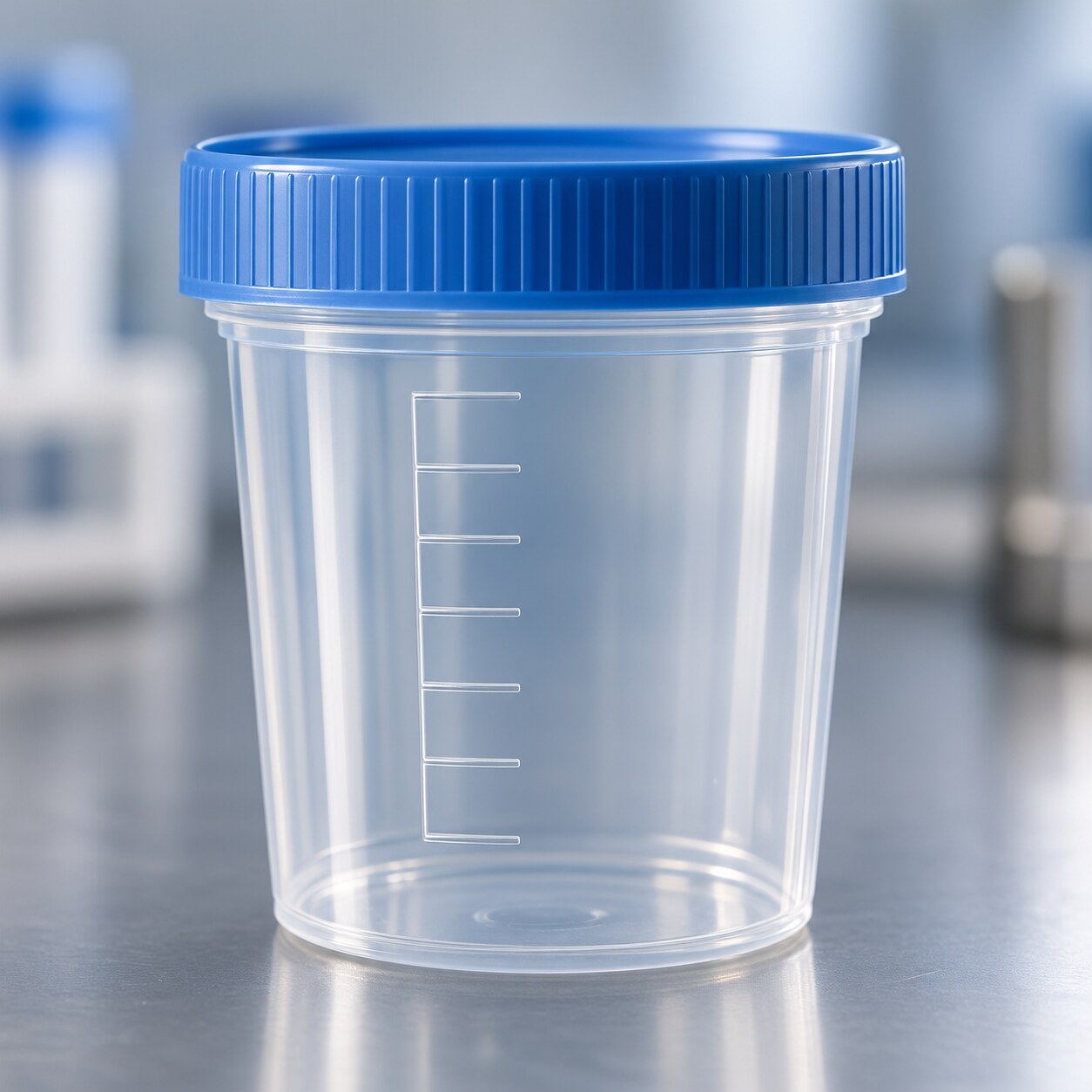
Figure 4. Standard collection protocols require a minimum specimen volume — typically around 30 milliliters — to ensure enough sample exists for both the initial screen and any necessary confirmatory retesting.
Standard collection protocols require a minimum specimen volume, typically around 30 milliliters, specifically to ensure there's enough sample for the initial screening test as well as any confirmatory retesting that might be needed afterward. Someone unable to produce this minimum amount in one attempt is generally given a reasonable period of time and reasonable access to fluids to try again, since this scenario is common and usually entirely unrelated to any attempt to interfere with testing — it simply happens. If a second attempt still doesn't yield sufficient volume, this becomes its own specific type of inconclusive outcome, generally resolved by scheduling a new collection appointment entirely, sometimes with additional monitoring guidance if it becomes a repeated pattern for a particular individual.
Beyond volume, physical specimen integrity issues — a broken or leaking collection container, a tampered custody seal on the container that should have remained intact from collection through laboratory receipt, or clear physical evidence the sample was altered after collection — can also result in an inconclusive designation, since the entire chain-of-custody process exists specifically to guarantee that the sample tested at the laboratory is provably the same sample collected from that specific person, and any break in that chain undermines the confidence needed to report a meaningful result at all.
The chain-of-custody documentation itself deserves a bit more explanation, since it's what ultimately allows a laboratory result to be trusted and, in legal contexts, admissible as evidence. Every step a specimen passes through — from the moment it's collected, sealed, and initialed by both the donor and collector, through transport, laboratory receipt, internal handling during testing, and final storage — is documented on a standardized chain-of-custody form that travels physically alongside the specimen itself. A gap or inconsistency anywhere in this documented chain, such as a missing signature, an unexplained time gap, or a seal that doesn't match what's documented on the form, can itself be sufficient grounds for an inconclusive designation, entirely independent of whatever the underlying drug-detection result might have shown, precisely because the chain-of-custody process is what gives the final result its evidentiary weight in the first place.
Insufficient quantity deserves one additional practical note: certain medical conditions and situations, including some prescribed medications affecting bladder function, recent urination shortly before arriving for a scheduled collection, and simple nervousness in an unfamiliar collection setting, can all make producing an adequate sample more difficult for entirely benign reasons. Collection facilities generally understand this and provide a reasonable accommodation period, often up to a few hours with reasonable access to fluids, specifically to give someone a fair opportunity to provide an adequate sample before this becomes its own documented issue.
What Actually Happens After an Inconclusive Result
The practical next step following most inconclusive or invalid results is straightforward: a new specimen gets collected, and depending on what specifically triggered the original invalid finding, this recollection may happen under directly observed conditions, meaning a same-sex collector directly witnesses the collection itself to eliminate any possibility of substitution or tampering. This is a standard, well-established part of testing protocols rather than an unusual or punitive escalation, and it exists specifically to produce a specimen the lab can confidently validate on the next attempt.
For a dilute specimen specifically, some testing programs simply request a repeat collection with guidance to avoid excessive fluid intake beforehand, without necessarily requiring direct observation, particularly on a first occurrence with no other red flags present. For an adulterated or substituted finding, direct observation is considerably more likely to be required given the more serious implications of that specific finding. Whoever ordered your original test — an employer, a treatment program, a legal or court-ordered testing requirement, or a healthcare provider — will have specific policies dictating exactly how a given invalid result gets handled in their particular context, since practices genuinely vary somewhat between different testing programs and industries.
Directly observed collection, while sometimes perceived as an uncomfortable or invasive process, is specifically regulated with clear rules designed to balance genuine specimen integrity needs against reasonable dignity and privacy considerations. Standard protocols require the observer to be the same sex as the person being tested, limit what the observer can and cannot do during the process, and generally require documented, specific justification for why direct observation was necessary in that particular case rather than being applied routinely or arbitrarily. Understanding that these procedural safeguards exist, and that direct observation is reserved for specific triggering circumstances rather than applied to every recollection, can help make an already uncomfortable situation feel somewhat more manageable.
Timing for a recollection also varies by context. Some testing programs require the new collection to happen immediately, on the same day, particularly in safety-sensitive or legally mandated testing scenarios where a delay itself carries consequences. Other programs, particularly routine pre-employment screening, may schedule the recollection for a later date that's more convenient for the person being tested, especially when the original invalid finding appears to reflect an innocent, easily explained cause like ordinary dilution rather than any indication of active tampering.
Whoever coordinates testing on behalf of the requesting organization, whether an in-house human resources team, a third-party administrator, or a designated compliance officer, is typically the correct point of contact for questions about a specific recollection's timing and requirements, since they hold the actual policy documentation governing that particular testing program and can give an authoritative answer rather than a general one. Reaching out directly and asking specific questions about your own situation is almost always a more productive path than guessing at how a given program's policies apply, given how much genuine variation exists across different employers and testing contexts.

Figure 5. Following an inconclusive result, a collection facility staff member typically explains the specific reason and next steps directly, which can include a repeat collection under directly observed conditions.
The Medical Review Officer's Role in Interpreting Invalid Results
In many formal drug testing programs, particularly workplace and legally mandated testing, a physician called a Medical Review Officer, or MRO, reviews every non-negative result — including inconclusive and invalid findings — before it's officially reported to whoever ordered the test. This review process exists specifically to apply clinical judgment to results that require more context than a simple pass-or-fail lab value provides. For an inconclusive result, the MRO's role often includes contacting the tested individual directly to discuss possible innocent explanations, such as a specific prescribed medication, a documented medical condition affecting hydration, or a legitimate reason for an unusual specimen characteristic, before the final classification and any resulting recommendation gets communicated to the requesting party.
This MRO review step is a meaningful safeguard against an innocent, easily explained situation being treated the same as deliberate tampering, and it's part of why the practical consequences of any given inconclusive result depend heavily on the full context surrounding it rather than the invalid finding alone. Someone genuinely taking a prescribed diuretic for high blood pressure, for example, has a legitimate, verifiable medical explanation for a naturally dilute sample, and an MRO's job specifically includes distinguishing this kind of situation from one suggesting an actual attempt to interfere with the test.
Becoming a Medical Review Officer requires specific additional training and certification beyond a standard medical license, given how specialized and consequential this particular role is. MROs need working knowledge not just of pharmacology and toxicology, but of the specific regulatory frameworks governing whichever type of testing program they're reviewing results for, since federally regulated workplace testing, for instance, follows a genuinely different, more rigid set of procedural rules than a private employer's independently designed testing program. This specialized expertise is precisely why MRO review is considered such an important safeguard layer rather than something a general practitioner could reasonably substitute for without the specific relevant training.
The conversation between an MRO and a tested individual regarding an inconclusive result is generally kept confidential from the employer or requesting party beyond the final classification itself, meaning specific medical details discussed — such as a particular diagnosis or medication — aren't automatically shared with an employer, only the MRO's ultimate determination of whether the explanation was medically legitimate and sufficient. This confidentiality structure is specifically designed to encourage tested individuals to share genuinely relevant medical information candidly with the MRO, without fear that sensitive personal health details will be passed along unnecessarily to an employer or other requesting party who has no legitimate need to know the specifics.
Legal and Employment Consequences Worth Understanding

Figure 6. Employment consequences for an inconclusive result vary considerably by industry and by whether the finding is ultimately classified as an innocent dilution or evidence of tampering.
The practical stakes attached to an inconclusive result depend heavily on the specific testing context. Pre-employment drug screening programs generally treat a first-time dilute or inconclusive result as a routine, low-stakes situation resolved with a simple recollection, since employers understand this outcome is common and frequently unrelated to any wrongdoing. Safety-sensitive industries regulated by specific federal transportation or occupational safety rules, however, often apply considerably stricter, more formalized procedures to any non-negative finding, including inconclusive results, given the higher stakes involved in roles like commercial driving or operating heavy machinery.
Legal and court-ordered testing contexts, such as testing required as a condition of probation, parole, or a custody arrangement, tend to treat repeated inconclusive results with particular scrutiny, since a pattern of unexplained invalid results across multiple testing occasions can itself become a point of concern for the overseeing authority, independent of whether any individual result was ever confirmed positive. This is part of why understanding and correctly explaining the specific cause of an inconclusive result — ideally with supporting documentation like a prescription for a relevant medication — genuinely matters in these higher-stakes testing environments.
Federally regulated safety-sensitive positions, covering roles like commercial airline pilots, truck drivers, and certain rail and transit workers, operate under a specific, detailed regulatory framework that treats a "refusal to test" — which can include certain invalid results under specific defined circumstances, such as a confirmed substituted or adulterated specimen — with the same seriousness as an actual confirmed positive result under applicable regulations. This distinction matters considerably for anyone working in one of these regulated roles, since it means understanding your specific industry's regulatory definitions is genuinely important rather than assuming every invalid result gets handled identically across different employment contexts.
Workers' compensation and post-accident testing programs represent yet another distinct context, where an inconclusive result can complicate the broader determination process a claims adjuster or employer needs to make, sometimes leading to additional administrative delay while a valid result is obtained. Understanding that this delay reflects a specimen-validity process working as intended, rather than an accusation being leveled, can help reduce unnecessary anxiety during what's often already a stressful post-incident period.
Athletic and sports drug testing programs, governed by their own distinct set of anti-doping rules and regulatory bodies, handle inconclusive and invalid results through yet another separate framework entirely, often with even stricter specimen handling and chain-of-custody requirements than typical workplace testing, given the high stakes and public scrutiny involved in competitive athletics. Athletes facing an inconclusive result in this specific context are generally best served consulting their sport's specific governing body directly, since these programs frequently have their own dedicated appeals and review processes distinct from the general principles covered throughout this article.
How to Prepare for a Retest and Avoid a Repeat Invalid Result
If you're facing a recollection following an inconclusive result, a few straightforward steps can meaningfully reduce the odds of encountering the same issue a second time. Avoid unusually large amounts of fluid intake in the hours immediately before the appointment, since ordinary, moderate hydration is fine but deliberately drinking excessive water specifically to "flush" your system before a test is precisely the behavior most likely to trigger another dilute finding. If you're taking any prescribed medication that could plausibly affect urine concentration, such as a diuretic, bring documentation of that prescription to the collection appointment, since having this information available upfront can streamline the Medical Review Officer's review process considerably.
Arriving with a reasonably full bladder, without having gone out of your way to overhydrate, generally produces the best outcome, since it minimizes the risk of an insufficient-quantity finding while also avoiding the excessive dilution that comes with deliberately overloading on fluids beforehand. If you've recently started a new prescription medication of any kind, mentioning it to the collector or during any subsequent MRO conversation is a reasonable, low-effort step that can help provide useful context should any question arise about your specific result.
Finally, treating the collection appointment itself with the same straightforward, unhurried approach as any other routine medical visit tends to help avoid the kind of rushed, anxious behavior that collection staff are specifically trained to notice as a potential red flag. Arriving with adequate time, rather than squeezing the appointment into an already tight schedule, reduces the pressure that sometimes contributes to both insufficient-quantity issues and behaviors that might otherwise draw unnecessary additional scrutiny during an already routine process.
Frequently Asked Questions
Does an inconclusive result mean I tested positive?
No. An inconclusive or invalid result specifically means the specimen itself failed a validity check before drug detection was even meaningfully assessed. It's a distinct category from both positive and negative, reflecting a specimen quality issue rather than a finding about any specific substance being present or absent.
Can drinking a lot of water accidentally cause an inconclusive result?
Yes. Unusually high water intake before a test is one of the most common innocent causes of an overly dilute specimen, which can trigger either a "dilute negative" designation (often still accepted as valid) or a fully invalid result requiring recollection, depending on exactly how diluted the resulting sample turns out to be.
Will I definitely have to redo the test if my result comes back inconclusive?
In most cases, yes, a new specimen collection is required, since the original sample couldn't be validated one way or the other. The specific conditions for that recollection, including whether direct observation is required, depend on what specifically caused the original invalid finding and the policies of whichever program ordered the original test.
Is an adulterated result treated the same as a positive result?
Policies vary by testing program, but many employers and testing authorities treat a confirmed adulterated finding as seriously as, or more seriously than, a confirmed positive, since it suggests a deliberate attempt to interfere with the testing process itself, and some federally regulated frameworks treat it as an outright refusal to test.
Can a legitimate medical condition cause an inconclusive result?
Yes. Certain medical conditions and prescribed medications, particularly diuretics, can genuinely affect urine concentration in ways that trigger specimen validity flags. This is exactly the kind of context a Medical Review Officer is specifically responsible for considering before a final classification is issued.
How long does it take to get a final result after a recollection?
It varies by laboratory and testing program, but a recollection typically adds a few additional business days to the overall timeline beyond what a routine, first-attempt result would have taken, since the new specimen needs to go through the complete validity-checking and drug-detection process again from the very beginning, start to finish.
It's also worth simply managing expectations around timing. A recollection and its subsequent laboratory processing adds real time to the overall testing timeline, sometimes a few days beyond what a routine, first-attempt result would have taken, and being prepared for this delay — particularly if the original testing was tied to a time-sensitive situation like a job start date — can help you plan accordingly and communicate proactively with whoever is waiting on the final result, rather than being caught off guard by the additional time required.
Conclusion
An inconclusive or invalid drug test result is fundamentally a statement about the specimen itself, not a verdict about drug use one way or the other. Whether it stems from an innocently dilute sample, a temperature reading outside the expected range, an insufficient collection volume, or genuine evidence of tampering, each specific cause has its own well-established explanation and its own standard next step. Understanding which of these categories applies to your particular result, and knowing that a Medical Review Officer's clinical judgment plays a meaningful role in interpreting borderline or explainable situations, turns an unsettling-sounding report into something with a clear, actionable path forward, whether that path is a simple, routine recollection or a more involved conversation about a legitimate underlying medical explanation.
Still Not Sure What Your Results Mean?
Upload your labs and get a complete, visual, plain-language interpretation of every biomarker — delivered to your inbox in under 15 minutes.
Get My ReportThis article is for educational purposes only and does not constitute medical advice. Always consult your healthcare provider regarding your specific lab results.