
The Regulatory Gap That Lets Heavy Metals Into Your Supplements
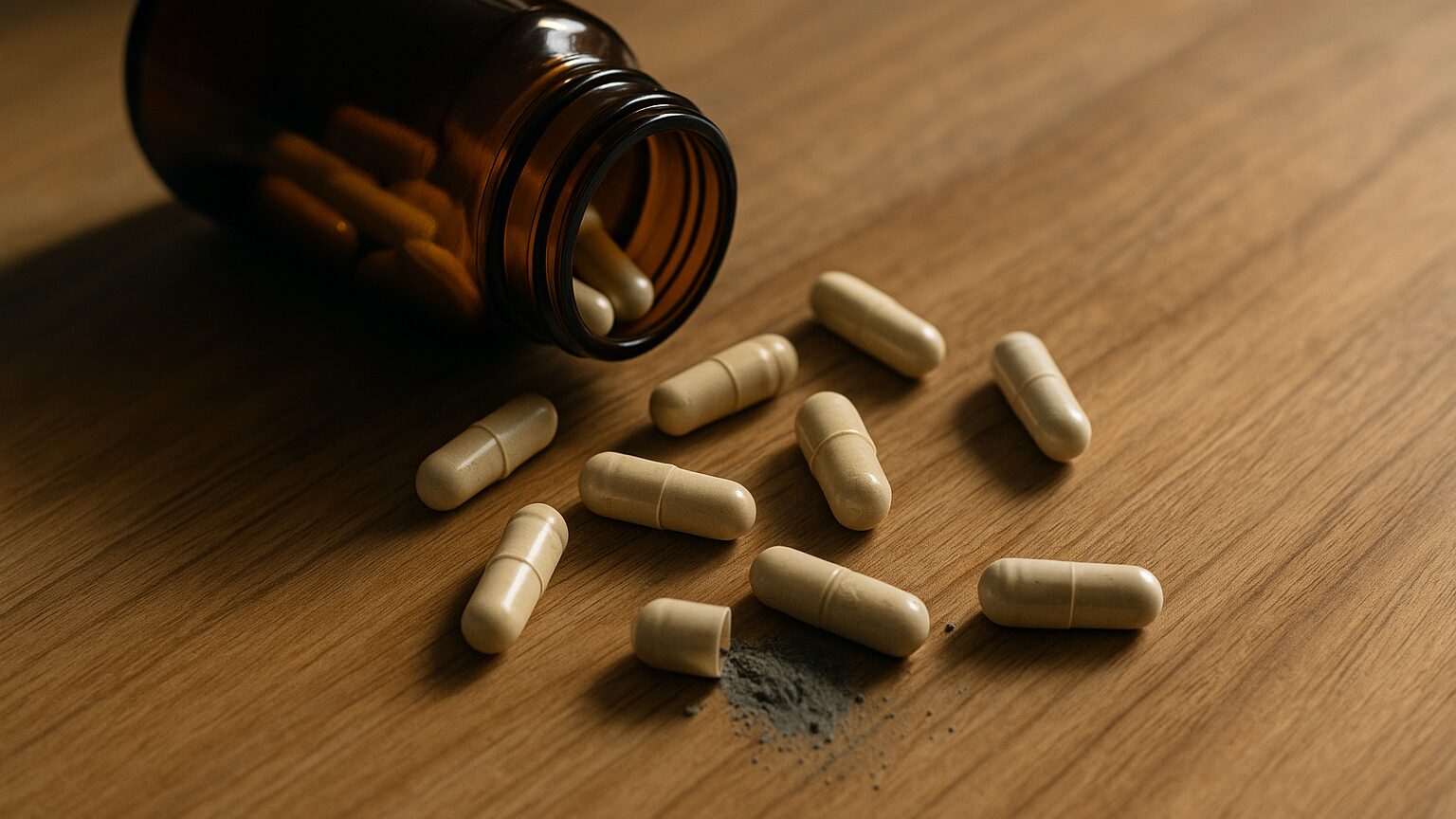
Prescription drugs in the United States have to prove they're free of contaminants like lead, arsenic, cadmium, and mercury before they're allowed on a pharmacy shelf. Dietary supplements don't carry that same requirement — and that regulatory gap, not any deliberate wrongdoing by manufacturers, is the actual reason independent lab testing keeps turning up measurable amounts of these metals in ordinary products: protein powders, herbal blends, certain calcium and multivitamin formulas. The plants, minerals, and shells these products are made from can pick up trace metals from the soil, water, or manufacturing process long before they ever reach a capsule, and without a mandatory pre-market contaminant check, some of that trace contamination simply rides along into the bottle. This article walks through exactly how that gap works, which product categories carry the most risk, and how to tell whether what's in your own cabinet has actually been checked for any of it.
Curious what the rest of your urinalysis is telling you? Upload your results and get a complete, plain-language breakdown in under 15 minutes.
Analyze My ResultsWhy Supplements Aren't Screened Like Medications
When you fill a prescription, the drug inside went through years of testing before it was allowed to reach a pharmacy shelf, and the manufacturing process is inspected against strict federal standards. Dietary supplements follow a different set of rules entirely. Under a 1994 U.S. law called the Dietary Supplement Health and Education Act (DSHEA), supplement makers are legally responsible for making sure their own products are safe — but they aren't required to prove that safety to the FDA before selling them. The FDA's role is mostly reactive: it can act against a product only after it's already on the market and evidence of a problem, like adulteration or contamination, has surfaced. Testing for heavy metals against organizations like the U.S. Pharmacopeia's purity standards is technically available, but following those standards is voluntary rather than mandatory. In practice, that means two bottles of the same type of supplement — one meticulously tested, one not — can sit side by side on a shelf looking identical, with no obvious way for a shopper to tell them apart.
Which Supplements Carry the Highest Risk
Not every supplement category carries the same level of concern, and knowing where the risk actually concentrates makes this far less overwhelming. Protein powders have drawn significant attention: a widely cited 2025 testing report from the Clean Label Project examined 160 protein powder products and found that 47% exceeded California's Proposition 65 safety threshold for heavy metals, with plant-based powders averaging roughly three times more lead than whey-based ones, and chocolate-flavored powders averaging about four times more lead than vanilla. Herbal and Ayurvedic supplements are another well-documented category — in some traditional Ayurvedic formulations, heavy metals like lead, mercury, and arsenic are intentionally included in small amounts because of a centuries-old belief in their purified therapeutic value, and multiple peer-reviewed studies have found that roughly one in five Ayurvedic products sold online exceed World Health Organization safety limits for these metals. Calcium supplements made from bone meal, dolomite, or unrefined natural sources have also been shown in published research to carry meaningfully more lead than versions made from refined or chelated calcium. By contrast, most standard synthetic multivitamins and single-nutrient supplements from established manufacturers carry comparatively low risk, because their raw ingredients are less likely to originate from soil-absorbed botanicals or unregulated mineral sources.
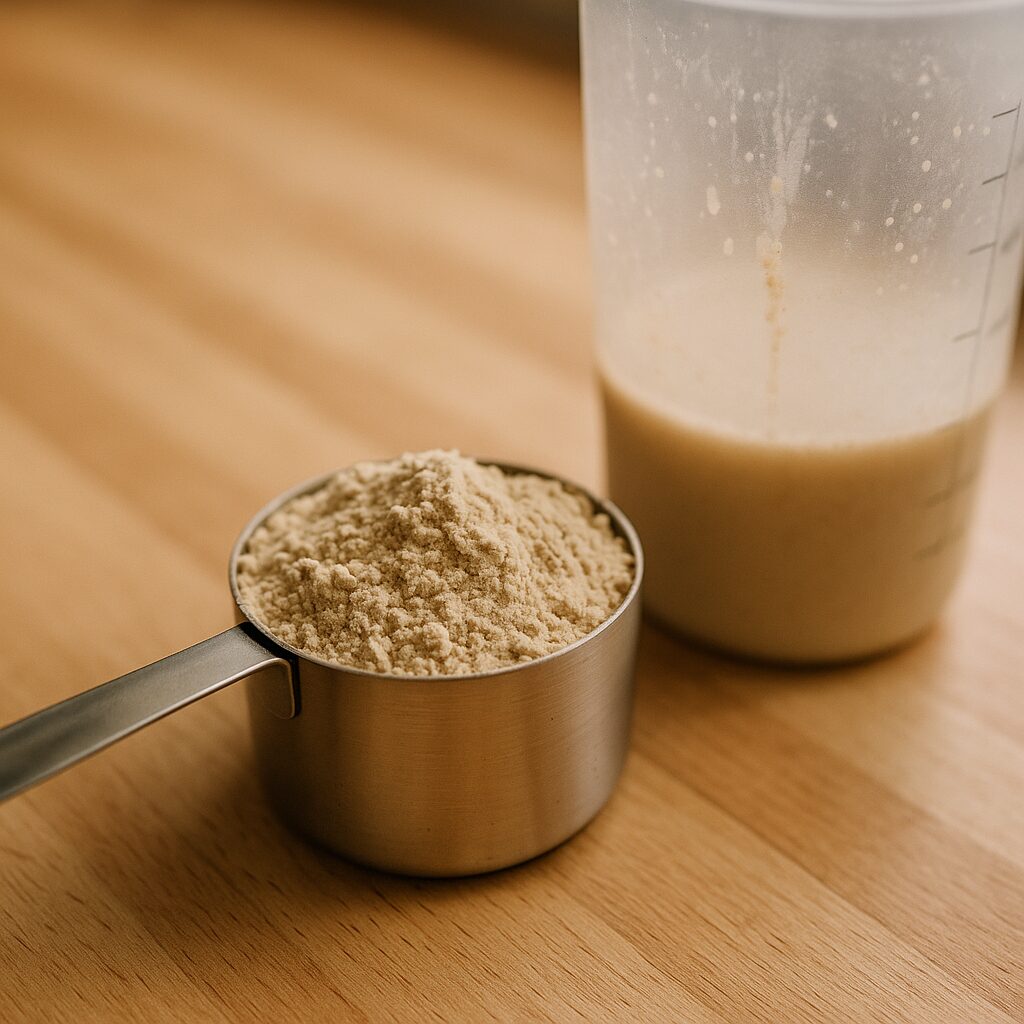
It's worth pausing on why plant-based and herbal products tend to skew higher. These ingredients are grown directly in soil, and certain plants — grains, leafy botanicals, and root-based herbs among them — are naturally efficient at drawing minerals up through their roots, including whatever trace metals happen to be present in that particular patch of ground. A manufacturer isn't adding lead to a scoop of pea protein on purpose; the plant absorbed it while it was still growing, the same way it absorbed the protein and fiber the label advertises. Interestingly, the same testing found that organic protein powders, on average, contained more lead and cadmium than conventional ones — likely because organic farming avoids the synthetic fertilizers that can otherwise dilute a crop's exposure to metal-rich soil, not because "organic" itself introduces contamination. None of this means a scoop of protein powder is dangerous by default. It means the raw ingredient matters as much as the finished product's marketing.
How Heavy Metals End Up in a Bottle of Vitamins
There are really three separate pathways worth understanding, and they don't all involve the same level of concern. The first, and by far the most common, is environmental uptake: arsenic, lead, cadmium, and mercury occur naturally in soil, water, and air — partly from geology and partly from decades of past industrial pollution — and crops absorb trace amounts of whatever is present in the ground they're grown in, entirely without anyone intending it. The second pathway is manufacturing contamination, where equipment, processing water, or even the mineral fillers used to bind a tablet together introduce metals that weren't part of the original recipe. The third, and the one that surprises people most, is intentional inclusion — as seen in certain traditional Ayurvedic and some traditional Chinese medicine preparations, where metals are deliberately incorporated based on historical medicinal beliefs rather than added by accident. Understanding which pathway is at play for a given product changes how much scrutiny it deserves: environmental trace uptake in a well-tested multivitamin is a very different situation than a product where metals were added on purpose without disclosure.

This is also why heavy metal exposure through supplements is fundamentally different from something like food poisoning — there's no single bad batch to trace and recall. A plant absorbs what's in the soil it was grown in gradually, over its entire growing season, which means the metal content can vary from harvest to harvest, region to region, and even field to field on the same farm. That variability is part of why testing every finished batch matters so much more for botanical and mineral-derived supplements than it does for something synthesized in a controlled lab environment. It's also why a brand can pass testing one year and fail it the next, simply because their raw ingredient supplier sourced from a different growing region. This is less about any one company being careless and more about the nature of the ingredients themselves — which is exactly the kind of nuance that gets lost when a headline just says a product "contains lead."
What Long-Term, Low-Level Exposure Can Actually Do
The amounts typically found in contaminated supplements are usually far below what causes acute poisoning — the real concern with everyday exposure is what happens with repeated, low-level intake over months or years, since these metals accumulate in the body rather than being fully flushed out. Chronic low-level lead exposure is associated with fatigue, subtle cognitive changes, and peripheral nerve symptoms like tingling or numbness that tend to develop slowly enough that people rarely connect them to a daily supplement habit. Cadmium primarily affects the kidneys, and the concerning part is that kidney changes from cadmium buildup are often completely silent until a meaningful amount of damage has already occurred. Arsenic exposure has been linked to skin changes, nerve symptoms, and fatigue, while research published by groups including the American Heart Association has connected chronic exposure to lead, cadmium, and arsenic together with a measurably higher long-term risk of cardiovascular disease. None of this means one contaminated bottle will cause lasting harm — it means the pattern of daily, repeated exposure over a long period is what actually matters, which is precisely why an occasional serving is a very different situation than a daily habit sustained for years.
How to Check If a Supplement Has Actually Been Tested
You don't need a chemistry degree to shop more carefully — you mostly need to know which seals on a label actually mean something. Independent third-party certification is the most reliable signal, and a few programs dominate this space. USP Verified (from the U.S. Pharmacopeia) confirms that a product contains what its label claims and screens for contaminants including heavy metals, making it a strong general-purpose seal for any shopper. NSF Certified for Sport goes further, screening for heavy metals, pesticides, microbes, and over 200 substances banned in competitive sports, which makes it the standard choice for athletes subject to drug testing. ConsumerLab.com takes a different approach entirely — it buys products directly off store shelves with its own funds, rather than being paid by manufacturers, and publishes independent test results including heavy metal content. None of these seals are legally required, which is exactly why their presence is meaningful: a brand that pays for voluntary third-party testing is telling you something about how seriously it takes the raw ingredients it's using, in a market where nobody is forcing it to prove anything at all.

Beyond certification seals, a few practical habits genuinely lower your risk. Favor whey or egg-based protein powders over plant-based ones if lead exposure specifically concerns you, since the testing data consistently shows a meaningful gap between the two. Be especially cautious with imported herbal or Ayurvedic products that don't list a third-party testing seal, and treat any supplement promising "detoxification," "purification," or dramatic results with extra scrutiny — these categories overlap heavily with the products that have shown the highest contamination rates in independent testing. If you take a calcium supplement, checking whether it's made from refined calcium carbonate or a chelated form (rather than bone meal, dolomite, or unspecified "natural" sources) is a simple label check that published research has repeatedly shown makes a measurable difference. None of this requires giving up supplements altogether — it just means treating the ingredient sourcing with the same scrutiny you'd give any other product you consume daily.
Should You Get Tested for Heavy Metal Exposure?
For most people taking a well-tested, reputable supplement occasionally, specific testing isn't necessary. But a blood heavy metal panel — a simple blood draw that measures your current levels of lead, mercury, arsenic, and sometimes cadmium — is worth discussing with a healthcare provider if you've been taking an untested herbal or Ayurvedic product daily for an extended period, if you regularly consume plant-based protein powder without a known third-party testing seal, or if you're experiencing unexplained fatigue, nerve tingling, abdominal discomfort, or cognitive fog that hasn't been otherwise explained. Blood testing is best at catching recent or ongoing exposure, which makes it a reasonable next step if you suspect a specific product might be the source rather than something you need to investigate on a routine basis. If a result does come back elevated, your provider can help trace it back to a likely source and guide next steps from there — most cases identified this way are manageable once the exposure source is identified and removed.
Frequently Asked Questions
Should I stop taking my supplements while I figure this out?
Not necessarily. A single supplement containing trace heavy metals isn't the same as a dangerous product, and abruptly stopping something like a prescribed calcium or iron supplement could create its own problems. The more useful first step is checking the label for a third-party testing seal (USP Verified, NSF Certified for Sport, or ConsumerLab-tested) and discussing anything you're unsure about with your pharmacist or provider before making changes.
Are heavy metals in supplements always dangerous?
Not always. The amount matters far more than simply detecting a trace presence — many contaminants show up at levels well below what causes measurable harm, especially with occasional use. The real concern is daily, long-term intake of a product with meaningfully elevated levels, since these metals accumulate in the body over time rather than being fully eliminated.
Is a "natural" or "organic" label a sign that a supplement is safer?
Not when it comes to heavy metals specifically. Independent testing has actually found that organic protein powders, on average, contained more lead and cadmium than conventional ones, largely because organic farming methods can result in greater soil-metal absorption. "Natural" and "organic" describe how an ingredient was grown or processed — they don't indicate whether the finished product has been tested for contaminants.
Conclusion
Certain supplements really can carry contaminated heavy metals — and the reason isn't a single bad manufacturer, but a regulatory system that puts the burden of proof on the seller rather than requiring it upfront. Plant-based protein powders, herbal and Ayurvedic products, and calcium supplements made from unrefined sources carry the most documented risk, largely because their raw ingredients come directly from soil or minerals that can absorb trace metals long before they reach a capsule. The good news is that this is a solvable problem on your end: checking for an independent testing seal, favoring refined or chelated ingredient sources, and treating "detox" or imported herbal claims with a healthy dose of skepticism go a long way toward closing the gap that the regulations themselves leave open.
Still Not Sure What Your Results Mean?
Upload your labs and get a complete, visual, plain-language interpretation of every biomarker — delivered to your inbox in under 15 minutes.
Get My ReportThis article is for educational purposes only and does not constitute medical advice. Always consult your healthcare provider regarding your specific lab results.