
Elevated Mercury Levels Don't Always Cause Obvious Symptoms
A genuinely elevated mercury level can exist for months or years without producing symptoms a person would recognize as a problem, and this isn't a coincidence or a sign that mercury toxicity is being exaggerated — it's a direct consequence of specific biological features of how mercury behaves in the body. The organ systems mercury targets have real reserve capacity that can absorb a surprising amount of quiet damage before anything measurable shows up as a symptom. The three chemical forms of mercury — elemental, inorganic, and organic — each produce a different, often vague symptom picture rather than one clear warning sign. And mercury's actual mechanism of harm involves disrupting a huge number of different proteins broadly rather than attacking one specific, recognizable target. This is genuinely counterintuitive for most people encountering it for the first time, since the natural assumption is that a health problem serious enough to show up clearly on a lab test should also be serious enough to actually feel — but mercury toxicology simply doesn't work that way at all, and understanding exactly why is the real key to interpreting an elevated result correctly, rather than either dismissing it outright or panicking over it unnecessarily. This article walks through exactly why elevated mercury can stay silent for so long, how the three forms differ, why the extreme historical cases people commonly associate with mercury poisoning actually look nothing like most real-world exposures encountered today, and why testing, rather than simply waiting for symptoms to appear on their own, is the genuinely appropriate approach for anyone with a plausible exposure source.

Figure 1. Neural networks have substantial redundancy, allowing surrounding healthy neurons to compensate for a limited amount of mercury-related damage before any functional deficit becomes noticeable.
Why Symptoms and Blood Levels Don't Always Move Together
The most fundamental reason elevated mercury can stay silent is that the organs mercury targets — particularly the brain and kidneys — are built with genuine functional reserve, meaning they can absorb a meaningful amount of cellular damage while continuing to perform normally overall. The brain, in particular, relies on enormous redundancy: any single cognitive or motor function is typically supported by many overlapping neural pathways, not one irreplaceable circuit, so a limited amount of neuronal injury in a few of those pathways can be quietly compensated for by the surrounding, still-healthy network without producing a symptom anyone would notice in daily life. The kidneys work similarly, built with far more filtering capacity than a person needs day to day under ordinary circumstances, which means measurable kidney injury can accumulate well before standard blood markers of kidney function move outside a normal range.
This compensatory reserve is a double-edged biological feature. It's genuinely protective in the short term, buffering the body against minor, incidental toxic exposures that would otherwise produce constant symptoms from ordinary environmental contact. But it also means that by the time symptoms do appear, a meaningful amount of underlying injury has often already accumulated — reserve capacity doesn't prevent damage, it simply delays when that damage becomes noticeable, which is precisely why relying on symptoms as an early warning system for mercury exposure is a genuinely unreliable strategy, and why a properly ordered lab test functions as a fundamentally more sensitive early-warning tool than a person's own subjective sense of how they're feeling day to day.
A useful comparison is how a building with many redundant support beams can lose a few of those beams to rot or damage while still standing perfectly straight and functioning normally, giving no outward sign to anyone walking past that anything has changed. The building isn't damaged less because it's still standing — it simply has enough remaining structural margin to mask the loss, right up until enough beams have failed that the margin itself runs out, at which point the change can become sudden and significant rather than gradual and mild. Biological reserve capacity works in much the same way: a brain or kidney that has lost a portion of its functional units to mercury-related injury can look and perform completely normally on the outside, right up until the cumulative loss finally exceeds what the remaining, healthy tissue can compensate for.
Curious what the rest of your lab results are actually telling you? Upload your results and get a complete, plain-language breakdown in under 15 minutes.
Analyze My ResultsMercury's Three Forms Produce Three Different (and Often Vague) Symptom Pictures
A second reason elevated mercury is so easy to miss is that "mercury toxicity" isn't a single, uniform condition — it's three chemically distinct exposure scenarios, each with its own symptom pattern, and none of the three produces a symptom obvious enough to be instantly recognized as "this is mercury" by someone experiencing it. Elemental mercury (the shiny, liquid metal form, historically found in thermometers and still present in some older dental fillings and industrial settings) is inhaled as vapor and primarily affects the nervous system, often producing subtle personality changes, irritability, and mild tremor that develop gradually enough to be mistaken for stress or normal aging. Organic mercury, mainly methylmercury from fish consumption, crosses into the brain particularly efficiently and can cause sensory disturbances — numbness or tingling around the mouth and fingertips — that are easy to dismiss as unrelated or attribute to something else entirely. Inorganic mercury, from certain industrial exposures or some improperly formulated skin-lightening creams, concentrates heavily in the kidneys and can cause significant kidney injury with few, if any, early warning symptoms at all.
This three-way split exists because each form of mercury behaves differently once it enters the body, largely due to differences in how easily each form crosses biological membranes and which tissues actively take it up. Elemental mercury vapor is uncharged and fat-soluble enough to cross the blood-brain barrier readily, but once inside cells, including inside the brain, it gets oxidized into a charged form that becomes effectively trapped there, accumulating gradually with repeated exposure. Organic methylmercury binds tightly to a specific amino acid, cysteine, forming a complex that closely mimics another, unrelated amino acid your body actively transports across the blood-brain barrier — a case of the body's own transport machinery inadvertently ferrying the toxin directly into brain tissue because the mercury-cysteine complex is mistaken for something the brain actually needs. Inorganic mercury, by contrast, carries an electrical charge that makes it far less able to cross into the brain at all, which is exactly why it's redirected almost entirely toward the kidneys, the organs responsible for filtering and excreting charged, water-soluble compounds from the blood.
Elemental Mercury Vapor: Subtle Neuropsychiatric Effects Easy to Miss
Elemental mercury vapor exposure produces a symptom cluster that clinicians sometimes call "erethism" in its more developed form — irritability, excessive shyness or social withdrawal, memory difficulty, and insomnia — but in its earlier, milder stages, these same features look almost indistinguishable from ordinary irritability, work stress, or a rough patch of poor sleep. A fine tremor, often first noticeable in handwriting or fine motor tasks, can also develop gradually enough that a person genuinely doesn't notice the change until it's pointed out by someone else, or until it's compared against old samples of their own handwriting from years earlier. Because none of these symptoms are unique to mercury exposure, and because they build slowly rather than appearing suddenly, elemental mercury vapor exposure remains one of the more commonly missed occupational and environmental toxicities encountered in clinical practice today.
The historical term "mad as a hatter" traces directly back to this exact exposure pattern, describing 19th-century hat makers who used a mercury-based compound to treat animal fur in the felting process, working in poorly ventilated workshops for years at a time. The behavioral and cognitive changes these workers developed were gradual and easy for the workers themselves, and those around them, to attribute to personality or temperament rather than an occupational illness, precisely because the changes crept in slowly rather than announcing themselves as a sudden, obviously medical event — a pattern that remains just as relevant to modern occupational elemental mercury exposure as it was two centuries ago, even though the specific industries involved have changed considerably.
Organic Methylmercury: Why Fish-Related Exposure Can Stay Silent for Years

Figure 2. Regular consumption of larger predatory fish is the most common ongoing source of organic methylmercury exposure, and the resulting buildup can occur gradually enough to produce no noticeable symptoms for years.
Methylmercury, the organic form that accumulates in fish (particularly larger, longer-lived predatory species like swordfish, shark, and certain tuna, which concentrate mercury from everything smaller they've eaten over their lifespan), is absorbed almost completely when consumed and crosses efficiently into the brain. Despite this efficient absorption, someone eating a moderately elevated amount of high-mercury fish on a regular basis — several servings a week, consistently, for months or years — can build up a meaningfully elevated body burden without any specific symptom emerging, since the damage occurs gradually across a broad, redundant neural network rather than through a sudden, concentrated injury.
When symptoms from organic mercury do eventually appear, they tend to be sensory and subtle at first — mild numbness or tingling around the mouth or fingertips, a slight narrowing of peripheral vision, or mild coordination difficulty — symptoms easily attributed to a pinched nerve, poor circulation, or simply getting older, rather than recognized as a toxic exposure with an identifiable dietary source. This gradual, non-specific presentation is a large part of why organizations that issue fish consumption guidance frame their recommendations around avoiding buildup in the first place, rather than around watching for symptoms as a signal to cut back.
The specific pattern of sensory symptoms methylmercury tends to produce first, rather than motor or cognitive symptoms, relates to which brain regions accumulate the highest concentrations of the toxin. Methylmercury shows a particular affinity for the visual cortex (the brain region processing sight) and the cerebellum (the structure most responsible for fine motor coordination and balance), which is why peripheral vision changes and subtle coordination difficulties tend to emerge before more general cognitive symptoms in cases that progress far enough to produce any symptom at all. This regional pattern was documented clearly in the aftermath of the historical mass-poisoning events discussed later in this article, and it remains a useful clinical clue today: sensory and visual complaints, more than general fatigue or mood changes, are the symptom category most specifically associated with organic methylmercury exposure once it progresses to a noticeable stage.
Inorganic Mercury: Quiet Kidney Damage Before Any Warning Signs

Figure 3. Inorganic mercury concentrates heavily in kidney tubule cells, where it can accumulate for a considerable period before the resulting injury becomes severe enough to produce any noticeable symptom.
Inorganic mercury, unlike its elemental and organic counterparts, is drawn overwhelmingly to the kidneys once absorbed, where it's actively taken up and concentrated inside the cells lining the kidney's filtering tubules — the illustration above shows this accumulation occurring while the surrounding tissue architecture still looks largely undisturbed, visually capturing exactly why this process produces no early warning. Because kidney filtering capacity has such a large built-in reserve, as discussed earlier, this quiet, cellular-level accumulation of mercury can continue for a considerable stretch of time before actual filtering capacity — the number a standard blood test would flag as abnormal — drops enough to register.
The specific cells involved, called proximal tubule cells, actively pump mercury inside themselves using the same transport machinery they normally use to reabsorb useful substances like small proteins and amino acids from the fluid passing through the tubule — mercury essentially exploits this normal reabsorption pathway to concentrate itself inside these cells at levels considerably higher than what's circulating in the blood at large. This same transport mechanism is part of why proximal tubule cells specifically, rather than other kidney structures, bear the brunt of inorganic mercury's toxic effect, and why the earliest detectable sign of injury on more specialized testing is often a subtle increase in specific small proteins in the urine that these damaged cells would normally have reabsorbed, a finding that appears well before any change in the broader kidney function numbers included on a routine metabolic panel.
When symptoms from inorganic mercury-related kidney injury do eventually appear, they tend to be nonspecific ones shared by many other, more common kidney conditions: mild swelling in the legs or around the eyes, changes in urine appearance or frequency, and fatigue, none of which point specifically toward mercury as the underlying cause without a directed test looking for it. This is part of why inorganic mercury exposure — most commonly linked today to certain skin-lightening creams manufactured without regulatory oversight, along with some industrial and laboratory settings — is frequently only identified after kidney injury has already progressed to a point where standard bloodwork flags a problem, at which point the exposure history has to be actively investigated rather than volunteered by an obvious symptom.
Skin-lightening products deserve particular attention here since they represent one of the more preventable, ongoing sources of inorganic mercury exposure globally, despite regulatory bans in many countries. Certain unregulated creams and soaps use inorganic mercury compounds specifically for their skin-lightening effect, applied directly and repeatedly to large areas of skin over months, allowing meaningful absorption through the skin itself in addition to whatever incidental inhalation occurs. Because these products are applied for a cosmetic purpose rather than out of any awareness of toxic exposure, and because the resulting kidney effects are so slow and nonspecific, users can go a considerable time without any indication that a skincare routine, rather than an unrelated illness, is the actual source of a developing kidney problem.
Why Mercury's Chemistry Doesn't Produce One Clear Hallmark Symptom

Figure 4. Elemental mercury from a broken thermometer readily vaporizes at room temperature, and the resulting inhaled vapor disrupts a broad range of unrelated cellular proteins rather than one specific, recognizable target.
At the molecular level, mercury's mechanism of harm helps explain why it doesn't produce one clean, recognizable "hallmark" symptom the way some other toxic exposures do. Mercury has a strong chemical attraction to a specific chemical group called a sulfhydryl group (a sulfur-hydrogen pairing), found in the structure of an enormous number of different proteins throughout the body — enzymes involved in energy production, structural proteins that maintain cell shape, transport proteins, and many others. When mercury binds these sulfhydryl groups, it can distort or disable the protein's normal function, but because this same vulnerable chemical group appears across such a wide, unrelated range of proteins, mercury's damage is spread thin across many different cellular systems simultaneously rather than concentrated on one specific, easily identifiable target.
By way of contrast, it helps to consider a toxin that works the opposite way: something like carbon monoxide binds hemoglobin specifically, directly and severely limiting the blood's ability to carry oxygen, producing a fast, unmistakable, single-pathway symptom picture — headache, confusion, and collapse — that clinicians can recognize almost immediately because one specific, critical system is being disabled all at once. Mercury's sulfhydryl-binding mechanism has no equivalent single point of catastrophic failure at the doses most people actually encounter; instead, dozens of separate protein systems each lose a small fraction of their normal function simultaneously, and no individual loss is severe enough on its own to produce a symptom dramatic enough to demand immediate attention, even as the cumulative effect across the whole body is genuinely significant.
This diffuse mechanism stands in contrast to toxins that produce an unmistakable, specific symptom by disabling one clearly identifiable biological process. Mercury's broad, scattergun effect on protein function across many systems at once is part of why its early effects manifest as a vague sense of not feeling quite right — mild fatigue, subtle cognitive fog, minor sensory changes — rather than one clear, alarming signal that would send most people straight to a doctor with a specific complaint pointing toward mercury.
Antioxidant defense systems throughout the body offer a useful, concrete example of this broad disruption in action. Many of the enzymes your cells rely on to neutralize everyday oxidative stress — a normal byproduct of ordinary metabolism — themselves depend on functioning sulfhydryl groups to do their job, meaning mercury can quietly blunt the body's own antioxidant defenses at the same time it's directly damaging other, unrelated cellular structures. This creates a compounding effect where mercury isn't just causing isolated damage in a few places, it's also modestly impairing the body's general capacity to repair and defend against that same damage, all while remaining too diffuse and too gradual, in the amounts most people actually encounter, to add up to any single symptom clear enough to point directly back to mercury as the cause.
Minamata Disease and Why Most Exposures Today Don't Look Like That
The dramatic, unmistakable symptoms most people associate with mercury poisoning — severe loss of coordination, tunnel vision, profound sensory disturbance — come almost entirely from a small number of historical mass-poisoning events, most famously Minamata disease, which resulted from industrial wastewater discharging massive quantities of methylmercury into Minamata Bay in Japan starting in the 1950s, contaminating the local fish supply that became a dietary staple for the surrounding population. The doses involved in that event, and others like it, were extraordinarily high compared to typical modern dietary or occupational exposure, and it's precisely those extreme, unmistakable cases that shaped the public image of what mercury poisoning "looks like."
What made the Minamata cases so severe wasn't just the presence of mercury contamination, but its sheer concentration combined with a local diet that depended on the contaminated fish as a dominant, daily food source over an extended period, rather than an occasional item in an otherwise varied diet. This combination of extremely high dose and prolonged, concentrated intake pushed exposure levels dramatically beyond anything a typical modern consumer, even one eating fish quite regularly, would realistically approach through ordinary grocery-store or restaurant consumption today, which is an important, if sometimes under-communicated, distinction when this historical event gets cited as a general reference point for mercury risk.
The mild-to-moderate elevations most people encounter today — from a fish-heavy diet, occasional occupational exposure, or a broken thermometer — sit at a dramatically lower dose range than what produced the dramatic historical presentations, which is exactly why waiting to feel like a textbook mercury poisoning case before taking an elevated result seriously is a fundamentally flawed approach. Most real-world mercury exposure never reaches a dose capable of producing those dramatic, unmistakable symptoms at all, yet still carries genuine, measurable health risk at the more modest levels most people actually encounter.
This gap between the extreme historical cases and typical modern exposure has a real, if somewhat unfortunate, consequence for public awareness: because the widely known reference point for "what mercury poisoning looks like" is so far removed from what almost anyone today would actually experience, it can create a false sense that anything short of that dramatic presentation must be safe by comparison. Research into lower-dose, chronic mercury exposure conducted well after these historical events has consistently found measurable effects on cognition, coordination, and kidney function at doses far below what caused the dramatic historical outbreaks — effects real enough to matter for long-term health, but subtle enough that no single person experiencing them would necessarily connect the dots back to mercury without a test specifically looking for it.
Why Prenatal and Childhood Exposure Is Especially Silent

Figure 5. Methylmercury crosses the placenta freely, and its effect on fetal brain development produces no symptom in the mother or newborn at the time of exposure, only becoming apparent through subtle developmental effects years later.
Perhaps the most consequential form of silent mercury exposure involves the developing fetal brain. Methylmercury crosses the placenta freely, and a developing brain is considerably more vulnerable to its disruptive effects than an adult brain, since active processes like neuron migration and connection-forming are far more susceptible to interference than the comparatively stable, already-organized adult brain. Critically, this vulnerability doesn't produce any symptom in the mother or the newborn at the time of exposure at all — there's no acute sign linking a fish-heavy diet during pregnancy to a subtly altered developmental trajectory.
Instead, research has associated elevated prenatal methylmercury exposure with subtle, measurable effects that only become apparent well after birth — small shifts in measures of attention, language development, and fine motor coordination detected in later childhood testing, effects that are real and documented in research but never announce themselves as an acute symptom at the moment the exposure actually occurred. This is exactly why fish consumption guidance during pregnancy is framed as a precautionary recommendation based on population-level research findings, rather than something a pregnant woman could ever gauge by watching for symptoms in herself or her newborn.
This same silent pattern extends into early childhood, since the developing brain continues undergoing rapid organization for years after birth, not just during pregnancy. A toddler or young child with an ongoing high-mercury dietary exposure won't display an acute symptom pointing back to that specific cause — there's no equivalent of a rash or a fever to alert a caregiver — which is part of why pediatric dietary guidance around fish consumption exists as a standing recommendation for all young children in this age range, rather than a warning reserved only for children who've already shown some sign of a problem. The absence of any acute, attributable symptom during the actual window of vulnerability is precisely the feature that makes population-wide guidance, rather than individual symptom-watching, the only workable public health approach for this particular kind of exposure.
Why Testing, Not Waiting for Symptoms, Is the Right Approach
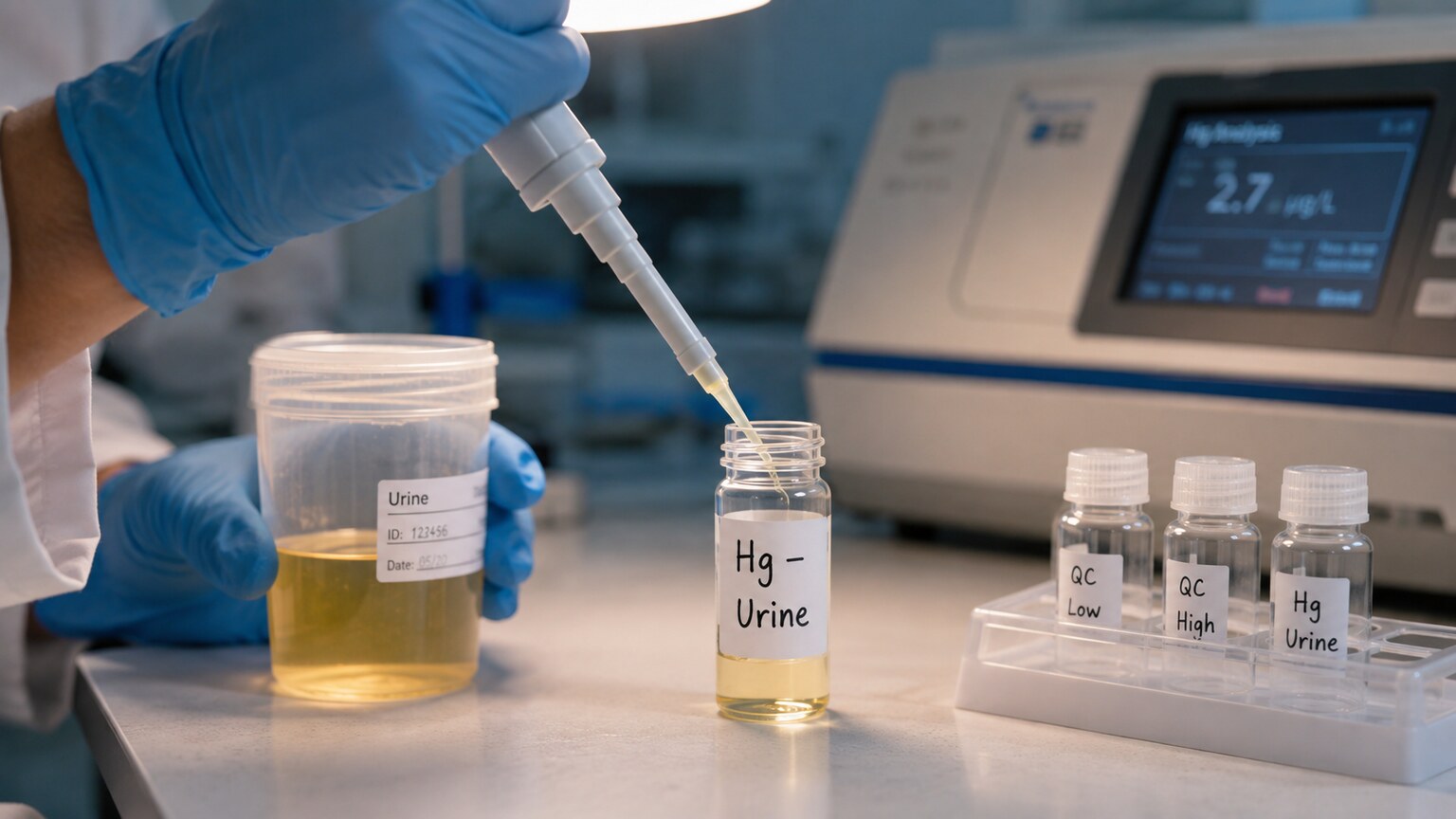
Figure 6. Because symptoms are such an unreliable early indicator, direct blood or urine mercury testing is the recommended approach for anyone with a plausible ongoing exposure source, rather than waiting for symptoms to prompt evaluation.
Given everything covered so far in this article, it should be clear why proactive testing — not symptom-watching — is the approach recommended for people with a plausible ongoing exposure source: someone eating substantial amounts of high-mercury fish regularly, dental or laboratory workers with occupational exposure, people using imported skin-lightening products of uncertain origin, or households with a known elemental mercury spill. Blood mercury testing is generally used to assess more recent exposure, particularly to methylmercury, since it clears the bloodstream over a period of weeks to a few months, while urine mercury testing is more useful for assessing inorganic and elemental mercury exposure, since these forms are cleared predominantly through the kidneys and can reflect a longer window of accumulated exposure. Choosing the right test for the right situation matters, since ordering the wrong one for a given exposure history can produce a falsely reassuring result even when a genuine exposure exists.
For someone with a genuine, identifiable exposure source, this kind of testing isn't an overreaction — it's simply the only reliable way to catch a quietly accumulating problem before it progresses to the stage where reserve capacity has been used up and symptoms finally emerge, at which point some of the underlying injury may not be fully reversible.
Hair mercury testing is sometimes marketed directly to consumers as a simpler alternative to blood or urine testing, and while it can reasonably reflect methylmercury exposure over the preceding several months in some circumstances, it's generally considered less reliable for clinical decision-making than blood or urine testing, since external contamination of the hair shaft, variation in hair growth rate between individuals, and inconsistent laboratory methodology between different testing companies can all meaningfully affect the result. For a result that's actually going to guide a medical decision — confirming an exposure, deciding whether to change diet or occupational practices, or tracking whether a level is falling after a source has been removed — blood and urine testing through a standard clinical laboratory remain the more dependable choice.
What a High Result Actually Means If You Feel Completely Fine
If your own mercury result came back elevated despite feeling entirely well, that combination is genuinely common and doesn't mean the result is a lab error or that mercury toxicity has been overstated as a concern — it's a direct, expected consequence of the reserve capacity, form-specific symptom patterns, and diffuse molecular mechanism described throughout this article. What matters most at that point is identifying and addressing the actual exposure source — dietary, occupational, or environmental — since removing the ongoing source is what actually prevents reserve capacity from continuing to be quietly used up before any symptom would otherwise appear. Your doctor may also recommend monitoring kidney function or scheduling a follow-up test to confirm the level is genuinely trending downward once the source has been addressed, precisely because the absence of symptoms doesn't mean nothing here is actually worth doing.
The good news embedded in all of this is that mercury, unlike some other toxic exposures, doesn't require dramatic medical intervention for most mild-to-moderate elevations found through this kind of proactive testing. Simply identifying and removing the source — switching to lower-mercury fish choices, addressing an occupational exposure, discontinuing an unregulated cosmetic product, or repairing a source of elemental mercury vapor at home — is often sufficient on its own, since the body does have a genuine, if gradual, capacity to clear mercury over time once ongoing intake stops. This is exactly why catching an elevated result while still asymptomatic represents the best-case version of this whole scenario: a straightforward, largely self-correcting fix, rather than the more complicated picture that can develop once reserve capacity has been meaningfully depleted and symptoms finally force the issue.
Frequently Asked Questions
If I don't have any symptoms, does that mean my mercury exposure isn't serious?
Not necessarily. Because of the reserve capacity in organs like the brain and kidneys, and because mercury's effects are spread broadly across many different proteins rather than concentrated on one obvious target, a genuinely elevated mercury level can exist without producing any noticeable symptom. The absence of symptoms is a poor indicator of the absence of a meaningful exposure.
Which form of mercury is most likely to cause noticeable symptoms first?
Organic methylmercury, from fish consumption, tends to produce sensory symptoms like mild numbness or tingling somewhat earlier than the other forms in some cases, though these symptoms are still commonly attributed to unrelated causes. Inorganic mercury's effect on the kidneys tends to remain the most silent for the longest of the three, since kidney filtering reserve capacity is genuinely substantial.
Do the dramatic symptoms from historical mercury poisoning events apply to typical modern exposure?
Generally, no. Events like Minamata disease involved extraordinarily high doses far beyond typical modern dietary or occupational exposure. The mild-to-moderate elevations most people encounter today don't produce those same dramatic effects, but they still carry genuine, measurable health risk at a much subtler level, which is exactly the point this article has tried to make clear throughout.
Should pregnant women be tested for mercury even without any symptoms?
Testing isn't universally recommended for every pregnancy, but women with a regular high-mercury fish diet, known occupational exposure, or other plausible exposure sources may benefit from discussing testing with their provider, since prenatal methylmercury exposure affects fetal brain development without producing any symptom in the mother or the newborn that could otherwise serve as a warning sign at the time it actually matters.
If I stop my exposure source, will an elevated mercury level go back to normal on its own?
In most mild-to-moderate cases, yes. The body has a genuine, if gradual, capacity to clear mercury once ongoing intake stops, and levels typically trend downward over subsequent weeks to months once the source — dietary, occupational, or environmental — is identified and removed. Follow-up testing is generally used to confirm this downward trend rather than assumed automatically, since how quickly a given level actually falls can vary meaningfully depending on which specific form of mercury was involved and how long the original exposure had been ongoing before it was identified and stopped.
Conclusion
Elevated mercury levels quite frequently exist without producing symptoms a person would ever recognize, and this isn't a contradiction — it's the direct, fully expected result of genuine reserve capacity present in the organs mercury targets, three chemically distinct forms of mercury each producing their own vague symptom pattern, and a molecular mechanism that disrupts a great many different proteins broadly rather than concentrating on one single, clear, identifiable target. The dramatic mercury poisoning cases that shaped public perception involved doses far beyond what most people encounter today, which is exactly why waiting to feel like one of those cases before taking an elevated result seriously is the wrong approach. If you have a plausible ongoing exposure source, testing — not waiting for symptoms — is the only reliable way to catch a quietly accumulating problem while there's still meaningful reserve capacity left to protect. The absence of any symptom you can point to isn't reassurance in itself; it's simply the expected, unremarkable state that a genuinely elevated level can produce for a long time, right up until it doesn't. Understanding why that silence happens, rather than being confused or dismissive of it, is what actually allows a high result to be taken exactly as seriously as it deserves.
Still Not Sure What Your Results Mean?
Upload your labs and get a complete, visual, plain-language interpretation of every biomarker — delivered to your inbox in under 15 minutes.
Get My ReportThis article is for educational purposes only and does not constitute medical advice. Always consult your healthcare provider regarding your specific lab results.