
What Does a High Cadmium Level Suggest?
A high cadmium result almost always traces back to one of three sources: cigarette smoke, certain foods, or a job that puts you in contact with metal, batteries, or industrial dust. Cadmium is a naturally occurring heavy metal, but the body has no biological use for it — unlike iron or zinc, it isn't a nutrient your cells are waiting to put to work. Once it gets in, whether through a lungful of tobacco smoke or a plate of shellfish, it doesn't leave easily. Cadmium has one of the longest biological half-lives of any toxic metal, lingering in the kidneys and liver for a decade or more, which is exactly why even low-level, everyday exposure can slowly accumulate into a number a lab flags as elevated. This guide walks through what a blood or urine cadmium test is actually measuring, where the metal most commonly comes from, what it does to the body — particularly the kidneys — over time, and what a genuinely high result should prompt you to do next, including how it's diagnosed, how it compares to the other heavy metals people are commonly screened for, and the specific, practical steps that make the biggest difference in bringing exposure back down.
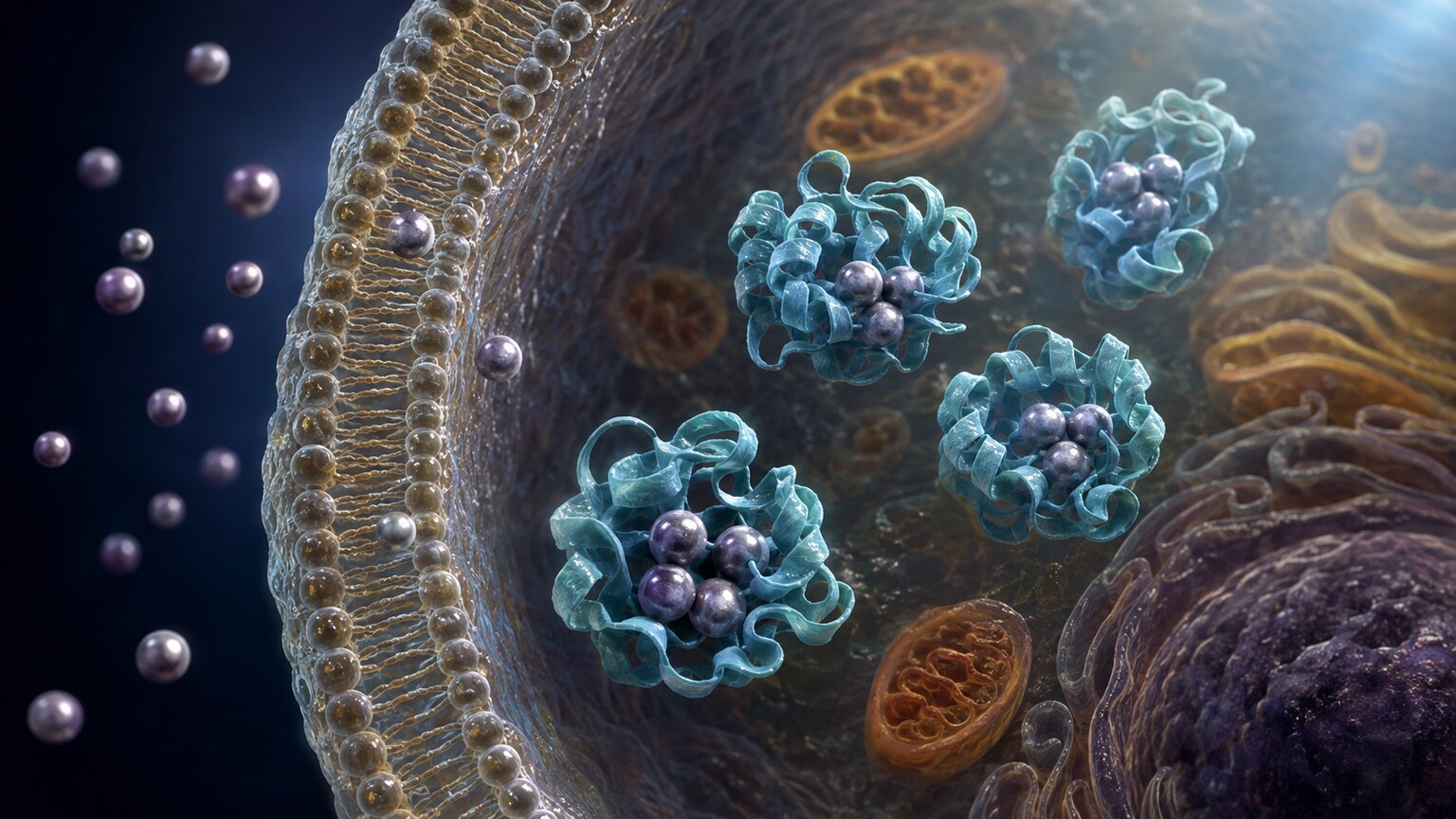
Figure 1. Cadmium entering a kidney cell binds tightly to metallothionein, a protein that normally protects against metal toxicity but instead traps cadmium inside the cell for years.
What Cadmium Is, and Why a Lab Would Ever Test for It
Cadmium sits in the periodic table right next to zinc, and that chemical similarity is actually central to why it's dangerous — the body's cells sometimes mistake cadmium for zinc or calcium and let it in through transport channels meant for those essential minerals, a kind of molecular case of mistaken identity. It occurs naturally in the earth's crust in small amounts, but human activity — mining, fossil fuel combustion, phosphate fertilizer production, and industrial manufacturing — has spread it much more widely through soil, water, and the food chain than nature alone ever would have. A cadmium test isn't part of a routine annual physical; it's ordered when there's a specific reason to suspect exposure, such as a long smoking history, a diet heavy in certain shellfish or organ meats, symptoms suggestive of kidney or bone trouble without another clear explanation, or a job in metalworking, battery manufacturing, welding, or pigment production.
Because cadmium isn't something the body is designed to process and excrete quickly, "normal" reference ranges for the general population still reflect some background exposure — true zero cadmium is essentially unheard of in adults living in an industrialized environment. What a lab is really looking for is a level that sits meaningfully above that background hum, high enough to suggest a specific, identifiable exposure source rather than the low-grade accumulation everyone picks up over a lifetime.
How the Test Is Actually Performed in the Lab
Cadmium testing is done using a technique called inductively coupled plasma mass spectrometry, usually abbreviated ICP-MS, which is the same general category of instrument used for most other heavy metal panels, including lead, arsenic, and mercury. In simple terms, the machine vaporizes a small sample of blood or urine into a superheated plasma, which strips the atoms in the sample down to charged ions. Those ions are then sorted by their mass, letting the instrument count, with extraordinary sensitivity, exactly how many cadmium atoms were present in the original sample — sensitive enough to detect concentrations in the parts-per-billion range, far below what older testing methods could reliably measure. This is part of why cadmium testing became far more clinically useful starting in the late 20th century: earlier techniques simply couldn't detect the low-level, chronic exposure that turns out to matter most for long-term health.
Blood cadmium is reported in micrograms per liter (µg/L), a straightforward concentration measurement. Urine cadmium is usually reported a little differently — as micrograms of cadmium per gram of creatinine (µg/g creatinine) rather than a raw concentration. This correction matters because urine concentration naturally varies with how hydrated a person is at the moment they produce the sample; someone who just drank a large glass of water will have more dilute urine than someone who's been sweating all day, even if the total amount of cadmium their kidneys excreted that day is identical. Dividing by creatinine, a waste product the body produces and excretes at a fairly steady rate, corrects for that hydration swing and makes urine cadmium results comparable across different people and different times of day.
Blood vs. Urine Cadmium — What Each One Actually Tells You
Cadmium testing comes in two main forms, and they answer genuinely different questions, which is part of why a provider might order one, the other, or both depending on what they're trying to figure out.
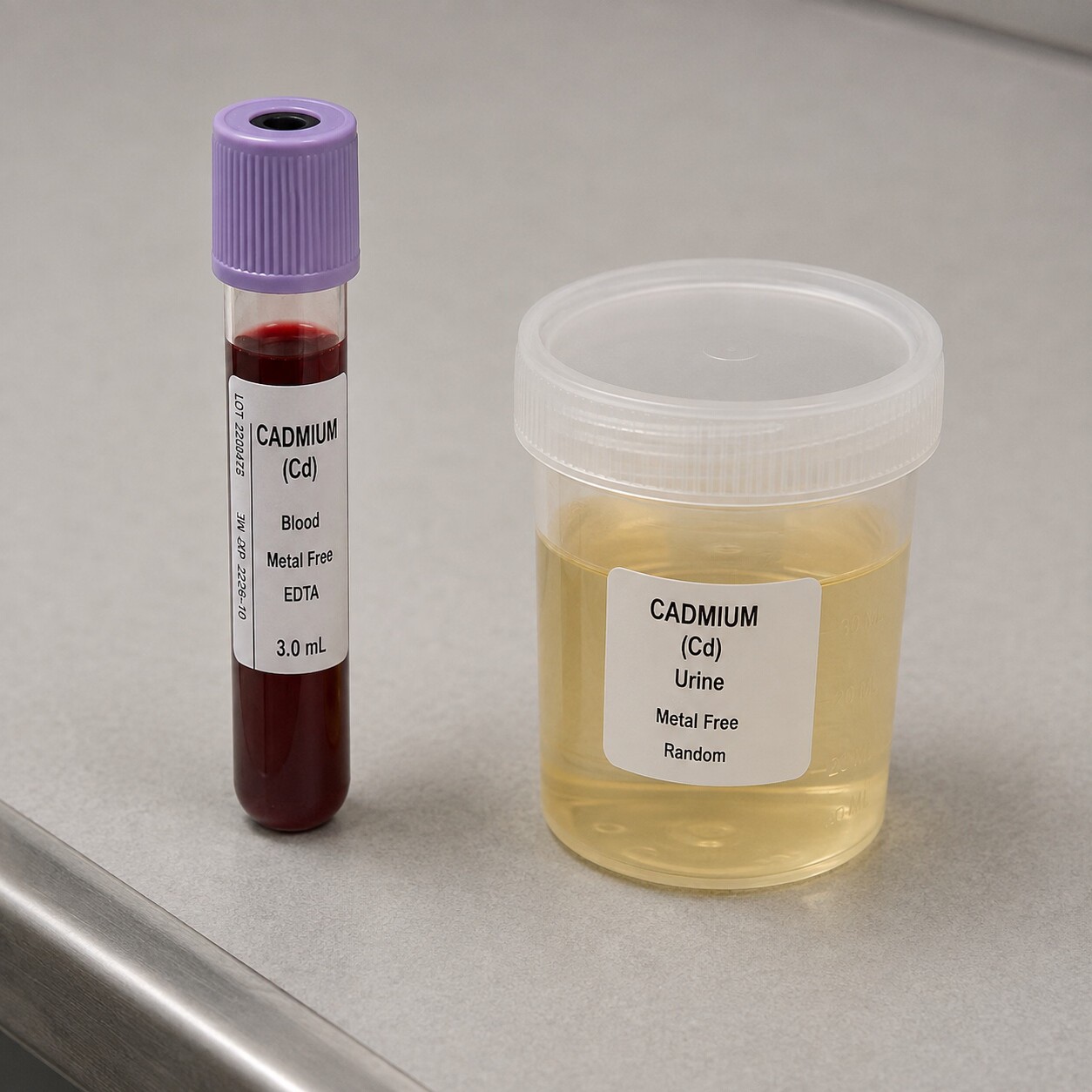
Figure 2. Blood cadmium reflects recent exposure over the past few months, while urine cadmium reflects the metal's cumulative buildup in the kidneys over years.
Blood cadmium reflects relatively recent exposure — roughly the last three to four months, tracking the lifespan of the red blood cells cadmium tends to bind to in circulation. A high blood level points toward something happening now or in the recent past: a person who took up smoking again, started a new job with metal exposure, or has been eating a particular food more heavily than usual. Urine cadmium tells a different story. Because cadmium accumulates in the kidneys and slowly leaks into urine as kidney cells turn over, a urine cadmium level reflects the body's total cumulative burden built up over years to decades, making it the more useful test for understanding long-term exposure and, importantly, for gauging how much cadmium has already reached the kidneys — the organ that bears the brunt of chronic cadmium toxicity.
Because the two tests measure different things, a person can have a normal blood level with an elevated urine level, or vice versa, and neither result is a mistake — they're simply capturing different windows of time. A provider interpreting a cadmium result almost always wants to know which of the two was drawn, since a "high cadmium" headline number means something quite different depending on which sample produced it.
It helps to think of the two tests almost like a weather report versus a climate record. Blood cadmium is the weather report — a snapshot of what's happening right now, heavily influenced by whatever exposure occurred in the last few weeks or months, and prone to shifting quickly if a person's habits or environment change. Urine cadmium is the climate record — a slower-moving average that reflects the accumulated pattern of exposure over years, much less reactive to any single recent event, and much more informative about the total dose the kidneys have absorbed over a lifetime. Neither measurement is "better" in an absolute sense; they simply answer different clinical questions, which is exactly why occupational health programs monitoring long-term worker safety tend to lean more heavily on urine cadmium, while a provider investigating a very recent, acute exposure event might reach for blood cadmium first.
Where Cadmium Exposure Actually Comes From
By a wide margin, the single largest source of cadmium exposure in the general population is cigarette smoke. Tobacco plants absorb cadmium efficiently from soil, and burning a cigarette releases it in a form the lungs absorb far more efficiently than the gut absorbs cadmium from food — inhaled cadmium reaches the bloodstream at roughly twice the efficiency of the cadmium a person eats. On average, active smokers carry blood cadmium levels four to five times higher than nonsmokers, and this single factor explains a large share of the variation seen in cadmium testing across the general population.

Figure 3. Shellfish, especially the hepatopancreas of crab and lobster, along with organ meats like liver and kidney, are among the most cadmium-concentrated foods in a typical diet.
Diet is the second major pathway, and it isn't always the foods people expect. Rice, leafy greens, potatoes, and grains grown in cadmium-contaminated soil or irrigated with contaminated water can carry meaningful amounts, since plants take up cadmium from soil in ways similar to how they take up other minerals. Organ meats — liver and kidney in particular, since those organs are exactly where animals also store accumulated cadmium — and certain shellfish, especially the hepatopancreas (often called the "tomalley" in lobster or the "mustard" in crab), are among the most concentrated dietary sources, sometimes containing far higher cadmium levels than muscle meat or most vegetables. None of this means these foods need to be avoided entirely by most people; it simply means a diet unusually heavy in them, sustained over years, can meaningfully move a cadmium number.
Occupational exposure is the third major pathway, and it tends to produce the highest levels of all, since workplace exposure is often both more concentrated and more sustained than what shows up through diet or secondhand smoke. Jobs historically and currently associated with elevated cadmium exposure include battery manufacturing (cadmium was a core component of older nickel-cadmium batteries), electroplating, welding or soldering on cadmium-containing alloys, pigment and plastic stabilizer production, and smelting or refining of zinc, lead, or copper ores, since cadmium is often a byproduct of processing those other metals.
Curious what the rest of your lab results actually mean? Upload your results and get a complete, plain-language breakdown in under 15 minutes.
Analyze My ResultsAcute vs. Chronic Exposure — Two Very Different Pictures
Almost everyone who gets a cadmium test falls into the chronic, low-level exposure category described above — the slow, cumulative kind that builds quietly over years from smoking, diet, or a job. Acute cadmium poisoning, by contrast, is rare and looks completely different, both in how it happens and in how it presents. It typically results from inhaling a large, concentrated dose of cadmium fumes or dust in a short period, most classically from welding or cutting cadmium-plated or cadmium-alloyed metal in a poorly ventilated space without proper respiratory protection. Because cadmium fumes are essentially odorless and don't cause immediate irritation the way some other industrial fumes do, a person can inhale a dangerous dose without realizing anything is wrong until symptoms begin hours later.
Acute inhalation exposure can produce a delayed chemical pneumonitis — inflammation and fluid buildup in the lungs — that starts four to ten hours after exposure with symptoms resembling a bad flu: cough, chest tightness, fever, and shortness of breath, which can progress to serious, even life-threatening, lung injury in severe cases. This acute presentation is a medical emergency and is managed very differently from chronic exposure, typically requiring hospital-level respiratory support rather than the exposure-reduction and monitoring approach used for the far more common chronic pattern. It's worth being clear about this distinction mainly so the rest of this article's more measured, long-term framing doesn't feel dismissive of the genuinely acute cases — they exist, they're serious, and they're also a very different scenario from the elevated urine cadmium result most people encounter through routine or occupational testing.
A much rarer but historically notable route of acute exposure is swallowing cadmium in a concentrated form, which can happen accidentally with certain cadmium-plated containers or, in industrial settings, through contaminated food or drink left in a work area. Acute ingestion tends to cause severe gastrointestinal symptoms — nausea, vomiting, abdominal cramping, and diarrhea — appearing within roughly thirty minutes, since a high concentration of cadmium is directly irritating to the lining of the stomach and intestines. This is a genuinely different clinical picture from the years-long, low-dose dietary exposure described elsewhere in this article, which almost never produces any noticeable symptoms at the time of exposure precisely because the dose in any single meal is so small; it's the slow accumulation over thousands of ordinary meals, not any one of them, that eventually matters.
How Cadmium Damages the Kidneys
The kidney is cadmium's primary target organ, and understanding why requires understanding a protein called metallothionein. When cadmium enters the bloodstream, the liver produces metallothionein to bind it, which is initially protective — it keeps free cadmium from circulating and causing damage elsewhere. But that cadmium-metallothionein complex eventually travels to the kidneys, where it's filtered and reabsorbed by the proximal tubule, the section of the kidney's filtering unit responsible for reclaiming useful substances from the fluid that's about to become urine. Once inside proximal tubule cells, the complex is broken down, releasing free cadmium directly into the cell, where it can now do real damage — disrupting mitochondrial function, triggering oxidative stress, and interfering with the cell's normal transport machinery.
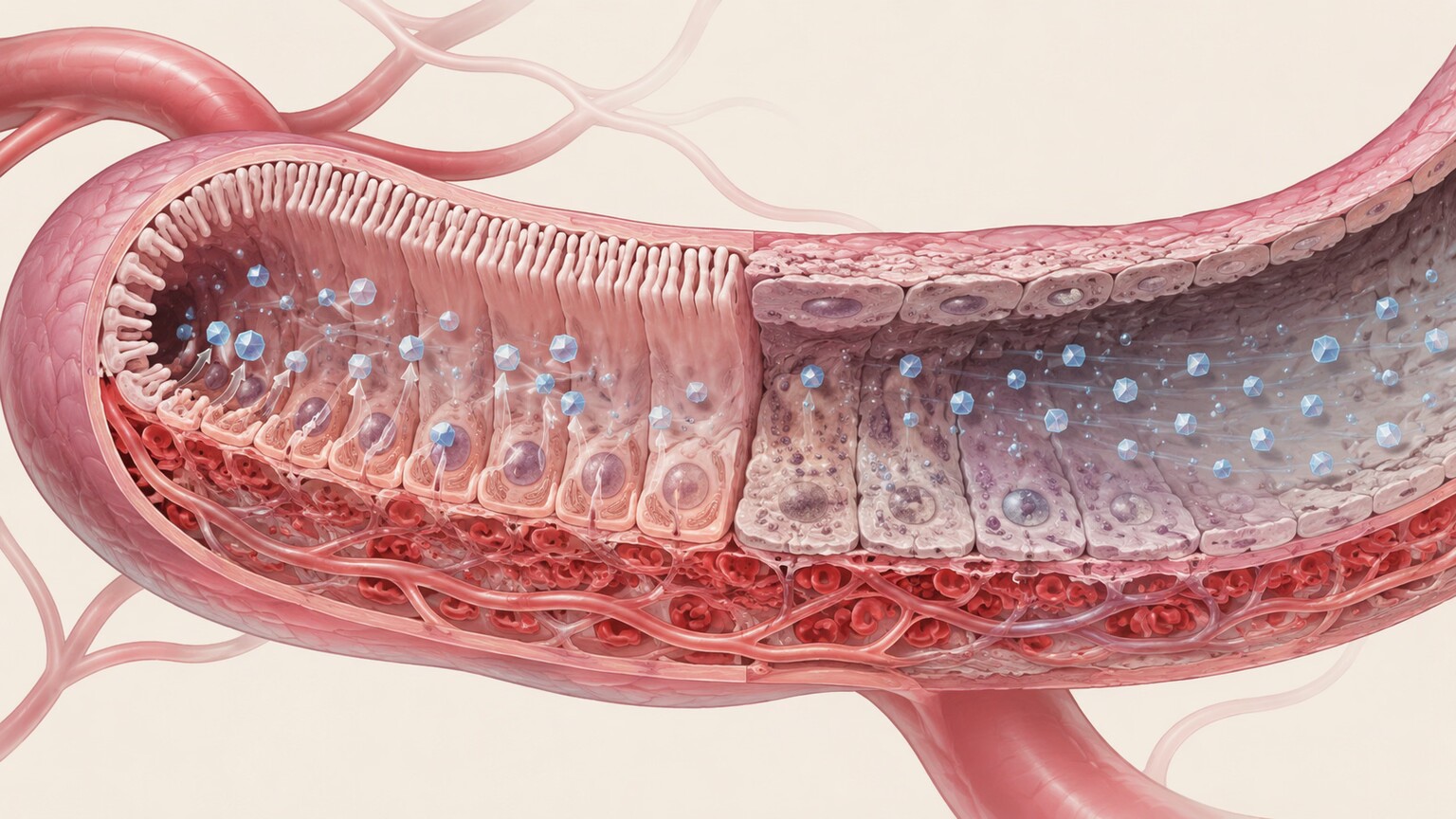
Figure 4. Cadmium accumulation in proximal tubule cells impairs their ability to reabsorb small proteins like beta-2 microglobulin, which then spill into the urine as an early warning sign.
The earliest detectable sign of this damage isn't a change in standard kidney labs like creatinine — it's a rise in small proteins that the proximal tubule would normally reabsorb almost completely, most notably beta-2 microglobulin. When tubule cells are being damaged by accumulating cadmium, this reabsorption fails, and beta-2 microglobulin begins spilling into the urine in measurable amounts well before conventional kidney function markers show any change. This is why occupational health monitoring for cadmium-exposed workers often includes urine beta-2 microglobulin alongside cadmium itself — it can catch tubular injury at a genuinely early, and often still reversible, stage. Left unaddressed, continued cadmium accumulation can progress to more significant and less reversible tubular dysfunction, eventually contributing to a broader decline in kidney filtering capacity over years of ongoing exposure.
Researchers describe this relationship as having a threshold: below a certain cumulative kidney cadmium burden, tubular function tends to stay essentially normal, but once that threshold is crossed, the risk of measurable tubular dysfunction rises sharply. This is part of why the same lab number can mean different things for different people — someone who has been steadily accumulating cadmium for thirty years and is approaching that threshold is in a meaningfully different position than someone whose recent, isolated exposure produced a similar blood number but hasn't yet built up a comparable kidney burden. It's also why urine cadmium, as the better reflection of cumulative kidney burden, tends to correlate more closely with actual tubular injury than a single blood cadmium reading does.
Bone and Other Long-Term Effects
Cadmium's effects on bone are closely tied to its effects on the kidney, since the kidney plays a central role in activating vitamin D and regulating calcium balance. When cadmium impairs kidney function, it indirectly disrupts this calcium-regulating system, and cadmium itself also appears to directly interfere with bone-forming cells. Over years of significant exposure, this combination can contribute to reduced bone mineral density and an elevated risk of fractures, a connection first documented dramatically in mid-20th-century Japan, where a population living near cadmium-contaminated rice paddies developed a severe bone disease known as Itai-itai disease ("ouch-ouch disease," named for the pain it caused), marked by extreme bone fragility alongside significant kidney damage.
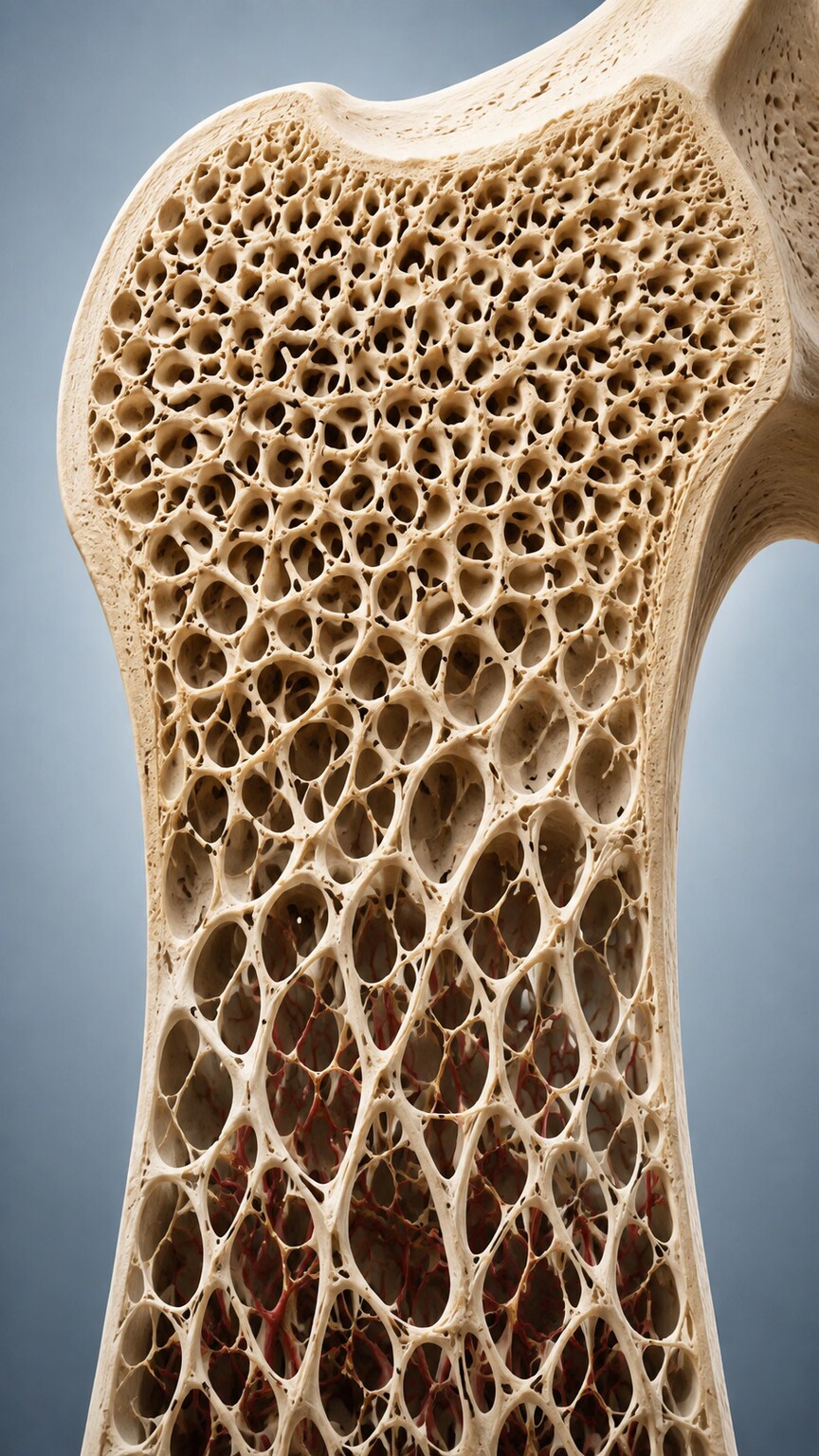
Figure 5. Chronic cadmium exposure disrupts calcium regulation and bone-forming cells, contributing to reduced bone density over years of accumulation.
Modern cases of cadmium-related bone disease at that severity are now rare outside of specific historical or occupational contexts, largely because environmental and workplace regulations have significantly reduced high-level exposure since the mid-20th century. But research continues to link even moderate, chronic cadmium exposure with lower bone mineral density in the general population, particularly in postmenopausal women, who are already more vulnerable to bone loss for other hormonal reasons. Cadmium is also classified by the International Agency for Research on Cancer as a known human carcinogen, primarily linked to lung cancer with inhalation exposure, and it has been studied for possible associations with other cancers, though the kidney and bone effects remain the most consistently documented long-term consequences of chronic exposure.
The specific mechanism connecting kidney and bone runs through vitamin D activation. Vitamin D absorbed from sunlight or food isn't biologically active in its raw form — it has to be converted by an enzyme found specifically in the kidney's proximal tubule (the same cells cadmium targets directly) into its active hormone form, which is what actually signals the gut to absorb calcium and helps regulate how bone tissue is built and broken down. When cadmium damages proximal tubule cells, this activation step becomes less efficient, meaning less active vitamin D circulates even if a person's raw vitamin D intake and sun exposure are entirely normal. Lower active vitamin D means less efficient calcium absorption, and the body responds by pulling more calcium out of bone to keep blood calcium stable, gradually thinning bone density over time. Cadmium also appears to directly affect osteoblasts and osteoclasts, the cells responsible for building and breaking down bone tissue respectively, adding a second, more direct pathway to the calcium-regulation disruption already happening through the kidney.
Occupational and High-Risk Exposure Groups
Certain groups face meaningfully higher cadmium exposure than the general population, and recognizing them matters both for interpreting a surprising test result and for knowing who should be tested proactively in the first place. Workers in battery manufacturing, metal plating and finishing, welding on cadmium-alloyed metals, pigment and plastics production, and secondary smelting of zinc, lead, or copper face the highest occupational exposures, often through inhaling cadmium-containing dust or fumes in poorly ventilated industrial settings.

Figure 6. Battery manufacturing, metal plating, and smelting remain among the occupations with the highest documented cadmium exposure risk.
People living near certain industrial sites, mining operations, or areas with historically contaminated soil also face elevated environmental exposure, even without working directly in an affected industry, since cadmium released into air and water during industrial processes can settle into nearby soil and enter the local food and water supply over time. Occupational health programs in industries with known cadmium risk typically include regular biological monitoring — periodic blood and urine cadmium testing alongside kidney function markers — specifically to catch rising exposure before it progresses to measurable organ damage, which is a meaningfully different, more proactive use of the same test than the one-off diagnostic testing most people encounter.
Regulatory bodies have set specific occupational exposure limits precisely because of how well-documented cadmium's long-term risks are. In the United States, workplace air cadmium exposure limits are enforced by regulatory agencies, and many employers in high-risk industries also set internal action levels for biological monitoring results, triggering a review of workplace controls, additional personal protective equipment, or in some cases temporary reassignment away from the highest-exposure tasks, well before a worker's cadmium level approaches a level associated with actual health effects. This layered system — engineering controls like ventilation, personal protective equipment, and biological monitoring working together — is a large part of why occupational cadmium poisoning, while still an occasional occurrence in workplaces with poor safety practices, is far less common today than it was through much of the 20th century.
What a High Result Means and What Happens Next
Unlike lead poisoning, where chelation therapy (medication that binds the metal and helps the body excrete it) is a standard treatment option in more severe cases, chelation is generally not recommended for cadmium toxicity — some chelating agents can actually mobilize cadmium out of protective storage sites and redistribute it to the kidneys, worsening rather than improving kidney injury. Because of this, the primary and most effective response to an elevated cadmium result is identifying and removing the source of exposure, whether that means quitting smoking, changing certain dietary patterns, or addressing a workplace exposure through better ventilation, protective equipment, or a role change.
Once exposure is addressed, a provider will typically want to assess how much impact, if any, the cadmium has already had — this usually means checking standard kidney function markers alongside more sensitive early-injury markers like urine beta-2 microglobulin, and sometimes a bone density scan if bone health is a concern given the person's exposure history and other risk factors. Because cadmium clears from the body extremely slowly, a single follow-up test often isn't enough to see meaningful improvement — periodic monitoring over months to years is more typical, tracking the trend rather than expecting a fast drop back to baseline. The overall prognosis after identifying and stopping a cadmium exposure source is generally good for people caught before significant kidney or bone damage has occurred, which is part of why identifying the source matters so much more than trying to accelerate elimination through unproven detox approaches.
It's also worth understanding what a provider is weighing when they decide how urgently to act on a given number. A mildly elevated level in a lifelong nonsmoker with no occupational risk factors and normal kidney function markers is handled very differently from the same absolute number in a smoker with early signs of tubular dysfunction on additional testing — the lab value on its own is only one piece of a larger picture that includes exposure history, symptoms, and how the kidneys and bones are actually functioning right now. This is exactly why a cadmium result, high or not, is best interpreted alongside the rest of a person's labs and history rather than read in isolation, and why bringing it to a provider who can see the full context matters more than trying to self-interpret a single number against a general reference range online.
How Cadmium Compares to Lead, Mercury, and Arsenic
Cadmium is often tested alongside the other three heavy metals people are most commonly screened for, but it behaves quite differently from each of them, and understanding those differences helps make sense of why a provider might interpret an elevated cadmium result differently than an elevated lead or mercury result on the same panel. Lead primarily targets the nervous system and, in children, developing brain tissue, and it has an available medical treatment — chelation therapy — for significant poisoning, something generally avoided for cadmium. Mercury, particularly the organic methylmercury form found in certain fish, also targets the nervous system and crosses into the developing brain during pregnancy, making it a particular concern for pregnant women and young children rather than primarily a kidney concern. Arsenic exposure is most classically tied to contaminated well water and certain rice products, and chronic arsenic exposure is associated with skin changes and several cancer types beyond the lung cancer risk associated with cadmium.
Cadmium's defining features relative to these other three metals are its unusually long biological half-life — measured in years to decades rather than the weeks to months typical of lead or mercury clearance — and its unusually specific targeting of the kidney's proximal tubule as the primary site of chronic injury. This is why a heavy metals panel reporting several elevated results doesn't necessarily point to one shared exposure source or one shared health concern; each metal on the panel has its own distinct story, its own primary target organ, and its own approach to follow-up, which is exactly why panel results are best reviewed metal by metal with a knowledgeable provider rather than treated as a single combined "toxicity score."
Reducing Your Exposure — Practical Steps
For most people with a mildly to moderately elevated cadmium result, addressing the exposure source is entirely achievable through everyday changes rather than medical intervention. Quitting smoking is, by a significant margin, the single most impactful step available, given how disproportionately tobacco contributes to population-level cadmium burden — blood cadmium levels measurably decline within months of quitting as the body's most recent exposure source disappears. For dietary exposure, moderating portion size and frequency of high-cadmium foods like organ meats and shellfish hepatopancreas, rather than eliminating them outright, is usually sufficient for most people without an occupational exposure layered on top.

Figure 7. Thoroughly rinsing rice before cooking, and cooking it in excess water that is later drained, measurably reduces its cadmium content.
Rice deserves a specific mention, since it's a dietary staple for a large portion of the world's population and a well-studied cadmium source: rinsing rice thoroughly before cooking, and cooking it in a larger volume of water that gets drained afterward rather than fully absorbed, has been shown in food-safety research to measurably reduce the cadmium content of the final cooked product. For anyone with occupational exposure, following workplace safety protocols around ventilation, respiratory protection, and hygiene (not eating, drinking, or smoking in areas with cadmium dust) matters enormously, and regular biological monitoring through an occupational health program is the most reliable way to catch rising exposure early, well before it reaches levels associated with organ damage.
A broader nutritional strategy that's sometimes overlooked is simply making sure iron and calcium intake are adequate, since the body's absorption of cadmium from the gut is influenced by how well those two minerals are being absorbed. Because cadmium can piggyback on the same intestinal transport pathways the body uses for iron, a person who is iron-deficient tends to absorb a higher percentage of the cadmium present in a given meal than someone with adequate iron stores does — the gut, sensing low iron, effectively opens the door wider for anything that resembles it, cadmium included. This is one more reason iron-deficiency anemia is worth correcting in its own right, and it happens to have a secondary benefit of somewhat reducing dietary cadmium absorption going forward. None of these dietary strategies are a substitute for addressing a genuinely significant exposure source like active smoking or unprotected occupational contact, but layered together, they meaningfully lower the ongoing dose the body has to deal with.
Home water quality is a smaller but sometimes relevant factor as well, particularly for households on private wells in areas with known soil contamination from past industrial or agricultural activity, since cadmium can leach into groundwater under certain conditions. A basic water test through a local health department or certified lab is inexpensive and can rule this pathway in or out with far more confidence than guessing, and standard water filtration systems rated for heavy metal reduction are generally effective if a test does turn up elevated levels. For most people without a private well or known local contamination history, though, drinking water contributes only a small fraction of total cadmium exposure compared with tobacco smoke, diet, and occupational contact.
Frequently Asked Questions
Can a high cadmium level be reversed?
The cadmium already stored in the kidneys and other tissues clears very slowly, over years to decades, so a high level doesn't reverse quickly even after exposure stops. However, blood cadmium (which reflects recent exposure) does decline once the exposure source is removed, and stopping ongoing exposure is the most important step toward limiting further accumulation and organ damage.
Is smoking really that much more significant than diet?
Yes, for most people. Inhaled cadmium from cigarette smoke is absorbed roughly twice as efficiently as cadmium from food, and active smokers typically carry blood cadmium levels four to five times higher than nonsmokers. Diet matters, but tobacco smoke remains the dominant source of cadmium exposure across the general population.
Should I get chelation therapy for a high cadmium result?
Generally, no. Unlike lead, chelation is not typically recommended for cadmium toxicity, since some chelating agents can mobilize cadmium out of storage and redistribute it toward the kidneys, potentially worsening kidney injury. The standard approach is identifying and removing the exposure source, then monitoring kidney and bone health over time.
Does a high blood cadmium always mean my kidneys are damaged?
No. Blood cadmium reflects recent exposure, not necessarily existing organ damage. A provider assessing kidney impact typically looks at additional markers, such as urine beta-2 microglobulin and standard kidney function tests, to determine whether the exposure has actually begun affecting tubule function.
How long after quitting smoking will my cadmium level improve?
Blood cadmium, which reflects recent exposure, typically begins declining within weeks to months of quitting as the most recent source of intake disappears. Urine cadmium, which reflects cumulative kidney burden built up over years, improves far more slowly, if at all, since cadmium already stored in kidney tissue clears extremely gradually regardless of how completely exposure has stopped.
Do I need to stop eating shellfish or organ meats entirely?
For most people without significant additional exposure sources, moderating how often and how much of these foods you eat is usually sufficient rather than eliminating them completely, since they also provide genuine nutritional value. A provider can help weigh this against your overall exposure picture, particularly if occupational or smoking exposure is already contributing meaningfully to your total cadmium burden.
Conclusion
A high cadmium result is rarely a mystery once the three main sources — smoking, diet, and occupational exposure — are considered, and it's rarely an emergency requiring immediate medical intervention. What it does deserve is a clear-eyed look at where the exposure is actually coming from, since cadmium's long biological half-life means the most effective response is almost always prevention of further accumulation rather than trying to remove what's already there. For most people, that means addressing smoking, moderating specific high-cadmium foods, or improving occupational safety practices, paired with follow-up testing to confirm the exposure has actually been reduced and to catch any early kidney or bone impact while it's still manageable. Understanding whether the result came from a blood or urine sample, what the surrounding context of exposure history and other lab values looks like, and what a realistic timeline for improvement is takes a single unfamiliar number and turns it into something genuinely actionable — which, in the end, is the entire point of testing for it in the first place.
Still Not Sure What Your Results Mean?
Upload your labs and get a complete, visual, plain-language interpretation of every biomarker — delivered to your inbox in under 15 minutes.
Get My ReportThis article is for educational purposes only and does not constitute medical advice. Always consult your healthcare provider regarding your specific lab results.