
Understanding What a Urine pH Level Reveals
Urine pH measures how acidic or alkaline your urine is at the exact moment it was collected, on a scale where 7.0 is neutral, lower numbers are more acidic, and higher numbers are more alkaline. Unlike most values on a standard metabolic panel, which your body works hard to keep locked within a narrow range, urine pH is deliberately designed to swing — it's one of the kidneys' primary tools for offloading whatever acid or base your body needs to get rid of at any given moment, which means it can genuinely shift in meaningful, measurable ways within just a few hours depending on what you recently ate, which medications or supplements you're currently taking, and whether an active infection happens to be present at that specific moment. A single urine pH reading, taken in isolation, tells a much smaller story than most people assume; understanding what actually drives it, and when a specific value genuinely matters clinically, is the real point of this article.
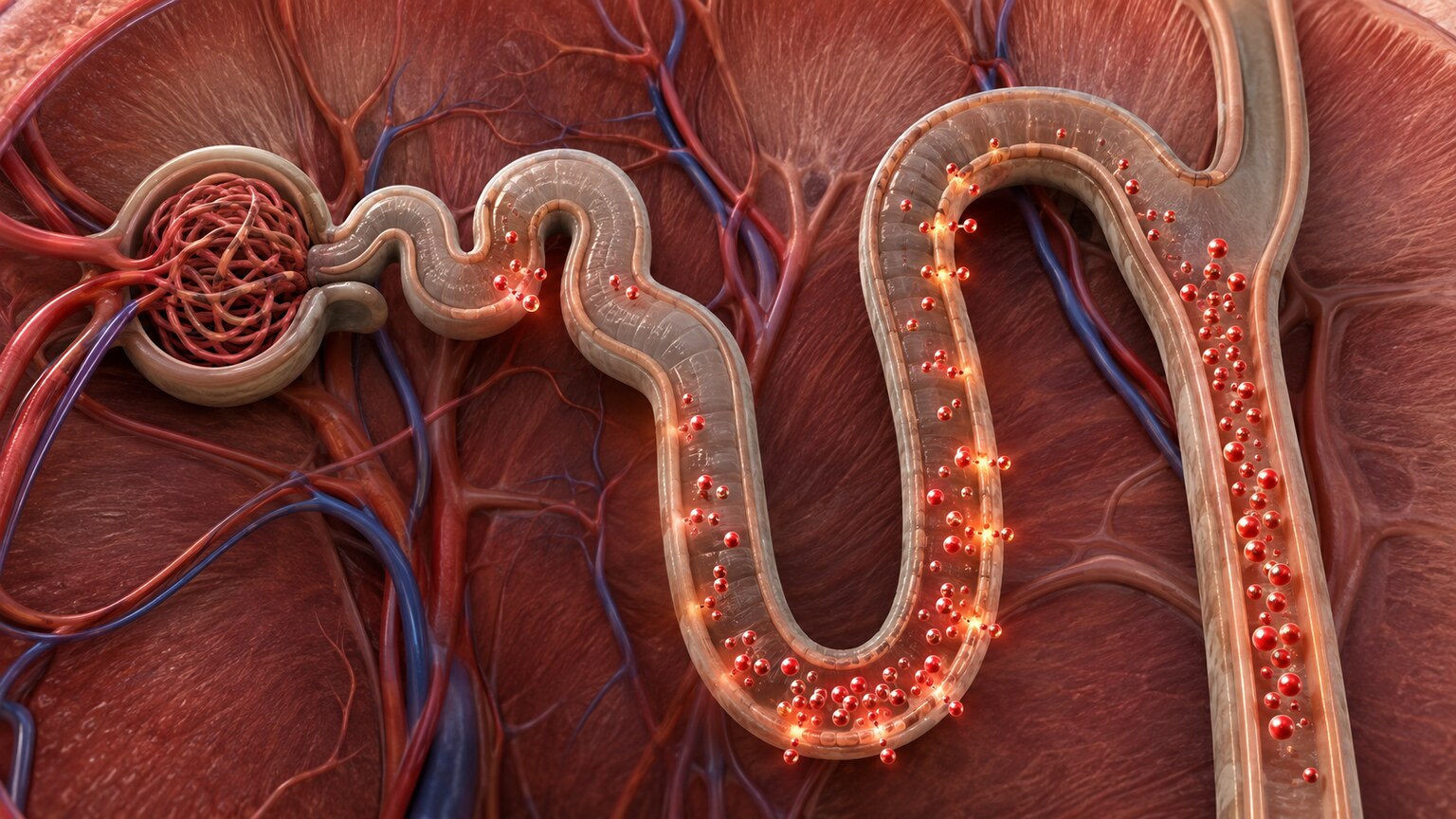
Figure 1. The kidneys actively secrete hydrogen ions into the forming urine as one of the body's primary mechanisms for maintaining stable blood pH, which is why urine pH shifts far more than blood pH ever does.
Curious what the rest of your urinalysis is telling you? Upload your results and get a complete, plain-language breakdown in under 15 minutes.
Analyze My ResultsWhy Urine pH Is Built to Fluctuate
To understand urine pH, it helps to understand the job it's actually doing. Your blood pH is kept extraordinarily stable, generally within a narrow range around 7.35 to 7.45, because even small deviations outside that window can seriously disrupt the enzymes and proteins your cells depend on to function. Maintaining that remarkable stability requires the body to constantly clear out the acid it continuously generates through everyday ongoing metabolism — breaking down food for nutrients, producing usable cellular energy, and countless other essential cellular processes all generate acidic waste byproducts that genuinely need somewhere reliable to go. The kidneys are one of the two major systems responsible for this cleanup (the lungs, exhaling carbon dioxide, are the other), and they accomplish it specifically by adjusting how much acid or base gets excreted into urine.
This means urine pH is never simply a passive byproduct sitting quietly in the background waiting to be measured — it's genuinely an active, deliberate output of an entire working regulatory system, continuously and carefully adjusted moment to moment specifically to keep something else far more critical, your actual blood pH, reliably stable. A typical urine pH reading taken from a random sample can range anywhere from about 4.5 all the way up to 8.0 in a perfectly healthy, entirely normal person, representing a considerably wider natural swing than almost any other routine lab value on a standard panel is ever allowed to show without being flagged as abnormal. This wide normal range is exactly why a single urine pH number, taken entirely on its own, carries relatively little independent diagnostic weight compared to the values the body otherwise works hard to keep tightly fixed within a narrow band — the "normal" range for urine pH is deliberately wide precisely because wide, responsive swings are the regulatory system doing exactly what it was built to do, not any kind of sign of underlying physiological instability or malfunction.
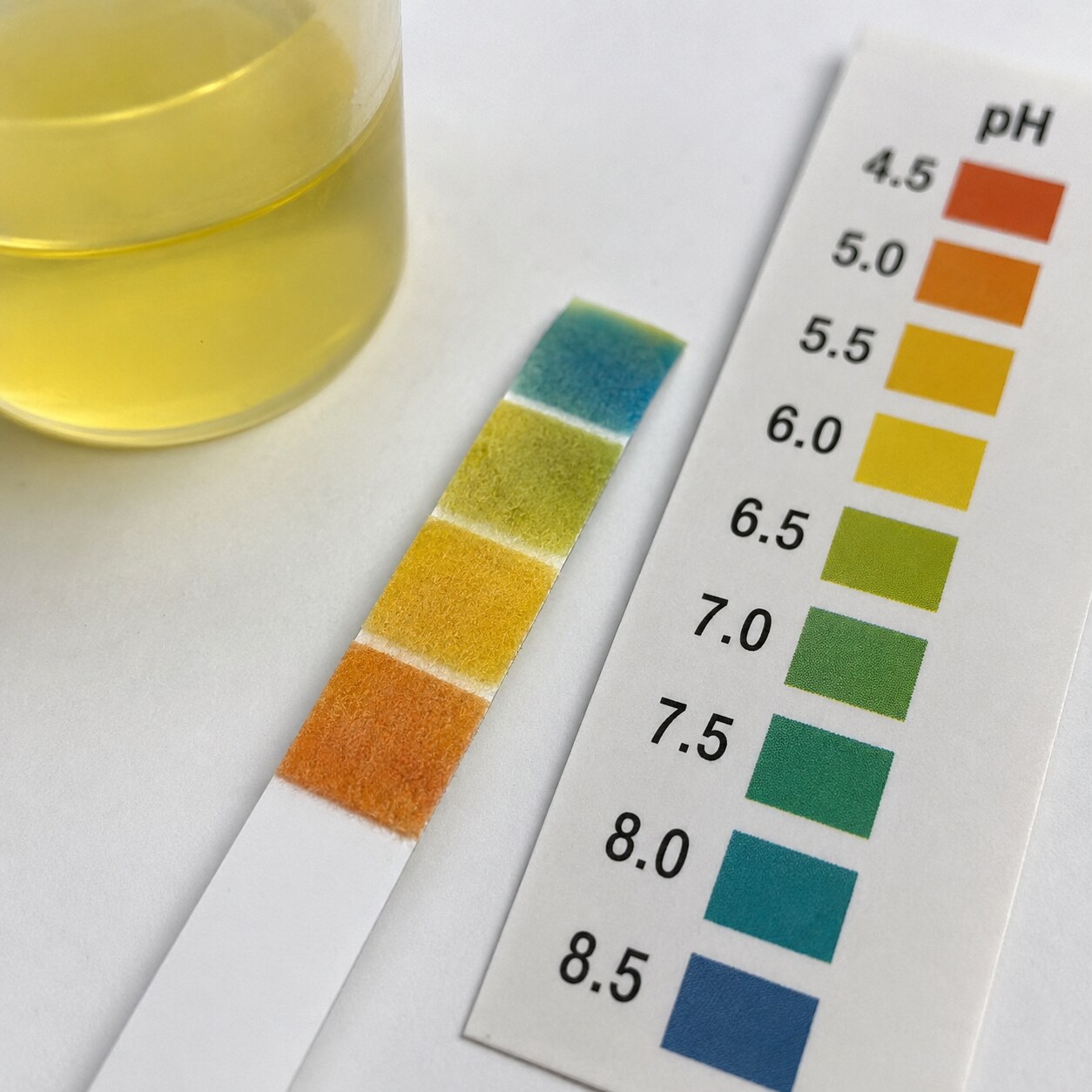
Figure 2. A urine dipstick measures pH using a chemically treated pad that changes color across a gradient, read against a printed reference chart to estimate the value in roughly half-unit increments.
Urine pH is most commonly measured using a chemical reagent strip, part of the standard dipstick urinalysis performed in nearly every routine urine test. The pH pad on the strip contains indicator dyes that shift color across the pH spectrum, and the resulting color is compared against a printed reference chart to estimate the value, typically in increments of about 0.5 to 1.0 units. This method is genuinely fast and highly practical for everyday routine screening purposes but remains somewhat imprecise compared to a dedicated laboratory pH meter, which measures pH electrochemically and can consistently report a considerably more exact numeric value — a distinction that matters considerably more in specific, focused clinical contexts, like ongoing kidney stone management, discussed in more detail further below, than it typically does in everyday, low-stakes routine screening situations.
The History Behind Why Urine pH Testing Exists at All
Urine pH testing has a surprisingly long history in medicine, predating most of the modern laboratory tests discussed elsewhere on this site by a considerable margin. Physicians have examined urine as a diagnostic clue since antiquity, long before the underlying chemistry of acid-base balance was understood in any modern sense — early practitioners relied on taste, color, and consistency to draw crude conclusions about a person's health from their urine, a practice sometimes called uroscopy that persisted in various forms for centuries. The modern, chemically grounded understanding of urine pH as a specific, measurable reflection of renal acid-base regulation is a comparatively recent development, emerging alongside the broader growth of clinical chemistry through the nineteenth and twentieth centuries as scientists worked out the underlying physiology of how the kidneys actually manage hydrogen ion and bicarbonate balance.
The reagent-strip dipstick method used almost universally today for routine urine pH testing became standard practice in the mid-twentieth century, replacing older, more cumbersome titration-based laboratory methods for routine screening purposes, though those more precise laboratory methods remain available and are still used specifically in situations, like kidney stone management or suspected renal tubular acidosis, where a more exact pH value genuinely matters. This evolution — from ancient, non-specific observation to a precise, chemically grounded number with well-understood physiological drivers — mirrors the broader history of laboratory medicine as a field, and it's a useful reminder that even a test as simple and routine as a dipstick urine pH carries real scientific history behind it.
What Actually Shifts Urine pH: Diet
Diet is genuinely one of the most immediate, most everyday, and most powerful influences on urine pH overall, and its measurable effect can reliably show up within just a few hours of eating a particular meal. Foods rich in animal protein — meat, fish, eggs, and dairy — tend to push urine pH more acidic, since metabolizing these proteins generates sulfate and other acidic byproducts the kidneys then have to excrete. A sustained diet genuinely heavy in these particular foods tends to produce a noticeably more consistently acidic urine pH over an extended period of time. Plant-based foods, particularly fresh fruits and vegetables, tend to have the genuinely opposite effect, generally producing a measurably more alkaline urine pH overall, even though many of these foods (citrus fruits, for example) are themselves acidic before being metabolized — what genuinely matters for urine pH isn't a food's own inherent acidity before it's eaten, but rather the actual net metabolic effect of its various breakdown products on the body's overall internal acid-base balance.

Figure 3. Diets high in animal protein tend to lower urine pH toward the acidic end, while diets rich in fruits and vegetables tend to raise it toward the alkaline end, an effect that can shift measurably within hours of eating.
This substantial diet-driven variability is exactly why a single, isolated urine pH reading, taken without any real knowledge of what someone actually ate in the hours beforehand, remains such a genuinely limited piece of clinical information when considered entirely on its own. Two perfectly healthy people tested on the exact same morning could easily show meaningfully, noticeably different urine pH values purely based on what each of them happened to eat for the previous night's dinner, with neither individual result indicating anything genuinely abnormal about either person's underlying health status whatsoever.
What Actually Shifts Urine pH: Medications and Supplements
Several common medications and supplements deliberately or incidentally shift urine pH, sometimes by design. Certain medications used specifically to manage kidney stones or gout are prescribed precisely because of their urine-alkalinizing effect — potassium citrate, for example, is commonly prescribed to raise urine pH in people who form certain types of kidney stones, since a less acidic environment makes those specific stone types less likely to form. Sodium bicarbonate and similar alkalinizing agents work through the same general principle, sometimes used deliberately to shift urine pH as part of managing specific conditions.
On the acidic side, certain medications, along with high-dose vitamin C supplementation, can push urine pH lower. This has practical relevance beyond simple curiosity: some antibiotics, particularly those used to treat urinary tract infections, work more effectively in a specific pH environment, which is occasionally part of why a clinician might recommend or discourage certain dietary or supplement choices during treatment, depending on which antibiotic is being used and how its effectiveness relates to urine pH.
What Actually Shifts Urine pH: Infection

Figure 4. Certain bacteria produce an enzyme called urease that breaks urea down into ammonia, sharply raising urine pH — a chemical signature that can point toward a specific category of urinary tract infection.
Certain bacteria that cause urinary tract infections produce an enzyme called urease, which breaks down urea — a normal waste product abundant in urine — into ammonia. This reaction directly raises the surrounding urine's pH, sometimes pushing it well above 8.0, noticeably more alkaline than a typical infection-free sample. Proteus mirabilis is the classic example of a urease-producing organism responsible for this pattern, and a persistently and unusually alkaline urine pH, especially paired with other urinalysis findings suggestive of infection (nitrites, leukocyte esterase, visible bacteria or white blood cells under the microscope), can point a clinician specifically toward this category of urease-producing infection.
This matters clinically beyond simple diagnosis, because urease-producing infections carry a specific downstream risk: the alkaline environment they create favors the formation of a particular type of kidney stone called a struvite stone, which can grow rapidly and, in some cases, form large, branching "staghorn" stones that fill much of the kidney's internal collecting system. Recognizing the urease-infection-alkaline-pH pattern early is part of why persistent, unexplained alkaline urine in the setting of a suspected infection prompts more urgent attention than an alkaline reading that's more plausibly explained by diet alone.
Metabolic Conditions That Systematically Shift Baseline Urine pH
Beyond the everyday, transient influences of diet, medication, and short-term illness already covered, certain underlying metabolic conditions can shift a person's baseline urine pH in a more sustained, ongoing way, reflecting a genuine, persistent alteration in the body's overall acid-base handling rather than a temporary fluctuation. Chronic kidney disease is one of the more significant examples: as kidney function declines over time, the kidneys' capacity to excrete acid efficiently is often impaired as part of the broader disease process, which can contribute to a chronic, low-grade acid buildup in the body (metabolic acidosis) that the kidneys are progressively less able to correct through urine pH adjustment — sometimes ironically producing urine that runs less acidic than expected, precisely because the kidney's acid-excretion machinery itself is failing to respond appropriately to a body that genuinely needs more acid removed.
Diabetes, particularly when poorly controlled, can also influence urine pH through more than one pathway. Diabetic ketoacidosis, a serious acute complication of diabetes, floods the body with acidic ketone bodies, producing dramatically acidic urine as the kidneys attempt to excrete the excess acid load — a pattern that shows up clearly on a urine pH reading and is part of the broader clinical picture used to recognize and manage this emergency condition. Even outside of acute ketoacidosis, some research has found subtler, chronic shifts in baseline urine pH associated with insulin resistance and metabolic syndrome more broadly, an area of ongoing research interest connecting urine pH to metabolic health beyond the more classical examples covered elsewhere in this article.
Respiratory Conditions and Their Indirect Effect on Urine pH
Because the kidneys and lungs work together as the body's two primary systems for maintaining stable blood pH, a disruption in one system often prompts a compensatory response from the other, and this interplay can show up indirectly in urine pH. Someone with a chronic respiratory condition that causes them to retain excess carbon dioxide, which is itself acidic when dissolved in blood, will typically develop a degree of respiratory acidosis, and the kidneys respond to this by working to excrete more acid and reabsorb more bicarbonate, over time producing more acidic urine as part of the body's compensatory effort to correct the blood pH imbalance the lungs are creating.
Conversely, conditions or situations that cause someone to breathe unusually fast or deeply, expelling more carbon dioxide than normal, can push blood pH in the alkaline direction (respiratory alkalosis), prompting the kidneys to compensate in the opposite direction by excreting more bicarbonate and producing more alkaline urine over time. These respiratory-driven urine pH shifts are a genuine, real physiological phenomenon, though they're generally a much less common explanation for an unusual urine pH result in routine practice than the diet, medication, and infection causes discussed earlier — worth knowing about for a complete picture, but not typically the first explanation a clinician reaches for without other supporting clinical context pointing toward a respiratory condition specifically.
Why Urine pH Matters for Kidney Stones Specifically
Kidney stone management is the single clinical area where urine pH carries the most direct, actionable weight, because different stone types form under different pH conditions, and adjusting urine pH is a genuine, evidence-based treatment strategy for preventing certain stone types from recurring. Uric acid stones form specifically in acidic urine, and raising urine pH toward a more neutral or mildly alkaline range, often through prescribed potassium citrate, is a well-established strategy for both preventing new uric acid stones and, in some cases, actually dissolving existing ones over time — one of the few kidney stone types that can be treated this way without surgery.

Figure 5. Uric acid stones crystallize preferentially in acidic urine, while calcium phosphate stones crystallize preferentially in alkaline urine — opposite pH conditions that make urine pH management a genuine, targeted treatment strategy depending on stone type.
Calcium phosphate stones behave in the opposite direction, forming preferentially in more alkaline urine, meaning the treatment approach for someone who forms this stone type runs in the opposite direction from uric acid stone management — sometimes involving dietary or medical strategies to keep urine somewhat more acidic rather than more alkaline. Calcium oxalate stones, the most common kidney stone type overall, are less directly tied to urine pH than the other two types, forming across a broader pH range, though pH still plays a secondary supporting role in their formation alongside other factors like urine concentration and calcium or oxalate excretion. This is exactly why a clinician managing recurrent kidney stones typically wants to know the specific stone type — usually determined through stone analysis after a stone has been passed or removed — before recommending a pH-targeted prevention strategy, since the same pH intervention that helps one stone type can actively make a different stone type more likely to form.
Renal Tubular Acidosis: When the Kidney's pH Regulation Itself Fails
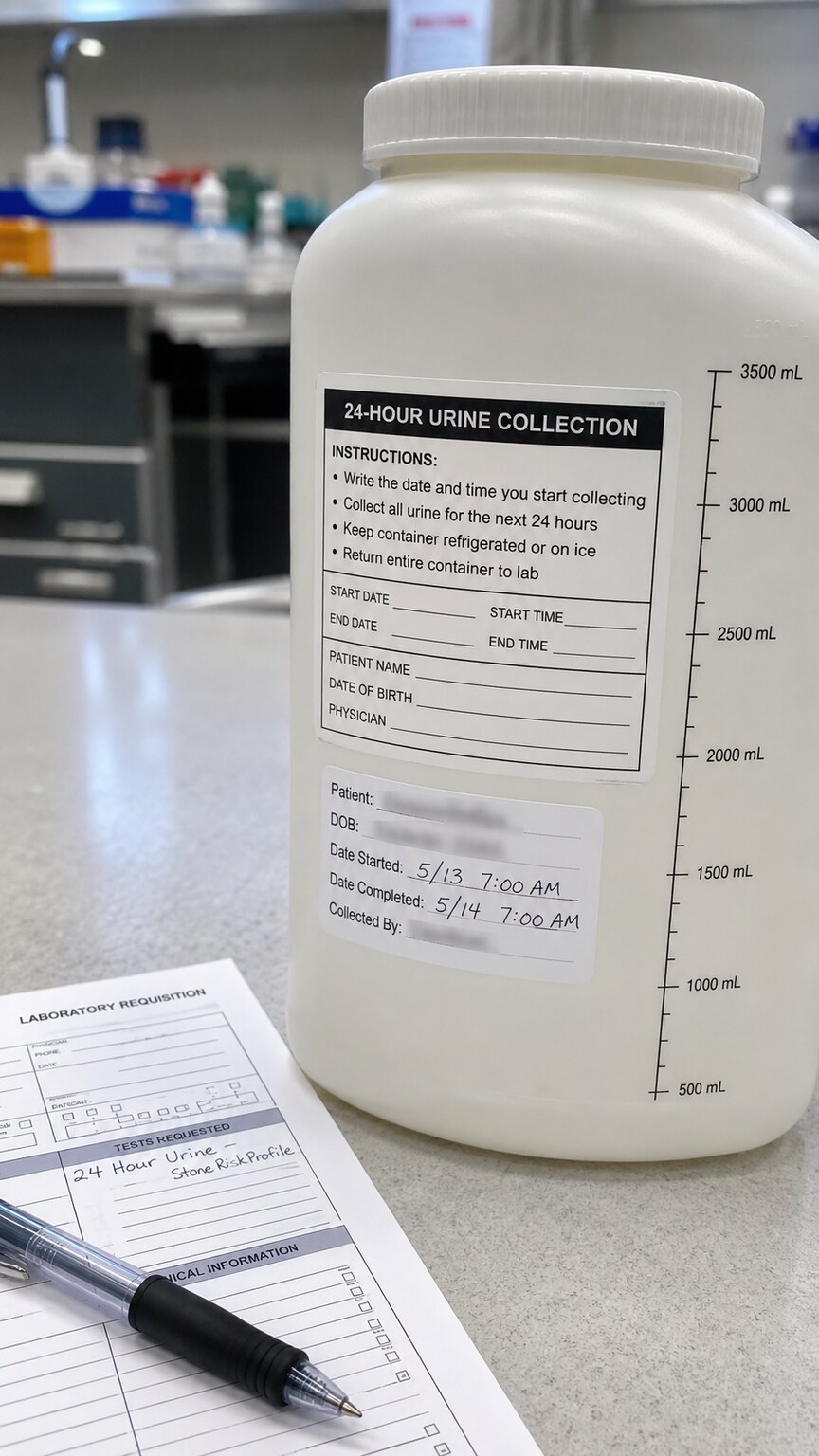
Figure 6. A 24-hour urine collection allows a more complete metabolic evaluation, including how urine pH behaves over a full day, than a single random urine sample ever could on its own.
Most of the urine pH variation discussed so far reflects the kidneys doing their job correctly, adjusting output in response to diet, medication, or infection. A smaller, more specific category of conditions involves the kidney's acid-handling machinery itself not working properly — a group of disorders called renal tubular acidosis (RTA), in which the kidney tubules fail to appropriately acidify urine, or fail to reabsorb bicarbonate correctly, disrupting the body's acid-base balance from the regulatory system's own malfunction rather than from diet or infection. In distal RTA, one of the more recognized forms, the kidney is specifically unable to adequately acidify urine even when the body is genuinely acidic and urgently needs to excrete more acid — meaning urine pH stays inappropriately high (alkaline) at exactly the moment it should be dropping low, a paradox that's actually the diagnostic hallmark of the condition.
Diagnosing RTA typically requires more than a single random urine pH reading, since the diagnosis hinges specifically on how urine pH behaves in relation to the person's blood acid-base status at that same moment, not on the urine value in isolation. This sometimes involves specialized testing, including a 24-hour urine collection or an acid-loading test, where a person is given a substance that should provoke a strongly acidic urine response in a normally functioning kidney, and the inability to appropriately acidify urine in response confirms the diagnosis. RTA is a relatively uncommon condition in the general population, but it's a useful, concrete illustration of just how much genuine physiological information is packed into the relationship between urine pH and the body's actual acid-base status — a relationship a single dipstick reading, taken without that broader context, simply cannot reveal on its own.
How Urine pH Fits Into a Complete Kidney Stone Evaluation
For someone actually going through a kidney stone workup, urine pH is just one piece of a larger evaluation rather than the whole story, and it's worth understanding how it fits alongside the other tests typically involved. A comprehensive metabolic evaluation for recurrent stone formers often includes a 24-hour urine collection, measuring not just average urine pH across the full day but also total urine volume, calcium, oxalate, citrate, uric acid, and sodium excretion — since stone formation is generally a multifactorial process where pH is one influential variable among several, not the sole determining factor for any individual's risk.
Citrate deserves particular mention here, since it plays a role somewhat related to, but distinct from, pH itself: citrate is a natural inhibitor of calcium stone formation, binding calcium in urine and helping keep it in a soluble, dissolved form rather than allowing it to crystallize. Citrate excretion tends to run lower in more acidic urine, which is part of why some alkalinizing treatments used for uric acid stone prevention offer a secondary benefit for calcium stone risk as well, by simultaneously raising both urine pH and urinary citrate levels together. Understanding this overlap helps explain why a treatment plan for someone with a complex, mixed stone history might target multiple urine chemistry factors simultaneously rather than focusing on pH in isolation.
Reading a Single Urine pH Value in Context
Given everything above, the practical takeaway for interpreting a routine urine pH result is fairly direct: a single value, especially one that falls within the broad 4.5 to 8.0 normal range, rarely means much on its own without additional context — what was recently eaten, what medications or supplements are being taken, and whether other urinalysis findings suggest infection. A urine pH is far more genuinely informative as part of a broader pattern than as a single isolated number pulled from one sample: a persistently and unusually alkaline reading paired with clear infection signs, a persistently and stubbornly acidic reading in someone already known to form uric acid stones, or a dramatic, sudden pH shift with no obvious dietary, medication, or lifestyle explanation are the specific situations where the value genuinely earns closer clinical attention, rather than any single reading examined entirely out of its surrounding context.
The Broader Physiology: How the Kidneys Actually Adjust Acid Output
Understanding the mechanical details of how the kidneys shift urine pH adds useful depth to everything covered so far. The kidney's tubules, the small tube-like structures where urine is progressively formed and modified as it passes through, contain specialized cells capable of actively pumping hydrogen ions — the chemical species that determines acidity — directly into the forming urine. This is an active, energy-requiring process, not a passive filtration effect, meaning the body genuinely expends metabolic energy to fine-tune this output moment to moment based on its current acid-base needs.
Alongside secreting hydrogen ions, the kidney tubules also reabsorb bicarbonate, an alkaline buffering molecule, back into the bloodstream rather than letting it pass into urine and be lost. Together, these two processes — actively secreting acid into urine while reclaiming an alkaline buffer back into the blood — work in tandem to push blood pH toward stability while pushing urine pH in whatever direction is needed to achieve that. When the body is running acidic overall, this system ramps up hydrogen secretion, producing more acidic urine; when the body is running more alkaline, the system does the reverse, allowing urine to become more alkaline as excess base gets excreted instead.
Ammonium: The Kidney's Second Major Acid-Excretion Tool
Hydrogen ion secretion isn't the kidney's only mechanism for managing acid excretion, and understanding the second major pathway helps explain why urine pH alone doesn't capture the complete picture of how much acid the kidneys are actually excreting at any given time. The kidneys also produce and excrete ammonium, generated from the amino acid glutamine inside kidney cells, as a second major vehicle for acid disposal. Ammonium itself is a weak base, but its production and excretion allow the kidney to get rid of substantially more acid than hydrogen ion secretion into free urine could accomplish through pH change alone, since ammonium can bind and carry away hydrogen ions in a buffered form without pushing measured urine pH as dramatically low as the equivalent amount of free acid excretion would.
This is a genuinely important nuance: two people excreting very different total amounts of acid can, in some circumstances, show fairly similar urine pH values, because one is relying more heavily on the ammonium pathway while the other is relying more on direct hydrogen ion secretion. This is exactly why researchers and specialists studying acid-base disorders in detail sometimes look beyond simple urine pH toward measuring urinary ammonium directly, or calculating an estimate called the urine anion gap, when a more precise picture of the kidney's total acid-excretion capacity is genuinely needed — well beyond what routine clinical urinalysis requires, but a useful piece of context for understanding urine pH's real limitations as a stand-alone number.
What to Notice on Your Own Lab Report
When reviewing a urinalysis result that includes a urine pH value, it's worth knowing what to actually look for beyond the raw number itself. Most lab reports list urine pH alongside a reference range, typically spanning from around 4.5 or 5.0 up to 8.0, and the result is often flagged as within range or out of range relative to that broad window — but as covered throughout this article, falling technically within a wide reference range doesn't automatically mean the value is uninformative, and falling technically outside it doesn't automatically mean something is wrong. The more useful exercise is considering the result alongside the rest of the urinalysis panel: is there a positive nitrite or leukocyte esterase result alongside an unusually alkaline pH, suggesting a possible urease-producing infection? Is the pH persistently acidic across multiple tests in someone known to form uric acid stones, suggesting their current management approach may need adjustment? These kinds of contextual questions, not the isolated number, are what actually make a urine pH result clinically useful.
Vegetarian and Vegan Diets: A Sustained Rather Than Momentary Shift
While the diet section earlier in this article focused on how individual meals can shift urine pH within hours, it's worth distinguishing that short-term effect from the more sustained pattern seen in people following a consistently plant-based diet over months or years. Research comparing habitual dietary patterns has found that people eating a predominantly vegetarian or vegan diet tend to run a measurably higher average urine pH than people eating a diet heavier in animal protein, not just on any single day, but as a consistent long-term pattern reflecting their sustained dietary intake rather than a one-off meal effect.
This sustained dietary pattern has genuine clinical relevance beyond simple curiosity, particularly in kidney stone prevention. Someone with a history of uric acid stones, for whom a more alkaline urine environment is protective, may be specifically counseled to shift their diet in a more plant-forward direction, not only to reduce dietary purine intake (which independently affects uric acid production) but specifically to help sustain a somewhat higher baseline urine pH over time, working alongside prescribed medication rather than replacing it entirely, since dietary changes alone often produce a more modest, incremental urine pH shift compared to a dedicated alkalinizing medication.
Urine pH in Athletes and During Intense Exercise
Intense physical exertion offers another everyday, non-clinical example of how quickly and substantially urine pH can shift in response to the body's changing metabolic demands. During and immediately after strenuous exercise, particularly intense anaerobic activity, the body generates significant lactic acid as a byproduct of muscle metabolism operating without adequate oxygen supply, and the kidneys respond by excreting more acid, temporarily lowering urine pH in the hours following a hard workout. This is a completely normal, expected physiological response rather than any kind of abnormality, and it typically resolves within several hours as the body clears the metabolic byproducts of exercise and returns to its baseline state.
This exercise effect is a useful, concrete example of the broader theme running through this entire article: urine pH reflects whatever the body happens to be metabolically managing at that specific moment, whether that's digesting a meal, fighting an infection, or recovering from a hard workout, rather than representing some fixed, static characteristic of a person's overall health. Someone whose urine sample happens to be collected shortly after intense exercise, without that context being known, could show a urine pH reading that looks unusually acidic for entirely benign, expected physiological reasons.
Frequently Asked Questions
Is a slightly acidic or slightly alkaline urine pH ever a problem on its own?
Not usually. Urine pH naturally ranges from about 4.5 to 8.0 in healthy people, and a single reading within this range is rarely meaningful on its own. It becomes more clinically relevant when it's persistently unusual, unexplained by diet or medication, or paired with other abnormal urinalysis findings.
Can drinking a lot of water change my urine pH?
Hydration mainly affects urine concentration rather than pH directly, though very dilute urine can sometimes read slightly differently on a dipstick. Diet, medications, and infection have a much larger, more direct effect on urine pH than hydration status alone.
Why did my doctor ask about my diet after seeing my urine pH result?
Because diet is one of the most common, everyday explanations for an unusual urine pH reading. Confirming recent dietary intake helps a clinician determine whether the result reflects something benign and expected, or whether it warrants further evaluation.
Can urine pH alone diagnose a urinary tract infection?
No. While a markedly alkaline urine pH can support a suspicion of a urease-producing infection, it isn't diagnostic on its own. A urine culture, along with other urinalysis findings like nitrites and white blood cells, is needed to confirm an infection.
Does urine pH change throughout the day?
Yes, and it can follow a general daily pattern in some people, often trending slightly more acidic overnight and after waking, then shifting depending on meals and activity throughout the day. This natural daily variation is another reason a single random urine pH reading has limited value without knowing when it was collected relative to meals and sleep.
Should I try to change my urine pH on my own without medical guidance?
Not without medical guidance, especially if the goal is kidney stone prevention, since the correct direction to shift urine pH depends entirely on the specific stone type involved, and shifting it the wrong way can make certain stone types more likely to form rather than less.
How This Connects to Broader Acid-Base Testing
For readers who have encountered blood-based acid-base testing elsewhere, such as an arterial blood gas measurement used in hospital settings to directly assess a person's blood pH, it's worth clarifying how that test relates to everything discussed in this article. An arterial blood gas measures the actual acid-base status of the blood directly, the very thing the kidneys are working to stabilize through the urine pH adjustments described throughout this article — meaning blood gas testing and urine pH testing are looking at two different points in the same overall system: one measures the outcome the body is trying to protect, the other measures one of the tools the body uses to protect it. In a hospitalized patient with a genuine acid-base emergency, both pieces of information are sometimes used together, since comparing what the blood pH actually is against what the urine pH is doing in response can reveal whether the kidneys are compensating appropriately or whether their compensatory response itself is impaired, exactly the kind of clinical reasoning used in diagnosing conditions like renal tubular acidosis discussed earlier.
Conclusion
Urine pH is one of the more misunderstood values on a routine urinalysis precisely because it's designed to do the opposite of what most lab values do — rather than staying fixed, it's meant to swing in response to diet, medication, and the body's ongoing need to offload acid or base. A single reading rarely tells a complete story on its own, but understood in context — alongside diet, medications, and the rest of a urinalysis — it becomes a genuinely useful signal, from flagging a urease-producing infection to guiding real, evidence-based kidney stone prevention strategies. Knowing what actually drives the number, and what it does and doesn't reveal on its own, is what turns an easily misread, easily dismissed result into something genuinely clinically meaningful when it actually counts.
Still Not Sure What Your Results Mean?
Upload your labs and get a complete, visual, plain-language interpretation of every biomarker — delivered to your inbox in under 15 minutes.
Get My ReportThis article is for educational purposes only and does not constitute medical advice. Always consult your healthcare provider regarding your specific lab results.