
Why Did My Doctor Order a Urine Protein-to-Creatinine Ratio?
A raw protein number pulled from a single urine sample is almost entirely meaningless when considered completely on its own, because exactly how concentrated or diluted that particular sample happens to be changes the reported number quite dramatically without your actual, real underlying protein loss changing in any way at all — drink a large amount of water beforehand and the exact same true protein loss will read noticeably lower; go several hours without any fluids at all and that same true loss will read noticeably higher instead. The urine protein-to-creatinine ratio, often abbreviated UPCR, solves this problem with a simple trick: it divides the measured protein by creatinine, a waste product your muscles release into urine at a remarkably steady rate throughout the day, using creatinine as an internal yardstick that automatically corrects for how concentrated the sample is. This clever mathematical trick effectively turns one random, otherwise fundamentally unreliable urine sample into a genuinely useful result that closely approximates what a much more cumbersome, inconvenient 24-hour urine collection would have shown for that same person, which is precisely and exactly why your doctor ordered this specific test instead of either a single unadjusted raw protein number or an inconvenient full-day collection.
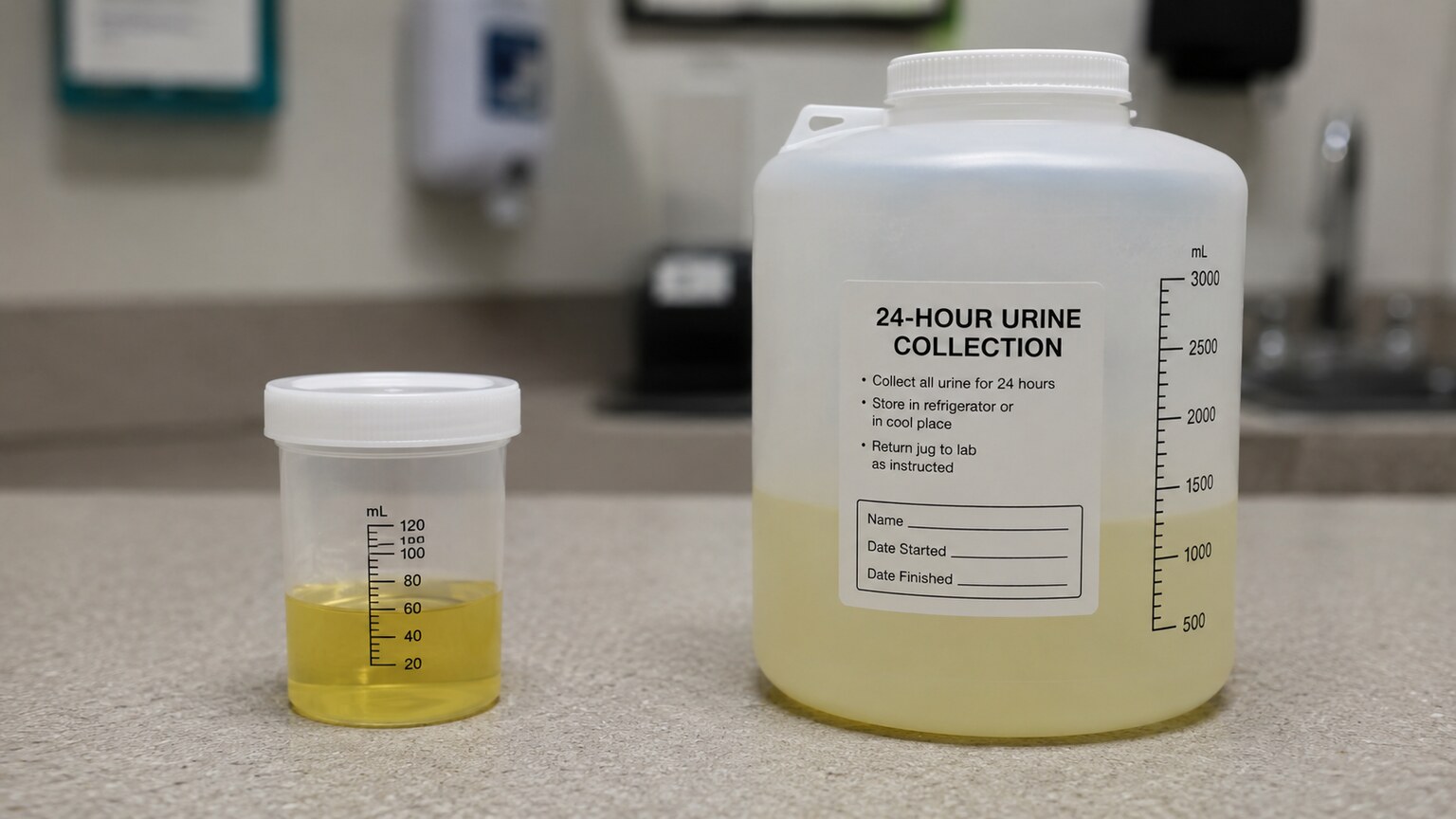
Figure 1. A single spot urine sample, when converted to a protein-to-creatinine ratio, can closely approximate what a much more burdensome 24-hour urine collection would have shown.
Curious what the rest of your urinalysis is telling you? Upload your results and get a complete, plain-language breakdown in under 15 minutes.
Analyze My ResultsWhy a Single Protein Number Doesn't Work on Its Own
To understand why the ratio exists, it helps to understand exactly what goes wrong with a raw urine protein measurement taken in isolation. Kidneys simply don't produce urine at any single constant, fixed concentration throughout the entire day — exactly how much water accompanies the various waste products being actively excreted varies quite enormously depending on overall hydration status, recent fluid intake, the amount of time since your last urination, and even the specific time of day itself. A person who happens to drink a large glass of water shortly before undergoing a urine test will naturally produce a noticeably more dilute sample as a result, and any actual protein already present in that sample gets diluted right along with everything else in it, making what could be a genuinely meaningful, clinically real amount of protein loss look artificially and misleadingly small on paper. The reverse situation happens just as easily with a more concentrated, first-morning sample collected after a full night without any fluid intake: that exact same underlying true protein loss can end up looking artificially larger than it really is, simply because there's proportionally less water present overall to dilute it down.
This fundamental dilution problem means a raw urine protein number, typically reported in milligrams per deciliter on a lab printout, simply can't be trusted to genuinely reflect true underlying protein loss unless you also happen to know exactly how concentrated that particular specific sample actually was at the moment it was collected — information a raw, unadjusted protein number alone never actually provides on its own. Without properly correcting for this dilution effect, two separate urine samples taken from the exact same person, collected just a few hours apart from one another, could easily show meaningfully, noticeably different raw protein readings despite that person's actual underlying kidney function and true protein loss remaining completely unchanged the entire time in between the two collections.
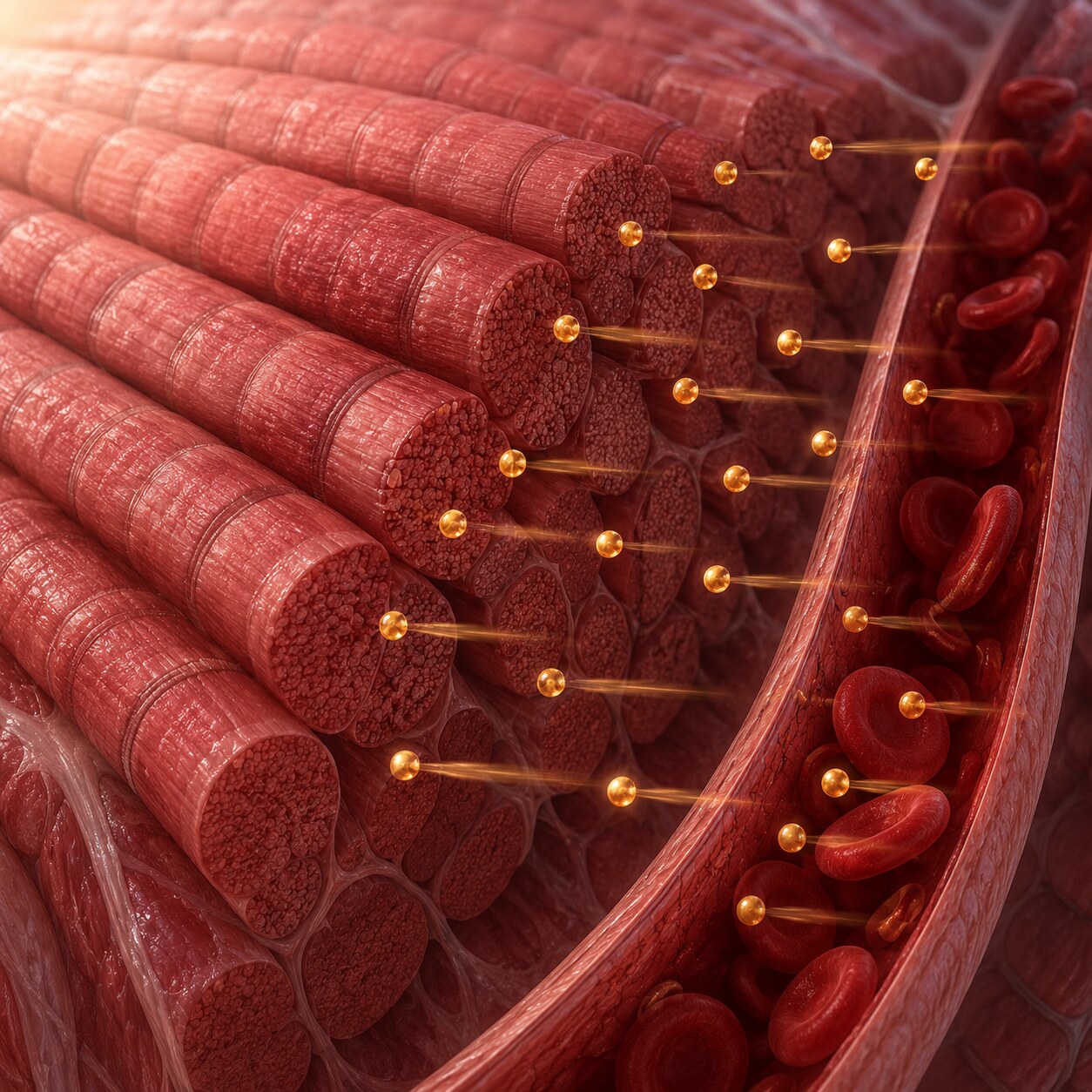
Figure 2. Creatinine is released from muscle tissue at a remarkably steady rate throughout the day, which is exactly why it works as a reliable internal reference marker for correcting a diluted or concentrated urine sample.
Creatinine turns out to be the genuinely elegant, practical solution to this exact dilution problem. It's a waste product generated by ordinary muscle metabolism, produced at a rate that stays remarkably consistent hour to hour for any given individual, largely because it depends on relatively stable factors like total muscle mass rather than on recent food or fluid intake. Because creatinine excretion stays so remarkably steady and predictable, the amount of creatinine present in any given urine sample serves as a genuinely reliable built-in internal reference point: if a particular sample happens to be more dilute than usual, both the protein and the creatinine it contains get diluted by that exact same proportion together, and dividing one measured value by the other effectively cancels that dilution effect out almost entirely, leaving behind a clean ratio that accurately reflects the true underlying relationship between actual protein loss and the body's baseline urine output at that moment.
How the Ratio Is Calculated and What It Approximates
The actual calculation itself is genuinely straightforward once broken down: urine protein concentration, measured in milligrams per deciliter from that specific sample, is simply divided by urine creatinine concentration, also measured in milligrams per deciliter, taken from that exact same single sample collected at the exact same moment. The result, typically reported in milligrams of protein per milligram of creatinine (mg/mg), turns out to closely approximate the total number of milligrams of protein a person would excrete over a full 24 hours, since average daily creatinine excretion itself tends to run close to 1 gram (1,000 milligrams) per day in a typical adult. A UPCR of 0.3 mg/mg, for instance, roughly corresponds to an estimated 24-hour protein excretion of approximately 300 milligrams — this consistent, well-validated mathematical relationship is exactly what makes a single, convenient spot sample such a genuinely useful, clinically trustworthy stand-in for a much longer, far more burdensome full-day collection period.

Figure 3. Dividing measured urine protein by measured urine creatinine from the same sample produces a ratio that closely approximates 24-hour protein excretion in grams per day.
This approximation isn't perfectly precise for every individual, since it fundamentally relies on an average population-level assumption about typical daily creatinine excretion that doesn't perfectly match every single person — people with unusually high or unusually low muscle mass, in particular, genuinely produce meaningfully more or less creatinine than the population average the underlying formula assumes, which is one of the ratio's genuinely well-recognized known limitations, discussed in considerably more detail further below in this article. Even with this caveat, the approximation is considered close enough for the vast majority of everyday clinical purposes to make the far more convenient spot sample a genuinely reliable substitute for the 24-hour collection in most situations.
Why the 24-Hour Collection Still Exists at All
Given everything covered so far about UPCR's practicality and strong correlation with 24-hour collection results, it's worth explaining why the older method hasn't been fully retired from clinical use. Certain specific situations still call for the added precision a true 24-hour collection provides, particularly in people whose muscle mass differs substantially from the population average the UPCR formula assumes — since a direct 24-hour measurement sidesteps that assumption entirely, measuring actual total protein excretion rather than estimating it through a creatinine-based proxy. Research protocols and certain specialized clinical scenarios, including some pre-transplant kidney evaluations, may also still call for the more rigorous, direct 24-hour method specifically because its accuracy has been so extensively validated over decades of use, even as UPCR has become the practical, everyday standard for routine clinical care.
Why This Replaced the 24-Hour Urine Collection as the Default
Before the protein-to-creatinine ratio became standard practice, the 24-hour urine collection was the traditional gold-standard method for accurately measuring total protein excretion — a person collects every drop of urine produced over a full 24-hour period into a large container, which is then sent to the lab for direct measurement of total protein content, entirely sidestepping the dilution problem by simply capturing everything regardless of how concentrated any individual voiding happened to be.
While genuinely accurate, the 24-hour collection has real, well-documented practical drawbacks that made it a poor fit for routine, everyday testing. It requires a person to carry a collection container with them and remember to save every single urination for a full day, which is inconvenient, easy to get wrong (missing even one urination meaningfully skews the total), and simply impractical to repeat often for ongoing monitoring. Research comparing the two methods, conducted across multiple studies over recent decades, has consistently found that a properly collected spot urine protein-to-creatinine ratio correlates strongly with the more burdensome 24-hour result, close enough that major clinical guidelines, including those from nephrology and obstetrics professional societies, now recommend the spot ratio as the preferred first-line test in most everyday situations, reserving the full 24-hour collection for specific scenarios where its added precision is genuinely necessary.
Types of Proteinuria: Not Every Elevated Result Means the Same Thing
Once a UPCR comes back elevated, clinicians often think about the finding in terms of a few broad categories, since the underlying cause and clinical significance can differ substantially between them. Transient proteinuria refers to a temporary elevation triggered by a passing factor — fever, intense exercise, dehydration, or emotional stress — that resolves on its own once the triggering factor passes, without reflecting any underlying kidney disease at all. This category is exactly why an isolated, mildly elevated UPCR is often simply repeated on a calmer, more typical day before being taken seriously as a genuine finding.
Orthostatic (or postural) proteinuria is a specific, generally benign pattern seen most often in adolescents and young adults, where protein excretion is elevated while a person is upright and active during the day but returns to normal overnight while lying flat, a pattern that can be confirmed by comparing a first-morning sample against a sample collected later in the day. This condition is generally considered benign and often resolves on its own with age, distinct from persistent proteinuria, where elevated protein excretion shows up consistently across multiple measurements regardless of posture or recent activity — the pattern that genuinely warrants the kind of underlying kidney evaluation discussed throughout this article, since persistence, rather than a single elevated reading, is what usually distinguishes a finding worth investigating from one that reflects ordinary, benign physiological variation.
What Happens After an Abnormal Result Is Confirmed
When a UPCR comes back genuinely and persistently elevated after appropriate repeat testing, the next steps depend heavily on the broader clinical picture already in place. In someone with known diabetes or hypertension, a confirmed rise often prompts closer monitoring of blood pressure and blood sugar control, along with a review of current medications to ensure kidney-protective options like ACE inhibitors or ARBs are being used appropriately, since these medication classes specifically help reduce protein leakage over time in addition to their blood-pressure-lowering effects.
In someone without an obvious underlying explanation, further evaluation might include additional blood testing to assess overall kidney function, imaging of the kidneys, and in some cases referral to a nephrologist, a physician specializing in kidney disease, particularly if the UPCR is significantly elevated or continues rising despite initial management steps. In rarer, more severe cases, a kidney biopsy — taking a small tissue sample directly from the kidney for microscopic examination — may be recommended to identify the specific underlying disease process causing the protein leakage, information that can meaningfully change treatment recommendations depending on which specific kidney condition is ultimately identified.
Common Reasons This Test Gets Ordered

Figure 4. During pregnancy, a urine protein-to-creatinine ratio is a standard, rapid way to screen for preeclampsia when blood pressure readings raise concern, avoiding the delay of a full 24-hour collection.
The most common trigger for this test is an initial urinalysis or dipstick screening that shows protein present, since a dipstick can flag that protein exists but can't quantify how much reliably — the protein-to-creatinine ratio provides that more precise, quantified follow-up. Monitoring known chronic kidney disease is another major use, since tracking how a person's protein excretion trends over successive visits — rising, falling, or staying stable — is one of the more important pieces of information nephrologists use to assess whether kidney disease is progressing or responding to treatment.
Pregnancy represents a particularly time-sensitive and common reason this test gets ordered. Preeclampsia, a pregnancy complication involving high blood pressure and organ effects including kidney involvement, is specifically screened for using significant proteinuria as one of its diagnostic criteria. Because preeclampsia can develop and worsen quickly, requiring rapid clinical decisions, a spot urine protein-to-creatinine ratio offers a much faster path to that information than waiting a full day for a 24-hour collection to be completed — a genuine, time-critical clinical advantage in this specific setting. Diabetes management is another common context, since diabetic kidney disease often first shows up as gradually increasing protein excretion, making periodic protein-to-creatinine ratio checks a standard part of routine diabetes monitoring.
Interpreting the Result
Reference ranges vary somewhat by laboratory and by the specific clinical context, but a UPCR below roughly 0.15 mg/mg (corresponding to an estimated 24-hour protein excretion under about 150 milligrams) is generally considered within the normal range for a non-pregnant adult. Values above that threshold suggest proteinuria, with the degree of elevation carrying clinical meaning — mildly elevated results might prompt monitoring and repeat testing, while more significantly elevated results, particularly in the nephrotic range (often cited as above roughly 3.0 to 3.5 mg/mg), point toward more significant kidney involvement requiring more urgent evaluation.
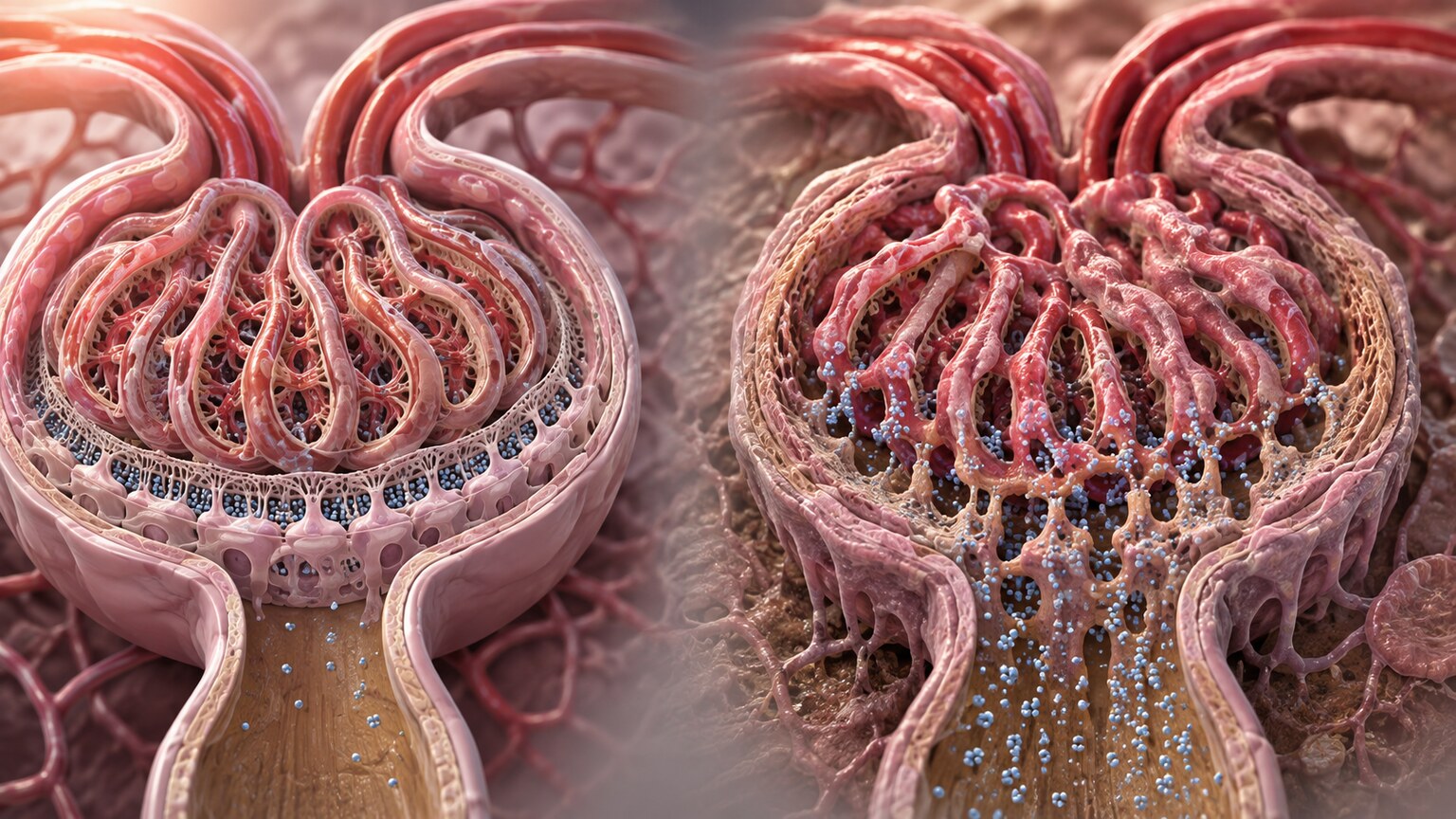
Figure 5. In diabetic kidney disease, gradually worsening damage to the glomerulus's filtering structure allows progressively more protein to leak into urine, making the protein-to-creatinine ratio a useful trend marker over time.
Pregnancy uses a somewhat different practical threshold specifically tied to preeclampsia screening, where a UPCR above roughly 0.3 mg/mg is generally considered consistent with significant proteinuria supporting a preeclampsia diagnosis when paired with elevated blood pressure and other clinical findings — a lower cutoff than the general adult threshold, reflecting the specific clinical stakes and screening purpose in that context. As with most lab values, trend over multiple measurements typically carries more weight than any single isolated result, particularly for chronic kidney disease monitoring, where a gradually rising ratio across several visits is a more meaningful signal than one elevated reading in isolation.
How UPCR Trends Are Used to Track Treatment Response
Beyond its role in initial diagnosis, UPCR serves an equally important ongoing function once kidney-protective treatment has actually begun: measuring whether that treatment is working as intended. Because medications like ACE inhibitors and ARBs specifically reduce pressure within the glomerulus's filtering structure, part of their measurable benefit shows up as a falling UPCR over subsequent months of treatment, even before any change in overall kidney filtering capacity (reflected in eGFR) becomes apparent. This makes serial UPCR measurement, repeated periodically over time rather than checked once, a practical, non-invasive way for a clinician to gauge whether a given treatment approach is achieving its intended protective effect.
A UPCR that continues rising despite appropriate treatment, by contrast, can prompt reconsideration of the treatment plan, further diagnostic evaluation, or referral to a specialist, since a lack of expected response sometimes signals a different, more aggressive underlying kidney disease than initially suspected, or an inadequate medication dose that needs adjustment. This ongoing monitoring role is a large part of why someone being actively managed for kidney disease or diabetes-related kidney involvement may have this test repeated at nearly every follow-up visit, rather than as a one-time diagnostic step performed once and never revisited.
UPCR Versus Albumin-to-Creatinine Ratio: A Related but Different Test
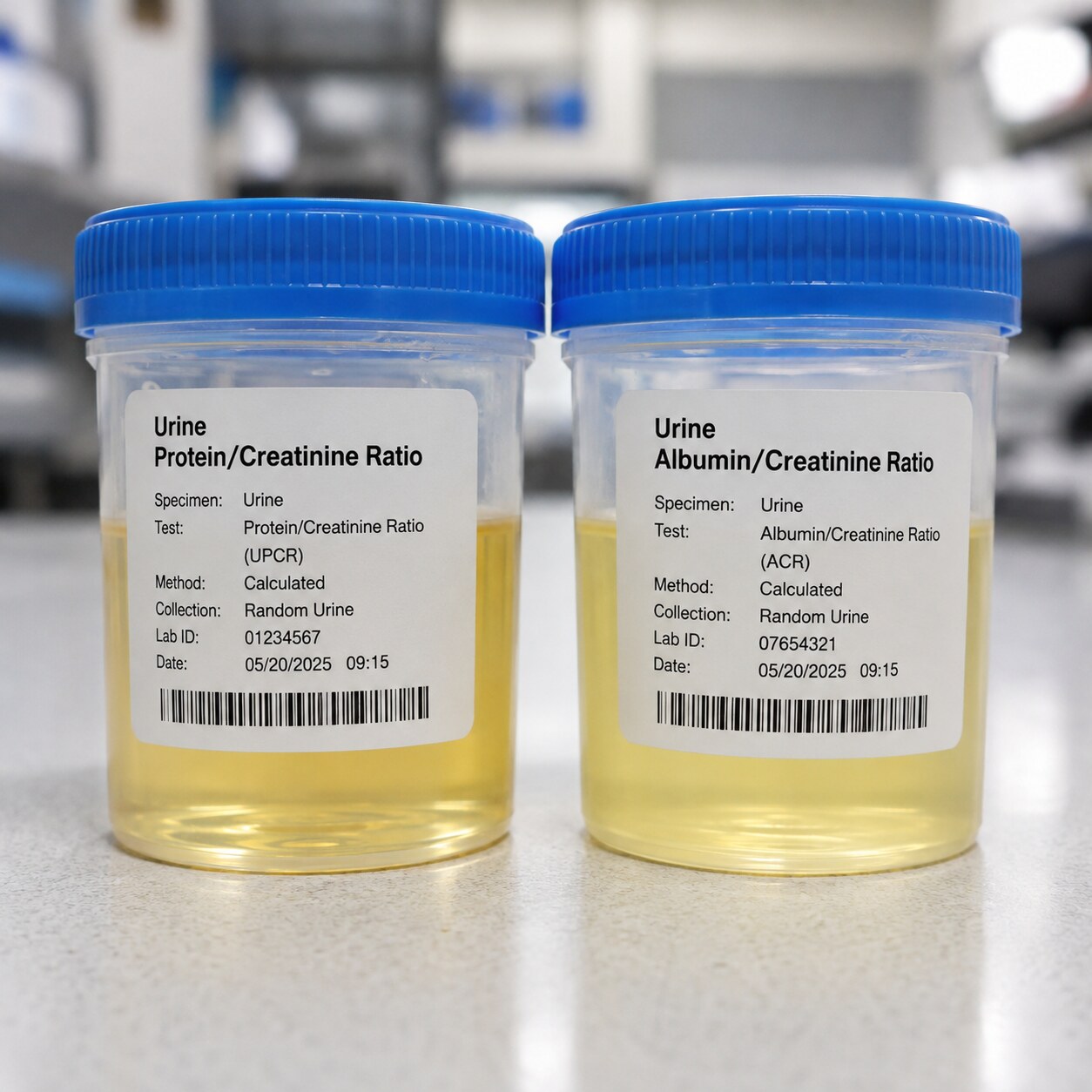
Figure 6. The urine albumin-to-creatinine ratio measures only albumin, a specific protein, while the total protein-to-creatinine ratio captures albumin plus every other protein present, making each test better suited to different clinical situations.
A closely related test, the urine albumin-to-creatinine ratio (UACR or ACR), is often confused with UPCR, but the two measure meaningfully different things. UPCR captures total protein in urine — every type of protein present, including albumin along with smaller amounts of other proteins. UACR measures only albumin specifically, the single most abundant protein normally found in blood and the earliest, most sensitive protein to appear in urine when the kidney's filtering structures begin to leak, particularly in diabetic kidney disease.
Because albumin is such an early, sensitive signal specifically for diabetic and hypertensive kidney disease, UACR is generally preferred for screening and monitoring in those specific conditions, since it can detect very early, mild kidney involvement before total protein excretion has risen enough to register clearly on a UPCR. UPCR, capturing the fuller picture of all protein types, remains preferred in situations involving more significant, established proteinuria, or when a broader category of kidney disease (not specifically diabetes-related) is being evaluated, since some kidney conditions cause loss of non-albumin proteins that a UACR alone wouldn't fully capture.
Nephrotic Syndrome: When Protein Loss Becomes Severe
At the more severe end of the proteinuria spectrum sits a distinct clinical syndrome worth understanding on its own terms. Nephrotic syndrome is diagnosed when protein loss becomes severe enough — typically defined as a UPCR above roughly 3.0 to 3.5 mg/mg, or 24-hour protein excretion exceeding 3 to 3.5 grams — that the body can no longer adequately compensate for the ongoing loss, producing a recognizable cluster of additional findings beyond the urine result itself. Because albumin is being lost from the blood faster than the liver can replace it, blood albumin levels drop, and this drop in blood protein reduces the fluid-retaining pressure blood vessels normally maintain, allowing fluid to leak into surrounding tissue and produce visible swelling, most commonly around the eyes, ankles, and abdomen.
Nephrotic syndrome also tends to raise cholesterol levels, through mechanisms related to how the liver responds to low blood protein, and it increases the risk of blood clots, since certain natural anti-clotting proteins are lost in the urine alongside albumin. This full cluster of findings — severe proteinuria confirmed by an elevated UPCR, low blood albumin, swelling, and elevated cholesterol — represents a more urgent clinical picture than isolated mild-to-moderate proteinuria, and recognizing this pattern is part of why a UPCR result significantly above the general reference range prompts more immediate evaluation rather than routine monitoring at the next scheduled visit.
UPCR in Children: A Slightly Different Context
While most of this article has focused on adult interpretation, it's worth briefly noting that UPCR testing in children follows some distinct considerations. Children's bodies are still growing, meaning muscle mass — and therefore baseline creatinine production — changes substantially with age and body size in ways that don't apply the same way to a fully grown adult, and pediatric reference ranges for UPCR account for this by using age-specific cutoffs rather than a single adult standard applied uniformly across all ages.
Orthostatic proteinuria, discussed earlier, is disproportionately common in the pediatric and adolescent age group specifically, making the posture-based comparison test (checking a first-morning sample against a daytime sample) a particularly relevant and frequently used step in pediatric evaluation before assuming a persistently elevated result reflects genuine underlying kidney disease. Certain kidney conditions that cause proteinuria are also more specifically associated with childhood onset, including some inherited and congenital kidney conditions, meaning a pediatric nephrologist evaluating an abnormal UPCR in a child may consider a somewhat different set of underlying causes than would be prioritized in an adult with the same numeric result.
Limitations Worth Understanding
Despite its practicality, UPCR has genuine, well-recognized limitations beyond the average-creatinine-excretion assumption discussed earlier. People with significantly reduced muscle mass — including some frail older adults, people living with certain chronic wasting illnesses, and individuals who have undergone limb amputation — genuinely produce less creatinine overall than the broad population average the ratio's underlying math assumes, which can make their true protein excretion appear somewhat disproportionately elevated on a calculated UPCR even when their actual, real-world protein loss is considerably more modest than the number alone would suggest. The reverse situation applies just as genuinely to people with unusually high muscle mass, such as bodybuilders or elite athletes, where the resulting ratio can actually understate true protein excretion relative to what a direct, gold-standard 24-hour measurement would have shown for that same specific individual.
Timing and recent activity can also introduce some genuine result-to-result variability worth being aware of, since strenuous physical exercise, an active fever, and even significant emotional or psychological stress shortly before sample collection can all transiently increase urine protein excretion independent of any underlying kidney disease whatsoever — part of why a single elevated UPCR, especially a mildly elevated one, is often repeated on a separate occasion before being treated as a confirmed, clinically significant finding rather than a temporary, benign fluctuation.
What Healthy Kidney Filtration Normally Prevents
Understanding why any protein shows up in urine at all requires understanding what the kidney's filtering structures normally do to keep it out. Each kidney contains roughly a million tiny filtering units called nephrons, and at the start of each nephron sits a structure called the glomerulus — a tight cluster of specialized capillaries wrapped in a filtering membrane engineered with remarkable precision. This filtering barrier is built to let water and small waste molecules pass through freely into the forming urine while holding back larger molecules, including most blood proteins, which are simply too large and, in the case of albumin specifically, carry an electrical charge that the filtering membrane's own charge actively repels, adding a second layer of exclusion beyond size alone.
In a healthy person, this filtering barrier is so effective that only a trace amount of protein — well under 150 milligrams over a full day — normally slips through and ends up in urine, an amount small enough to be considered a completely normal, expected background level rather than a sign of any problem. When this filtering barrier becomes damaged, whether from diabetes, high blood pressure, autoimmune kidney disease, or another cause, its pores effectively widen and its charge-based repulsion weakens, allowing progressively more protein to leak through into urine — the exact process the UPCR is designed to detect and quantify. Understanding this underlying anatomy is what makes the rest of this article's discussion of protein excretion feel concrete rather than abstract: a rising UPCR isn't just a number moving on a page, it's a direct reflection of how well or poorly that microscopic filtering structure is currently doing its job.
How This Test Fits Into a Broader Kidney Evaluation
UPCR is rarely interpreted as a completely standalone result, and understanding what else typically accompanies it helps paint a fuller picture of why a clinician ordered it in the first place. Serum creatinine and the estimated glomerular filtration rate (eGFR), calculated from that blood creatinine value, are almost always checked alongside urine protein testing, since these blood-based markers reflect how well the kidneys are filtering blood overall, while UPCR specifically reflects how much of the filtering barrier's selectivity has been lost. A person can have a normal eGFR with an elevated UPCR, particularly in earlier kidney disease, since protein leakage often begins before overall filtering capacity has measurably declined — making UPCR a genuinely useful early warning signal that a blood-based test alone might miss.
Blood pressure measurement is another near-universal companion to this test, since chronically elevated blood pressure is both a common cause of kidney damage and a common consequence of it, creating a bidirectional relationship clinicians watch closely together with protein excretion trends. In someone with diabetes, blood glucose control markers like hemoglobin A1c are typically reviewed alongside UPCR results as well, since the two are directly linked: better long-term glucose control is associated with slower progression of diabetic kidney damage and, correspondingly, more stable or improving protein excretion over time.
The History Behind Why Creatinine Specifically Was Chosen
It's worth understanding briefly why creatinine, out of all the substances present in urine, became the standard reference marker for this correction, rather than some other consistently excreted substance. Creatinine has a specific set of properties that make it particularly well suited to this role: it's produced at a fairly predictable, steady rate from the routine breakdown of creatine, a compound stored primarily in muscle tissue, and its production rate for any given individual stays remarkably consistent day to day, largely independent of diet, hydration, or time of day, unlike many other substances found in urine whose concentrations fluctuate for reasons unrelated to kidney function.
Beyond its production consistency, creatinine was already a well-established, widely available, inexpensive laboratory measurement by the time researchers began exploring urine protein correction methods in the latter half of the twentieth century, since it was already being measured routinely in blood for kidney function assessment — meaning adopting it as a urine reference marker required no new laboratory infrastructure or specialized testing capability, an important practical consideration in making the ratio genuinely feasible for widespread, routine clinical adoption rather than remaining a research-only technique.
How Results Are Actually Reported and What the Units Mean
Reading a UPCR result on an actual lab report can be confusing if the units aren't immediately clear, since different labs occasionally express the same underlying information slightly differently. Most commonly, the result is reported as a simple unitless ratio, or expressed in milligrams of protein per milligram of creatinine (mg/mg), since both protein and creatinine are measured in the same concentration units (mg/dL) from the same sample, causing the units to effectively cancel out in the division. Some reports instead convert this directly into an estimated 24-hour protein excretion figure, expressed in milligrams or grams per day, applying the same average-creatinine-excretion assumption discussed earlier in this article to translate the ratio into more immediately familiar units.
When reviewing a personal lab report, it's worth checking which specific format was used and comparing it against the reference range printed on that same report, rather than assuming a fixed universal cutoff applies, since the exact numeric threshold for what counts as "elevated" can shift slightly depending on which of these reporting conventions a particular laboratory uses.
Frequently Asked Questions
Do I need to fast or avoid drinking water before this test?
No special preparation is typically required. Because the ratio corrects for how concentrated or diluted the sample is, normal fluid intake beforehand doesn't meaningfully affect the result the way it would affect a raw, uncorrected protein number.
Is UPCR as accurate as a 24-hour urine collection?
Research has found UPCR correlates strongly with 24-hour collection results for most clinical purposes, which is why it's now the preferred first-line test. A 24-hour collection may still be used in specific situations requiring maximum precision, but UPCR is considered a reliable, well-validated substitute for routine use.
Why did I get a UACR test at one visit and a UPCR at another?
The two tests serve different purposes — UACR specifically measures albumin and is preferred for diabetes-related kidney screening, while UPCR measures total protein and is used more broadly for evaluating and monitoring proteinuria in general. A clinician may order either depending on the specific clinical question being asked.
Should I be worried if my UPCR is only slightly above the normal range?
A mildly elevated result is often repeated to confirm it isn't a temporary fluctuation from exercise, illness, or stress before being treated as clinically significant. A single mildly elevated reading isn't automatically a diagnosis on its own — trend and clinical context matter considerably.
Does the time of day I collect the sample matter?
For routine UPCR testing, timing is generally more flexible than it is for tests like fasting glucose, since the ratio corrects for concentration regardless of when the sample is taken. Some specific research or clinical protocols prefer a first-morning sample for consistency, but this isn't universally required for standard clinical use.
Can medications affect my UPCR result?
Certain medications, including some blood pressure medications in the ACE inhibitor and ARB classes, are specifically prescribed in part because they reduce urine protein excretion over time, meaning a UPCR trend can reflect treatment response as much as underlying disease progression. Other medications and supplements have less predictable effects, so mentioning your current medications when reviewing results is worthwhile.
How to Talk to a Healthcare Provider About This Result
If you're looking at a UPCR result on your own lab report and want to bring an informed question into a conversation with a healthcare provider, the most useful things to ask about aren't necessarily the number itself, but the surrounding context: whether this is a first-time finding or part of an ongoing trend across multiple visits, whether it fits a pattern consistent with a known condition you're already being monitored for (like diabetes or a prior kidney issue), and whether repeat testing or additional evaluation is being recommended as a next step. Asking specifically whether the result reflects total protein (UPCR) or albumin specifically (UACR) is also a genuinely useful clarifying question, since, as covered earlier, these two related but distinct tests are sometimes used somewhat interchangeably in casual conversation despite measuring different things.
Conclusion
The urine protein-to-creatinine ratio exists to solve a specific, practical problem: a raw urine protein number is unreliable on its own because urine concentration constantly shifts, while the gold-standard 24-hour collection that avoids this problem is too inconvenient for routine, repeated use. Dividing protein by creatinine — a waste product the body produces at a remarkably steady rate — cancels out the dilution problem and turns one convenient spot sample into a result that closely approximates a full day's worth of collection. Whether it was ordered to follow up on a dipstick finding, monitor chronic kidney disease, screen for preeclampsia, or track diabetic kidney involvement, understanding this underlying mechanism is what turns an unfamiliar ratio on a lab report into a genuinely interpretable piece of information.
Still Not Sure What Your Results Mean?
Upload your labs and get a complete, visual, plain-language interpretation of every biomarker — delivered to your inbox in under 15 minutes.
Get My ReportThis article is for educational purposes only and does not constitute medical advice. Always consult your healthcare provider regarding your specific lab results.