
Why Do Ketones Appear During Fasting or Low-Carb Diets?
Seeing "ketones: positive" on a urine test result can be genuinely alarming if the only context you have for that word is diabetic ketoacidosis, a serious medical emergency. But ketones themselves aren't a disease or a warning sign by default — they're a completely normal backup fuel your liver manufactures whenever your body runs low on its preferred source of energy, carbohydrates. Fasting, skipping meals for an extended stretch, and following a low-carb or ketogenic diet all create exactly the conditions that trigger this switch, and for the vast majority of healthy people, that's an expected, harmless metabolic adaptation rather than a red flag. This article explains what ketones actually are, why your body starts making them under these specific conditions, and — just as importantly — how to tell the difference between this normal process and the genuinely dangerous version that shows up in certain medical emergencies.
What Ketones Actually Are
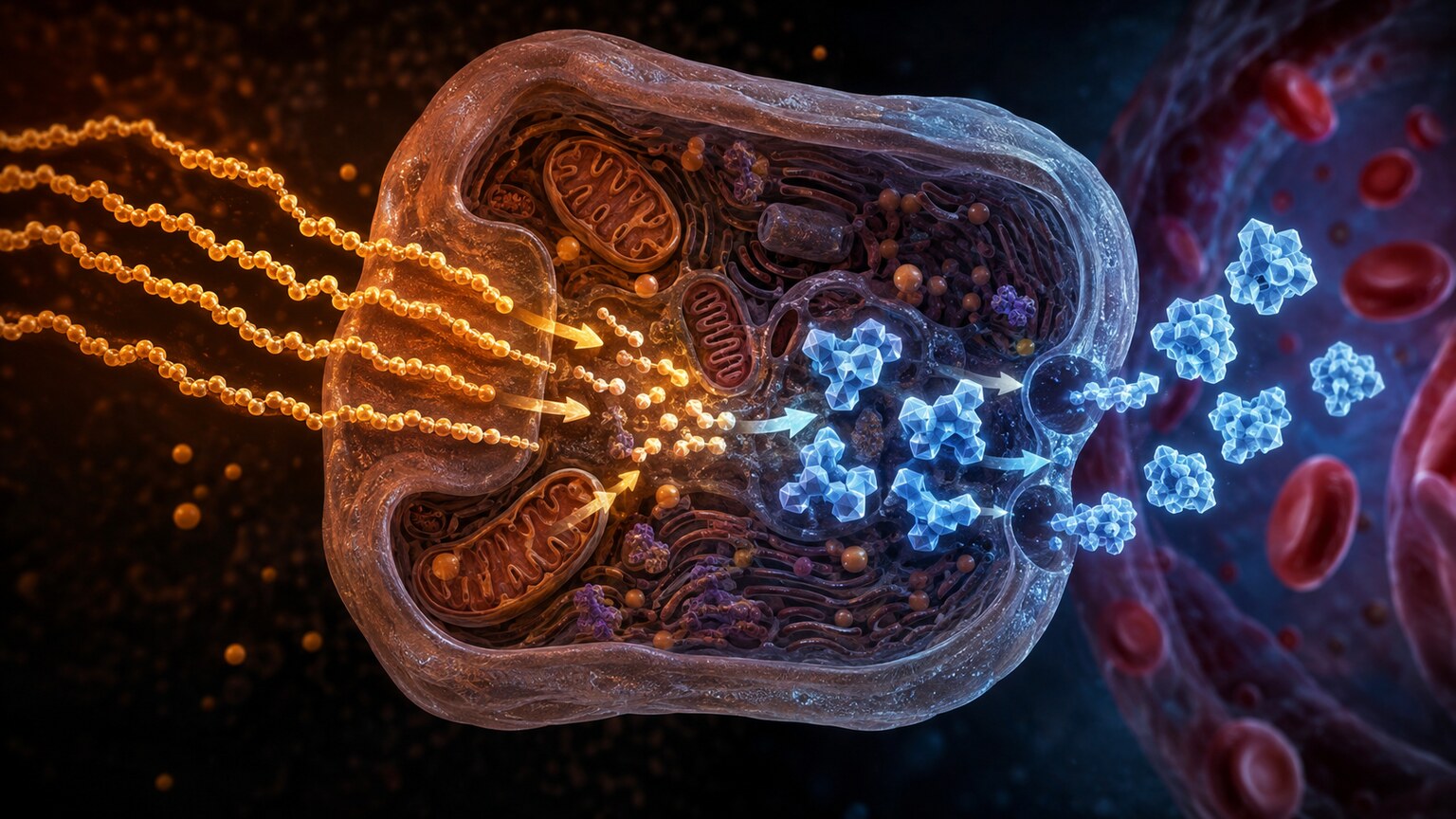
Ketones, more precisely called ketone bodies, are small energy-carrying molecules your liver produces from fat. There are three of them: acetoacetate, beta-hydroxybutyrate, and acetone, and while they're closely related chemically, they play slightly different roles — acetoacetate and beta-hydroxybutyrate circulate through the blood and get used as fuel by tissues throughout the body, while acetone is mostly a byproduct that leaves the body through your breath and urine, which is exactly why deep ketosis can produce a distinctive, faintly sweet or fruity breath odor some people notice. The important thing to understand is that ketones aren't waste products or evidence something has gone wrong — they're a genuinely functional, energy-rich fuel source, one your body evolved specifically to fall back on whenever your usual fuel supply, glucose from carbohydrates, becomes scarce.
The Fuel-Switching Mechanism Behind Ketone Production
Your body strongly prefers to run on glucose, and it keeps a reserve supply stored in your liver and muscles in a form called glycogen, ready to be broken back down into glucose whenever blood sugar starts to dip between meals. That reserve is genuinely substantial, but it's also finite — for most people, roughly 12 to 24 hours of fasting, or a diet cutting carbohydrates dramatically low, is enough to draw those glycogen stores down significantly. As glycogen runs low, insulin, the hormone that normally rises after eating and tells your body to store and use glucose, drops, while glucagon, its counterpart hormone, rises and signals your body to start pulling energy from other sources instead. That hormonal shift triggers your fat cells to release stored fatty acids into the bloodstream in much larger amounts than usual, and your liver, receiving this surge of incoming fatty acids, converts a significant portion of them into ketone bodies through a process called ketogenesis, releasing them back into the bloodstream to be used as an alternative fuel by your muscles, heart, and, notably, your brain, which can't run on fatty acids directly but adapts remarkably well to running substantially on ketones instead.
Curious what the rest of your urinalysis is telling you? Upload your results and get a complete, plain-language breakdown in under 15 minutes.
Analyze My ResultsThe Critical Difference Between Nutritional Ketosis and a Medical Emergency
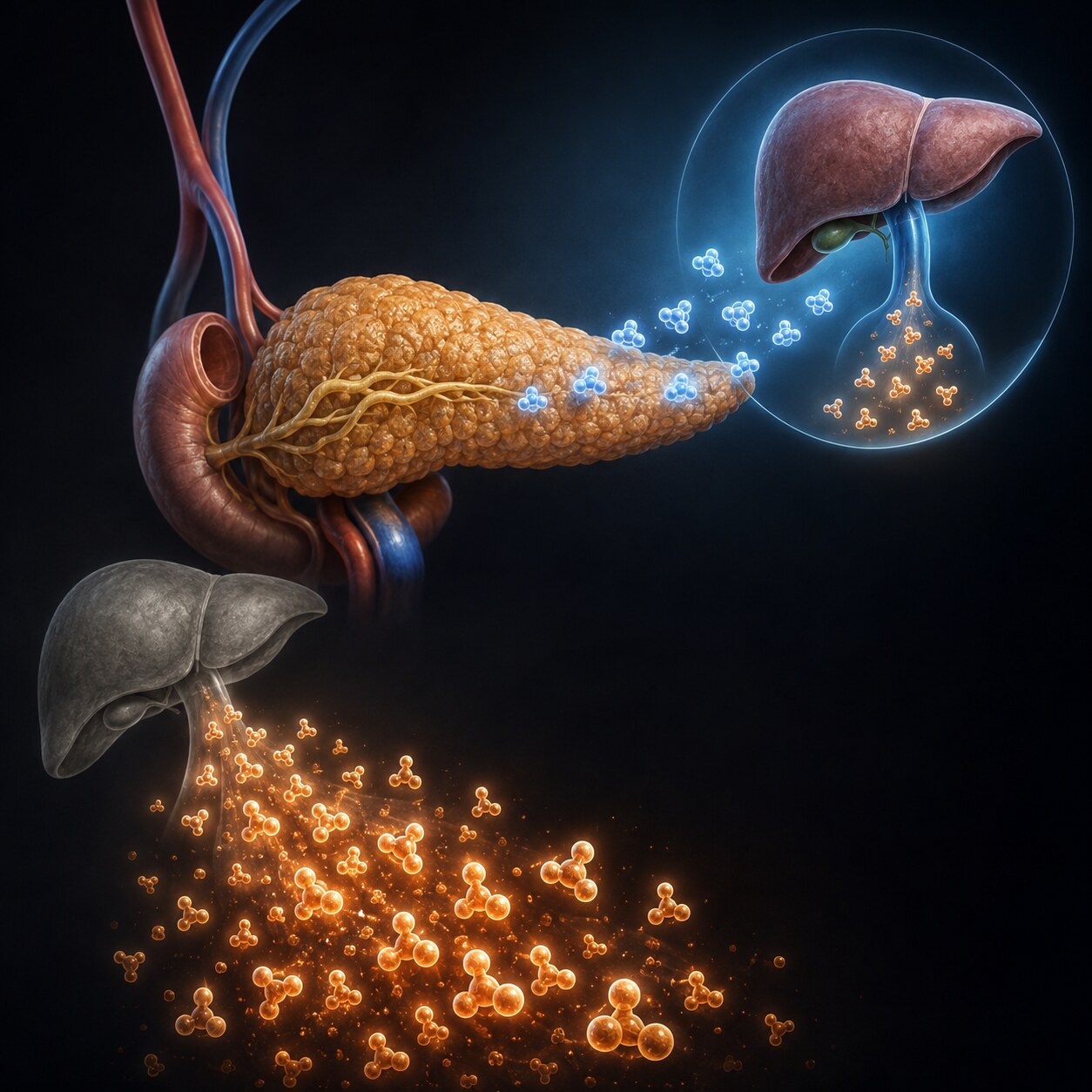
This is the single most important distinction in this entire topic, and it hinges on one specific detail: how much insulin is still present and active in your body while this process is happening. In a healthy person who is fasting or eating low-carb, the pancreas continues producing at least a small, baseline amount of insulin even as levels drop. That residual insulin acts as a natural brake on the whole system — it doesn't stop ketone production entirely, but it keeps it within a controlled, moderate range, generally described as nutritional ketosis, where blood ketone levels typically settle somewhere between roughly 0.5 and 3 millimoles per liter and the blood's normal pH stays completely stable. Diabetic ketoacidosis, or DKA, is a fundamentally different situation that occurs almost exclusively when insulin is severely deficient or entirely absent, most commonly in someone with type 1 diabetes whose body genuinely cannot produce insulin on its own. Without that regulating brake, ketone production spirals unchecked, often climbing to blood levels five to ten times higher than nutritional ketosis, and because ketones are mildly acidic, this flood overwhelms the blood's normal buffering capacity and causes a genuine, dangerous drop in blood pH — a true medical emergency requiring immediate hospital treatment, not something managed by adjusting a diet.
Why a Urine Strip Doesn't Always Match How "Deep" Someone's Ketosis Really Is
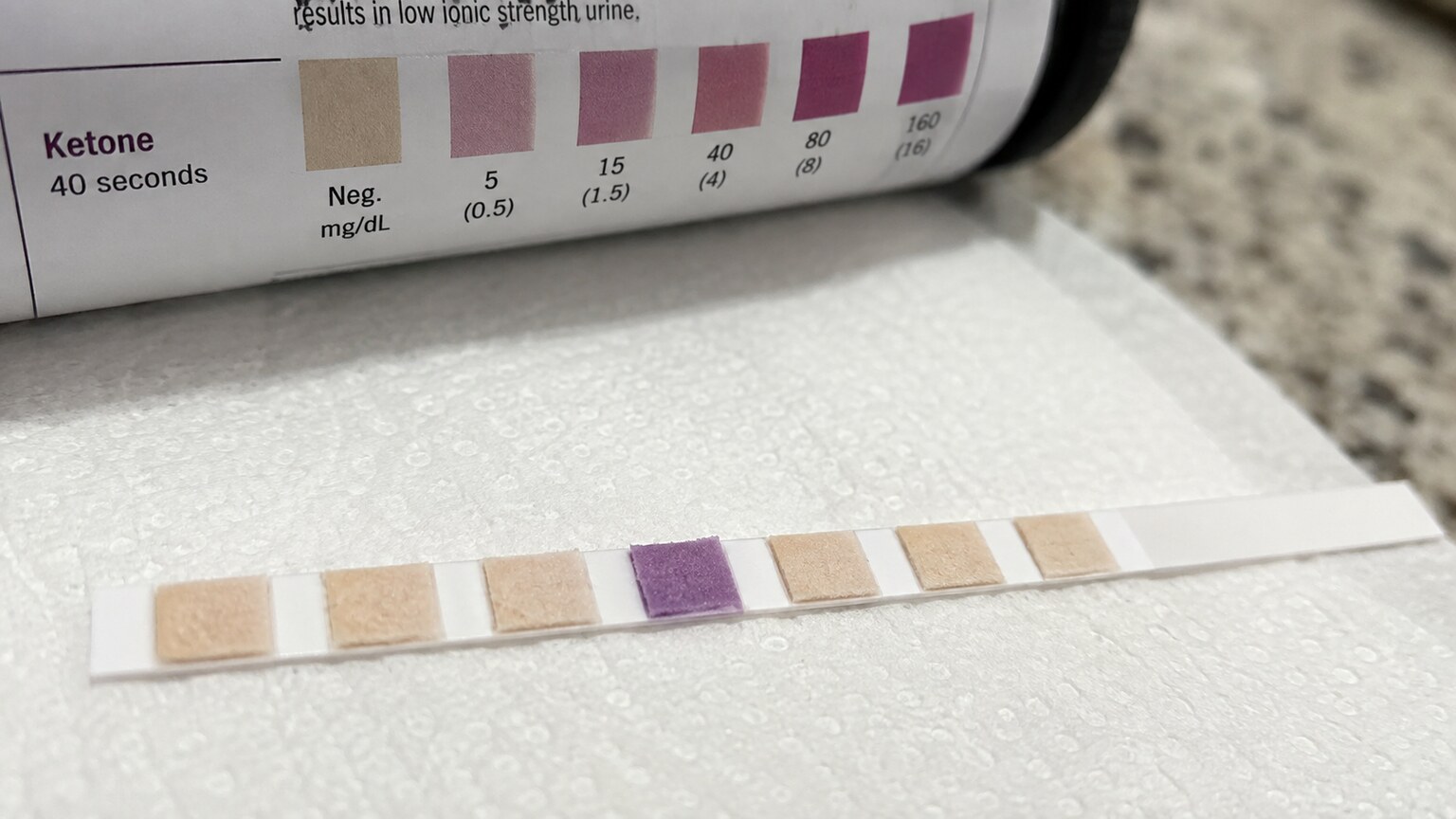
Here's a detail that trips up a lot of people trying to track their own ketone levels at home: standard urine dipstick tests are chemically designed to react specifically with acetoacetate, one of the three ketone bodies, and they detect beta-hydroxybutyrate — often the dominant ketone once someone has been in ketosis for a while — poorly or not at all. Early in fasting or a new low-carb diet, the ratio of ketones your liver produces leans more heavily toward acetoacetate, so urine strips tend to read accurately and often show a strong positive result. But as someone becomes more metabolically adapted to running on fat and ketones over subsequent weeks, the body's chemistry shifts to favor producing more beta-hydroxybutyrate relative to acetoacetate — a genuinely useful adaptation, since beta-hydroxybutyrate is a more efficient, stable fuel. The confusing result is that urine strips can start showing a weaker positive, or even a false negative, in someone who is actually in deeper, more established ketosis than a beginner whose strip reads strongly positive. Blood ketone meters, which measure beta-hydroxybutyrate directly, give a far more accurate and consistent picture of true ketone levels for anyone who wants to track this closely, which is why athletes and clinicians monitoring ketosis for medical reasons generally prefer blood testing over urine strips.
This same acetoacetate-versus-beta-hydroxybutyrate distinction actually has clinical relevance beyond home dieting, since it can complicate how a hospital lab interprets urinalysis results in a patient who's genuinely unwell. Someone in early, worsening DKA might initially show a strongly positive urine ketone result as acetoacetate rises, but as the condition becomes more severe and the body's chemistry shifts further, beta-hydroxybutyrate can come to dominate the ketone mixture even more heavily than in nutritional ketosis, meaning a urine strip can, in rare and specific circumstances, understate just how severe someone's ketoacidosis has actually become. This is a significant part of why hospitals treating suspected DKA rely on direct blood ketone or blood gas measurements rather than urine strips alone, reserving urine testing mainly as an initial screening tool rather than the definitive measurement guiding emergency treatment decisions.
Other Situations That Trigger the Same Process

Beyond intentional fasting and low-carb eating, several other situations trigger this same fundamental fuel-switching mechanism, since the underlying trigger — an unavailability of carbohydrate fuel, whatever the cause — is shared across all of them. Prolonged vomiting or a stomach illness that prevents someone from keeping food down for an extended stretch can push the body into ketosis simply because it isn't receiving carbohydrates, regardless of intention. Pregnancy involves a well-documented phenomenon called "accelerated starvation," where the developing fetus's constant demand for glucose depletes the mother's glycogen reserves considerably faster than normal, meaning pregnant women can develop measurable ketones after a much shorter fasting stretch than a non-pregnant person would, even overnight. Heavy alcohol use combined with poor food intake can produce a related but distinct picture called alcoholic ketoacidosis, where alcohol's effects on liver metabolism compound the effects of not eating. And a newer, medication-related cause has become increasingly relevant: SGLT2 inhibitors, a class of diabetes medications that work by causing the kidneys to excrete excess glucose in urine, can occasionally trigger a dangerous condition called euglycemic diabetic ketoacidosis, where ketones climb to genuinely concerning levels even though blood glucose stays close to normal, an unusual and easy-to-miss combination precisely because the "glucose is normal" reassurance that would normally rule out DKA doesn't apply.
Medications That Change the Risk Calculation

The SGLT2 inhibitor connection deserves a closer look, because it's precisely the kind of detail that can make an otherwise reasonable low-carb diet genuinely risky for a specific group of people. These medications, which include drugs prescribed for type 2 diabetes and, increasingly, for certain heart failure and kidney conditions, work by blocking glucose reabsorption in the kidneys, causing more sugar to be flushed out in urine — a mechanism that's separate from, but capable of layering directly on top of, the low-carb, low-insulin state described earlier in this article. Someone taking one of these medications who also adopts a very low-carbohydrate or ketogenic diet, undergoes surgery, or experiences a significant illness, is at meaningfully elevated risk of developing euglycemic DKA, since the medication is already nudging the body's fuel balance in the same direction a low-carb diet does. This is exactly why anyone prescribed an SGLT2 inhibitor should have an explicit conversation with their prescribing doctor before starting a significantly low-carb or ketogenic diet, and why these medications are often specifically paused before planned surgery — a precaution most patients would never guess is connected to something as ordinary-sounding as their diet.
Other diabetes medications carry their own, more familiar considerations worth mentioning alongside SGLT2 inhibitors. Insulin itself, ironically, is the direct treatment for DKA precisely because restoring it re-establishes the natural brake on ketone production described throughout this article — which is exactly why insulin doses should never be skipped or reduced on someone's own initiative when eating less, a mistake that can inadvertently push a person with type 1 diabetes toward the exact unchecked ketone production this article describes as dangerous. Metformin, one of the most commonly prescribed type 2 diabetes medications, doesn't share the same ketone-related risk profile as SGLT2 inhibitors, though it carries its own separate warning about a rare complication called lactic acidosis under certain conditions, unrelated to the ketone mechanism discussed here. The broader lesson across all of these medication-specific considerations is the same: anyone managing diabetes who is considering a significant dietary change, including intentional fasting or a ketogenic approach, benefits enormously from looping in their prescribing doctor first, since the safety profile of that change depends heavily on exactly which medications are already part of the picture.
Recognizing the Difference in Symptoms
Nutritional ketosis, especially during the first few days of a new fast or low-carb diet, can genuinely cause noticeable symptoms — fatigue, mild headache, irritability, and difficulty concentrating are common during what's often called the "keto flu," a temporary adjustment period as the body shifts its primary fuel source, typically resolving within a week as the body adapts. These symptoms, while unpleasant, are generally mild and don't progressively worsen. Diabetic ketoacidosis presents very differently and considerably more severely: excessive thirst and urination, nausea and vomiting that doesn't resolve, deep and unusually rapid breathing as the body tries to blow off excess acid through the lungs, confusion, and a fruity breath odor that's noticeably more pronounced than the mild ketosis breath some low-carb dieters notice. Blood glucose in DKA is also typically very high, often well above 250 mg/dL, except in the euglycemic variant discussed above. Anyone experiencing the DKA-pattern symptoms — particularly rapid, labored breathing, persistent vomiting, or confusion — needs emergency medical evaluation immediately, regardless of what their diet has looked like recently.
One more detail helps separate these two pictures at the bedside: the pace at which symptoms develop. Nutritional ketosis-related symptoms during the initial adjustment period tend to build gradually over a day or two and then plateau or improve, tracking predictably with how long someone has been fasting or restricting carbohydrates. DKA symptoms, by contrast, often escalate over a period of hours rather than days, particularly once vomiting begins, since the resulting inability to stay hydrated compounds the underlying metabolic problem quickly. A slow, mild, gradually improving set of symptoms lines up with ordinary ketosis; a rapid, worsening trajectory over a matter of hours is a pattern that should never be waited out at home, regardless of how it compares to what someone remembers feeling during a previous, uneventful low-carb diet.
Who Should Be Genuinely Cautious About Ketosis
For the average healthy adult without diabetes, fasting or low-carb-induced ketosis is a well-tolerated, entirely normal metabolic state that human physiology is genuinely built to handle. The picture changes meaningfully for specific groups. Anyone with type 1 diabetes carries a categorically different risk, since their body's inability to produce insulin removes the natural brake on ketone production described earlier — even a relatively low-carb diet has to be approached carefully, with close blood glucose and ketone monitoring, ideally under a doctor's guidance, since the line between manageable nutritional ketosis and genuine DKA is far thinner without that insulin safety margin. People with type 2 diabetes on SGLT2 inhibitors, as discussed above, face an elevated and somewhat less predictable risk. Pregnant women should approach any significant fasting or ketogenic eating pattern with direct medical guidance, given how much faster ketosis develops in pregnancy and the theoretical concerns some research has raised about fetal exposure to elevated ketone levels. And anyone with a history of pancreatitis, significant liver disease, or a rare inherited metabolic disorder affecting fat breakdown should discuss any major dietary change with their doctor before attempting an extended fast or ketogenic diet, since these conditions can interfere with the body's ability to safely process the increased fat metabolism involved.
Children represent another group worth mentioning specifically, since their metabolism differs meaningfully from that of adults in ways that affect how quickly and how significantly ketosis develops. Children have proportionally smaller glycogen reserves relative to their metabolic rate than adults do, which means they can develop measurable ketones — sometimes called "ketotic hypoglycemia" in this age group — after a much shorter period without food, occasionally after skipping just a single meal or during a stomach illness that limits eating for even half a day. This is generally a benign, self-limited finding in an otherwise healthy child, but it's exactly why pediatricians ask detailed questions about recent eating patterns when ketones show up on a child's urine test, and why prolonged fasting or restrictive diets are approached with considerably more caution in children than in adults, given how much less metabolic reserve they have to draw on before the picture starts to look different from a typical benign finding.
The Fruity Breath: What "Keto Breath" Actually Is
Among the more socially noticeable effects of ketosis is a distinct change in breath odor that many people describe as fruity, sweet, or occasionally likened to nail polish remover — and there's a precise chemical reason behind it. Acetone, one of the three ketone bodies discussed earlier, is volatile, meaning it evaporates readily at body temperature, and unlike acetoacetate and beta-hydroxybutyrate, it isn't efficiently used as fuel by tissues — it's more of a byproduct that the body eliminates primarily through the lungs during normal breathing, alongside a smaller amount excreted in urine and sweat. As ketone production ramps up during fasting or carbohydrate restriction, more acetone gets generated and exhaled, and at high enough concentrations, it becomes noticeable not just to the person experiencing it but sometimes to people standing close by. This same chemical is genuinely why some glucometers marketed for at-home use include breath-based ketone testing as an alternative to blood or urine tests, measuring exhaled acetone directly through a small handheld sensor. While socially inconvenient for some, keto breath itself is harmless and simply a visible sign that the fuel-switching process described throughout this article is actively underway, typically fading somewhat as the body becomes more metabolically efficient at utilizing ketones rather than simply overproducing and excreting the acetone byproduct.
Ketone Testing Methods Compared
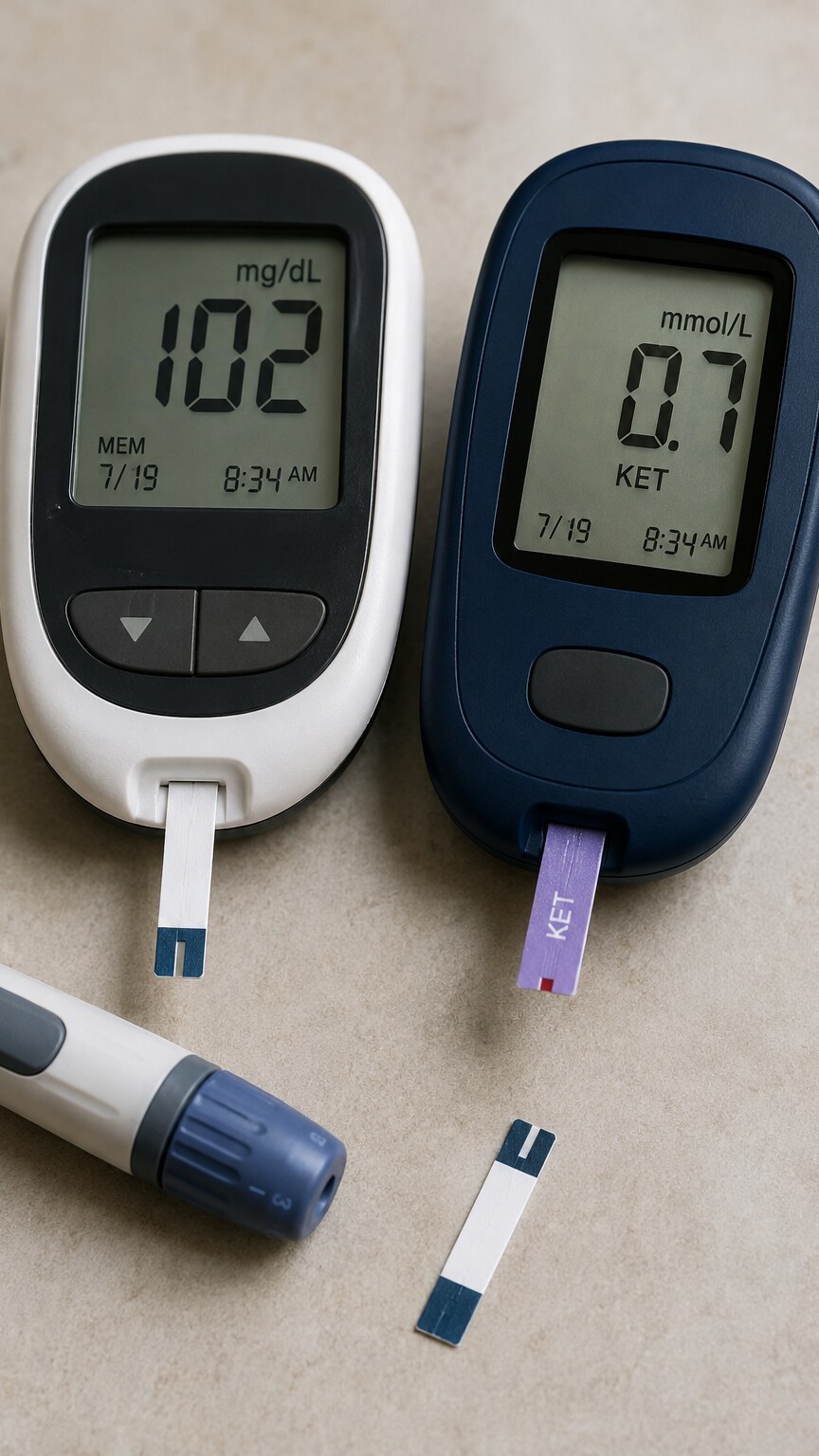
Beyond the urine strip and blood meter methods already discussed, it's worth understanding the practical tradeoffs between them side by side, since each has a distinct role depending on what someone actually needs to know. Urine strips are inexpensive, widely available without a prescription, and require no needles, making them a reasonable low-cost option for a rough, qualitative check — useful for confirming that ketosis has begun at all, even if the exact reading becomes less reliable over time as discussed earlier. Blood ketone meters, which require a small finger-prick sample similar to a blood glucose check, measure beta-hydroxybutyrate directly and give a precise numeric value that stays accurate and consistent throughout every stage of ketosis, making them the preferred choice for anyone who needs to track their level closely, including people with diabetes monitoring for early signs of DKA. Breath meters offer a needle-free, reusable alternative that correlates reasonably well with blood levels for general tracking purposes, though they're generally considered somewhat less precise than a direct blood measurement and more useful for spotting trends over time than for a single, clinically important decision. For most people simply curious about a positive urine result found on a routine medical urinalysis, none of this home-testing detail is necessary — the finding is a data point for a doctor to interpret within the fuller context of the visit, not something requiring independent home monitoring afterward.
What to Do If Ketones Show Up Unexpectedly
If a urine or blood test reveals ketones and you weren't intentionally fasting or following a low-carb diet, it's worth pausing to think through the context rather than panicking immediately. Ask whether you've eaten less than usual recently, whether you've been vomiting or unable to keep food down, whether you're pregnant, and whether you take any diabetes medications, particularly an SGLT2 inhibitor. For someone without diabetes and no other concerning symptoms, a mild positive result after a period of reduced eating is very likely a benign, explainable finding. For anyone with diabetes, especially type 1, an unexpected positive ketone result paired with high blood glucose warrants immediate attention and should prompt contacting a doctor or seeking urgent care, since this specific combination is exactly the pattern that precedes DKA. When in doubt, checking blood glucose alongside ketones, and not dismissing symptoms like persistent nausea or unusually rapid breathing, is always the safer path — the distinction between a normal metabolic adaptation and a genuine emergency is real and important, but it's also identifiable with the right context.
It's also worth knowing what a doctor will typically want to know if you bring up an unexpected ketone finding, since coming prepared with this information can make the visit considerably more productive. Roughly how many hours it had been since your last meal, whether that gap was intentional or the result of illness or nausea, any recent changes to medications, particularly anything related to diabetes management, and whether you've noticed any of the more concerning symptoms described earlier — excessive thirst, rapid breathing, confusion — are all details a clinician will ask about almost immediately. Bringing a home blood glucose reading, if you have access to one, adds real diagnostic value, since the combination of ketones and glucose together tells a far more complete story than either number alone. This kind of preparation doesn't just save time; it helps a doctor distinguish quickly between a finding that needs nothing more than reassurance and one that genuinely requires urgent workup.
How Long It Actually Takes to Reach Measurable Ketosis
The timeline genuinely varies from person to person, but a few general patterns hold up across most healthy adults. After a normal meal containing carbohydrates, insulin stays elevated for a few hours, actively suppressing ketone production almost entirely, which is why ketones are essentially undetectable in the blood or urine of someone eating a typical mixed diet throughout the day. Somewhere between 12 and 18 hours into a fast, once liver glycogen has been meaningfully depleted, ketone levels begin rising measurably, though usually still too low to register as more than a faint trace on a urine strip. By 24 to 48 hours of continued fasting, or after several days of strict carbohydrate restriction below roughly 20 to 50 grams a day, most healthy people reach what's considered established nutritional ketosis, with blood ketone levels settling into that 0.5 to 3 millimoles-per-liter range described earlier. Individual factors shift this timeline considerably — someone with more muscle mass and higher metabolic activity tends to deplete glycogen faster than someone more sedentary, and prior experience with low-carb eating seems to make the transition quicker on subsequent attempts, likely reflecting some degree of metabolic adaptation retained from previous periods of ketosis.
Why the Brain's Relationship With Ketones Matters So Much
The brain's ability to run on ketones is really the linchpin that makes this entire fuel-switching system work, and it's worth appreciating why. Under normal circumstances, your brain consumes a disproportionately large share of your body's total glucose, and unlike muscle tissue, it can't directly burn fatty acids for fuel — the fat molecules themselves can't cross the blood-brain barrier in usable form. Ketone bodies, being smaller and structurally different, can cross that barrier freely, and after a period of adaptation lasting roughly one to two weeks, the brain can derive somewhere around 60 to 75% of its energy needs from ketones instead of glucose, dramatically reducing how much glucose the body needs to produce or consume from food to keep the brain functioning normally. This adaptation is precisely what allows humans to survive extended fasting periods, historically an important survival advantage, without the severe cognitive impairment that would otherwise result from the brain being starved of fuel. It also explains why the "keto flu" symptoms described elsewhere in this article tend to improve noticeably after the first week or two — that's roughly the window during which the brain's ketone-adaptation machinery ramps up and cognitive fog from the transition period genuinely starts to lift.
Frequently Asked Questions
Is it normal to have ketones in my urine if I'm fasting or eating low-carb?
Yes. This reflects your body switching to fat and ketones for fuel once carbohydrate stores run low, a normal and well-tolerated adaptation in healthy people, distinctly different from the dangerous, unchecked ketone buildup seen in diabetic ketoacidosis.
How is nutritional ketosis different from diabetic ketoacidosis?
The key difference is insulin. In nutritional ketosis, residual insulin keeps ketone production within a controlled, moderate range. In DKA, severely deficient insulin allows ketone production to spiral unchecked, causing dangerous blood acidity, typically alongside very high blood glucose.
Why does my urine ketone strip sometimes read weaker even though I feel deeper into ketosis?
Urine strips mainly detect acetoacetate, but as the body becomes more adapted to ketosis, it shifts toward producing more beta-hydroxybutyrate, which urine strips detect poorly. Blood ketone meters, which measure beta-hydroxybutyrate directly, give a more accurate picture.
Can a medication make ketosis more dangerous?
Yes. SGLT2 inhibitors, a class of diabetes medications, can occasionally trigger euglycemic diabetic ketoacidosis, where ketones become dangerously elevated even with normal blood glucose. Anyone on this medication should talk to their doctor before starting a low-carb diet.
What symptoms suggest ketones have become a medical emergency rather than normal ketosis?
Persistent vomiting, unusually rapid or labored breathing, confusion, and very high blood glucose suggest DKA rather than normal ketosis, and warrant immediate emergency medical evaluation rather than waiting to see if symptoms resolve.
Conclusion
Ketones showing up on a test result are, in the overwhelming majority of cases, simply evidence that your body has switched to an alternative, entirely functional fuel source because carbohydrates weren't available — a well-engineered backup system, not a malfunction. The genuine danger lies specifically in diabetic ketoacidosis, a distinct condition defined by a near-total absence of insulin that lets this normal process spiral out of control, and understanding that distinction is what allows a positive ketone result to be read correctly instead of triggering unnecessary alarm. For most healthy people fasting or eating low-carb, ketones are simply a sign the plan is working as intended. For anyone with diabetes, particularly type 1, or taking specific medications like SGLT2 inhibitors, that same result deserves closer attention and a conversation with a doctor before drawing any conclusions on your own.
Still Not Sure What Your Results Mean?
Upload your labs and get a complete, visual, plain-language interpretation of every biomarker — delivered to your inbox in under 15 minutes.
Get My ReportThis article is for educational purposes only and does not constitute medical advice. Always consult your healthcare provider regarding your specific lab results.