
What Does Finding Yeast in a Urine Sample Suggest?
If your urinalysis report came back mentioning yeast cells seen under the microscope during the microscopic examination of your urine sediment, the first thing worth knowing is that this finding, on its own, doesn't automatically mean you have an infection that needs treatment. Yeast is a type of fungus, and small numbers of yeast organisms live harmlessly on skin and in the genital area of most people, meaning a few stray cells can simply end up in a urine sample without ever having been inside the bladder at all. At the same time, yeast found in urine can sometimes signal a genuine urinary tract infection, especially in people with diabetes, a weakened immune system, or a recent course of antibiotics. Telling these two very different situations apart is exactly what the rest of this article walks through in detail — what the lab is actually looking at under that microscope, what specifically makes contamination versus a true underlying infection more or less likely given your own individual circumstances, and what typically happens clinically next once that distinction has been made.
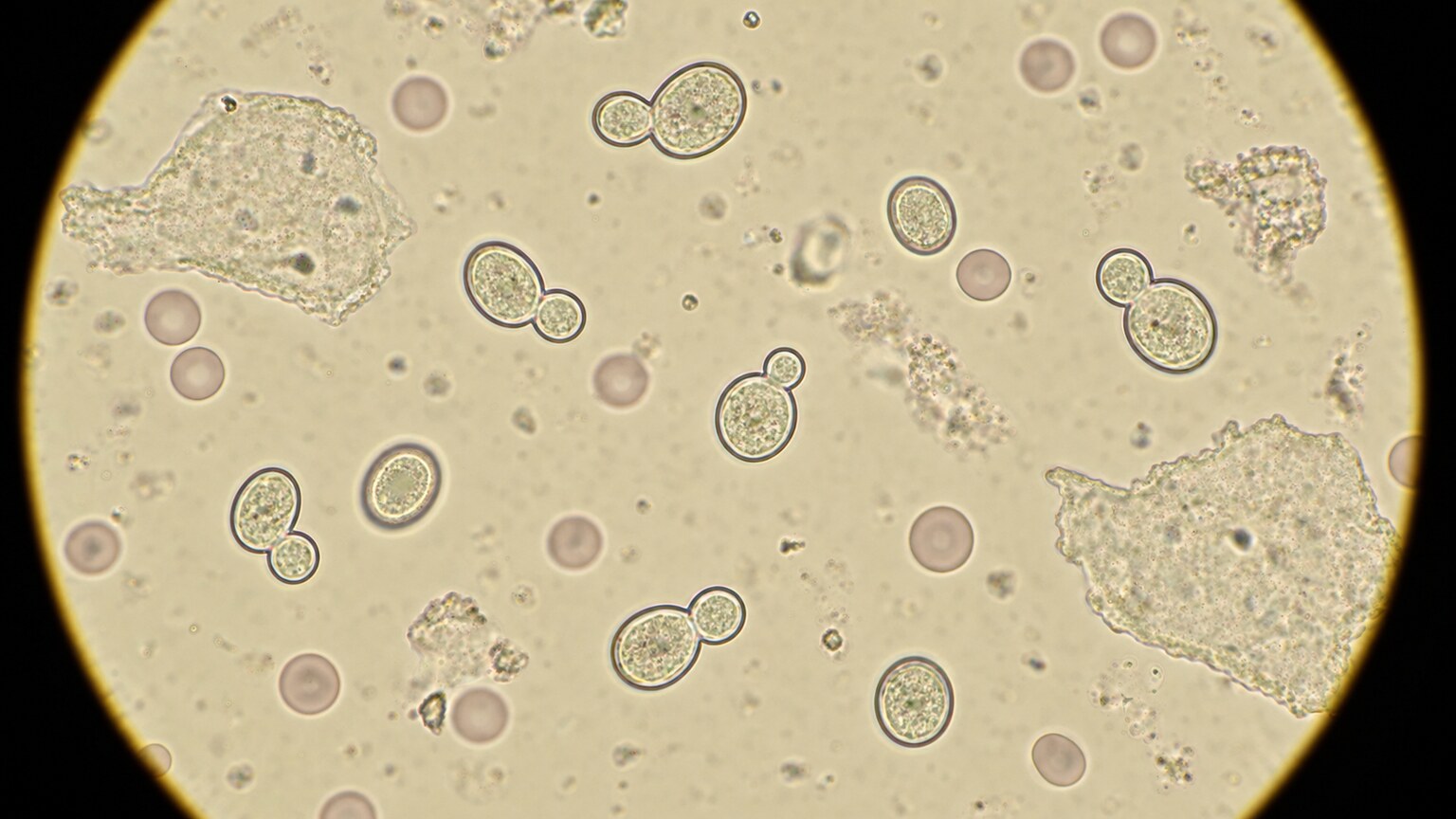
Figure 1. Yeast cells appear under the microscope as small, oval, refractile structures, often with a visible bud, that can be mistaken for red blood cells at low magnification until their distinct shape is confirmed.
Curious what the rest of your urinalysis is telling you? Upload your results and get a complete, plain-language breakdown in under 15 minutes.
Analyze My ResultsWhat Yeast Actually Looks Like Under the Microscope
To properly understand how a lab technologist actually decides what they're looking at during this part of the exam, it helps to know what makes yeast visually distinct from everything else floating in a urine sample. Under the microscope, yeast cells (most commonly a species called Candida albicans) appear as small, oval or round structures, generally somewhere between 4 and 8 micrometers across, with a smooth, glassy, slightly refractile appearance, meaning light bends around them in a way that makes them look faintly shiny compared to the duller cellular debris nearby. The single most identifying feature is budding: because yeast reproduces by growing a small daughter cell off the side of the parent cell before it separates, an experienced technologist often sees these characteristic figure-eight or snowman-shaped pairs, something no other structure in urine sediment produces. In samples with a heavier yeast burden, the cells can also link together into elongated chains called pseudohyphae, which look like a string of slightly pinched sausage links and typically signal a more substantial fungal presence than scattered individual cells alone.
Why Yeast Is Sometimes Confused With Other Findings
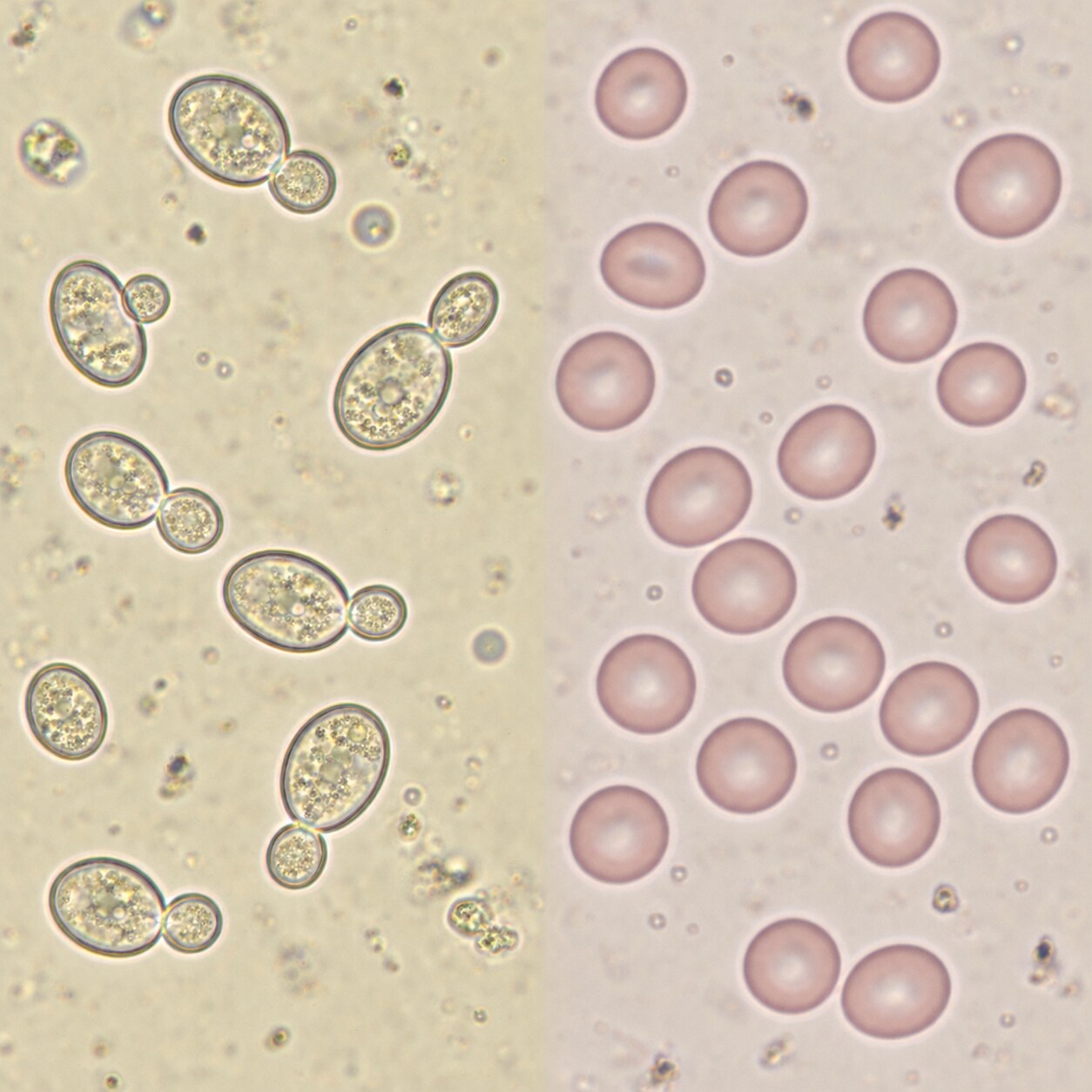
Figure 2. Budding yeast cells and red blood cells can look similar in size and shape at low magnification, which is why confirming the presence of a visible bud is an important step before reporting yeast on a urinalysis.
One of the more practically important facts about yeast in urine is that it can be mistaken for other, more clinically significant findings if a technologist isn't careful, which is part of why manual microscopic review still matters even in labs with advanced automated urinalysis equipment. Non-budding yeast cells are roughly the same size and shape as red blood cells, and both can appear pale and rounded under standard bright-field microscopy, meaning a rushed or inexperienced reading could report "red blood cells" when the actual structures were yeast, or vice versa. Adding a drop of acetic acid to the specimen is a classic, simple trick labs use to resolve this ambiguity: acetic acid lyses (breaks open) red blood cells, causing them to disappear from view, while yeast cells, protected by a tougher fungal cell wall, remain completely intact — if the round structures are still there afterward, they were yeast all along. Calcium oxalate crystals and certain lubricant droplets used during specimen collection can also occasionally mimic yeast's oval shape, which is another reason a single ambiguous finding is often followed up rather than reported as definitive on its own.
The Most Common Reason: Contamination, Not Infection
By far the single most frequent, most statistically likely explanation for yeast showing up unexpectedly in a routine urinalysis is simple contamination during collection, not an actual infection inside the urinary tract. Candida species live as completely normal, harmless residents of human skin, and are especially common in the genital area in people who menstruate, due to the warm, moist environment and the local balance of bacteria that yeast otherwise competes with. During a standard "clean-catch" urine collection, even careful technique can't always prevent a small number of these skin-resident yeast cells from washing into the sample as urine passes over the external genital area on its way into the collection cup. This is precisely why a finding of yeast, especially in small numbers and without any accompanying white blood cells or reported symptoms, is often interpreted by clinicians as an incidental contaminant rather than a diagnosis requiring immediate action — the yeast was likely never inside the bladder or urethra at all.
When Yeast Signals a Genuine Urinary Tract Infection Instead
Despite how often simple contamination explains the finding, yeast detected in urine can genuinely represent a true fungal urinary tract infection (funguria) under the right specific circumstances, and certain features on the report tip the balance toward taking it seriously. A genuinely infected sample typically shows yeast alongside a meaningfully elevated white blood cell count, since white blood cells are the immune system's direct response to an organism actually invading tissue rather than just passing through. The presence of pseudohyphae (those chain-like structures mentioned earlier) is also considered more suggestive of true infection than scattered single cells, since it reflects active fungal growth rather than incidental skin shedding. Certain groups face meaningfully higher risk of genuine funguria: people with poorly controlled diabetes, since elevated urine glucose creates a favorable growth environment for yeast; anyone with an indwelling urinary catheter, which provides a direct surface for fungal colonization; people on broad-spectrum antibiotics, which wipe out the competing bacteria that normally keep yeast in check; and individuals with a weakened immune system from conditions like HIV or from immunosuppressive medications used after organ transplantation.
Why an Indwelling Catheter Changes the Picture Completely
Catheter-associated funguria genuinely deserves its own separate explanation, because the underlying mechanism is different enough from the other risk factors discussed elsewhere that it meaningfully changes how a positive finding should be interpreted clinically. A urinary catheter is a thin tube inserted directly into the bladder to drain urine, and its surface — whether plastic or silicone — provides an artificial structure that yeast (and bacteria) can adhere to and multiply on, forming a thin, resilient layer called a biofilm. Once established, a biofilm is considerably more resistant to the body's normal defenses and to antifungal medication than free-floating yeast would be, which is part of why funguria found in a catheterized patient is managed differently than the same finding in someone urinating normally. In many catheterized patients without symptoms, the recommended first step is even simpler than treatment: removing or replacing the catheter itself, since the artificial surface driving the yeast's persistence is gone once the device is removed, and many cases resolve on their own without needing antifungal medication at all.
Why Uncontrolled Diabetes Is Such a Strong Risk Factor
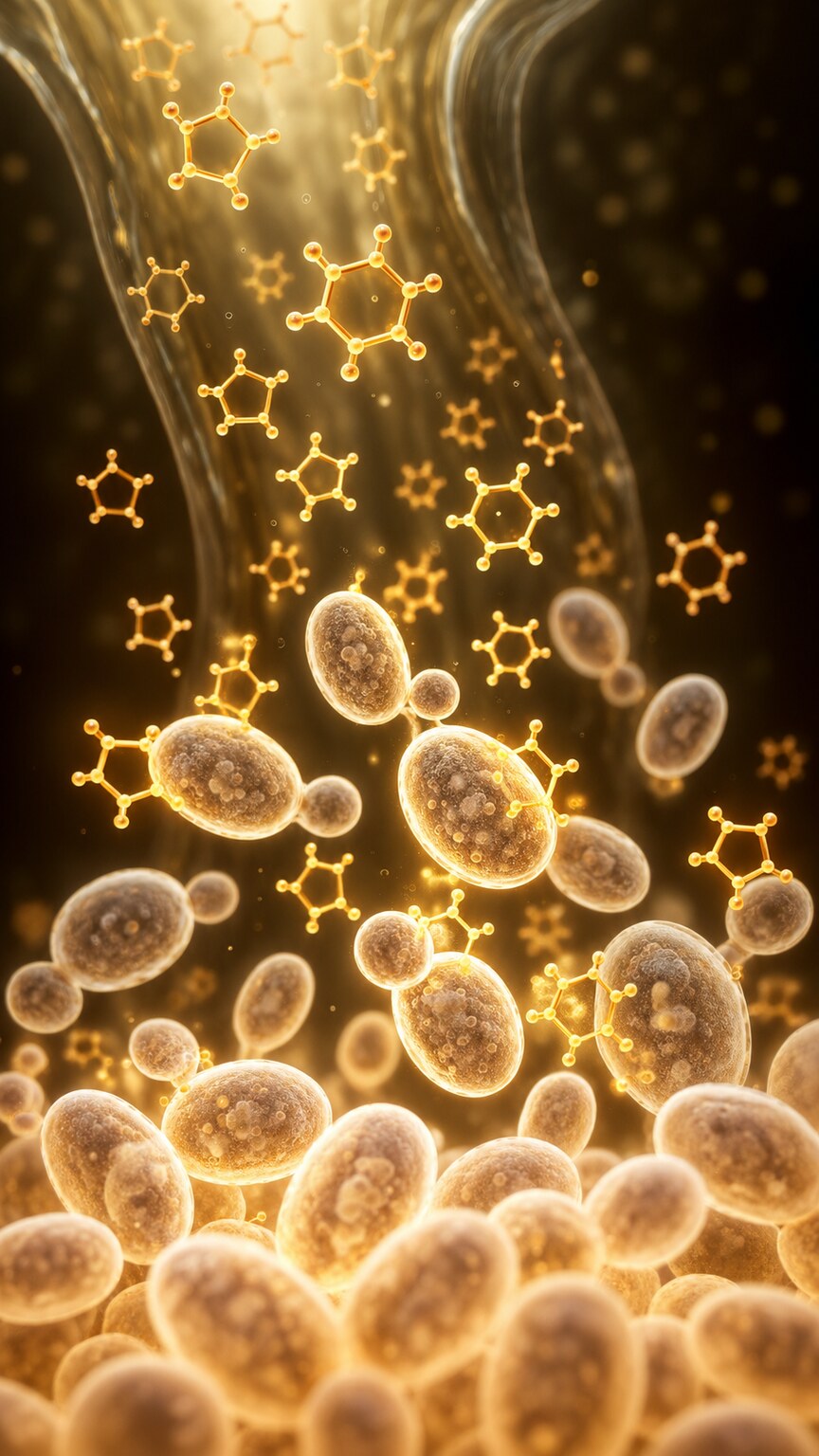
Figure 3. Elevated glucose in the urine of someone with poorly controlled diabetes provides a ready food source for yeast, which is why funguria occurs disproportionately often in this population.
The diabetes connection genuinely deserves a closer, more detailed look, since it's one of the strongest, most consistent, most well-documented risk factors for a genuine yeast infection anywhere in the urinary tract. When blood glucose runs persistently high, the kidneys eventually can't reabsorb all of the filtered glucose back into the bloodstream, and the excess spills over into the urine, a condition called glycosuria. Because yeast, like most microorganisms, needs a sugar source to fuel its own growth and reproduction, urine containing meaningful amounts of glucose functions almost like a nutrient broth for Candida, allowing populations to expand rapidly in a way they simply couldn't in urine from someone with normal blood sugar control. This mechanism also explains a useful clinical pattern: funguria found in someone with diabetes often prompts a closer look at their overall glucose control, since a genuine yeast infection in this context may be less about anything unusual happening in the urinary tract and more a downstream signal that blood sugar has been running high for a while.
Why Antibiotics Can Trigger a Yeast Overgrowth of Their Own
A recent course of antibiotics is one of the most common, and most commonly overlooked, reasons yeast suddenly appears in a urinalysis after having never shown up before. Antibiotics work by killing or suppressing bacteria, but they generally can't distinguish between the harmful bacteria causing an infection and the enormous population of harmless, competing bacteria that normally live on the skin and in the genital area, quietly keeping yeast populations in check through simple competition for space and nutrients. When a broad-spectrum antibiotic wipes out much of that competing bacterial population, yeast — which antibiotics have no effect on, since yeast is a fungus rather than a bacterium — often takes the opportunity to multiply largely unchecked, a phenomenon informally described as the body's normal microbial balance being disrupted. This is precisely why a finding of yeast in urine so often coincides with someone who mentions they "just finished a round of antibiotics for something unrelated," and why clinicians reviewing a positive finding will often ask specifically about recent antibiotic use even when the current urinalysis was ordered for a completely different reason.
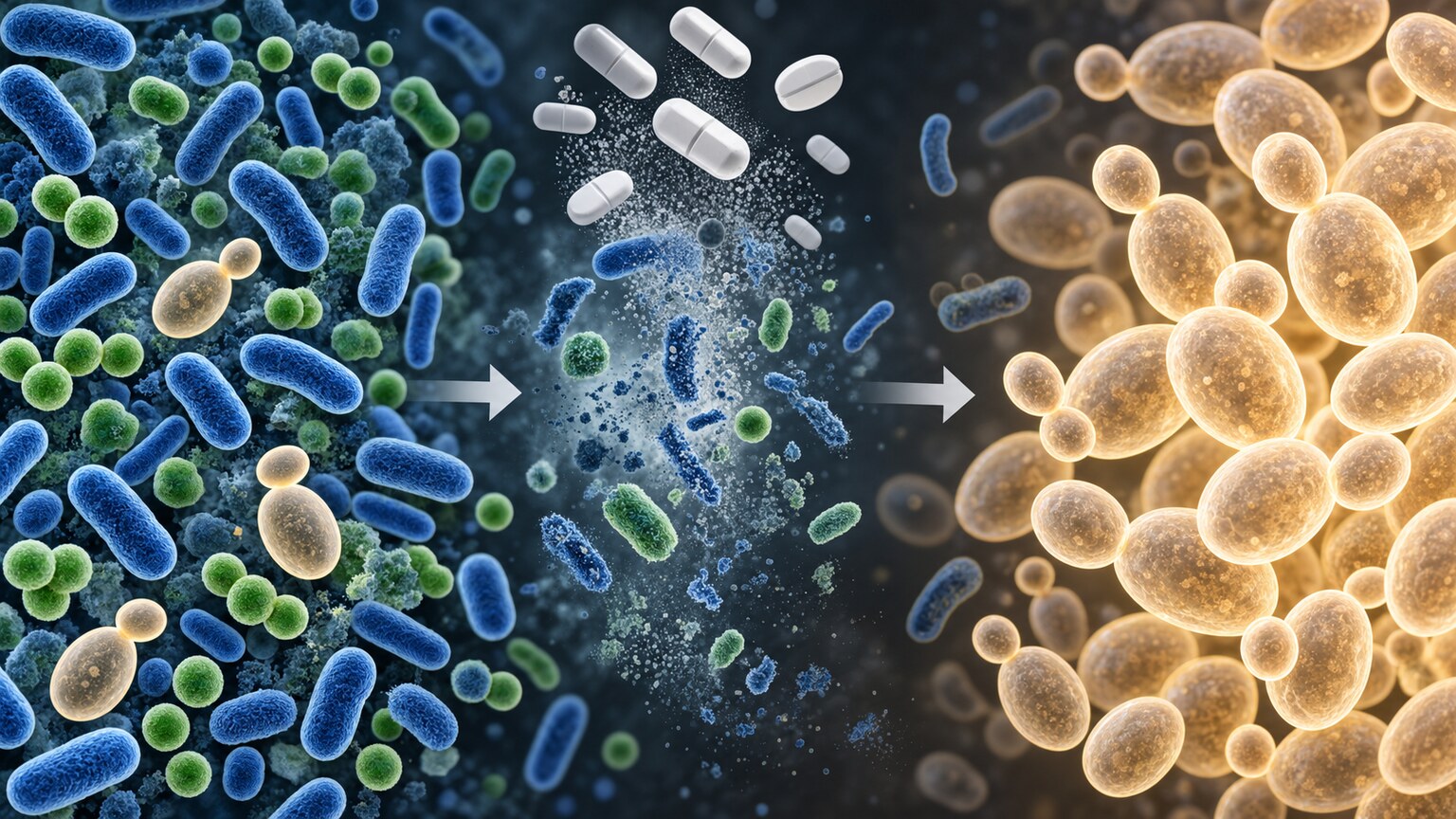
Figure 4. Antibiotics suppress the competing bacteria that normally limit yeast growth, which is why a recent antibiotic course is one of the most common triggers for a sudden yeast overgrowth.
How the Sample Itself Can Make Contamination More or Less Likely
The exact specific way a urine sample is collected has a surprisingly large influence on whether yeast shows up at all, independent of anything happening inside the urinary tract. A properly performed clean-catch collection — washing the genital area first, then catching the mid-stream portion of urine rather than the very first flow — meaningfully reduces the amount of skin-resident yeast and bacteria that end up in the sample, since the initial flow of urine is what typically flushes out most surface contaminants from the urethral opening before the "clean" mid-stream portion is collected. A sample collected without this washing step, or one where the very first flow was captured instead of the mid-stream portion, carries a measurably higher chance of showing incidental yeast simply due to collection technique rather than anything about the person's actual urinary health. This is one of the most practical, actionable takeaways in this entire topic: if a first urinalysis shows an ambiguous, low-level yeast finding with no other signs of infection, a repeat sample collected with careful clean-catch technique is often the simplest, least invasive way to determine whether the original finding will reappear or was simply a one-time contamination event.
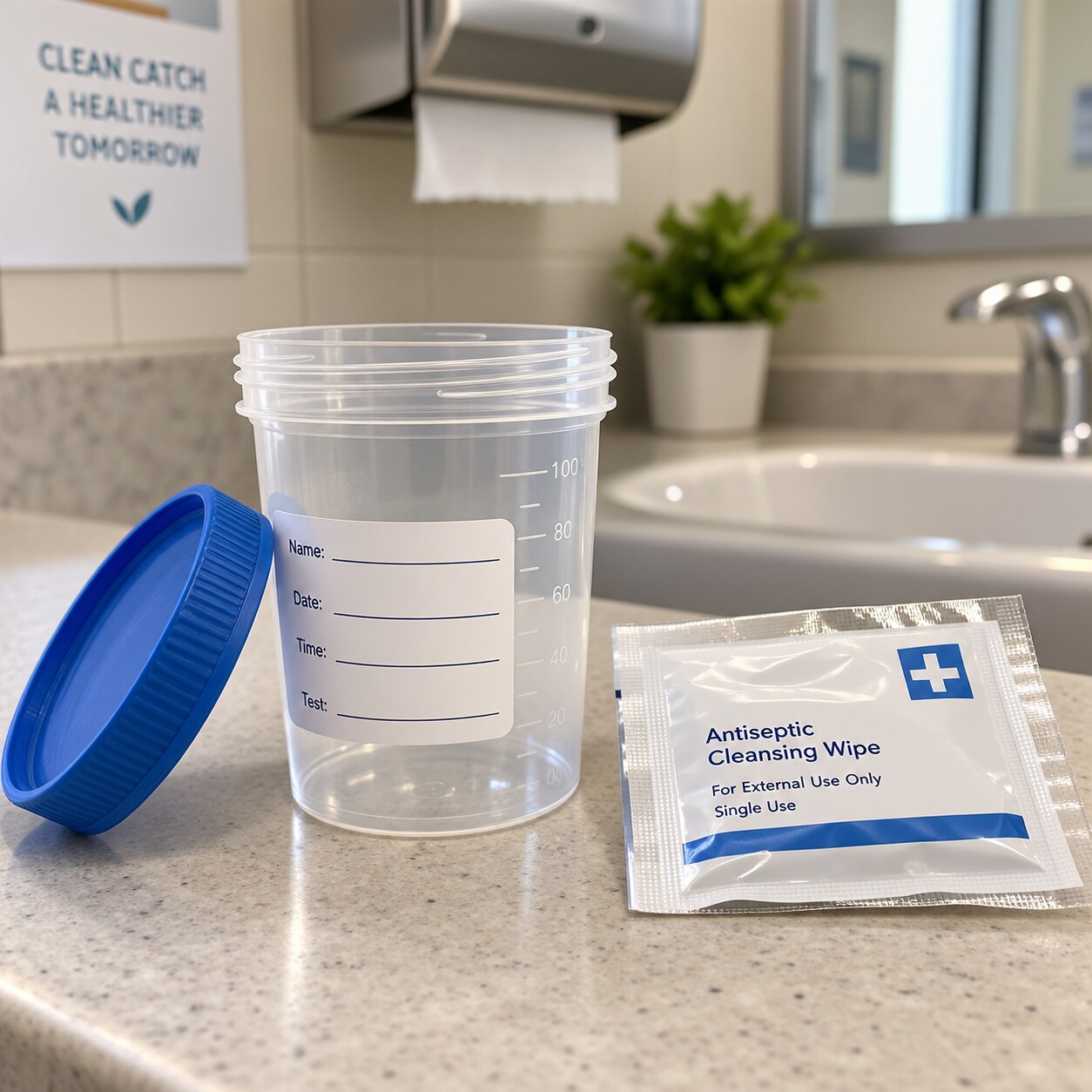
Figure 5. Proper clean-catch collection technique, including washing beforehand and capturing the mid-stream portion of urine, measurably reduces the odds of an incidental yeast contamination finding.
Repeat testing after a collection-related concern is generally straightforward and doesn't require any special preparation beyond following the clean-catch instructions carefully — most people are simply given a sterile cup along with an antiseptic wipe and clear written steps to follow at home or in a clinic bathroom. If yeast reliably disappears on a properly collected repeat sample, that outcome is itself useful diagnostic information, effectively confirming that the original finding reflected collection technique rather than anything happening inside the bladder. If yeast persists across multiple carefully collected samples, that consistency shifts the clinical picture meaningfully toward considering a genuine urinary source rather than a one-off contamination event, and typically prompts the fungal culture and closer evaluation discussed elsewhere in this article.
What Happens After Yeast Is Reported on Your Urinalysis
The practical next steps that typically follow after a lab reports yeast depend heavily on the full surrounding clinical context rather than the isolated finding alone. If the sample shows a small number of yeast cells, no significant white blood cells, and you have no urinary symptoms (no burning, urgency, or pelvic discomfort), most clinicians will simply note the finding and move on, treating it as an incidental contaminant that doesn't warrant any action. If the picture includes elevated white blood cells, symptoms, or you fall into one of the higher-risk groups discussed above, the typical next step is a urine culture specifically requesting fungal identification, since a standard bacterial culture doesn't reliably grow or identify yeast the same way. A positive fungal culture, combined with genuine symptoms, generally leads to a course of oral or, in more complicated or catheter-associated cases, intravenous antifungal medication, with the specific drug chosen partly based on which Candida species is identified, since not all species respond equally well to the same first-line treatments.
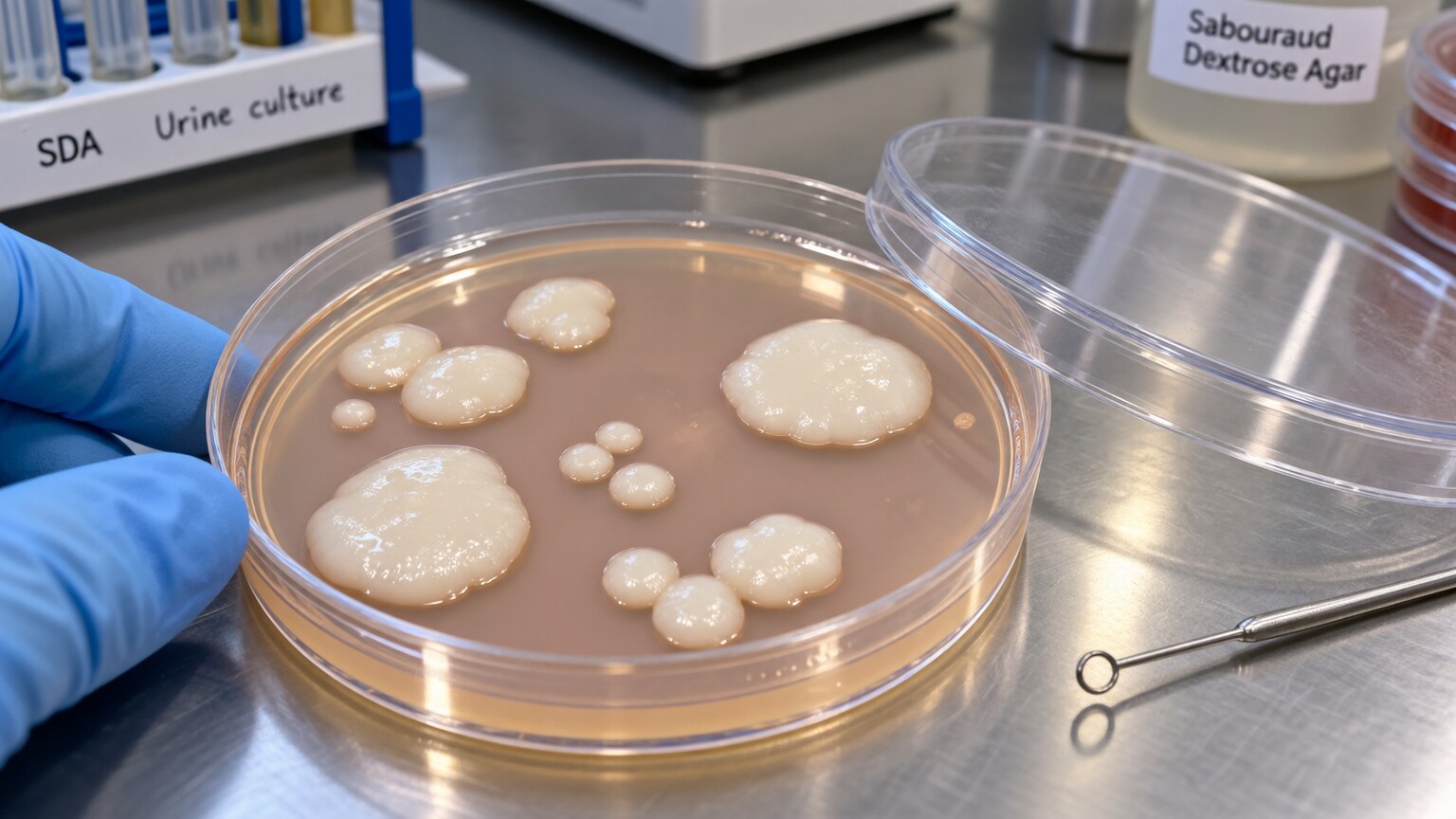
Figure 6. A urine culture specifically requesting fungal identification, rather than a standard bacterial culture, is typically needed to confirm and characterize a genuine yeast infection.
Yeast Found During Pregnancy — a Special Case Worth Understanding
Yeast findings occurring specifically during the course of a pregnancy carry some extra nuance genuinely worth explaining separately and in detail, since pregnancy changes both how likely yeast is to appear and how seriously it tends to be treated. Hormonal shifts during pregnancy, particularly rising estrogen, alter the vaginal environment in ways that make yeast overgrowth (commonly experienced as a vaginal yeast infection) considerably more common, which correspondingly raises the odds of incidental yeast contamination showing up on a routine prenatal urinalysis. Because pregnant patients are screened with urinalysis and urine culture more frequently and more routinely than the general population, specifically to catch asymptomatic urinary tract infections that could otherwise progress to more serious kidney involvement, yeast findings during pregnancy tend to get a closer, more conservative look even when the person feels completely fine, and providers will often want to distinguish clearly between vaginal contamination and a true urinary finding before deciding whether any treatment is warranted.
Treatment decisions made specifically during pregnancy also carry extra weight and require closer consideration, since not every antifungal medication available is considered equally safe to use throughout pregnancy. Topical antifungal treatments for vaginal yeast infections are generally preferred over oral antifungal medications during pregnancy, particularly during the first trimester, because some oral antifungals have been associated with potential risks to fetal development at higher doses, whereas topical formulations applied locally result in much lower absorption into the bloodstream. This is part of why a pregnant patient with an incidental yeast finding on a urinalysis, but no urinary symptoms, is often simply monitored rather than treated immediately — treatment decisions are weighed carefully against the specific evidence for genuine infection, not applied reflexively to every positive finding.
How Long Yeast Typically Persists Once an Underlying Trigger Resolves
A question that genuinely comes up quite often once someone finally understands that a given trigger — a recent antibiotic course, a period of poor glucose control, a temporary catheter — explains their yeast finding, is how long it takes for the finding to actually go away once that trigger is addressed. There's no single universal timeline, since it depends heavily on which trigger was involved, but a few general patterns hold reasonably well across cases. Yeast related to a finished antibiotic course often clears within one to two weeks, as the normal competing bacterial population naturally re-establishes itself once antibiotic pressure is removed. Yeast related to poor glucose control tends to track glucose improvement fairly closely, meaning it can persist as long as blood sugar remains elevated but often resolves within a similar timeframe once glucose is brought back under control. Catheter-associated yeast, as discussed earlier, frequently resolves within days of catheter removal, since the artificial surface driving persistence is gone. A repeat urinalysis a few weeks after addressing the likely trigger is a reasonable, low-effort way to confirm resolution without over-testing in the interim.
Which Candida Species Actually Matters, and Why It's Not Always the Same One
Not all yeast found in a urine sample is the exact same species, and that specific identity matters considerably more than most people would initially realize once a genuine infection is confirmed. Candida albicans accounts for the large majority of urinary yeast findings and generally responds predictably well to standard first-line antifungal medications like fluconazole, which is part of why treatment for a confirmed, uncomplicated Candida albicans urinary infection is often relatively simple and short. However, several other species — Candida glabrata, Candida krusei, and Candida tropicalis among them — show up with meaningfully higher frequency in specific populations, particularly people who have been hospitalized for extended periods, have had prolonged exposure to broad-spectrum antibiotics, or have previously been treated with antifungal medications for an earlier infection. These non-albicans species are clinically important because several of them show reduced sensitivity, or in some cases outright resistance, to fluconazole, the very medication most often reached for first, which is exactly why a fungal culture doesn't just confirm "yeast is present" — it identifies which species is present and can guide testing for which specific antifungal medications will actually work against it, an important detail sometimes lost when the finding is glossed over as simply "yeast in the urine."
How Automated Urinalysis Machines Handle Yeast Differently Than a Human Eye
Modern clinical urinalysis quite often begins with an automated instrument that screens the sample before it ever reaches a human technologist's eyes, and understanding this two-step process explains why some yeast findings get flagged immediately while others require a closer manual look. These automated analyzers use a combination of digital imaging and particle-recognition software to sort and tentatively classify the various structures in urine sediment — red blood cells, white blood cells, various types of casts, crystals, and yeast among them — based on size, shape, and light-scattering characteristics. Yeast's fairly distinctive oval, refractile appearance means automated systems often flag it with reasonably high confidence, but because the visual overlap with red blood cells described earlier in this article is a genuinely known limitation of these systems, most laboratory protocols require any automated "possible yeast" or "possible red blood cell" flag near a certain threshold to be manually confirmed by a human technologist under the microscope before it's finalized on the report. This human confirmation step is precisely why the acetic acid technique and the search for budding or pseudohyphae described earlier remain standard practice even in highly automated modern laboratories — the technology narrows down what to look for, but a trained eye still makes the final call on an ambiguous finding.
How This Finding Differs From a Vaginal Yeast Infection Diagnosis
It's genuinely worth being explicit and clear about an important distinction that causes real, quite frequent confusion: finding yeast on a urinalysis is not the same thing as being diagnosed with a vaginal yeast infection, even though the two are frequently related and even though the same organism, Candida albicans, is usually responsible for both. A vaginal yeast infection is typically diagnosed based on a combination of reported symptoms (itching, irritation, a specific type of discharge) together with a direct microscopic exam or culture of vaginal secretions specifically, not a urine sample. When a urinalysis happens to pick up yeast, it may simply be detecting the same underlying vaginal yeast overgrowth as an incidental contaminant during collection, without that finding representing a separate urinary tract infection at all. This is an important nuance for interpreting a urinalysis report: a positive yeast finding in someone experiencing classic vaginal yeast infection symptoms often points back to that vaginal source rather than to anything happening inside the bladder, and treating the vaginal infection directly, rather than the urine finding itself, is usually the appropriate response in that specific situation.
Yeast in Children's Urine Samples
Yeast findings in a child's urinalysis warrant a somewhat different interpretive lens than in adults, largely because the collection method itself introduces more room for contamination. Young children who aren't yet toilet-trained are often sampled using an adhesive collection bag applied to the skin around the genital area, a method considerably more prone to picking up skin-resident yeast and bacteria than a clean-catch sample from an older child or adult who can follow collection instructions directly. Because of this, pediatric guidelines generally treat an isolated yeast finding from a bag specimen with real caution, often recommending a repeat sample using a cleaner collection method (or, in specific clinical situations, a catheterized specimen) before treating the finding as clinically meaningful, since the contamination rate from bag specimens is well documented to be considerably higher than from other collection techniques.
Diaper dermatitis, the common skin irritation many infants experience in the diaper area, adds another wrinkle worth understanding specifically in this age group. The warm, moist, occlusive environment created by a wet or soiled diaper is a favorable environment for Candida overgrowth on the skin itself, and infants with visible diaper rash frequently have detectable yeast colonizing the irritated skin even without any urinary tract involvement at all. When a urine sample is collected from an infant with active diaper dermatitis, the odds of picking up that skin-surface yeast rise accordingly, which is one more reason pediatric providers often ask specifically about visible skin irritation when interpreting a positive yeast finding in this age group, treating the skin condition directly when it's present rather than assuming the finding reflects anything happening inside the urinary tract.
Older Adults and Long-Term Care Settings — a Distinct Risk Picture
Older adults, and particularly those specifically living in long-term care facilities, represent yet another distinct population where yeast findings on a urinalysis require a somewhat different interpretive approach than in a healthy younger adult. Several factors common in this population compound together: indwelling catheters are considerably more common in long-term care residents, often for extended periods rather than short-term use; diabetes prevalence rises with age, adding the glucose-related growth advantage discussed earlier; and immune function naturally declines somewhat with age, a phenomenon researchers call immunosenescence, which can make it harder for the body to keep incidental yeast exposure from establishing a foothold. Because of these compounding factors, routine urinalysis screening in long-term care residents without any urinary symptoms quite often turns up yeast (and bacteria) that don't actually represent an infection requiring treatment — a pattern significant enough that major geriatric and infectious disease guidelines now specifically recommend against treating asymptomatic findings in this population, since unnecessary antifungal or antibiotic treatment carries its own risks (including selecting for more resistant organisms over time) without any proven benefit when no actual symptoms are present.
Why a Single Finding Rarely Tells the Whole Story on Its Own
Perhaps the single most genuinely important theme running consistently through everything covered so far is that a yeast finding almost never means anything definitive by itself — its significance only becomes clear once it's read alongside several other pieces of information from the same urinalysis and the person's broader clinical picture. The quantity reported (occasional, few, moderate, or many, depending on the lab's reporting scale) matters, since a passing mention of "rare yeast" carries very different weight than a report describing yeast as too numerous to count. Whether budding forms or pseudohyphae were specifically noted matters, since active reproduction suggests a more established presence than scattered inactive cells. The white blood cell count on the same sample matters enormously, since it's the clearest available signal of whether the body is actively responding to something as a genuine invader. And the person's own risk factor profile — diabetes control, catheter presence, recent antibiotic use, immune status, pregnancy — provides the context that ultimately determines whether a given yeast count is worth investigating further or safely ignored. Reading a single isolated data point in a vacuum, without this surrounding context, is exactly how both unnecessary worry and missed genuine infections happen.
How to Talk to a Healthcare Provider About a Yeast Finding
Bringing a genuinely specific, thoughtfully well-informed set of questions to any follow-up conversation tends to produce a considerably more useful discussion than simply asking whether the finding is "bad." Worth asking directly: how many yeast cells were reported, and did the lab note whether budding forms or pseudohyphae were present, since that detail carries real interpretive weight beyond a simple positive or negative result; whether the sample also showed elevated white blood cells, since that's the clearest signal distinguishing likely infection from likely contamination; whether a repeat sample with careful clean-catch technique might reasonably resolve the ambiguity before pursuing further testing; and whether any personal risk factors — recent antibiotics, diabetes control, a catheter, immune status, or pregnancy — are relevant enough to this specific finding to change how it should be handled. A provider who can answer these questions specifically, rather than offering only a general reassurance or general concern, is giving genuinely useful, individualized guidance rather than a generic response to the word "yeast" appearing on a lab report.
What This Finding Does Not Tell You
It's just as genuinely useful, and just as important, to be equally clear about the real limits of what a yeast finding on a routine urinalysis can and cannot actually tell you. It cannot, on its own, distinguish between a urinary tract infection and a vaginal source of contamination without additional clinical context, as discussed earlier. It cannot tell you which specific Candida species is present, or whether that species will respond to standard antifungal treatment, without a dedicated fungal culture. It cannot reliably predict whether an asymptomatic finding will ever progress to a symptomatic infection, since many asymptomatic findings simply resolve on their own, particularly once an underlying trigger like a recent antibiotic course has passed. And it certainly cannot substitute for a conversation about symptoms, since the presence or absence of burning, urgency, pelvic discomfort, or fever remains one of the most clinically important pieces of information in deciding what, if anything, to do next — information no microscope can provide on its own, no matter how carefully the sample is examined.
Frequently Asked Questions
Does finding yeast in my urine mean I have a yeast infection?
Not necessarily. Yeast in urine is very commonly a harmless contaminant picked up during sample collection, especially in small amounts without accompanying white blood cells or symptoms. A genuine urinary yeast infection is more likely when the finding is accompanied by elevated white blood cells, pseudohyphae, urinary symptoms, or risk factors like diabetes, a catheter, or a weakened immune system.
Can yeast in urine be mistaken for something else on a lab report?
Yes. Non-budding yeast cells can resemble red blood cells under the microscope, which is why labs sometimes add acetic acid to the sample — it dissolves red blood cells but leaves yeast intact, resolving the ambiguity. Certain crystals and lubricant droplets can also occasionally mimic yeast's appearance.
Do I need antifungal treatment if yeast shows up on my urinalysis?
Often not, particularly if the finding is isolated and you have no symptoms. Treatment is more strongly considered when a fungal urine culture confirms genuine infection, when white blood cells are also elevated, or when you fall into a higher-risk group such as having diabetes, a urinary catheter, or a weakened immune system.
Why does yeast show up more often in people with diabetes?
When blood glucose runs high, excess sugar spills into the urine, a condition called glycosuria. That glucose acts as a food source for yeast, allowing it to grow much more readily in urine than it could in someone with normal blood sugar control, which is why funguria is disproportionately common in people with poorly managed diabetes.
Does a recent course of antibiotics explain a new yeast finding?
Yes, quite commonly. Antibiotics suppress the bacteria that normally compete with and help limit yeast growth in the genital area and gut, without affecting yeast itself, since yeast is a fungus rather than a bacterium. This disruption of the body's normal microbial balance is one of the most frequent reasons yeast appears on a urinalysis shortly after finishing an antibiotic course.
Should I get retested if my urinalysis shows yeast but I have no symptoms?
Often, yes, particularly if the collection technique wasn't ideal the first time. A repeat sample using careful clean-catch technique can clarify whether the finding was a one-time contamination event or a persistent, more clinically meaningful pattern, without requiring more invasive testing as a first step.
Conclusion
After walking through the microscopic appearance, the contamination-versus-infection distinction, the major risk factors, and the special cases covered throughout this article, it should be clear that finding yeast in a urine sample is rarely, by itself, a medical emergency, and in most cases it reflects the ordinary, harmless presence of skin-resident fungus picked up during collection rather than a genuine infection inside the urinary tract. What actually determines whether it deserves follow-up is the surrounding context: how many cells were seen, whether pseudohyphae or elevated white blood cells were also present, whether you have symptoms, and whether you fall into a group — diabetes, catheter use, pregnancy, or immune suppression — known to raise the odds of a true fungal infection. Understanding that surrounding clinical context is what turns a confusing, easily misread lab notation into a clear, genuinely manageable piece of information rather than a lingering source of unnecessary worry.
Still Not Sure What Your Results Mean?
Upload your labs and get a complete, visual, plain-language interpretation of every biomarker — delivered to your inbox in under 15 minutes.
Get My ReportThis article is for educational purposes only and does not constitute medical advice. Always consult your healthcare provider regarding your specific lab results.