
Why Do Crystals in Urine Sometimes Relate to Kidney Stones?
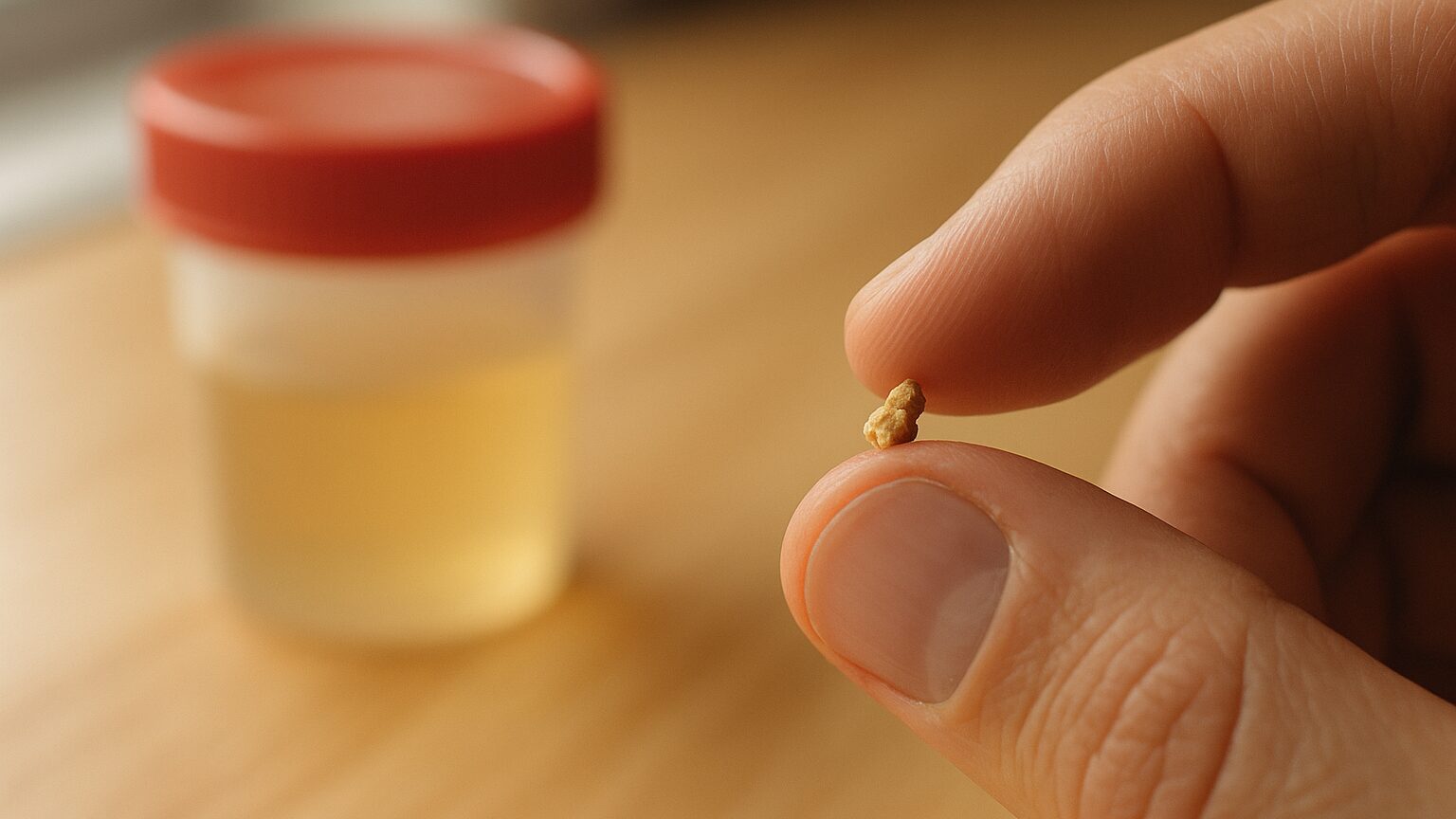
If your urinalysis came back mentioning crystals, take a breath before you spiral into a Google search about kidney stones — the two are related, but not in the direct, alarming way it might sound. Crystals show up in urine fairly often, and most of the time they're a completely unremarkable finding with nothing to do with stone formation at all. What actually connects them is chemistry: kidney stones are, in a very real sense, just crystals that grew up. Understanding why some crystals stay small and harmless while others clump together into something painful enough to send someone to the ER is mostly a story about concentration, timing, and a handful of substances your body deals with every single day.
Curious what the rest of your urinalysis is telling you? Upload your results and get a complete, plain-language breakdown in under 15 minutes.
Analyze My ResultsWhat a Urine Crystal Actually Is
Urine isn't just water with waste dissolved in it — it's closer to a fully loaded solution, carrying minerals, salts, and byproducts your kidneys have filtered out of your blood. As long as everything stays dissolved, none of it is visible. But solutions have limits. Stir sugar into iced tea and it disappears; keep adding spoonfuls and eventually the tea can't hold any more, and you'll see undissolved grains settle at the bottom of the glass. Urine works the same way. When the concentration of a particular substance — calcium, oxalate, uric acid, and a few others are the usual suspects — gets high enough relative to the amount of liquid around it, that substance can come out of solution and form a solid crystal. Under a microscope, these crystals often have surprisingly distinct, almost geometric shapes, which is actually how lab technicians tell them apart.
The Different Types of Crystals — and Why the Type Matters
Not all urine crystals carry the same weight. Calcium oxalate crystals are the most common type found on a routine urinalysis, often shaped like tiny envelopes or dumbbells, and they're also the single most frequent building block of actual kidney stones. Uric acid crystals show up more often in concentrated, acidic urine and are tied to how your body processes purines, compounds found in certain foods and produced during normal cell turnover. Struvite crystals, sometimes called triple phosphate crystals, tend to appear in alkaline urine and are frequently linked to urinary tract infections caused by specific bacteria. Cystine crystals are the rarest of the group and point toward a genetic condition called cystinuria, where the kidneys don't reabsorb a particular amino acid properly. The reason the type matters so much is that each one hints at a different underlying process — diet, infection, concentration, or genetics — and that context shapes whether it deserves a closer look.
Why Finding Crystals Doesn't Always Mean You Have a Stone
Here's the detail that gets left out of most explanations: a meaningful number of the crystals seen under a microscope form after the urine has already left your body. Urine cools the moment it hits open air, and cooler liquid can't hold as much dissolved mineral as warm liquid can — the same reason a hot cup of tea can dissolve more sugar than an iced one. If a sample sits around for a while before it's examined, especially if it isn't kept warm or tested promptly, crystals can form right there in the collection cup that never existed inside your urinary tract. Lab staff know this, which is why an occasional crystal finding, especially calcium oxalate in small amounts, is often treated as background noise rather than a diagnosis. It's genuinely common, and on its own it usually isn't cause for concern.
When Crystals Are a Genuine Signal Worth Paying Attention To
The picture changes when crystals show up repeatedly, in large numbers, or in unusual shapes that suggest something more active is going on. It also changes when crystals appear alongside other clues — blood in the urine, sharp pain in the back or side, or a burning sensation when urinating. A kidney stone forms when crystals that would normally stay small and pass out unnoticed instead stick together and keep growing, layer by layer, like a snowball rolling downhill. Someone who consistently forms a particular type of crystal is essentially showing their kidneys' tendency toward that exact process. It doesn't mean a stone is present right now, but it does mean the underlying chemistry that builds stones is active in their body, which is worth understanding rather than ignoring.
What Makes Someone More Likely to Form These Crystals
A few factors show up again and again in people who form crystals or stones more easily. Not drinking enough water is probably the biggest one — it concentrates urine the same way letting a pot simmer down concentrates a sauce, and that concentration makes crystallization far more likely. Diet plays a real role too: foods high in oxalate, like spinach and almonds, can contribute to calcium oxalate crystals, while a diet heavy in animal protein can push uric acid levels up. Urine's acidity matters as well, since uric acid crystals prefer an acidic environment while struvite crystals prefer an alkaline one. And some causes aren't lifestyle-related at all — conditions like gout, an overactive parathyroid gland, or inherited disorders like cystinuria can quietly raise someone's baseline risk regardless of what they eat or drink. None of these factors guarantee a stone will form, but together they explain why some people seem to deal with this again and again while others never do.
What Usually Happens After a Crystal Finding
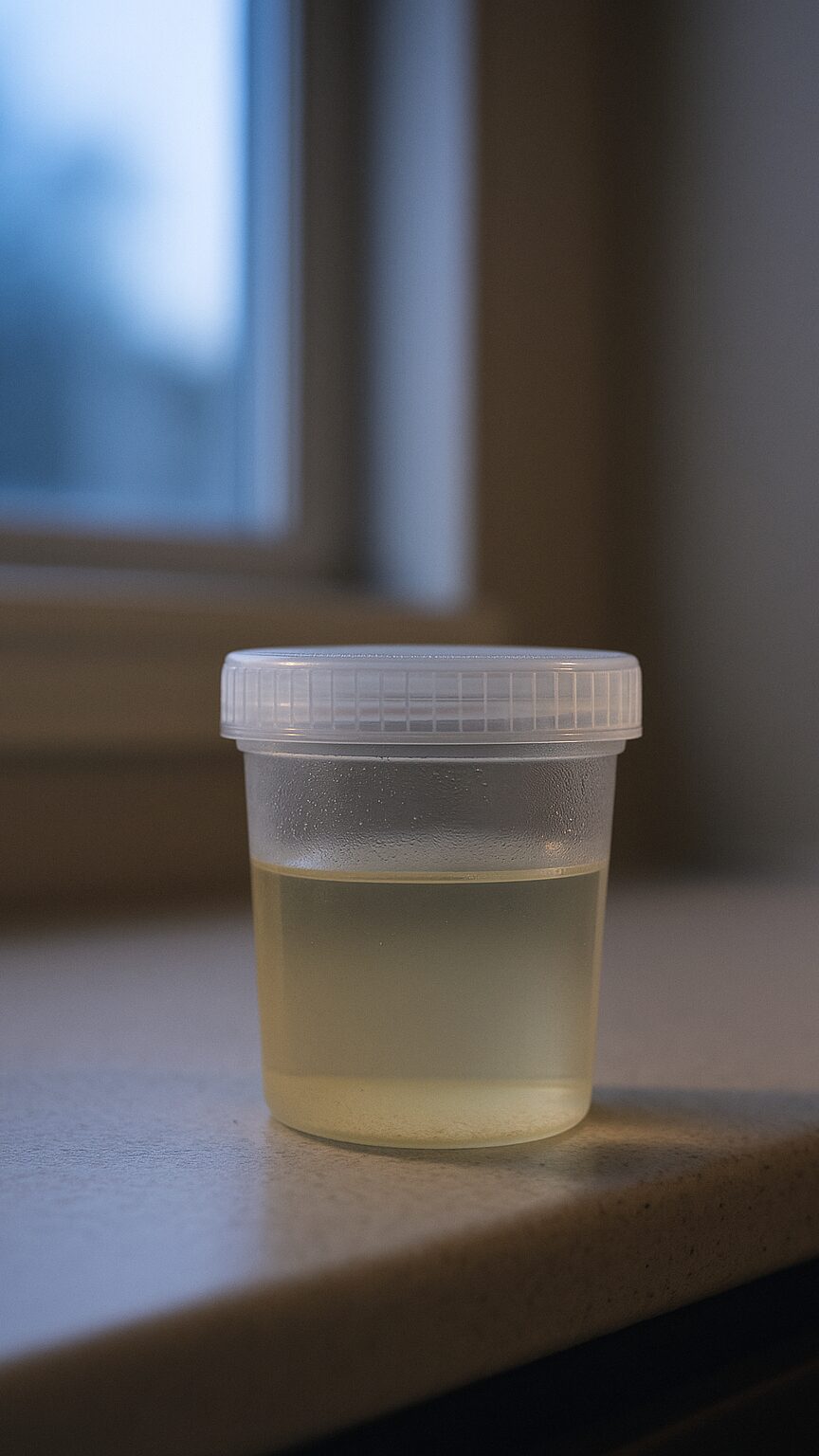
If your urinalysis flagged crystals, what happens next depends heavily on context. A single mention of a common crystal type, with no symptoms and no history of stones, often doesn't require anything beyond a passing note. If crystals are recurring, unusual, or paired with pain or visible blood, a provider may order imaging like an ultrasound or CT scan to check for an actual stone, or request a 24-hour urine collection, which measures exactly how much of each mineral your kidneys are excreting over a full day rather than in one snapshot. From there, guidance is usually refreshingly simple: drink more water, and depending on the crystal type, adjust specific parts of your diet. It's one of the few areas of lab medicine where the most effective intervention is also the least complicated one.
Frequently Asked Questions
Should I be worried if my urinalysis mentions crystals but I have no symptoms?
Usually not. Occasional crystals, particularly calcium oxalate, are a common finding and often form after the sample was collected rather than inside your body. Without pain, blood in the urine, or a pattern of repeated crystal findings, it's typically nothing more than something noted in passing.
Does drinking more water actually help prevent kidney stones?
Yes, and it's considered the single most effective general prevention strategy. More water dilutes urine, making it harder for calcium, oxalate, uric acid, and other substances to reach the concentration needed to crystallize in the first place.
Can the type of crystal found tell my doctor what's causing it?
Often, yes. Different crystal types tend to point toward different underlying processes — calcium oxalate toward diet or concentration, uric acid toward acidic urine or purine metabolism, struvite toward certain infections, and cystine toward a specific genetic condition. That's part of why the crystal type is recorded, not just its presence.
Conclusion
Crystals and kidney stones share the same raw materials, but finding one doesn't automatically mean you're dealing with the other. Most crystal findings are minor, sometimes even an artifact of how long the sample sat before it was examined, and resolve on their own without any intervention. What actually matters is the pattern — the type, how often it shows up, and whether it comes with symptoms like pain or blood in the urine. If you've received a result mentioning crystals, the most useful next step is simply asking your provider what type was found and whether it fits into a bigger picture, rather than assuming the worst from a single word on a lab report.
Still Not Sure What Your Results Mean?
Upload your labs and get a complete, visual, plain-language interpretation of every biomarker — delivered to your inbox in under 15 minutes.
Get My ReportThis article is for educational purposes only and does not constitute medical advice. Always consult your healthcare provider regarding your specific lab results.