
Why Does My Urine Have a Strong Odor?
Urine almost never smells like nothing. Even in a completely healthy person, it carries a faint, characteristic scent that comes from ammonia-related compounds your kidneys are actively filtering out of your blood — the real question isn't why urine has a smell at all, but why that ordinary background odor sometimes turns into something noticeably sharper, sweeter, or more chemical than usual. A genuinely small, well-defined number of distinct underlying mechanisms account for almost every single version of a "strong" urine smell people actually notice in real life: how concentrated the sample is, how long it's been sitting before you smelled it, whether bacteria are actively multiplying inside it, and whether your own metabolism has temporarily shifted into a different chemical gear. Understanding these specific mechanisms individually, one at a time, rather than lumping them all together into one vague, undifferentiated idea of "something's off," is genuinely what lets you tell an unremarkable, purely mechanical smell apart from the small handful of situations where a strong odor is actually worth mentioning to a doctor.
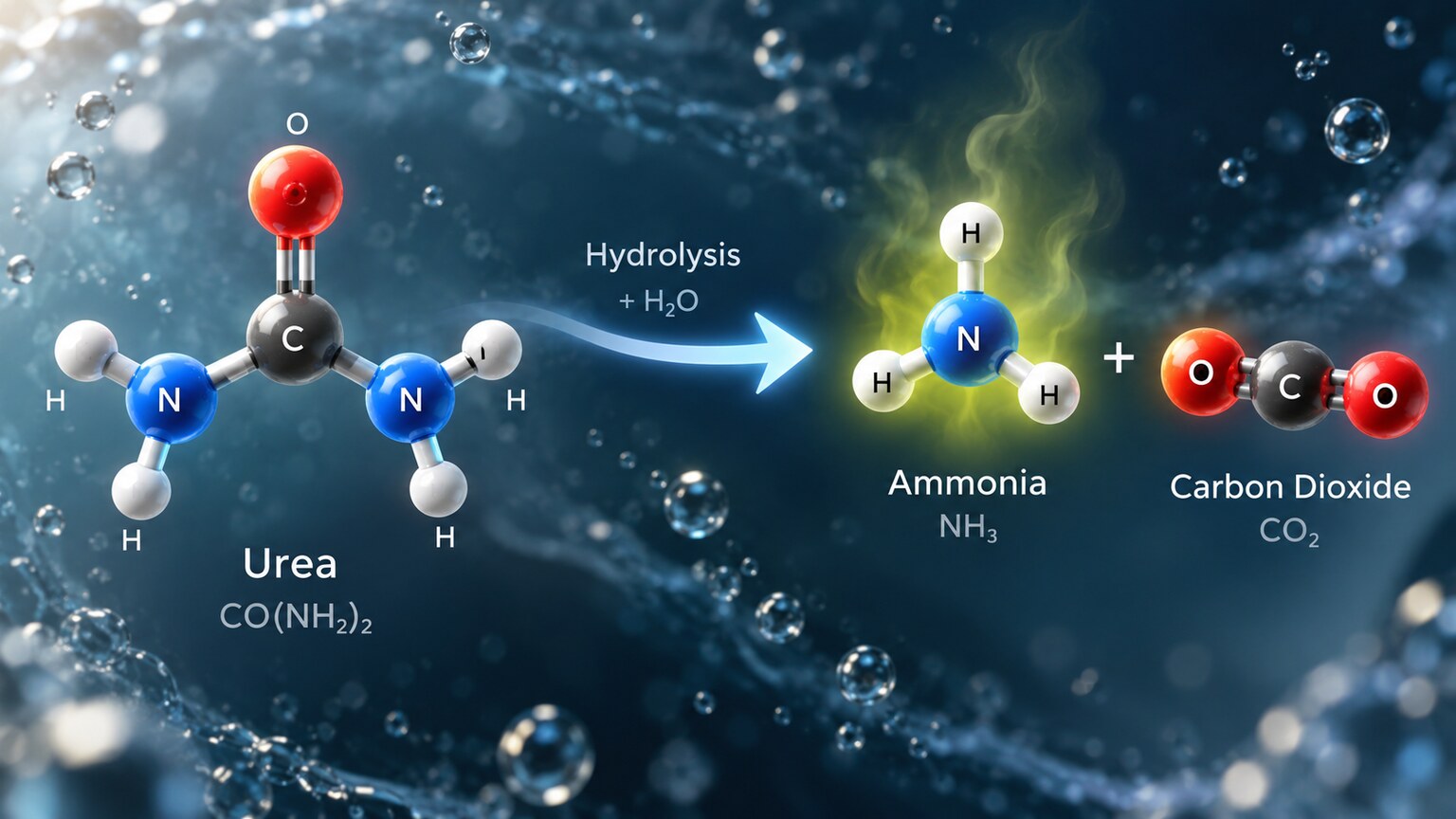
Figure 1. Urea, the main waste molecule your kidneys filter into urine, gradually breaks down into ammonia — the specific chemical reaction responsible for urine's characteristic baseline smell.
The Molecule Behind Every Urine Smell: Urea
To understand any version of a strong urine odor, you first have to understand the one molecule responsible for the ordinary smell in the first place: urea. Urea is the main waste product your liver creates when it breaks down protein, and it's the single largest dissolved solid your kidneys filter out of your blood and into your urine — roughly 25 to 30 grams of it every single day in a healthy adult. Freshly produced urine, in the very first moment it actually leaves your body, genuinely has a fairly mild, unremarkable smell overall, since urea itself is, chemically speaking, a relatively low-odor compound to begin with. What changes that, and what's responsible for essentially every "stronger" smell people notice afterward, is what urea turns into once it's exposed to time, air, bacteria, or concentration.
Left sitting undisturbed at ordinary room temperature for any length of time, urea slowly and steadily breaks down through a specific chemical reaction called hydrolysis, gradually splitting apart into ammonia gas and carbon dioxide. Ammonia gas itself is a considerably sharper, noticeably more pungent, more chemically irritating compound than urea ever was on its own, which is exactly why urine that's been sitting in a toilet bowl, a diaper, or a collection cup for a while smells noticeably stronger than urine does the instant it's produced — you're not smelling something new that appeared, you're smelling urea's own breakdown product accumulating over time. This single fact explains a surprising amount of everyday variation in how strong urine smells: how long it's been sitting, how warm the room is (heat speeds up this breakdown reaction), and how much airflow is passing directly over it all genuinely change how much ammonia has actually had a real chance to form and escape into the surrounding air as a smell you can consciously detect.
Concentration: The Simplest, Most Common Reason for a Stronger Smell

Figure 2. When fluid intake drops, the kidneys conserve water by concentrating the same amount of urea into a smaller volume of urine, intensifying its smell without any underlying illness.
By far the single most common reason for a stronger-than-usual urine smell has nothing to do with disease at all: simple concentration. Your kidneys filter out roughly the same amount of urea per day regardless of how much water you're drinking, but the volume of water that urea gets dissolved into can vary enormously — from a dilute, pale, high-volume output when you're well-hydrated to a small, dark, concentrated output when you're not. The exact same amount of urea dissolved into a much smaller volume of water simply smells stronger, the same way a spoonful of salt dissolved into a small glass of water tastes saltier than that same spoonful dissolved into a full pitcher.
This is precisely why first-morning urine almost always smells stronger than urine later in the day: it's had all night to concentrate while you weren't drinking anything. It's also why a stronger smell reliably shows up after a hot day with heavy sweating, after intense exercise, after a bout of vomiting or diarrhea, or simply after forgetting to drink much water — all of these situations reduce how much water is available for the kidneys to dilute that same daily urea load into. In every one of these cases, the fix is exactly as straightforward as the cause: drinking enough water to bring urine output back toward a pale, dilute baseline is usually enough to bring the smell back down within a matter of hours, with no other treatment needed.
Curious what your own urinalysis results actually show? Upload your results and get a complete, plain-language breakdown in under 15 minutes.
Analyze My ResultsWhen Bacteria Are the Cause: The Chemistry of a Urinary Tract Infection

Figure 3. Certain bacteria that cause urinary tract infections produce an enzyme called urease, which splits urea into ammonia far faster than ordinary hydrolysis, producing a distinctly sharp, foul smell almost immediately.
A urinary tract infection changes this same basic chemistry in a genuinely distinct way, rather than simply speeding up the ordinary process described above. Certain bacteria commonly responsible for UTIs, most notably Proteus mirabilis and, to a lesser extent, some strains of E. coli, produce an enzyme called urease, which splits urea into ammonia dramatically faster than the slow hydrolysis reaction that happens on its own over time. Instead of a smell that gradually builds as urine sits for a while, an infected sample can smell distinctly sharp and ammonia-like almost immediately, sometimes described as fishy, foul, or simply "off" in a way that feels different from ordinary concentrated urine.
This bacterial mechanism is also why a UTI's smell rarely shows up alone. The infection and inflammation that produce this altered chemistry typically come bundled with other, more specific symptoms — a burning sensation during urination, a sudden urge to go frequently even when little comes out, cloudiness from white blood cells and bacteria in the sample, and sometimes lower abdominal or back discomfort. A strong odor by itself, with none of these accompanying symptoms, is far more likely to be simple concentration than an infection; it's the combination of an unusual smell alongside these other specific signs that meaningfully raises the likelihood of a genuine UTI worth having tested. A standard urinalysis with a urine culture is what actually confirms this, identifying the specific bacteria present and, importantly, which antibiotic will actually treat it effectively.
Ketones: The Sweet, Fruity Smell of a Different Fuel Source
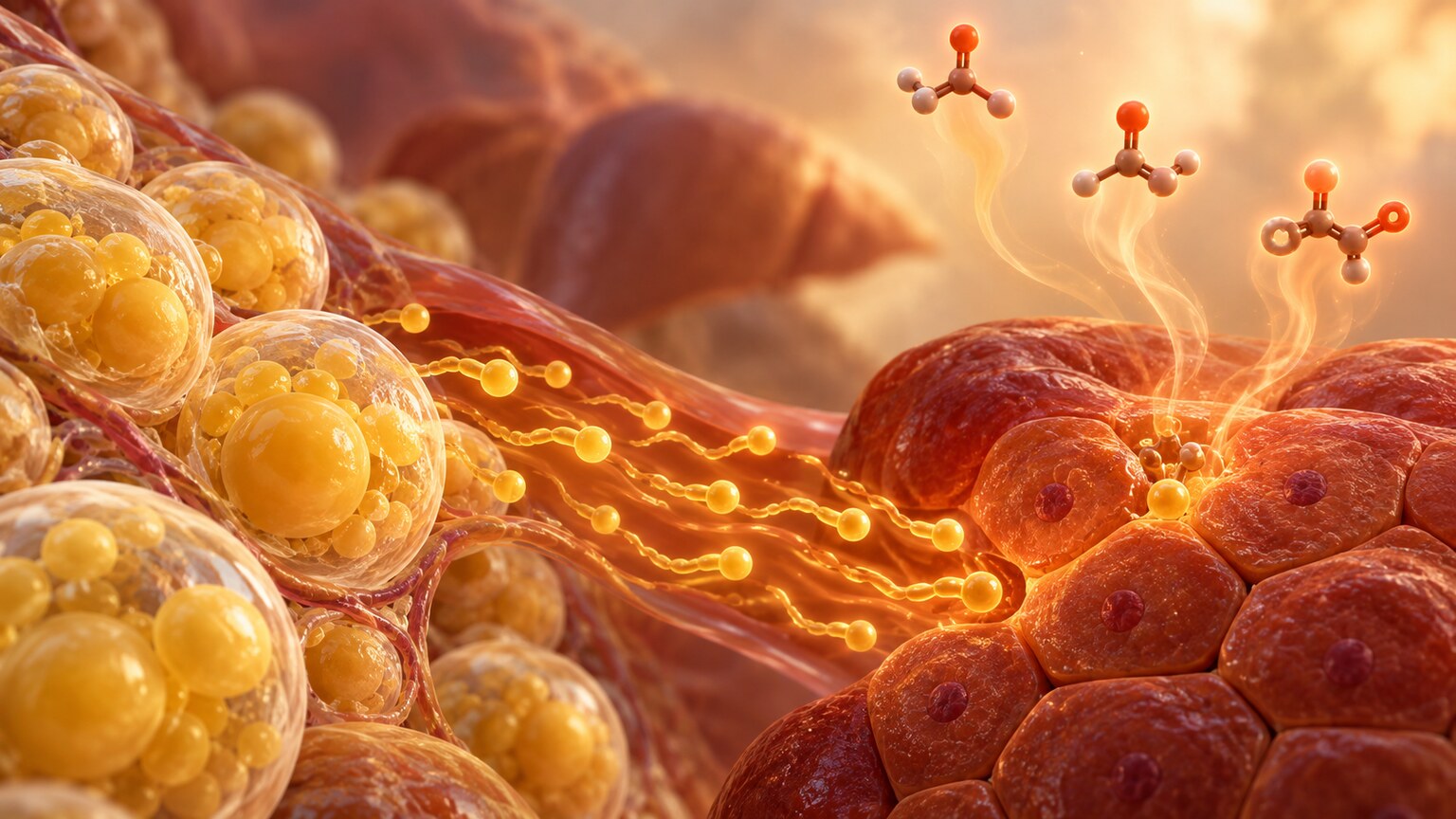
Figure 4. When the body shifts to burning fat for fuel, it produces ketones — including acetone, the same volatile compound in nail polish remover — which carry a distinctly sweet, fruity odor into the urine.
A genuinely different category of smell entirely, distinct from both concentration and infection, comes from ketones — a group of molecules your liver produces when your body shifts toward burning fat for fuel instead of its usual preference, glucose. This metabolic shift happens for several very different reasons: prolonged fasting, a very low-carbohydrate or ketogenic diet, intense or prolonged exercise, or, most seriously, diabetes that isn't being adequately controlled with insulin. One of the three main ketones your liver produces, acetone, is volatile and carries a distinctly sweet, fruity smell — the same basic compound, chemically, that gives nail polish remover its characteristic scent, though at a far lower and less concentrated level in urine.
Distinguishing between these different causes of a ketone-related smell matters considerably, since the underlying situations range from completely intentional and harmless to a genuine medical emergency. Someone deliberately following a ketogenic diet or fasting will often notice this same sweet smell as an expected, harmless sign that their body has successfully shifted into fat-burning mode, sometimes even used informally as a rough indicator that a diet is "working" as intended. In someone with diabetes, however, especially type 1 diabetes, the same ketone production can signal a considerably more serious situation called diabetic ketoacidosis, where insufficient insulin forces the body into fat-burning mode even while blood sugar itself is dangerously high, producing a buildup of ketones acidic enough to become life-threatening if untreated. The distinguishing detail is context: a sweet urine smell in someone intentionally fasting or on a low-carb diet, with no other symptoms, is usually benign, while the same smell in a person with diabetes, especially alongside excessive thirst, frequent urination, nausea, confusion, or rapid breathing, is a genuine emergency warranting immediate medical attention rather than a wait-and-see approach.
A Genetic Curiosity: Why Asparagus Changes the Smell for Some People, But Not Others
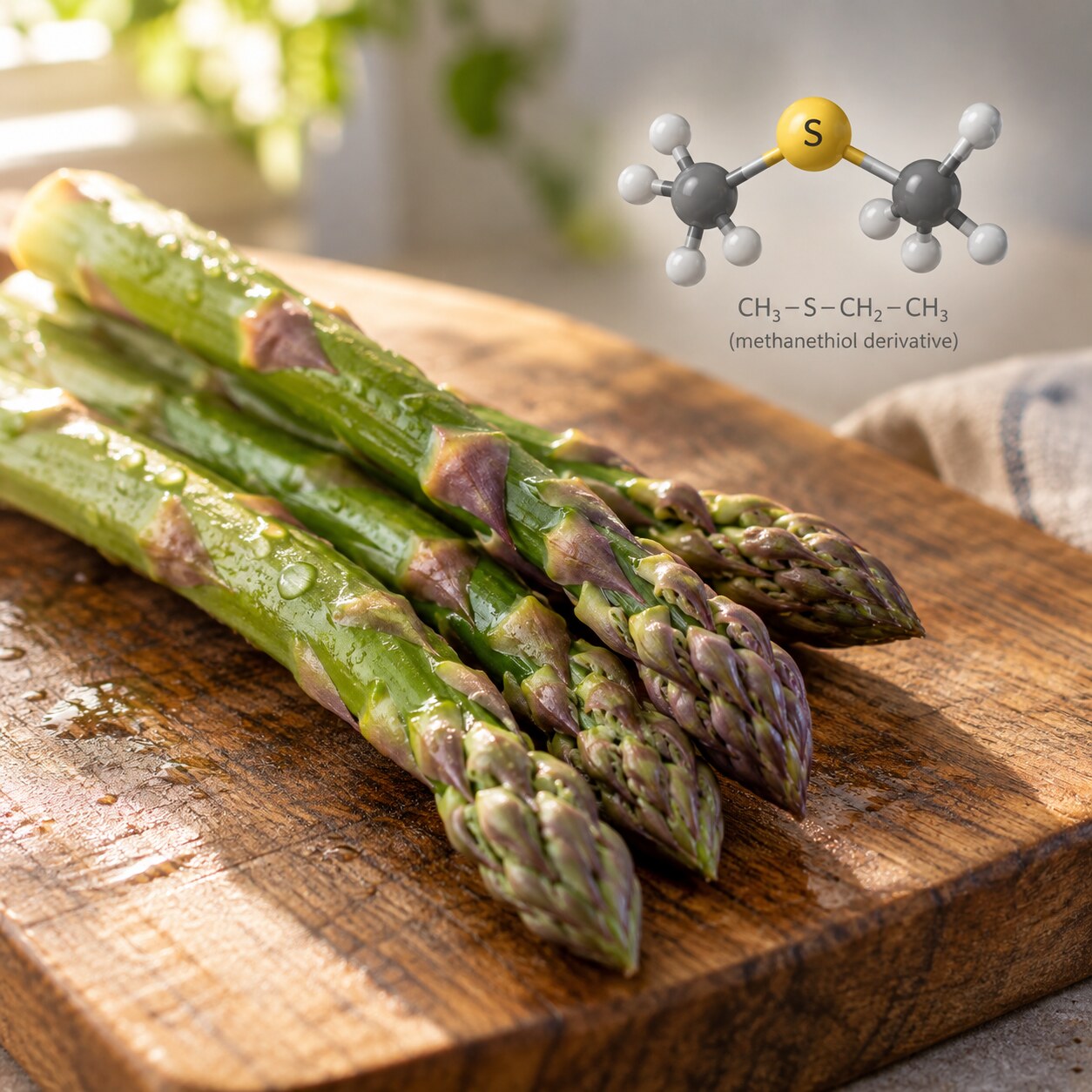
Figure 5. Digesting asparagus produces sulfur-containing compounds that some, but not all, people are genetically able to smell in their own urine within roughly fifteen to thirty minutes of eating it.
One specific, well-studied curiosity deserves its own mention because it's such a clean example of individual biological variation: asparagus. Digesting asparagus produces a group of sulfur-containing breakdown compounds that get excreted into urine, typically within fifteen to thirty minutes of eating it, and these compounds carry a distinctly pungent, sulfurous smell often compared to cooked cabbage. What makes this particular example scientifically interesting is that it isn't universal — research using genetic data has identified specific variations in olfactory receptor genes that determine whether a given person can actually smell these compounds at all, meaning some people produce the smelly compounds but simply lack the genetic ability to detect them, while others produce the same compounds and notice the smell clearly every single time. This is a genuinely harmless, well-understood, and entirely food-specific phenomenon, worth knowing by name specifically so a temporary, single-instance odor change tied clearly to a recent meal doesn't get mistaken for something requiring medical attention.
Medications and Supplements That Change Urine Smell
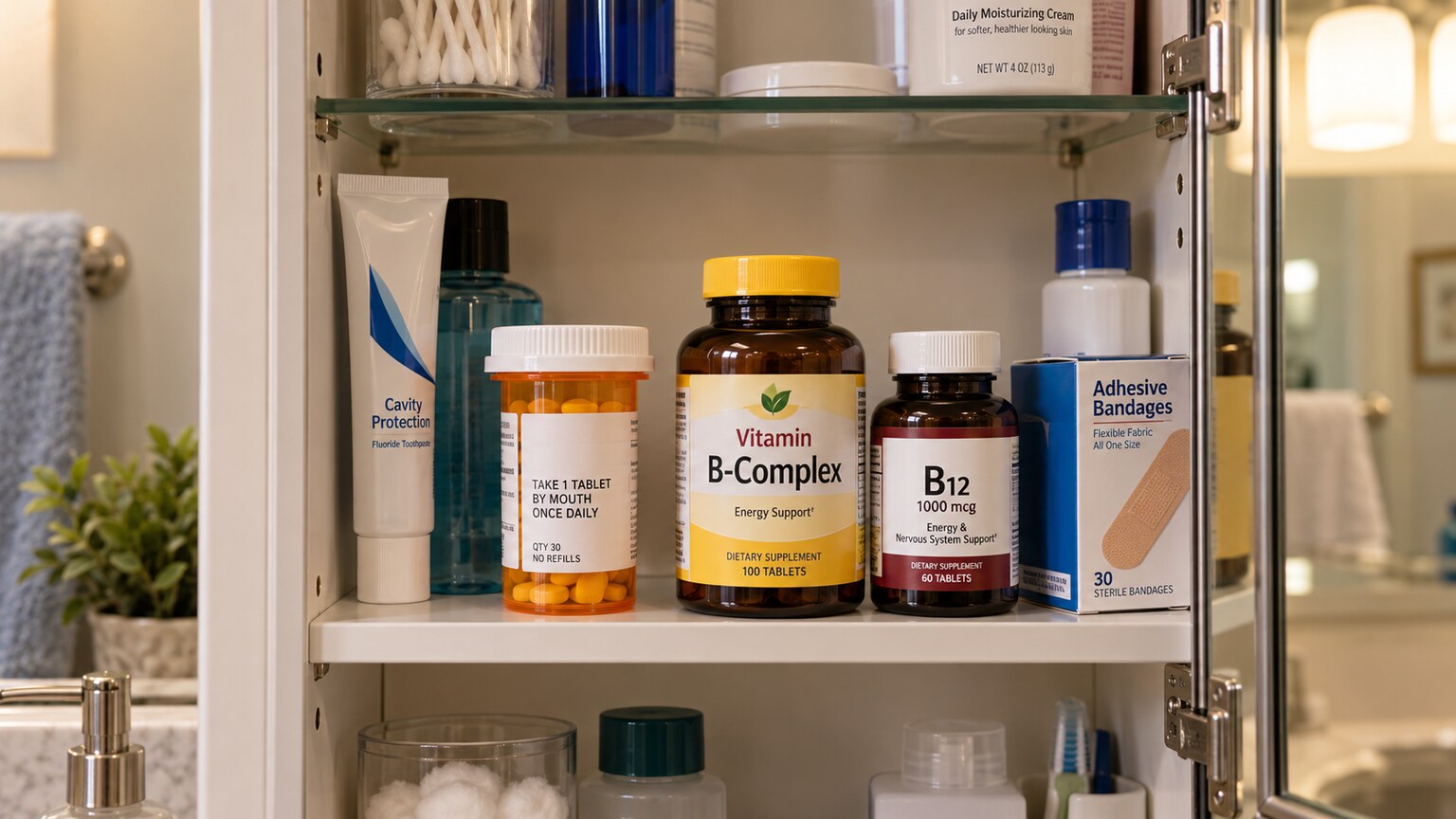
Figure 6. B-complex vitamins, certain antibiotics, and a handful of other common medications are broken down into compounds that carry their own distinct smell into urine, independent of any underlying health change.
Beyond food and metabolism, a handful of common medications and supplements are broken down by the body into compounds that carry their own distinct odor into urine. B-complex vitamins, and specifically B6 and B12, are well known for producing a notably strong, sometimes described as medicinal or chemical, urine smell, alongside the bright yellow color change many people notice from the same supplements, both caused by how the body processes excess water-soluble vitamins it doesn't need and excretes the surplus. Certain antibiotics, particularly some in the penicillin and sulfonamide families, are metabolized into compounds with their own characteristic smell as they're cleared from the body. A less common but recognizable example is the medication phenazopyridine, prescribed for urinary discomfort, which harmlessly but distinctly changes both urine's color to bright orange and its smell.
None of these medication- or supplement-related smell changes indicate a problem with the medication itself or a reason to stop taking it — they're simply a visible, or in this case smellable, byproduct of normal metabolism and excretion. If a new smell coincides clearly with starting a new supplement or prescription, and there's no burning, urgency, or other UTI-type symptom alongside it, the medication or supplement is almost always the simplest and correct explanation, and it typically resolves within a day or two of stopping that specific product if you choose to test that theory.
Rare Genetic Conditions Where Smell Is an Actual Diagnostic Clue
At the far, uncommon end of this spectrum sit a small number of rare inherited metabolic disorders where urine odor itself functions as a genuine, historically important diagnostic clue rather than an incidental curiosity. Maple syrup urine disease, a rare inherited condition where the body can't properly break down certain amino acids, causes urine (and earwax, in affected infants) to smell distinctly like maple syrup or burnt sugar, and this smell is often one of the very first clues that leads to diagnosis in a newborn, well before other symptoms become apparent. Phenylketonuria, another rare inherited metabolic disorder, can produce a musty or mousy urine odor for a similar reason: an inability to properly process a specific amino acid. Both of these conditions are now caught almost universally through routine newborn screening in the United States, long before smell would ever need to serve as the diagnostic clue it once was historically, but understanding that they exist helps explain why persistently unusual urine odor in an infant, described by a pediatrician as anything beyond ordinary variation, is taken seriously rather than dismissed.
How Age Changes What a Strong Urine Smell Usually Means
The most likely explanation behind a strong urine smell shifts meaningfully across a person's lifespan, and it's worth understanding these age-related patterns separately rather than applying one general rule to everyone. In infants and young children, a persistently unusual odor is taken more seriously specifically because it's one of the few outward clues available for the rare inherited metabolic conditions discussed above, and because young children are more prone to rapid dehydration from illness, which can concentrate urine and intensify its smell far more quickly than in an adult with the same illness. In healthy older children and younger adults, the everyday explanations — hydration status, diet, and occasional UTIs — account for the overwhelming majority of cases, with genetic curiosities like the asparagus effect often first noticed and puzzled over during these years.
In older adults, several factors compound to make strong-smelling urine both more common and, in some cases, more diagnostically significant. Thirst sensation naturally blunts with age, meaning older adults are more prone to mild, chronic under-hydration without necessarily feeling thirsty enough to correct it, which alone accounts for a meaningful amount of the stronger urine odor reported in this age group. UTIs also become considerably more common with age, particularly in postmenopausal women due to hormonal changes affecting the urinary tract's natural defenses, and in older men due to prostate enlargement affecting how completely the bladder empties. Because of this higher baseline risk, a genuinely new, persistent odor change in an older adult — especially one accompanied by increased confusion or a general decline in alertness, which UTIs can sometimes cause disproportionately in this age group compared to younger adults — is generally evaluated somewhat more readily than the same finding would be in a healthy younger adult.
How a Doctor Actually Investigates a Persistent, Unexplained Odor
When a strong urine smell doesn't resolve with better hydration and doesn't fit neatly into one of the everyday explanations covered above, the workup a doctor pursues follows a fairly logical, stepwise path rather than jumping straight to rare or exotic causes. The first and simplest step is almost always a standard urinalysis, which checks for the white blood cells, bacteria, and nitrites that would point toward infection, alongside markers like glucose and ketones that would point toward a metabolic cause, and specific gravity, which offers an objective, numeric measure of exactly how concentrated the sample actually is rather than relying on smell alone as a subjective judgment.
If the urinalysis suggests infection, a urine culture identifies the specific bacteria present and which antibiotics will treat it effectively, since not every urinary bacteria responds to the same medication. If ketones are present without a clear dietary explanation, blood glucose testing helps distinguish intentional fat-burning from a diabetes-related process needing more urgent attention. If everything on the standard urinalysis comes back unremarkable despite a persistent, genuinely bothersome odor, a doctor will typically revisit medication and supplement history in more detail, since this is one of the most commonly overlooked explanations once the more obvious possibilities have been ruled out. In the rare event that none of these explanations fit and the odor is accompanied by other unexplained symptoms, more specialized metabolic testing becomes appropriate, though this represents a genuinely small fraction of real-world cases compared with the everyday explanations covered throughout most of this article.
A Quick Note on Vaginal and External Causes That Aren't Actually About Urine
It's worth briefly addressing a genuinely common source of confusion: an odor a person attributes to their urine sometimes actually originates from somewhere else entirely — most often the external genital area rather than the urine itself. In women specifically, changes in vaginal discharge, from a yeast infection, bacterial vaginosis, or simply normal variation across the menstrual cycle, can produce a noticeable smell that's easy to mistake for a change in urine odor, especially since both are noticed at the same time and place during urination. Bacterial vaginosis in particular is well known for producing a distinct fishy odor that can be confused with the ammonia-like smell of a UTI, even though the two conditions require completely different treatments. If an odor seems to be present regardless of whether you're actively urinating, or if it's accompanied by unusual discharge, itching, or irritation rather than any of the urinary symptoms described earlier, that's a meaningful clue that the actual source may be external rather than urinary, and mentioning this distinction clearly to a doctor helps direct the workup toward the correct system from the outset.
Putting It Together: A Practical Way to Think Through Your Own Situation
With this many distinct possible explanations, it helps to have a simple, practical order for thinking through an unusually strong smell rather than jumping straight to the most alarming possibility. Start with the most common and least concerning explanation: how much water have you had today, and how long has this particular sample been sitting before you noticed the smell? If the answer points toward dehydration or a sample that sat for a while, increasing fluid intake and rechecking a fresher sample is a reasonable, low-effort first step before considering anything else.
If the smell persists despite good hydration, or shows up alongside burning, urgency, cloudiness, or pelvic discomfort, a urinary tract infection becomes the more likely explanation, and a urinalysis with culture is the appropriate next step rather than waiting it out. If the smell is distinctly sweet or fruity rather than sharp or ammonia-like, think about recent diet, fasting, or exercise first — and if you have diabetes or risk factors for it, treat a sweet smell alongside excessive thirst, fatigue, or rapid breathing as reason to seek care promptly rather than assuming it's diet-related. If a new smell started right around the same time as a new supplement or medication, that's very likely your answer. And if none of these specific patterns fit, or if the smell is persistent, unexplained, and accompanied by other symptoms you can't otherwise account for, that combination is exactly the kind of detail worth bringing to a healthcare provider rather than continuing to guess at home.
How Long a Genuinely Concerning Smell Change Typically Persists
Timing itself is a genuinely useful diagnostic clue that often gets overlooked amid all the possible explanations covered above. A concentration-driven smell change should meaningfully improve within a few hours of drinking adequate water — if it doesn't, concentration alone probably isn't the full explanation. A medication- or supplement-related change typically persists consistently for as long as that product is being taken and fades within a day or two of stopping it, a genuinely useful, low-risk way to test that specific theory if the timing lines up. An infection-related smell, left untreated, tends to persist or gradually worsen alongside its accompanying symptoms rather than fluctuating unpredictably, and it reliably resolves within a day or two of starting appropriate antibiotics once a UTI is confirmed and correctly treated. A smell that comes and goes unpredictably, with no clear connection to hydration, diet, medication, or other symptoms, is the pattern most likely to eventually need more systematic evaluation, precisely because it doesn't fit cleanly into any of the more common explanations that resolve predictably on their own.
Why Some Medical Conditions Beyond Diabetes and UTIs Also Change Urine Smell
Beyond the major categories already covered, a few additional medical conditions are worth knowing about specifically because they change urine odor through mechanisms distinct from dehydration, infection, or ketones. Liver disease, in its more advanced stages, can produce a specific musty or sweetish odor sometimes referred to as "fetor hepaticus" when it affects the breath, and a related change can occasionally be noticed in urine as the liver's ability to properly process and clear certain compounds from the bloodstream declines. This is generally accompanied by other, more prominent signs of liver dysfunction — yellowing of the skin or eyes, abdominal swelling, or unusual fatigue — rather than showing up as an isolated urine smell with nothing else going on.
Uncontrolled or poorly managed metabolic conditions beyond diabetes, including certain rare inherited disorders of amino acid metabolism beyond the two discussed earlier, can each produce their own distinctive odor signature, though these remain considerably rarer than the everyday causes this article focuses on. Fistulas — abnormal connections that can occasionally form between the bladder and the bowel due to conditions like diverticulitis or Crohn's disease — represent a genuinely rare but mechanically distinct cause worth mentioning: they can allow intestinal bacteria to contaminate urine directly, producing a foul, distinctly fecal-type odor along with visible air bubbles in the urine stream itself, a specific and unusual combination that warrants prompt medical evaluation rather than being mistaken for an ordinary infection.
Do Certain Foods Beyond Asparagus Change Urine Smell Too?
Asparagus gets most of the public attention because its effect is so well studied and so clearly tied to genetics, but it's not the only food capable of noticeably shifting urine's smell, even though for most other foods the effect tends to be milder and less consistently reported across the population. Garlic and onions, both rich in sulfur-containing compounds similar in family to what asparagus produces, have been anecdotally linked to a milder version of the same kind of smell shift in some people, particularly after eating unusually large quantities. Coffee's diuretic effect, discussed briefly earlier in the context of concentration, can indirectly intensify urine odor simply by increasing how much fluid the body loses relative to what's consumed, concentrating the same daily urea load into a smaller output. Curry spices and certain other strongly aromatic foods have occasionally been reported anecdotally as well, though the scientific evidence behind these particular associations is considerably thinner and less consistently reproduced across studies than the well-documented asparagus effect. The general pattern worth taking away is that any food producing strong-smelling breakdown compounds in the digestive process has at least some theoretical potential to carry a version of that smell into urine, though asparagus remains the most reliably documented and most frequently experienced example by a clear margin.
What a Urine Odor Diary Can Reveal Over Time
For anyone dealing with a recurring, hard-to-pin-down odor change, keeping a brief, simple log for a week or two can reveal a pattern that's genuinely difficult to spot from memory alone. Noting the time of day, how much water was consumed in the preceding hours, any recent meals or supplements, and a simple description of the smell itself (sharp, sweet, musty, or otherwise) creates a small dataset that often makes the actual trigger obvious in a way that trying to recall isolated instances rarely does. This kind of simple tracking is particularly useful for anyone managing a chronic condition like diabetes or recurrent UTIs, since a documented pattern — smell reliably worsening at certain times, or reliably following certain foods or medications — is exactly the kind of concrete information that helps a doctor move more quickly from a vague complaint to a specific, testable explanation, rather than starting from scratch at each individual appointment.
A useful additional habit alongside this kind of log is simply noting your own typical, personal baseline when you're well-hydrated and feeling entirely normal, since "strong" is inevitably a relative judgment that varies somewhat from person to person and even day to day for the same person. Someone who knows what their own ordinary, healthy urine smell is like is considerably better positioned to notice a genuine, meaningful deviation from it than someone comparing against a vague, generic idea of what urine "should" smell like. This small bit of personal calibration, built up simply by paying attention over time, often turns out to be one of the more practically useful tools available for catching a real change early, well before it becomes obvious enough that anyone would need a diary to notice it in the first place.
How Pregnancy Changes What a Strong Urine Smell Might Mean
Pregnancy deserves its own brief mention because it shifts several of the mechanisms already covered in ways that are worth understanding separately. Hormonal changes during pregnancy relax the muscles of the urinary tract, including the tube connecting the kidneys to the bladder, which can slow urine flow slightly and make urinary tract infections meaningfully more common during pregnancy than outside of it — and because untreated UTIs during pregnancy carry a higher risk of complications, including preterm labor in more severe cases, providers generally screen for and treat them more proactively than they would in a non-pregnant adult with the same symptoms. Morning sickness and reduced fluid intake in early pregnancy can also concentrate urine more than usual, producing the same dehydration-driven smell increase discussed earlier in this article, though staying ahead of fluid intake as nausea allows is usually enough to address it. Because of this combination of factors, a persistent or unusual urine odor noticed during pregnancy is generally worth mentioning at a prenatal visit rather than waiting to see if it resolves on its own, given how much more proactively urinary symptoms are managed during this specific period.
Frequently Asked Questions
Is strong-smelling urine always a sign of infection?
No. The single most common cause is simple dehydration concentrating otherwise normal urine. Infection is more likely when a strong smell appears alongside burning, urgency, or cloudiness rather than as the only symptom present.
Why does my urine smell so much stronger first thing in the morning?
Overnight urine has had many hours to concentrate while you weren't drinking fluids, so the same daily amount of urea ends up dissolved in a much smaller volume of water, intensifying the smell.
Why does my urine smell sweet, and should I be worried?
A sweet or fruity smell usually comes from ketones produced when the body burns fat for fuel, which is expected and harmless during fasting or a low-carb diet. In someone with diabetes, the same smell alongside excessive thirst or rapid breathing can signal a medical emergency and needs prompt attention.
Why can some people smell asparagus in their urine and others can't?
Asparagus produces sulfur-containing compounds in urine for everyone who eats it, but a genetic variation in smell receptors means only some people are actually able to detect that particular odor.
Can vitamins really change how my urine smells?
Yes. B-complex vitamins, particularly B6 and B12, are commonly associated with a strong, medicinal-smelling urine odor as the body excretes the excess water-soluble vitamin it doesn't need.
When should a strong urine smell actually prompt a doctor's visit?
When it's persistent despite good hydration, accompanied by burning, urgency, cloudiness, or pelvic pain, or paired with symptoms of high blood sugar in someone with diabetes. An isolated, temporary smell tied to hydration, food, or a supplement usually doesn't need evaluation.
Is it possible the smell I'm noticing is actually coming from somewhere other than my urine?
Yes. Vaginal discharge changes, including bacterial vaginosis, can produce a smell noticed at the same time as urination but actually unrelated to the urine itself. Odor present regardless of urination, or accompanied by discharge or itching, points toward this external source instead.
Should I be more concerned about a strong urine smell as I get older?
Urinary tract infections become more common with age, and older adults are more prone to mild chronic dehydration, both of which increase how often a stronger smell appears. A new, persistent change, especially with confusion or reduced alertness, is generally worth evaluating rather than assuming it's routine.
Conclusion
A stronger-than-usual urine smell is rarely a mystery once you know what to actually look for: it very nearly always traces directly back to one of a small, quite specific set of underlying chemical explanations — concentration, bacterial activity, ketone production, a specific food or supplement, or, rarely, an inherited metabolic condition — rather than functioning as one single, vague, entirely undifferentiated warning sign on its own. Urea's own slow, gradual breakdown into ammonia explains the ordinary baseline smell everyone has; how quickly and dramatically that baseline shifts is what actually carries the useful information. Paying attention to the specific character of the smell, what else is happening alongside it, and how it responds to something as simple as drinking more water is what turns a passing bathroom observation into a genuinely useful piece of self-knowledge, and it's exactly the kind of detail that helps a doctor get to the right answer faster if a visit does turn out to be needed. Most of the time, that answer turns out to be refreshingly simple — a glass of water away, in fact — but knowing how to recognize the handful of situations where it genuinely isn't is what makes this small, easily overlooked daily observation worth understanding properly rather than either ignoring it entirely or worrying about it more than the evidence actually calls for.
Still Not Sure What Your Results Mean?
Upload your labs and get a complete, visual, plain-language interpretation of every biomarker — delivered to your inbox in under 15 minutes.
Get My ReportThis article is for educational purposes only and does not constitute medical advice. Always consult your healthcare provider regarding your specific lab results.