
Why Is My Urine Very Pale or Almost Clear?
If you glanced down and did a double-take because your urine looked more like water than, well, urine, you can probably relax — pale or nearly clear urine is one of the least concerning colors it can be. In the overwhelming majority of cases, it simply means your body has more water on board than it needs at that moment, so it's flushing the extra out. The color of urine comes from a pigment your body makes every day, and how strong or faint that color looks depends almost entirely on how diluted it is. Every once in a while, though, urine that stays clear no matter what you do — paired with symptoms like constant thirst or needing to pee around the clock — can be a clue toward something worth mentioning to a doctor. Here's how to tell the difference.
Curious what the rest of your urinalysis is telling you? Upload your results and get a complete, plain-language breakdown in under 15 minutes.
Analyze My ResultsWhat Actually Gives Urine Its Color
The yellow tint in urine comes from a pigment called urochrome, sometimes called urobilin, which your body produces as a byproduct of breaking down old red blood cells. Your kidneys filter this pigment out of your blood and send it out in your urine, mixed with water and a handful of waste products and minerals. The pigment itself doesn't change much from day to day — what changes is how much water it's diluted in. Think of it like a single drop of yellow food coloring: dropped into a shot glass, it turns the water a deep gold; dropped into a full pitcher, it barely tints the water at all. Your kidneys are constantly adjusting how much water goes into that "pitcher," and pale or clear urine simply means they're using a lot of it.
The Most Common Reason: You're Simply Well Hydrated
By far, the most likely explanation is the least dramatic one: you've been drinking more fluid than usual. Whether it's a hot day, a workout, or just a habit of carrying a water bottle everywhere, extra fluid intake means your kidneys have more water to work with, and they use it to dilute the urochrome pigment down to almost nothing. This kind of pale urine tends to come and go — it might show up after a big glass of water and shift back to a normal pale-yellow a few hours later. If your urine color changes throughout the day depending on how much you've had to drink, that variability itself is a reassuring sign that your kidneys are responding normally to your fluid intake, not a sign that anything is wrong.
Coffee, Alcohol, and Other Things That Push More Water Out
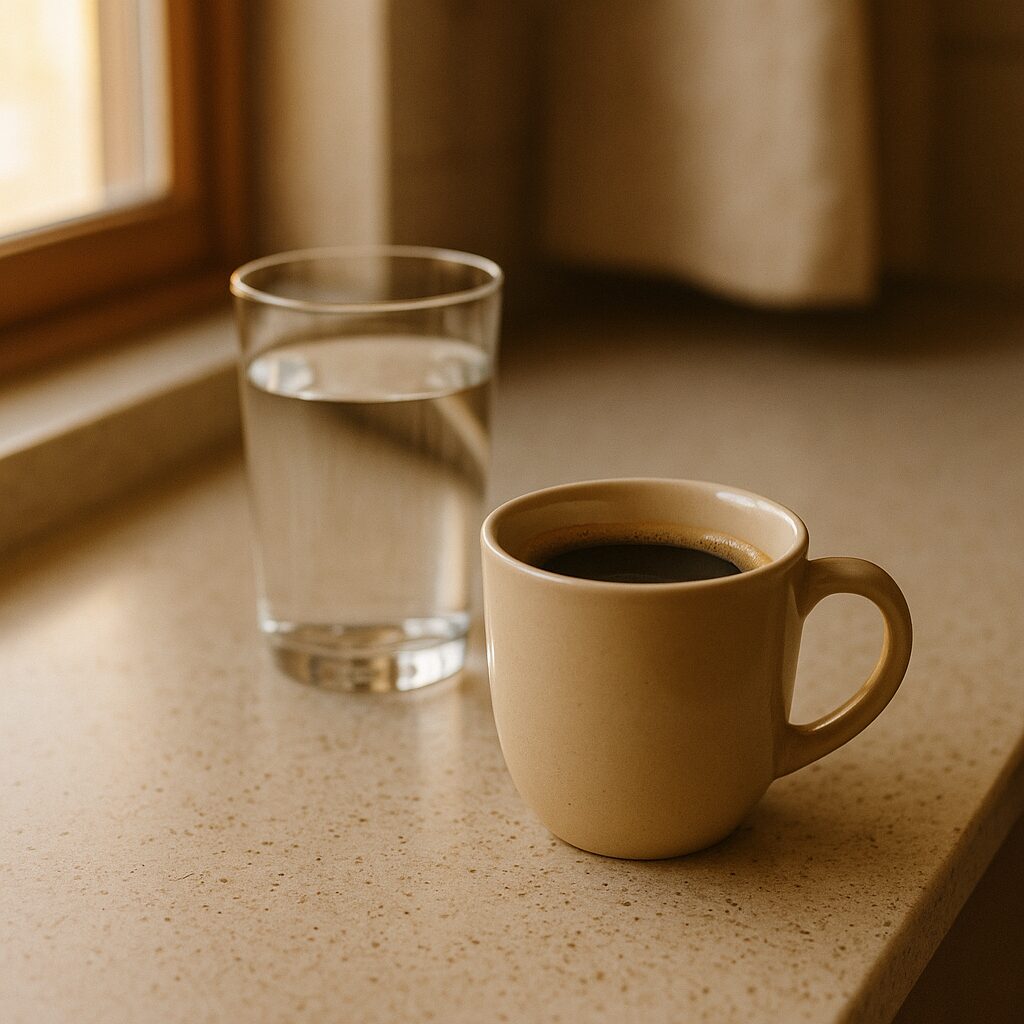
Certain substances don't just add fluid to your system — they actively encourage your kidneys to release more water than usual. Caffeine and alcohol are both mild diuretics, meaning they interfere with a hormone that normally tells your kidneys to hold onto water, so more of it ends up in your urine instead of your bloodstream. Some blood pressure medications, called diuretics, do the same thing on purpose, since they're prescribed specifically to help the body release excess fluid. If you've had a couple of coffees, a drink with dinner, or you're on a diuretic medication, noticeably paler urine afterward is an expected, harmless side effect rather than something to investigate.
When It's Hormonal: Diabetes Insipidus
There's a condition with a name that trips a lot of people up: diabetes insipidus. Despite sharing the word "diabetes," it has essentially nothing to do with blood sugar — it's a separate condition involving a hormone called vasopressin, also known as antidiuretic hormone, which normally tells your kidneys how much water to reabsorb back into the body instead of releasing it as urine. When the body doesn't make enough of this hormone, or the kidneys stop responding to it properly, they end up releasing far more water than necessary, around the clock, regardless of how much you've had to drink. The result is large volumes of urine that stay pale or completely clear no matter what, usually paired with an unusual, persistent thirst. This condition is uncommon, but it's the classic example doctors think of when someone reports clear urine that simply won't go away.
Could It Be Connected to Blood Sugar?
Separately from diabetes insipidus, uncontrolled diabetes mellitus — the blood sugar type most people think of when they hear "diabetes" — can also lead to unusually frequent, sometimes pale urination. When blood sugar climbs high enough, some of that excess glucose spills into the urine, and glucose has a tendency to pull water along with it as it's filtered out, a process called osmotic diuresis. The urine that results isn't necessarily crystal clear the way it is with diabetes insipidus, but the combination of urinating far more often than usual, feeling unusually thirsty, and noticing lighter-colored urine is a pattern worth mentioning to a doctor, especially if it's new and persistent.
When the Kidneys Themselves Can't Concentrate Urine
Healthy kidneys can adjust urine concentration across a wide range — turning it nearly clear when you're overhydrated and dark gold when you're dehydrated. In certain kidney conditions, that adjustable range narrows, and the kidneys lose the ability to concentrate urine even when the body needs them to. This shows up as urine that stays a similar, often dilute, pale shade no matter how much or how little you've had to drink, since the kidneys simply aren't fine-tuning the water content the way they normally would. This particular pattern usually isn't something you'd notice from color alone — it typically comes up alongside other findings on a fuller kidney function panel, which is exactly the kind of context a complete lab workup provides.
Is There Such a Thing as Drinking Too Much Water?
Yes, and it's worth knowing about, even though it's uncommon. Drinking dramatically more water than your kidneys can process in a short window — well beyond typical daily hydration — can dilute the sodium in your blood to dangerously low levels, a condition called hyponatremia, sometimes referred to as water intoxication. This is genuinely rare and generally requires drinking an extreme volume of water in a short period, far more than routine hydration habits. Persistently clear urine on its own is not a warning sign of this; it only becomes relevant if it's paired with symptoms like confusion, severe headache, nausea, or swelling after unusually excessive water intake, in which case it's a matter for immediate medical attention rather than a wait-and-see situation.
How This Shows Up on a Lab Report
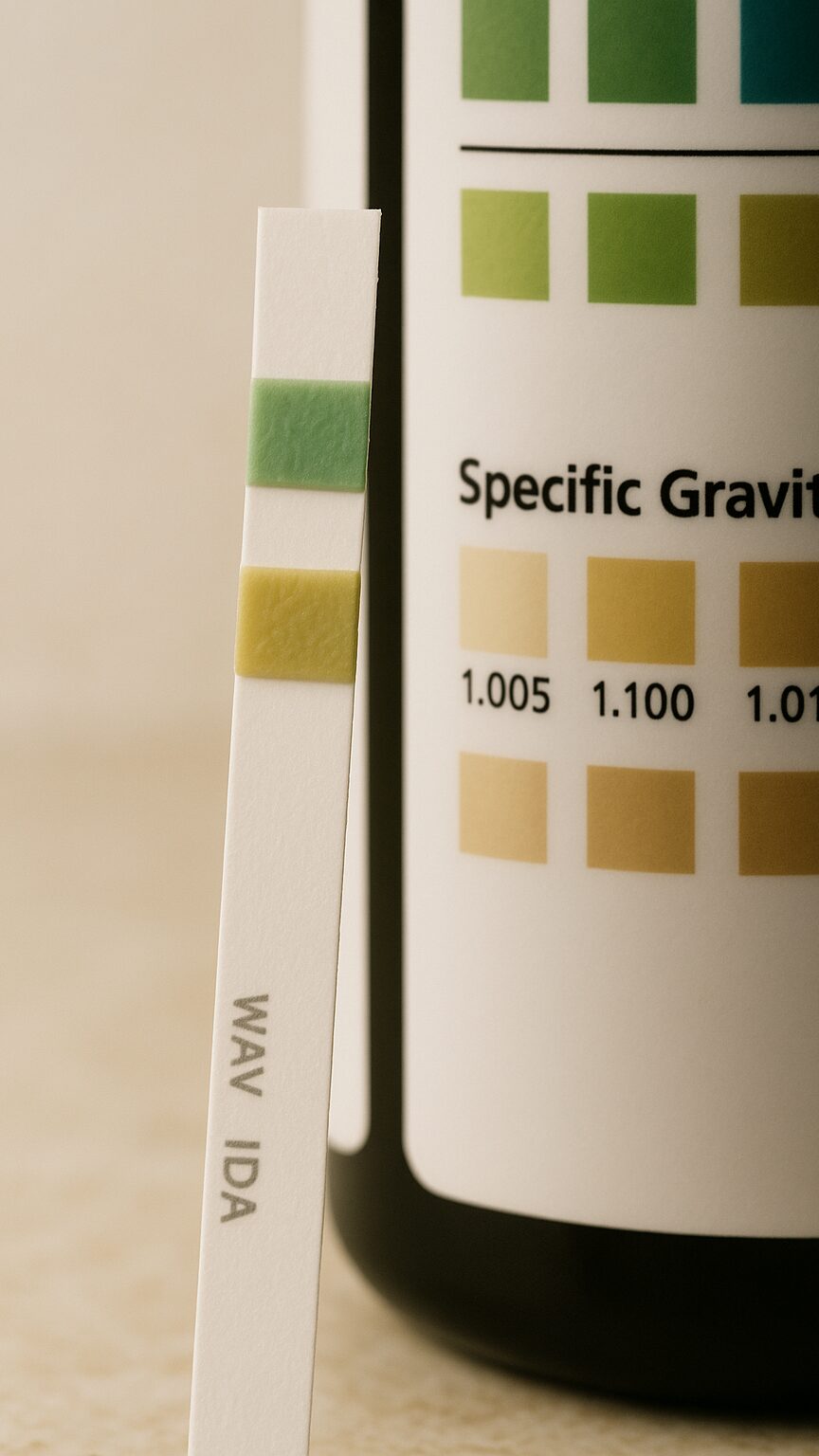
If you've ever had a urinalysis, you may have noticed a value called "specific gravity" on the results. This measures exactly what we've been discussing — how concentrated or diluted your urine is compared to plain water. A low specific gravity reading lines up with pale or clear urine and confirms that your kidneys are releasing a lot of water relative to everything else they're filtering out. A consistently low reading across multiple tests, especially alongside excessive thirst or urination, is one of the clues that points a physician toward investigating hormonal or kidney-related causes rather than simple hydration.
Frequently Asked Questions
Is clear urine actually healthier than yellow urine?
Not necessarily. Pale straw-yellow is generally considered the ideal hydration color. Completely clear urine simply means you're on the more hydrated end of normal, or possibly overhydrated — it isn't a goal to chase, just a sign that your fluid intake is currently high relative to what your body needs.
Should I be worried if my urine is clear every single day?
If it's consistently clear regardless of how much you drink, and especially if it's paired with constant thirst or frequent urination, it's worth mentioning to a doctor. Occasional clear urine tied to high fluid intake is normal; a pattern that never varies is the detail worth flagging.
Can medications cause unusually pale urine?
Yes. Diuretic medications, often prescribed for blood pressure or fluid retention, work by increasing how much water your kidneys release, which commonly results in paler urine. This is an expected effect of the medication rather than a separate problem.
Conclusion
Pale or nearly clear urine is, in almost every case, simply a hydration signal — a sign that your kidneys have plenty of water to work with and are diluting the urochrome pigment accordingly. Coffee, alcohol, and diuretic medications can push it further in that direction, and none of that warrants concern. The exceptions worth paying attention to are urine that stays clear no matter what, especially alongside constant thirst or unusually frequent urination, which can point toward hormonal conditions like diabetes insipidus, blood sugar issues, or a kidney's reduced ability to concentrate urine. If that pattern sounds familiar, it's a reasonable thing to bring up at your next appointment rather than something to diagnose from color alone.
Still Not Sure What Your Results Mean?
Upload your labs and get a complete, visual, plain-language interpretation of every biomarker — delivered to your inbox in under 15 minutes.
Get My ReportThis article is for educational purposes only and does not constitute medical advice. Always consult your healthcare provider regarding your specific lab results.