
What's the Link Between Iron Deficiency and Fatigue?
Iron deficiency causes fatigue because iron isn't just a raw material for making red blood cells — it's a direct, hands-on participant in how nearly every cell in your body actually generates usable energy. Most people know the textbook version of this story: less iron means less hemoglobin, less hemoglobin means less oxygen reaches your tissues, and less oxygen means you feel tired. That mechanism is real, but it's only one piece of a much bigger picture, and it's often not even the first piece to show up. Iron is also a required cofactor for the enzymes inside your mitochondria that physically assemble ATP, the molecule every cell spends as its energy currency; it's needed to make myoglobin, the protein that stores oxygen inside your muscles for use during activity; and it's required to build the enzymes that manufacture dopamine and norepinephrine, the brain chemicals tied to alertness, motivation, and mental drive. This is why iron-deficiency fatigue can show up well before a standard blood count ever flags anemia, and why it tends to feel like a specific, layered kind of exhaustion — physical, mental, and unrelieved by sleep — rather than simple tiredness.

Figure 1. Iron-deficiency fatigue is often unrelieved by rest, since it stems from reduced cellular energy production rather than sleep debt alone.
Curious what the rest of your iron and energy-related labs are actually telling you? Upload your results and get a complete, plain-language breakdown in under 15 minutes.
Analyze My ResultsWhy Iron Is the Fuel Behind Cellular Energy Production
To understand why low iron drains your energy, it helps to zoom in past organs and blood all the way down to the level of a single cell. Inside nearly every cell in your body sit hundreds to thousands of tiny structures called mitochondria — often nicknamed the cell's "power plants" because their entire job is converting the sugars and fats you eat into ATP, the actual molecule your muscles, nerves, and organs spend to do anything at all, from blinking to sprinting to simply keeping your heart beating. That conversion process, called the electron transport chain, works like a relay race: electrons get passed from one protein complex to the next in a precise sequence, and each handoff releases a small burst of energy that gets banked as ATP. Iron is what makes several of those relay handoffs physically possible.
Specifically, iron sits at the core of two kinds of molecular machinery inside this relay: iron-sulfur clusters and heme groups. Iron-sulfur clusters are small clumps of iron and sulfur atoms wedged into several of the protein complexes in the electron transport chain, and they work almost like tiny electrical contacts, letting electrons hop from one protein to the next. Heme groups — the same iron-containing ring structure found in hemoglobin — sit inside a family of proteins called cytochromes, including cytochrome c oxidase, the final and rate-limiting handoff point in the entire chain, the step where electrons are finally combined with oxygen to finish the reaction. Without enough iron available to build these clusters and hemes, the relay doesn't stop entirely, but it slows down and becomes less efficient at every cell in the body simultaneously — not just in your blood, but in your muscles, your brain, your gut lining, and everywhere else ATP is being spent around the clock. That's part of why iron-deficiency fatigue can feel so global and so hard to shake with rest alone: it isn't a problem localized to one organ, it's a subtle efficiency loss playing out inside essentially every cell you have.
Iron also plays a second, quieter role in this same neighborhood of cell biology that's worth knowing about: an iron-containing enzyme called ribonucleotide reductase is required to make the building blocks of DNA, which means iron deficiency can slow down how efficiently your body replaces cells that turn over quickly, including the cells lining your gut and the red blood cells themselves. And an iron-dependent enzyme called catalase helps neutralize a byproduct of normal metabolism called hydrogen peroxide before it can damage cells — a small piece of your body's everyday cellular housekeeping that, like the energy-production machinery above, quietly depends on having enough iron on hand. None of these roles get the same attention as hemoglobin in a basic biology class, but together they help explain why the reach of iron deficiency extends so far beyond "thinner blood."
How Iron Deficiency Progresses — and Why Fatigue Often Arrives Before Anemia Does
One of the most important things to understand about iron deficiency is that it isn't a single event — it's a slow, staged process, and fatigue frequently shows up in an earlier stage than most people, and even some clinicians, expect. In the first stage, your body's iron stores — reflected on a lab report by a protein called ferritin — begin to shrink as you lose more iron than you're taking in, whether from menstrual blood loss, a diet that's too light on iron-rich foods, a pregnancy, or a source of chronic blood loss elsewhere. During this stage, a standard complete blood count can look completely normal, because your body is drawing down its reserves specifically so it doesn't have to touch the iron already committed to hemoglobin and other essential proteins.
It's precisely in this first stage — often called latent iron deficiency, or iron deficiency without anemia — that fatigue can already begin, because the enzymes and cofactors described above are also drawing from that same shrinking pool of available iron, and they tend to be sensitive to a shortage earlier than your bone marrow's hemoglobin-making machinery is. Only in a later stage, once storage iron and circulating iron are both meaningfully depleted, does hemoglobin production itself start to falter, red blood cells become smaller and paler than normal, and a routine blood count finally flags something abnormal. Some research estimates that iron deficiency without anemia is roughly twice as common as iron deficiency anemia itself — which means a large share of people experiencing real, biologically grounded iron-deficiency fatigue would be missed entirely by a doctor who only orders a basic blood count and stops looking the moment hemoglobin comes back "normal."
Hemoglobin, Oxygen Delivery, and the Classic Fatigue Mechanism
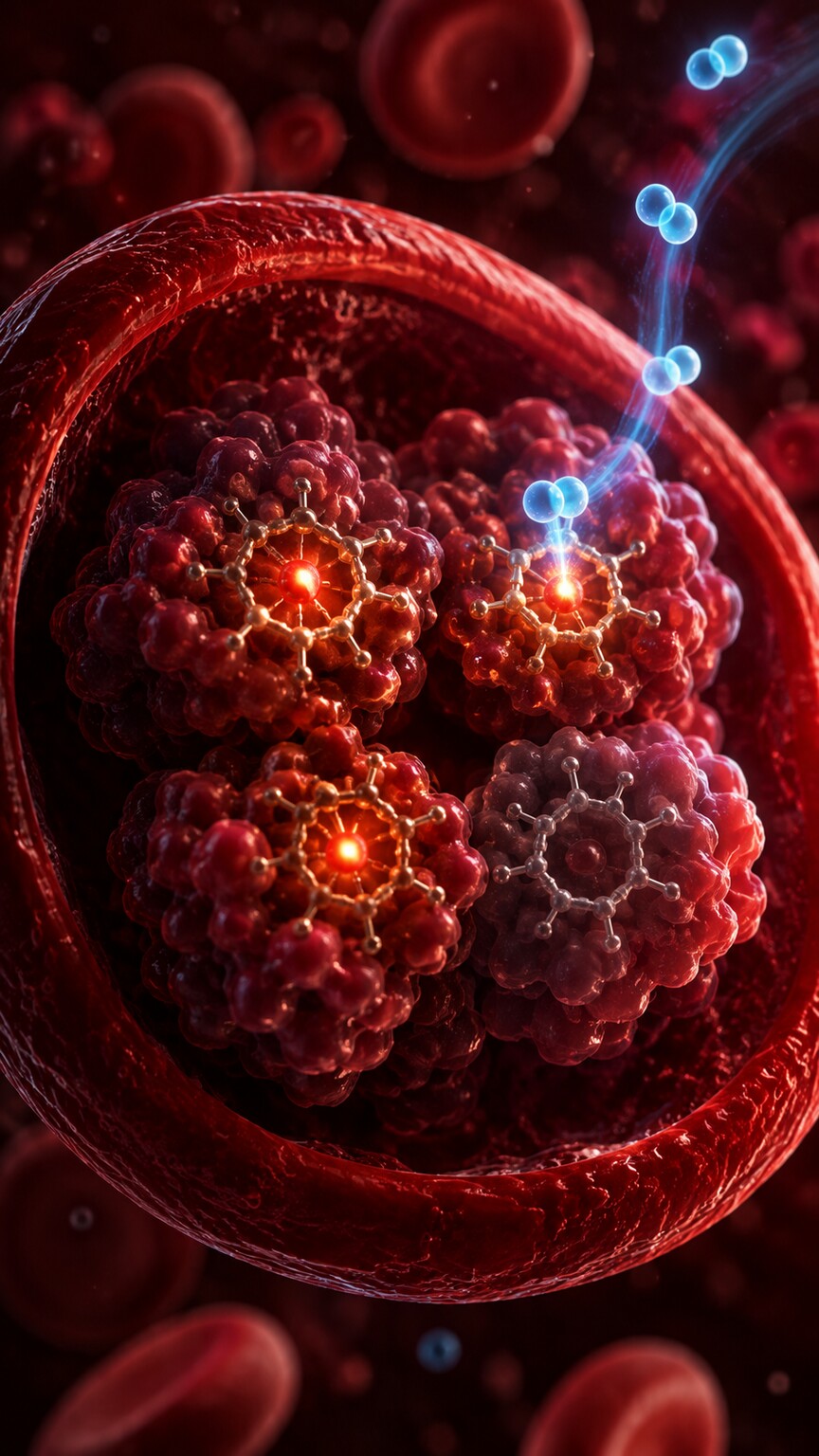
Figure 2. Each hemoglobin molecule holds four iron-containing heme groups, and each heme group is the actual site where one oxygen molecule attaches for transport.
This is the mechanism most people already associate with iron and tiredness, and it's still worth understanding properly, because it's genuinely significant once deficiency progresses far enough. Hemoglobin, the protein that fills your red blood cells and gives them their color, is built around four individual iron atoms, each held inside its own heme ring. Those four iron atoms are the literal docking sites where oxygen molecules attach in your lungs before being ferried through your bloodstream to every tissue that needs them. When iron becomes scarce, your bone marrow can't build as many complete, fully iron-loaded hemoglobin molecules, so the red blood cells it does produce end up smaller and paler than normal — a pattern labs describe as microcytic and hypochromic — and each one carries less oxygen-binding capacity than it should.
The downstream effect is exactly what it sounds like: less oxygen reaches your muscles, your brain, and your organs per heartbeat, so your heart and lungs have to work measurably harder just to deliver the same amount of oxygen your body needs to function normally. This is why more advanced iron-deficiency anemia often comes with a racing heartbeat during ordinary activity, shortness of breath climbing a single flight of stairs, and a pale or washed-out complexion, especially noticeable in the inside of the lower eyelid or the creases of the palm. It's also why fatigue tends to intensify sharply as anemia deepens — the cellular energy-efficiency problem described earlier and this oxygen-delivery shortfall are now compounding each other at the same time, rather than acting alone.
What This Kind of Fatigue Actually Feels Like

Figure 3. Reduced oxygen-carrying capacity often shows up first as breathlessness or a pounding heartbeat during ordinary, previously unremarkable activity.
People describe iron-deficiency fatigue in fairly consistent terms once you know what to listen for. It's rarely the kind of sleepy, heavy-eyelid tiredness that a good night's sleep fixes. Instead, it's more often described as a low, persistent depletion — a sense of having to push through ordinary tasks that used to feel effortless, of climbing a single flight of stairs and noticing your heart pounding or your breath catching in a way it never used to, or of needing a short rest after routine chores like grocery shopping or vacuuming. Many people also notice a specific pattern of exercise intolerance: activities that were once easy start to feel disproportionately hard, recovery afterward takes longer than expected, and legs in particular can feel heavy or leaden rather than simply "worked."
Cognitive symptoms are just as common, even if they're described less often, sometimes dismissed as stress or normal aging: difficulty concentrating, a foggy or slowed-down feeling, trouble finding words, and a flattened sense of motivation that can look, on the surface, a little like low mood. Cold hands and feet, unusually pale skin, brittle nails, and in some cases a specific craving to chew ice — a phenomenon called pica that is strongly and specifically associated with iron deficiency — round out the picture that many people with genuine iron-deficiency fatigue eventually recognize, in hindsight, as a consistent cluster rather than a set of unrelated complaints.
A less commonly discussed but fairly frequent sign is hair shedding — not necessarily thinning permanently, but noticeably more hair coming out during washing or brushing than usual, a pattern called telogen effluvium that's often associated with a ferritin below roughly 40 to 70 ng/mL, even in people who aren't anemic. Some people also notice headaches, a lower tolerance for cold rooms or cold weather, and a general sense of needing more downtime between tasks than they used to, without necessarily being able to point to any single symptom as the main complaint. Because none of these signs are exclusive to iron deficiency on their own, the value in recognizing the cluster is knowing when it's worth asking a doctor to check, rather than trying to self-diagnose from symptoms alone.
Iron's Second Job: Fueling Muscles Through Myoglobin
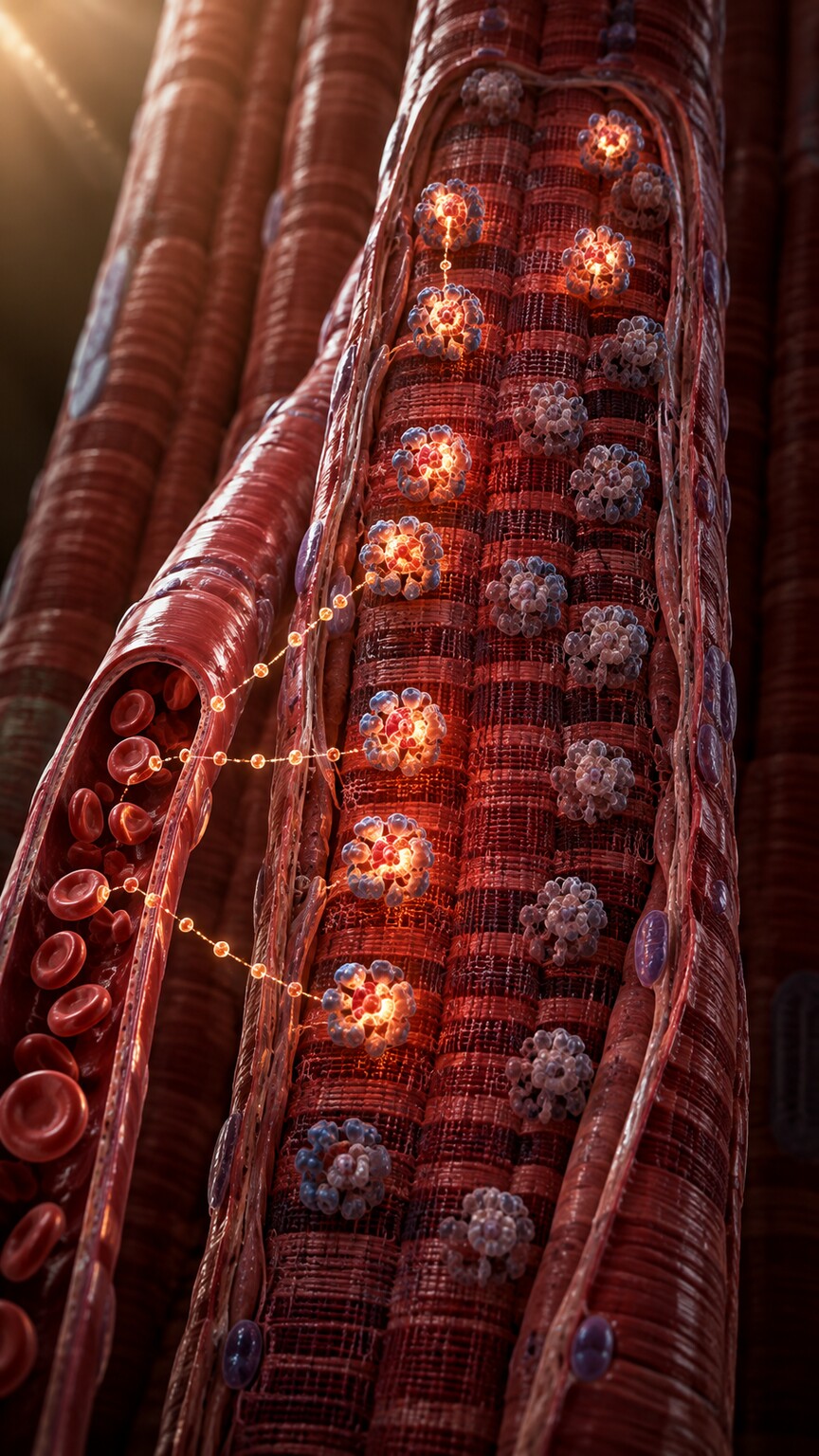
Figure 4. Myoglobin, a close relative of hemoglobin, uses its own iron core to hold a local reserve of oxygen directly inside muscle tissue.
Hemoglobin isn't the only iron-dependent oxygen-handling protein in your body. Your skeletal muscles — including your heart, which is itself a muscle working continuously — contain a related protein called myoglobin, built around the same iron-heme structure as hemoglobin. While hemoglobin's job is transport, carrying oxygen through the bloodstream from your lungs to your tissues, myoglobin's job is local storage: it holds a small reserve of oxygen directly inside muscle fibers, ready for immediate use the instant a muscle contracts and its local oxygen supply from the blood momentarily can't keep pace with demand. This is especially important during the first several seconds of any burst of physical activity, before blood flow to that muscle has had time to increase.
When iron is scarce, myoglobin concentration in muscle tissue can drop in step with the broader deficiency, independent of whatever is happening with hemoglobin and blood oxygen levels. The practical result is a muscle that fatigues faster and recovers more slowly during activity, even in someone whose anemia is mild or who isn't anemic at all yet — which helps explain why endurance athletes with iron deficiency often notice a drop in performance and a heavier, more labored feeling in their legs well before any doctor would call their blood count abnormal. It's also a big part of why the fatigue people describe with low iron isn't purely mental or purely a matter of "feeling sleepy" — there's a genuine, localized loss of muscular stamina happening at the same time.
The Brain Connection: Iron, Dopamine, and Brain Fog
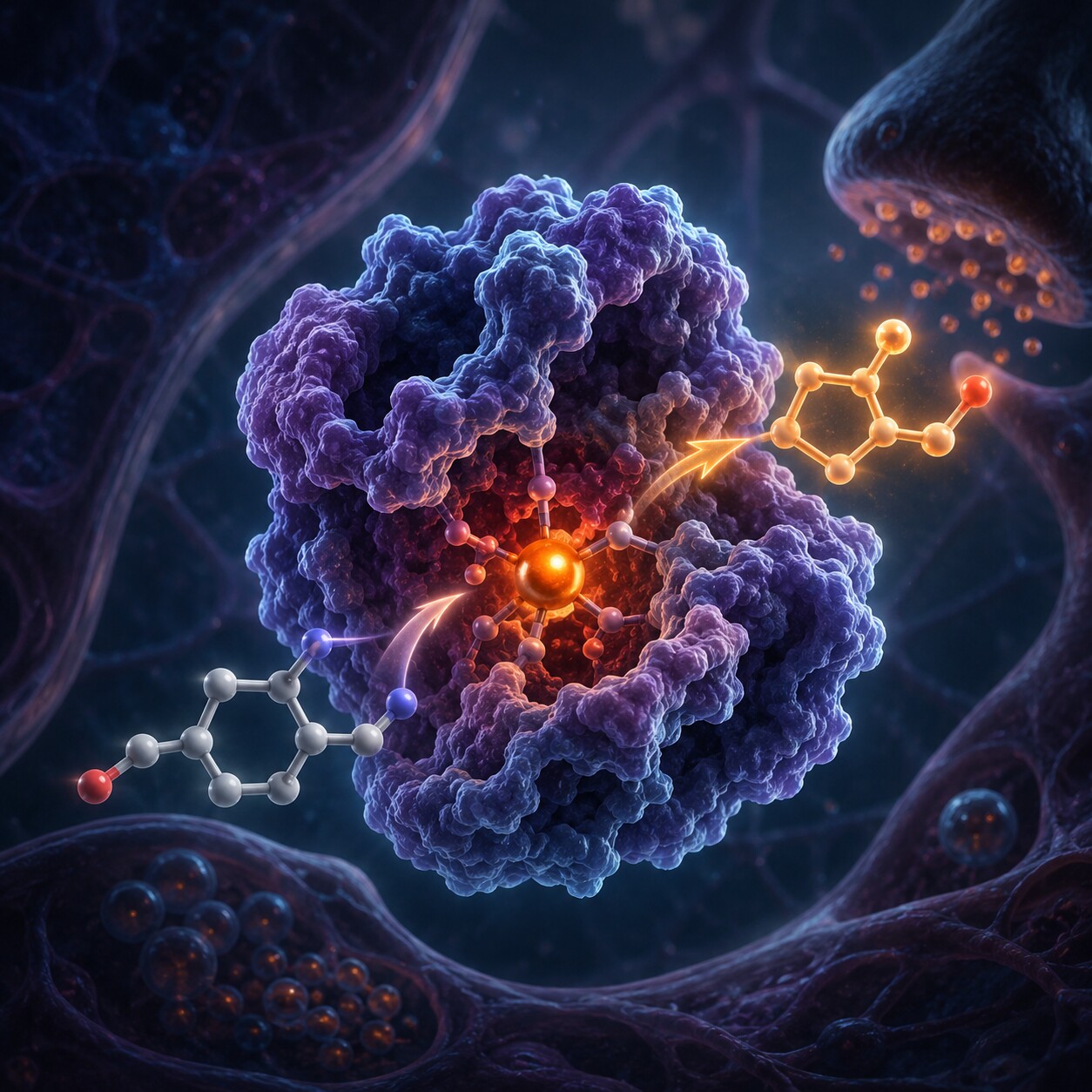
Figure 5. Tyrosine hydroxylase, the enzyme that starts dopamine production in the brain, requires an iron atom at its core to function.
Perhaps the least widely known of iron's roles is the one it plays inside the brain, which helps explain why iron-deficiency fatigue so often comes bundled with mental, not just physical, symptoms. Dopamine and norepinephrine — two brain chemicals central to alertness, motivation, focus, and the sense of drive that gets you through a task — are built through a chemical pathway that starts with an enzyme called tyrosine hydroxylase. That enzyme requires an iron atom sitting at its active site to function at all; without it, the very first step of the pathway simply can't proceed at the normal rate. Iron is also required, to a lesser extent, for enzymes involved in producing serotonin, a brain chemical more closely tied to mood regulation.
Brain tissue, particularly a region called the substantia nigra involved in movement and reward, actually maintains one of the highest iron concentrations of any tissue in the body outside of the liver, specifically because of how much of this iron-dependent enzymatic machinery it needs to keep running. When circulating iron and brain iron stores fall, dopamine and norepinephrine synthesis can lag, and many researchers believe this is a meaningful contributor to the "brain fog," flattened motivation, and difficulty concentrating that so often accompanies iron deficiency — sometimes even before physical symptoms like breathlessness become noticeable. This is also the same underlying mechanism thought to connect low brain iron to restless legs syndrome, discussed next.
Restless Legs Syndrome: When Iron-Deficiency Fatigue Shows Up at Night
Restless legs syndrome — an uncomfortable, often hard-to-describe urge to move the legs, typically worse in the evening and at rest — has one of the best-documented links to iron status of any neurological condition, and it deserves special mention here because of how directly it compounds daytime fatigue. The leading theory ties restless legs syndrome to low iron availability specifically within the brain, even in people whose blood iron levels look only mildly low or borderline, likely acting through that same dopamine pathway described above, since dopamine also plays a central role in regulating movement.
The practical consequence is a frustrating feedback loop: restless legs syndrome disrupts falling asleep and staying asleep, which adds a genuine sleep-deprivation component directly on top of the cellular-energy and oxygen-delivery problems already at play, making the resulting fatigue feel even more severe and even more resistant to an early bedtime. Many neurologists specifically check ferritin before starting medication for restless legs, since correcting even a borderline-low iron store — often targeting a ferritin comfortably above 75 ng/mL, a higher bar than the "normal" cutoff on most standard lab reports — can meaningfully improve or resolve symptoms in people whose restless legs are being driven primarily by iron rather than another cause.
Fatigue That Isn't Iron: Other Common Look-Alikes
It's worth naming this plainly upfront: fatigue is one of the least specific symptoms in all of medicine, which is precisely why doctors treat it as a starting point for investigation rather than a diagnosis in itself. Feeling constantly drained can stem from something as straightforward as insufficient sleep or as layered as an undiagnosed chronic illness, and the honest, useful approach is to work through the most common, testable explanations methodically rather than assuming any single cause — iron included — without supporting evidence from bloodwork.
Because fatigue is such a nonspecific symptom, it's worth being honest that iron deficiency is only one of several common, testable explanations, and distinguishing between them usually requires more than a single blood test. Hypothyroidism, a condition where the thyroid gland produces too little thyroid hormone, is one of the most common alternative causes and can look remarkably similar — slowed-down thinking, low energy, cold intolerance, and even mild anemia sometimes overlap between the two conditions, which is part of why doctors often check thyroid-stimulating hormone (TSH) alongside iron studies when the cause of fatigue isn't obvious.
Vitamin B12 and folate deficiency are two other frequent look-alikes, since both are also required for healthy red blood cell production and, notably, both are also involved in nervous system function, meaning their deficiency can independently produce fatigue plus neurological symptoms like tingling or numbness. Sleep apnea, a condition where breathing repeatedly stops and starts during sleep, is an often-overlooked cause of profound daytime fatigue that has nothing to do with iron at all, and it's especially worth considering in anyone who snores heavily or wakes up gasping. Depression and chronic, unmanaged stress can also produce a fatigue that's difficult to distinguish from iron deficiency on symptoms alone, and the two are not mutually exclusive — plenty of people experience both simultaneously, which is exactly why bloodwork, rather than guesswork, is the tool that actually separates these possibilities.
Iron Deficiency vs. Anemia of Chronic Disease — a Common Point of Confusion
One differential worth understanding on its own is the distinction between true iron deficiency and a separate condition called anemia of chronic disease, sometimes now called anemia of inflammation, because the two can produce a similarly tired, washed-out patient while requiring almost opposite treatment approaches. Anemia of chronic disease shows up in people with long-standing inflammatory conditions — rheumatoid arthritis, inflammatory bowel disease, chronic kidney disease, or cancer, among others — and it isn't caused by a shortage of iron in the body at all. Instead, ongoing inflammation triggers the liver to release a hormone called hepcidin, which locks iron away inside storage cells and blocks it from being released into circulation, even when total body iron is perfectly adequate.
The practical problem is that both conditions can produce a genuinely tired patient with a low-normal or reduced hemoglobin, and telling them apart matters enormously, because giving iron supplements to someone whose iron is simply trapped by inflammation, rather than truly deficient, does little for their fatigue and can even be counterproductive. This is exactly why doctors lean on the fuller pattern across ferritin, transferrin saturation, and sometimes an inflammatory marker like C-reactive protein, rather than a single number, when the cause of someone's fatigue and mild anemia isn't immediately obvious. A low ferritin together with a low transferrin saturation points toward true deficiency that will respond to iron; a normal-to-high ferritin together with a low transferrin saturation, especially alongside a known inflammatory condition, points more toward iron being present but functionally unavailable — a pattern that calls for treating the underlying inflammation rather than simply adding more iron.
Simple, Evidence-Based Ways to Support Iron Absorption
For people whose iron deficiency is diet-related, or who are supplementing under a doctor's guidance, a handful of well-studied habits can meaningfully change how much iron the gut actually absorbs, independent of how much iron is on the plate to begin with. Vitamin C is the best-documented booster: pairing an iron-rich food or supplement with a source of vitamin C, such as citrus fruit, bell peppers, or a glass of orange juice, converts non-heme iron — the form found in plant foods, eggs, and most supplements — into a form the gut absorbs considerably more efficiently. This single pairing can meaningfully increase absorption from the very same meal, with no change to the food itself beyond what's eaten alongside it.
On the other side of the equation, certain compounds actively block iron absorption when consumed too close to an iron-containing meal or supplement. Tannins in tea and coffee, calcium in dairy products or calcium supplements, and phytates in whole grains and legumes can all measurably reduce how much iron the gut takes up if consumed at the same sitting. This doesn't mean avoiding these foods altogether — it usually just means spacing them out, for instance having tea or coffee an hour or more away from an iron-rich meal or supplement rather than alongside it. Heme iron, the form found in red meat, poultry, and fish, is absorbed through a different pathway entirely and is far less affected by these blockers, which is part of why people relying primarily on non-heme sources sometimes need to be more deliberate about timing and pairing to get comparable absorption.
Who's Most at Risk for Iron-Deficiency Fatigue
Certain groups face a meaningfully higher risk of developing iron deficiency, and recognizing whether you fall into one of them is often the first useful step toward taking unexplained fatigue seriously. People who menstruate, particularly those with heavy or prolonged periods, are among the most common group affected, since regular menstrual blood loss is one of the most significant ongoing sources of iron loss the body has to continuously replace through diet. Pregnancy substantially increases iron requirements to support the growing blood volume and the developing fetus, which is why iron status is routinely monitored throughout prenatal care.
People following vegetarian or vegan diets are also at elevated risk, not because plant foods lack iron entirely, but because the form of iron found in plants — called non-heme iron — is absorbed considerably less efficiently by the gut than the heme iron found in meat, fish, and poultry. Endurance athletes, particularly distance runners, face a somewhat different and less intuitive risk: intense, prolonged training can lower iron stores through a combination of increased red blood cell turnover, minor gastrointestinal blood loss from repetitive impact, iron lost through sweat, and a training-related rise in a hormone called hepcidin that temporarily blocks iron absorption in the gut for several hours after a hard workout. Gastrointestinal conditions that impair absorption — celiac disease, inflammatory bowel disease, prior bariatric surgery, or chronic use of acid-reducing medications that lower stomach acid needed to absorb iron — round out the higher-risk groups, alongside frequent blood donors and older adults, in whom new iron deficiency should always prompt a look for a possible slow, hidden source of gastrointestinal blood loss.
Iron-Deficiency Fatigue Across Different Life Stages
How iron-deficiency fatigue shows up, and how easily it gets recognized, shifts noticeably across the lifespan. In infants and toddlers, iron deficiency is more likely to be picked up because of developmental concerns than fatigue per se — pediatricians watch for it closely during the second half of the first year, when a baby's iron stores from birth are typically running low and rapid growth is placing heavy new demands on the body, and untreated deficiency at this stage has been linked to effects on early cognitive and motor development that don't always fully reverse with later treatment. In school-age children and teenagers, the fatigue can be misread as laziness or a sudden dip in motivation, particularly in teenagers who have started menstruating or who have rapidly increased their activity level in a sport, and it's worth a parent's attention if a previously energetic child becomes persistently sluggish without an obvious explanation.
In older adults, iron-deficiency fatigue carries a different kind of urgency, because new iron deficiency in this age group is far less likely to be explained by diet or menstruation and far more likely to signal a slow, hidden source of blood loss somewhere in the gastrointestinal tract — a polyp, an ulcer, or in some cases a more serious finding — that genuinely warrants investigation, often with an endoscopy or colonoscopy, rather than simply being treated with an iron supplement and left at that. Fatigue in older adults is also frequently, and sometimes too quickly, attributed to "just getting older," which can delay a straightforward diagnosis that would otherwise meaningfully improve quality of life. At every age, the throughline is the same: iron-deficiency fatigue is a real, biologically explainable symptom, not a character trait or an inevitable part of a particular stage of life, and it's worth investigating rather than working around.
What Your Labs Can Show — and What to Ask For
If unexplained fatigue has you wondering whether iron could be involved, it helps to know which tests actually answer that question, because not every panel does. Ferritin is generally the single most useful test for catching iron deficiency early, since it reflects your storage reserves and tends to fall before anything else changes — though it's worth knowing that ferritin can also rise artificially during inflammation or infection, which can mask a true deficiency if it's checked at the wrong moment. Transferrin saturation, part of a broader iron panel, shows how much of your blood's iron-carrying capacity is actually being used and tends to stay more reliable even when inflammation is muddying the ferritin number.
A standard complete blood count, including hemoglobin and the average size of your red blood cells (a value called MCV), is the test that catches iron deficiency only once it has progressed far enough to affect red blood cell production — useful, but not an early-warning test on its own. Serum iron by itself is generally the least useful of the group for diagnosis, since it naturally swings by 30% or more over the course of a single day and is easily thrown off by recent food intake or supplements. If you suspect iron-deficiency fatigue and your doctor has only ordered a basic blood count, it's entirely reasonable to specifically ask whether ferritin and a full iron panel could add useful information, especially if you fall into one of the higher-risk groups described above.
How Long It Takes to Feel Better After Treatment
One encouraging detail is that iron-deficiency fatigue, once correctly identified, is usually one of the more fixable causes of chronic exhaustion — though the timeline for feeling better isn't instant, and understanding it in advance helps set realistic expectations. Some people notice a subtle uptick in energy within the first one to two weeks of starting iron supplementation, likely reflecting how quickly the smaller, faster-turnover enzyme systems described earlier — the ones running the electron transport chain and dopamine synthesis — can be replenished once iron becomes available again. Hemoglobin itself typically takes longer to respond meaningfully, often six to eight weeks of consistent supplementation, since red blood cells have to be newly produced with adequate iron built in from the start rather than repaired after the fact.
Fully rebuilding ferritin — the storage reserve that was likely depleted over months or years before symptoms became noticeable — takes the longest, often three to six months of continued supplementation even after hemoglobin and energy levels have already improved, which is exactly why doctors typically recommend continuing iron for a period after you start feeling better rather than stopping the moment fatigue lifts. Research in recent years has also shown that many people absorb iron more efficiently, and tolerate it better, when it's taken every other day rather than daily, since each dose of iron temporarily raises hepcidin and can blunt absorption of a second dose taken too soon afterward — a detail worth discussing with your doctor if a standard daily regimen hasn't been working well for you.
Frequently Asked Questions
Can you have iron-deficiency fatigue without being anemic?
Yes, and it's actually common. Fatigue can begin during the earlier stage of iron deficiency, before hemoglobin drops low enough to be classified as anemia, because the enzymes involved in cellular energy production and brain chemistry can be affected by a shrinking iron supply before red blood cell production is. A normal hemoglobin result doesn't rule out iron-related fatigue on its own.
How is iron-deficiency fatigue different from just being tired?
People with iron-deficiency fatigue often describe it as a persistent depletion that isn't relieved by sleep, along with breathlessness or a racing heart during ordinary activity, heavier-feeling legs during exercise, and difficulty concentrating. Ordinary tiredness from a poor night's sleep typically improves with rest, while iron-deficiency fatigue tends to persist regardless of how much sleep you get until the underlying deficiency is corrected.
Which lab test best catches iron-deficiency fatigue early?
Ferritin is generally the most useful single test, since it reflects your body's iron reserves and tends to fall before hemoglobin or red blood cell size change. A full iron panel, including transferrin saturation, adds useful context, especially since ferritin can be artificially raised by inflammation. Serum iron alone is the least reliable, since it fluctuates significantly throughout the day.
How soon will I feel less tired after starting iron treatment?
Some people notice a subtle improvement within one to two weeks, but hemoglobin typically takes six to eight weeks to respond meaningfully, and fully rebuilding iron stores can take three to six months. It's common, and expected, for a doctor to recommend continuing iron supplementation well after energy levels start to improve.
Conclusion
None of this is meant to suggest that every tired feeling deserves a full workup, or that iron is always the culprit — most days of low energy have far more mundane explanations, like a late night, a stressful week, or simply not having eaten enough. What's worth taking seriously is a pattern: fatigue that persists for weeks, that doesn't respond to adequate sleep, and that shows up alongside any of the more specific signs described above — breathlessness on mild exertion, restless legs at night, unusual food cravings, or a known risk factor like heavy periods or a plant-based diet. That combination is exactly the kind of pattern lab testing is designed to sort out, and it's a far more reliable path to an answer than guessing.
Iron-deficiency fatigue isn't a single mechanism — it's the combined effect of iron's role in at least three separate systems your body depends on for energy: the mitochondrial machinery that builds ATP in every cell, the hemoglobin and myoglobin that deliver and store oxygen, and the enzymes that manufacture the brain chemicals behind alertness and motivation. That layered biology is exactly why the fatigue can feel so distinct — physical, mental, and stubbornly unrelieved by rest — and why it so often appears before a standard blood count would ever catch it. If you're dealing with unexplained exhaustion, particularly alongside breathlessness on exertion, restless legs, brain fog, or a known risk factor like heavy periods, a plant-based diet, or endurance training, it's worth asking your doctor specifically about ferritin and a full iron panel rather than assuming a normal hemoglobin has already ruled iron out.
Still Not Sure What Your Results Mean?
Upload your labs and get a complete, visual, plain-language interpretation of every biomarker — delivered to your inbox in under 15 minutes.
Get My ReportThis article is for educational purposes only and does not constitute medical advice. Always consult your healthcare provider regarding your specific lab results.