
Can Alcohol Intake Affect Your Magnesium Levels?
Yes — alcohol can meaningfully lower your body's magnesium levels, and the effect is well documented in clinical research. The primary mechanism is direct: alcohol acts on the kidneys as a magnesium diuretic, causing them to excrete significantly more magnesium in urine than they normally would, sometimes at more than double the baseline rate. On top of this renal effect, heavy or chronic drinking often comes with poor dietary intake, gastrointestinal losses from vomiting or diarrhea, and shifts of magnesium into and out of cells — all of which compound the deficit over time. Because magnesium plays a central role in muscle function, nerve signaling, and heart rhythm, this depletion isn't just a lab curiosity; it has real, sometimes serious, clinical consequences, particularly during alcohol withdrawal.
Curious what your own lab results are really telling you? Upload them and get a complete, plain-language breakdown in under 15 minutes.
Analyze My ResultsHow Alcohol Directly Causes the Kidneys to Waste Magnesium
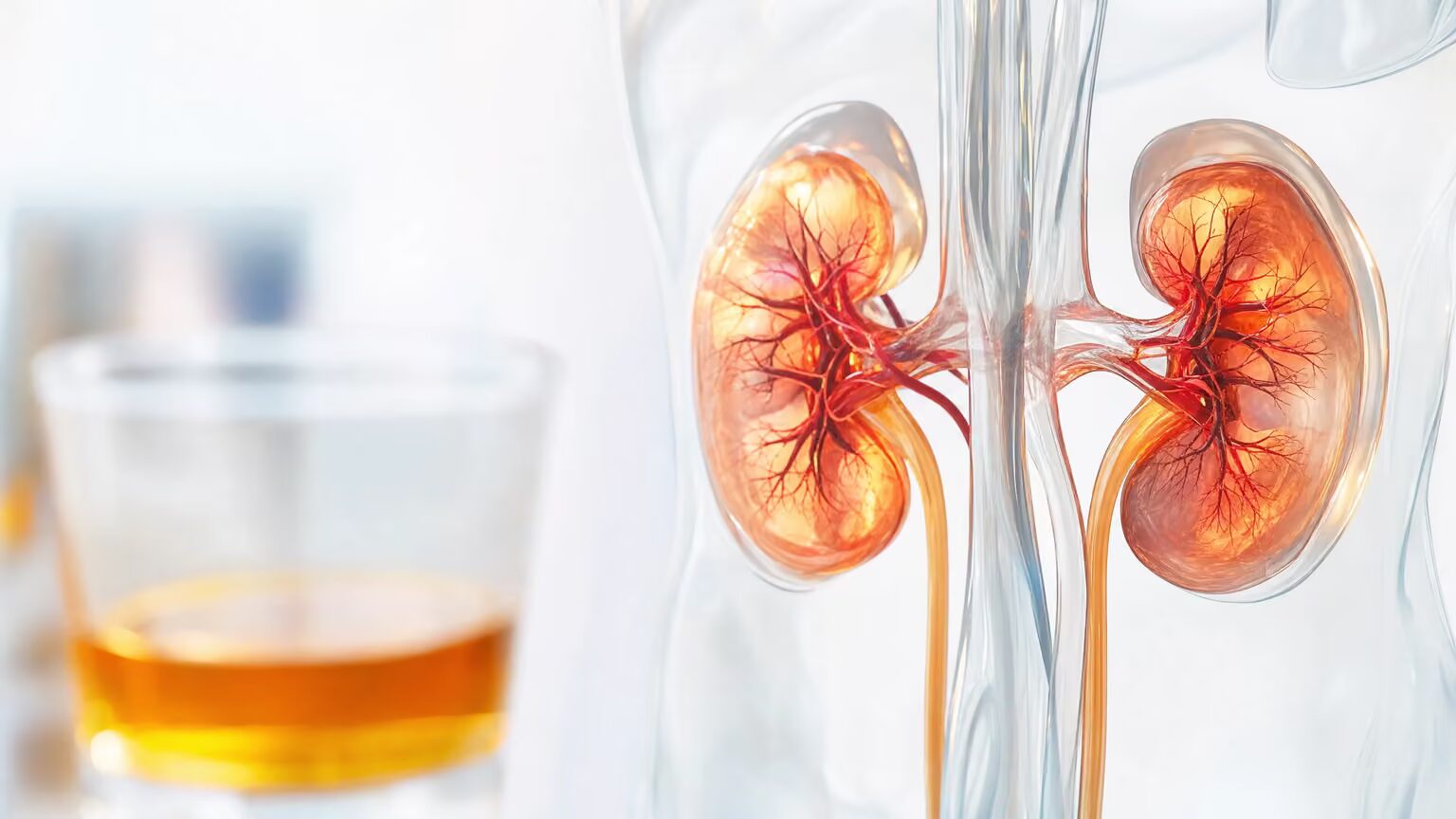
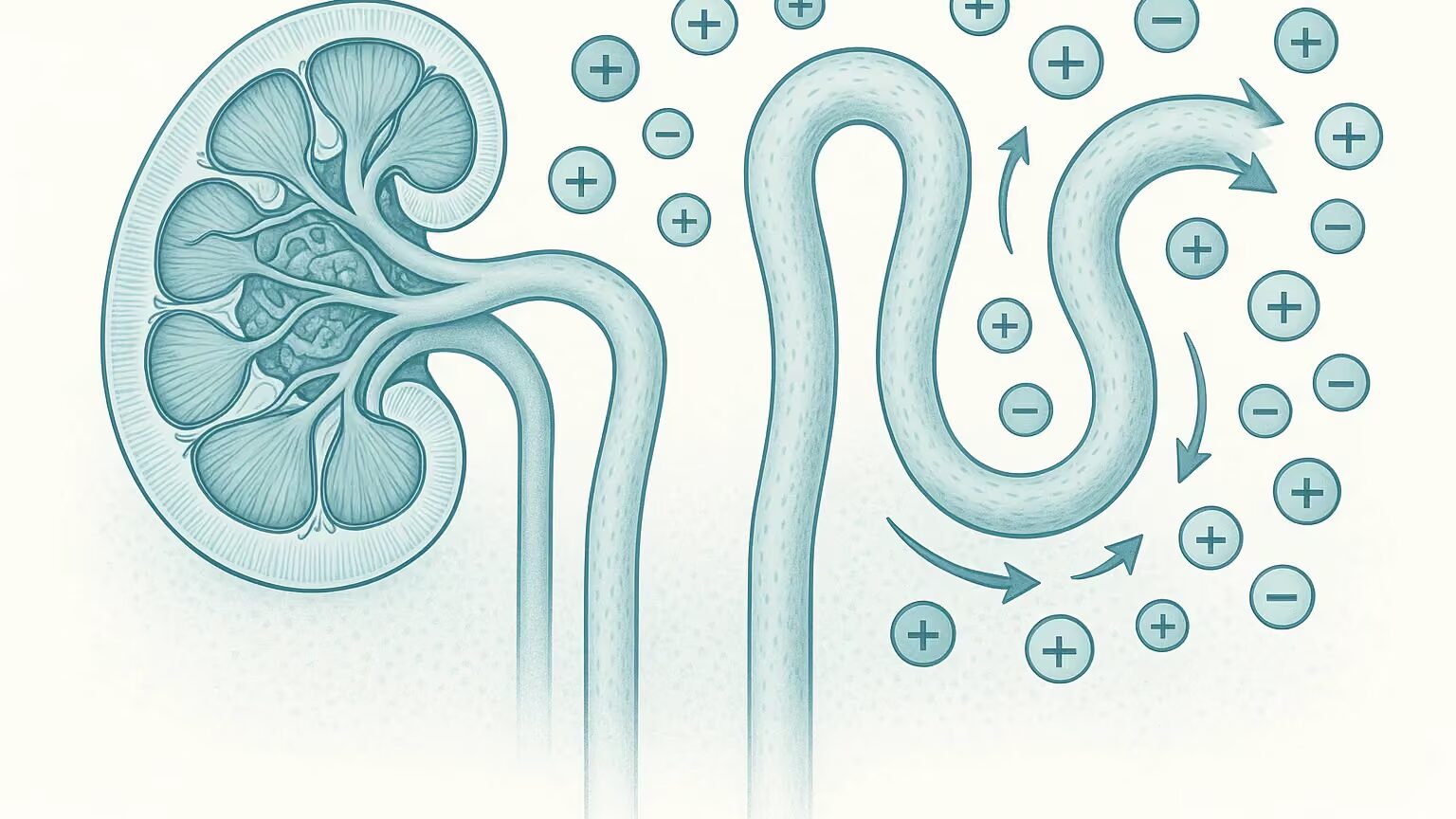
The dominant and most well-established mechanism behind alcohol-related magnesium loss is renal wasting — a direct effect of alcohol on kidney function. Even in healthy people with no history of heavy drinking, a single episode of alcohol consumption acts acutely as a magnesium diuretic, producing a prompt and measurable increase in how much magnesium the kidneys excrete into urine. Research measuring this effect has found magnesium excretion rising to somewhere between 167% and 260% of baseline levels after alcohol intake. With chronic or heavy alcohol use, this isn't just a temporary spike: ethanol causes a form of reversible dysfunction in the kidney's tubules, the structures responsible for reabsorbing magnesium back into the bloodstream before it's lost in urine. When tubular function is impaired, magnesium that would normally be reclaimed is instead excreted, and this pattern of inappropriately high urinary magnesium loss has been specifically documented in people with chronic alcohol-use disorder — even when their blood magnesium is already low, which is exactly when the kidneys should be conserving it most aggressively.

Diet, Digestion, and Absorption — Alcohol's Indirect Effects
Beyond its direct effect on the kidneys, alcohol undermines magnesium status through several indirect paths that tend to reinforce one another. People who drink heavily on a regular basis frequently have lower overall dietary quality, consuming fewer magnesium-rich foods like leafy greens, nuts, seeds, and whole grains, which reduces intake at the same time losses are increasing. Alcohol is also directly irritating to the gastrointestinal tract, and heavy drinking is commonly associated with vomiting and diarrhea, both of which cause additional magnesium loss through the gut rather than the kidneys. Chronic alcohol use is a leading cause of pancreatitis, and a poorly functioning pancreas further impairs the digestion and absorption of magnesium and other nutrients from food. Taken together, these dietary and gastrointestinal factors don't cause magnesium loss as forcefully as the renal wasting mechanism on their own, but they remove the buffer that would otherwise help the body compensate — which is part of why magnesium deficiency becomes progressively more severe the longer heavy drinking continues.
Why a "Normal" Magnesium Blood Test Doesn't Rule Out Deficiency
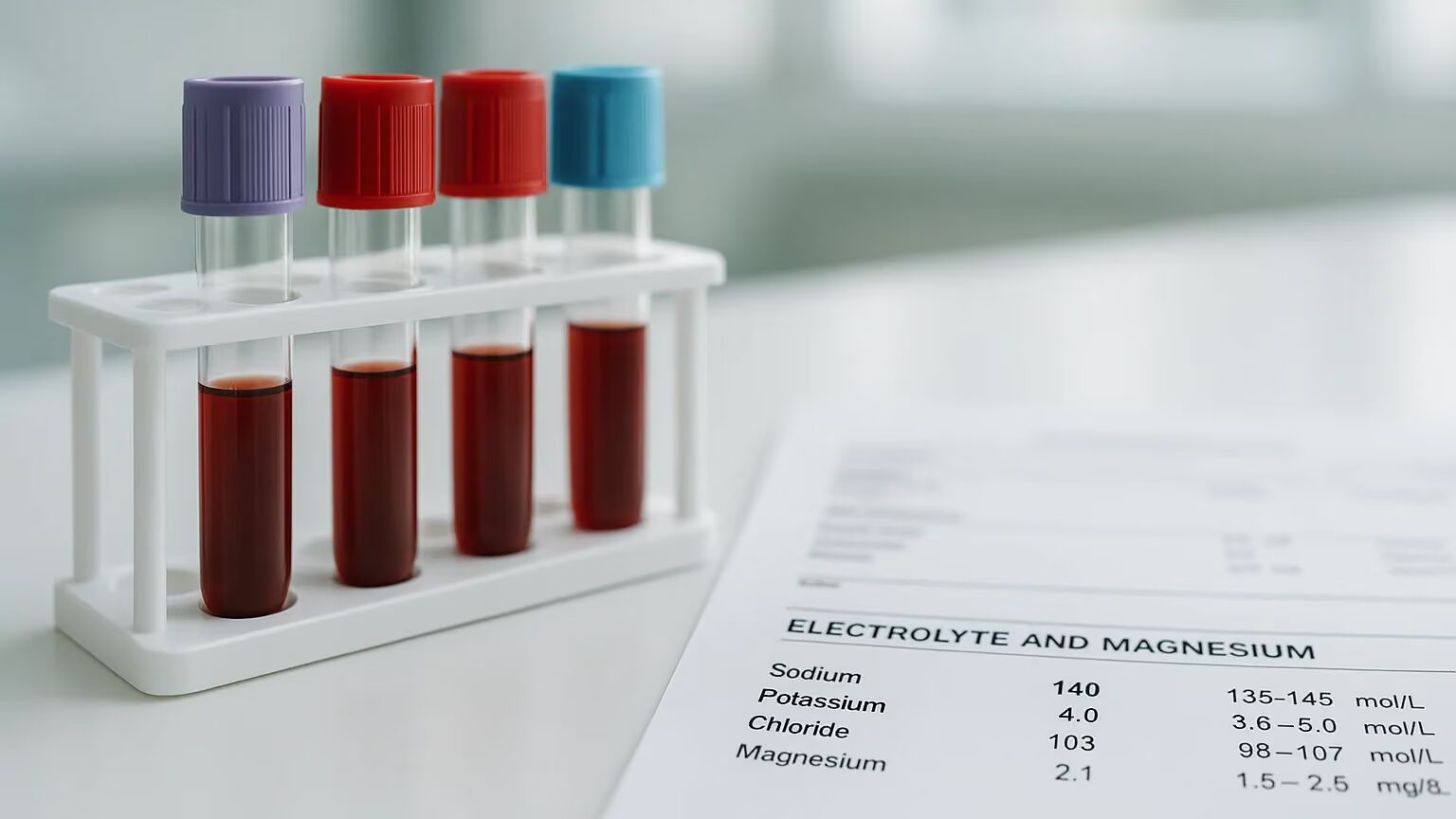
One of the most important and most frequently misunderstood aspects of magnesium testing is that a standard blood (serum) magnesium result can look completely normal even when the body's overall magnesium stores are significantly depleted. Less than 1% of the body's total magnesium actually circulates in the blood — the vast majority is stored inside cells and in bone. Because the kidneys tightly regulate blood magnesium regardless of what's happening in those deeper stores, serum levels typically don't drop below the normal range until roughly 20% to 40% of total body magnesium has already been lost. This means a person can be meaningfully magnesium-deficient, with real symptoms and real risk, while their standard lab report reads as unremarkable. When deeper insight is needed, some clinicians turn to red blood cell (RBC) magnesium testing, which reflects magnesium exposure over the roughly 120-day lifespan of red blood cells and offers a better window into intracellular stores — though it, too, has limitations and isn't considered a perfect measure of every tissue in the body.
Alcohol Withdrawal — the Highest-Risk Period
Magnesium status matters most acutely during alcohol withdrawal, when the cumulative deficit built up over weeks, months, or years of drinking suddenly becomes clinically significant. Low magnesium during this period is associated with increased neuromuscular excitability and has been linked to a higher risk of withdrawal seizures, one of the more dangerous complications of stopping heavy drinking abruptly. Because of this, magnesium repletion is frequently addressed alongside thiamine and other B vitamins as part of standard withdrawal management protocols, particularly in hospital or supervised settings. This is also the point at which magnesium deficiency is most likely to be caught, since clinicians are actively watching electrolytes during withdrawal — but it underscores a broader point: the deficiency itself was very likely present, silently, for a long time before withdrawal ever began, simply because there was no reason to test for it until symptoms or a crisis brought it to attention.

Long-Term Health Consequences of Chronic Magnesium Depletion
When alcohol-related magnesium loss continues for years rather than weeks, the consequences extend well beyond the acute risks seen during withdrawal. Chronic magnesium deficiency has been associated with reduced bone density and may contribute to the elevated osteoporosis risk seen in people with long-term heavy alcohol use, since magnesium plays a direct role in bone mineral structure and in regulating the hormones that manage calcium balance. Magnesium is also essential for normal heart rhythm, and sustained deficiency has been linked to a higher risk of cardiovascular complications, including irregular heartbeats. Muscle cramps, tremor, and generalized weakness are common and often-overlooked everyday symptoms of low magnesium that people may attribute to other causes without realizing a nutrient deficiency is contributing. None of this requires a diagnosis of alcohol use disorder to matter — regular moderate-to-heavy drinking sustained over time can produce a meaningful cumulative effect, even in people who would not describe their drinking as a medical problem.
Frequently Asked Questions
Can a single episode of heavy drinking lower magnesium, or does it take chronic use?
Both. Research shows that even a single dose of alcohol acutely increases urinary magnesium excretion in otherwise healthy people. The effect is temporary and usually well tolerated after one episode, but with chronic or heavy drinking, this repeated renal loss — combined with poor diet and gastrointestinal losses — builds into a genuine, sustained deficiency over time.
What symptoms suggest alcohol-related magnesium deficiency?
Muscle cramps, tremor, fatigue, weakness, and heart palpitations are common early signs. In more significant deficiency, particularly during withdrawal, symptoms can escalate to increased neuromuscular excitability and a heightened risk of seizures. Many of these symptoms are nonspecific, which is part of why the underlying magnesium deficiency often goes unrecognized.
Should people who drink regularly get their magnesium tested, and which test is best?
It's a reasonable conversation to have with a healthcare provider, especially with regular heavy drinking. Standard serum magnesium is the typical first-line test, but because it can stay normal until a substantial deficit has already developed, a provider may also consider RBC magnesium or interpret borderline results in the context of drinking history and symptoms rather than the number alone.
Conclusion
Alcohol affects magnesium through more than one pathway at once — pulling it out through the kidneys, limiting how much comes in through diet, and increasing losses through the gut — which is why the effect can be more significant than people expect, even without a formal alcohol use disorder. The added complication is that standard blood tests can look reassuringly normal long after real depletion has begun, meaning the people who would benefit most from knowing their magnesium status are often the least likely to have it flagged by routine labs. Anyone who drinks regularly and experiences unexplained muscle cramps, fatigue, or heart palpitations has good reason to bring both their drinking habits and their magnesium status into the same conversation with a healthcare provider.
Still Not Sure What Your Results Mean?
Upload your labs and get a complete, visual, plain-language interpretation of every biomarker — delivered to your inbox in under 15 minutes.
Get My ReportThis article is for educational purposes only and does not constitute medical advice. Always consult your healthcare provider regarding your specific lab results.