
Can Gut Health Issues Affect Your B12 Absorption?
Yes — a range of gut health conditions can significantly reduce how much vitamin B12 your body actually absorbs, even when your diet includes plenty of B12-rich foods. Unlike many nutrients, B12 requires an unusually long and specific journey to be absorbed: it must first be released from food by stomach acid, bound to a protein called intrinsic factor made in the stomach, and finally picked up by dedicated receptors in the terminal ileum, the last section of the small intestine. Damage or dysfunction at almost any point along this path — from autoimmune conditions like pernicious anemia to Crohn's disease, small intestinal bacterial overgrowth, or even common medications — can block absorption regardless of intake. This is why B12 deficiency is one of the clearest examples in nutrition where the number on a food label matters far less than whether the gut is actually able to use it.
Curious what your own lab results are really telling you? Upload them and get a complete, plain-language breakdown in under 15 minutes.
Analyze My ResultsThe Multi-Step Journey of B12 Absorption
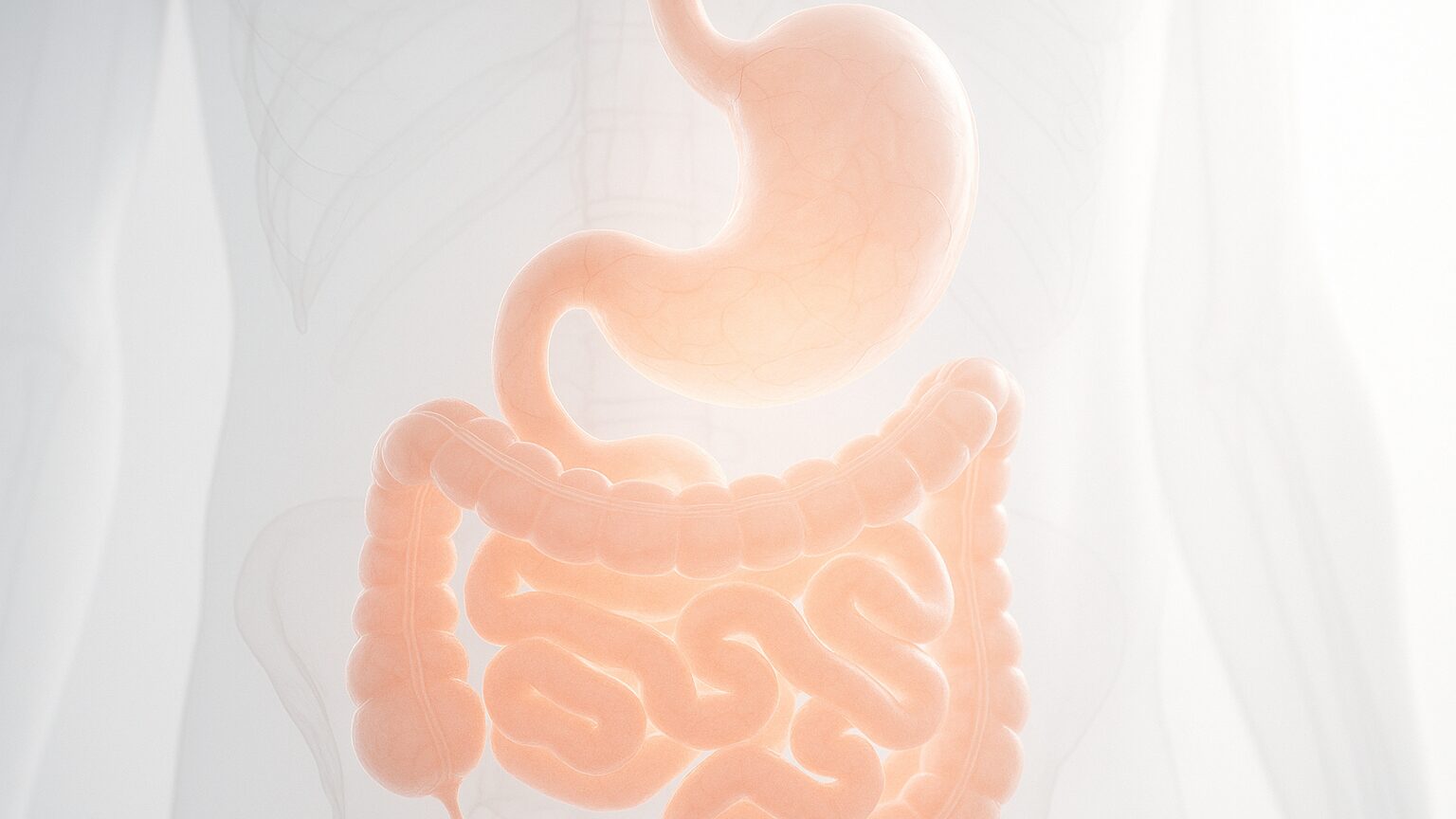
Vitamin B12 absorption is unusually complex compared to most nutrients, which is exactly why it's so vulnerable to disruption. The process begins in the stomach, where hydrochloric acid and the enzyme pepsin release B12 from the proteins in food it's naturally bound to. At the same time, specialized stomach cells called parietal cells secrete a glycoprotein called intrinsic factor, which binds to the newly freed B12 to form a complex that can survive the trip through the rest of the digestive tract. This intrinsic factor-B12 complex travels all the way to the terminal ileum — the final stretch of the small intestine — where dedicated receptors take it up, but only in the presence of adequate calcium. Because this pathway depends on functioning stomach acid, healthy parietal cells, intact intrinsic factor, and a working terminal ileum all at once, a problem at any single step is enough to meaningfully reduce absorption, even if every other part of the system is working normally.

Pernicious Anemia and Atrophic Gastritis
Pernicious anemia is an autoimmune condition in which the body produces antibodies that attack either the stomach's parietal cells or intrinsic factor itself. When parietal cells are destroyed, intrinsic factor production drops or stops entirely, and without it, B12 has no way to survive its journey to the terminal ileum — no matter how much is consumed through food or standard oral supplements. A closely related condition, chronic atrophic gastritis, involves the same progressive destruction of the stomach lining, reducing both acid production and intrinsic factor secretion together. Because this form of B12 deficiency stems from the stomach itself rather than the diet, it typically doesn't respond to simply eating more B12-rich foods, and correcting it usually requires either high-dose oral supplementation capable of being absorbed through an alternate low-efficiency pathway, or B12 injections that bypass the digestive process altogether.
Crohn's Disease, Ileal Resection, and SIBO
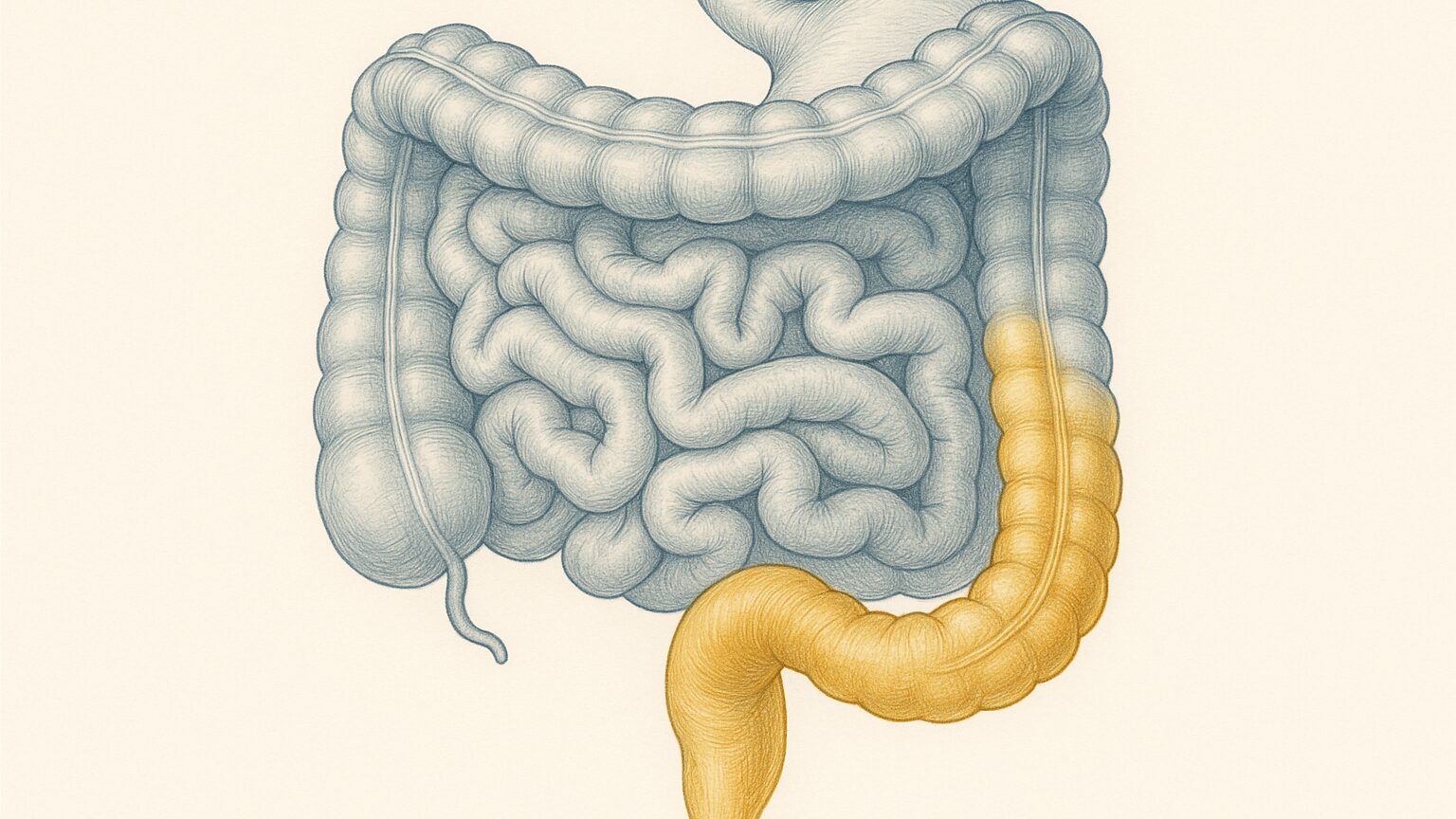
Because B12 absorption depends entirely on the terminal ileum, any condition that damages, removes, or disrupts that specific segment of intestine can cause deficiency even when the stomach is working perfectly. Crohn's disease frequently affects the terminal ileum directly, and active inflammation there can meaningfully impair B12 uptake; when the affected segment has to be surgically removed, absorption capacity may be permanently reduced or lost. Small intestinal bacterial overgrowth (SIBO) creates a different but related problem: an abnormal overgrowth of bacteria in the small intestine can competitively consume dietary B12 before the body has a chance to absorb it, effectively stealing the nutrient at the source. In all of these cases, the underlying gut condition — not the diet — is the primary driver, and B12 status often improves only once the intestinal inflammation, bacterial overgrowth, or structural issue is directly addressed.
Medications That Quietly Block B12 Absorption
Several widely used medications interfere with B12 absorption without any gut disease being present at all. Proton pump inhibitors and H2 blockers, commonly prescribed for acid reflux, reduce stomach acid production — the same acid needed to release B12 from the proteins in food in the first place. Metformin, one of the most commonly prescribed medications for type 2 diabetes, interferes with B12 absorption through several distinct pathways, and research suggests its overall effect on B12 status may be even larger than that of acid-suppressing medications. The risk compounds meaningfully when these medications are used together: people taking both metformin and a PPI have been shown to have a significantly higher risk of B12 deficiency than those taking either medication alone. Because both drug classes are taken long-term by millions of people for entirely unrelated reasons, medication history is one of the first things worth reviewing when B12 levels come back low without an obvious dietary explanation.

Who's Most at Risk, and Why Testing Matters
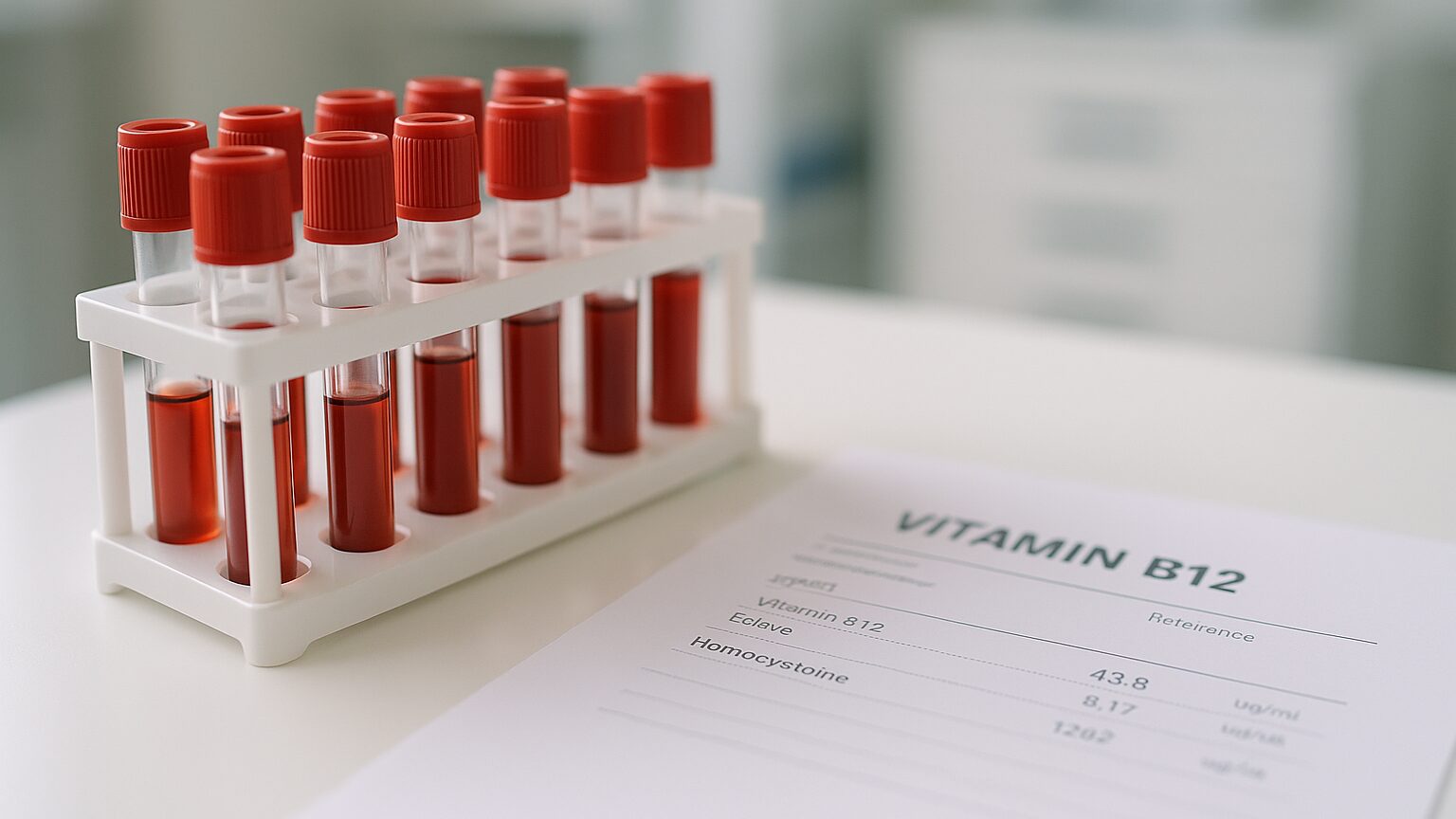
Certain groups face a meaningfully higher risk of B12 malabsorption: adults over 60, people with a history of Crohn's disease or other malabsorption disorders, anyone who has had gastric bypass or similar bariatric surgery, people with diagnosed pernicious anemia, individuals following a vegan or largely plant-based diet, and those with regular alcohol use. Standard serum B12 testing is useful but imperfect — levels can sit in a technically "normal" range while a functional deficiency is still present, which is why some clinicians add markers like methylmalonic acid or homocysteine, both of which tend to rise specifically when B12 is unavailable at the cellular level, even before serum B12 itself drops clearly out of range. An elevated mean corpuscular volume (MCV) on a routine complete blood count can also be an early clue that prompts further B12-specific testing. Because the underlying cause changes the entire treatment approach — dietary counseling for one person, lifelong injections for another — identifying which mechanism is actually responsible matters just as much as catching the deficiency itself.
Frequently Asked Questions
How is B12 malabsorption diagnosed?
Diagnosis typically starts with serum B12, often alongside methylmalonic acid or homocysteine for a clearer functional picture. If malabsorption is suspected, providers may test for intrinsic factor and parietal cell antibodies to check for pernicious anemia, review medication use, and consider endoscopy or imaging if Crohn's disease or another structural gut issue is a possibility.
Can B12 supplements overcome absorption problems?
Sometimes, but not always through the same route. In pernicious anemia and other severe absorption disorders, standard oral B12 often isn't enough, and very high-dose oral supplementation or B12 injections — which bypass the normal digestive absorption pathway — are typically needed instead. For medication-related deficiency, addressing the underlying cause or switching therapy when appropriate is usually part of the solution.
What symptoms suggest a B12 absorption problem rather than diet?
Fatigue, tingling or numbness in the hands and feet, balance problems, and memory difficulties can all point to B12 deficiency. When these symptoms appear in someone eating a diet that should provide adequate B12 — especially with a history of gut disease, gastric surgery, or long-term use of PPIs or metformin — it's a strong signal to look at absorption rather than intake.
Conclusion
Low B12 despite a reasonable diet is rarely just a matter of eating differently — it usually points to a breakdown somewhere in the multi-step absorption process, whether that's autoimmune damage to the stomach, a gut condition affecting the terminal ileum, bacterial competition in the small intestine, or a medication quietly interfering in the background. Because each of these causes calls for a different solution, from injections to medication changes to treating the underlying gut condition, identifying the actual mechanism matters as much as recognizing the deficiency itself. Anyone with unexplained B12-related symptoms — particularly alongside risk factors like PPI or metformin use, gut disease, or bariatric surgery — has good reason to look past diet and discuss absorption directly with a healthcare provider.
Still Not Sure What Your Results Mean?
Upload your labs and get a complete, visual, plain-language interpretation of every biomarker — delivered to your inbox in under 15 minutes.
Get My ReportThis article is for educational purposes only and does not constitute medical advice. Always consult your healthcare provider regarding your specific lab results.