
What Is Considered a Normal Vitamin B12 Range?
A normal vitamin B12 range typically runs from about 200 to 900 picograms per milliliter (roughly 148 to 664 picomoles per liter), though the exact numbers vary somewhat by lab. What makes B12 genuinely unusual compared to most other biomarkers isn't the width of that range — it's how imprecise that range actually is at predicting whether your cells have enough B12 to function properly. A standard blood test measures total B12, but a meaningful fraction of that total is bound to a carrier protein that never actually delivers it to your tissues, meaning two people with an identical "normal" B12 number can have very different amounts of biologically usable vitamin available to their cells. This is why a specific "gray zone," roughly between 200 and 350 pg/mL, is now widely recognized among clinicians as genuinely ambiguous territory, why doctors often add a second, more precise test when a result falls in that zone, and why the reference range itself shifts with age, pregnancy, and even which country's guidelines a lab happens to follow. This article walks through exactly why B12's normal range works this way, what it actually means for interpreting your own result, and what additional testing can clarify when the picture isn't clear.

Figure 1. Only the fraction of B12 bound to transcobalamin II can actually be taken up and used by cells; B12 bound to haptocorrin remains inert in circulation, which is why a standard total B12 test can be a poor stand-in for true cellular availability.
What the Standard Range Actually Looks Like
Most labs in the United States report a normal total vitamin B12 range somewhere between roughly 200 and 900 pg/mL, though the exact upper and lower boundaries vary by lab, by the specific assay used, and by the population the reference range was originally derived from. Labs using SI units, common outside the United States, typically report the equivalent range as roughly 148 to 664 pmol/L. Compared to many other blood tests, this range is notably wide — a nearly fourfold difference between the low and high end — and that width itself is a clue that B12 doesn't behave quite like a typical biomarker, where a much narrower band usually reflects tighter physiological regulation.
To put that width in perspective, compare it to a biomarker like sodium, where the entire normal range spans only a narrow band because even small deviations reflect a serious, fast-moving physiological problem. B12's much wider range partly reflects the fact that your body maintains a substantial storage reserve in the liver, built up over years, meaning your circulating level at any given moment depends not just on how much B12 you're currently absorbing but also on how much of that multi-year reserve you're drawing down or replenishing. This storage buffer is also why frank B12 deficiency from dietary causes alone typically takes years to develop even after intake drops to near zero, in contrast to a nutrient with little to no storage reserve, where a shortfall shows up in blood levels within days.
It's also worth understanding that the reference range printed on your lab report isn't a clinical judgment about what's healthy for you personally — it's a statistical convention, typically defined as the range that captures the middle 95% of results from a "healthy" reference population when the range was originally established. That statistical definition means, by construction, that roughly 1 in 20 healthy people will fall outside the stated range purely due to normal individual variation, without that necessarily reflecting any disease process at all. Combined with the measurement limitations described in the rest of this article, this is part of why a single B12 number, taken in isolation from your symptoms, diet, and risk factors, tells a much less complete story than the tidy "normal" or "abnormal" label on the report might suggest.
Already have a B12 number from a recent test, but not sure if it's actually good or bad for you? Just plug it in and see instantly.
🧮 Try the Free CalculatorWhy B12's Range Is Unusually Imprecise: What the Test Actually Measures
The core reason B12's normal range is such an imperfect predictor of true deficiency comes down to what a standard blood test is actually capturing. Once absorbed, B12 circulates in your blood bound to one of two different carrier proteins. Roughly 70 to 80% of circulating B12 is bound to a protein called haptocorrin, which functions largely as a storage and transport reservoir but doesn't actually deliver B12 into most tissues that need it. The remaining, smaller fraction is bound to a different carrier called transcobalamin II, and it's this fraction — sometimes called holotranscobalamin — that's actually recognized by receptors on your cells and delivered where it's needed for essential processes like DNA synthesis and nerve maintenance.
A standard total B12 test measures both fractions combined, without distinguishing between B12 that's biologically active and available versus B12 that's essentially sitting in inert storage. This means someone could have a comfortably "normal" total B12 number driven mostly by a large haptocorrin-bound reservoir, while the smaller, biologically active transcobalamin II fraction is genuinely too low to meet their cells' actual needs — a mismatch a standard test has no way to detect on its own.
This mismatch also helps explain why two people can present with an identical total B12 number and yet have meaningfully different symptom pictures. Someone whose B12 is mostly haptocorrin-bound may feel the effects of functional insufficiency well before their total number drops out of the normal range, while someone whose B12 is proportionally weighted more toward the active transcobalamin II fraction can tolerate a lower total number without the same degree of cellular impact. Because haptocorrin levels themselves can be influenced by factors unrelated to B12 status, including liver conditions and certain blood disorders, the proportion of total B12 that's actually usable isn't fixed from person to person, which is precisely why relying on the total number alone can obscure more than it reveals in specific individuals.
The Gray Zone: Why "Normal" Doesn't Always Mean Sufficient

Figure 2. In the gray zone, roughly 200 to 350 pg/mL, total B12 can look technically normal while methylmalonic acid — a byproduct that accumulates specifically when cells lack usable B12 — is already measurably elevated.
Because of this measurement gap, a specific band within the broader normal range — generally described as falling somewhere between about 200 and 350 pg/mL — has become recognized among clinicians and researchers as a genuine gray zone. Multiple studies looking specifically at people whose B12 falls in this range have found that a meaningful proportion already show biochemical evidence of functional B12 deficiency, detectable through other markers, even though their total B12 result technically falls within the lab's own normal reference range.
This is precisely why a B12 result in the low-normal range, particularly in someone with symptoms that could plausibly relate to B12 deficiency — persistent fatigue, tingling or numbness in the hands or feet, memory difficulty — is generally treated with more clinical suspicion than a low-normal result on many other routine blood tests, where "technically normal" is usually accepted at face value without much further scrutiny.
The gray zone concept also explains a pattern that can otherwise seem confusing: someone whose B12 rises modestly after starting a supplement, moving from say 220 to 280 pg/mL, may notice their symptoms improve substantially even though both numbers technically sit within the gray zone and neither would have been flagged as abnormal on a standard report. This is a case where the trend and the clinical response matter more than whether either individual number crossed a fixed threshold, and it's part of why some clinicians place more weight on how a person's B12 level and symptoms move together over time than on a single isolated result.

Figure 3. B12 is required both for maintaining the myelin sheath that insulates nerve fibers and for the DNA synthesis needed in rapidly dividing cells, which is why deficiency can show up as neurological symptoms, blood cell changes, or both.
Understanding why the gray zone matters clinically requires understanding what B12 is actually doing at the cellular level in the first place. B12 serves as an essential cofactor for two distinct enzymatic reactions in the body: one involved in the synthesis of DNA precursors needed whenever cells divide, and another involved in maintaining the fatty myelin sheath that insulates nerve fibers and allows electrical signals to travel efficiently along them. This dual role is why B12 deficiency can present in two seemingly unrelated ways depending on which process is affected more severely in a given person — some people develop primarily blood-related changes, like unusually large red blood cells, while others develop primarily neurological symptoms, like numbness, tingling, or balance problems, sometimes even before any blood cell changes become apparent. This variability in presentation is itself another reason a single total B12 number, without attention to which specific systems are showing signs of trouble, can be an incomplete guide on its own.
Why Doctors Add MMA and Homocysteine When B12 Is Borderline
Because total B12 alone can't reliably distinguish a genuinely sufficient level from a gray-zone level masking real functional deficiency, doctors frequently add one or both of two additional, more specific tests when a B12 result is borderline or when someone has symptoms despite a "normal" number. Methylmalonic acid, or MMA, is a compound your body normally breaks down using a B12-dependent enzyme; when usable B12 is genuinely insufficient at the cellular level, that enzyme can't work properly, and MMA builds up measurably in the blood. Because MMA rises specifically in response to inadequate cellular B12, regardless of what the total B12 number says, an elevated MMA alongside a "normal" B12 result is one of the more reliable ways to confirm a genuine functional deficiency the standard test alone missed.
Homocysteine, another compound whose breakdown depends partly on adequate B12 (along with folate), can similarly rise when B12 is functionally insufficient, though it's a somewhat less specific marker than MMA, since homocysteine is also affected by folate status, kidney function, and certain genetic factors independent of B12. Used together, these two markers give a considerably clearer picture of actual cellular B12 status than the total B12 number can provide on its own, which is exactly why they're the standard next step whenever a B12 result and a person's actual clinical picture don't seem to line up.
In practice, the pattern of these two markers together can also help narrow down the underlying cause. An elevated MMA alongside a normal homocysteine points more specifically toward a B12-related process, since MMA is essentially unaffected by folate status, whereas an elevated homocysteine alongside a normal MMA points more toward folate as the primary driver. When both are elevated together, that combination is generally taken as stronger confirmation of a genuine B12-related metabolic disruption than either marker would provide alone. None of this testing is typically ordered as a routine first step for everyone — it's reserved specifically for situations where the total B12 result and the clinical picture don't clearly agree, since MMA and homocysteine testing are more expensive and less standardized across labs than a basic B12 panel.
Why the Range Shifts With Age

Figure 4. Reduced stomach acid production with age impairs the release of B12 from food, meaning a technically normal B12 level in an older adult may still represent a meaningfully reduced margin compared to earlier in life.
Absorbing B12 from food requires stomach acid to release it from the proteins it's bound to, and stomach acid production naturally declines with age for a substantial share of older adults, a condition called atrophic gastritis when pronounced. This means an older adult can have a perfectly adequate diet and still absorb meaningfully less B12 from food than a younger person eating the same meal, gradually narrowing their margin above true deficiency even while their blood level still falls within the standard reference range. Because of this, some clinicians advocate for treating a low-normal result in an older adult with somewhat more caution than the identical number in a younger person, even though most labs don't formally adjust the reference range itself by age.
Why the Range Shifts During Pregnancy
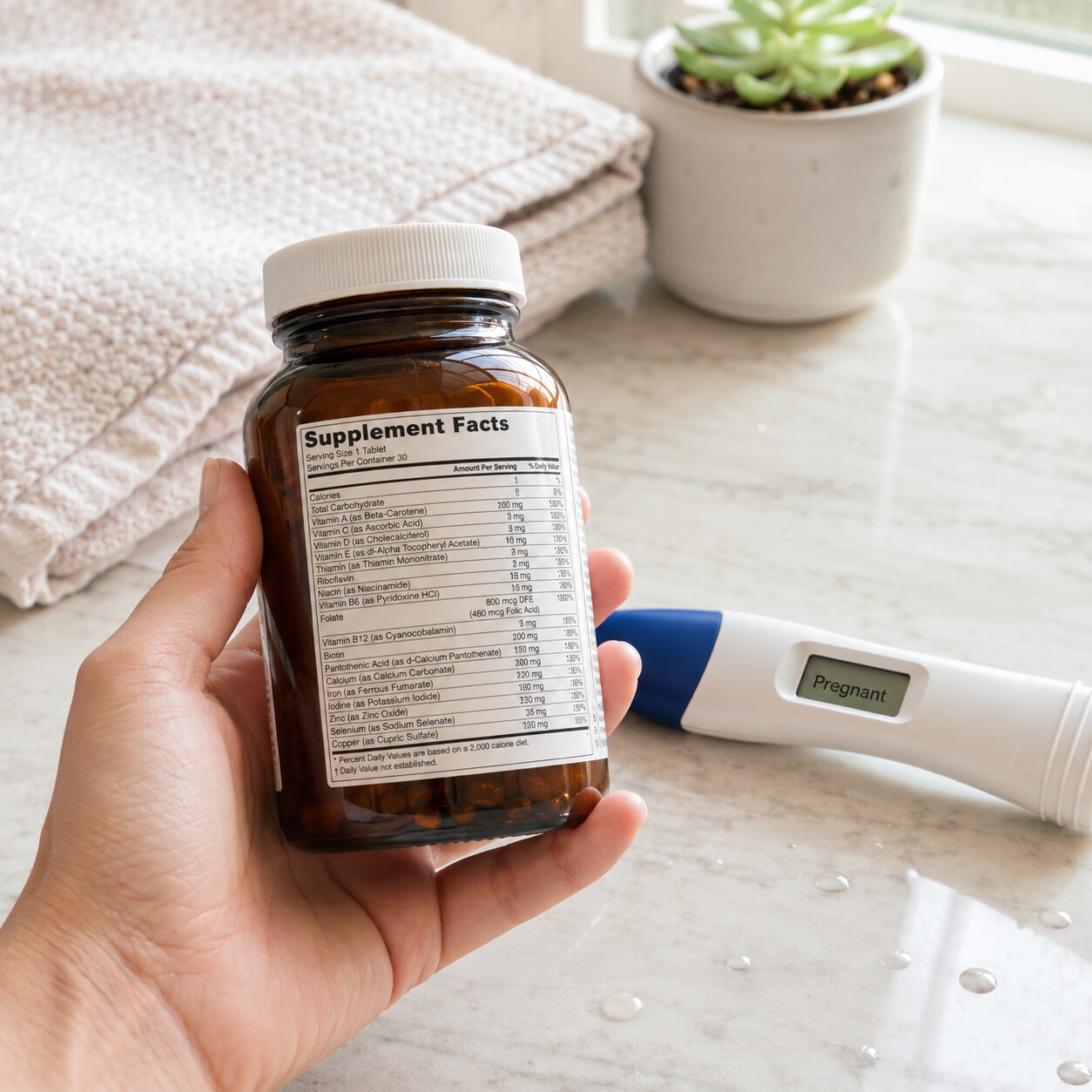
Figure 5. Blood plasma volume expands substantially during pregnancy, diluting circulating B12 and lowering the measured level even when the mother's actual B12 stores and intake remain adequate.
Pregnancy predictably lowers measured B12 levels for a reason that has nothing to do with genuine deficiency: blood plasma volume expands by as much as 40 to 50% over the course of a healthy pregnancy, diluting essentially everything carried in the blood, B12 included, simply because the same amount of B12 is now distributed through a larger volume of fluid. On top of this dilution effect, the developing fetus also draws B12 across the placenta for its own needs, adding a second, genuine source of downward pressure on the mother's measured level.
Because of both effects, a B12 level that would be flagged as borderline low outside of pregnancy is often considered unremarkable during pregnancy, and providers generally interpret prenatal B12 results with this expected physiological shift in mind, sometimes alongside MMA testing specifically when a truly deficient state needs to be distinguished from this ordinary dilution effect.
Why Different Countries and Labs Use Different Cutoffs
The reference range itself isn't a single, universally agreed-upon number — it varies meaningfully depending on which population it was derived from and which country's clinical guidelines a given lab follows. Japan is a frequently cited example: Japanese clinical guidelines have historically used a considerably higher lower-limit cutoff for B12 than typical Western labs, based on domestic research suggesting that neurological and cognitive effects of mild B12 insufficiency could be detected at levels many Western labs would still classify as comfortably normal. This kind of cross-country variation is part of an ongoing broader debate in laboratory medicine about whether the commonly used Western reference range is calibrated appropriately, or whether it's simply inherited from older studies that didn't fully capture the gray-zone functional deficiency phenomenon described earlier in this article.
In practical terms, this means the same blood sample, tested using different reference standards, could plausibly be classified as normal in one country's system and borderline low in another's — a genuine source of inconsistency that's worth knowing about if you've ever compared results across different labs or countries and found the classifications didn't quite match.
Even within a single country, different labs frequently use different B12 assay platforms from different manufacturers, and these platforms aren't perfectly standardized against one another the way some other analytes are. A result of 250 pg/mL run on one manufacturer's chemiluminescent immunoassay platform isn't guaranteed to be perfectly equivalent to the same numeric result run on a different platform, which is one reason doctors generally prefer tracking a person's B12 trend over time using the same lab and, where possible, the same assay method, rather than treating results from different labs as strictly interchangeable.
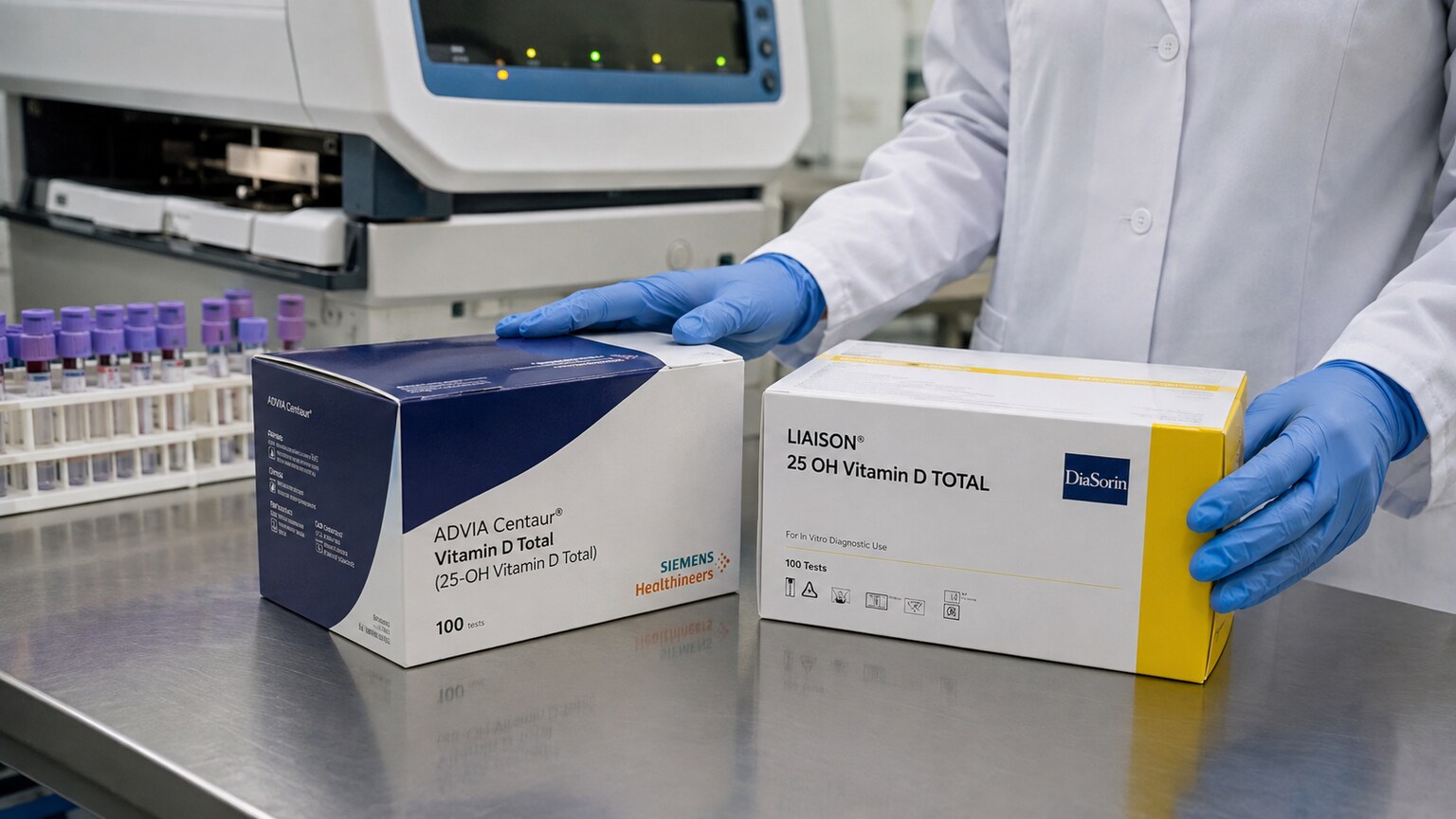
Figure 6. Different labs often run B12 on different assay platforms, and these platforms aren't perfectly standardized against one another, which is part of why doctors prefer tracking a person's B12 trend using the same lab over time.
This platform variability is rarely large enough to move a clearly normal or clearly abnormal result into the opposite category, but it can matter meaningfully for a result that already sits close to a cutoff, whether that's the low end of the gray zone or the boundary between normal and high. It's a subtle enough issue that most people never need to think about it, but it's part of the broader reason why B12 interpretation benefits from clinical context rather than treating the printed reference range as a precise, universal dividing line.
Professional guideline bodies within a single country can also disagree with one another on where exactly a borderline cutoff should sit, particularly regarding the gray zone's upper boundary, with some organizations favoring a somewhat more conservative threshold that flags more borderline results for further testing, and others favoring a threshold that flags fewer, prioritizing avoiding unnecessary follow-up testing in people who are very unlikely to have a genuine deficiency. Neither approach is simply "correct," since they reflect different judgments about the acceptable tradeoff between missing an early deficiency and over-testing people who don't actually have one — which is one more layer of the same underlying theme running through this whole topic: B12's reference range is a genuinely contested, evolving area of laboratory medicine, not a fixed, universally settled number.
What Counts as Genuinely High B12
On the opposite end of the range, a B12 result well above the upper limit — often above 900 to 1000 pg/mL, sometimes considerably higher — usually reflects one of a few specific situations rather than simple excess supplementation, though high-dose supplements or B12 injections are certainly the most common cause. Less commonly, unusually high B12 can reflect the liver releasing stored B12 in the setting of liver disease, certain blood disorders in which cells overproduce the carrier proteins that bind B12, or, in rarer cases, can be an incidental finding that prompts additional evaluation for an underlying condition, since B12-binding proteins are sometimes produced in larger quantities by certain tumors. A very high B12 result in someone not taking supplements or B12 injections is generally considered a finding worth discussing with a doctor rather than dismissing, precisely because it can occasionally point toward one of these less common underlying causes.
It's worth noting that, unlike a genuine functional deficiency, an elevated B12 driven by supplementation is generally not considered harmful in itself. B12 is a water-soluble vitamin, and the body's ordinary excretion mechanisms handle excess amounts taken through diet or typical supplement doses without the kind of toxicity concerns that apply to fat-soluble vitamins, which can accumulate in tissue over time. This is a large part of why an elevated B12 tied to a known supplement or injection regimen is usually treated as an expected, benign finding rather than something requiring further workup, whereas the same elevated number in someone with no supplement history warrants a closer look at the less common causes described above.
What This Means If Your B12 Came Back "Normal" But You Still Feel Off
If your B12 came back within the normal range but you're still experiencing symptoms that could plausibly relate to B12 status — persistent fatigue, tingling or numbness, difficulty concentrating, or unexplained mood changes — the most useful next step is bringing up the specific number itself, not just the fact that it was "normal," in conversation with your doctor. A result sitting in the lower third of the standard range, particularly below roughly 350 pg/mL, is a reasonable candidate for the additional MMA and homocysteine testing described earlier, since these tests exist specifically to catch the functional deficiencies a total B12 number alone can miss. This is also where a thorough history matters: risk factors like a plant-based diet, a history of gastric surgery, long-term use of certain medications known to impair B12 absorption, or an autoimmune condition affecting the stomach can all shift how seriously a borderline-normal result should be taken, even before any additional testing is ordered.
It's also worth bringing your prior B12 results into the conversation when you have them, since a downward trend across several tests, even while every individual result stays within the normal range, can be a meaningful early signal on its own. A B12 result that has drifted from 650 down to 420 down to 310 pg/mL across a few years tells a different story than a single isolated 310 pg/mL result with no prior history to compare against, and that trajectory is exactly the kind of context a total B12 number, viewed in isolation, simply can't convey.
Who Should Be Especially Cautious About Trusting a "Normal" Result
Certain groups have a meaningfully higher chance of a total B12 result understating a genuine problem, which makes the standard reference range a less reliable guide for them specifically. People following a strict vegan or largely vegan diet for many years are one clear example, since B12 occurs naturally only in animal products and a plant-based diet without fortified foods or supplementation provides essentially none of it, meaning even a currently normal result can decline steadily over time as liver stores, built up before the dietary change, gradually deplete.
People who have had gastric bypass surgery, a partial or total gastrectomy, or surgical removal of a significant portion of the small intestine are another group worth flagging specifically, since these procedures can directly remove or bypass the exact anatomical sites where B12 absorption normally occurs, regardless of how much B12 is present in the diet. Similarly, people with a diagnosed autoimmune condition affecting the stomach lining, such as pernicious anemia, lack a protein called intrinsic factor that's required for B12 absorption in the small intestine, meaning dietary B12 intake alone often isn't enough to maintain adequate levels no matter how balanced the diet otherwise is.
Long-term use of certain medications is a further consideration that's easy to overlook, since these medications don't typically come with an obvious warning tied to B12 specifically. Metformin, one of the most commonly prescribed medications for type 2 diabetes, is well documented to reduce B12 absorption with long-term use, and proton pump inhibitors, widely used for acid reflux, reduce the stomach acid needed to release B12 from food in the first place. Neither of these medications is something most people would think to connect to their B12 status, which is exactly why a routine B12 check is often specifically recommended for anyone on either medication long-term, even in the complete absence of symptoms.
How to Read Your Own Result With This in Mind
Putting all of this together, a practical way to think about your own B12 result is to treat the printed reference range as a starting point for a conversation rather than a final verdict. A result comfortably in the upper half of the range, say above 500 pg/mL, with no symptoms and no major risk factors, generally doesn't warrant much further scrutiny. A result in the gray zone, roughly 200 to 350 pg/mL, is worth a second look, particularly if it comes with relevant symptoms or any of the risk factors described above, and asking your provider whether MMA or homocysteine testing makes sense is a reasonable, specific question to raise rather than simply accepting the "normal" label at face value.
A result below 200 pg/mL is generally treated as clearly low regardless of symptoms, since this falls below essentially every version of the standard reference range regardless of which lab or country's guidelines are being used. And a result well above the top of the range, particularly without a clear supplement or injection history to explain it, is worth asking about specifically rather than assuming a high number is automatically a good thing, since, as covered earlier, an unexplained high result can occasionally point toward a less common underlying cause. In every case, the single most useful piece of context you can bring to that conversation is your own symptom picture and history, since that's precisely the information a standalone lab number, by itself, was never designed to capture.
It's also worth remembering that none of this nuance is unique to B12 specifically — it's simply more visible here because B12's biology happens to make the gap between "total measured" and "biologically available" unusually large and clinically consequential. Many other biomarkers carry their own, smaller versions of this same gap, which is part of why a broader panel, interpreted together rather than one number at a time, generally tells a more complete story than any single result reviewed in isolation.
Frequently Asked Questions
If my B12 is technically in the normal range, can I still be deficient?
Yes, particularly if your result falls in the lower portion of the range, roughly below 350 pg/mL. Because standard testing measures total B12 rather than just the biologically active fraction, a meaningful number of people in this gray zone show other biochemical evidence of functional deficiency despite a technically normal total B12 result.
What's the difference between total B12 and holotranscobalamin testing?
Total B12 measures all circulating B12, including the large fraction bound to haptocorrin that isn't actually available for cells to use. Holotranscobalamin testing measures only the biologically active fraction directly, offering a more precise picture of true B12 status, though it isn't as widely available as standard total B12 testing at most labs.
Is a B12 level of 300 pg/mL something to worry about?
It falls within the gray zone many clinicians consider ambiguous rather than clearly reassuring or clearly deficient. Whether it warrants further testing generally depends on whether you have symptoms consistent with B12 deficiency and whether you have risk factors like a plant-based diet or a gastrointestinal condition affecting absorption.
Why did my B12 come back lower than expected during pregnancy?
This is usually expected rather than concerning. Pregnancy expands blood plasma volume substantially, diluting circulating B12, and the fetus also draws B12 for its own development. Providers typically interpret prenatal B12 results with this normal physiological shift in mind rather than comparing them directly to the standard non-pregnant range.
Can taking metformin or a proton pump inhibitor lower my B12 without me noticing?
Yes. Long-term metformin use is well documented to reduce B12 absorption, and proton pump inhibitors reduce the stomach acid needed to release B12 from food. Neither medication typically comes with an obvious warning connecting it to B12 specifically, which is why a periodic B12 check is often recommended for long-term users of either medication, even without symptoms.
Should I get tested for methylmalonic acid even if my doctor didn't mention it?
It's a reasonable question to raise, particularly if your B12 result fell in the gray zone (roughly 200 to 350 pg/mL) or if you have symptoms that could plausibly relate to B12 status. MMA and homocysteine testing aren't run automatically alongside a standard B12 panel, so they're worth asking about directly rather than assuming they were already considered.
Does a high B12 level mean I'm getting too much of it?
Not necessarily. B12 is water-soluble, and typical dietary or supplemental intake doesn't carry the toxicity risk associated with fat-soluble vitamins. A high result tied to a known supplement or injection regimen is usually a benign, expected finding, though an unexplained high result without that context is worth discussing with a doctor since it can occasionally reflect an underlying condition.
What a Trend Over Time Can Show That a Single Number Can't
One of the more underused tools available to anyone with more than one B12 result on file is simply lining the numbers up in order and looking at the direction they're moving, rather than evaluating each one in isolation against the reference range. A single result of 420 pg/mL looks identical on paper whether it followed a result of 380 pg/mL the year before or a result of 700 pg/mL the year before, but those two trajectories tell very different stories about what's likely to happen next. The first suggests a slow, gradual improvement that may not need any intervention at all; the second suggests a decline that, if it continues at the same pace, could plausibly reach the gray zone or below within another year or two, even though the most recent number by itself still looks entirely unremarkable.
This kind of trend analysis is particularly valuable for the specific groups discussed earlier who are at elevated risk of a slow, absorption-related decline — long-term metformin users, people on acid-suppressing medications, older adults with reduced stomach acid production, and anyone following a strict plant-based diet without consistent supplementation. For these groups, a single annual B12 check, tracked over several years rather than viewed as a one-off snapshot, can catch a developing problem well before it reaches a level low enough to be flagged by the standard reference range on its own, simply because the trajectory itself becomes visible before the destination does.
None of this requires anything more sophisticated than keeping your own past lab reports somewhere you can find them and bringing them to your next appointment, or, more conveniently, having them organized somewhere that makes the trend immediately visible rather than requiring you to dig through several years of paper reports or scattered patient portal logins to piece it together yourself.
Conclusion
B12's normal range is wide and, more importantly, genuinely imprecise, because a standard total B12 test can't distinguish biologically active vitamin from an inert, haptocorrin-bound reservoir that never actually reaches your cells. This is exactly why a gray zone exists within the technically normal range, why methylmalonic acid and homocysteine testing exist as a more precise follow-up, and why age, pregnancy, and even which country's guidelines a lab follows can all shift what counts as an adequate result. If your own B12 came back in the lower portion of the normal range, particularly alongside symptoms that could plausibly relate to B12 status, the most useful next step isn't simply accepting "normal" at face value — it's asking specifically where in the range your result falls and whether additional testing genuinely makes sense given your particular situation.
None of this is a reason to distrust B12 testing altogether — the standard panel remains a genuinely useful, inexpensive first screen, and the majority of results, particularly those comfortably in the upper half of the range, need no further interpretation at all. The nuance covered in this article matters specifically at the margins: a borderline-low number, a persistent symptom picture despite a "normal" label, or membership in one of the higher-risk groups described above. Knowing when those margins apply is what turns a printed reference range from a pass-or-fail verdict into a genuinely useful starting point for a more informed conversation with your own doctor.
Still Not Sure What Your Results Mean?
Upload your labs and get a complete, visual, plain-language interpretation of every biomarker — delivered to your inbox in under 15 minutes.
Get My ReportThis article is for educational purposes only and does not constitute medical advice. Always consult your healthcare provider regarding your specific lab results.