
What Is Considered a Normal CA 19-9 Range?
If your lab report lists CA 19-9 with a result under 37 U/mL, the flag next to it almost certainly says "normal" — but that single cutoff number hides more nuance than most lab reports let on. CA 19-9, short for carbohydrate antigen 19-9, is a sugar-coated protein (scientifically, a glycoprotein antigen — something your immune system can recognize and a lab test can measure) that certain cells lining the pancreas, bile ducts, and digestive tract shed into the bloodstream in small amounts as part of ordinary, everyday cell turnover. The generally accepted normal reference range, used by most laboratories across the United States, is anything below 37 units per milliliter (U/mL) — a concentration measurement describing how much of this antigen is floating in a milliliter of your blood serum, the clear liquid part of blood left over after cells and clotting factors are removed. But "normal" here is not quite as fixed as it sounds. The exact number that counts as the ceiling can shift slightly depending on which laboratory and which testing equipment processed your sample, roughly one in twenty people are biologically incapable of ever producing a meaningfully elevated CA 19-9 no matter what is happening inside their body, and a result that lands inside the "normal" box does not carry identical reassurance for every single person who receives it. This article walks through what the normal CA 19-9 range actually represents, why it is not identical everywhere, what can push a result above that range without any cancer being involved at all, and what a normal or abnormal number can — and cannot — actually tell you.

Curious what the rest of your lab panel is telling you? Upload your results and get a complete, plain-language breakdown in under 15 minutes.
Analyze My ResultsWhat "Normal" Actually Means for a CA 19-9 Result
When a lab measures CA 19-9, it is running what's called an immunoassay — a test that uses lab-made antibodies designed to grab onto the specific antigen and produce a signal proportional to how much of it is present. The result comes back as a concentration, expressed in units per milliliter (U/mL), or occasionally as kilounits per liter (kU/L), which is numerically the same value written differently. Across the vast majority of hospitals and reference laboratories in the U.S., the upper limit of normal has settled at 37 U/mL — a threshold that was established decades ago in the original studies that validated CA 19-9 as a usable blood marker, chosen specifically because it gave the best balance between correctly flagging people with disease and not over-flagging healthy people.
That said, "the best balance" is a statistical compromise, not a biological law carved into the human body. Different laboratories use different testing platforms — instruments and antibody kits manufactured by different companies — and those platforms are not perfectly interchangeable. One manufacturer's assay might calibrate its normal ceiling at 34 U/mL, another at 37, another at 40, depending on how their particular antibody reacts and how they validated it against their own reference population. This is exactly the same reason two different bathroom scales in two different houses can show you a pound apart even when you haven't changed weight at all — the instruments are each internally consistent, but not perfectly identical to one another. Because of this, the single most reliable place to check what counts as "normal" for your own result is the reference range printed directly on your own lab report, not a number you read on a general health website, including this one. If your result is 35 and your lab's printed cutoff is 34, that is technically flagged high at your lab, even though it would read as comfortably normal somewhere else.
It's also worth understanding what a "normal" reading is not. It is not a claim that you have zero CA 19-9 in your bloodstream — nearly everyone has some small, detectable amount, because the cells that produce it are part of normal tissue lining, constantly turning over in small amounts as a routine biological process. A normal result simply means the amount detected falls below the threshold that population-level research has associated with a meaningfully increased likelihood of pancreatic, biliary, or certain other cancers. It is a statistical line, drawn for practical clinical use, not a hard biological boundary between "safe" and "not safe."
Unlike some blood tests, CA 19-9 does not require fasting beforehand, and there is no particular time of day that produces a more accurate reading — a routine blood draw at any point works, and the sample itself (your blood serum) remains stable for testing purposes as long as it's processed within the timeframe the lab's protocol specifies, typically within a day or two if refrigerated. This is different from tests like fasting glucose or lipid panels, where meal timing genuinely changes the result, and it's part of why CA 19-9 is often ordered alongside other tests in the same blood draw without special preparation instructions. One detail that surprises some patients: because the units (U/mL) reflect a lab-specific calibration against an international reference standard rather than a raw physical quantity like grams or milligrams, comparing a CA 19-9 result drawn at one hospital against a result drawn at a different hospital months later — even when both report "U/mL" — can introduce a small amount of apples-to-oranges uncertainty if the two labs use different assay platforms. When a doctor is tracking your CA 19-9 over time, it's generally more reliable if the same lab, using the same equipment, runs each follow-up sample.
Why Some People Never Register a CA 19-9 Number at All
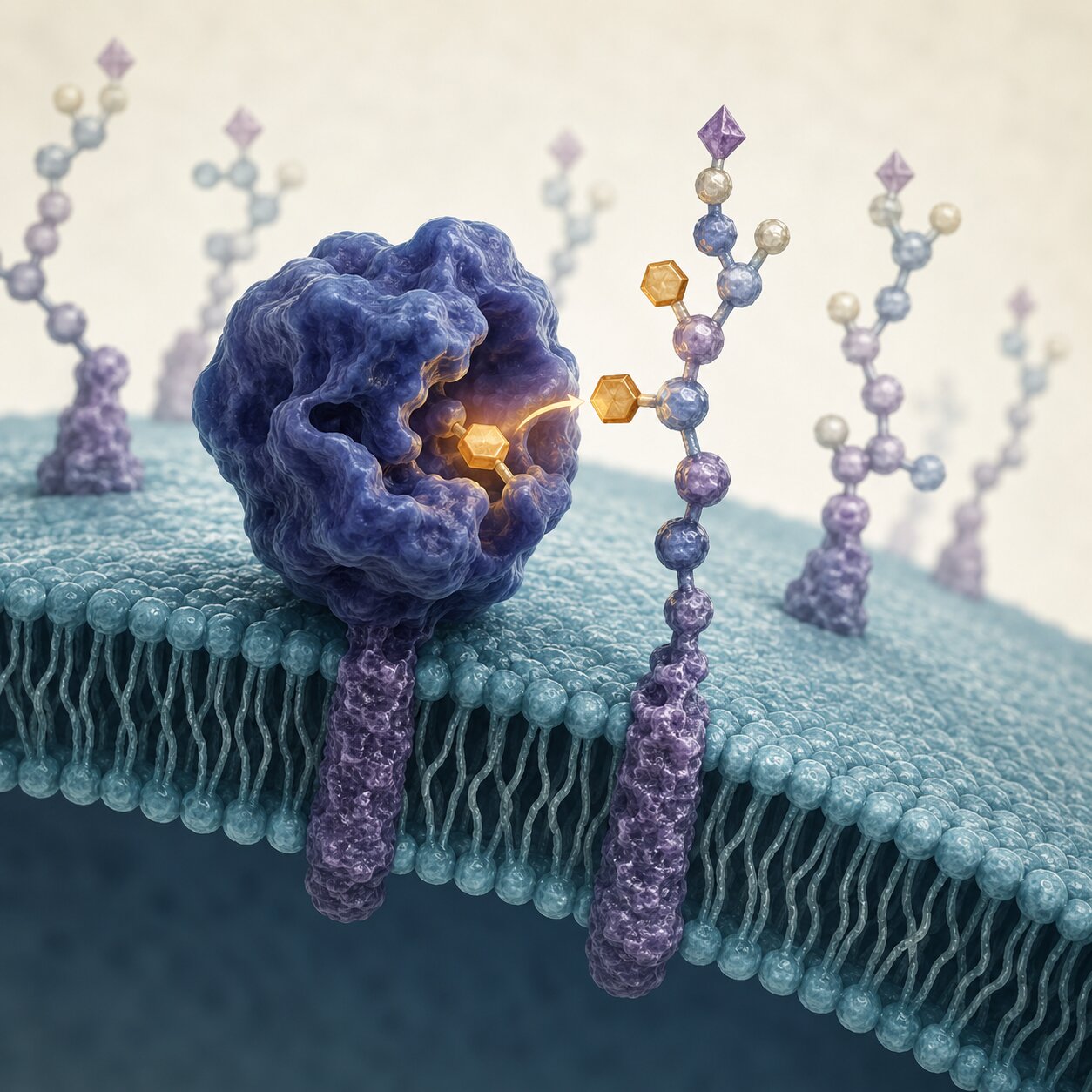
One of the least intuitive, and most clinically important, facts about CA 19-9 is that the test cannot detect the antigen in everyone — not because of anything wrong with the lab, but because of ordinary genetic variation. CA 19-9 is built using a specific sugar structure called sialyl-Lewis A, which is attached to proteins on the surface of certain cells by an enzyme called a fucosyltransferase, produced by a gene known as FUT3 (informally, the "Lewis gene"). Most people inherit a working copy of this gene and can build the sialyl-Lewis A structure normally, which is what makes them "Lewis-positive" and able to produce CA 19-9 in the first place. But somewhere between roughly 5% and 10% of people — the exact share varies by ethnic background and population studied — inherit a version of this gene that doesn't function, making them "Lewis-negative." Structurally, a Lewis-negative person's cells simply cannot assemble the antigen the CA 19-9 test is built to detect, no matter what disease process is happening inside their pancreas, bile ducts, or anywhere else.
The practical consequence is significant. Research following pancreatic cancer patients who happen to be Lewis-negative has found that a large share of them — over half in some studies — show CA 19-9 levels of 5 U/mL or lower even while actively carrying a tumor, and roughly 40% sit at 2 U/mL or below. A smaller portion do still show some aberrant elevation through alternate, less efficient biological pathways, but the overall pattern holds: for a Lewis-negative person, a persistently low or undetectable CA 19-9 is not the reassuring signal it would be for anyone else. It is simply their biological baseline, present with or without disease. Doctors don't typically test a patient's Lewis status directly as a routine step — it's a genetic blood-typing test that isn't part of standard panels — but it becomes clinically relevant when someone has strong independent evidence of pancreatic or biliary cancer (from imaging or symptoms) yet their CA 19-9 stubbornly stays near zero. In that specific situation, a low CA 19-9 doesn't rule anything out, and doctors lean much more heavily on imaging and tissue biopsy rather than the blood marker.
It's worth clarifying that the Lewis blood group system used here is related to, but distinct from, the more familiar ABO blood typing (A, B, AB, O) that most people learn from blood donation cards. Both are inherited surface-marker systems, and both are determined by which sugar-building enzymes a person's genes allow them to produce, but they are governed by different genes and are inherited independently of one another — knowing your ABO blood type gives no information about your Lewis status. Lewis-negative status is also not evenly distributed across all populations; published estimates place it somewhat higher in certain Asian and Indigenous populations and somewhat lower in others, which is one reason researchers caution against applying a single flat percentage to every patient regardless of ancestry. None of this changes what the test can do for any individual patient — the same interpretive caution applies universally — but it does explain why occasional case reports describe patients with biopsy-confirmed pancreatic cancer and a CA 19-9 that never once left the normal range throughout their entire course of treatment.
A "Normal" Result Doesn't Fully Rule Out Cancer — and a High One Doesn't Confirm It
To understand what a CA 19-9 result can and can't tell you, it helps to borrow the language statisticians use to grade any medical test: sensitivity and specificity. Sensitivity answers the question, "of everyone who truly has the disease, what percentage does this test correctly catch?" Specificity answers a different question: "of everyone who does not have the disease, what percentage does this test correctly clear?" A useful way to picture this is a smoke detector. A highly sensitive smoke detector will reliably go off whenever there's a real fire, but it might also occasionally go off when you're just searing a steak — that's a false alarm, a specificity problem. A highly specific detector, by contrast, almost never goes off for burnt toast, but it might occasionally fail to catch a genuine small fire early. No test, and no smoke detector, achieves perfect scores on both at once.
At the standard 37 U/mL cutoff, CA 19-9 has a sensitivity for pancreatic cancer of roughly 79% to 81%, meaning it correctly detects about 4 out of every 5 people who truly have the disease — and misses the fifth. Some of those misses are early-stage cancers that simply haven't yet produced enough antigen to cross the threshold; others are Lewis-negative individuals, as covered above. Specificity sits around 82% to 90%, meaning that out of everyone who does not have pancreatic cancer, somewhere between 1 in 10 and 1 in 5 will still show a result above the normal range for entirely unrelated, non-cancerous reasons (covered in the next section). This is precisely why no major medical organization — not the U.S. Preventive Services Task Force, not the National Comprehensive Cancer Network — recommends using CA 19-9 as a general screening test for people with no symptoms and no elevated risk. Pancreatic cancer is, thankfully, rare in the general population, and when a disease is rare, even a "good" test produces mostly false alarms if you apply it broadly to people who were unlikely to have the disease to begin with. The test becomes genuinely useful once it's aimed at the right target — people already known to have a pancreatic or biliary mass, or people already diagnosed and being tracked over time — which is exactly how it's actually used in practice, discussed further below.
Two other statistical terms often get mentioned alongside sensitivity and specificity: positive predictive value (PPV) and negative predictive value (NPV). These describe something different — not how good the test is in a vacuum, but how much a specific result actually shifts the odds for a specific person, given how likely they were to have the disease before the test was even run (their "pretest probability"). At the standard cutoff, published research places PPV around 72% and NPV around 96% in the populations those studies examined — but both figures move substantially depending on who's being tested. In a population where pancreatic cancer is already suspected because of concerning imaging or symptoms, a positive result carries real weight. In an average, symptom-free adult with no risk factors, where pancreatic cancer is rare to begin with, the same positive result is far more likely to be one of the false alarms discussed above than a true finding — which is the core mathematical reason broad screening with this test isn't recommended, even though the test itself performs reasonably well once directed at the right patients.
The Non-Cancer Reasons CA 19-9 Climbs Above 37
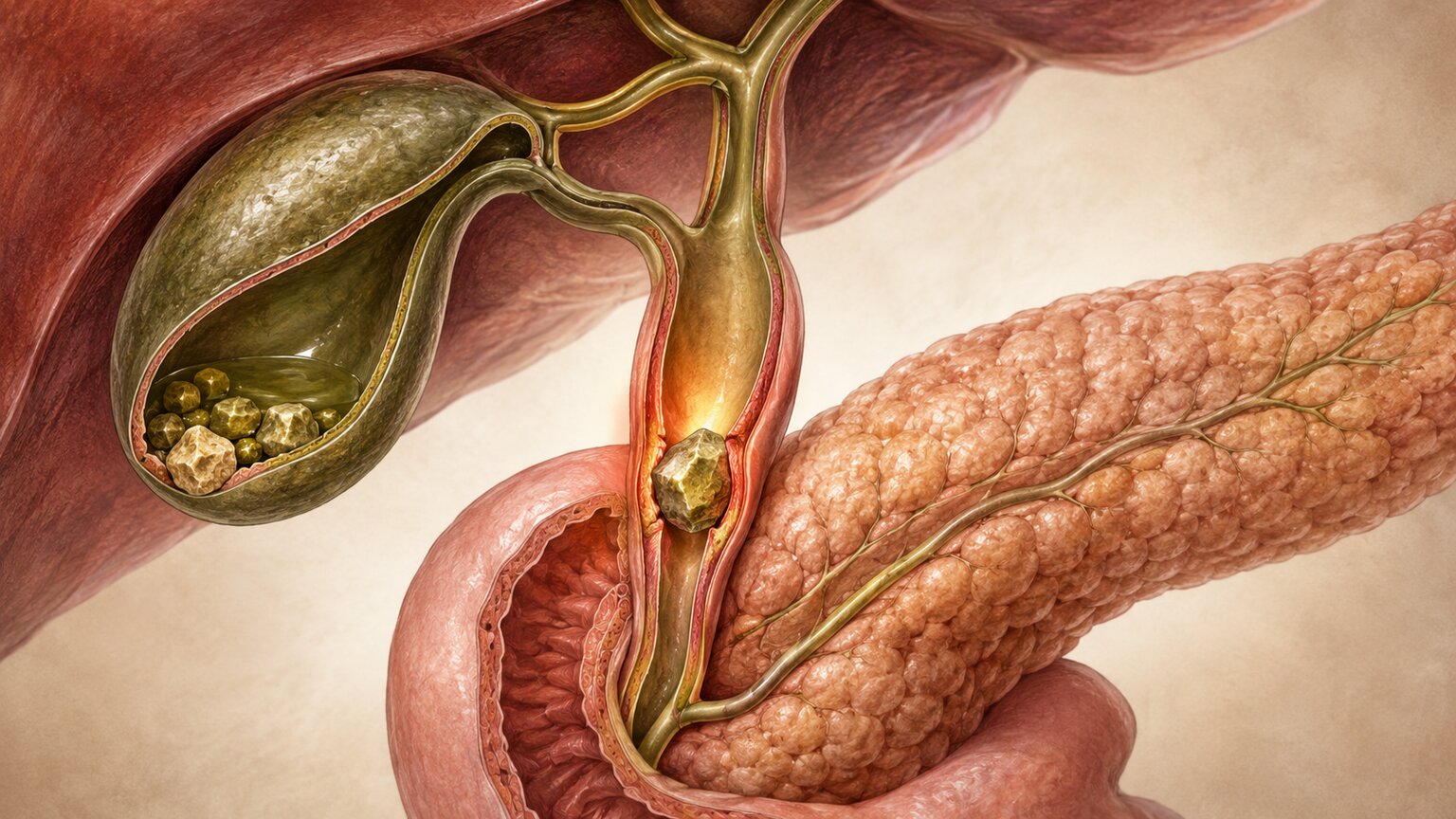
Because CA 19-9 is produced by ordinary duct-lining cells throughout the pancreas, bile ducts, and gastrointestinal tract, virtually anything that irritates, inflames, or obstructs those tissues can push the number above 37 U/mL without a single cancer cell being involved. Understanding these causes matters, because an elevated result on its own is frequently the starting point of a workup, not the end of one.
Pancreatitis, inflammation of the pancreas, is one of the most common benign causes. Whether triggered by gallstones, alcohol use, certain medications, or high triglycerides, an inflamed pancreas sheds more antigen than usual from its irritated duct cells, and levels can climb into the hundreds during an acute flare before settling back down as the inflammation resolves. Bile duct obstruction is another major contributor, and arguably the single largest source of confusion in interpreting this test. When a gallstone, a stricture, or a tumor of any kind — benign or malignant — blocks the flow of bile, CA 19-9 backs up in two ways at once: irritated duct cells produce more of it, and the body's normal route for clearing the antigen out through bile is partially shut off. This combination can send levels soaring into the thousands from a blocked bile duct alone, with no tumor anywhere in sight. Because of this, when a blockage is found and treated — say, by removing a gallstone or placing a stent to reopen the duct — doctors typically wait and recheck CA 19-9 afterward rather than reacting to the pre-treatment number, since a level that looked alarming due to obstruction alone often falls dramatically once bile flow is restored.
Cholangitis, an infection of the bile ducts, produces a similar pattern through active inflammation and impaired drainage. Chronic liver disease, particularly cirrhosis, is another well-documented cause: a scarred, poorly functioning liver clears CA 19-9 from the bloodstream less efficiently, letting it accumulate even when production hasn't increased much at all. Diabetes has also been associated with mild elevations in some studies, along with a range of other inflammatory gastrointestinal conditions. None of this means an elevated CA 19-9 should be dismissed — it is still a signal worth investigating — but it does mean that the number by itself, without context about symptoms, imaging, and other lab findings, is not a diagnosis.
Why the Actual Number Matters as Much as "Normal" vs. "High"
Treating CA 19-9 as a simple pass-or-fail test misses a large part of what the number actually communicates. Research tracking CA 19-9 levels in confirmed pancreatic cancer patients has consistently found that the magnitude of elevation correlates with the likelihood of malignancy and, in diagnosed cancer, with how advanced and how large the tumor burden tends to be. A result of 45 U/mL, just above the 37 cutoff, behaves very differently in the data than a result of 4,500 U/mL. At very high cutoffs — levels above 1,000 U/mL, for example — specificity for pancreatic cancer climbs to nearly 99.8%, meaning a result that high is rarely explained by anything benign, even though sensitivity drops at that extreme threshold because it misses the many cancers that produce lower levels. In practical terms, a mildly elevated result in the 40s or 50s is statistically far more likely to reflect one of the benign causes above than an aggressive malignancy, while a result climbing into the thousands is taken far more seriously, far faster.
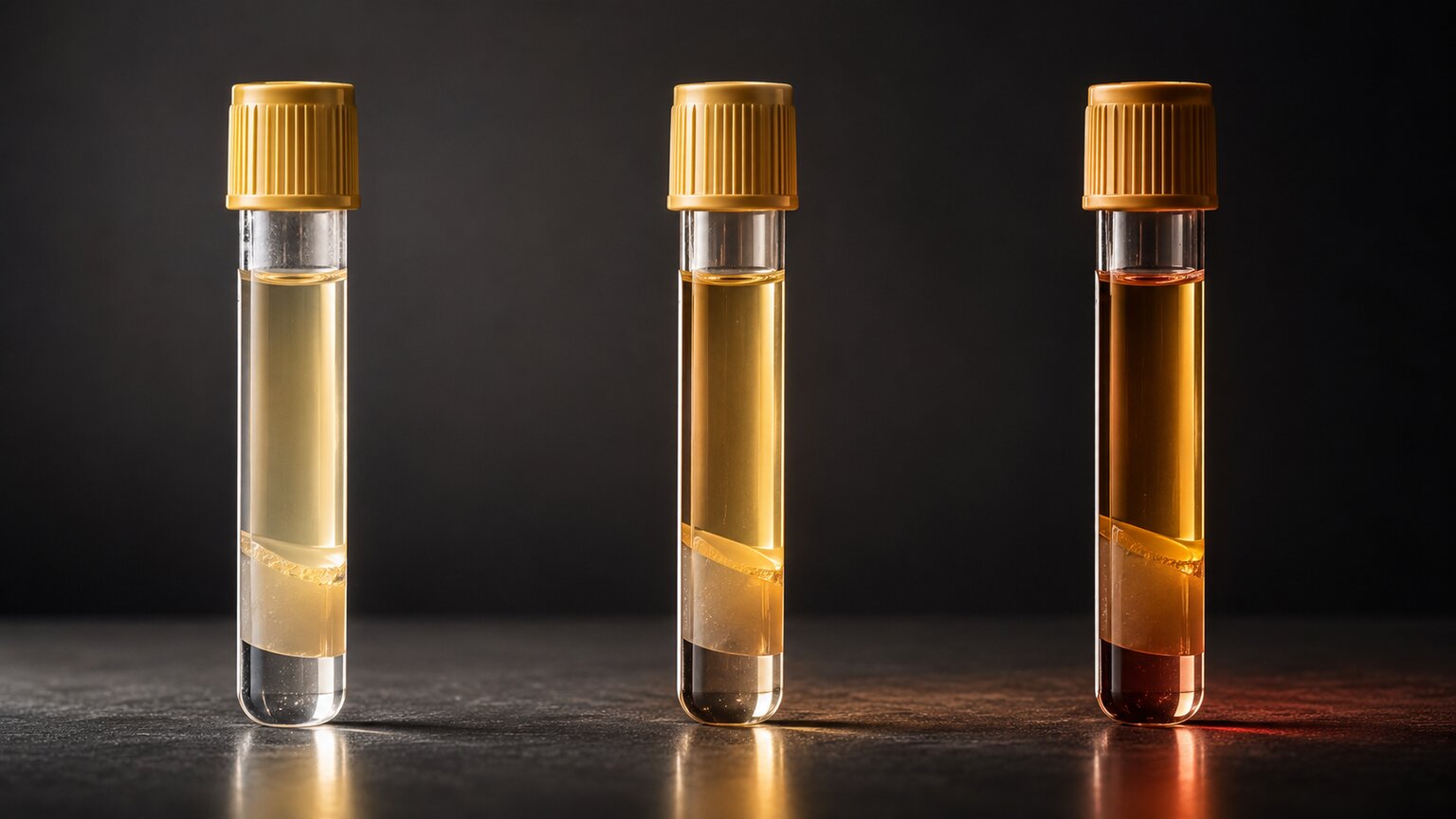
The trend over time is often even more informative than any single number. Because CA 19-9 can be measured repeatedly, a doctor tracking a patient over weeks or months is watching for direction and rate of change, not just whether one isolated result crossed a line. A level that rises steadily across several consecutive tests carries more weight than a single high reading that could simply reflect a temporary flare of inflammation. Conversely, a level that climbs once and then falls back toward baseline on a repeat test often points toward a resolving benign process rather than a persistent one. This is one of the main reasons doctors are often reluctant to draw firm conclusions from a single CA 19-9 result in isolation, and why a repeat test — sometimes weeks apart, sometimes after treating a suspected benign cause first — is such a common next step.
How Doctors Actually Use This Range in Practice — Monitoring, Not Screening
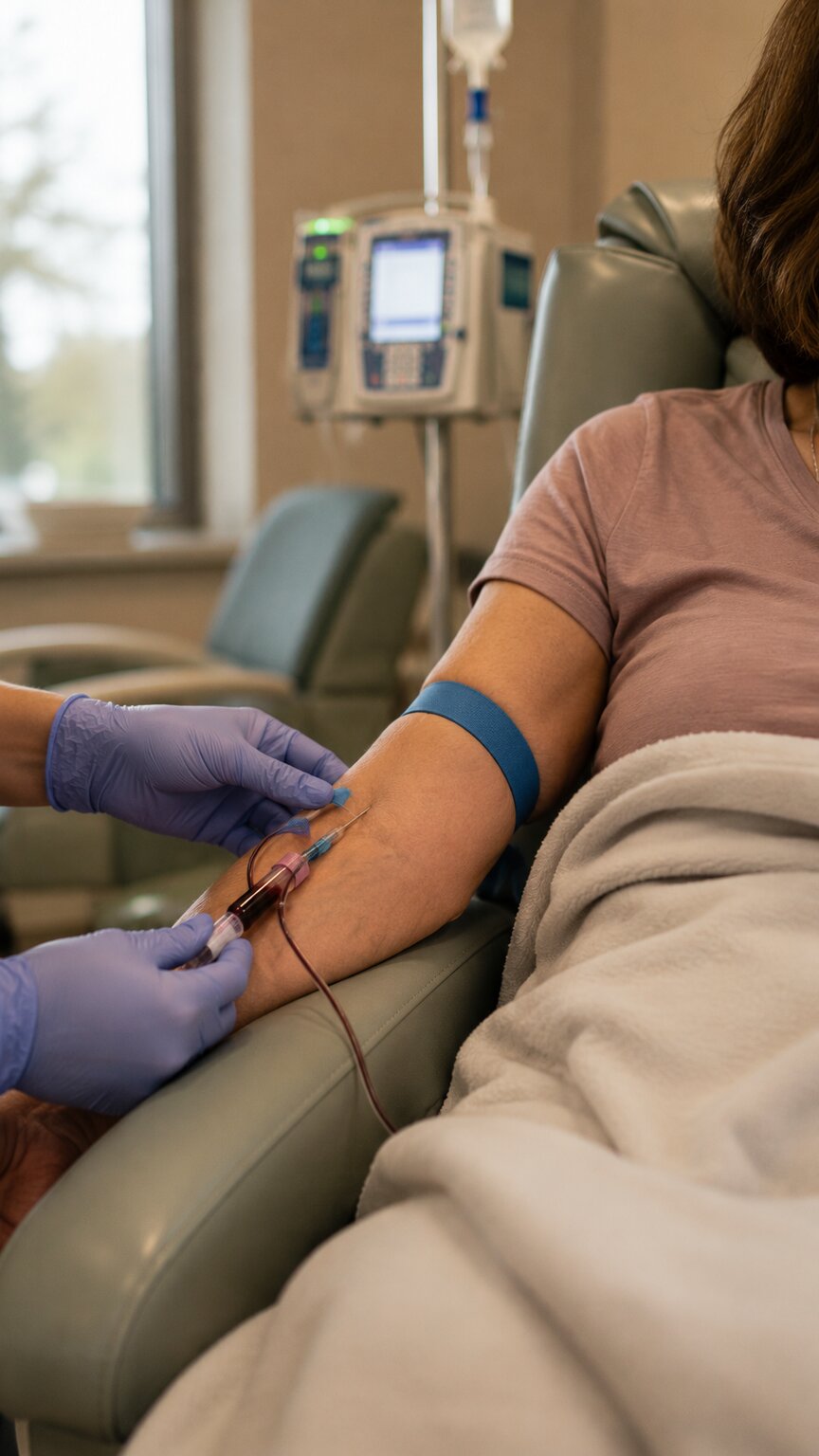
Given everything above, it's worth being explicit about what CA 19-9 is, and isn't, approved and recommended for. No major guideline body recommends it as a general screening test for people without symptoms or elevated risk — the combination of pancreatic cancer's rarity in the overall population and the test's imperfect specificity means that broad screening would generate far more false alarms, unnecessary anxiety, and invasive follow-up procedures than genuine early detections. Its real, well-established value lies in monitoring people who already have a confirmed diagnosis of pancreatic or certain biliary cancers. In that setting, CA 19-9 is measured before treatment to establish a personal baseline, then rechecked periodically during and after chemotherapy, radiation, or surgery. A level that falls substantially after treatment begins is a reassuring sign that the treatment is working; a level that starts climbing again during surveillance, after having dropped, is one of the earlier warning signs doctors watch for as a possible sign of recurrence — though it is always interpreted alongside imaging and clinical symptoms, never as a stand-alone verdict.
There is one further nuance worth knowing: people with a strong family history of pancreatic cancer, certain inherited genetic mutations, or other recognized high-risk factors sometimes do undergo structured surveillance programs through specialized centers, which may include periodic CA 19-9 testing alongside advanced imaging. This is a fundamentally different situation from population-wide screening — it is a targeted, closely supervised protocol for a small group of people whose baseline risk is already substantially higher than average, decided in partnership with a genetic counselor or specialist rather than as a routine addition to a standard annual physical.
What to Do If Your Result Falls Outside the Normal Range
Seeing a CA 19-9 result flagged above the reference range on a portal or printed report, often with no other context attached, is understandably unsettling. The most useful first step is resisting the urge to interpret the number in isolation and instead gathering the surrounding information a doctor would actually use to make sense of it: Why was the test ordered in the first place — as part of a broad panel, because of specific symptoms, or to monitor a known condition? Is this the first time it's been measured, or is there a prior result to compare it against? Are there any known gallbladder, liver, or pancreatic issues already in your history that could plausibly explain it? Answering these questions doesn't require medical training; it just requires pulling together the full picture rather than fixating on one line item.
From there, the standard next step a doctor typically takes is a repeat test, often several weeks later, to see whether the number is stable, rising, or falling — a single elevated reading is far less informative than a trend. If the repeat confirms an elevation, or if there are accompanying symptoms like unexplained abdominal or back pain, jaundice (yellowing of the skin or eyes), unintended weight loss, or changes in digestion, the usual next step is imaging — typically an abdominal ultrasound or a CT scan — to look directly at the pancreas, bile ducts, and liver rather than relying on the blood marker alone. Imaging is what actually locates and characterizes any physical abnormality; CA 19-9 on its own cannot do that. If a benign cause like a gallstone or bile duct blockage is identified and treated, it's common practice to recheck CA 19-9 afterward, since levels driven by obstruction alone frequently normalize once the blockage is resolved.
What is rarely, if ever, the right response is significant alarm based on the number alone, particularly for a mild elevation with no accompanying symptoms. Given everything covered above — assay variability between labs, the meaningful share of the population who are Lewis-negative, and the long list of common benign conditions that can raise this marker — a single elevated CA 19-9 sits much closer to "a data point worth following up on" than "a verdict." The right response is the same one that applies to most ambiguous lab findings: bring it to the provider who ordered it, ask directly what they think it means given your full history, and let the follow-up plan — repeat testing, imaging, or simply watchful monitoring — be guided by someone with the complete clinical picture in front of them.
Frequently Asked Questions
Is 37 U/mL the normal cutoff at every single lab?
It's the most commonly cited threshold and the one used by the majority of U.S. labs, but it isn't universal. Different testing platforms calibrate slightly differently, so some labs report their local upper limit as 34 U/mL, others as 40 U/mL. Always check the reference range printed directly on your own report rather than assuming 37 applies everywhere.
My CA 19-9 has always tested near zero — could I just be Lewis-negative?
It's possible, though it isn't something that can be confirmed from CA 19-9 results alone. Roughly 5% to 10% of people carry a genetic variant that makes them unable to produce the antigen the test detects. This isn't tested for routinely, and it typically only becomes clinically relevant if there's other strong evidence of disease despite a persistently low or undetectable reading.
Can something temporary, like a stomach bug or a few drinks, raise CA 19-9?
Anything that inflames or irritates the pancreas, bile ducts, or digestive tract — including a flare of pancreatitis, a gallbladder attack, or a bout of cholangitis — can temporarily push levels above normal, and the number typically settles back down once the underlying irritation resolves. This is a large part of why doctors often recheck an elevated result rather than acting on a single number alone.
My result is only a little above 37 — should I be worried?
A mild elevation, especially just a few points above the cutoff, is statistically far more often explained by a benign cause like inflammation or a bile duct issue than by cancer. That said, "mild" is a relative judgment that depends on your full clinical picture, so it's worth discussing the specific number, your symptoms, and any recommended follow-up testing directly with the provider who ordered it.
Does age or sex change what counts as a normal CA 19-9 range?
Unlike some biomarkers, CA 19-9 does not have separate reference ranges published for men versus women or for different adult age groups — the same general cutoff applies broadly across adults. What does vary is baseline risk of the conditions that raise it, since pancreatic and biliary disease generally becomes more common with age, which affects how a given result is interpreted in context, even though the lab's printed "normal" line itself doesn't shift.
If imaging comes back clear, does that mean an elevated CA 19-9 was a false alarm?
Often, yes — a clear ultrasound or CT scan alongside an elevated CA 19-9 is reassuring and frequently points toward one of the benign causes described above, especially if the level later trends downward on a repeat test. It doesn't automatically close the book in every case, since very early or very small abnormalities can occasionally be missed on initial imaging, which is why a doctor may still recommend a follow-up test or a different imaging method if the elevation persists or if symptoms continue.
Conclusion
The number 37 U/mL is a genuinely useful starting point for interpreting a CA 19-9 result, but it was never meant to function as a strict, universal line between "fine" and "not fine." The exact cutoff can shift slightly from lab to lab, a meaningful share of the population is biologically unable to register a high result even in the presence of disease, and a wide range of common, entirely benign conditions — from a gallstone to a flare of pancreatitis — can push the number above normal without any cancer being involved at all. What actually carries diagnostic weight is context: how far above the range the result sits, whether it's rising or falling on repeat testing, what symptoms and imaging findings accompany it, and why the test was ordered in the first place. If you've received a CA 19-9 result that falls outside what your lab considers normal, the most productive next step is a direct conversation with the provider who ordered it, who can weigh that single number against everything else known about your health rather than in isolation.
Still Not Sure What Your Results Mean?
Upload your labs and get a complete, visual, plain-language interpretation of every biomarker — delivered to your inbox in under 15 minutes.
Get My ReportThis article is for educational purposes only and does not constitute medical advice. Always consult your healthcare provider regarding your specific lab results.