
Why Would a Newborn's Bilirubin Be Monitored Daily?
A newborn's bilirubin gets checked so often, sometimes every single day or even more, because the number that counts as "safe" is not one fixed line — it actually changes hour by hour during the first days of life. A bilirubin level that would be perfectly fine for a baby who is four days old could be a real warning sign in a baby who is only eighteen hours old, simply because a younger baby has had far less time for that number to naturally come down on its own. Doctors and nurses are not just watching whether the number is high or low; they are watching whether it is climbing faster than it should for exactly how many hours old that baby is. That single idea — that the safe number is a moving target tied to the baby's exact age in hours, not a single number that applies to every newborn the same way — is the entire reason for the daily (and sometimes twice-daily) checks, and it is exactly what this article walks through from start to finish.
Curious what the rest of your (or your baby's) lab results are telling you? Upload them and get a complete, plain-language breakdown in under 15 minutes.
Analyze My ResultsFirst, a Quick Reminder of Why Newborns Get Yellow at All
Bilirubin is a yellow substance your body makes every single day, your whole life, as a normal byproduct of breaking down old red blood cells — think of it as the leftover "ash" from cells your body has finished using and is clearing away. In adults, the liver is fast and efficient at grabbing this yellow substance out of the blood and sending it out of the body. In a brand-new baby, the liver is still finishing its final construction, and it simply cannot clear bilirubin as quickly yet. At the very same time, a newborn's body is breaking down an unusually large number of red blood cells in those first days, because the blood cells built for the different oxygen conditions inside the womb are being swapped out for a fresh set built for breathing regular air. More bilirubin is being produced, and less of it is being cleared — that combination is exactly why so many healthy newborns turn slightly yellow (a color called jaundice) in their first week of life, and why this article's companion pieces on this site cover that mechanism in real depth.
This article is not about why jaundice happens in the first place — it's about something different and, for a worried new parent, arguably more practical: why the medical team keeps drawing this same blood test again and again during those first days, instead of just checking it once and calling it done. That question, once answered properly, actually reshapes how every single one of those repeat checks should feel to a parent standing in the room watching it happen.
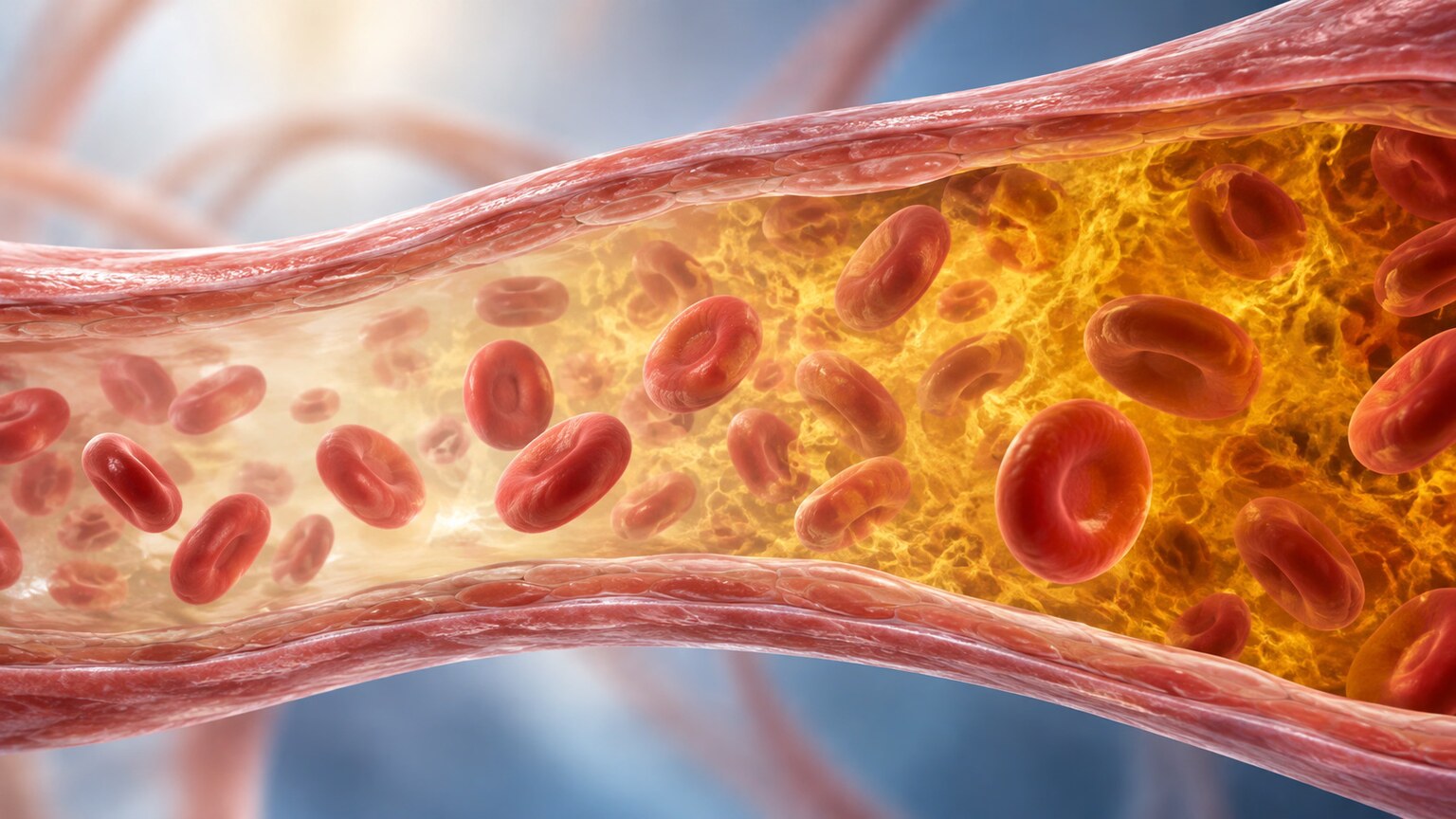
Figure 1. Bilirubin naturally builds up fastest in a newborn's bloodstream during the very first days of life, before the liver's clearing system has fully matured.
The Big Idea: There Is No Single "Normal" Number for a Newborn
For almost every blood test in medicine, there's one reference range printed right on the report, and a number either falls inside it or outside it. Newborn bilirubin doesn't work that way, and this is the single most important thing to understand about why monitoring is so frequent. Instead of one fixed cutoff, doctors use what's called a risk-zone chart (its formal name is the Bhutani nomogram, though you'll rarely hear a parent use that term) — a chart that plots a bilirubin result against the baby's exact age in hours, not days, since birth. The exact same bilirubin number can land in a "low risk" zone on that chart for one baby and a "high risk" zone for another baby, purely because of how many hours old each baby was at the moment of the blood draw.
Picture it like tracking a plane's altitude during takeoff instead of just checking how high it is right now. A plane sitting at 2,000 feet ninety seconds after leaving the runway is climbing at a completely normal, expected rate. A plane at that exact same 2,000 feet only ten seconds after leaving the ground would be climbing at an alarming, physically implausible rate that would demand immediate attention. The altitude number alone tells you nothing without knowing how much time has passed — and a newborn's bilirubin level works exactly the same way. This is precisely why a single result, checked once, can never tell the full story, and why the same test gets repeated: each new result, plotted against the baby's new age in hours, reveals the trend, and the trend is what actually matters.
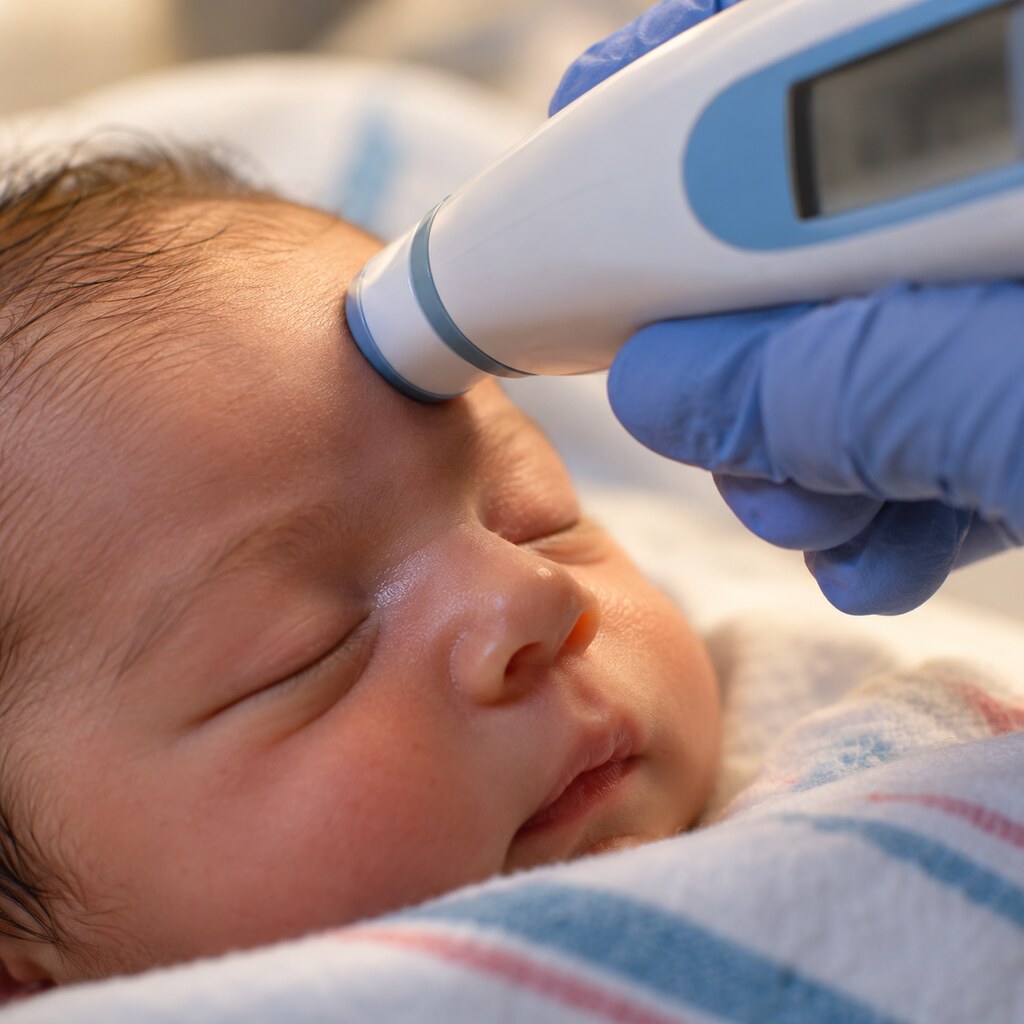
Figure 2. A transcutaneous bilirubin meter estimates the level through the skin in seconds, without a needle, making frequent rechecks realistic.
This is also exactly why the specific timing of each check matters so much, and why "daily" is really a simplification of a schedule that can be even tighter than once every 24 hours in the first day or two. A baby identified as higher-risk in that very first check might be rechecked again in just four to eight hours, not the next day, precisely because the whole point is catching a fast, steep climb early — waiting a full day to recheck a baby who is already climbing quickly would defeat the purpose of watching the trend at all. As the numbers stabilize and the risk zone looks more reassuring, the interval between checks naturally stretches out, which is part of why some babies get checked more like once a day and others get checked more often during that first day or two.
The Two Ways This Gets Measured
There are two different tools used to get a bilirubin number, and knowing the difference helps make sense of what's actually happening when a nurse walks in with equipment. The first is the transcutaneous bilirubin meter shown above — a small, handheld device that gets pressed gently against the baby's skin, usually on the forehead or breastbone, and gives a reading within seconds using light rather than blood. It's quick, painless, and involves no needle at all, which makes it the go-to first choice for frequent screening. The second method is a small blood sample, usually taken from a quick heel prick, which gets sent to the lab for a precise, direct measurement of the bilirubin level in the blood itself.
The skin-based device is excellent for frequent screening because it's fast and doesn't hurt the baby, but it gives an estimate rather than the single most precise number available. When a skin reading comes back elevated, or when the baby is already known to be in a higher-risk category, the team will typically confirm that reading with an actual blood test, since the blood result is what actually gets plotted on the official risk-zone chart and used for any treatment decisions. Think of the skin device as a fast screening tool — much like a home thermometer check before deciding whether a proper medical-grade reading is needed — and the blood test as the confirmed, official number.

Figure 3. Routine bilirubin screening happens right at the bedside, often while a parent is present, as part of standard newborn hospital care.
This is also why, in most hospitals today, every single newborn gets at least one screening check before discharge, regardless of whether they look even slightly yellow to the eye. Jaundice can be genuinely difficult to spot reliably just by looking, especially in babies with darker skin tones, and waiting for a visible yellow tint before testing means some babies who need closer follow-up would be missed entirely. Universal screening — testing every baby, not just the ones who look jaundiced — is now the standard recommended approach specifically because relying on eyesight alone was found to miss a meaningful number of babies who actually needed closer attention.
That first universal screening result is really the starting point of the whole story this article is about. It gives the team a baseline hour-and-number pair to plot on the risk-zone chart, and every check after that adds one more point, gradually drawing out the actual shape of the baby's trend — flat and reassuring, or climbing and worth watching more closely.
Why "How Fast" Matters More Than "How High"
Here's a detail that surprises a lot of parents: two babies can have the exact same bilirubin number at the exact same age in hours, and still be treated completely differently, because the team is also looking at the rate of change between checks, not just the latest single value. A number that has barely moved between two checks a few hours apart is behaving very differently from the same number reached after a steep, fast climb — even if they land in the same spot on the chart at that moment. A rapid rate of rise is treated as more concerning than a slower one, because it suggests the level is likely to keep climbing quickly rather than plateauing, and it gives the team less lead time to intervene if the trend does need action.

Figure 4. Each new result is plotted against the baby's exact age in hours on a risk-zone chart, turning a single number into a trend the whole care team can track together.
Who Ends Up Needing Closer, More Frequent Checks
Not every baby needs the same monitoring schedule, and a handful of specific, well-known factors push a baby into a "watch this one more closely" category from the very start. Babies born before 38 weeks (even just a couple of weeks early) have livers that are even less mature than a full-term baby's, so they tend to need more frequent checks. A blood type mismatch between mother and baby — for example, when a baby's blood type triggers a mild immune reaction that speeds up red blood cell breakdown — increases both bilirubin production and the pace at which it can rise, so these babies are watched more closely from birth. A baby who had a visible bruise from a difficult delivery, such as a cephalohematoma (a small pocket of blood that collects under the scalp during birth and is reabsorbed by the body over the following days), also produces extra bilirubin as that blood gets broken down and cleared, on top of the ordinary newborn amount.
Feeding also plays a real role. Babies who aren't feeding frequently or effectively in the first days — which can happen while breastfeeding is still getting established — tend to have slower bowel movements, and since bilirubin is partly cleared from the body through stool, less frequent feeding can mean bilirubin lingers and climbs a bit more than it would in a baby feeding well and stooling regularly. This is one of the most common, most fixable contributors to a higher bilirubin trend, and it's a major reason lactation support in the first days is treated as directly relevant to jaundice monitoring, not a separate concern.

Figure 5. Frequent, effective feeding in the very first days helps the body clear bilirubin through stool, directly influencing how the monitoring trend looks.
None of these individual risk factors mean a baby will definitely develop concerning jaundice — they simply mean the medical team starts that baby's monitoring schedule a notch more cautiously, checking a bit sooner or a bit more often so that if the trend does start climbing quickly, it gets caught with plenty of room to act. A baby with one or more of these factors who turns out to have a calm, flat trend across a couple of checks is usually moved to a more standard, spaced-out schedule fairly quickly, since the whole point of the tighter early schedule is simply gathering enough data points to see which direction things are actually heading.
Reading the Risk-Zone Chart Without a Medical Degree
Even without ever seeing the actual chart, it helps to understand the basic shape of how it works, because it explains almost every monitoring decision described in this article. The chart's horizontal axis is the baby's age in hours since birth, running from the moment of delivery out to about a week of life. The vertical axis is the bilirubin number itself. Plotted across that grid are several curved bands, stacked one above the other like the elevation lines on a hiking trail map, each one representing a different risk zone — low, low-intermediate, high-intermediate, and high. A result plotted low on the chart, in the bottom band, for a baby's current age in hours is reassuring. The exact same number plotted for a baby only half as old, landing instead in one of the upper bands, tells a very different story, even though the bilirubin number on the lab report reads identically in both cases.
What makes this chart genuinely useful, rather than just a technical curiosity, is that the bands aren't guesses — they were built from data tracking what actually happened to thousands of real newborns over time, showing which combinations of age-in-hours and bilirubin level were followed by a smooth, uneventful decline versus which combinations were more often followed by a level that kept climbing and needed treatment. A result landing in the high-risk band isn't a diagnosis of anything by itself; it's a statistical signal that this particular baby, at this particular age, resembles the group of babies who historically benefited most from closer follow-up. That's the entire logic underneath every scheduling decision this article has walked through.
What Happens If the Trend Is Climbing Too Fast
When a bilirubin trend does move into a zone that calls for action, the treatment itself is usually far simpler and less intimidating than a worried parent might expect: phototherapy, meaning exposing the baby's skin to a specific wavelength of blue-spectrum light. This light changes the shape of the bilirubin molecules sitting just under the skin's surface, converting them into a form the body can clear through urine without needing the liver to fully process them first — essentially giving the newborn's still-maturing liver a temporary, external assist while its own systems finish catching up over the following days. Phototherapy is common, well-studied, and generally very well tolerated, and starting it is itself a form of monitoring in action: it's what the whole daily-check system exists to make possible, catching a rising trend early enough that a simple, non-invasive light treatment is all that's needed.
Once phototherapy starts, bilirubin gets checked even more frequently for a while — often every four to twelve hours rather than once a day — specifically to confirm the treatment is working and the level is actually coming back down rather than continuing to climb. This tighter check schedule during treatment is a direct continuation of the same principle covered throughout this article: the team isn't just confirming the number went down once; they're confirming the new trend, now moving in the right direction, is holding steady before easing the checks back to a more normal schedule and eventually stopping treatment altogether.
Two Kinds of Jaundice That Sound Alike but Behave Differently
Parents often hear two very similarly named things mentioned around the same time, and mixing them up can cause a lot of unnecessary worry: breastfeeding jaundice and breast milk jaundice. Breastfeeding jaundice happens early, usually within the first week, and it's essentially the feeding-related pattern already described above — a baby who isn't yet feeding often or effectively enough is stooling less, clearing less bilirubin, and showing a higher trend as a result. The fix here is almost always more support getting feeding established, not stopping breastfeeding, and the trend typically turns around within days once feeding improves.
Breast milk jaundice is a completely different, later-appearing pattern, showing up more toward the second week of life and sometimes lasting, in a mild form, for several additional weeks. It's thought to happen because certain substances naturally present in some mothers' breast milk can slightly slow down the baby's own bilirubin-processing chemistry. Despite the name sounding alarming, this pattern is generally considered harmless in an otherwise well, thriving baby, and it does not usually require stopping breastfeeding either — it simply means the monitoring conversation with a pediatrician may stretch out a little longer than for a baby without this pattern, purely so the slower, more gradual decline can still be confirmed rather than assumed.
The Rare Complication All This Monitoring Exists to Prevent
It's worth naming, briefly and without alarm, the actual reason this whole monitoring system exists in the first place: in very rare cases, if bilirubin is allowed to climb extremely high and stays there without being addressed, it can cross into the brain and cause a serious, permanent condition called kernicterus. This outcome is now uncommon precisely because of the monitoring system this article describes — universal screening, risk-zone tracking, and timely phototherapy were specifically developed and widely adopted because they work at catching a rising trend long before it ever approaches that extreme, rare territory. Knowing that this rare possibility exists helps explain why the medical world takes newborn bilirubin seriously enough to build an entire structured monitoring system around it, while also understanding that the system's success is exactly why the vast majority of families never come anywhere close to that outcome — the daily checks are the reason it stays rare, not a sign that it's a common risk hanging over every jaundiced baby.
Why the Checks Don't Always Stop at Hospital Discharge
Bilirubin naturally continues rising for the first three to five days of life in most babies before it levels off and starts coming down, but most newborns today go home from the hospital well before that peak — often within 24 to 48 hours of birth. This creates a real timing gap: the hospital's own monitoring window can end before the baby's bilirubin has even reached its highest point. Because of this, a follow-up appointment within a day or two of discharge, sometimes specifically to recheck bilirubin, is a standard part of newborn care rather than an optional extra, and it's the reason a pediatrician's office may ask a family to come back in for a quick check so soon after just being discharged.

Figure 6. Because bilirubin often peaks after most families have already gone home, a follow-up recheck within a day or two of discharge is standard, not a sign anything is wrong.
This follow-up visit is exactly why the monitoring described throughout this article doesn't feel like it neatly wraps up the moment a family walks out of the hospital doors. The risk-zone chart and the trend-tracking logic don't pause just because the setting changed from a hospital room to a pediatrician's office — the same baby, the same chart, the same underlying question of "is this number appropriate for this many hours of life" simply continues in a new location. A family sent home with a plan to recheck bilirubin in 24 or 48 hours is not being sent home because something is wrong; they're being sent home with the monitoring schedule still actively running, just outside the hospital building.
Parents are also typically given a clear list of what to watch for at home between visits — increasing yellowness spreading down the body from the head, a baby who is unusually difficult to wake for feeds, or noticeably fewer wet or dirty diapers than expected — precisely so the household itself becomes an informal extension of the monitoring system during the gap between formal checks. None of these signs mean an emergency is guaranteed, but they're exactly the kind of change that would prompt an earlier recheck rather than waiting for the originally scheduled follow-up.
Why Some Countries and Hospitals Screen Differently
Parents who talk to friends or family who gave birth elsewhere sometimes notice the monitoring approach isn't described in identical language everywhere, and this is worth addressing directly so it doesn't cause unnecessary confusion. Some hospital systems screen every single newborn with the transcutaneous device as a fixed part of the standard newborn exam, regardless of how the baby looks. Others screen more selectively, relying more heavily on a visual check by an experienced nurse or doctor combined with screening only babies who have one of the risk factors already covered in this article. Both approaches are trying to solve the exact same problem — catching a rising trend early enough to act — they simply weigh the trade-off between universal testing and targeted testing a little differently based on local guidelines and resources.
What stays consistent everywhere that follows modern newborn care standards is the underlying logic this entire article has been built around: a bilirubin number is only meaningful next to the baby's age in hours, a single check is never the whole story, and a rising trend is what actually drives every decision about tightening the schedule or starting treatment. If a family ever finds a description of newborn jaundice monitoring online that talks about a single fixed cutoff number applying to every baby regardless of age, that description is almost certainly incomplete or outdated — modern care is built entirely around the age-adjusted, trend-based approach described throughout this piece.
What the Care Team Does With Each New Result
Every single bilirubin result, from the very first hospital screening through any follow-up recheck, gets read the same structured way: plot the number against the baby's exact age in hours, note which zone it falls into, and compare it to the previous point to see the direction and speed of the trend. A result that lands comfortably in the low-risk zone and hasn't moved much simply confirms the current, spaced-out schedule is appropriate. A result that has crept into a higher zone, or that jumped unexpectedly fast since the last check, shortens the interval until the next check and may prompt starting phototherapy, exactly as described above.

Figure 7. A pediatrician interprets each new bilirubin result in the context of the baby's full trend so far, not as an isolated number, before deciding on the next step.
This same read-the-trend approach is exactly why a parent should never try to compare their own baby's single bilirubin number to a number they saw mentioned for someone else's baby, or to a generic number found online — without the matching age in hours, and without knowing where that number sits relative to the baby's own previous checks, the number alone is genuinely uninterpretable, even to a trained eye. The chart, the age in hours, and the trend across multiple checks are not extra detail layered on top of the "real" result; together, they are the result.
What This Actually Looks Like for a Family, Day by Day
It helps to walk through a realistic timeline rather than just the underlying theory. A baby born at, say, 2:00 a.m. typically gets a first bilirubin screen sometime in the first 24 hours, often paired with the routine newborn metabolic screening already being done at that stage. If that first number lands comfortably low for the baby's age in hours, the next check might not happen until the following day, right around the time of hospital discharge. If the family goes home on day two, a pediatrician visit is usually already scheduled for somewhere around day three to five specifically to catch the period when bilirubin is statistically most likely to be nearing its peak.
If, instead, that very first check comes back higher than expected for the baby's age, the timeline compresses considerably: a recheck in six to twelve hours instead of the next day, possibly a blood test to confirm a concerning skin reading, and a real conversation with the family about what the numbers mean and what would happen next if the trend continued upward. Neither path is unusual, and neither reflects anything the parents did or didn't do — the schedule simply adapts, in real time, to whatever that individual baby's own trend is showing.
Frequently Asked Questions
Is it normal for a newborn's bilirubin to be checked more than once a day?
Yes. In the first day or two of life, especially if an early result lands in a higher-risk zone or the baby has a risk factor like prematurity, checks can happen every four to twelve hours rather than once daily. As results stabilize in a reassuring zone, the interval between checks typically stretches out.
Does a high bilirubin number always mean something is wrong with the baby's liver?
No. The vast majority of newborn jaundice reflects a temporarily immature (not damaged) liver combined with the normal extra red blood cell breakdown every newborn goes through — not liver disease. This article's companion pieces on this site go deeper into the underlying causes of high bilirubin specifically.
Why does my pediatrician want to recheck bilirubin after we already went home?
Bilirubin often keeps rising for three to five days after birth, which is frequently after most babies have already been discharged. A follow-up recheck fills that gap so the trend keeps being tracked through the period when the level is most likely to still be climbing.
Does the skin (transcutaneous) reading hurt, and is it as accurate as a blood test?
The skin reading is painless and takes seconds, making it ideal for frequent screening, but it's an estimate. An elevated skin reading, or a baby already in a higher-risk category, is typically confirmed with an actual blood sample, which is what gets used for any treatment decisions.
What's the difference between breastfeeding jaundice and breast milk jaundice?
Breastfeeding jaundice appears early and relates to feeding not yet being fully established, improving as feeding improves. Breast milk jaundice appears later, around the second week, relates to substances in breast milk slightly slowing bilirubin processing, and is generally harmless in a well, thriving baby.
Is kernicterus something I need to actively worry about?
Kernicterus is now rare specifically because of the structured monitoring described throughout this article. Universal screening and timely treatment are designed to catch a rising trend long before it approaches that level, which is exactly why most families never come close to this outcome.
A Short Glossary of the Words You'll Actually Hear
A few terms tend to come up repeatedly during this process, and having them defined in one place, in plain language, makes the whole experience easier to follow. Jaundice is simply the yellow tint to skin and the whites of the eyes caused by bilirubin building up — it's a visible sign, not a disease on its own. A risk-zone chart (or nomogram) is the age-in-hours-versus-bilirubin-level chart described earlier, the tool that turns a raw number into a meaningful signal. Transcutaneous means "through the skin," describing the painless handheld screening device. Phototherapy is the blue-light treatment that helps the body clear bilirubin faster. And a "trend," in this context, simply means the pattern formed by two or more results plotted over time, rather than any single result standing alone.
Knowing these five words is genuinely enough to follow along with almost any conversation a nurse or pediatrician has about a newborn's bilirubin, and to understand exactly why each one matters to the bigger picture this article has been building throughout — a picture where the goal was never to find one perfect number, but to watch a story unfold accurately enough to act on it the moment it needs acting on, and to leave it alone the moment it doesn't.
A Quick Word for Anxious Parents Reading This at 3 A.M.
If you're reading this because your own newborn just had another bilirubin check and you're wondering whether the frequency itself is a bad sign, take this as the direct, honest answer: it isn't. The system this article describes was specifically designed to check often, on purpose, precisely so that nobody has to guess or wait and hope. Frequent checking is the system working exactly as intended, not a sign that something has gone wrong — a baby whose bilirubin never got checked at all, or only once, would actually be the less carefully watched baby, not the more reassured one, even though skipping the checks might feel calmer in the moment. The number of times your baby's heel or forehead gets checked says far more about how seriously the monitoring system takes catching problems early than it does about how worried anyone should be about your specific baby.
Conclusion
A newborn's bilirubin gets monitored so frequently because the single most important piece of information isn't the number itself — it's how that number compares to what's expected for a baby of that exact age in hours, and whether it's climbing at a pace the body can keep up with on its own. One measurement is a snapshot; a series of measurements, each one plotted against the baby's growing age in hours, is a trend, and a trend is the only thing that can actually answer the question every parent is really asking: is this normal newborn jaundice quietly resolving on its own, or does this particular baby need a little extra help along the way. Understanding that the checks are tracking a moving target, not repeating a single fixed test, is what turns a schedule that can feel excessive into something that makes complete, reassuring sense — and it's the same understanding that makes every future lab result, for this baby or anyone else in the family, a little easier to read with confidence instead of fear.
Still Not Sure What Your Results Mean?
Upload your labs and get a complete, visual, plain-language interpretation of every biomarker — delivered to your inbox in under 15 minutes.
Get My ReportThis article is for educational purposes only and does not constitute medical advice. Always consult your healthcare provider regarding your specific lab results.