
What Causes High Potassium Levels in the Blood?
High potassium, medically called hyperkalemia, isn't one single problem with one single cause — it's a finding that can arise from at least three fundamentally different mechanisms, each involving a completely different part of your body's biology. Your kidneys might be struggling to remove potassium fast enough. Cells throughout your body might be releasing their internal potassium stores into your bloodstream. Or, in a genuinely common twist, your blood sample itself might have been affected by something that happened after it left your vein, meaning your actual potassium level was never elevated at all. Because potassium plays a direct, critical role in how your heart's electrical system functions, understanding which of these mechanisms is actually driving an elevated result isn't just academic — it's exactly the kind of detail that shapes how urgently, and how, a doctor responds. This article walks through each of these distinct causes individually, and explains why the same lab number can mean genuinely different things depending on which one is actually at play.

Figure 1. The kidneys are responsible for eliminating roughly 90% of the body's daily potassium intake — when filtration capacity declines, this outflow route narrows and potassium begins accumulating in the blood faster than it can be removed.
Why Potassium Matters So Much in the First Place
Before getting into what causes it to rise, it helps to understand why potassium is worth paying such close attention to at all. Potassium is one of the body's primary electrolytes, a category of minerals that carry an electrical charge when dissolved in your blood and body fluids. Nearly every cell in your body relies on a carefully maintained difference in potassium concentration between the inside and outside of the cell membrane, a difference that creates a small electrical voltage across that membrane. This voltage isn't a minor technical detail — it's the fundamental basis for how nerve cells transmit signals and how muscle cells, including the heart muscle, contract in a coordinated, properly timed way.
Because this system depends on a precise concentration difference, rather than just an absolute amount, even a moderate shift in blood potassium can meaningfully disrupt the electrical signaling that depends on it, especially in the heart, where a consistent, well-timed electrical rhythm is essential for every single heartbeat. This is the underlying reason hyperkalemia gets treated with a level of urgency that many other electrolyte abnormalities don't — it's not simply a number outside a reference range, it's a number tied directly to the electrical system keeping your heart beating in a coordinated way.
Why Your Kidneys Are the Main Gatekeeper
To understand why so many causes of hyperkalemia eventually trace back to the kidneys, it helps to know how potassium normally leaves your body in the first place. Roughly 90% of the potassium you take in through food each day is eliminated through your kidneys, which filter your blood continuously and selectively excrete excess potassium into urine while reabsorbing what your body still needs. This means your kidneys aren't just one organ among several handling potassium removal — they're overwhelmingly the primary route out, which is exactly why so many different causes of hyperkalemia ultimately involve this excretion pathway being disrupted in one way or another.
When kidney function declines, whether gradually through chronic kidney disease or suddenly through acute kidney injury, this filtering and excretion capacity drops correspondingly. Even a modest reduction in kidney function can meaningfully slow potassium clearance, and because dietary potassium intake continues at its usual pace regardless of how well the kidneys are working, the mismatch between ongoing intake and reduced outflow causes potassium to accumulate in the bloodstream over time. This is precisely why hyperkalemia is one of the most common and clinically important complications tracked in people with reduced kidney function, and why potassium is checked routinely alongside kidney function tests for exactly this reason.
The relationship between kidney function and potassium isn't perfectly linear, however, which is worth understanding directly. Because the kidneys have substantial reserve capacity, potassium levels often stay within a normal range even as kidney function declines through the earlier stages of chronic kidney disease, with the kidneys' remaining healthy tissue compensating for the portion that's no longer working properly. It's typically only once kidney function has dropped considerably, often below roughly 20 to 25% of normal capacity, that this compensation starts to fail and hyperkalemia becomes a more consistent, expected finding. This is part of why potassium alone isn't used as an early marker of declining kidney function — by the time it rises meaningfully, kidney function has usually already fallen quite far from normal.
Acute kidney injury behaves somewhat differently from this gradual chronic pattern, since it can reduce kidney function sharply and quickly, sometimes within hours to days, leaving no time for the same kind of gradual compensation to develop. This is part of why hyperkalemia associated with acute kidney injury can appear and progress considerably faster than hyperkalemia associated with chronic kidney disease, and why acute kidney injury specifically prompts close, frequent potassium monitoring during the period when kidney function is actively declining or recovering.
Already have a potassium number from a recent test, but not sure if it's actually good or bad for you? Just plug it in and see instantly.
🧮 Try the Free CalculatorMedications That Interfere With Potassium Excretion
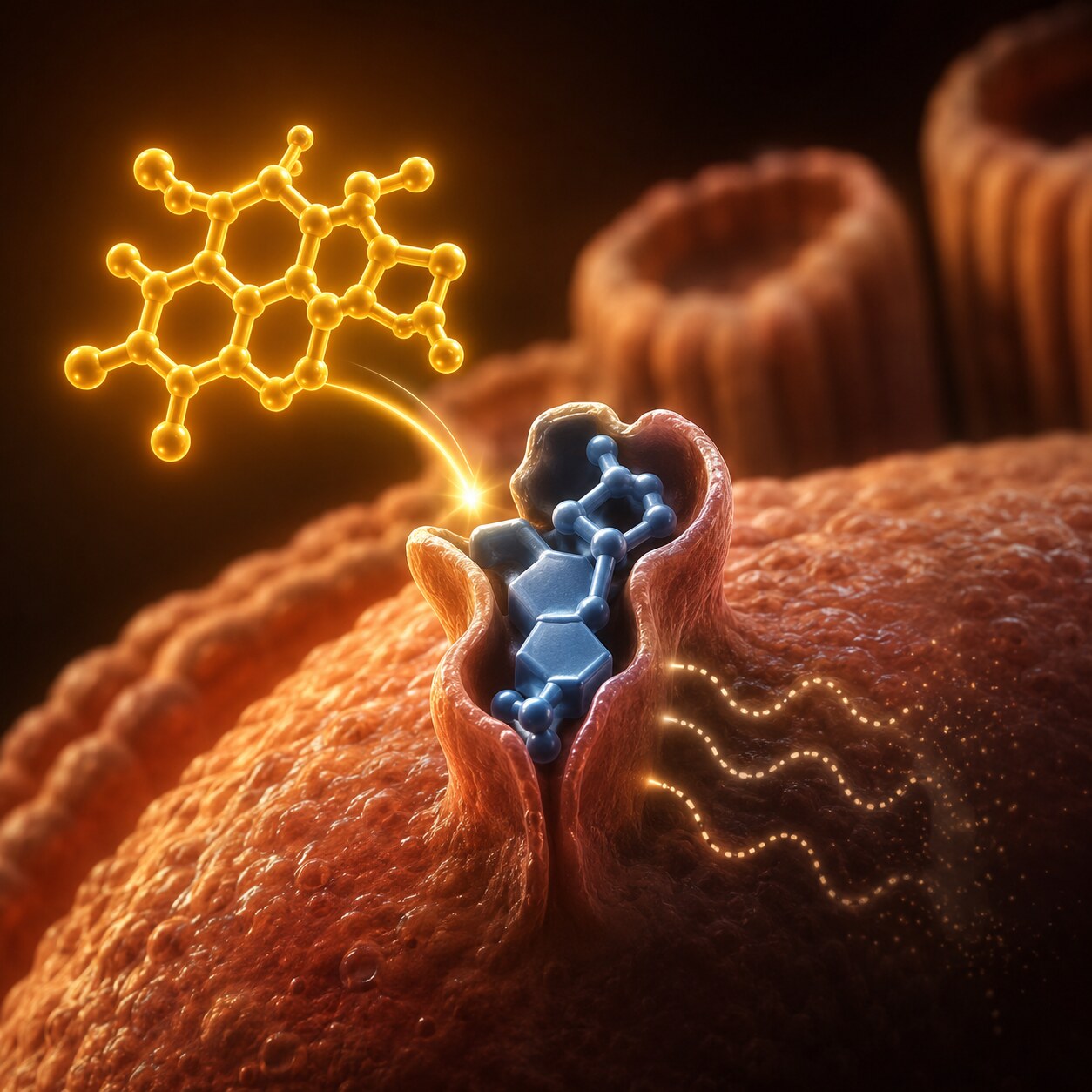
Figure 2. ACE inhibitors and related blood pressure medications work by blocking a hormone signaling pathway that, as a side effect, also normally drives potassium excretion at the kidney — this is why these medications carry a well-known risk of raising potassium levels.
Beyond kidney disease itself, certain medications can meaningfully impair potassium excretion even in someone whose kidneys are otherwise reasonably healthy. ACE inhibitors and ARBs, two closely related classes of blood pressure medication, work in part by blocking a hormone called aldosterone, which normally signals the kidney to actively excrete potassium into urine. Blocking this hormone helps control blood pressure, but it comes with a well-documented side effect: reduced potassium excretion, and a corresponding tendency for potassium levels to creep upward, particularly in people who are already taking these medications alongside other risk factors for hyperkalemia.
Potassium-sparing diuretics, a specific category of water pills whose name directly describes this same effect, work through a related mechanism — deliberately reducing potassium loss in urine, which is useful for the specific blood pressure or fluid-balance goals they're prescribed for, but which can tip someone into genuine hyperkalemia if not carefully monitored, especially when combined with other potassium-raising factors. Even nonsteroidal anti-inflammatory drugs, common over-the-counter pain relievers, can modestly reduce kidney blood flow and potassium excretion with regular use, making them a frequently overlooked contributor worth mentioning to a doctor when reviewing an unexpectedly elevated result.
The risk from any one of these medications individually is usually modest in someone with otherwise healthy kidneys, but the risk compounds meaningfully when several of these mechanisms stack together in the same person. Someone taking an ACE inhibitor for blood pressure, a potassium-sparing diuretic for fluid management, and occasional NSAIDs for pain, all at the same time, is combining three separate, independently modest effects on potassium excretion into a considerably larger cumulative effect than any single medication would produce alone. This is exactly why a doctor reviewing an elevated potassium result asks specifically about the complete medication list, including over-the-counter medications a patient might not think to mention, rather than checking for just one obvious culprit in isolation.
Trimethoprim, an antibiotic commonly used in combination with sulfamethoxazole, deserves its own specific mention here, since it's a less widely recognized cause of drug-induced hyperkalemia despite being a fairly commonly prescribed medication. It works through yet another distinct mechanism, directly blocking a specific channel in the kidney tubule that would otherwise help excrete potassium, an effect that becomes particularly relevant at the higher doses sometimes used for certain infections, and one that's worth being aware of specifically because this antibiotic isn't typically thought of as a "blood pressure" or "heart" medication the way the other examples in this section are.
When Damaged Cells Release Their Internal Potassium
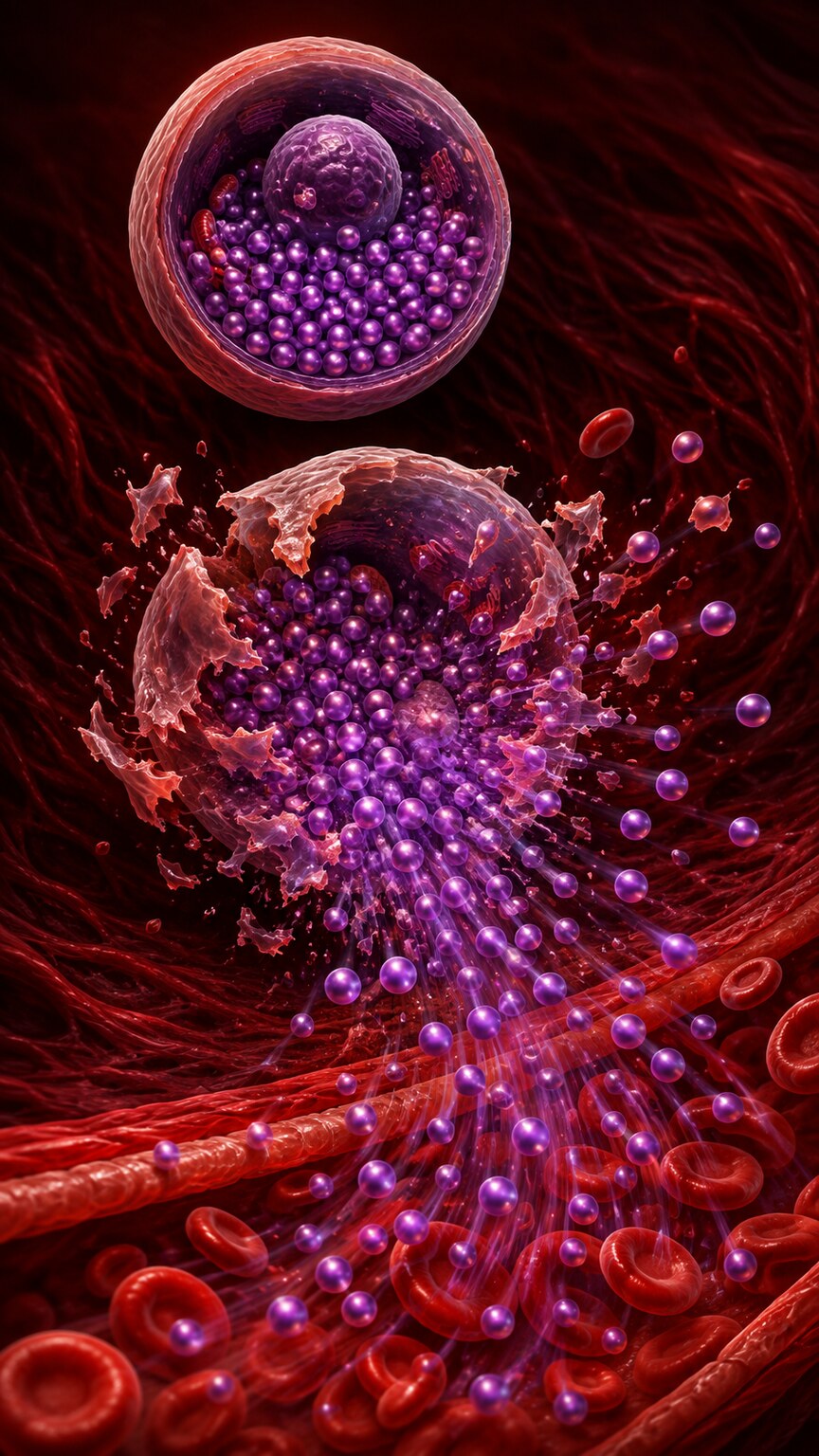
Figure 3. The vast majority of your body's potassium is stored inside cells, not in your bloodstream — when large numbers of cells are damaged or destroyed at once, that stored potassium spills into circulation faster than the kidneys can clear it.
The second major mechanism behind hyperkalemia has nothing to do with excretion at all — it's about where potassium is normally stored in the first place. Roughly 98% of your body's total potassium sits inside your cells, not floating freely in your bloodstream, maintained there by an active transport system that constantly pumps potassium into cells and sodium out. This means your cells collectively function as a massive internal potassium reservoir, and when significant numbers of cells are damaged or destroyed simultaneously, that reservoir empties directly into circulation, a genuinely different starting point from the excretion-based causes described above, since here the underlying problem isn't potassium failing to leave the body fast enough — it's that far more potassium than usual has suddenly entered the bloodstream in the first place.
Rhabdomyolysis, a condition involving significant breakdown of muscle tissue, whether from severe trauma, extreme physical exertion, certain medication reactions, or prolonged immobility, releases large amounts of intracellular potassium as damaged muscle cells rupture. Tumor lysis syndrome, which can occur when a large volume of cancer cells die rapidly, often in response to chemotherapy, produces a similar surge as those dying cells release their contents all at once. Severe burns and major tissue trauma work through the same basic principle, and even significant hemolysis, the destruction of red blood cells, can release enough potassium to meaningfully raise blood levels when it happens on a large enough scale.
Acidosis, a state in which the blood becomes more acidic than normal, adds a further, related mechanism worth understanding on its own terms. When blood pH drops, cells throughout the body shift potassium out into the bloodstream in exchange for hydrogen ions moving into the cell, a compensatory mechanism your body uses to help buffer the acid-base imbalance. This exchange means significant acidosis, from causes ranging from uncontrolled diabetes to severe kidney dysfunction to certain critical illnesses, can raise blood potassium even without any direct cell damage occurring at all, purely through this ion-exchange process.
This particular mechanism creates a genuinely important clinical distinction worth understanding: potassium shifted out of cells by acidosis represents a temporary redistribution, not necessarily a true increase in the body's total potassium content, since the potassium hasn't left the body at all — it's simply moved from inside cells to the bloodstream. This is meaningfully different from the excretion-based causes covered earlier, where potassium genuinely accumulates because it isn't leaving the body properly. Correcting the underlying acidosis, once addressed, can shift potassium back into cells and bring blood levels back down, sometimes fairly quickly, in a way that wouldn't apply to hyperkalemia driven by a genuine excretion problem, which requires directly addressing the kidney or hormonal cause rather than simply correcting a pH imbalance.
Insulin deficiency adds a related wrinkle specifically relevant to uncontrolled diabetes: insulin itself normally helps drive potassium into cells, entirely separate from its better-known role in glucose regulation, so a lack of adequate insulin removes this additional cellular uptake mechanism at the same time acidosis is pushing potassium in the opposite direction. This combination is part of why severe, uncontrolled diabetes, particularly diabetic ketoacidosis, is a well-recognized cause of significant hyperkalemia despite the fact that the body's total potassium stores in this situation are often, somewhat counterintuitively, actually depleted overall — the blood level appears high specifically because so much potassium has shifted out of cells, even while the total amount available throughout the body has been reduced by ongoing losses through urine.
Massive Cell Breakdown: A Closer Look at Rhabdomyolysis and Tumor Lysis
The two conditions mentioned earlier under cellular release, rhabdomyolysis and tumor lysis syndrome, deserve a slightly closer look given how directly they illustrate the underlying mechanism at work. Rhabdomyolysis can be triggered by a surprisingly wide range of causes: severe crush injuries, prolonged immobilization (sometimes seen after a fall where someone is unable to get up for an extended period), certain statin medications in rare cases, extreme unaccustomed exercise, and severe heatstroke, among others. In every case, muscle cell membranes are damaged badly enough that their contents, including large amounts of stored potassium along with a muscle protein called myoglobin, spill directly into the bloodstream.
Because skeletal muscle makes up such a substantial proportion of total body mass, and because muscle cells are particularly rich in stored potassium, a significant episode of rhabdomyolysis can release an amount of potassium large enough to overwhelm even normally functioning kidneys, at least temporarily, producing hyperkalemia even in someone without any underlying kidney disease. This effect compounds further in the not-uncommon scenario where rhabdomyolysis itself also causes acute kidney injury, since the released myoglobin can directly damage kidney tissue, creating a situation where potassium is simultaneously being released in large amounts and being cleared less effectively, a particularly dangerous combination.
Tumor lysis syndrome follows a related but distinct pattern, occurring specifically when a large volume of rapidly dividing cancer cells die within a short period, most classically shortly after starting chemotherapy for certain aggressive blood cancers. Because these cells are dying in unusually large numbers all at once, rather than through the body's normal, gradual cell turnover process, the sudden release of their internal contents, including potassium, phosphate, and other substances, can outpace the body's ability to clear them, even in a patient whose kidneys were functioning normally before treatment began. This predictable risk is exactly why patients considered high-risk for tumor lysis syndrome are often given preventive treatment and monitored closely with frequent blood tests in the days immediately following the start of chemotherapy, specifically anticipating this mechanism before it becomes clinically dangerous.
Adrenal and Hormonal Causes
A less common, but clinically important, category of hyperkalemia traces back to the adrenal glands, small hormone-producing organs sitting atop each kidney. These glands produce aldosterone, the same hormone described earlier that normally signals the kidney to excrete potassium. Addison's disease, a condition in which the adrenal glands fail to produce adequate hormones including aldosterone, removes this normal excretion signal, allowing potassium to accumulate even when the kidneys themselves are structurally healthy and would otherwise be capable of excreting it perfectly well.
Because this mechanism specifically disrupts the hormonal signal rather than the kidney's physical filtering capacity, hyperkalemia caused by adrenal insufficiency can appear in someone whose other kidney function tests look entirely normal, which is exactly why an unexplained elevated potassium result, in the absence of any obvious kidney or medication explanation, sometimes prompts a doctor to specifically investigate adrenal hormone function as a less common but genuinely important possibility.
A milder, more common version of this same underlying hormonal pathway is sometimes described as a partial or relative deficiency in the same signaling system, occurring in certain chronic kidney conditions or in some cases of long-term diabetes, without meeting the full clinical definition of Addison's disease. In these situations, the aldosterone signal is present but weaker than it should be, producing a milder degree of impaired potassium excretion rather than the more pronounced hyperkalemia seen with a complete deficiency, illustrating that this hormonal pathway isn't simply present or absent, but can be disrupted to varying degrees depending on the specific underlying cause.
It's also worth noting that some of the same medications discussed earlier in the context of directly blocking the kidney's response to aldosterone — the ACE inhibitors, ARBs, and potassium-sparing diuretics — work by interfering with this exact same hormonal pathway, just at a different point along it than a primary adrenal problem would. This shared pathway is part of why these medications and adrenal insufficiency can sometimes look clinically similar in terms of their effect on potassium, even though one involves a medication effect and the other involves a genuine hormone production problem within the adrenal glands themselves.
Why the Same Potassium Number Can Mean Different Levels of Urgency
Given everything covered so far, it should be clear that an identical potassium number on two different lab reports doesn't necessarily carry the same clinical weight in every situation. A mildly elevated result in someone with stable, well-managed chronic kidney disease, already on a monitoring schedule and without any acute symptoms or ECG changes, is generally handled as a matter of ongoing management rather than emergency intervention. The same numeric result appearing suddenly in someone with acute kidney injury, recent major trauma, or a rapidly evolving illness carries considerably more urgency, since the underlying process driving it may still be actively worsening rather than being a known, stable baseline.
This is exactly why a doctor's response to an elevated potassium result depends on far more than the number itself — the overall clinical context, the trajectory (is it rising quickly or has it been stable?), the presence or absence of symptoms and ECG changes, and the specific underlying mechanism most likely responsible all factor into how urgently and how aggressively a given result gets addressed. Two people with numerically identical results can reasonably receive very different levels of immediate attention, and that difference reflects genuinely sound clinical reasoning rather than any inconsistency in how the number itself is being interpreted.
Excess Intake: A Contributing Factor, Rarely a Cause on Its Own
Dietary potassium intake alone is rarely, by itself, enough to cause significant hyperkalemia in someone with normally functioning kidneys and hormonal regulation, since a healthy excretion system is remarkably good at matching output to intake even when that intake is fairly high. However, excess intake becomes a meaningful contributing factor specifically in someone whose excretion capacity is already compromised by one of the mechanisms described above. Potassium-containing salt substitutes, certain potassium supplements, and, less commonly, an unusually large intake of potassium-rich foods can push an already borderline potassium level over the edge in someone whose kidneys, medications, or hormones have already reduced their margin for handling extra intake.
This is part of why doctors managing someone with reduced kidney function or a medication known to raise potassium often specifically discuss dietary sources of potassium, not because those foods are inherently dangerous, but because the person's reduced capacity to excrete extra potassium changes how much margin they actually have before intake alone becomes clinically significant.
This same margin concept explains why dietary guidance around potassium tends to be highly individualized rather than following a single blanket recommendation. Someone with completely normal kidney function generally has no meaningful reason to restrict otherwise healthy, potassium-rich foods, since their excretion system comfortably handles a wide range of intake. Someone with significantly reduced kidney function, by contrast, may need real, specific dietary guidance precisely because their reduced excretion margin means the same intake that would be entirely inconsequential for someone else could meaningfully affect their own blood potassium level.
The ECG Changes That Make Hyperkalemia a Medical Emergency

Figure 4. Because potassium directly governs the electrical signaling that coordinates your heartbeat, significantly elevated levels produce specific, recognizable changes on an ECG, including tall, peaked T-waves, that can precede a genuinely dangerous heart rhythm disturbance.
Understanding why hyperkalemia is treated with genuine urgency, regardless of which mechanism caused it, requires understanding potassium's specific role in your heart. The electrical signal that triggers each heartbeat depends directly on potassium moving in and out of heart muscle cells in a precisely timed sequence. Significantly elevated blood potassium disrupts this precise timing, and the disruption shows up in a recognizable, progressive pattern on an electrocardiogram, starting with tall, narrow, "peaked" T-waves and potentially progressing, if potassium continues rising, toward more severe and genuinely dangerous rhythm disturbances.
This is exactly why a significantly elevated potassium result, regardless of its underlying cause, often prompts an ECG as an immediate next step, since the ECG provides a real-time, functional read on how much the heart's electrical system is actually being affected right now, information a blood potassium number alone can't fully convey on its own. A markedly abnormal ECG in the setting of high potassium is treated as a genuine emergency requiring immediate intervention, independent of exactly which of the mechanisms covered in this article turns out to be responsible.
Beyond peaked T-waves, further ECG progression with continued rising potassium can include widening of a different portion of the electrical tracing called the QRS complex, and eventually a pattern where the distinction between different phases of the heartbeat's electrical cycle becomes progressively harder to distinguish, sometimes described as the tracing beginning to resemble a smooth, sine-wave-like pattern. This progression is well characterized enough that experienced clinicians can often estimate roughly how severely elevated a patient's potassium likely is just from the ECG pattern alone, even before a formal blood potassium result comes back from the laboratory — a genuinely useful capability in an emergency setting where minutes matter and immediate treatment decisions can't always wait for lab turnaround time.
It's also worth understanding that the relationship between a specific blood potassium number and the severity of ECG changes isn't perfectly consistent from person to person. Someone whose potassium has risen gradually over weeks, allowing the body some degree of adaptation, may show less dramatic ECG changes at a given potassium level than someone whose potassium has spiked suddenly over hours, even if both people's lab results show an identical number. This is one more example of a broader theme running through this entire topic: the same numeric result can carry meaningfully different clinical significance depending on the underlying trajectory and context, not just the isolated value itself.
When the Result Isn't Actually Real: Pseudohyperkalemia

Figure 5. Repeatedly clenching a fist during blood collection, prolonged tourniquet application, or rough handling of the sample afterward can rupture red blood cells in the tube itself, releasing their potassium and producing a falsely elevated result that never reflected the patient's actual blood chemistry.
One of the most common, and most easily overlooked, explanations for an unexpectedly high potassium result has nothing to do with the patient's actual physiology at all. Pseudohyperkalemia refers to a falsely elevated potassium reading caused by something that happened to the blood sample during or after collection, rather than reflecting a genuinely elevated level in the person's circulation. Because red blood cells contain substantial amounts of potassium internally, anything that causes even a small degree of hemolysis, or red blood cell rupture, within the collection tube can release enough additional potassium into the sample to meaningfully skew the result upward.
Common, everyday causes of this kind of artifact include repeatedly clenching and unclenching a fist during the blood draw (a technique sometimes mistakenly used to help find a vein, which actually shifts potassium out of forearm muscle cells and into local circulation), a tourniquet left on too long or too tight, using too small a needle that forces blood through with excessive pressure, or simply shaking or mishandling the sample tube after collection. A markedly elevated potassium result that seems clinically inconsistent — no symptoms, no relevant medication history, no kidney dysfunction, and an entirely normal ECG — is a reasonable candidate for a simple repeat draw performed carefully, since pseudohyperkalemia is common enough that it's often the very first explanation considered for a surprising, out-of-context result.
A separate, less commonly known source of pseudohyperkalemia involves the sample sitting too long before being processed, particularly if it's stored somewhere cold or takes an extended time in transit to the laboratory. Red blood cells continue to slowly leak potassium into the surrounding plasma the longer a whole blood sample sits unprocessed, meaning a delay of several hours between collection and laboratory analysis can produce a gradually creeping elevation that has nothing to do with the patient's actual physiology at the moment of collection. This is part of why laboratories generally aim to process potassium samples relatively promptly, and why a delayed or unusually transported sample is sometimes specifically flagged as a possible explanation when a result seems inconsistent with everything else known about the patient.
Certain blood disorders involving unusually high numbers of platelets or white blood cells can also produce a milder version of this same effect, since these cells, like red blood cells, release some potassium as the sample clots during standard processing — a large enough population of extra cells can meaningfully add to this release. This is a more specialized, less common cause of pseudohyperkalemia, but it's another example of the same broader principle: what happens to a blood sample between the vein and the laboratory's analyzer can genuinely affect the reported number, independent of the patient's real, in-the-body potassium level.
How Doctors Figure Out Which Cause Applies

Figure 6. A significantly elevated potassium result is typically flagged and reported urgently, prompting a doctor to work through the specific mechanisms covered in this article — kidney function, medications, cell breakdown, hormones, and sample quality — to determine the actual underlying cause.
Given how many genuinely different mechanisms can produce the same elevated number, a doctor evaluating a high potassium result works through a fairly specific process of elimination. Kidney function tests, particularly creatinine and estimated glomerular filtration rate, are checked to assess the excretion pathway directly. A careful medication review looks specifically for ACE inhibitors, ARBs, potassium-sparing diuretics, and other known contributors. Signs of cell breakdown, including markers like creatine kinase for muscle injury, are checked when rhabdomyolysis or a related process is suspected. And if the result seems inconsistent with the rest of the clinical picture, a repeat sample, drawn carefully to avoid the technical pitfalls described above, is often the simplest and most informative next step.
Blood gas testing, which measures pH directly, is also frequently included when acidosis is a plausible contributor, since it can confirm or rule out that specific mechanism relatively quickly compared to some of the other testing described above. Taken together, this combination of kidney function, medication history, cell-breakdown markers, blood gas results, and a careful look at how the sample itself was collected gives a doctor a genuinely comprehensive picture, usually narrowing the likely cause down to one or two of the mechanisms covered in this article rather than leaving the explanation open-ended.
This systematic approach exists precisely because treating a falsely elevated pseudohyperkalemia result as if it were genuine, or conversely, dismissing a real, dangerous elevation as a lab artifact, both carry real consequences — which is exactly why understanding these distinct underlying mechanisms matters well beyond simple curiosity about a single number on a report.
In practice, this evaluation often happens quickly and in parallel rather than as a slow, sequential checklist, particularly when a result is significantly elevated. A patient with a markedly high potassium reading will typically have an ECG performed essentially simultaneously with the medication and history review, rather than waiting for one step to finish before starting the next, precisely because time genuinely matters once a truly dangerous elevation is suspected. This parallel approach reflects how seriously the medical system treats the potential for a real, physiologically significant hyperkalemia, even while still keeping pseudohyperkalemia in mind as a genuine, common alternative explanation worth ruling out along the way.
Frequently Asked Questions
Can eating too many bananas actually cause high potassium?
On its own, in someone with normally functioning kidneys, it's very unlikely. Dietary intake alone rarely causes significant hyperkalemia unless the kidneys' or hormones' ability to excrete potassium is already reduced by another factor, at which point extra intake can become a meaningful contributing factor.
Why does my blood pressure medication carry a warning about potassium?
ACE inhibitors and ARBs work in part by blocking a hormone called aldosterone that normally signals the kidney to excrete potassium. This is a well-documented side effect of these medications, which is why potassium is often monitored periodically in people taking them.
Is a high potassium result always a real emergency?
Not always. A significant elevation, especially with ECG changes or symptoms, is treated urgently. But a surprising result with no other clinical explanation is often first checked for pseudohyperkalemia, a lab artifact caused by red blood cell rupture during or after collection, before assuming it's genuine.
Why does clenching my fist during a blood draw matter?
Repeatedly clenching a fist shifts potassium out of forearm muscle cells into local circulation, and can also contribute to hemolysis in the collection tube. Both effects can falsely raise the measured potassium level without reflecting your actual, overall blood potassium.
Conclusion
High potassium in the blood isn't a single condition with a single explanation — it can arise from reduced kidney excretion, certain medications interfering with that excretion, cells releasing their internal potassium stores after damage or in response to acidosis, hormonal causes involving the adrenal glands, or, in a genuinely common twist, a technical artifact from how the blood sample itself was collected or handled. Because potassium's role in your heart's electrical system makes a truly elevated level a genuine medical concern, distinguishing between these mechanisms isn't just a matter of curiosity — it's exactly the process a doctor works through to determine how seriously, and how, to respond to your specific result — and if your own result seems unexpected or unexplained, asking specifically which of these possibilities is being considered is a far more useful starting point than trying to interpret a single elevated number in isolation.
Still Not Sure What Your Results Mean?
Upload your labs and get a complete, visual, plain-language interpretation of every biomarker — delivered to your inbox in under 15 minutes.
Get My ReportThis article is for educational purposes only and does not constitute medical advice. Always consult your healthcare provider regarding your specific lab results.