
Can Gut Absorption Issues Cause Low Iron Despite a Good Diet?
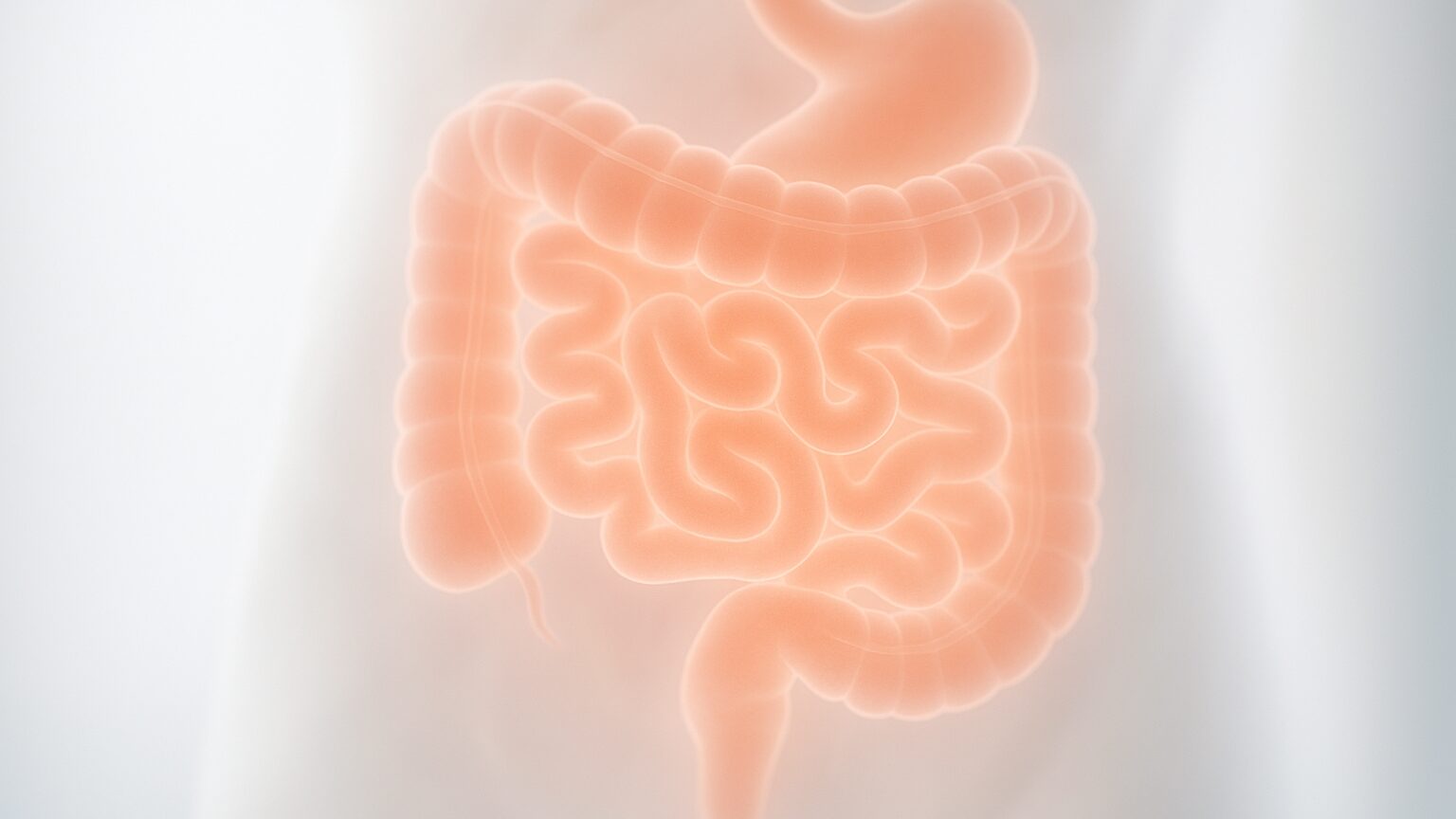
Yes — several gut conditions can cause persistently low iron even when your diet is genuinely rich in iron. Iron isn't absorbed in the mouth or stomach; it's absorbed almost entirely in the duodenum, the first section of the small intestine, and anything that damages or inflames that tissue can block the process regardless of how much iron you eat. Celiac disease, Helicobacter pylori infection, inflammatory bowel disease, atrophic gastritis, and even long-term acid-suppressing medications or bariatric surgery can all quietly interfere with absorption. This is why some people with iron deficiency don't respond to dietary changes or standard supplements — the problem was never how much iron they were eating, but whether their gut could actually take it in.
Curious what your own lab results are really telling you? Upload them and get a complete, plain-language breakdown in under 15 minutes.
Analyze My ResultsWhere and How Iron Is Actually Absorbed
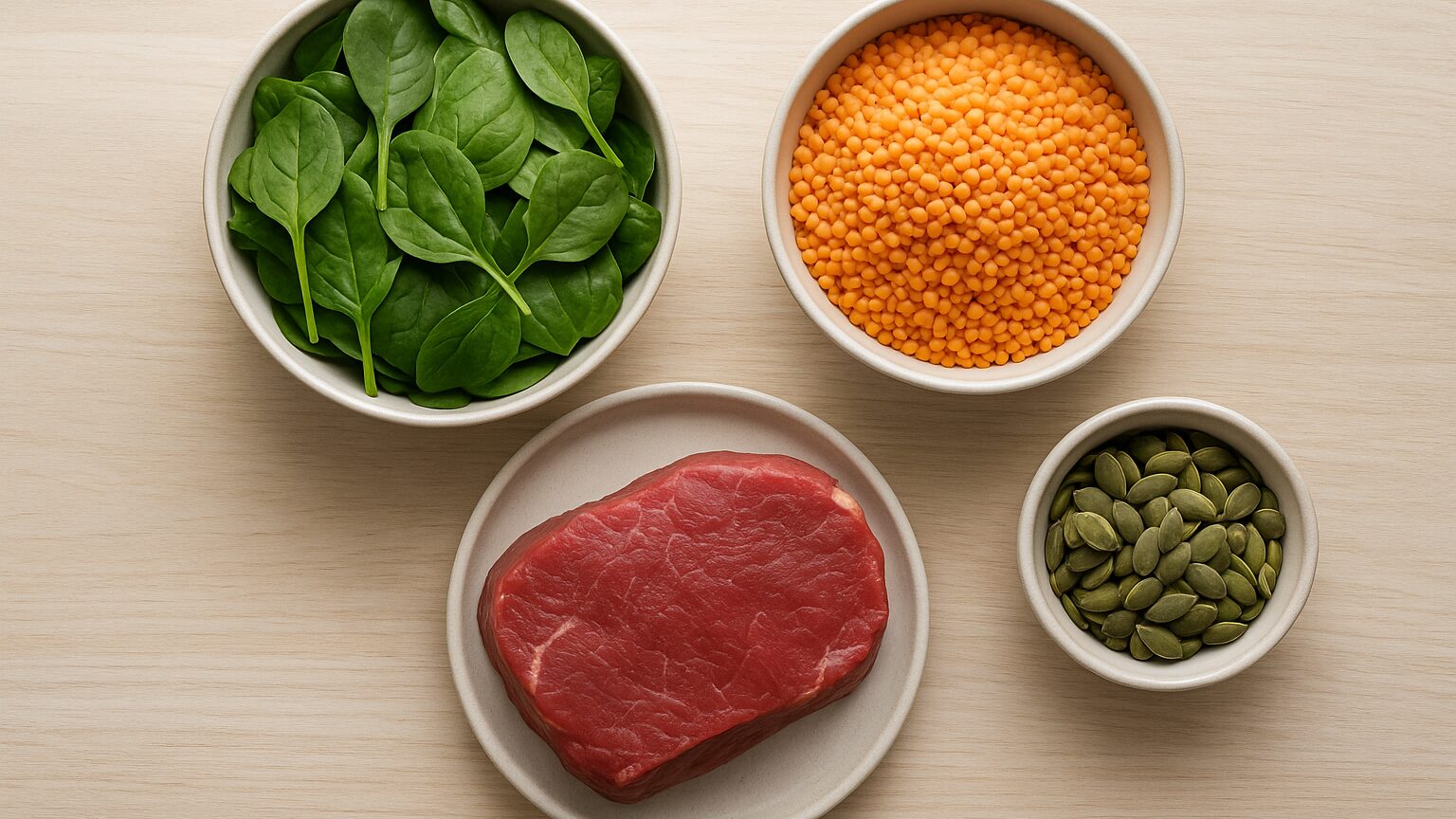
Dietary iron is absorbed almost exclusively by specialized cells called enterocytes lining the duodenum and, to a lesser extent, the upper jejunum — the first stretches of the small intestine just past the stomach. Iron comes in two forms: heme iron, found in meat, fish, and poultry, which is absorbed efficiently and fairly consistently; and nonheme iron, found in plants, grains, and fortified foods, which makes up the majority of most people's intake but is far more sensitive to conditions in the gut. Before nonheme iron can be absorbed, stomach acid must first convert it from its ferric (Fe³⁺) form into the more absorbable ferrous (Fe²⁺) form — a step that depends entirely on adequate gastric acidity. Vitamin C enhances this conversion and significantly boosts nonheme iron absorption, while compounds like calcium, phytates (found in grains and legumes), and certain plant polyphenols can bind iron in the gut and block it from being absorbed at all. This is precisely why the health of the stomach and duodenum matters as much as the iron content of your diet — a perfectly balanced meal is only as useful as the gut's ability to process it.
Celiac Disease — the Most Common Gut Cause
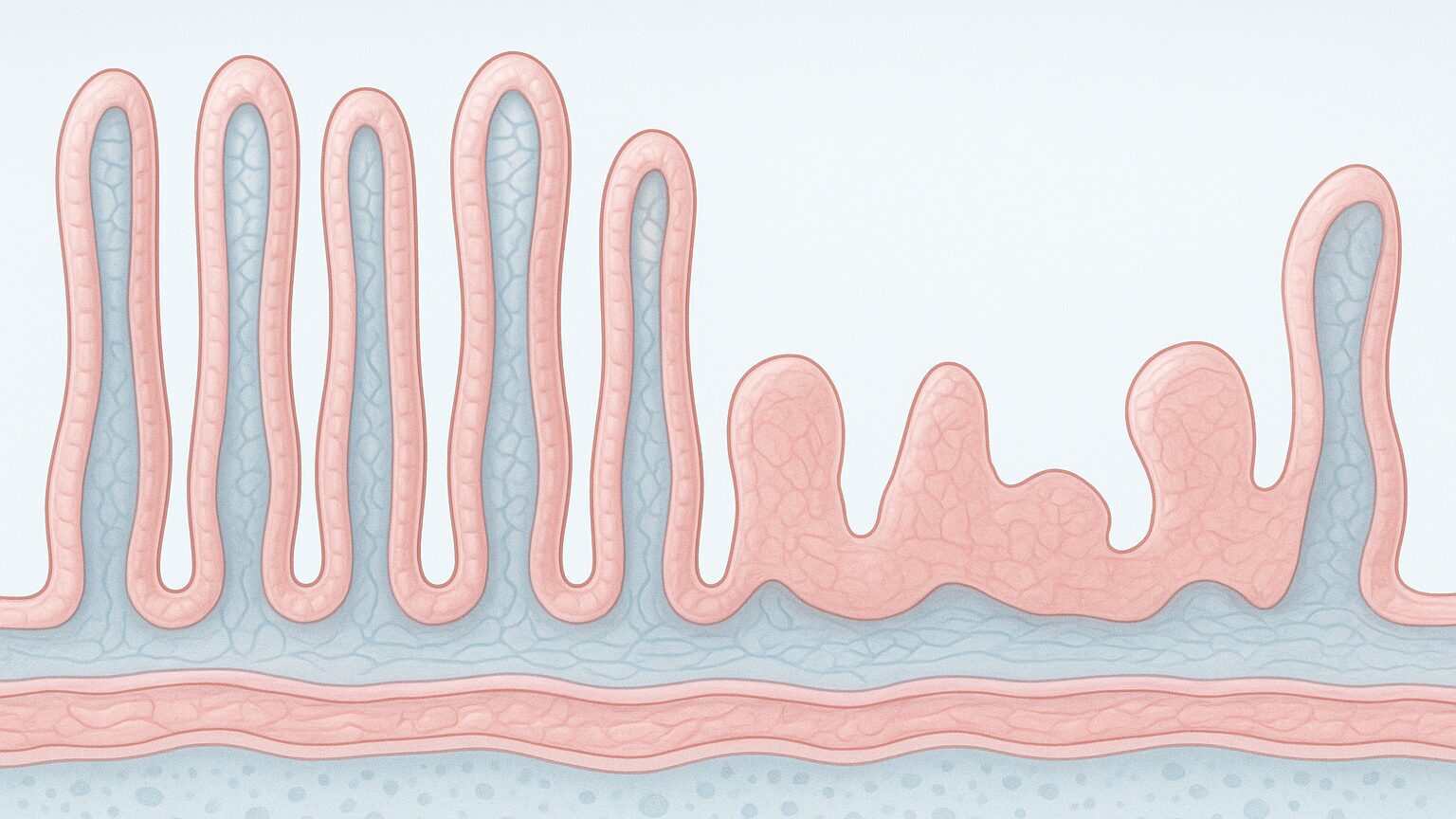
Celiac disease is an autoimmune reaction to gluten that damages the lining of the small intestine, specifically flattening the finger-like projections called villi that dramatically increase the gut's absorptive surface area. Because this damage occurs primarily in the duodenum — the exact segment responsible for the majority of iron absorption — celiac disease is one of the most common gastrointestinal causes of unexplained iron deficiency, particularly in children. What makes it tricky is that celiac disease doesn't always announce itself with digestive symptoms; some people have no bloating, diarrhea, or abdominal pain at all, and unexplained iron deficiency anemia may be the only clue that something is wrong. The encouraging part is that this form of malabsorption is often reversible: once a person adopts a strict, lifelong gluten-free diet, the intestinal villi gradually heal, absorptive capacity is restored, and iron levels frequently normalize over the following months without any change to iron intake itself.
H. Pylori Infection and Chronic Gastritis
Helicobacter pylori is a common stomach bacterium that, left untreated, causes chronic inflammation of the stomach lining known as gastritis. This matters for iron absorption in several compounding ways. First, chronic gastritis reduces stomach acid production (a state called hypochlorhydria), which limits the conversion of dietary iron into its absorbable form. Second, H. pylori infection lowers the availability of vitamin C in the stomach, removing one of the key boosters of nonheme iron absorption. Third, and less obviously, the inflammation triggered by H. pylori raises levels of a hormone called hepcidin, which independently blocks iron from being absorbed and released into the bloodstream. Together, these mechanisms explain why H. pylori is strongly associated with iron deficiency anemia that doesn't respond well to oral iron supplements — a pattern clinicians describe as refractory. Testing for and eradicating the infection, when present, often restores normal iron absorption without any other intervention.
Inflammatory Bowel Disease and Hepcidin
Crohn's disease and ulcerative colitis, the two main forms of inflammatory bowel disease (IBD), interfere with iron status through two separate paths at once. The first is mechanical: active inflammation, ulceration, and intestinal bleeding directly damage the gut lining and cause ongoing blood loss, both of which deplete iron stores. The second is hormonal and easy to overlook: systemic inflammation drives up hepcidin, the same iron-regulating hormone implicated in H. pylori infection, which shuts down iron transport out of intestinal cells and traps iron that's already stored in the body, making it unavailable for use even when levels look adequate on paper. Research has found that hepcidin levels can predict iron malabsorption in IBD patients more reliably than ferritin alone, which is why bringing gut inflammation under control is often a more effective first step than simply increasing iron intake. In many cases, treating the underlying IBD activity measurably improves the body's ability to absorb and use iron again.
Medications and Surgery That Interfere With Absorption
Certain medications and procedures can suppress iron absorption even in an otherwise healthy gut. Proton pump inhibitors (PPIs) and H2 blockers, commonly prescribed for acid reflux, work by reducing stomach acid — the same acid needed to convert dietary iron into its absorbable form. Long-term PPI use has been specifically linked to lower iron and hemoglobin levels, and the effect is more pronounced in people who are already at higher risk. Bariatric procedures such as gastric bypass are an even more direct cause, since these surgeries physically bypass the duodenum — the primary site of iron absorption — which is why iron deficiency is extremely common after these procedures and typically requires lifelong monitoring and supplementation. Finally, taking iron supplements at the same time as calcium supplements or antacids can blunt absorption simply through direct competition in the gut, which is a simpler and more fixable version of the same underlying principle: what else is happening in the digestive tract determines how much of the iron you consume actually gets used.

Frequently Asked Questions
How is gut-related iron malabsorption diagnosed?
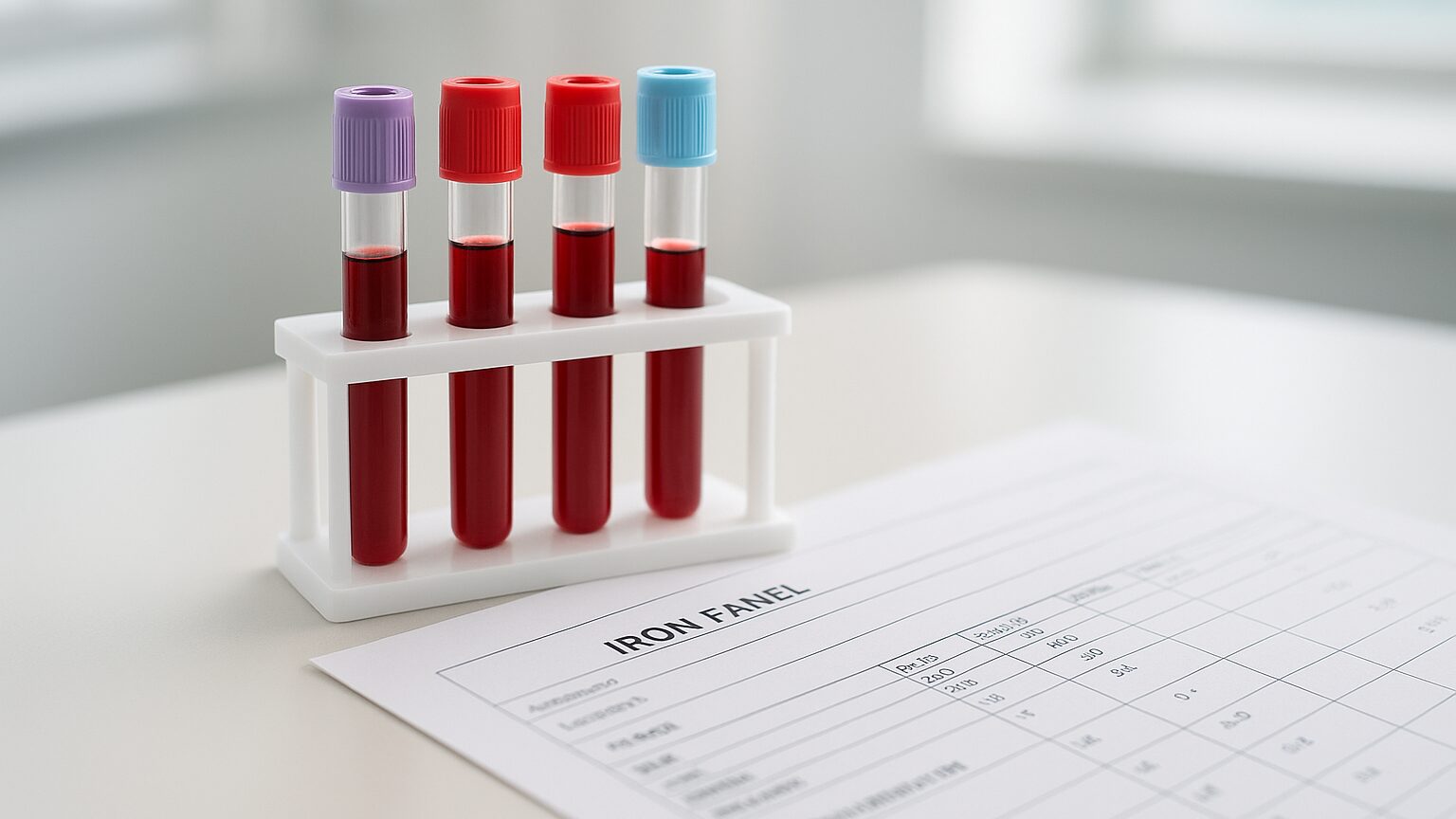
Providers typically start with a full iron panel — ferritin, serum iron, TIBC, and transferrin saturation — rather than hemoglobin alone. If malabsorption is suspected, they may add celiac serology (tTG-IgA), testing for H. pylori, and in some cases an upper endoscopy with a small duodenal biopsy to directly examine the intestinal lining.
Can iron supplements fix malabsorption on their own?
Not if the underlying gut issue goes untreated. Oral iron may absorb poorly, cause uncomfortable side effects without meaningfully raising iron levels, or fail entirely in conditions like active celiac disease or untreated H. pylori infection. Addressing the root cause — a gluten-free diet, infection eradication, or IBD control — is often what actually restores absorption; in more severe cases, intravenous iron may be used to bypass the gut altogether.
What symptoms suggest malabsorption rather than diet alone?
Persistent iron deficiency despite eating iron-rich foods, a poor response to oral iron supplements, or iron deficiency accompanied by bloating, diarrhea, or unexplained weight loss are all reasons to look at the gut rather than the diet. That said, some causes — celiac disease in particular — can be completely silent, so unexplained iron deficiency alone is sometimes reason enough to investigate further.
Conclusion
Low iron that persists despite a genuinely healthy diet is rarely a sign that someone is simply "not eating enough of the right foods" — it's often a sign that the gut itself isn't able to absorb what's already being eaten. Celiac disease, H. pylori infection, inflammatory bowel disease, chronic acid suppression, and bariatric surgery all interfere with absorption through distinct but sometimes overlapping mechanisms, from physical damage to the duodenum to hormonal signals like hepcidin that quietly shut absorption down. Identifying which of these is at play usually requires looking past diet altogether and toward a fuller picture of gut health and lab values — the difference between an iron problem and a gut problem, once identified, often changes the entire treatment approach.
Still Not Sure What Your Results Mean?
Upload your labs and get a complete, visual, plain-language interpretation of every biomarker — delivered to your inbox in under 15 minutes.
Get My ReportThis article is for educational purposes only and does not constitute medical advice. Always consult your healthcare provider regarding your specific lab results.