
Why Did My Doctor Order an Iron Panel Along With Ferritin?
Because a ferritin result on its own can't tell your doctor whether your body actually has enough usable iron circulating in your blood right now — and an iron panel on its own can't tell them how much iron you have stored away for later. These two tests answer two genuinely different questions, and ordering them together is one of the most common, deliberate combinations in laboratory medicine. Ferritin reflects your iron savings account: the reserve tucked away inside your liver, spleen, and bone marrow. The iron panel — serum iron, total iron-binding capacity (TIBC), and transferrin saturation — reflects your iron checking account: how much is actually moving through your bloodstream, available for your bone marrow to use to make new red blood cells, this week. A person can have a healthy savings account and an empty checking account, or the reverse, and a single test can't catch that mismatch. Your doctor ordered both because the pattern formed by all of them together, not any one number in isolation, is what actually points toward a diagnosis.
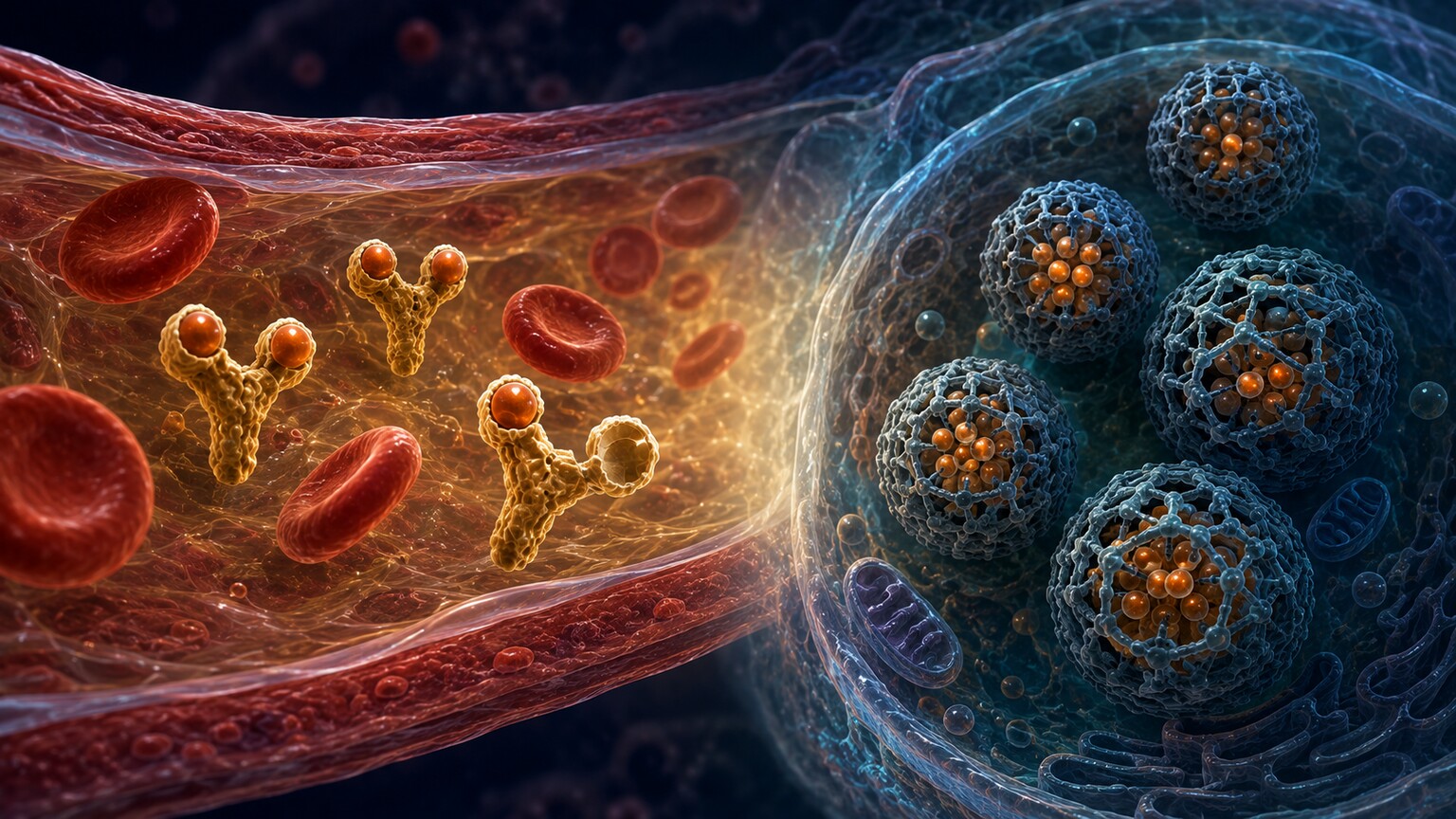
Figure 1. Serum iron travels through the blood attached to transferrin, while ferritin holds a separate, much larger reserve of iron inside liver and marrow cells.
Curious what the rest of your iron panel and ferritin results are actually telling you? Upload your labs and get a complete, plain-language breakdown in under 15 minutes.
Analyze My ResultsWhat Your Iron Panel Actually Measures (and What Ferritin Doesn't)
When a lab report says "iron panel" or "iron studies," it's almost never a single number. It's a small cluster of related measurements — typically serum iron, TIBC (or its close cousin, UIBC), and transferrin saturation — that together describe iron's behavior in the bloodstream at the exact moment your blood was drawn. Serum iron is the most literal of the three: it's a direct measurement of how many iron atoms are floating around in the liquid portion of your blood right then. It's a useful number, but on its own it's surprisingly unstable — serum iron can swing by 30% or more over the course of a single day depending on when you last ate, and it tends to be highest in the morning and lower by evening, which is part of why doctors usually ask for a morning, fasting draw when this test matters.
TIBC — total iron-binding capacity — is where the picture gets more useful. Nearly all of the iron in your bloodstream isn't just floating free; it's riding on a transport protein called transferrin, the way a delivery truck carries packages rather than having them scattered loose on the highway. TIBC is essentially a measurement of how many empty seats are available on those transferrin trucks — how much additional iron your blood could carry if it had more iron to carry. When your body senses it's low on iron, it responds by manufacturing more transferrin trucks, hoping to scavenge every last iron atom it can find, which is why TIBC tends to rise specifically when the body is running short. Transferrin saturation then ties serum iron and TIBC together into a single percentage: it's the fraction of available transferrin seats that are actually occupied by an iron passenger right now. A low percentage means most of the trucks are running empty; a high percentage means the trucks are nearly full, sometimes dangerously so.
None of these three numbers say anything directly about how much iron is sitting in storage. That's precisely the gap ferritin is ordered to fill — and it's why a doctor rarely wants one without the other when the real question is "does this person have enough iron, and if not, why."
TIBC vs. UIBC — Why Some Labs Report One and Not the Other
If you've compared lab reports from two different visits and noticed one lists "TIBC" while another lists "UIBC," this isn't an error — it's just a different way of expressing the same underlying information. TIBC (total iron-binding capacity) counts every transferrin seat available, whether it's occupied by iron or empty. UIBC (unsaturated iron-binding capacity) counts only the empty seats — the unused capacity. The relationship between them is simple arithmetic: TIBC equals serum iron plus UIBC. A lab that reports UIBC directly is measuring the empty seats chemically; a lab that reports TIBC is typically doing the reverse calculation, adding a known excess of iron to the sample, letting transferrin bind as much as it can, and then measuring what's left unbound to back-calculate the total capacity. Either method gets a doctor to the same place, and transferrin saturation can be calculated from either one, so don't be alarmed if your panel shows one term instead of the other from visit to visit — many labs simply report both.
To make this concrete: imagine a hypothetical result of serum iron at 40 micrograms per deciliter (a low, deficient-range number) and TIBC at 460 micrograms per deciliter (a high, compensating number). Transferrin saturation in that case works out to roughly 9% — well below the typical 20% to 45% reference range most labs use for adults. That single percentage, more than either raw number alone, is usually the figure a clinician glances at first, because it distills the relationship between supply (serum iron) and demand (TIBC) into one easy-to-interpret figure. Compare that to a second hypothetical person with serum iron at 180 micrograms per deciliter and TIBC at 250 — a much narrower gap between supply and demand, which works out to a saturation near 72%, comfortably inside the range that starts raising concern for iron overload rather than deficiency. The raw serum iron numbers in these two examples aren't wildly different by themselves, but the saturation percentages tell almost opposite stories, which is exactly why the ratio between the two values matters more than either one read in isolation.
What Ferritin Measures — and Why It's a Different Story

Figure 2. Each ferritin molecule is a hollow protein shell capable of storing thousands of iron atoms inside a single liver or marrow cell.
Ferritin isn't a measurement of iron floating in your blood at all — it's a measurement of a storage protein. Picture ferritin as a tiny, hollow protein sphere, almost like a molecular cage, that your liver, spleen, and bone marrow build specifically to lock iron away safely until it's needed. A single ferritin molecule can hold thousands of individual iron atoms inside that cage, which is what makes it such an efficient storage system — free iron floating loose inside your cells is actually somewhat toxic, since it can react with oxygen and generate damaging molecules, so your body evolved this container specifically to keep iron contained and safe until it's called into service.
A very small amount of ferritin normally leaks out of these storage cells and circulates in the bloodstream in rough proportion to how full your total storage supply is — which is the entire reason a blood draw can estimate something happening mostly inside your liver and bone marrow. When your ferritin is low, it's one of the most reliable signals in laboratory medicine that your iron stores are genuinely running low, often before any other test changes at all. That head start is valuable: ferritin frequently drops before serum iron falls and before red blood cells even begin to show the telltale small, pale appearance of iron deficiency, giving doctors a chance to catch a deficiency early, while the fix is still as simple as a supplement and a dietary adjustment.
It helps to think about why the body evolved this two-tier system in the first place. Keeping a large reserve of iron locked safely inside ferritin, rather than letting all of it circulate freely in the blood, serves two purposes at once: it protects tissues from the oxidative damage loose iron can cause, and it gives the body a buffer against short-term shortfalls, whether from a few missed meals, a single heavy menstrual cycle, or a brief illness. Only when that buffer is genuinely being drawn down faster than it's replenished does a person move from "temporarily low intake" toward a real, clinically meaningful deficiency — which is part of why doctors don't treat every borderline-low ferritin as an emergency, but do take a persistently low or steadily falling one seriously.
But this sensitivity comes with an important asterisk, and it's the exact reason ferritin is almost never trusted entirely on its own.
Reference ranges for ferritin also differ meaningfully by sex, and this matters when you're comparing your own result to "normal." Because menstruating women lose iron monthly, their typical ferritin range runs lower than men's — often somewhere around 15 to 150 ng/mL, compared to roughly 20 to 250 ng/mL in men, though exact cutoffs vary by lab. Many specialists in iron disorders now argue that a ferritin under 30 ng/mL, even if technically inside a lab's printed "normal" range, is a strong enough signal of depleting iron stores in a symptomatic person to justify starting treatment — a reminder that the printed reference range on a report is a population statistic, not a strict line between "fine" and "not fine" for any one individual.
Why Ferritin Alone Can Fool You: The Inflammation Problem
Ferritin belongs to a category of proteins doctors call "acute-phase reactants" — substances the body deliberately increases production of during inflammation, infection, injury, or chronic illness, regardless of what's happening with actual iron stores. This isn't a lab quirk or a flaw in the test; it's a genuine, purposeful biological response. When your immune system detects a threat, part of its strategy is to make iron less available to invading bacteria, many of which need iron to multiply. Your liver responds by ramping up ferritin production and by releasing a hormone called hepcidin, which locks iron away inside cells and blocks it from being absorbed or released — a defensive maneuver known as the body's iron-withholding response.

Figure 3. During inflammation, the hormone hepcidin signals immune cells called macrophages to trap iron inside themselves, raising ferritin even when usable iron is scarce.
The practical consequence is that ferritin can rise into a "normal" or even elevated range in someone who genuinely has low usable iron, simply because they also have a cold, a flare of arthritis, a chronic infection, obesity-related inflammation, liver disease, or almost any other inflammatory condition running in the background at the same time. A ferritin of 45 ng/mL might mean healthy, adequate iron stores in one person and might mean deficient stores masked by inflammation in another — the number alone genuinely cannot distinguish between those two people. This is precisely the scenario the iron panel is built to catch: inflammation raises ferritin but it does not raise transferrin saturation, and in fact usually pushes it down, since inflamed cells are actively hoarding iron rather than releasing it into circulation. When a doctor sees a normal-looking ferritin sitting next to a low transferrin saturation and a low serum iron, that mismatch itself becomes diagnostically meaningful — it tells them inflammation is very likely muddying the ferritin number, and that the iron panel is the more trustworthy signal in that particular person, at that particular moment.
This is also why ferritin is frequently ordered alongside a separate inflammatory marker, most commonly C-reactive protein (CRP), when a doctor is trying to untangle a confusing set of results. If CRP comes back elevated at the same time as a borderline-normal ferritin, that combination is a strong clue that the ferritin is being propped up by inflammation rather than reflecting genuinely healthy iron stores — and it gives the doctor more confidence in leaning on the iron panel's other values, particularly transferrin saturation, to make the call. Some specialists also use a formula-based adjustment, effectively "discounting" a ferritin result upward or downward based on how elevated CRP is, though in routine practice the more common approach is simply to weigh the whole panel together rather than mathematically correct any single number.
Iron Deficiency Can Exist Long Before Anemia Does
One detail that surprises a lot of people is that iron deficiency and iron deficiency anemia are not the same diagnosis, and a normal hemoglobin on a routine complete blood count does not rule out a real, meaningful iron problem. Iron depletion happens in stages. First, storage iron — reflected by ferritin — begins to fall as the body draws down its reserves faster than it's replacing them. If the shortage continues, the iron panel starts to shift next: serum iron drops and TIBC rises as the body works harder to capture what little iron is available. Only in the final stage, once storage and circulating iron are both significantly depleted, does the bone marrow actually run short of the raw material it needs to build new red blood cells, and hemoglobin starts to fall — which is the point at which a standard CBC would finally flag a problem.
This staged process is exactly why a doctor who suspects iron deficiency — because of fatigue, restless legs, hair thinning, or unusual cravings for ice, a phenomenon called pica that's specifically associated with iron deficiency — will often order the iron panel and ferritin even when a recent CBC looked completely unremarkable. Catching the problem in this earlier "iron deficiency without anemia" stage means a simpler fix, often just dietary changes or a modest supplement, well before the fatigue becomes severe enough to be caused by measurably fewer, smaller red blood cells. Some research has estimated that iron deficiency without anemia is roughly twice as common as iron deficiency anemia itself, which means a large share of people walking around with genuinely low iron would be missed entirely by a CBC alone — another reason this specific pair of tests gets ordered so often even when nothing on a routine blood count looked concerning.
The Four Classic Patterns Doctors Are Actually Looking For
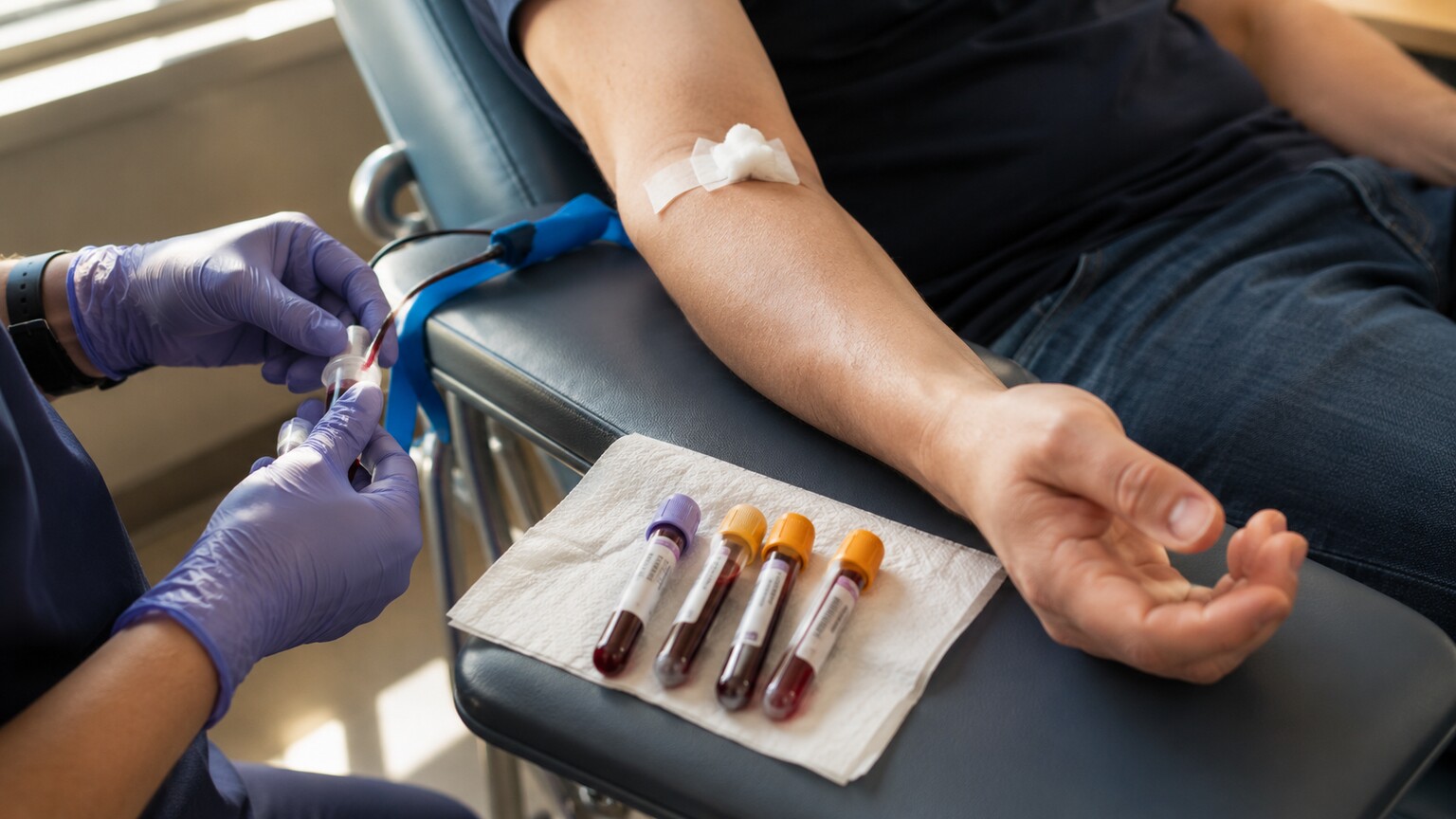
Figure 4. Iron panel and ferritin samples are drawn and processed together specifically so the two results can be interpreted as one combined pattern.
This is the actual reason your doctor orders these tests as a set: not because any single result is the answer, but because the shape formed by all four numbers together — serum iron, TIBC, transferrin saturation, and ferritin — usually points toward one of a handful of recognizable clinical stories. Learning these patterns is the fastest way to understand what your own results might mean.
The first and most common pattern is straightforward iron deficiency, most often from inadequate dietary intake, chronic blood loss such as heavy menstrual periods or a slow gastrointestinal bleed, pregnancy, or poor absorption. In this pattern, ferritin is low, serum iron is low, TIBC is high — because the body is desperately manufacturing more transferrin trucks to try to capture every available iron atom — and transferrin saturation is low, since there simply isn't enough iron to fill even the increased number of available seats. This is the cleanest, most textbook pattern, and it's the one most people picture when they hear "low iron."
The second pattern is anemia of chronic disease, sometimes now called anemia of inflammation, seen in people with chronic kidney disease, rheumatoid arthritis, inflammatory bowel disease, cancer, or other long-standing inflammatory conditions. Here, ferritin is normal or even elevated — reflecting inflammation rather than true abundance — while serum iron and transferrin saturation are both low, and TIBC is often normal or even slightly low rather than high, because inflammation actually suppresses transferrin production even as it's needed most. This is the pattern that most clearly demonstrates why ferritin can't be interpreted alone: taken by itself, that "normal" ferritin would look reassuring, but the rest of the panel reveals iron that's present in storage yet functionally unavailable, trapped by inflammation rather than genuinely absent.
The third pattern is iron overload, most classically seen in hereditary hemochromatosis, a genetic condition — most often caused by mutations in a gene called HFE — that causes the gut to absorb far more iron from food than the body needs, with nowhere for the excess to go. Here, ferritin is elevated, often markedly so, and transferrin saturation is also elevated — frequently above 45%, which is one of the earliest and most specific clues to hemochromatosis, sometimes appearing even before ferritin itself rises significantly. Because hemochromatosis is genetic and often produces no symptoms in its early stages, it's frequently discovered incidentally, either through routine bloodwork or because a close relative was already diagnosed and the rest of the family was screened. Left unaddressed, this pattern matters because excess iron accumulates in the liver, heart, pancreas, and joints over years, and can eventually cause serious organ damage — including cirrhosis, diabetes from pancreatic iron deposits, heart rhythm problems, and joint pain — which is exactly why catching this pattern early, often in someone with no symptoms at all, is one of the more consequential things this panel can do. The standard treatment, once the diagnosis is confirmed, is refreshingly low-tech: regular therapeutic phlebotomy, essentially scheduled blood removal, which draws down excess iron by forcing the body to use its stores to replace the removed red blood cells.
The fourth pattern is a mixed or combined picture, which is more common than many people expect: someone with both true iron deficiency and an inflammatory condition at the same time — a person with inflammatory bowel disease who is also losing blood through the gut, for instance, or someone with chronic kidney disease who also has a slow gastrointestinal bleed unrelated to their kidney condition. In this scenario, the numbers can look ambiguous or contradictory at first glance: ferritin might sit in a falsely reassuring "normal" zone due to inflammation, while transferrin saturation is low enough to suggest real deficiency underneath it. This is often exactly when a doctor will add further, more specialized testing to clarify what's really happening — most commonly a soluble transferrin receptor (sTfR) test, which tends to stay reliable even in the presence of inflammation because, unlike ferritin, it isn't an acute-phase reactant; it rises specifically when the bone marrow is starved for iron regardless of what else is going on in the body. Alternatively, a doctor might simply start a trial of iron supplementation and recheck the panel in six to twelve weeks — a rising ferritin and improving symptoms in response to treatment can itself be a useful diagnostic clue when the initial numbers were ambiguous.
Common Reasons Your Doctor Might Order This Combination
Fatigue that doesn't have an obvious explanation is probably the single most frequent trigger for this combined order. Iron deficiency is one of the most common, correctable causes of persistent tiredness, and because early deficiency can exist with a completely normal hemoglobin and a completely normal-looking complete blood count, doctors often reach for the iron panel and ferritin specifically to catch a deficiency that a standard CBC alone would miss entirely. A second common trigger is an abnormal complete blood count itself — small, pale-looking red blood cells (described on a report as microcytic and hypochromic) are the classic fingerprint of iron deficiency, and the iron panel is the natural next step to confirm it and rule out other causes of small red cells, like thalassemia, a genetic condition that can produce a similar-looking blood picture despite completely normal iron status. Distinguishing between the two matters enormously, since giving iron supplements to someone with thalassemia rather than true iron deficiency does nothing to help and can eventually contribute to iron overload instead.
Women with heavy or prolonged menstrual periods are frequently screened this way, since menstrual blood loss is one of the most common causes of iron deficiency in people who menstruate, sometimes silently for years before fatigue or other symptoms become noticeable enough to mention to a doctor. Pregnancy is another routine trigger, since iron demands rise substantially to support the growing blood volume and the developing fetus, and untreated deficiency during pregnancy carries real risks for both parent and baby. People with a family history of hemochromatosis are often screened even without symptoms, precisely because the condition can cause silent organ damage for years before it ever produces a symptom a person would notice on their own. And anyone already taking iron supplements may have this panel repeated periodically simply to confirm the supplement is actually working — or, just as importantly, to make sure it hasn't overcorrected into iron overload.
A handful of less obvious situations prompt the same combination just as often. Restless legs syndrome has a well-documented link to low brain and body iron stores, and many neurologists will check ferritin specifically before prescribing medication for it, since correcting an underlying deficiency can sometimes resolve the symptoms on its own. Unexplained hair shedding is another common trigger — telogen effluvium, a diffuse hair-thinning pattern, is frequently associated with a ferritin below roughly 40 to 70 ng/mL even when a person is nowhere near anemic. Athletes, particularly endurance runners, are screened more often than the general population because intense training can lower iron stores through a combination of increased red blood cell turnover, GI blood loss from repetitive impact, and a training-related rise in hepcidin that temporarily blunts absorption. And people scheduled for major surgery are frequently screened beforehand, since undiagnosed iron deficiency going into an operation with expected blood loss can turn a routine procedure into one requiring a transfusion.
What Happens After Your Results Come Back
What a doctor does next depends heavily on which of the four patterns your results resemble. For straightforward iron deficiency, the usual first step is oral iron supplementation, generally taken every other day rather than daily — research over the past several years has shown that alternate-day dosing is often absorbed better and causes fewer digestive side effects than the traditional once- or twice-daily approach, because each dose of iron temporarily raises hepcidin and blunts absorption of the next dose taken too soon after. Alongside supplementation, a doctor will typically look for and address the underlying cause — heavy periods, a possible GI bleed that may warrant a colonoscopy or endoscopy, or a dietary pattern that's simply too low in iron.
For anemia of chronic disease, the priority usually shifts toward treating or better controlling the underlying inflammatory condition itself, since the iron trapped by hepcidin often can't be freed up by supplementation alone. In some cases — particularly with chronic kidney disease — doctors use medications that work directly on the hepcidin pathway, or intravenous iron, which bypasses the gut absorption problem inflammation creates. For iron overload from hemochromatosis, as mentioned above, regular phlebotomy is the mainstay of treatment, typically starting more frequently to bring stores down and then tapering to a maintenance schedule once ferritin and transferrin saturation normalize. For a mixed picture, doctors generally address both problems in parallel — treating the inflammatory condition while also replacing the genuine iron deficit, and using repeat testing every few months to see whether the numbers are moving in the right direction.
How to Read Your Own Combined Results
When you're looking at your own results, it helps to resist the urge to react to any single number first. Start with transferrin saturation and ferritin together, since that pairing does most of the diagnostic work: a low saturation with a low ferritin points toward genuine deficiency; a low saturation with a normal-to-high ferritin points toward inflammation masking the picture; and a high saturation with a high ferritin points toward possible overload. Serum iron and TIBC are the supporting evidence that explains why the saturation landed where it did — TIBC climbing tells you the body is actively trying to compensate for a shortage, while a flat or low TIBC in the presence of inflammation tells you that compensation mechanism has been suppressed.
It's also worth remembering that reference ranges on a lab report are population averages, not individual verdicts, and that a single set of results is a snapshot, not necessarily the full story — which is exactly why doctors often repeat testing, especially if the first set of numbers doesn't cleanly match one of the classic patterns above, or if there's an active illness or infection that could be temporarily skewing ferritin on the day of the draw.
Finally, try to notice whether your results were drawn during or shortly after any illness, infection, or flare of a chronic condition — a cold the week before your blood draw, a recent minor surgery, or an active flare of an autoimmune condition can all temporarily push ferritin upward independent of your actual iron stores. If that's the case, mentioning it to your doctor, or simply asking whether it's worth repeating the panel once you're feeling well again, is a reasonable and often clarifying next step.
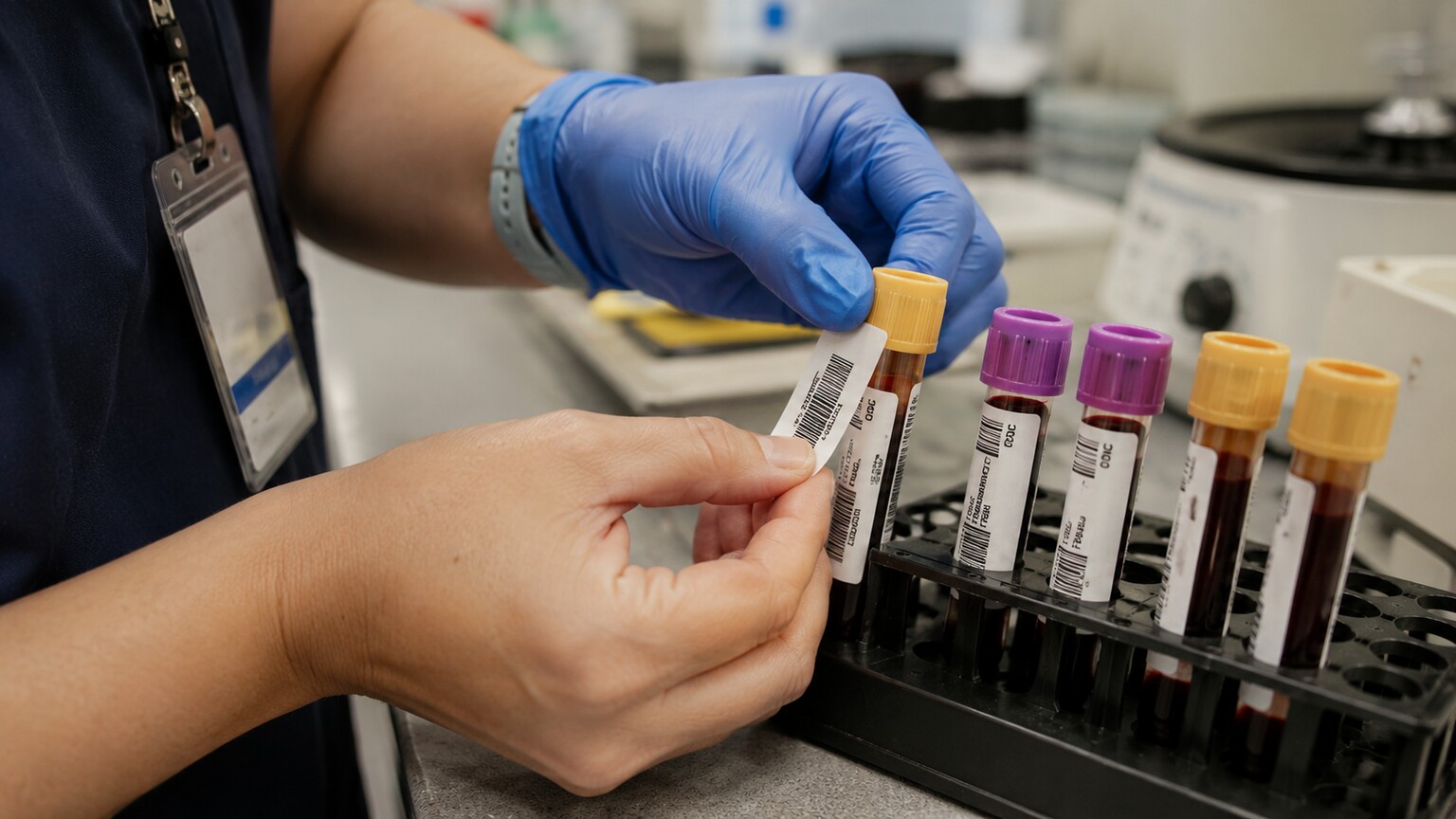
Figure 5. A single blood draw can supply every tube needed for the combined panel, since serum iron, TIBC, transferrin saturation, and ferritin are all run from the same visit.
Things That Can Skew Results on the Day of Your Draw
A handful of everyday factors can shift these numbers enough to matter, which is part of why context always accompanies interpretation. Taking an iron supplement or a multivitamin containing iron in the 24 hours before your blood draw can temporarily inflate serum iron and transferrin saturation, sometimes enough to make a genuinely deficient person look artificially normal — most labs recommend pausing supplements for at least a day beforehand unless your doctor specifically wants to see the effect of ongoing treatment. A recent blood transfusion has an even larger and longer-lasting effect, since it directly adds iron-carrying red blood cells to circulation. Recent significant blood loss, whether from surgery, an injury, or a heavy period during the days surrounding the draw, can push numbers in the opposite direction. And as covered above, any active infection, injury, or flare of a chronic inflammatory condition can distort ferritin specifically, independent of everything else.
Time of day matters too, more than people usually expect. Because serum iron follows a genuine daily rhythm — driven partly by hepcidin, which itself rises and falls over the course of the day — a sample drawn at 8 a.m. and one drawn at 6 p.m. from the same person, on the same day, having eaten the same food, can show meaningfully different serum iron values. This is precisely why a morning, fasting draw is often specified when a doctor wants a result that's genuinely comparable to a previous one, or comparable to standard reference ranges, which were themselves generally established using morning samples.
Frequently Asked Questions
Do I need to fast before an iron panel and ferritin test?
Serum iron follows a daily rhythm and is typically highest in the morning, so many doctors ask for a fasting, morning draw to get the most consistent, comparable result. Ferritin itself isn't meaningfully affected by fasting, but since it's usually drawn in the same visit as the rest of the panel, the same fasting instructions typically apply to the whole set.
Can I have low ferritin but a normal iron panel, or the reverse?
Yes, and it's actually common. Ferritin can dip early, before serum iron or transferrin saturation change at all, since your body draws down storage before the amount circulating in blood is affected — this is often the very first sign of developing deficiency. The reverse is also possible: ferritin can look artificially normal or high due to inflammation while the rest of the panel shows a person is functionally iron-deficient, which is exactly why the tests are read together rather than individually.
Does a high ferritin always mean too much iron?
No. High ferritin has two very different possible explanations: true iron overload, as seen in hemochromatosis, where transferrin saturation is also elevated, or inflammation, infection, liver disease, or heavy alcohol use, where transferrin saturation is typically normal or low. Looking at ferritin without the rest of the iron panel makes it impossible to tell which of these two very different situations is actually happening.
How soon can I expect my iron panel and ferritin to change after starting treatment?
Serum iron can rise within days of starting supplementation, but it's an unreliable early marker since it fluctuates so much on its own. Ferritin is a better gauge of real progress, though it typically takes six to twelve weeks of consistent treatment to show a meaningful rise, since it reflects storage rebuilding over time rather than a single day's intake. Doctors generally wait at least that long before rechecking the panel, since testing too early can look falsely discouraging even when treatment is working.
Conclusion
An iron panel and a ferritin test are ordered together because they're answering two different but tightly connected questions: how much iron is actually moving through your bloodstream right now, and how much you have stored away in reserve. Neither number tells the whole story alone — a ferritin can be quietly misleading during inflammation, and an iron panel by itself says nothing about your long-term reserves. It's the combined pattern across all four values that lets a doctor tell the difference between simple iron deficiency, anemia driven by chronic inflammation, iron overload, or a mixed picture involving more than one of these at once — and that distinction changes everything about what happens next, from a simple over-the-counter supplement to a genetic diagnosis that affects your family, or an investigation into a source of hidden blood loss that needed to be found regardless of what the iron numbers themselves ended up showing. None of that nuance is available from a single test taken in isolation, which is exactly the point of ordering the panel as a set in the first place. If your results came back and the picture still feels unclear, that's a completely reasonable thing to bring back to your doctor for a plain-language walkthrough — and it's worth asking specifically how your ferritin and your transferrin saturation relate to each other, since that one comparison usually explains more than any single number on the page.
Still Not Sure What Your Results Mean?
Upload your labs and get a complete, visual, plain-language interpretation of every biomarker — delivered to your inbox in under 15 minutes.
Get My ReportThis article is for educational purposes only and does not constitute medical advice. Always consult your healthcare provider regarding your specific lab results.